
Most runways ask little of a pilot beyond a steady hand and a clear day. A handful around the world demand far more, whether from steep mountain terrain, a public highway that cuts across the pavement, or a beach that belongs to the tide. Here are ten runways that have earned a reputation for testing even experienced crews.
1. Paro Airport: Special Training Required
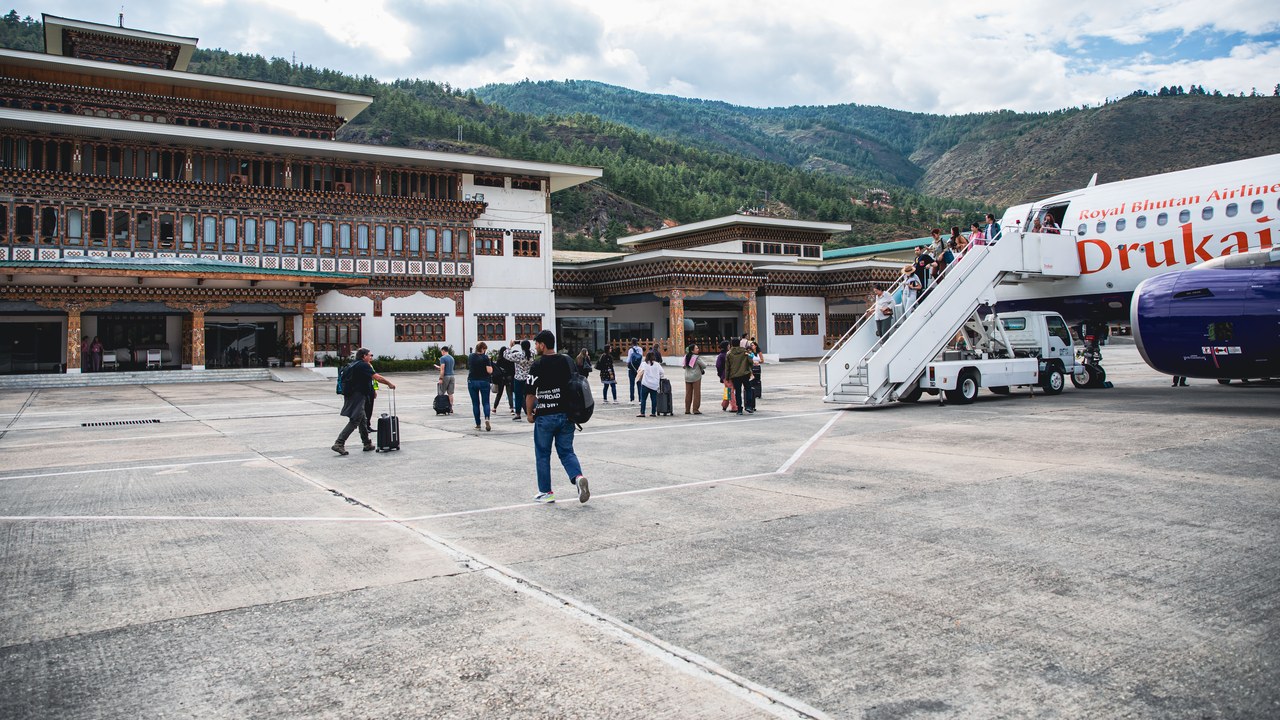
Bhutan’s Paro is so demanding that pilots have to be specially trained before they can land there, according to a CNN roundup of dramatic approaches. That requirement is the reason the airport is on the list at all, since most fields do not ask crews for a separate qualification.
The rule tells travelers what the terrain cannot show in a photograph. Approaches here are treated as a specialty skill, something learned rather than assumed, and the airport keeps appearing on lists of the world’s trickiest places to bring an airliner down, which is a large part of its fame.
2. Tenzing-Hillary Airport (Lukla): Gateway To Everest
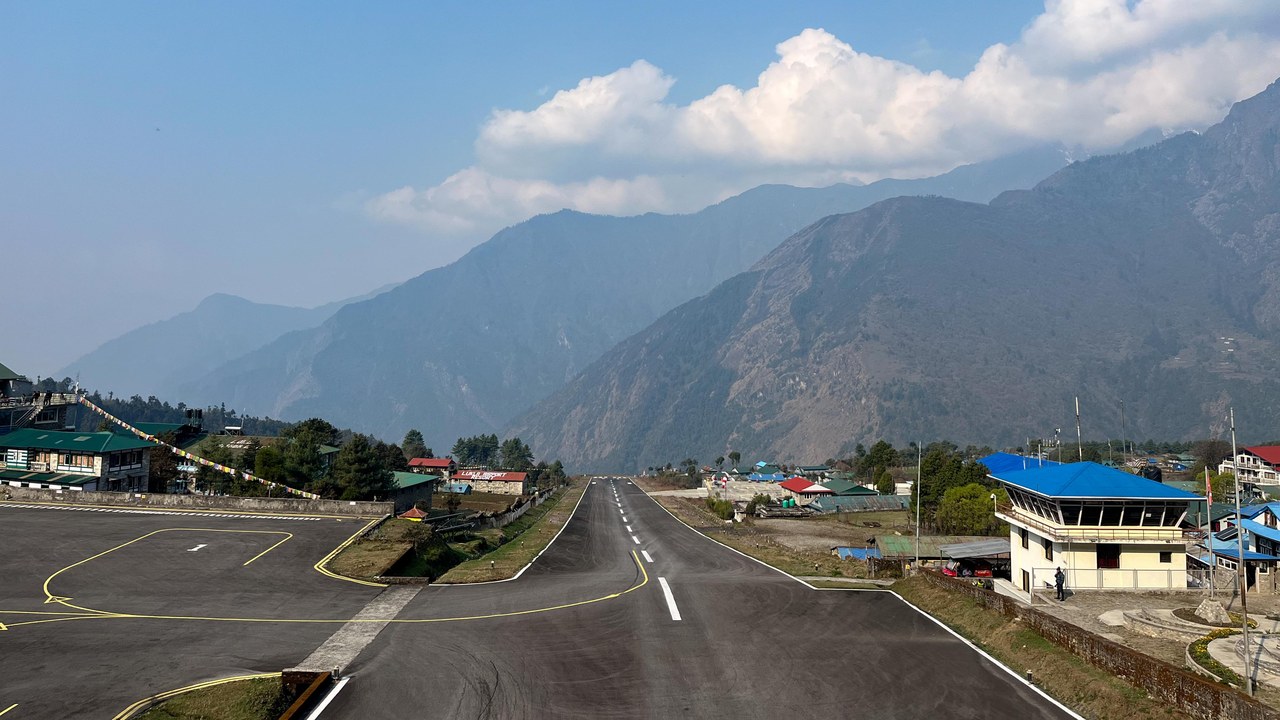
Lukla’s Everest gateway runway is just 527 meters long with an 11.7 percent gradient, per Wikipedia’s Tenzing-Hillary entry. Pilots need at least 100 short-takeoff-and-landing missions, more than a year of STOL experience in Nepal and ten Lukla missions with a certified instructor.
Those prerequisites are steep by any standard. A strip this short and this sloped leaves little margin for error, so the airport limits its cockpits to seasoned mountain flyers, and even they spend a long apprenticeship before flying in alone.
3. Courchevel Altiport: Alpine Ski Strip
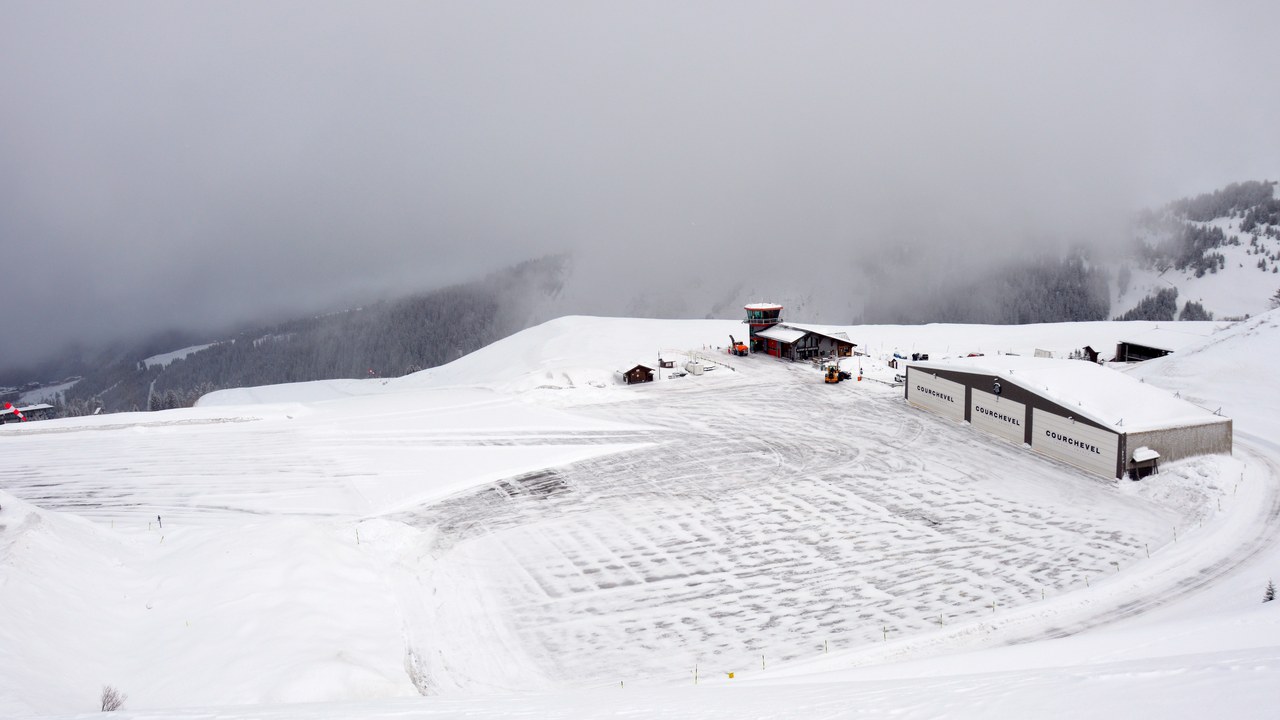
The French Alps strip at Courchevel measures only 537 meters, is tilted at an 18.6 percent gradient and sits at 2,008 meters elevation, according to Wikipedia’s Courchevel Altiport page. Few runways combine such a short length with such a pronounced slope.
The slope helps slow arriving aircraft and aids departures, but the thin mountain air and short length still leave little room for a mistake. Altiports like this one are built for pilots who trained specifically for high, tight airstrips rather than ordinary airfields.
4. Gibraltar International Airport: Highway Across The Runway
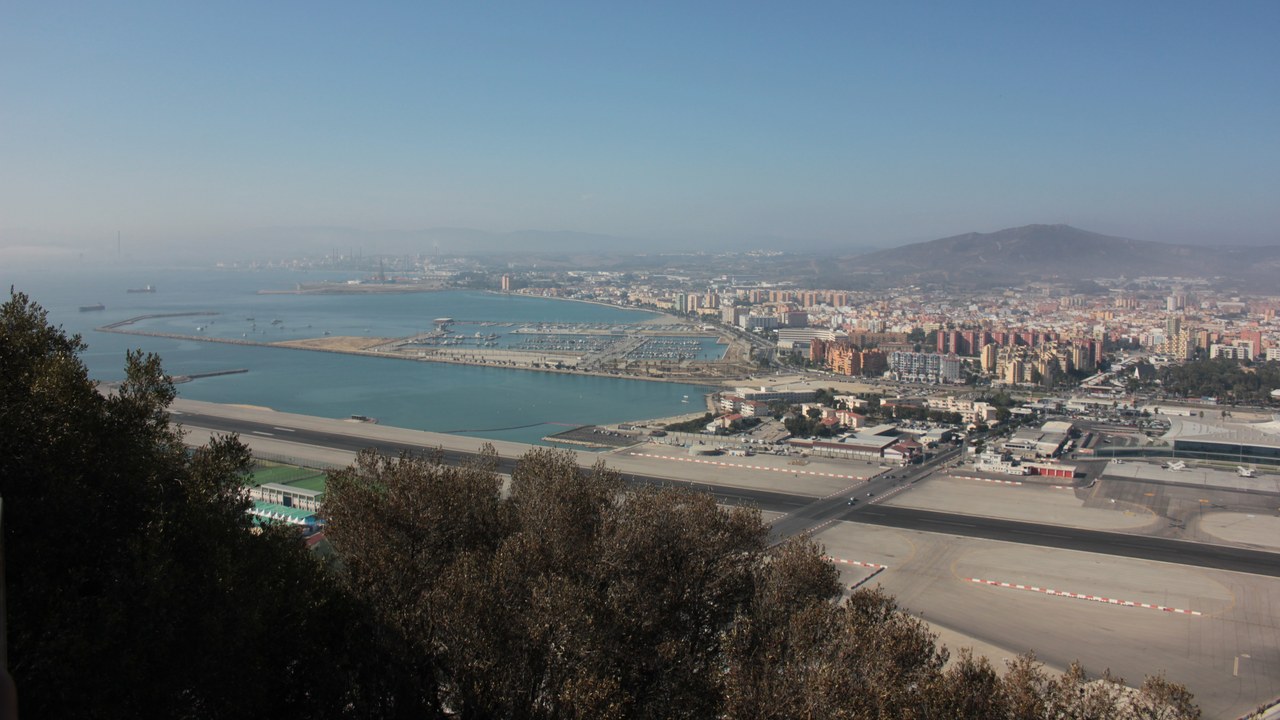
At Gibraltar, the runway bisects the territory’s main highway, and the road is closed every time a plane takes off or arrives, as CNN’s airport approaches piece describes. Cars, buses and pedestrians wait while aircraft use the crossing.
The arrangement turns an ordinary traffic light into part of flight operations. Space on the small territory is scarce, and the shared crossing shows how far an airport will bend its surroundings when land is limited, at the cost of regular road delays.
5. Barra Airport: Landing On The Sand
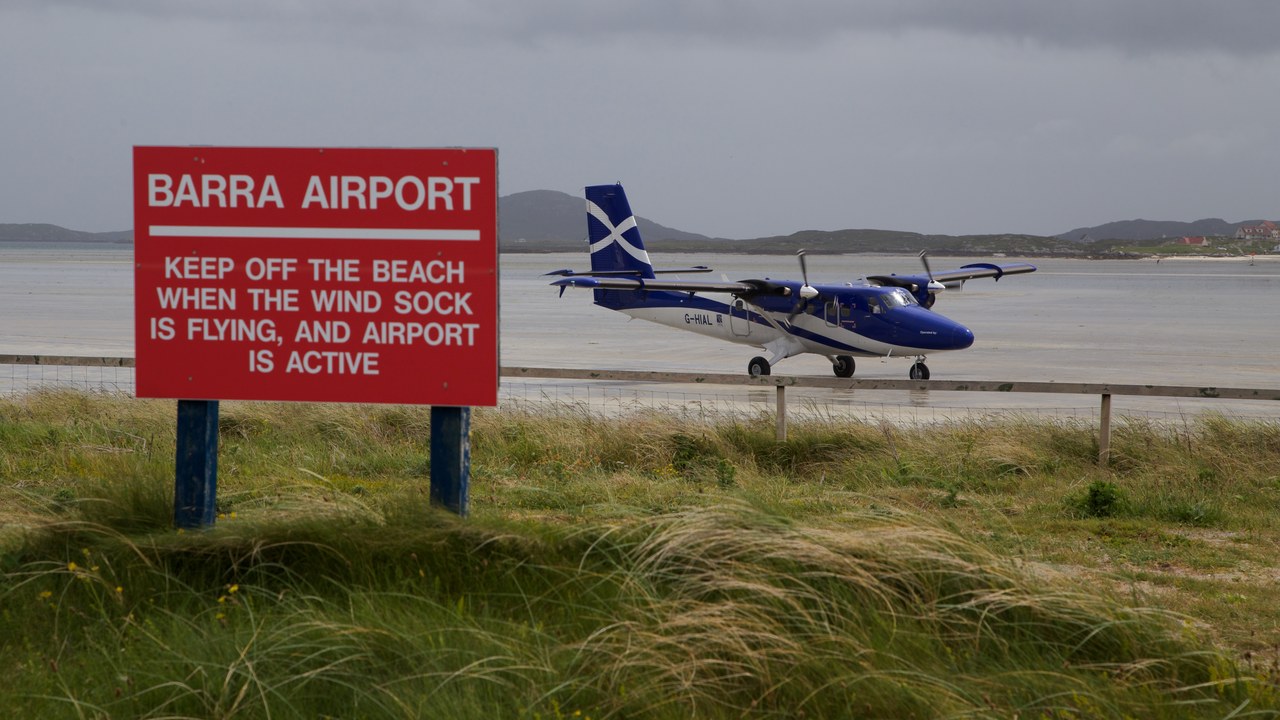
Scheduled flights at Barra land directly on the beach, reportedly the only airport in the world where scheduled flights touch down on sand, with operations dictated by the tide, per CNN’s roundup of airports. The sea decides when the runway is usable.
Timetables here follow the water rather than the clock alone. Passengers land on an ordinary beach, which makes Barra as much a curiosity as a hazard, and it shows that a runway does not have to be paved to carry regular service.
6. Aspen/Pitkin County Airport: Mountains On All Sides
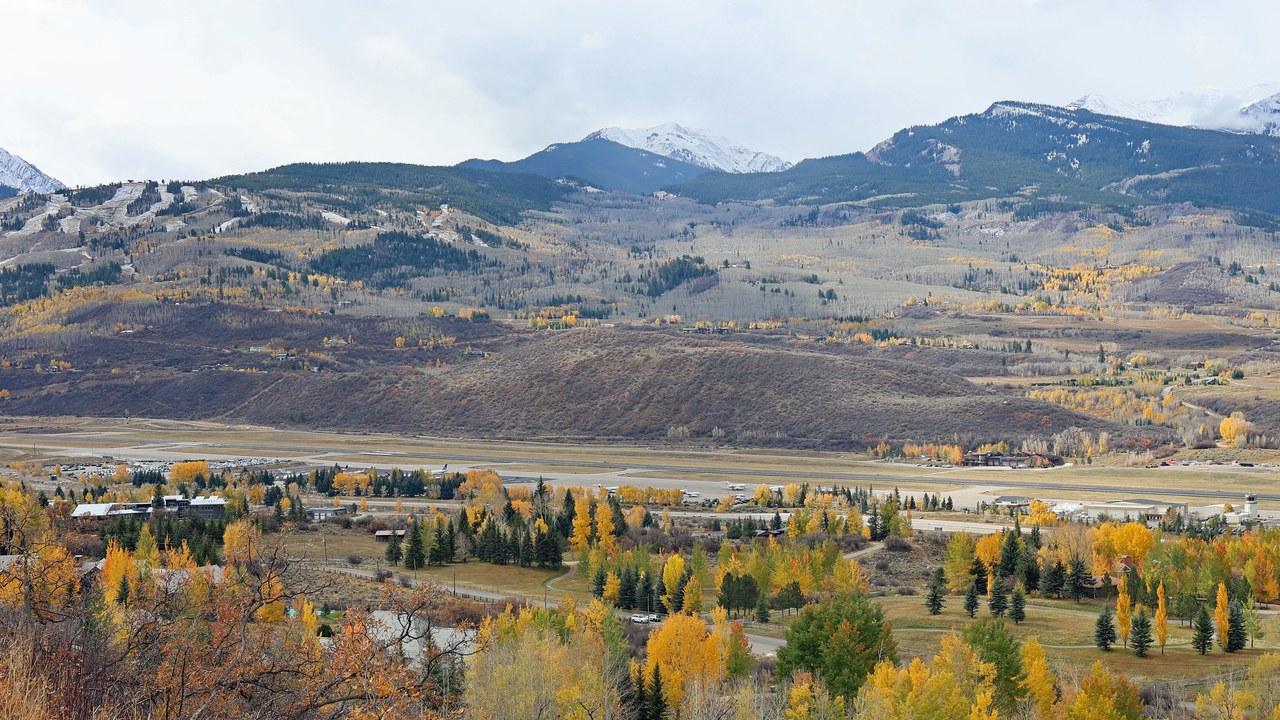
An FAA notice lists Aspen among airports needing special pilot-in-command qualification, citing mountainous terrain in all quadrants, high climb-gradient performance requirements and special procedures, according to FAA special airports notice. Mountains surround the field in every direction.
The notice dates to 2015, and the list may have changed since, so the details are best read as historical. Even so, it shows how a well-known resort airport in Colorado is treated by regulators as a place where extra preparation matters, especially for departures that must climb steeply.
7. Telluride Regional Airport: Colorado Mountain Listing
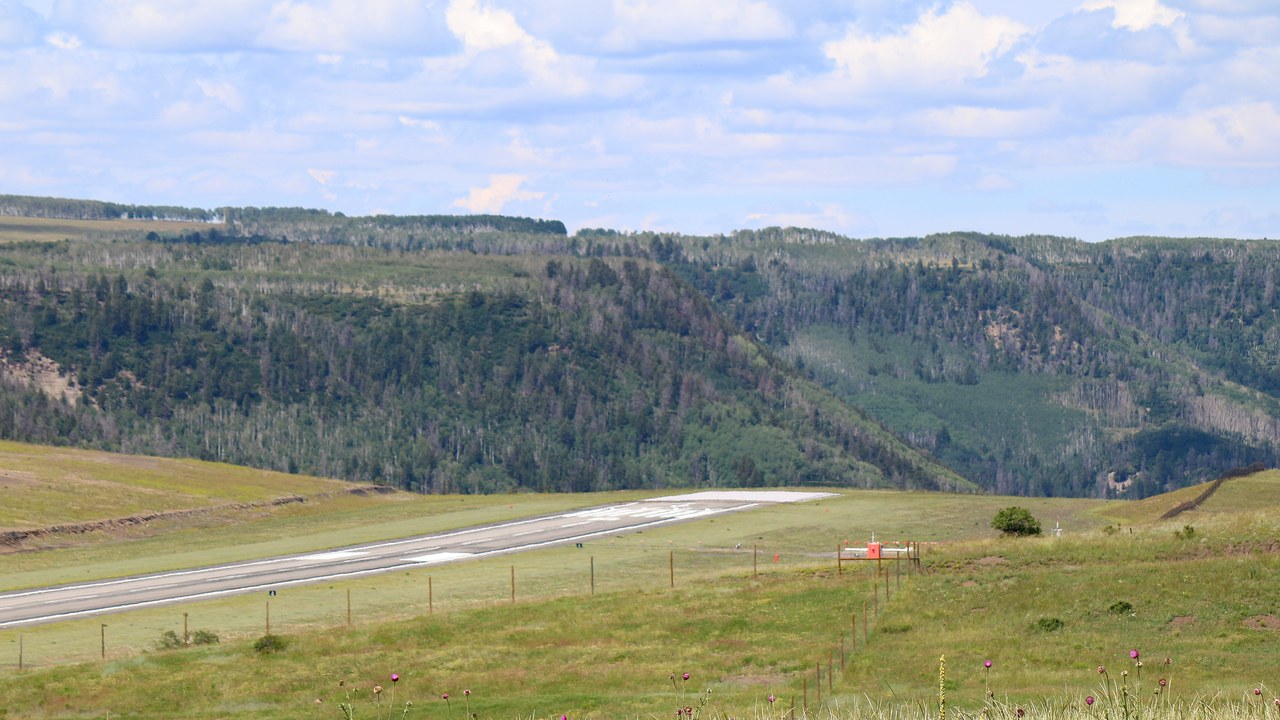
Telluride appears on the same FAA special pilot-qualification list because of mountainous terrain, according to FAA special airports notice. The entry is brief, but its inclusion places the Colorado airport alongside other demanding fields.
That the entry is so short does not make the challenge minor. High terrain limits how crews can arrive and leave, and the listing reflects a regulatory judgment from 2015 that such conditions justify extra qualification before a captain flies there. Readers should treat the list as a snapshot rather than a current ruling.
8. Ronald Reagan Washington National Airport: The Capital’s Special Procedures
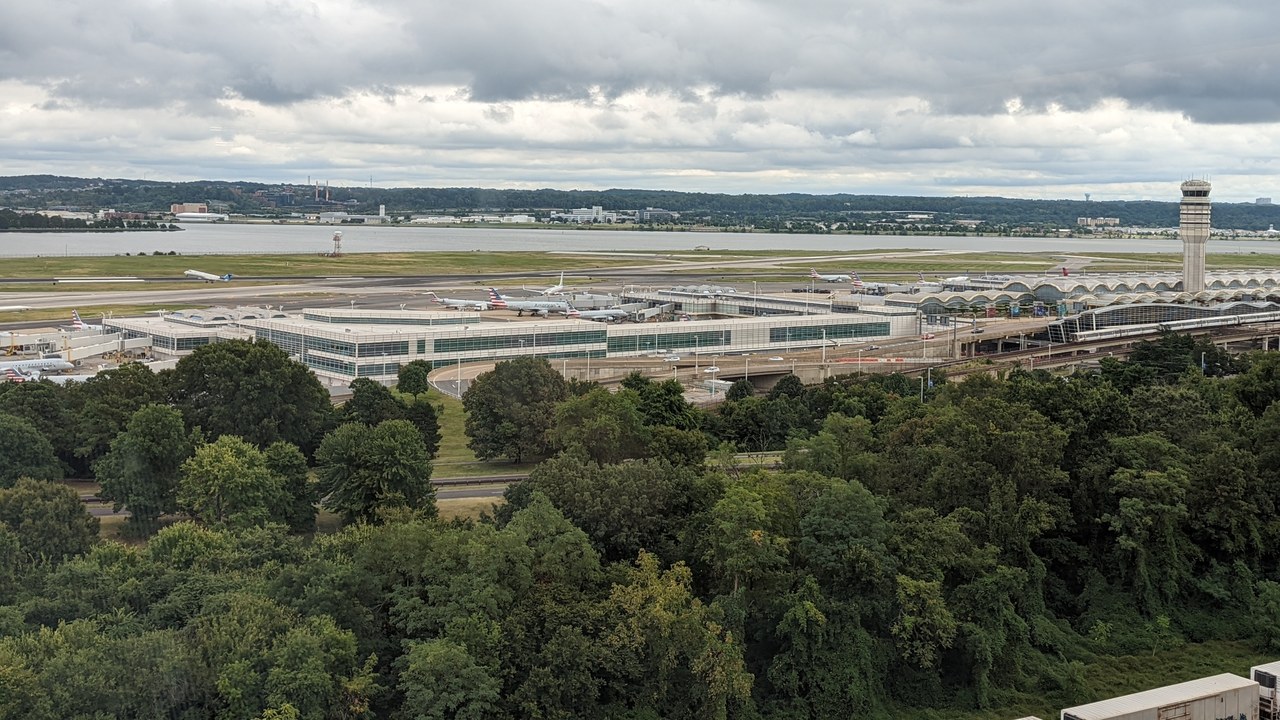
Washington National appears on the FAA’s special pilot-in-command qualification list for its special arrival and departure procedures, per FAA special airports notice. Unlike most entries, terrain is not the stated reason.
Its inclusion shows that difficulty can come from rules and airspace as well as scenery. Crews serving the airport near the nation’s capital follow procedures that differ from routine practice, and the 2015 notice recognized that in writing. Anyone reading the list should note that it is a snapshot from a specific year.
9. Princess Juliana International Airport: Island Airport Listing
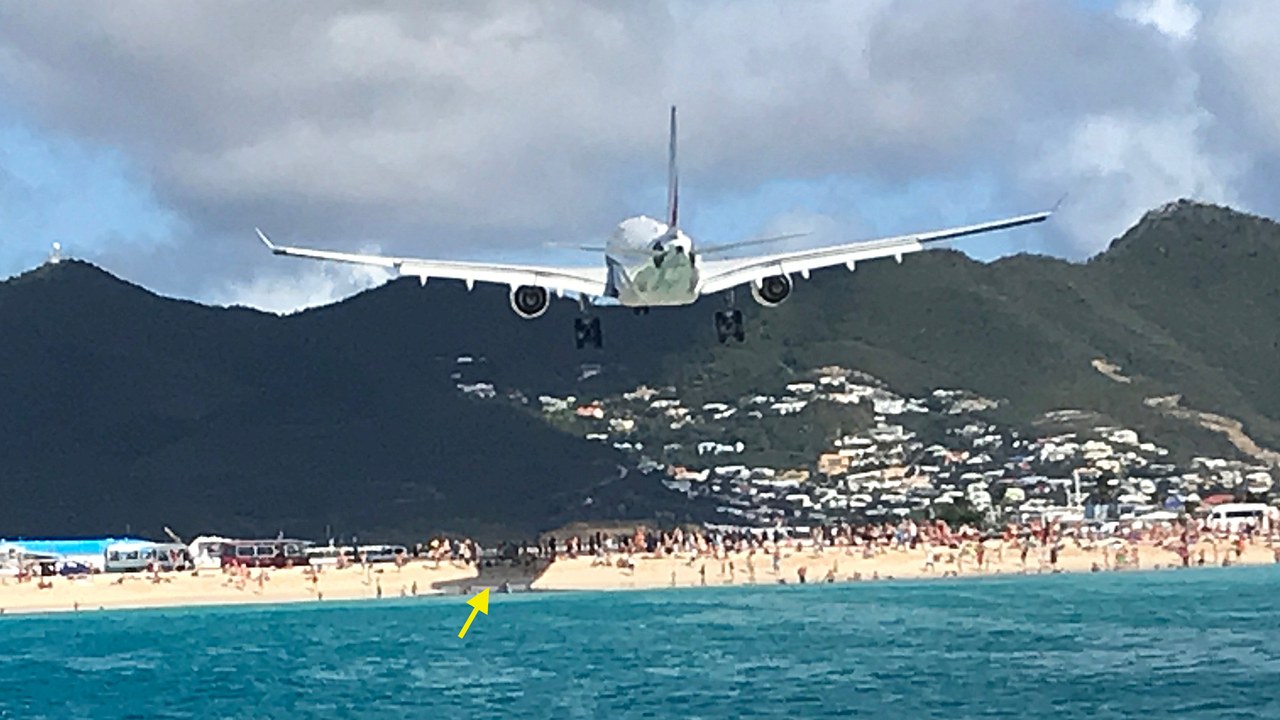
St. Maarten’s Princess Juliana airport is on the FAA’s special pilot-in-command qualification list, which cites mountainous terrain, per FAA special airports notice. The listing appears under the airport’s former Netherlands Antilles designation.
The airport is known to many travelers for its beach setting, but the federal notice focuses on the hills. It is the only Caribbean entry in this gallery, and the 2015 date means the current status is worth confirming before anyone relies on it. The list is a regulatory snapshot, not a ranking of danger.
10. Toncontín International Airport: Ring Road And Sharp Turn
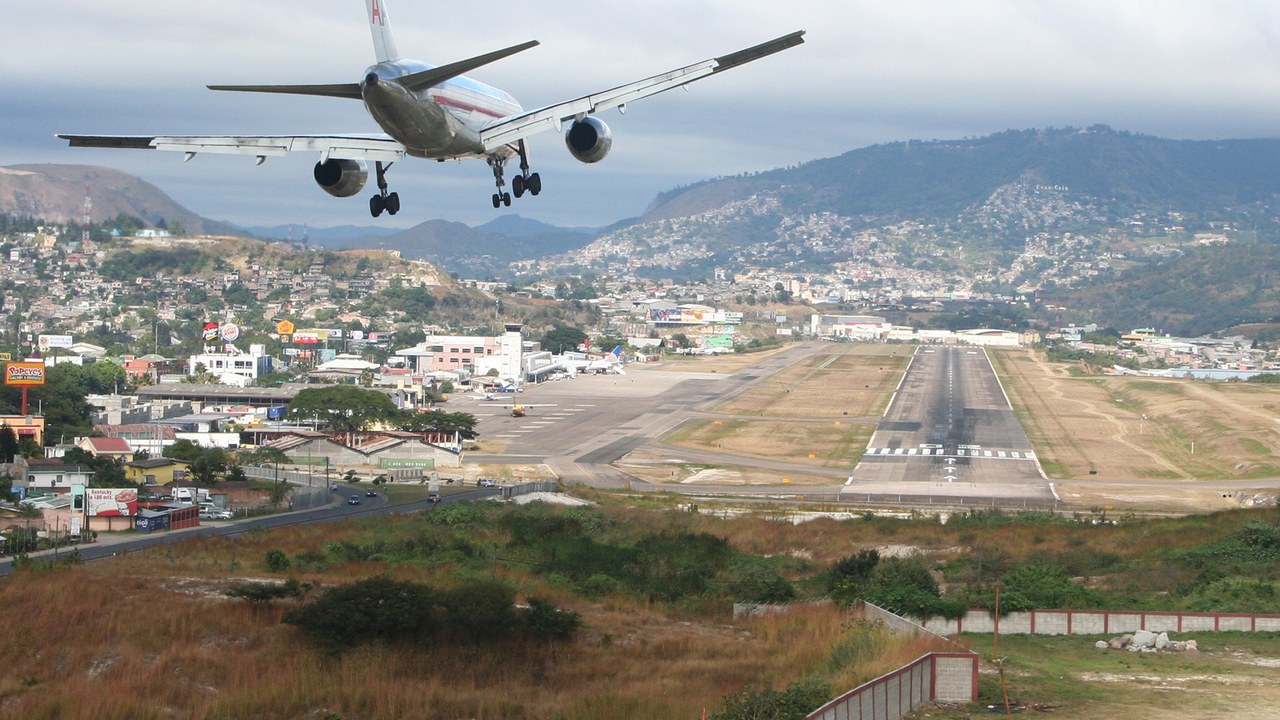
Jets heading for Tegucigalpa’s Toncontin follow a ring road to a cloverleaf, then make a sharp left turn to line up with the runway, per Wikipedia’s Toncontin Airport article. A 2008 TACA A320 overran the runway there.
Three of the 124 people aboard and two people on the ground were killed in that accident. It remains the sobering reminder on this list that a tricky approach is not just a matter of pilot pride, but of real consequences when things go wrong.
More from Morning Overview
- A geomagnetic storm is forecast to hit Earth today, pushing the northern lights unusually far south
- A recalled pill hid a stimulant dose linked to heart attacks and death
- Four U.S. startups fired up their first small nuclear reactors, aiming to power AI data centers on-site
- Card skimmers hidden on gas pumps and ATMs are draining accounts, and here’s the tell
