
Night driving strips away the margin that daylight gives every driver, turning a deer or a pedestrian in dark clothing into a hazard that appears only a few car-lengths away. Luxury automakers have adapted infrared and thermal-imaging technology into dashboard displays that see well past the headlight beam. Here are eight luxury cars that still ship, or can be ordered, with a factory night-vision camera.
1. Mercedes-Benz S-Class: Dual Infrared Cameras See Farther
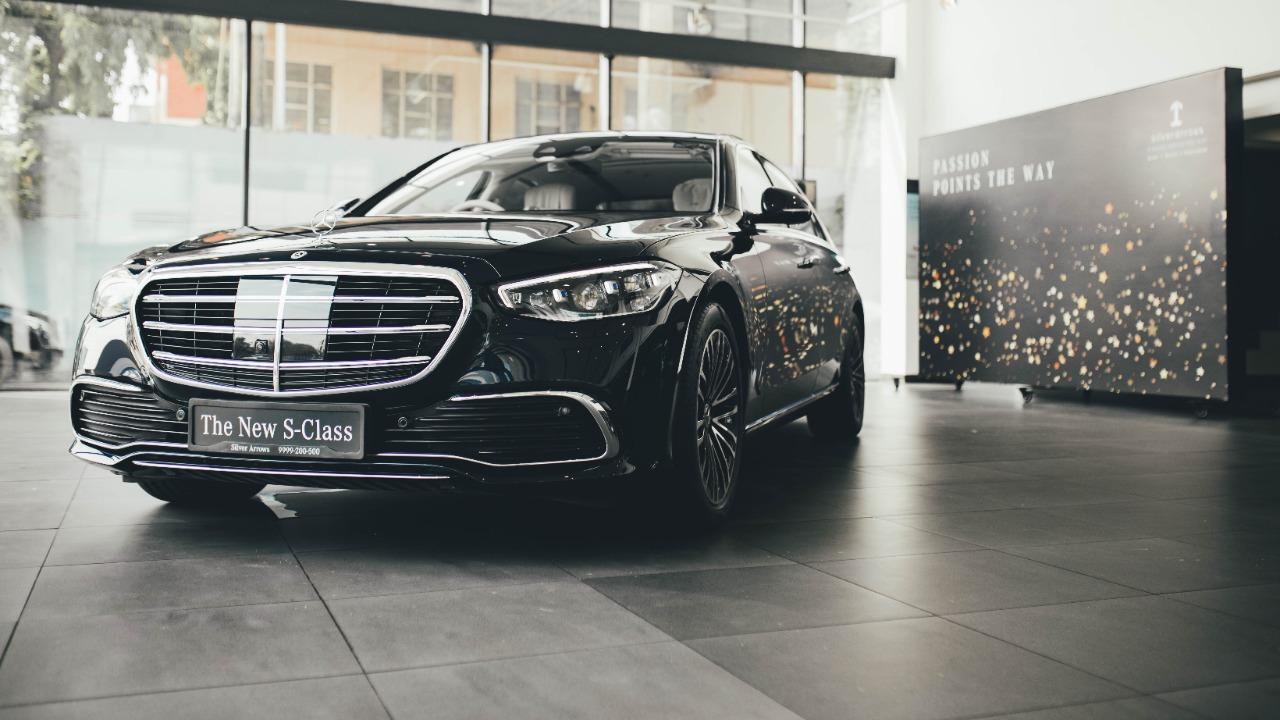
The flagship sedan’s Night View Assist Plus system pairs two infrared cameras mounted low in the front fascia, projecting a monochrome feed onto the instrument cluster that resolves pedestrians and animals as far as 150 meters ahead, well beyond where low-beam headlights lose useful contrast on a dark rural road.
Highlighted figures brighten further once the onboard software flags a heat signature crossing the road line, giving a driver several extra seconds of warning that a conventional headlight pattern simply cannot provide on an unlit highway shoulder at highway speed.
2. BMW 7 Series: Passive Infrared Spots Pedestrians
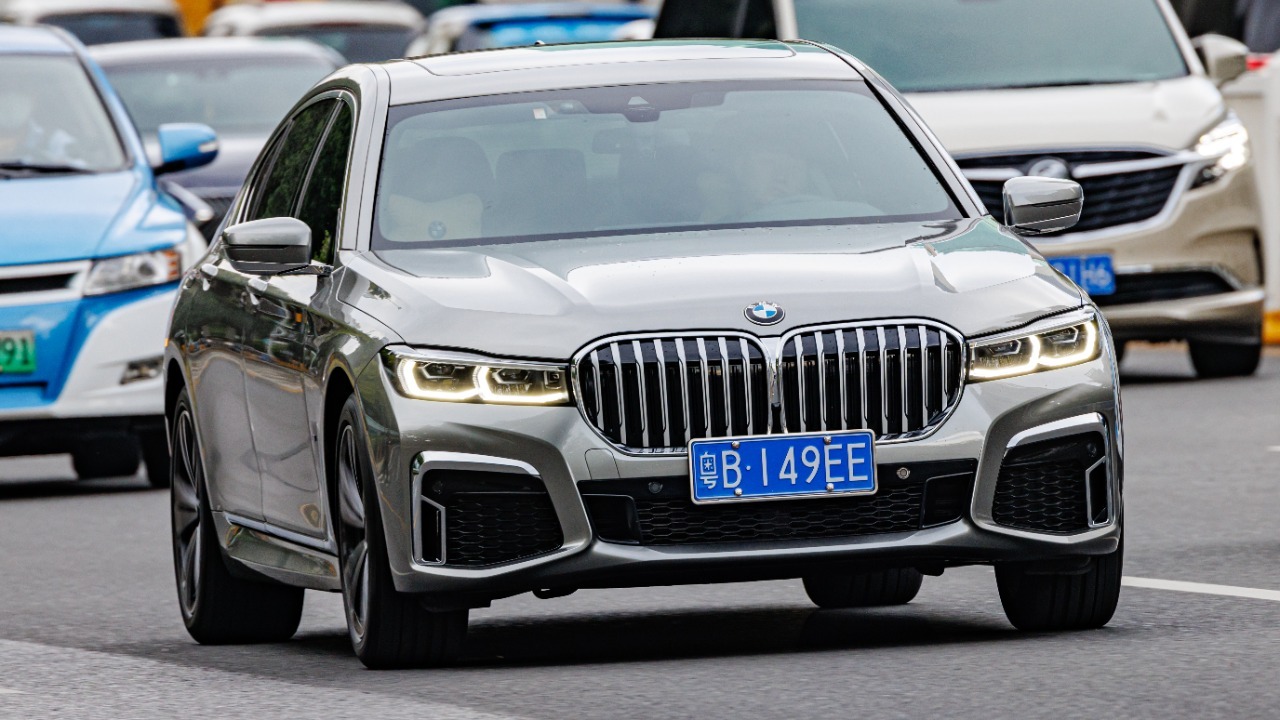
BMW equips its full-size flagship with a passive night-vision system that reads heat rather than reflected light, painting a grayscale image on the central display and circling any pedestrian who strays close to the road’s edge with a bright caution symbol before the driver’s own eyes could pick out a silhouette in the dark.
The camera sits behind the kidney grille and needs no external light source, so it keeps working through fog and glare from oncoming traffic that would otherwise wash out a standard low-light camera feed entirely, a gap this passive infrared sensor was built specifically to close.
3. Cadillac Escalade: Grille Sensor Reaches 330 Feet
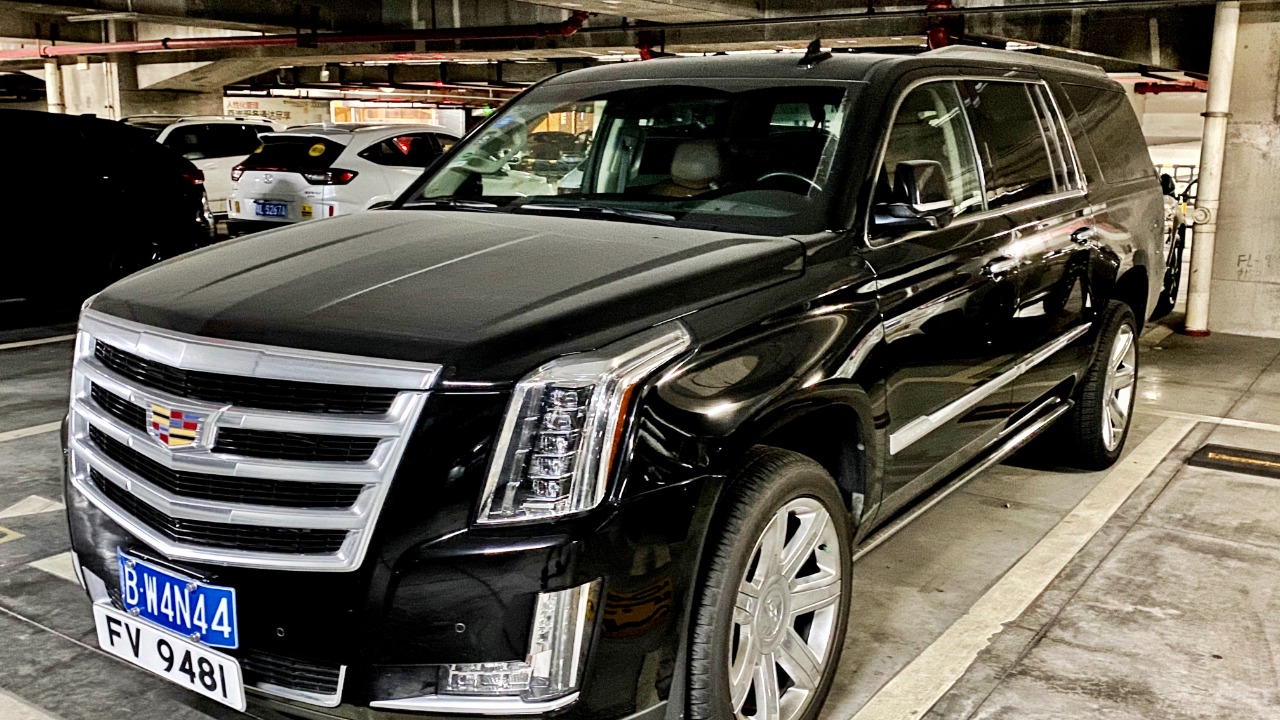
Cadillac’s largest SUV carries a Night Vision system built around an infrared sensor tucked into the grille, capable of picking out a person or a deer standing as far as 330 feet down a dark two-lane road long before the high beams would reach that distance.
The feed appears in the driver information center as a thermal outline, and the system highlights a detected figure in yellow before switching to red as the Escalade closes to a distance where a collision becomes a real risk, giving a family hauling gear on a rural night drive a wider safety margin.
4. Rolls-Royce Phantom: Borrowed Infrared, Quiet Execution
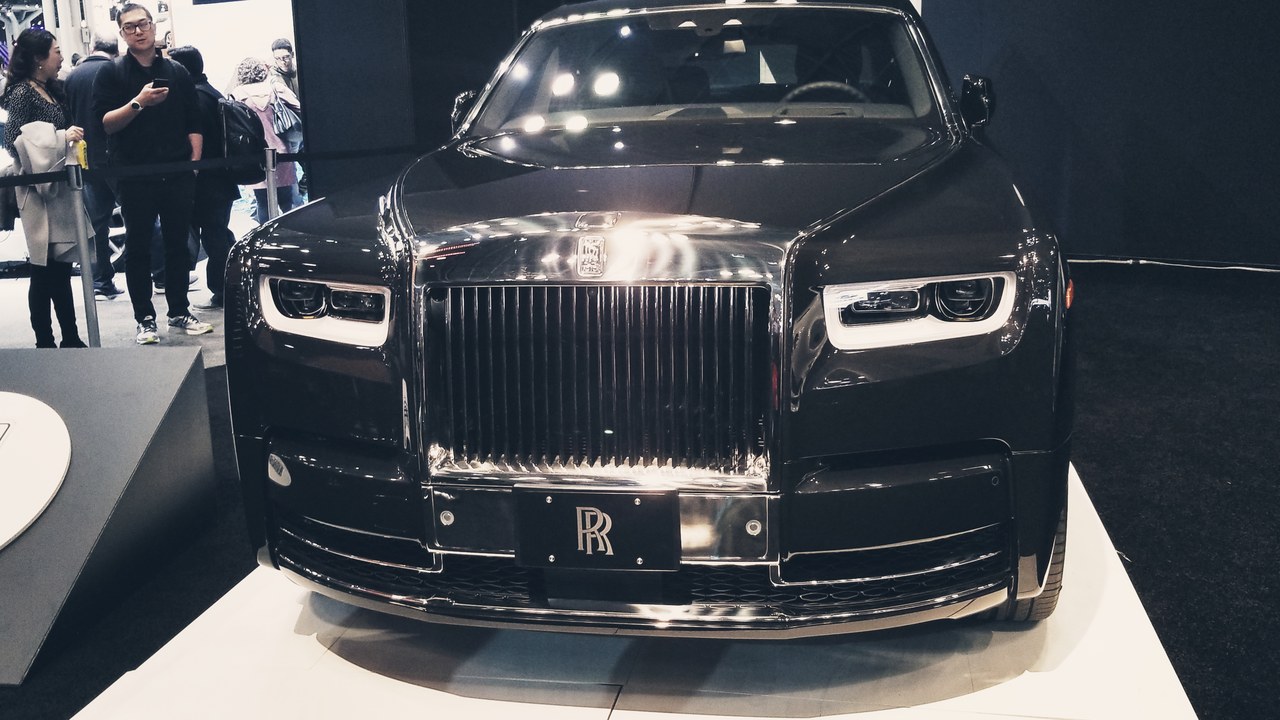
The Phantom VIII’s night-vision system shares its underlying infrared hardware with the setups found on certain Audi, BMW and Cadillac models, projecting a thermal image onto a head-up display so a chauffeur never has to glance down at a separate dashboard screen while piloting the sedan.
Rolls-Royce positions the feature as a quiet safety layer rather than a marketed gadget, consistent with a brand that prefers understated engineering, though owners who drive themselves on unlit country estates still get the same early pedestrian and animal warning as any other car on this list.
5. Audi A8: Thermal Camera Beats The Glare
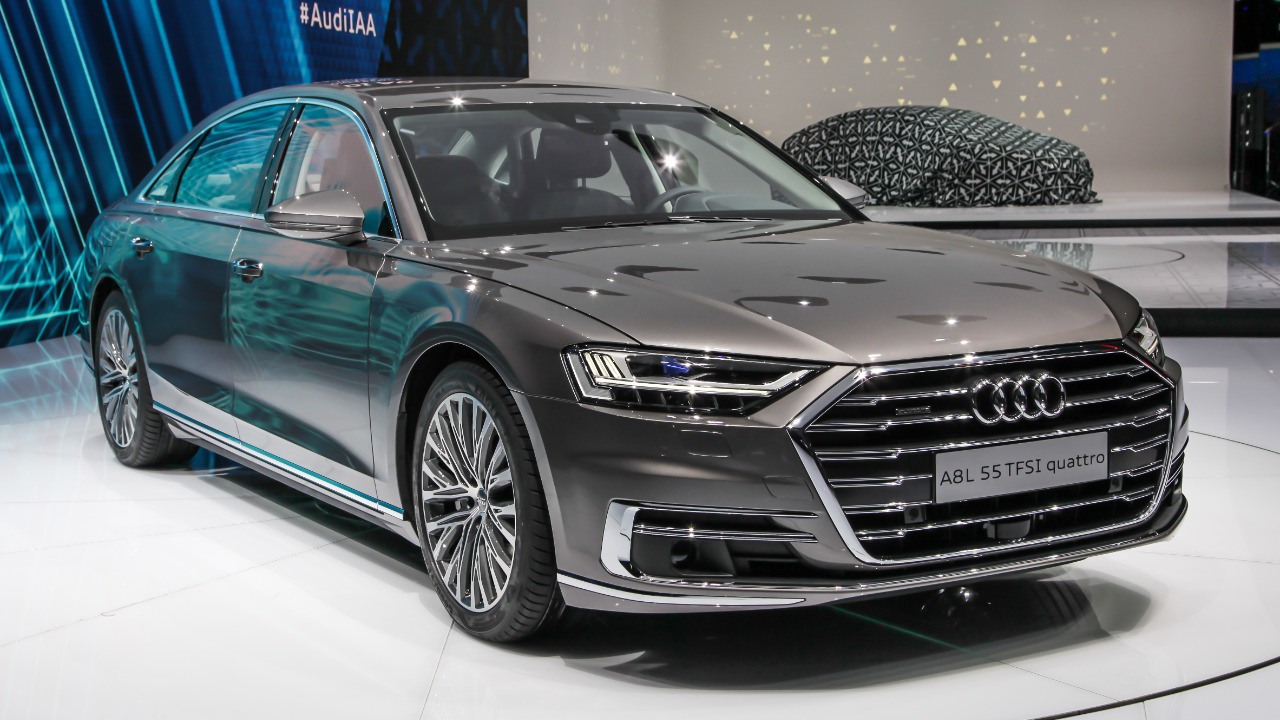
Audi’s Night Vision Assistant relies on a thermal-imaging camera rather than infrared illumination, so it detects the body heat of a person or large animal and marks the warm shape on the driver display well outside the reach of even the A8’s brightest LED headlight beam.
Because the system reads temperature instead of light, it works just as well in blinding oncoming glare as it does on a pitch-black rural highway, and a flashing red overlay appears the moment a detected figure edges toward the direction of travel, several seconds before a headlight beam alone would ever reveal it.
6. Mercedes-Benz GLS: Same System, Taller SUV Body
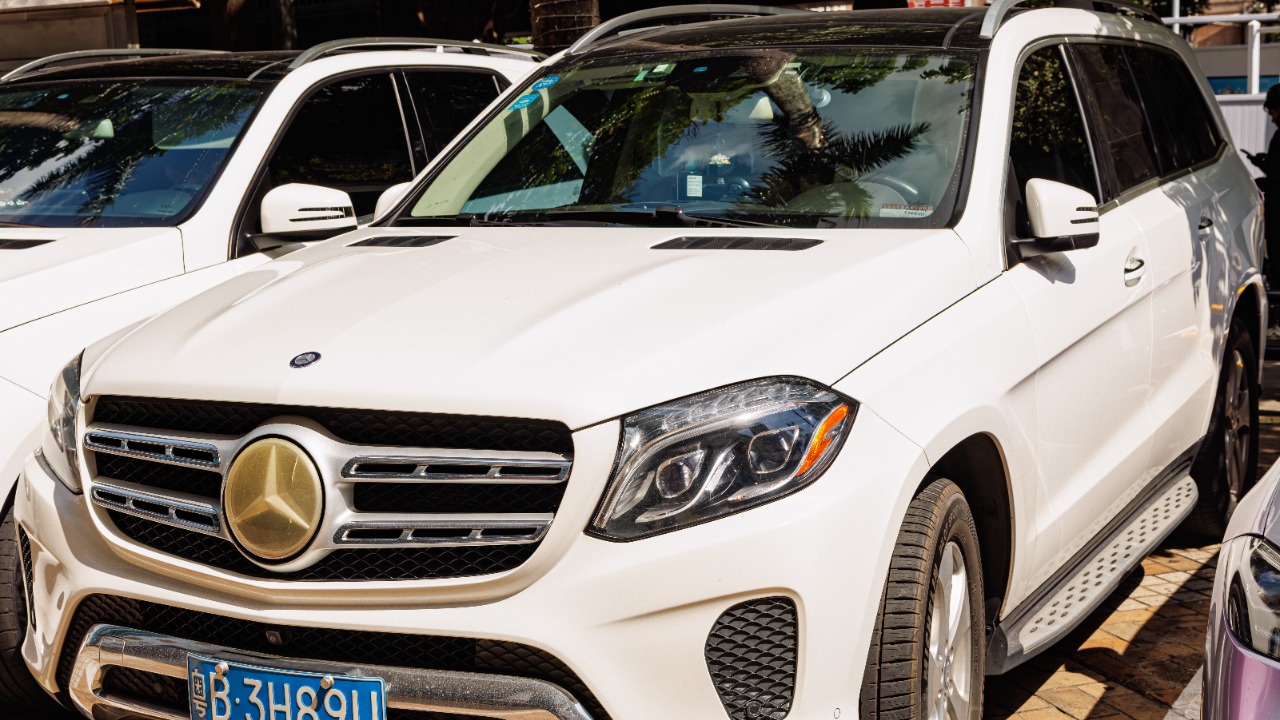
The three-row GLS carries the same Night View Assist thermal-imaging hardware found in the S-Class sedan, scaled up into a taller SUV body so a family hauling a full load of passengers gets the identical infrared detection range on a dark camping-trip access road.
Because the sensor lives at the front of the vehicle rather than tied to headlight height, ground clearance and a raised ride do not shrink the detection cone, so the SUV spots a crossing animal at essentially the same distance as its sedan sibling would, even fully loaded for a long night drive.
7. BMW X7: Flagship SUV Gets Night Vision
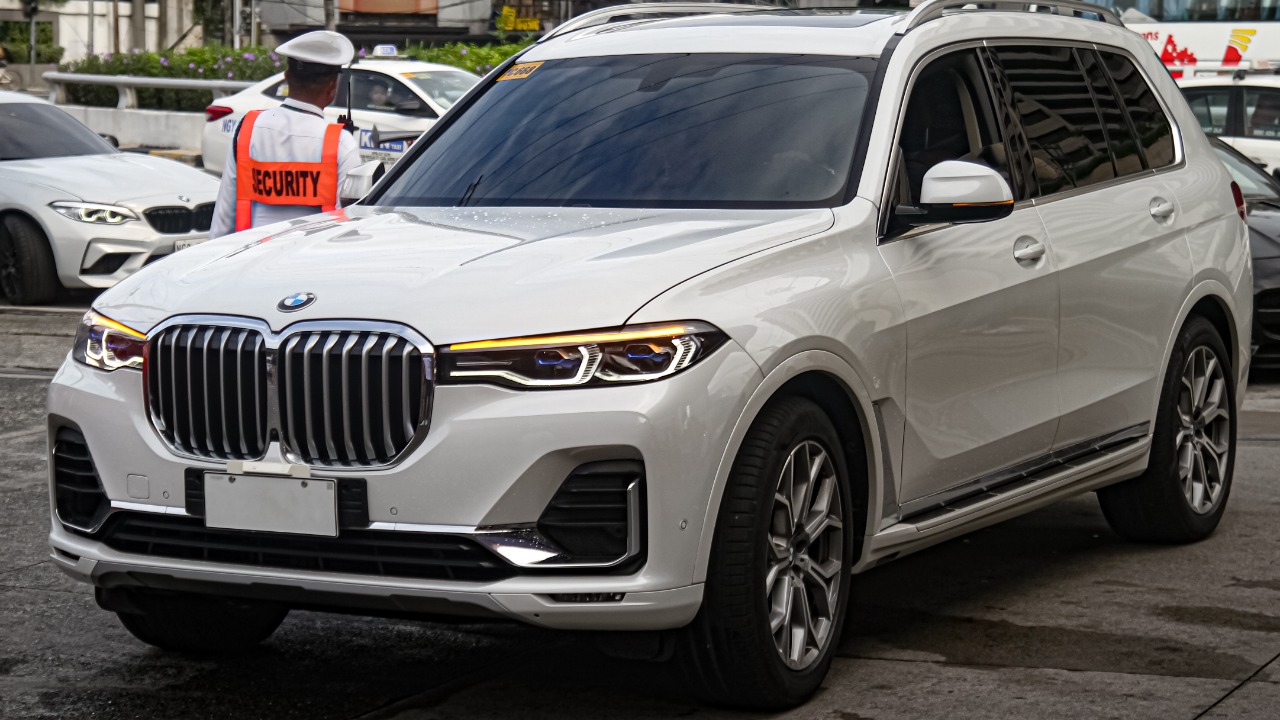
BMW’s largest SUV offers the same infrared night vision found on the 7 Series, scanning the road ahead for pedestrians and animals and marking any detected figure with a yellow caution box that shifts to red as the X7 closes in on the hazard.
The system feeds its grayscale image to the same central display used for navigation, so a driver piloting seven passengers down an unlit mountain road gets an early warning without having to hunt for a separate screen or switch between menus at speed, a small but real advantage on a long overnight family trip.
8. Bentley Flying Spur: An Optional Infrared Upgrade
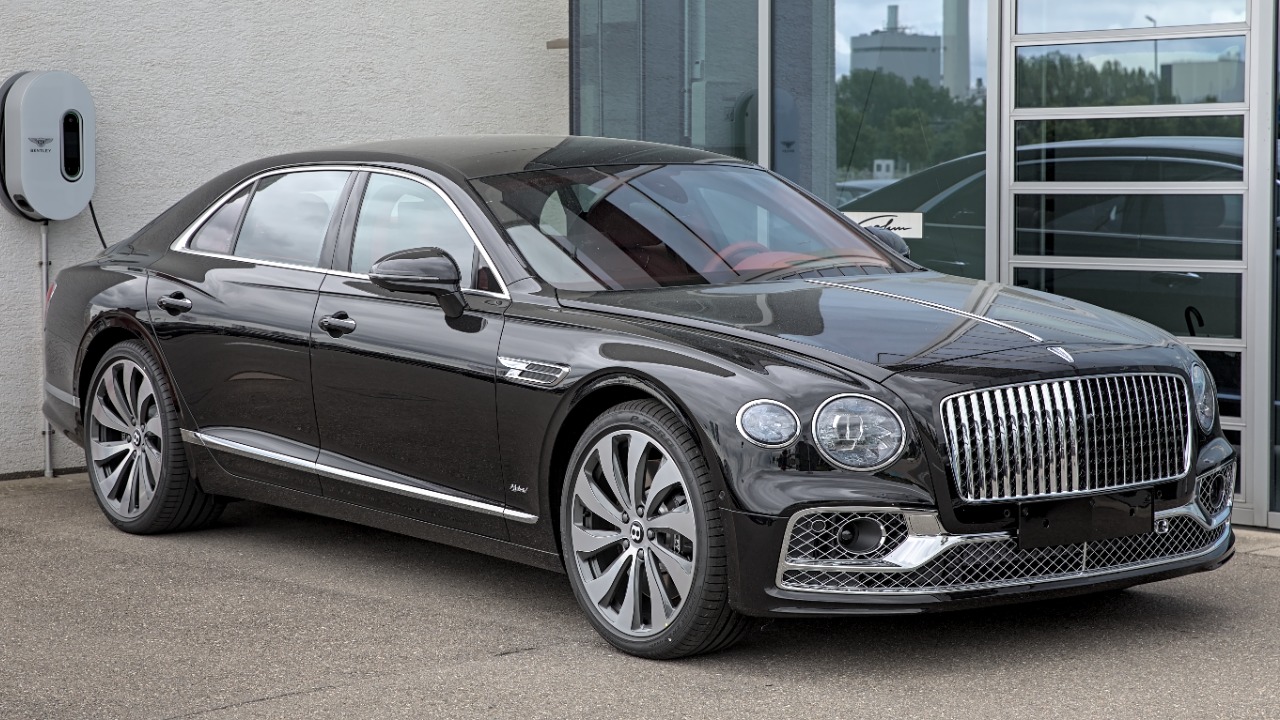
Bentley offers the Flying Spur with an optional infrared night-vision camera that projects a thermal feed onto the instrument display, letting an owner driving through an unlit English country lane spot a deer or a cyclist long before a standard headlight beam would pick it out.
The option sits alongside a long list of driver-assistance extras rather than as a headline feature, reflecting how Bentley treats the technology as a quiet, practical safeguard for owners who genuinely drive the ultra-luxury sedan at night instead of leaving it parked in a garage overnight.
More from Morning Overview
- Card skimmers hidden on gas pumps are draining accounts, and there’s a quick way to spot them
- The NSA warns one messaging setting can clone your texts to a stranger
- Security experts still urge phone owners to switch off one location-tracking setting
- Automakers are quietly dropping the stop-start feature many drivers love to hate
