Wind and solar output rises and falls on nature’s schedule, so grid operators need somewhere to park surplus electricity until demand catches up. The oldest and by far the largest answer is pumped storage: two reservoirs, a shaft of falling water, and turbines that spin backward to refill the top pond. Here are eight of the giants doing that work.
1. Bath County Pumped Storage Station: The Original Grid Battery
Image Credit: Sirbatch – CC BY-SA 3.0/Wiki Commons
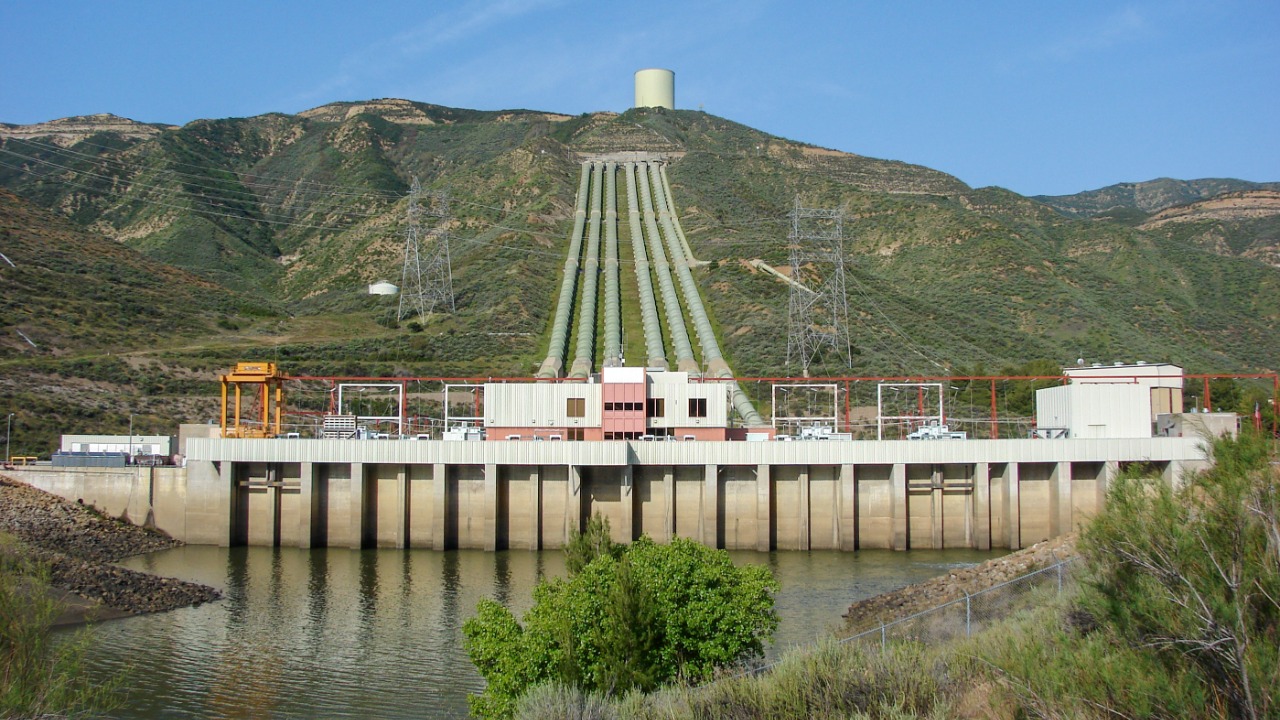
Buried in the mountains of western Virginia, Bath County pairs two reservoirs separated by roughly 1,260 feet of elevation with six reversible pump-turbines rated near 3,000 megawatts in total. The station entered service in 1985 and held the title of the world’s largest energy-storage facility for about three decades, the scale behind the federal pumped-storage hydropower primer. Water falls to the lower pond during peak demand and gets pushed back uphill overnight.
That round trip loses roughly a fifth of the energy put into it, yet the trade remains worth making because the plant absorbs cheap off-peak power and returns it when the regional grid strains. Nothing about the design is exotic; sheer scale is what makes it useful.
2. Vianden Pumped Storage Plant: Luxembourg’s Cavern on the Our
Image Credit: Wolkenkratzer – CC BY-SA 4.0/Wiki Commons
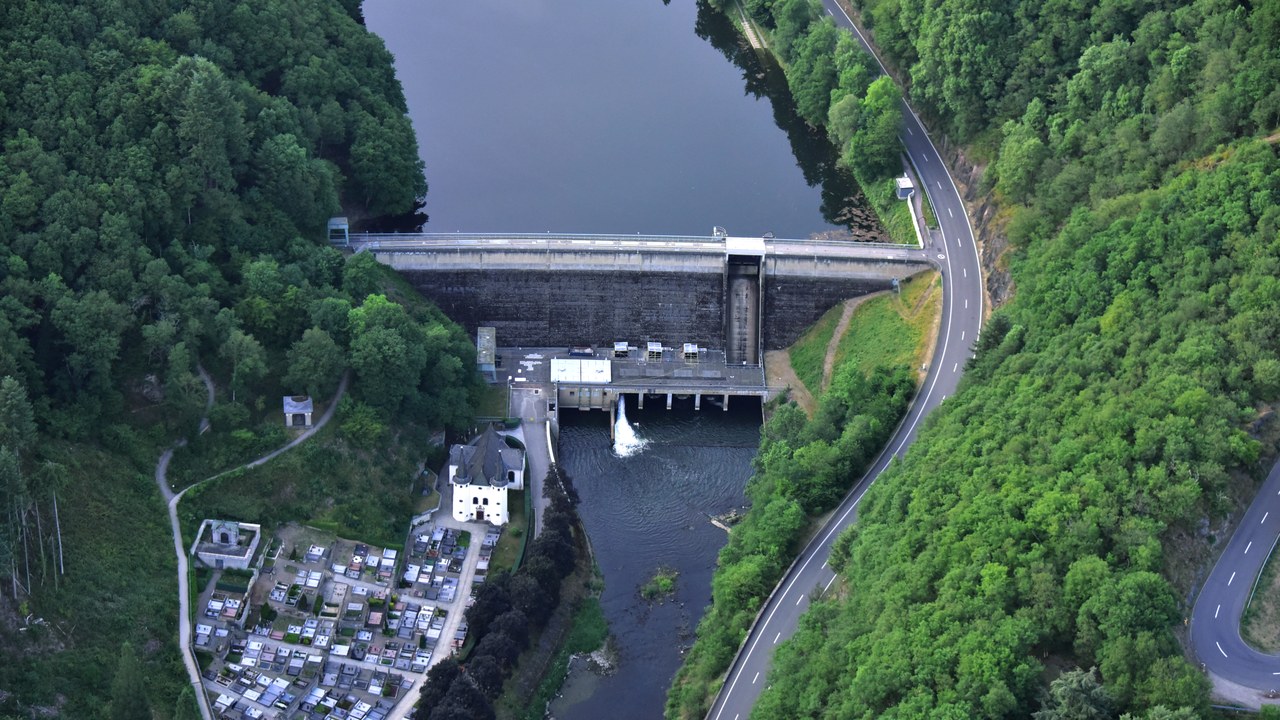
Luxembourg’s Vianden station works a mountain above the Our river, drawing down a reservoir on Mont Saint-Nicolas and returning the water to a basin dammed in the valley some hundreds of metres below. The Vianden plant record describes an underground powerhouse holding a row of reversible machines, expanded repeatedly since the first units ran in the 1960s.
Total capacity now sits above a gigawatt, and for years the plant ranked among the largest in Europe. Most of its output has always fed the German grid rather than Luxembourg’s own, a reminder that storage gets built where the geology allows rather than where the demand sits. A further machine, commissioned in the 2010s in its own cavern, extended the site again.
Image Credit: HaSe – CC BY-SA 4.0/Wiki Commons
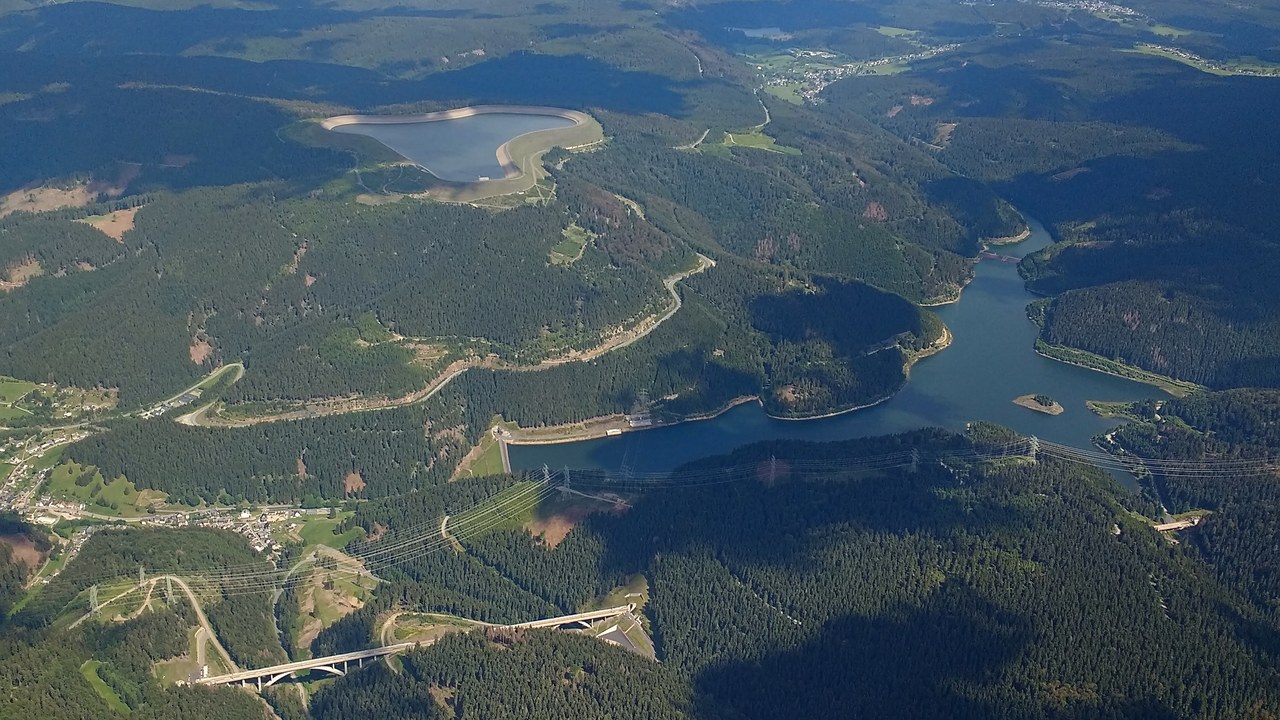
Goldisthal sits in the Thuringian Slate Mountains of central Germany, where an artificial reservoir carved into a forested plateau feeds four machines rated together at roughly a gigawatt, the largest pumped-storage plant in the country. The Goldisthal station profile records that two of those four units run at variable speed, a rarity when the plant entered service in 2003.
A conventional pump draws a fixed block of power whether the grid wants it or not, while a variable-speed unit can dial its consumption up and down mid-cycle. That turns the plant into something closer to a dimmer switch than an on-off valve, which is exactly what a network full of wind farms keeps asking for.
4. Dlouhé stráně Hydro Power Plant: A Powerhouse Inside the Mountain
Image Credit: Ondřej Bahula – CC BY-SA 3.0/Wiki Commons
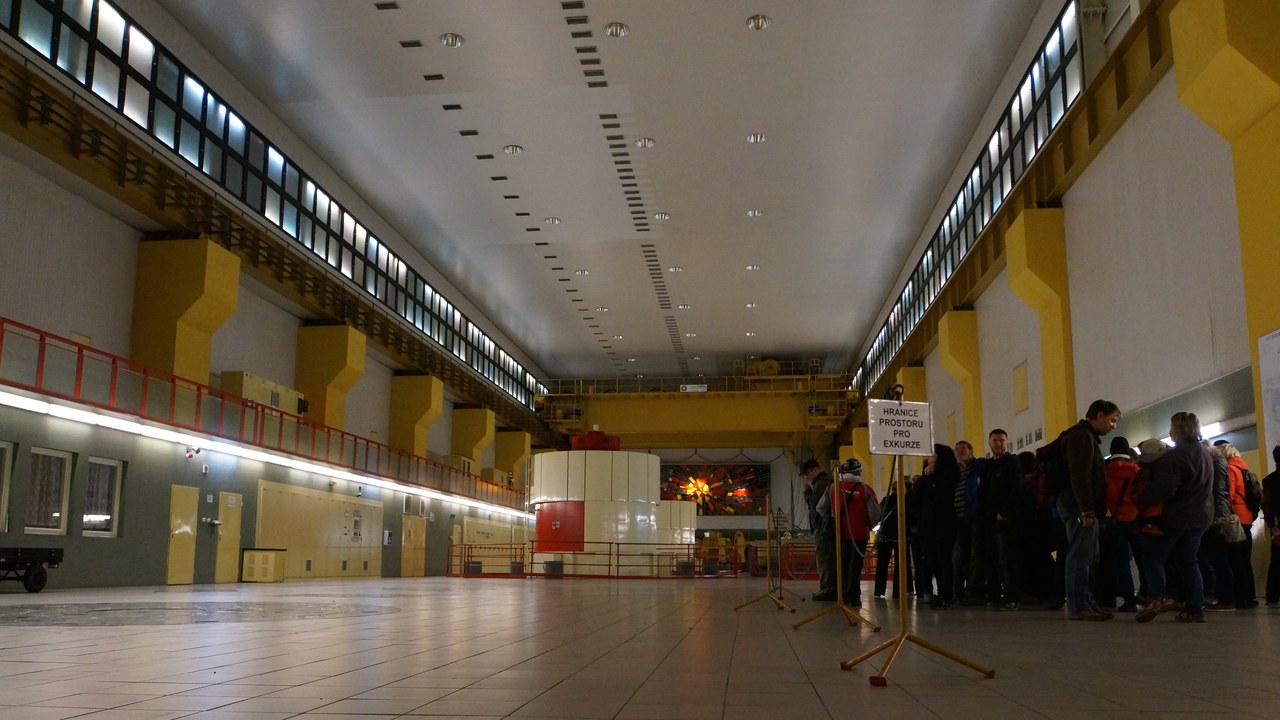
In the Hrubý Jeseník range of the northern Czech Republic, engineers flattened a summit above 1,300 metres to hold an upper reservoir and blasted the powerhouse itself out of the rock below. The Dlouhé stráně plant record puts the drop at more than 500 metres and its two reversible Francis units at about 650 megawatts combined, among the largest such machines in Europe.
Construction stopped and restarted for years before the plant finally ran in 1996, and it has since become an unlikely tourist draw, with guided tours descending the access tunnel into the machine hall. Its working role is fast reserve, spinning up within minutes when demand jumps or a generating unit drops offline.
5. Dinorwig Power Station: Sixteen Seconds to Full Power
Image Credit: Takver from Australia – CC BY-SA 2.0/Wiki Commons
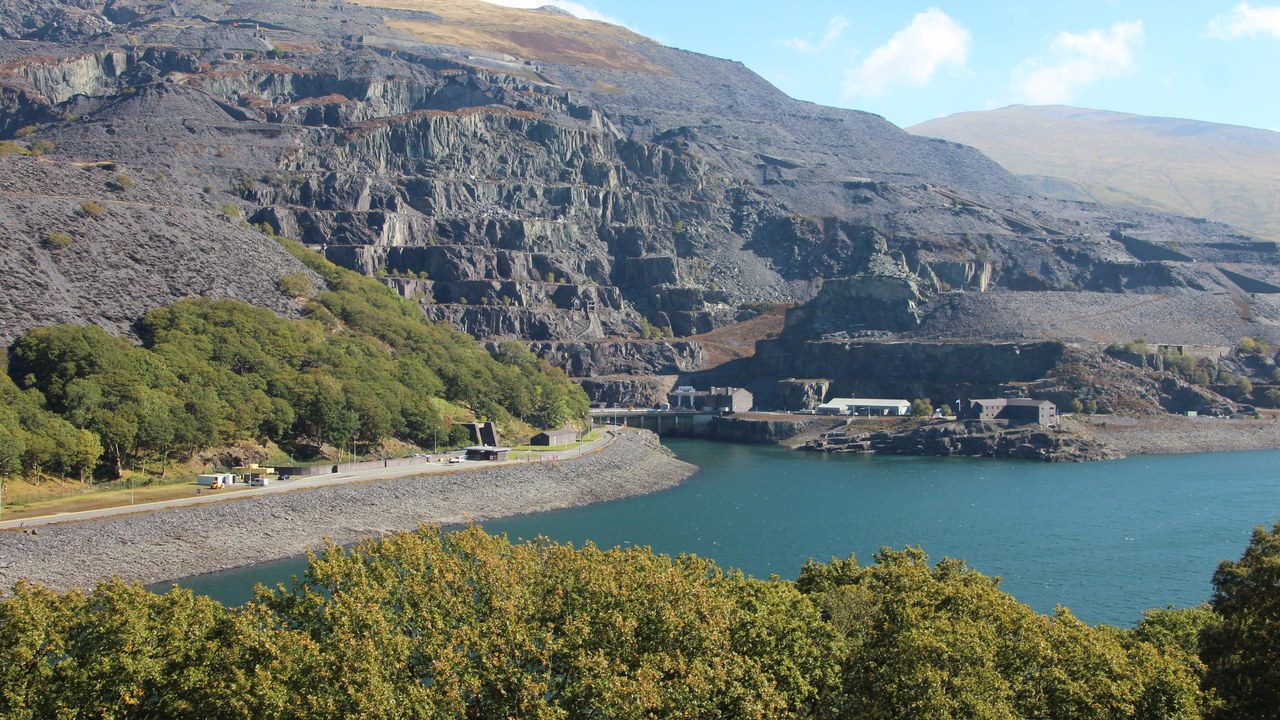
Dinorwig hides 1,728 megawatts inside Elidir Fawr, a Welsh mountain quarried for slate long before engineers hollowed out its machine hall in the late 1970s. Roughly ten miles of tunnels connect Marchlyn Mawr above to Llyn Peris below. The distinguishing trick, per the Dinorwig station description, is speed: full output in about sixteen seconds from standby.
That response time made the plant famous for covering the surge when British television viewers all reached for the kettle at once. The same capability now catches the sudden gaps that open when wind generation drops faster than the forecast said it would.
6. Tianhuangping Pumped Storage Power Station: A Reservoir on the Summit
Image Credit: 猫猫的日记本 – CC BY-SA 4.0/Wiki Commons
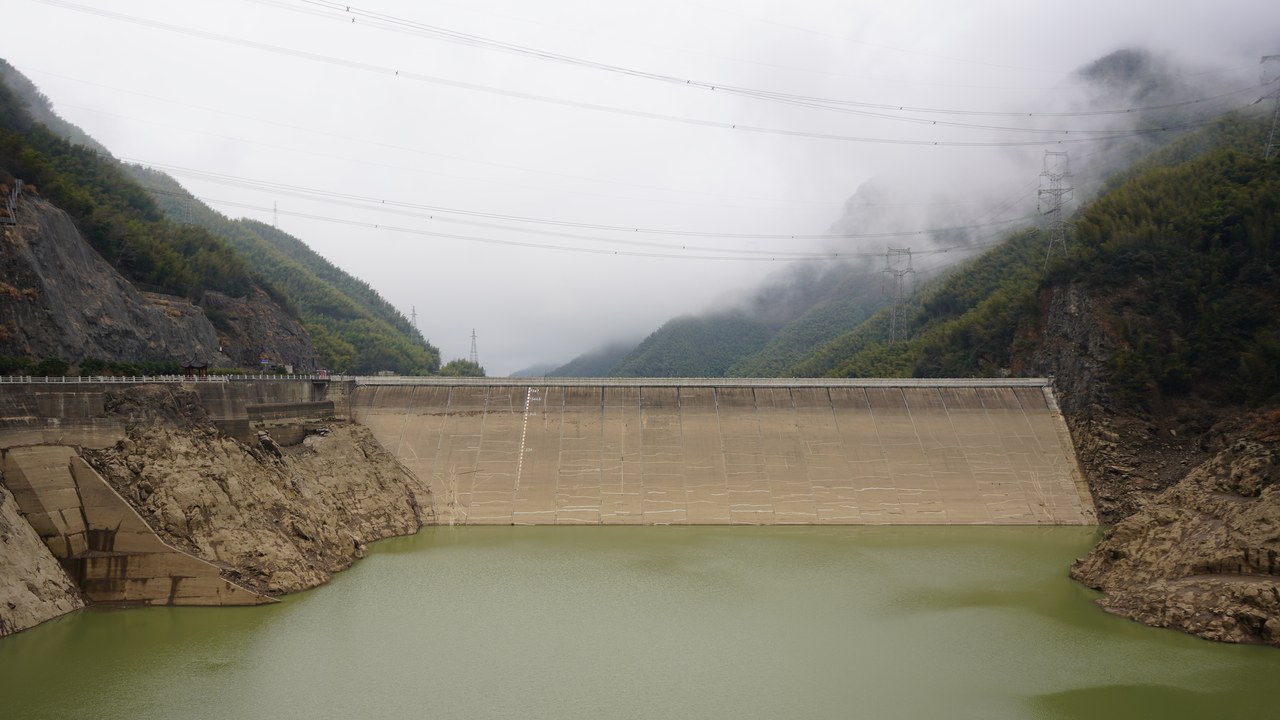
Tianhuangping, in Zhejiang province, moves water through roughly 590 metres of head between a summit reservoir and a valley pond, driving six units for about 1,836 megawatts. Completed in 2001, the Tianhuangping plant profile places it within easy reach of Shanghai and Hangzhou, two of the densest load centres in eastern China.
High head is the quiet advantage: the greater the drop, the less water a plant must move for a given amount of electricity, which shrinks the reservoirs and the tunnels alike. The result is an enormous machine on a comparatively small footprint.
7. Okutataragi Pumped Storage Power Station: Japan’s Underground Workhorse
Image Credit: photo: Qurren Taken with Canon IXY 10S – CC BY-SA 3.0/Wiki Commons
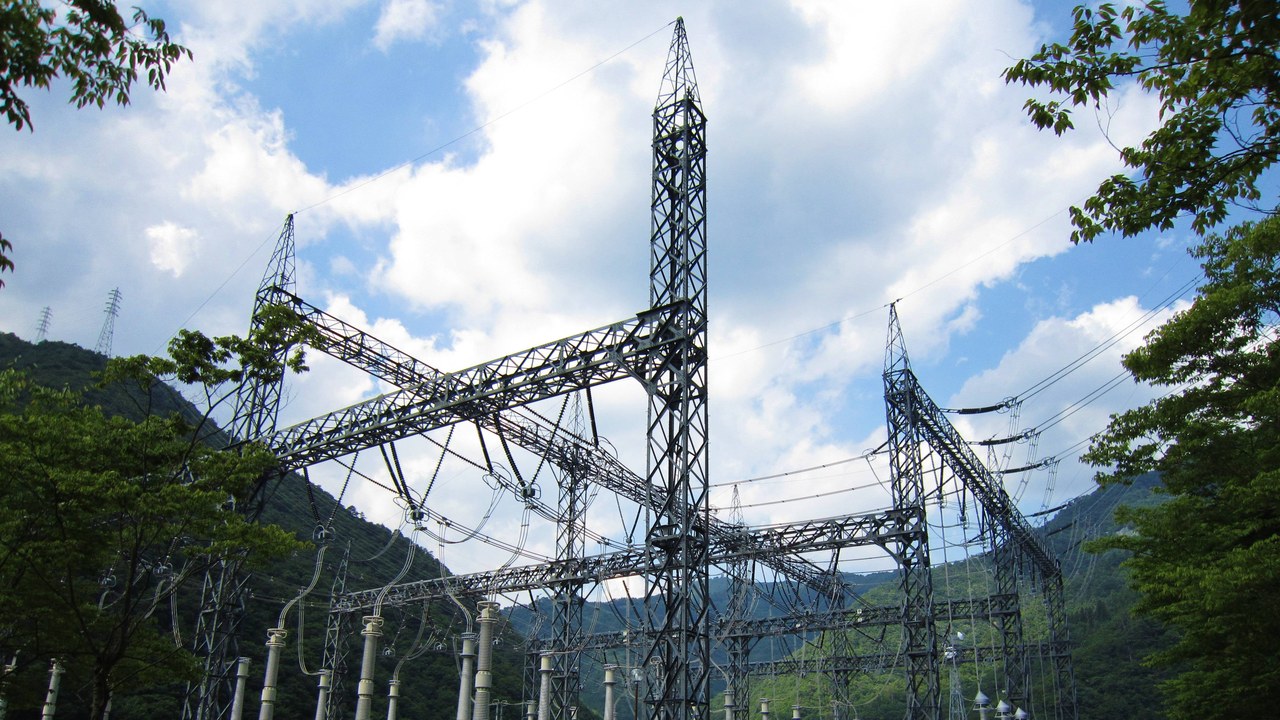
Kansai Electric’s Okutataragi station, in the mountains of Hyogo Prefecture, reached about 1,932 megawatts after later units were added to a plant that first ran in 1974. The Okutataragi station listing records an underground powerhouse whose switchyard is very nearly the only part of the works visible from the surface.
Japan built pumped storage heavily alongside its nuclear fleet for the same load-following reason China did, and the plants outlived that original job. Since 2011 they have doubled as a hedge against supply shortfalls and as a home for a fast-growing volume of midday solar.
8. Raccoon Mountain Pumped-Storage Plant: A Lake on Top of a Mountain
Image Credit: Mark Rankin – Public domain/Wiki Commons
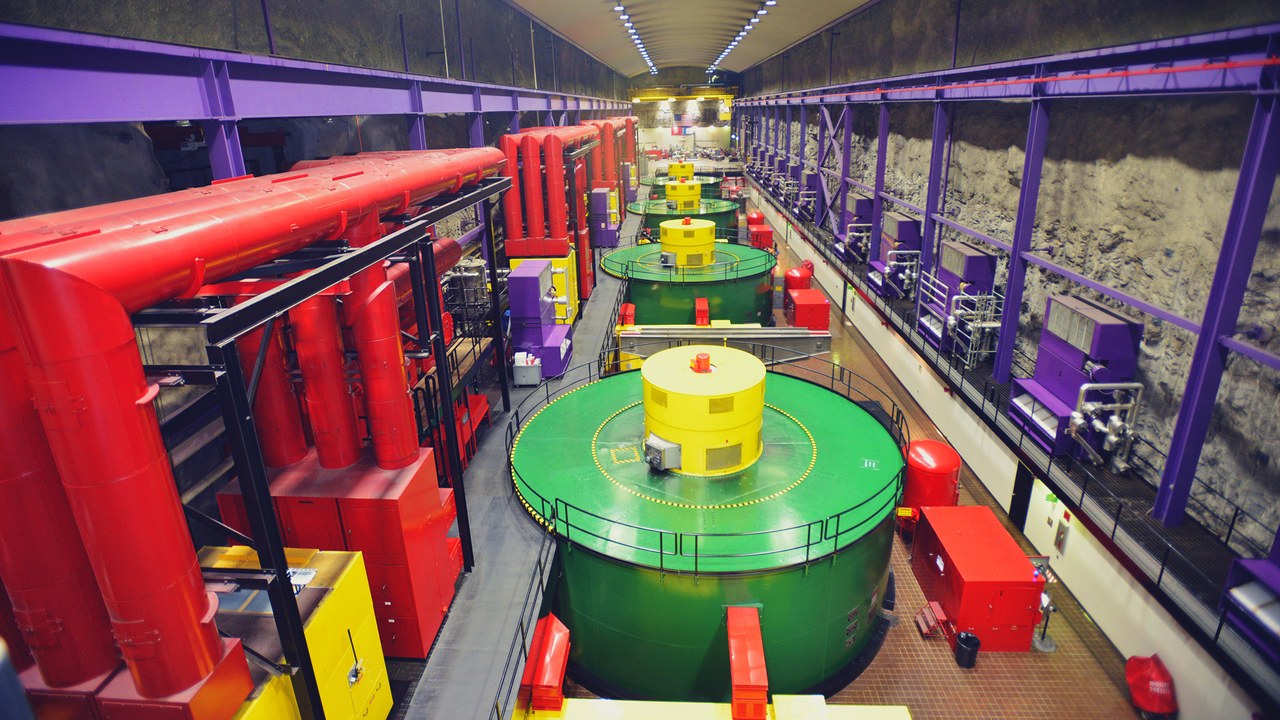
The Tennessee Valley Authority carved Raccoon Mountain’s powerhouse out of solid rock and put a 528-acre reservoir on the summit, about 1,200 feet above the Tennessee River. Four reversible units, commissioned in 1979, deliver roughly 1,600 megawatts. The Raccoon Mountain description notes an upper pond that takes on the order of a day to refill.
Refill time is the real specification for a storage plant, not the megawatt rating alone, because a fast machine with a shallow pond empties long before the evening peak ends. Raccoon Mountain’s reservoir was sized to carry a full demand cycle.
More from Morning Overview