
Almost every connected gadget in a modern home ships with a microphone, and most of them are designed to stay powered on and waiting. That does not mean they transcribe everything, but the capability is genuine, and the wake-word behavior behind it is rarely explained in plain language. Here are eight everyday home devices that may be quietly listening, and what each one can actually hear.
1. Amazon Echo: The Wake Word Is Always Being Checked
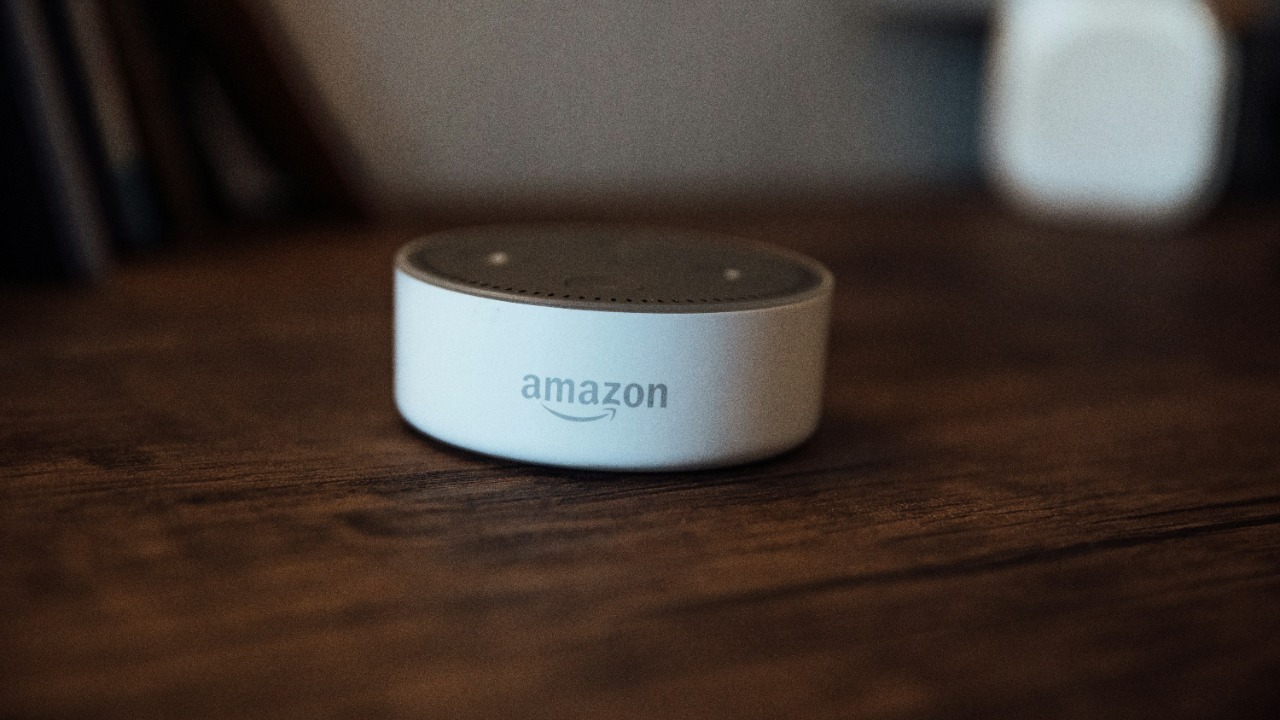
An Echo speaker keeps its microphone array powered continuously, but the sound it takes in sits in a short rolling buffer, processed on the device and discarded unless a trigger is detected. Once the Alexa wake word is recognized, a fraction of a second of preceding audio plus the request streams to Amazon’s servers, where it is transcribed and stored against the account until deleted.
The gap between capability and practice is where the complaints live. False activations are routine, because ordinary conversation contains sounds close enough to the trigger, and those clips are handled like real requests. Voice history can be reviewed and erased in the Alexa app, and the mute button cuts power to the array rather than hiding an indicator light.
2. Google Nest: Local Buffer, Cloud Transcript
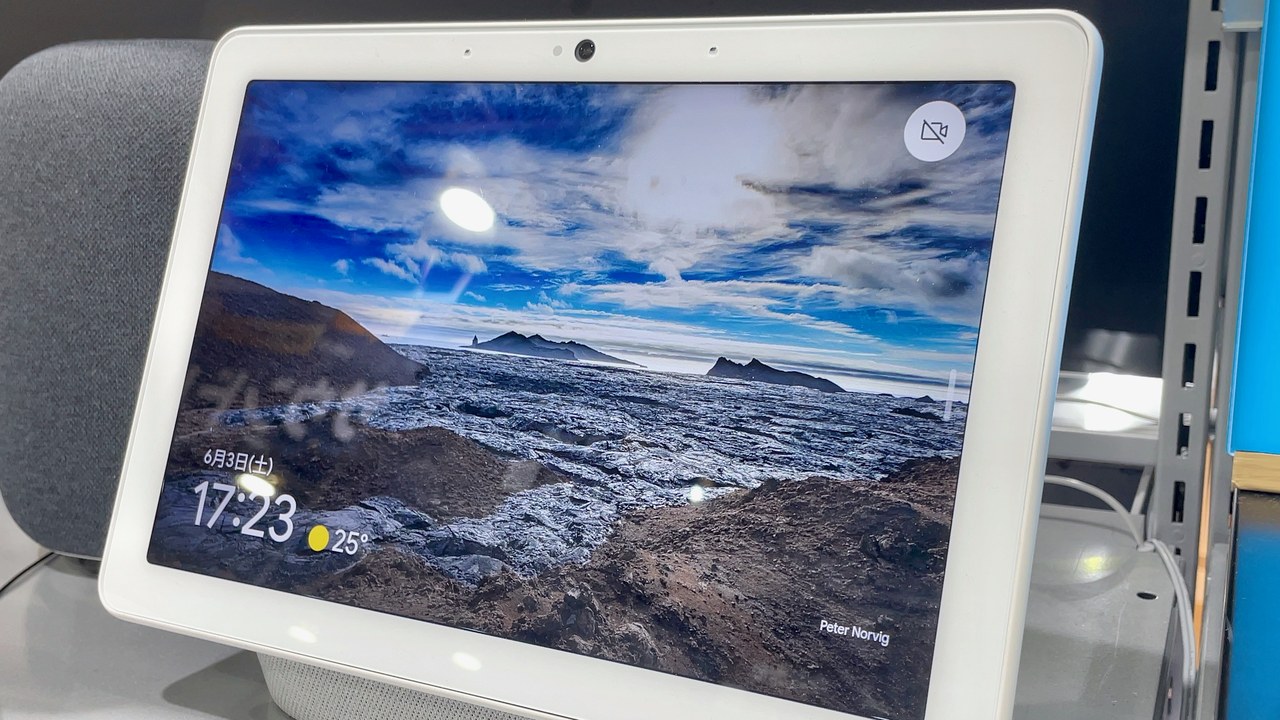
Nest speakers and displays follow the same pattern: on-device processing waits for a spoken trigger, and only after a match does anything travel to Google’s servers. What separates the Google Nest lineup from a plain speaker is the sensor stack around the microphone, since displays add a camera and several models add ultrasound presence sensing that notices a person approaching and changes the screen.
Saving audio recordings for review is opt-in rather than automatic on current accounts, so clips are not retained by default, though written transcripts of queries remain tied to the account. Presence sensing is the quieter feature, logging room activity without any speech at all. A physical switch on the back of most units disconnects the microphone.
3. Smart TV: The Set Watches More Than It Hears
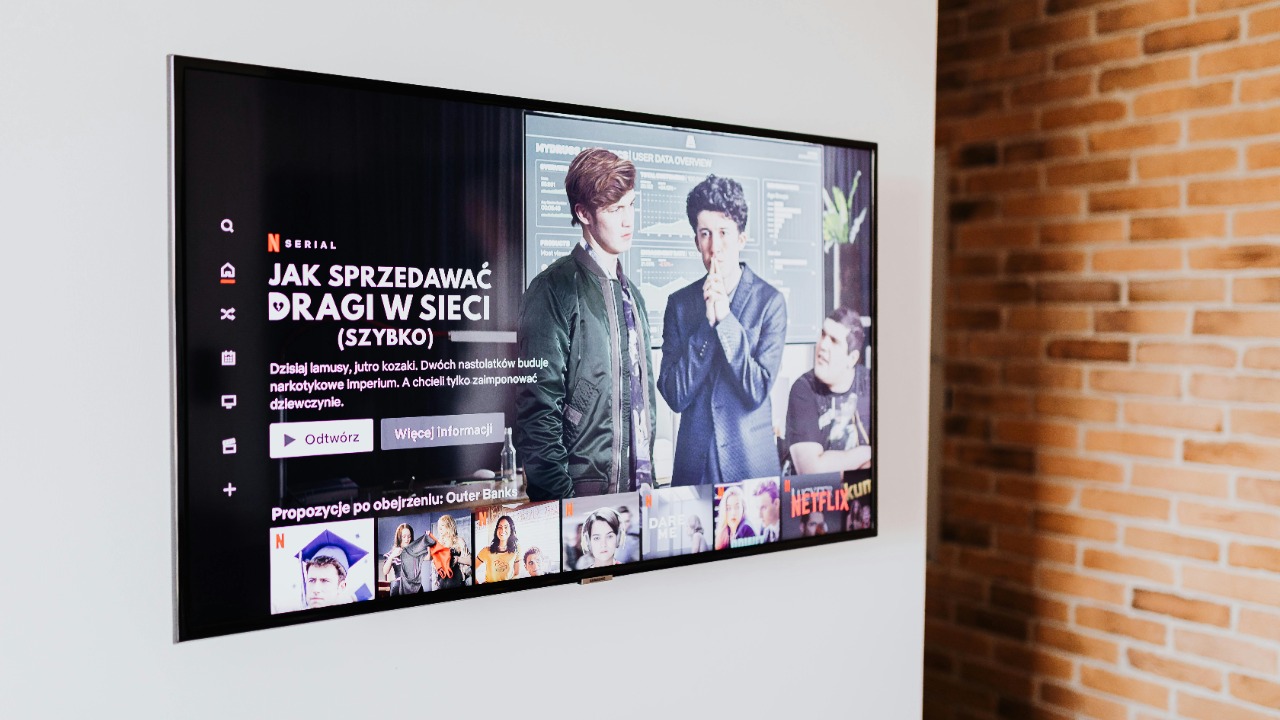
Two very different monitoring systems ship inside a modern television. Voice search usually lives in the remote control rather than the panel and activates on a button press, while automatic content recognition runs constantly inside the set, fingerprinting frames of whatever appears on screen, from broadcast to streaming to a games console, matching them against a database to build a viewing profile sold to advertisers.
The listening part is narrower than the tracking part, and the distinction matters. A far-field microphone in the bezel is the exception rather than the rule, and the data routinely leaving a smart TV is viewing history, not audio. Both features can normally be switched off in the privacy menu, often under a bland label like viewing information services.
4. Ring doorbell: Audio Recording At The Front Door
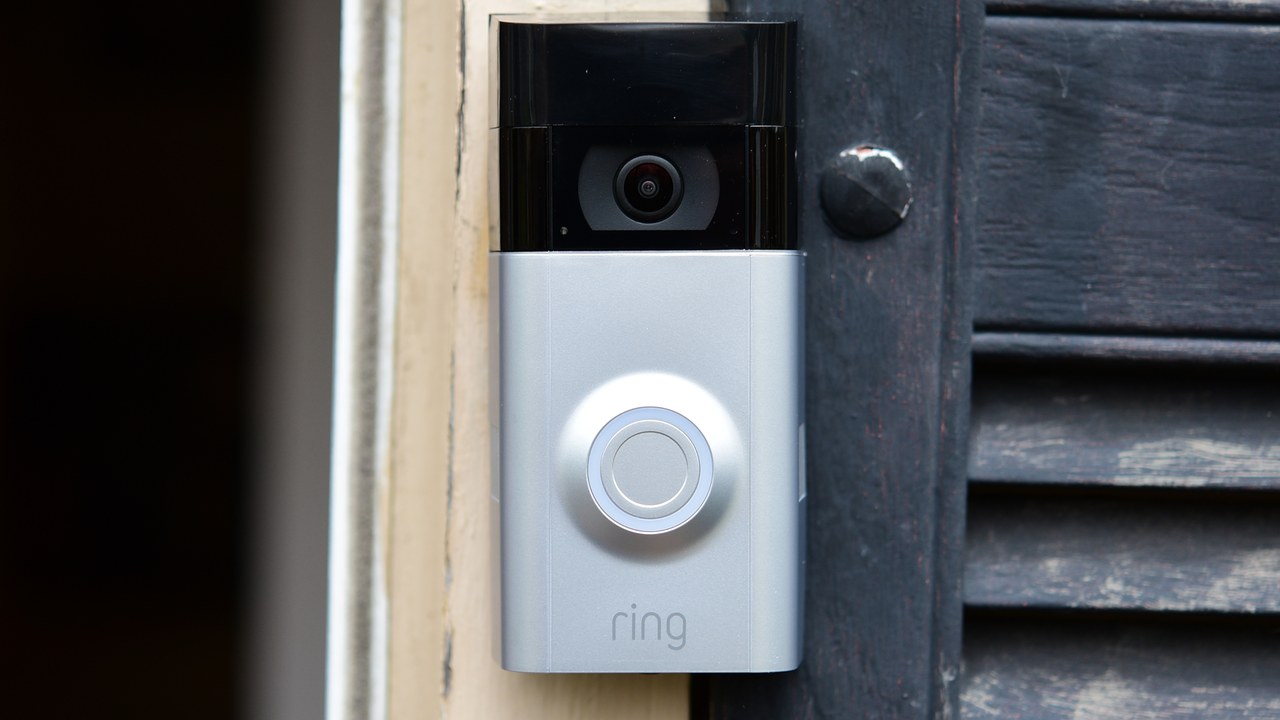
A video doorbell captures sound as well as picture, and microphone range reaches well past the doorstep, far enough to pick up a conversation held on the sidewalk. That reach is why Ring’s audio recording has attracted regulatory scrutiny and legal challenges over recordings of neighbors and passers-by, and why the company added a setting that turns audio capture off while leaving the video feed running.
Motion zones control when the camera wakes, but they do not shrink the audio pickup, so a doorbell three houses down can hold clips of exchanges nobody realized were recorded. Anyone weighing the trade should treat the audio toggle, not the camera angle, as the control that matters.
5. Apple HomePod: Wake Word Detection Stays On The Speaker
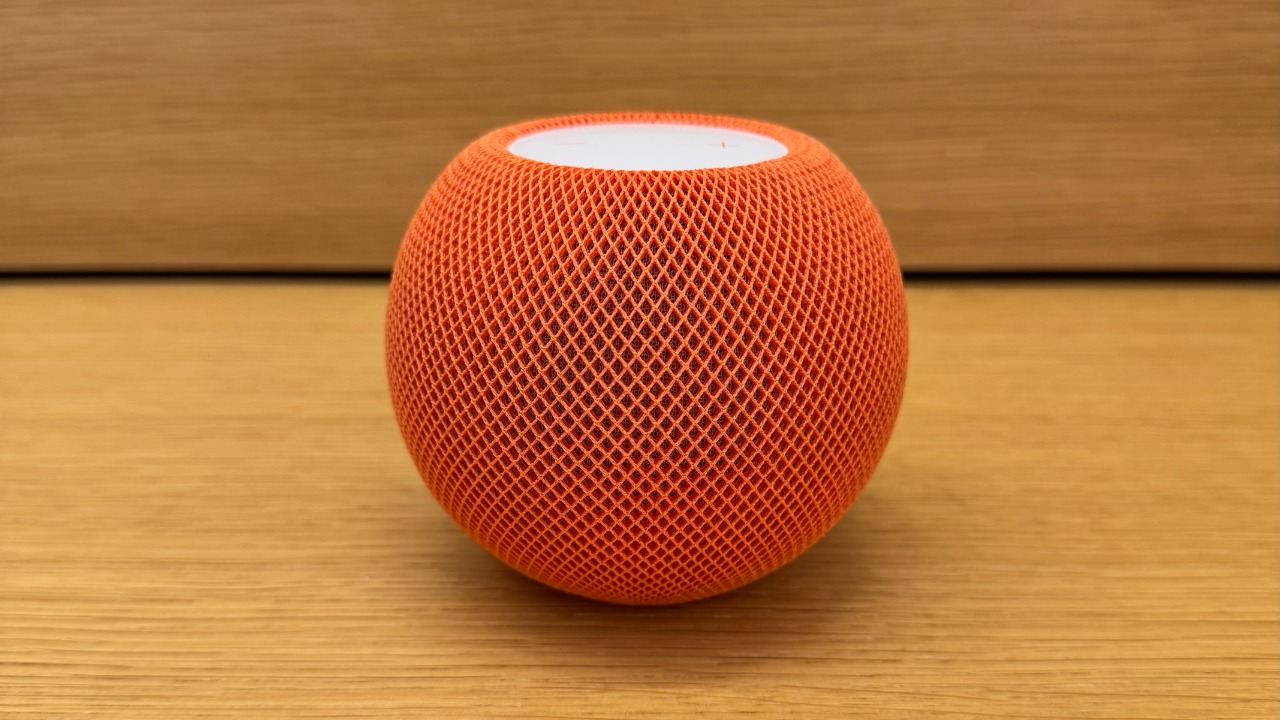
Apple’s speaker keeps its microphone array live to catch a spoken trigger from across a room, and the design pushes as much of that work as possible onto the hardware itself. Wake-word detection happens locally, and requests are tagged to a randomized identifier rather than an Apple ID, the structural difference between the HomePod’s Siri handling and an assistant that files every query under a named account.
None of that removes the microphone. The unit remains an always-powered listening device in a living room, and unlike several rivals it carries no hardware mute switch, so silencing it means a software toggle in the Home app. Sharing audio for quality review can be declined, but the array never sleeps.
6. Baby monitor: A Microphone Aimed At A Crib
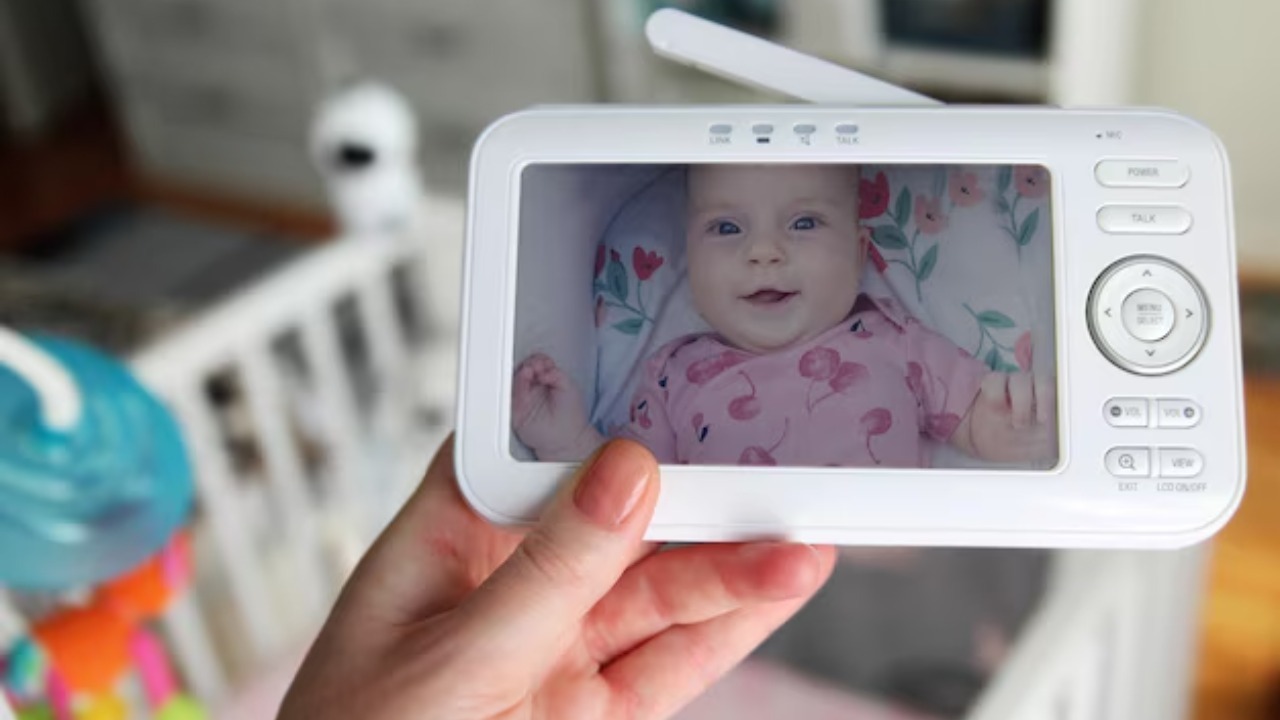
Only one device here exists purely to transmit audio out of a room where nobody is watching, which makes the security of the link the whole story. Older analog units broadcast on open radio frequencies that any compatible receiver in range can tune into, while Wi-Fi baby monitors push the feed through a manufacturer’s cloud service, reachable from anywhere by anyone holding the right credentials.
Reachable from anywhere cuts both ways. Cameras left on default passwords or unpatched firmware have repeatedly surfaced in searchable indexes of exposed devices, and there is a long record of strangers speaking through nursery units. Changing the factory login, enabling two-factor authentication and keeping firmware current closes most of that exposure.
7. Smart thermostat: Presence Sensing First, Voice Second
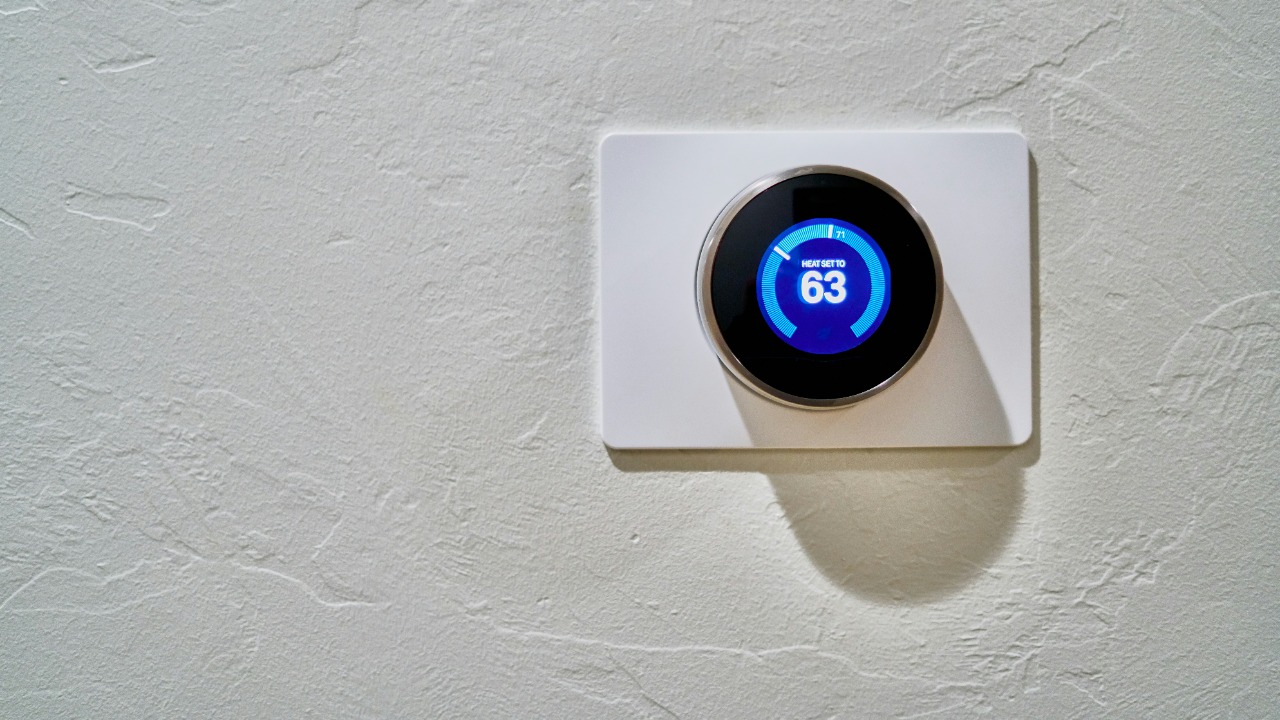
Occupancy is the entire business model of a smart thermostat, so motion sensors and a running log of when a household comes and goes are core functions rather than extras. Microphones are a separate question: only a subset of models, generally the ones sold with a built-in voice assistant, carry far-field mics at all, and a conventional thermostat has none whatsoever.
The honest risk sits in the schedule rather than the audio. Occupancy history is a precise record of the hours a home stands empty, held by a company and sometimes shared with a utility under a demand-response program. Efficiency without a microphone remains easy to buy, since voice hardware is advertised on the box rather than buried.
8. Robot vacuum: It Maps The Floor Plan, Not The Conversation
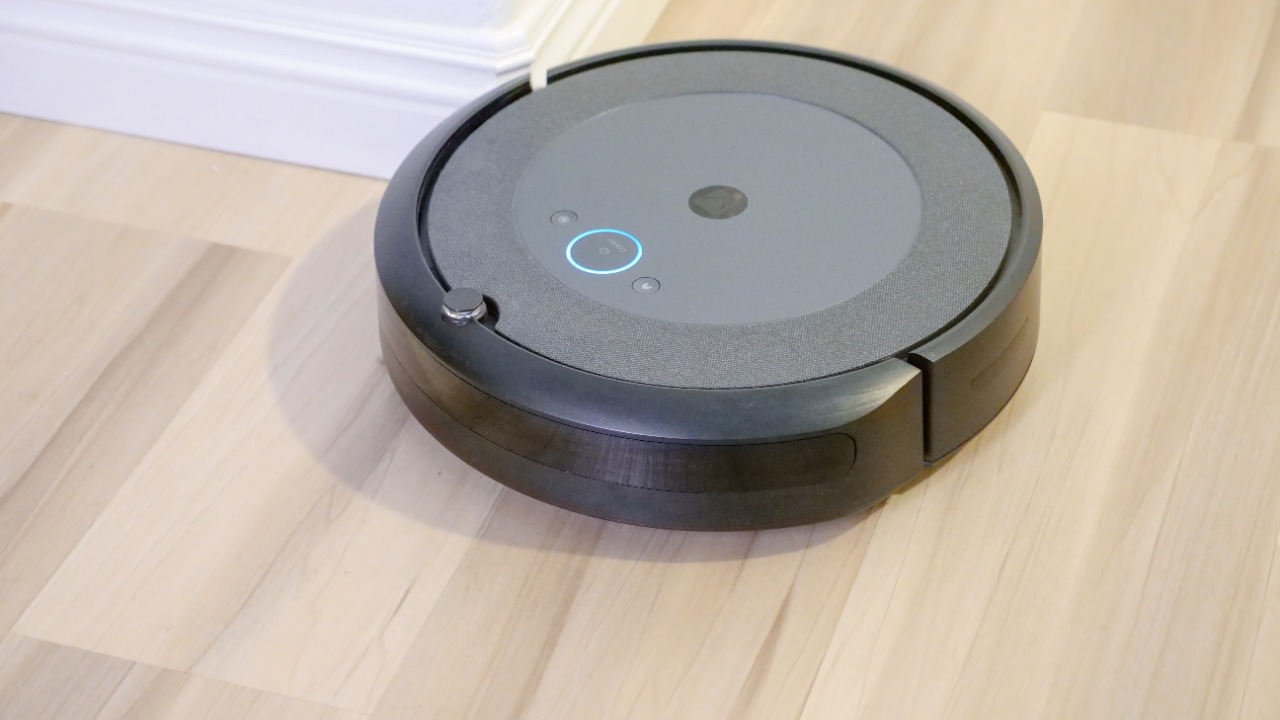
Lidar or a camera lets a modern cleaning robot build a persistent map of a home, and that floor plan, covering room sizes, furniture placement and every doorway, is uploaded and stored so the machine can be sent to a named room. Cameras fitted for obstacle avoidance are the sharper exposure, since images captured by robotic vacuum cleaners during development testing have reached outside contractors hired to label training data.
Microphones are rare on these machines, so the listening framing fits a vacuum least of the eight. What it gathers instead is spatial and behavioral, covering when cleaning runs happen and which rooms get used, and home-layout data carries obvious commercial value. Turning off cloud mapping usually costs the room-by-room commands that justified the purchase.
More from Morning Overview
- The NSA is again telling phone owners to switch off one location setting
- A handful of car transmissions are so tough mechanics say they almost never fail
- A handful of SUVs keep hitting 300,000 miles, and they share one engine trait
- Supplements now rank as the fifth-leading cause of death from liver disease.
