
Most dinosaurs are known only from a handful of broken bones, forcing artists and scientists alike to guess at their true shape. A small number of specimens buck that trend, preserved complete enough to reveal skin texture, stomach contents, or exact proportions. Here are eight dinosaurs whose remarkably complete skeletons rewrote what paleontologists thought they knew.
1. Tyrannosaurus: The Skeleton Called Sue
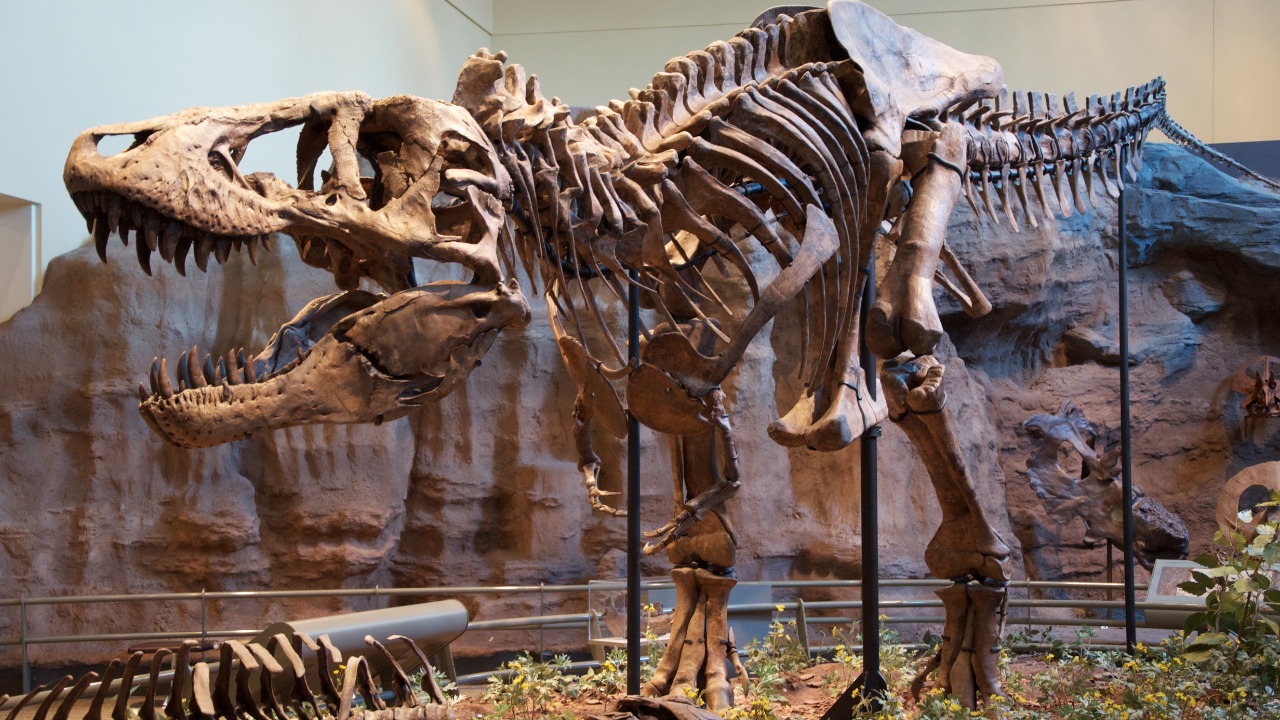
The specimen nicknamed Sue counts among the most complete Tyrannosaurus skeletons ever recovered, with only a small share of its bones missing from the reconstructed frame. That completeness gave researchers a rare chance to study the predator’s true proportions, skull mechanics, and limb architecture directly from bone, instead of estimating the missing sections from smaller, more fragmentary relatives pieced together out of several different individuals.
Because so little of the skeleton needed reconstruction, Sue became a reference point for later Tyrannosaurus finds, letting scientists compare bite force, growth patterns, and healed injuries against a nearly whole animal rather than a patchwork of partial specimens. Few large predators from this period of Earth’s history have been studied in such close anatomical detail.
2. Stegosaurus: Meet Sophie
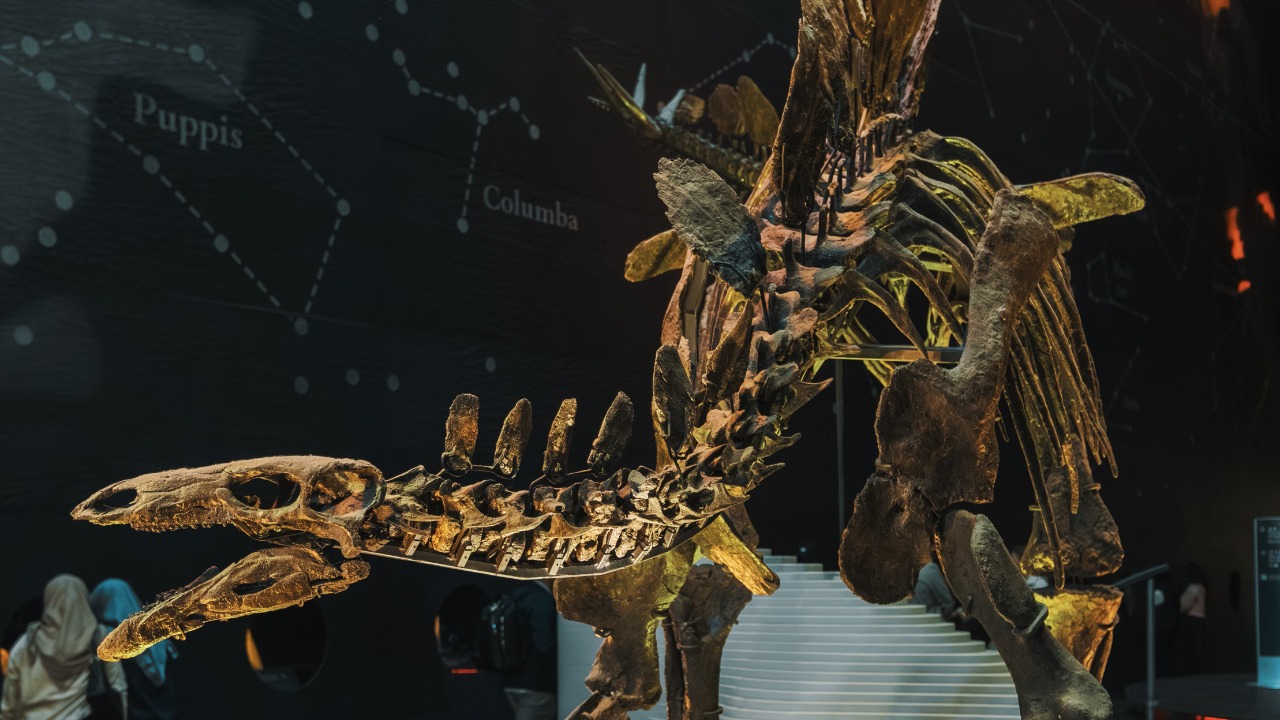
Nicknamed Sophie, this specimen stands as the most complete Stegosaurus skeleton ever found, with the vast majority of its bones preserved in their natural, connected arrangement. Before its discovery, reconstructions of the plated dinosaur relied heavily on composites assembled from several partial individuals of differing sizes, leaving real uncertainty about the exact plate arrangement, spacing, and tail spike count.
With one largely complete animal available to study directly, researchers could finally confirm how the bony plates were arranged along the back and settle long-running debates about the true proportions of the tail, limbs, and overall body shape. The find reset the standard image of the species almost overnight.
3. Triceratops: An Embarrassment of Skulls
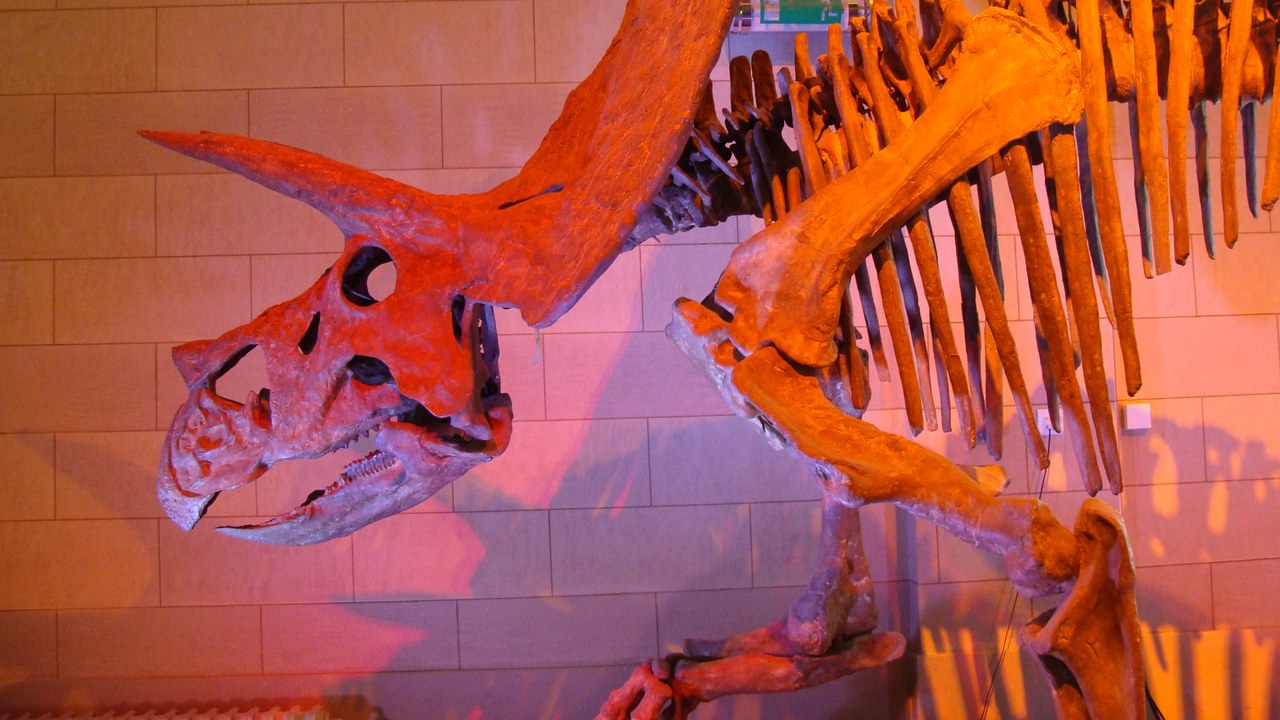
Unlike many dinosaurs known from a single lucky find, Triceratops is represented by numerous near-complete skulls and skeletons, recovered from many separate sites over more than a century of excavation. That abundance let paleontologists track how the massive frill and paired horns changed shape and proportion as individual animals grew from juveniles into full adults.
The sheer number of well-preserved specimens also made Triceratops a benchmark for studying variation within a single species, helping distinguish genuine differences between individuals from separate species that had once been mistakenly split apart based on incomplete remains alone.
4. Diplodocus: A Skeleton for Every Museum
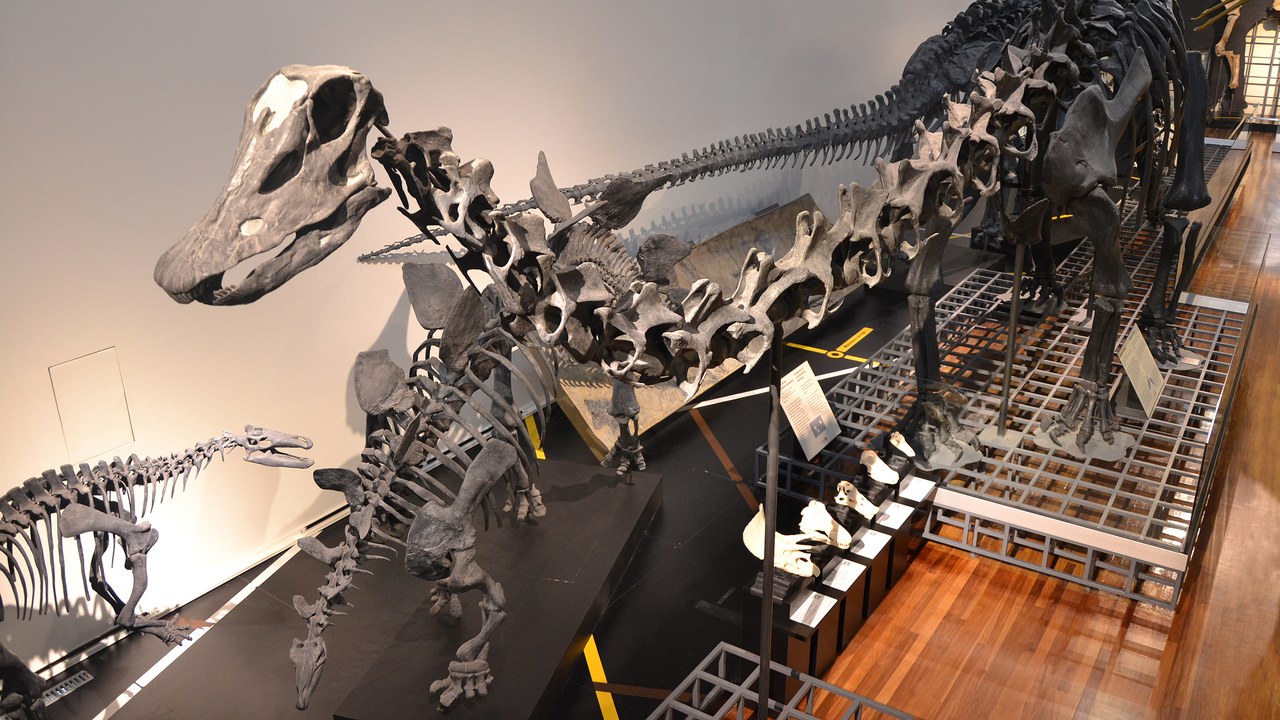
Complete enough to be mounted in full, famous Diplodocus skeletons now stand assembled in museums across multiple countries, their long necks and whip-like tails stretched out for visitors to walk beneath. Casts made from a single well-preserved animal were distributed internationally, letting institutions far from the original excavation site display an accurate version of the same skeleton.
That wide distribution turned one dinosaur into a shared reference point for the public and for scientists alike, anchoring decades of research into how such an enormous, long-necked body supported and balanced its own considerable weight while moving on land.
5. Archaeopteryx: Feathers Frozen in Stone
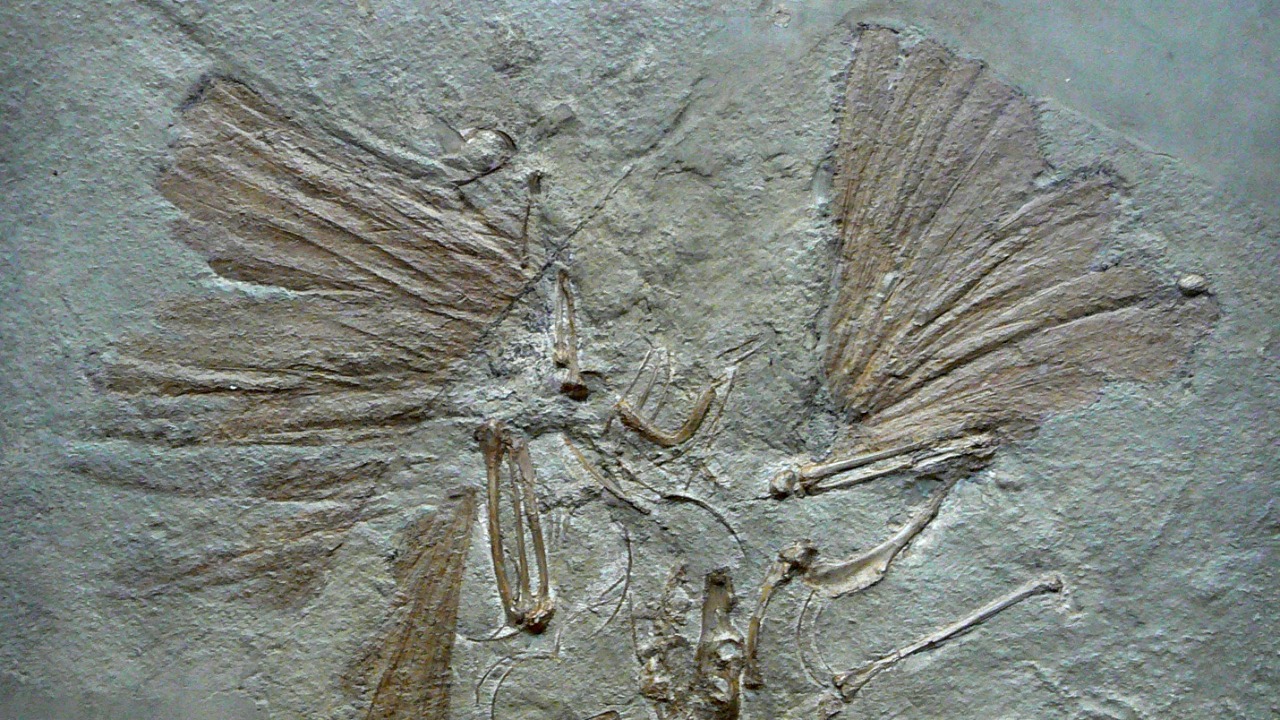
Several exquisite Archaeopteryx fossils preserve feather impressions in fine enough detail to show individual barbs branching off each shaft, a level of preservation rarely seen in any fossil this old. That clarity let researchers examine wing shape, feather layout, and overall body outline directly, rather than inferring them indirectly from bone structure alone.
The feather detail turned Archaeopteryx into central evidence in the long-running debate over how flight evolved, showing that feathered wings existed well before dinosaurs and modern birds fully diverged from their shared ancestor into separate evolutionary paths.
6. Velociraptor: Smaller Than the Movies
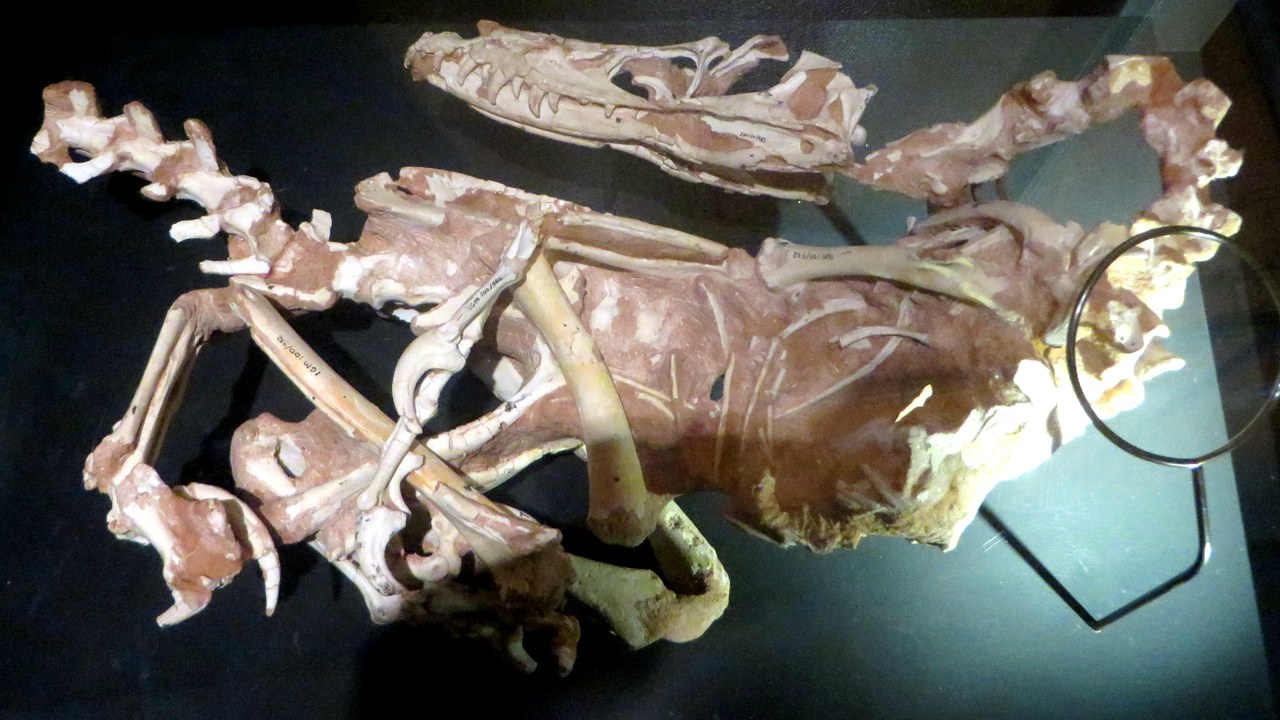
Well-preserved Velociraptor specimens revealed the animal’s true size, correcting a popular image inflated by film depictions that were actually built on the proportions of a larger, distantly related relative. Complete limb bones, vertebrae, and skulls let researchers measure its actual height and length with real confidence rather than relying on rough guesswork.
The accurate scale, closer to that of a large turkey than a human-sized predator, also helped clarify how the animal likely hunted, moved, and used its sickle-shaped claw, grounding its popular portrayal in verified anatomy instead of exaggeration borrowed from fiction.
7. Borealopelta: The Armored Mummy
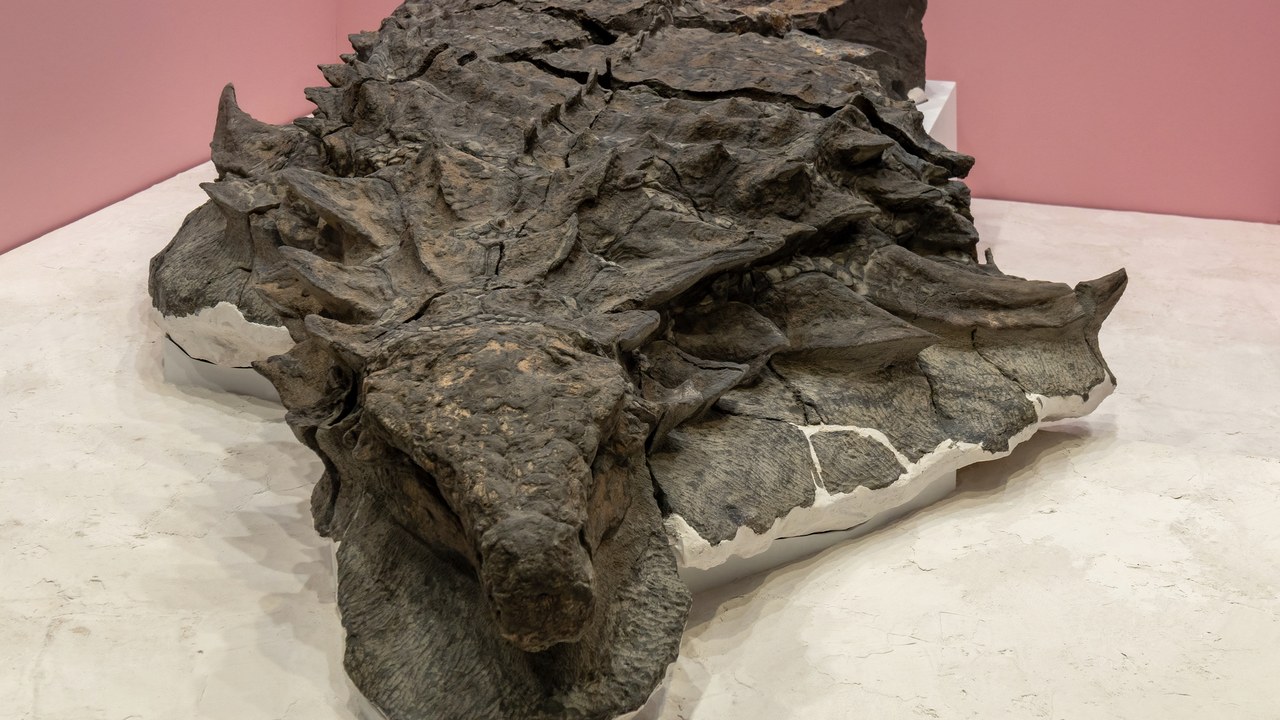
This nodosaur was mummified with its skin and bony armor still locked in place, preserved in three dimensions rather than crushed flat like most fossilized remains. The preservation was detailed enough to show the original color pattern across its back and the exact arrangement of individual armor plates along its body.
That rare completeness gave researchers a direct look at how the armor was arranged in life, instead of having to guess at its original placement from disarticulated plates scattered loosely across a burial site by water or scavengers over time.
8. Edmontosaurus: Skin Impressions in Stone
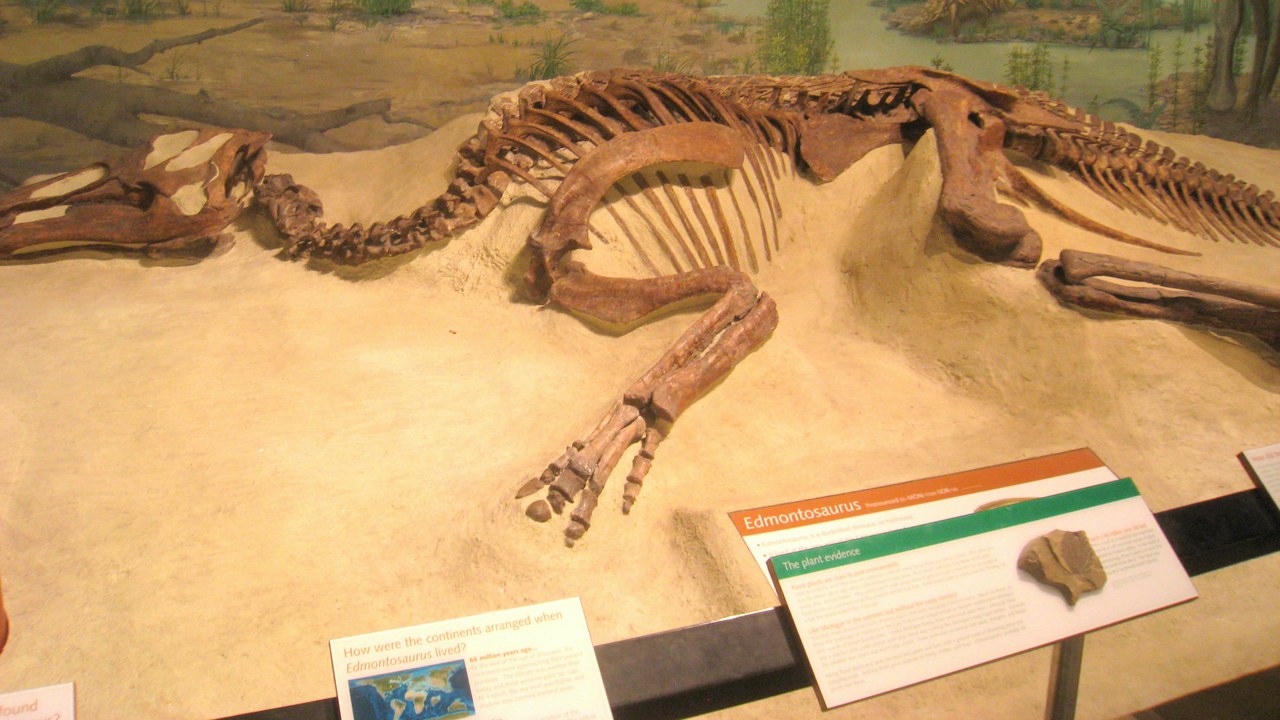
Several ‘mummified’ Edmontosaurus specimens preserve skin impressions across large sections of the body, capturing surface texture that almost never survives the long fossilization process intact. The impressions showed scale patterns and overall body outline in a level of detail rarely available for any plant-eating dinosaur of this size and bulk.
That skin evidence helped researchers reconstruct a far more accurate picture of the animal’s outward appearance in life, moving reconstructions of the hadrosaur beyond bone alone and into the realm of real, physically preserved surface detail, texture, and body contour rarely captured by fossilization at all.
More from Morning Overview
