
Hidden cameras in short-term rentals and hotel rooms are rare, but the devices that conceal them are ordinary household objects sold openly online. A careful sweep of a room costs a few minutes and relies on noticing what does not belong rather than on gadgets. Here are eight practical checks that help travelers spot a concealed lens.
1. Smoke detector: The Ceiling Blind Spot
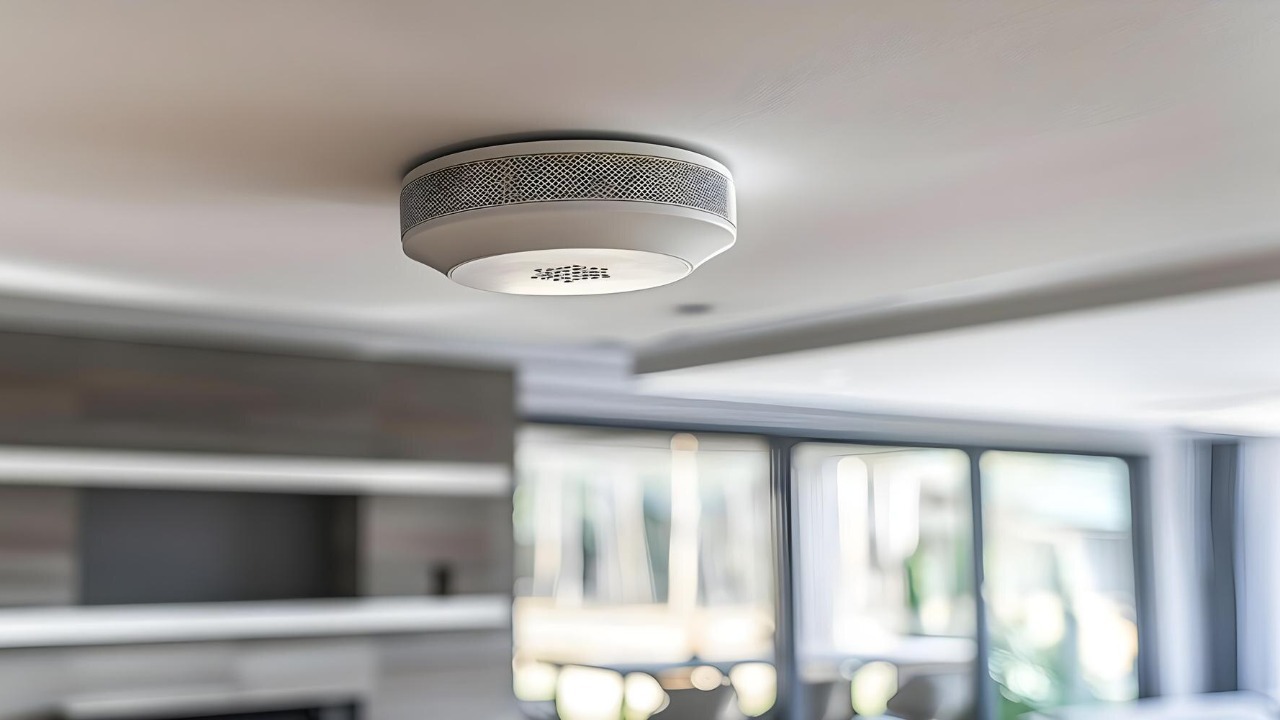
Ceiling and wall units are attractive housings because a residential smoke detector is expected in every bedroom and mounts high enough to cover an entire room. Genuine alarms are designed to sense air, not to see it, so they sit flat against the ceiling and carry only a test button, vents and a small status light.
Warning signs are geometry rather than gadgetry: an alarm angled down toward a bed, a second unit in a room that already has one, a mains cable feeding a device sold as battery powered, or a dark pinhole beside the indicator light. Any of those justifies a closer look, though none proves a camera on its own.
2. Alarm clock: The Nightstand Lens
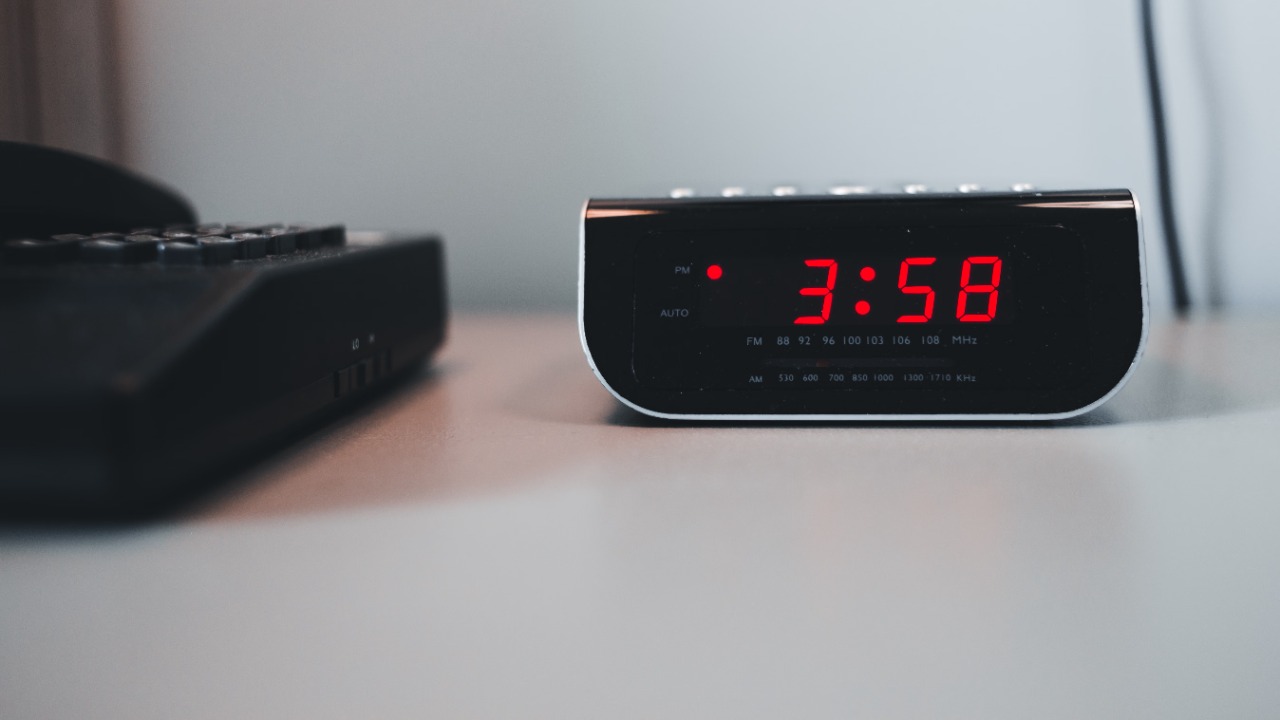
Bedside digital alarm clocks are among the most common camera housings sold online, because the display faces the bed by design and the unit is expected to stay plugged in overnight. A legitimate clock needs power, a display and buttons; it does not need a memory-card slot, a spare USB port, or a second dark aperture beside the time display.
Turning the clock to face a wall neutralizes it without any confrontation, and viewing the front panel from an oblique angle in a darkened room can reveal the faint glint a lens returns. Neither test is conclusive on cheap plastic housings, so an unexplained clock is best raised with the host or the booking platform.
3. USB charger: The Plug That Watches
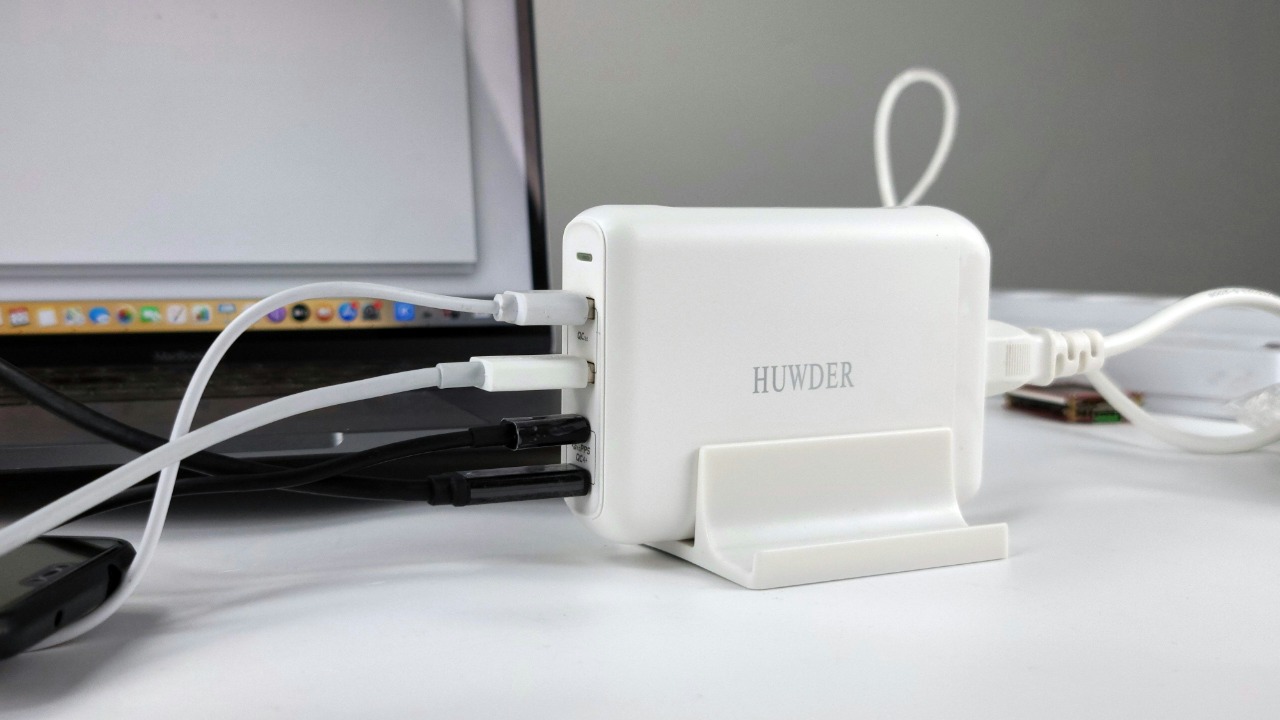
Cube-shaped wall plug power adapters draw no attention because almost every room contains one, and mains power removes the battery limit that constrains most concealed recorders. Authentic adapters carry a manufacturer name, an output rating in volts and amps, and safety marks such as UL or CE molded into the plastic; blank, unusually heavy or unbranded cubes are the outliers.
An adapter left plugged in near a bed by a previous occupant deserves particular scrutiny, since a host has no reason to supply one aimed across the room. Unplugging it ends any recording that depends on mains power, though a device with an internal battery can keep running, so removal from the room is the safer response.
4. Wall outlet: The Faceplate That Does Not Match
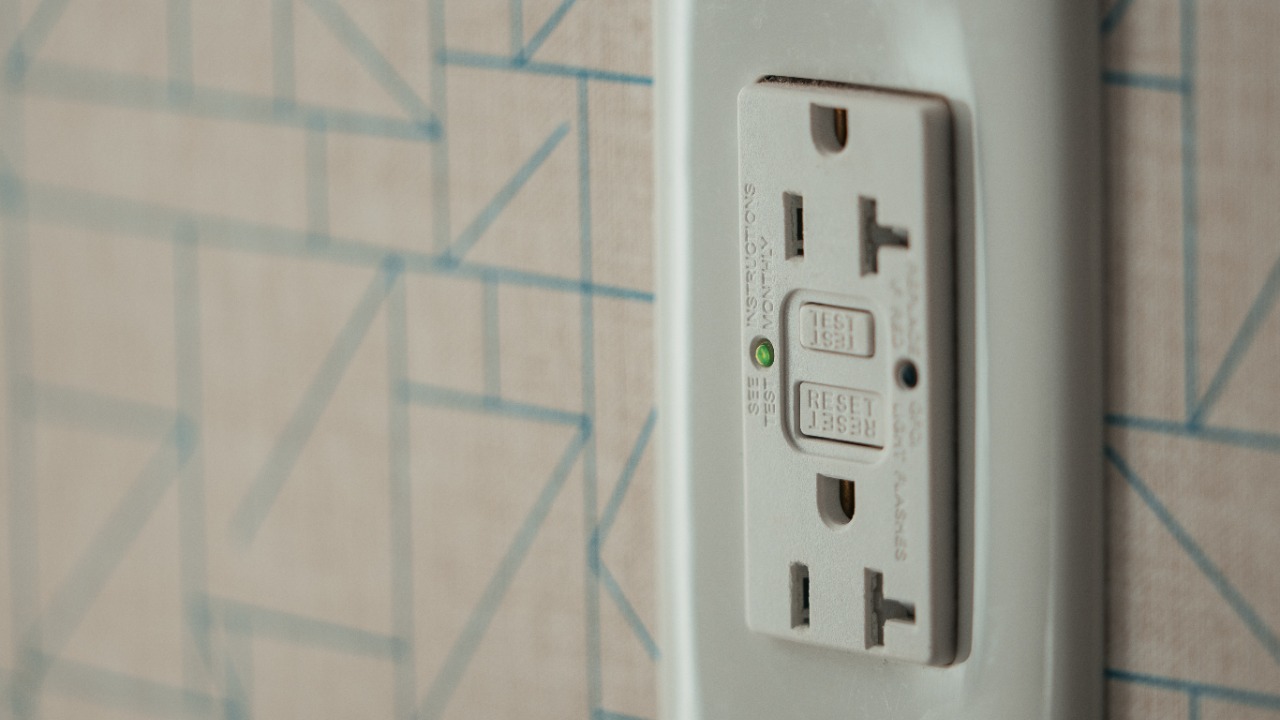
Rooms are wired to a fixed pattern, so standard socket faceplates match one another in color, height and screw type, which is what makes a substituted plate visible. A swapped unit may sit slightly proud of the wall, carry a newer screw than the rest, sit a shade off from its neighbors, or deliver no current when a phone charger is plugged into it.
Dismantling an electrical fitting is a bad idea and in many places illegal, so the check stops at observation: photograph the plate, compare it with the others in the room, and escalate to the host, the platform or local police. A dead socket in an otherwise working room is grounds for that call even without a visible lens.
5. Air freshener: The Scentless Decoy
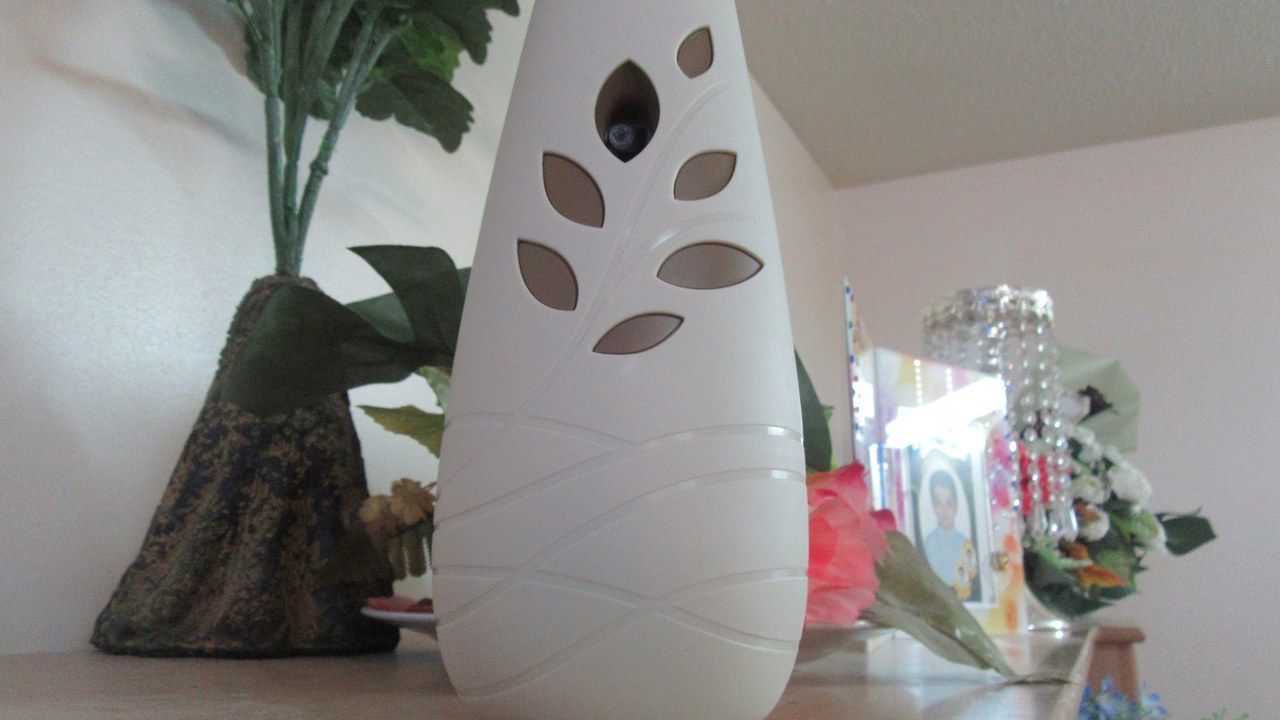
Vent-style and plug-in air fresheners occupy outlet height along a wall and come with slotted grilles that hide a small aperture without looking odd. A working freshener has a scent that fades over a week, a visible refill cartridge or gel reservoir, and no reason to be aimed at a bed or a shower rather than at the middle of a room.
A unit with no detectable scent, no removable cartridge and a suspiciously deliberate sightline is worth flagging, particularly in a bathroom, where cameras are both least expected and most damaging. Fresheners are cheap and disposable, so hosts seldom object when a guest asks why one is positioned where it is.
6. Picture frame: Art With A Sightline

Concealment inside framed wall art works because a print offers a dark region where a pinhole disappears and a mount board thick enough to hide the body of a camera behind it. Placement gives it away more often than the frame does: art hung unusually low, tilted toward a bed, fixed rigidly to the wall, or trailing a cable behind one corner.
Most rental decor hangs flat at eye level on a single hook and moves freely when nudged, so a frame that resists being straightened is an anomaly worth noting. Shining a phone light across the surface at a low angle can also pick out a reflective pinhole, although patterned prints defeat that test.
7. Wireless router: The Always-On Housing
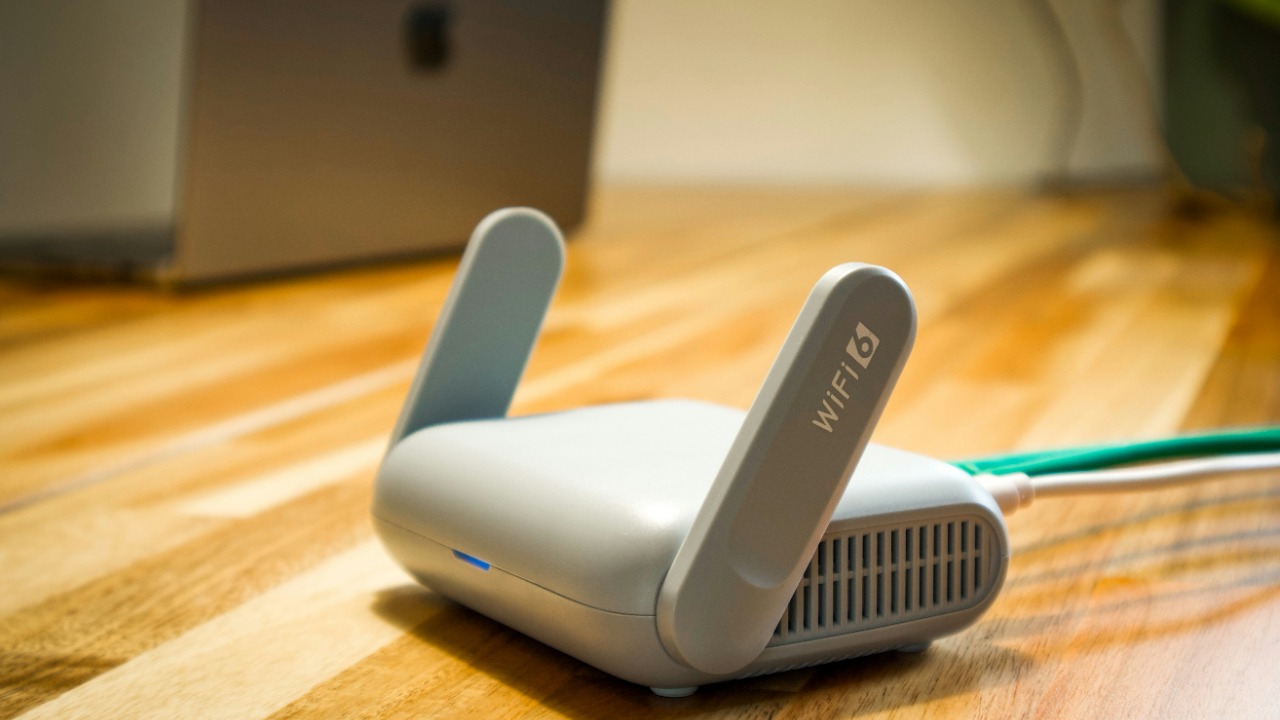
Consumer wireless routers sit in the open, stay powered permanently and already carry a network connection, which is everything a streaming camera needs. Genuine hardware is labeled: a brand, a model number, a regulatory identifier and a MAC address printed on the base, matched by product photographs of the same model showing the same port layout and indicator lights.
Network scanning apps that list connected devices can surface an unexpected camera, but the result proves little on its own: many devices record to a local card, run on a separate hidden network, or use a name that looks routine. A scan that finds nothing is not evidence that a room is clean.
8. Two-way mirror: The Fingernail Gap Test

The old fingernail check rests on a real property of one-way mirror glass: an ordinary mirror is silvered on its back face, so a fingertip touched to it appears separated from its reflection by the glass thickness, while a partially reflective panel can show the two almost meeting. Mirrors set flush into a wall rather than hung on it are the stronger signal.
Security specialists warn the gap test is unreliable, because thin or front-coated glass narrows the gap on perfectly ordinary mirrors. Cupping both hands against the surface in a dark room to look for a lit space beyond is a better check, and a bathroom mirror that cannot be lifted off the wall still deserves a question to the host.
More from Morning Overview
- The FTC is warning about a scam quietly draining thousands from victims
- The NSA is again telling phone owners to switch off one location setting
- A handful of car transmissions are so tough mechanics say they almost never fail
- A handful of SUVs keep hitting 300,000 miles, and they share one engine trait
