
Hydraulic and hydropneumatic suspensions trade the simplicity of steel springs for a fluid-based system that can deliver a remarkably supple ride. They also add pumps, spheres and lines that coil-sprung cars never carried. Here are eight cars where that approach shaped the driving experience, with notes on which versions actually had it.
1. Citroën DS: The Car That Floats
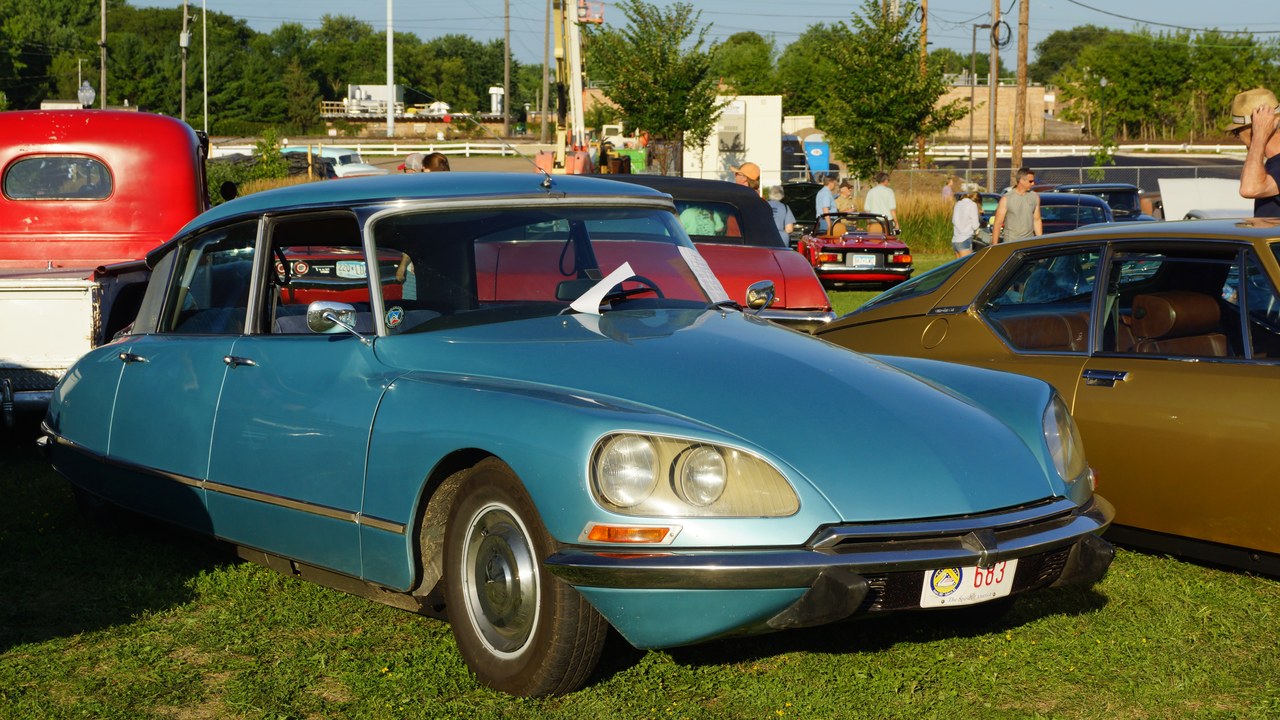
The Citroën DS used a hydropneumatic system that softened the ride and let the driver raise or lower the body, as a Citroën comfort history explains. It is the signature example of the technology in a road car, and the one most people picture first.
For a buyer, the appeal is a famously smooth ride and a body height that can be adjusted at will. The tradeoff is a specialized system with parts that coil-sprung cars never had, so a prospective owner should have its condition judged by someone who knows these cars before buying one.
2. Citroën SM: Grand Touring, Firmer Tuning
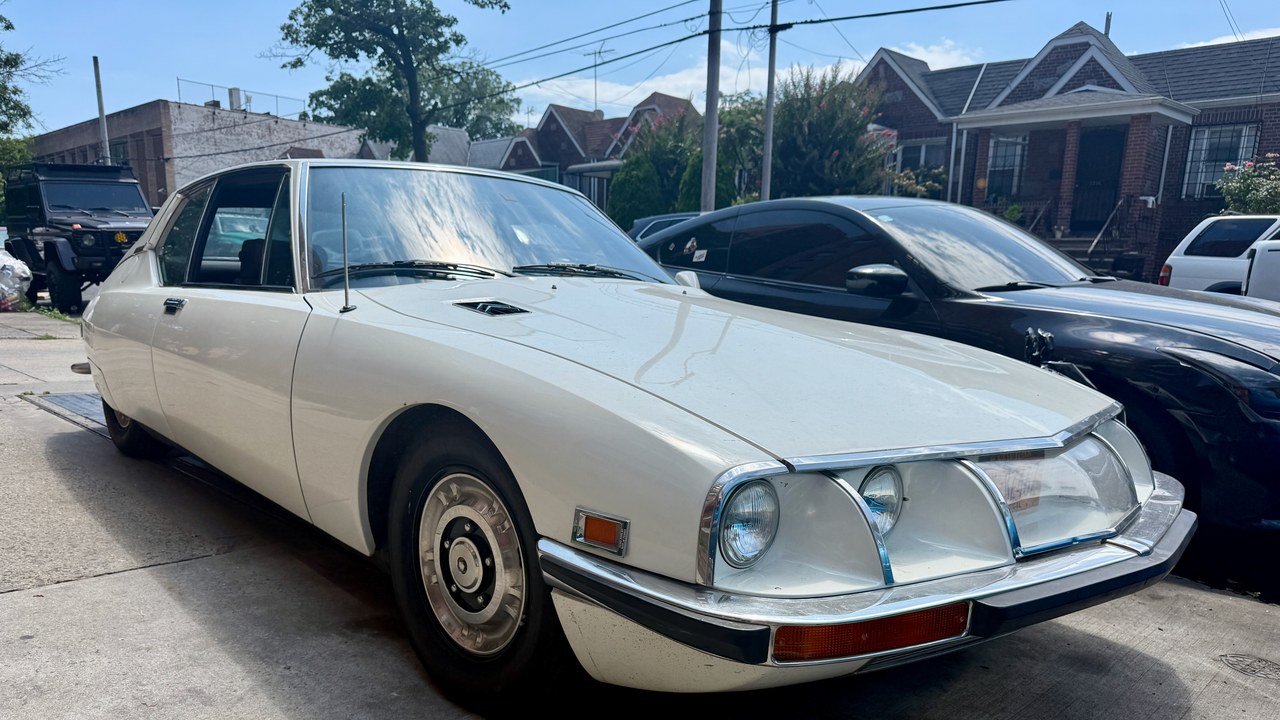
The Citroën SM carried hydraulic suspension tuned for grand touring, giving a firmer ride and less roll, according to the same history of Citroën comfort. The setup shows the system could be tuned for a sportier purpose than the DS’s softness.
Owners of such a car get hydraulic sophistication with more control in corners than a comfort-first tune would allow. The system is still specialized, so maintenance knowledge matters, and a careful inspection by an expert is wise before purchase. Buyers should also expect the ride character to differ from the softer DS, which is part of the SM’s appeal as a grand tourer.
3. Citroën CX: Hydraulics for the Family Sedan
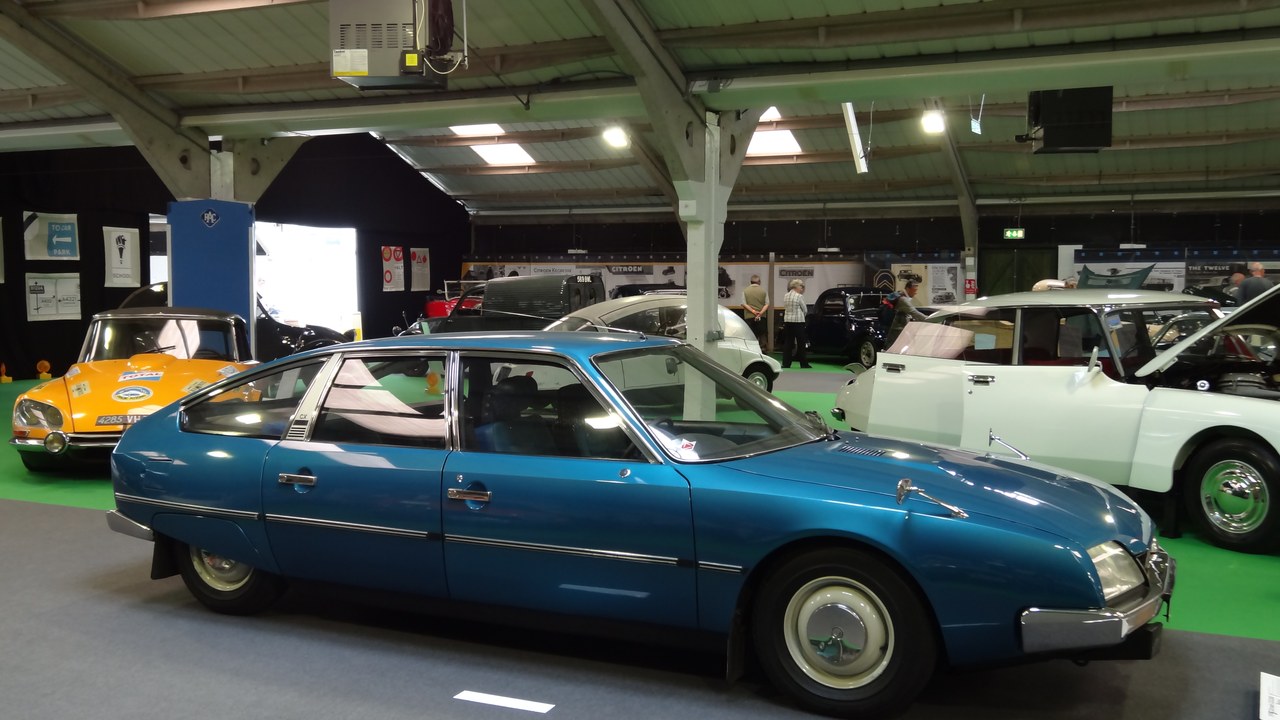
Citroën carried its hydraulic suspension into the CX, a family sedan, to improve ride comfort, as the ride comfort history explains. The technology moved from a flagship-style grand tourer into a more everyday car for ordinary households.
The CX suits buyers who want that signature Citroën ride in a practical body. As with any hydraulic car, the suspension’s condition is central to the experience and to the cost of keeping it right, so a history of careful servicing deserves weight. The CX is a way to experience the hydraulic ride without a flagship’s profile.
4. Rolls-Royce Silver Shadow: British Luxury Borrows the Idea
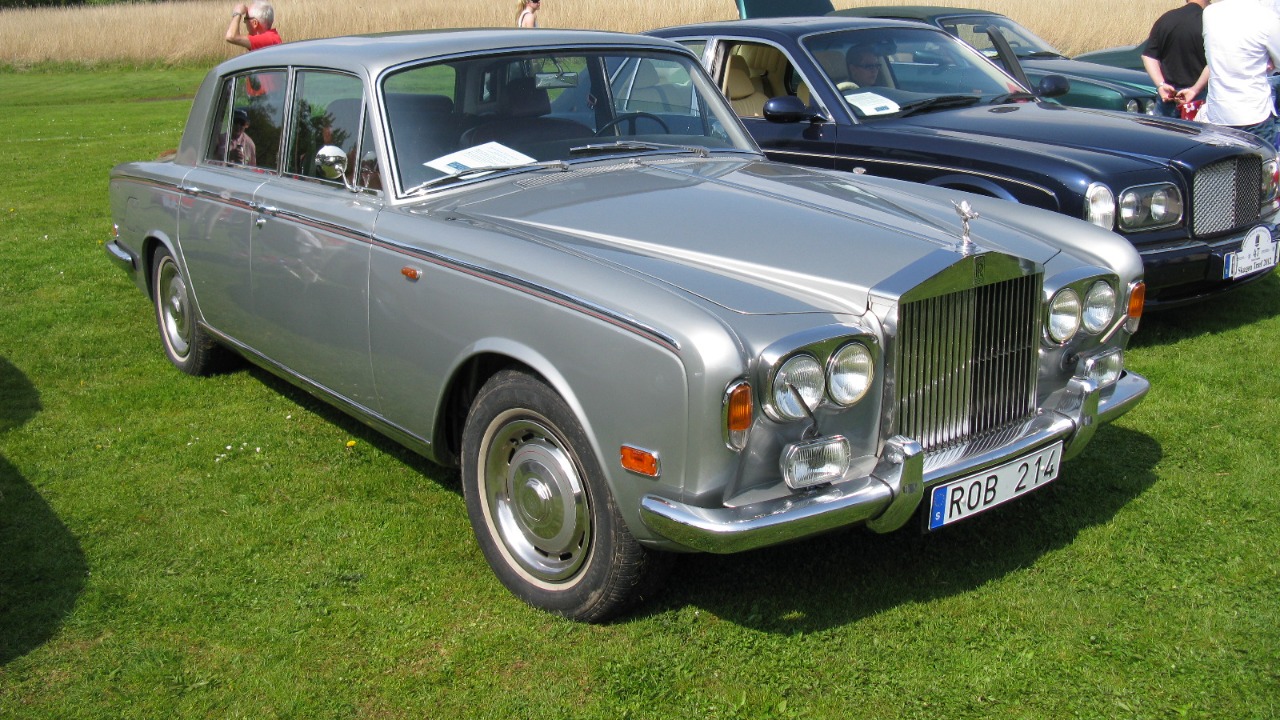
The Rolls-Royce Silver Shadow had a suspension that incorporated hydraulic technology, bringing the system into a British luxury car, according to a hydropneumatic car roundup. Not every hydraulic car was a Citroën, and this one shows the idea reaching the top of the luxury market.
For classic-luxury shoppers, the Silver Shadow offers a ride-focused engineering story to go with its stately character. The source describes the suspension in general terms, so details of the exact setup should be confirmed on any specific car before assumptions are made. The Silver Shadow is best treated as a reminder that hydraulic suspension was not limited to one French maker.
5. Mercedes-Benz 450SEL 6.9: A Very Specific S-Class
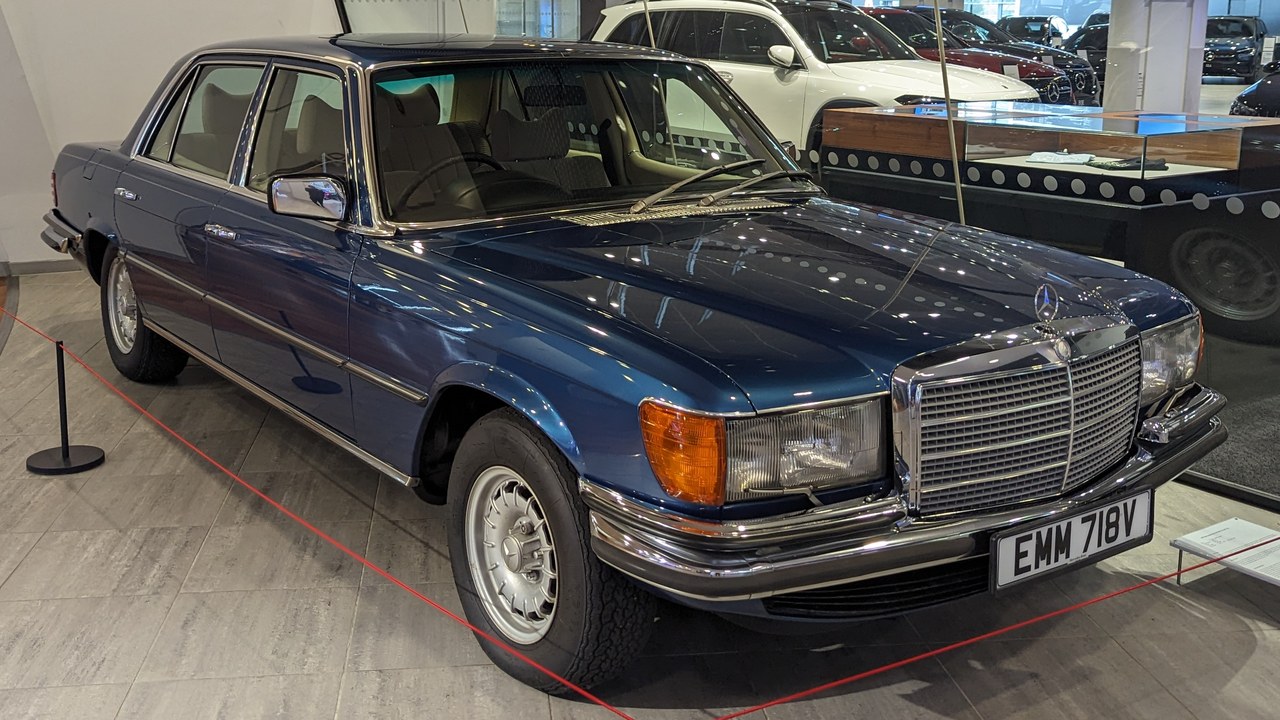
The Mercedes-Benz 450SEL 6.9 used hydropneumatic suspension, a point the Garaje Hermético article makes about this specific S-Class variant. Ordinary versions of the big Mercedes sedan should not be assumed to match it.
Buyers should confirm that a car is truly the 6.9 before crediting it with the system. A look at the suspension and its components matters more than the badge or the general S-Class reputation, since only this variant is covered. Anyone comparing S-Class sedans should read listings carefully for the exact model name and specification, because trim and variant details change what a car actually has.
6. BMW 5 Series: Rear Self-Leveling on a BMW
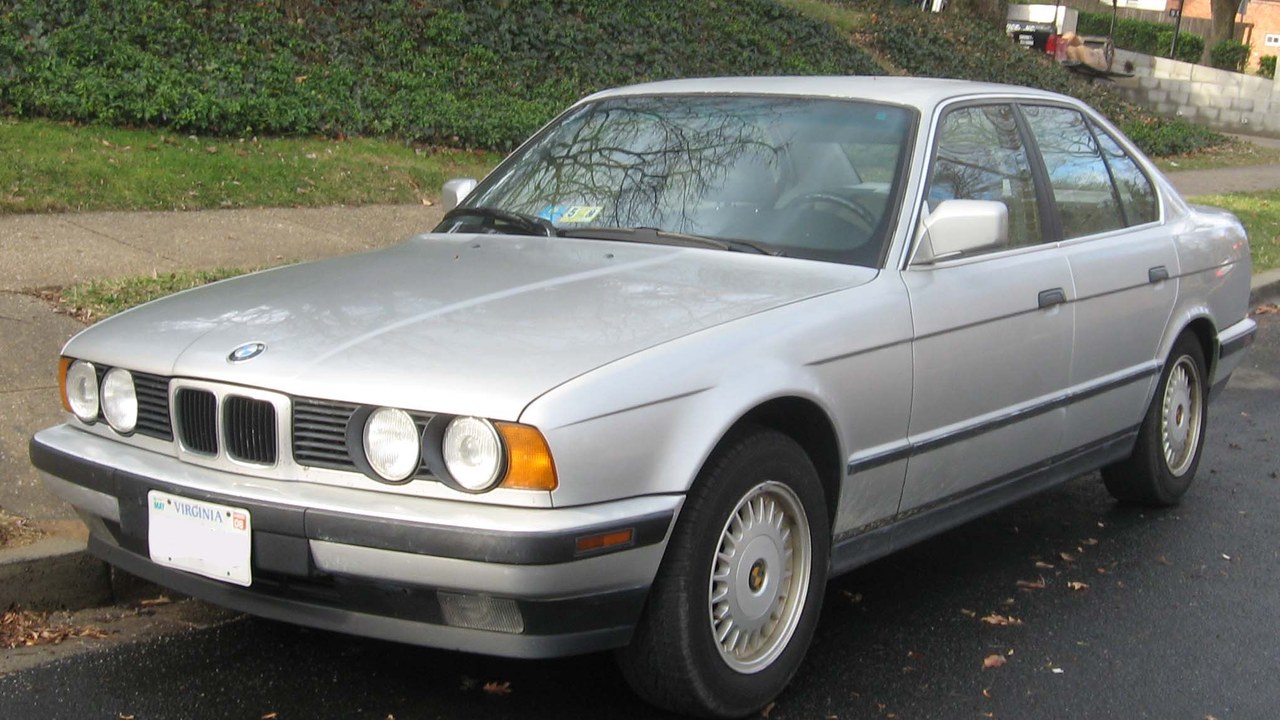
Equipped older BMW 5 Series models used hydropneumatic rear self-leveling alongside coil springs, per the hydropneumatic suspension article. The arrangement was not standard on every 5 Series, so the note applies only to cars that carried it.
Owners and shoppers should check whether a given car actually has the system before assuming it does. Where fitted, it was a targeted addition at the rear and not a full replacement for the coil springs, which keeps it far simpler than a fully hydraulic setup. The coil springs remain part of the suspension on cars so equipped, which is the key detail for buyers.
7. Mercedes-Benz E-Class wagon: Wagons That Hold Their Height
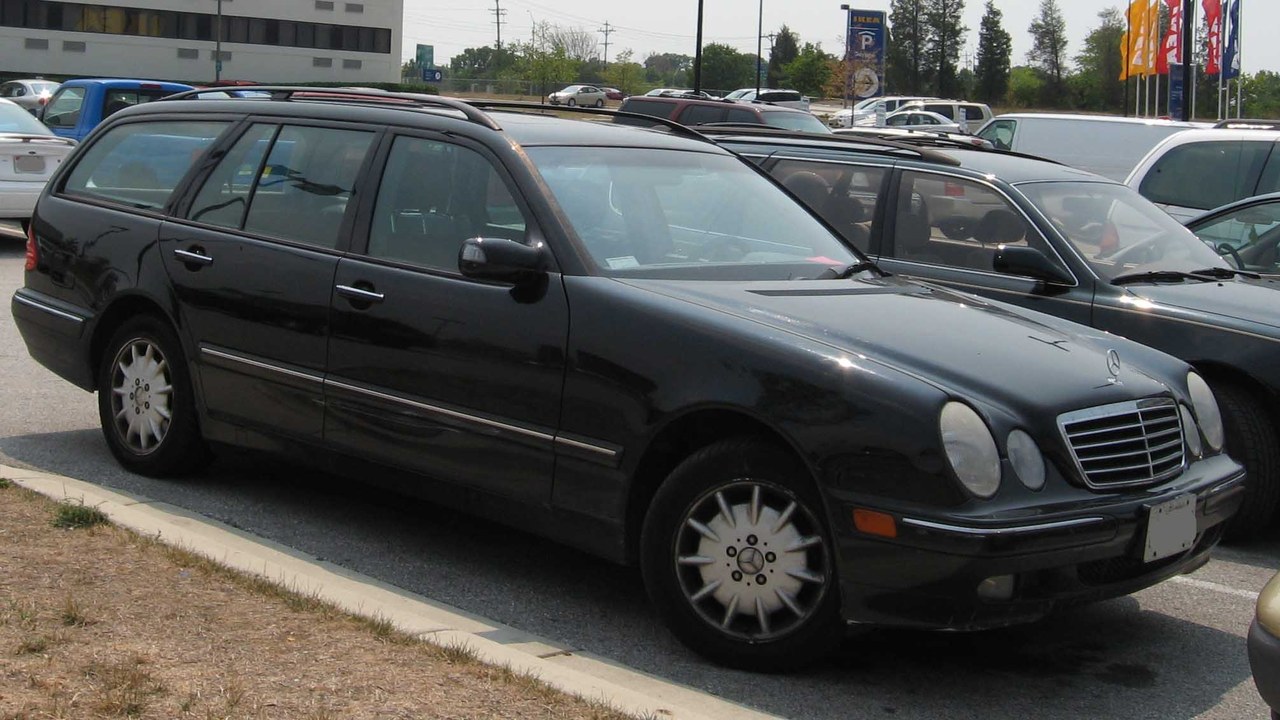
Selected W124 and W210 Mercedes-Benz E-Class wagon models used hydraulic rear self-leveling with coil springs, helping maintain height under a load, according to the suspension reference page. It suited wagons made for carrying cargo and passengers.
Anyone shopping for one of these wagons should verify that the specific car has the equipment. Only selected models had it, and a load-carrying owner is exactly the buyer who would notice the difference, so it is worth confirming before paying a premium. Owners who regularly tow or carry heavy cargo are the people most likely to benefit from the feature.
8. Mercedes-Benz CL-Class: Active Body Control Arrives
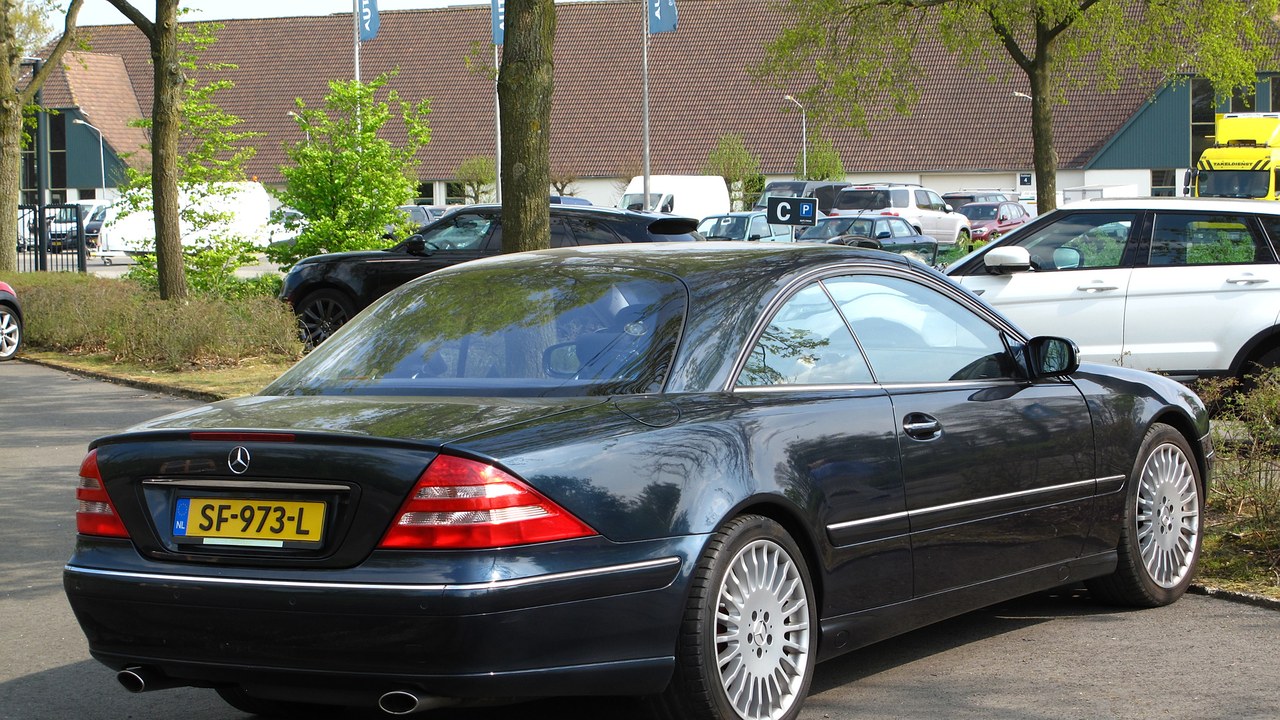
The Mercedes-Benz CL-Class in its C215 form introduced optional Active Body Control, an electronically controlled hydropneumatic suspension system, as the suspension technology article notes. The system added electronics to the hydraulic idea for a large luxury coupe.
Because the system was optional, a buyer should confirm it is fitted on a particular coupe rather than assuming every CL-Class has it. Its complexity makes condition and service history especially worth examining before purchase, since electronics and hydraulics both need to work. Buyers should ask for documentation of past repairs and for evidence that the system functions as intended.
More from Morning Overview
- Ford is recalling 223,472 F-150 pickups because the fuel tank can leak or detach
- Hybrids have 15% fewer problems than gas cars, while EVs and plug-in hybrids have about 80% more, Consumer Reports finds
- Regulators cleared the first U.S. small modular reactor, 4 months early
- Lake Powell sank to a record 3,517 feet, nearing the level that stops Glen Canyon Dam’s turbines
