
Air-cooled engines shed heat through fins and moving air instead of a radiator, hoses and a water pump. That removes a familiar source of leaks and overheating worries, though the tradeoffs are different and often involve oil. Here are ten classic cars whose factory layouts spared owners a water-cooling system, each with its own wrinkle.
1. Citroën 2CV: Fans Instead of Radiators
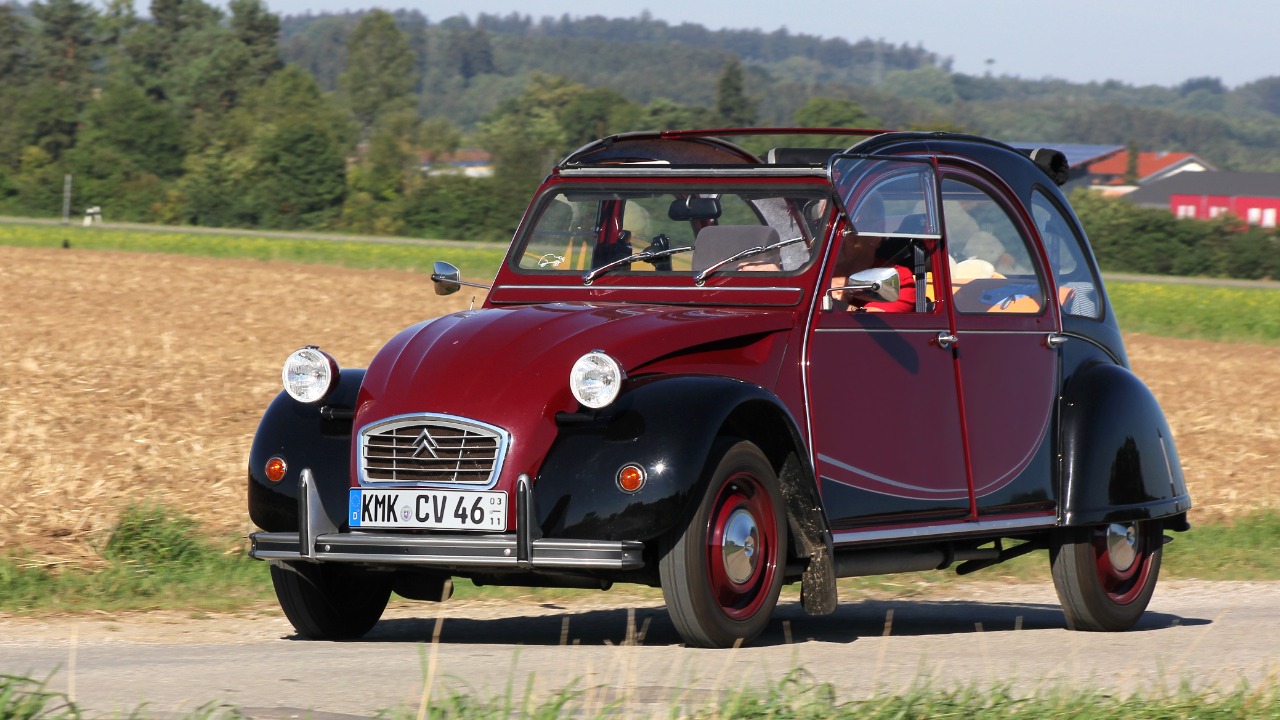
The Citroën 2CV used a fan-cooled flat twin that avoided a water radiator altogether, as the air-cooled classics gallery explains. That kept the little French car’s cooling layout simple and free of a radiator’s plumbing.
For an owner, a car with no radiator removes a whole category of coolant maintenance, including the hoses and the pump. The claim covers the historic factory configuration only and carries no blanket promise of reliability. Fans still matter, so a healthy fan and clear airflow remain part of keeping the engine happy.
2. Citroën GS: Low Flat-Four, Better Handling
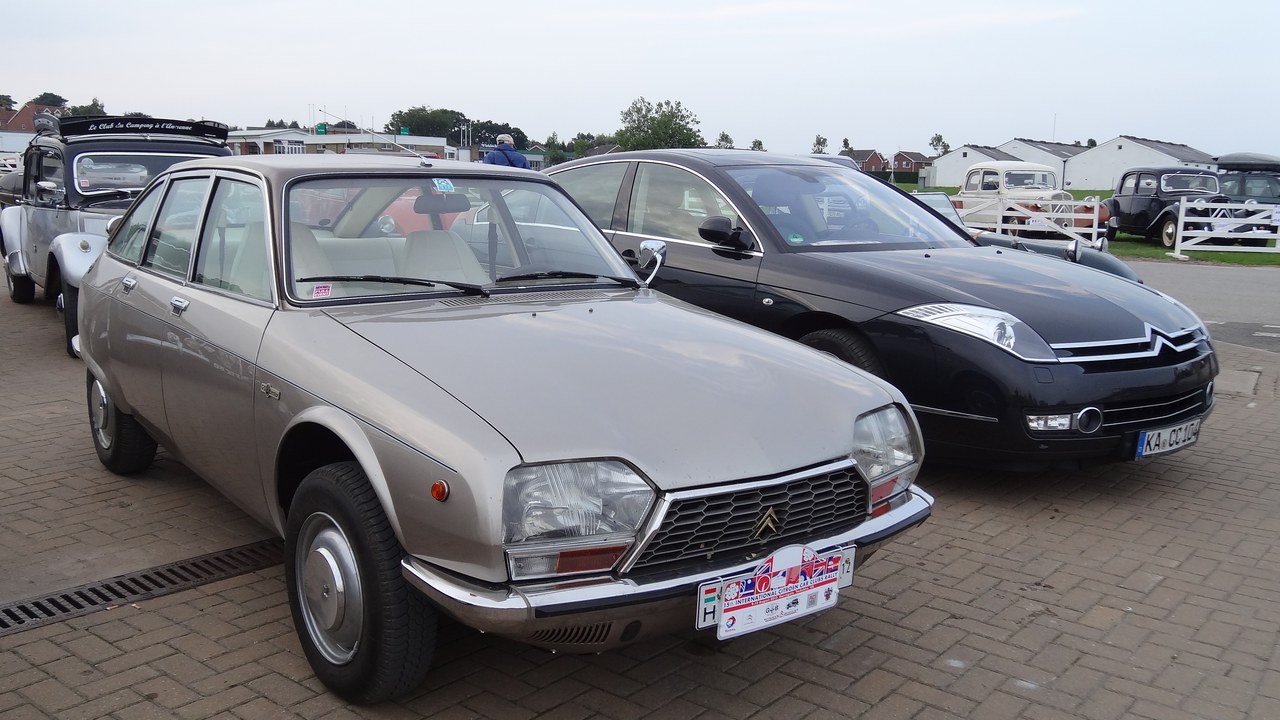
The Citroën GS used an air-cooled flat-four, with the low engine placement also helping the car’s handling, according to the classic air-cooled list. It shows how a cooling choice and an engine layout can shape a whole design.
Buyers who like cars with distinctive engineering will appreciate the combination of a compact engine and good road manners. The claim covers the historic factory configuration only and carries no blanket promise of reliability. Inspection by a knowledgeable mechanic is still wise before purchase.
3. Original Fiat 500: Small Twin, Easy Wrenching
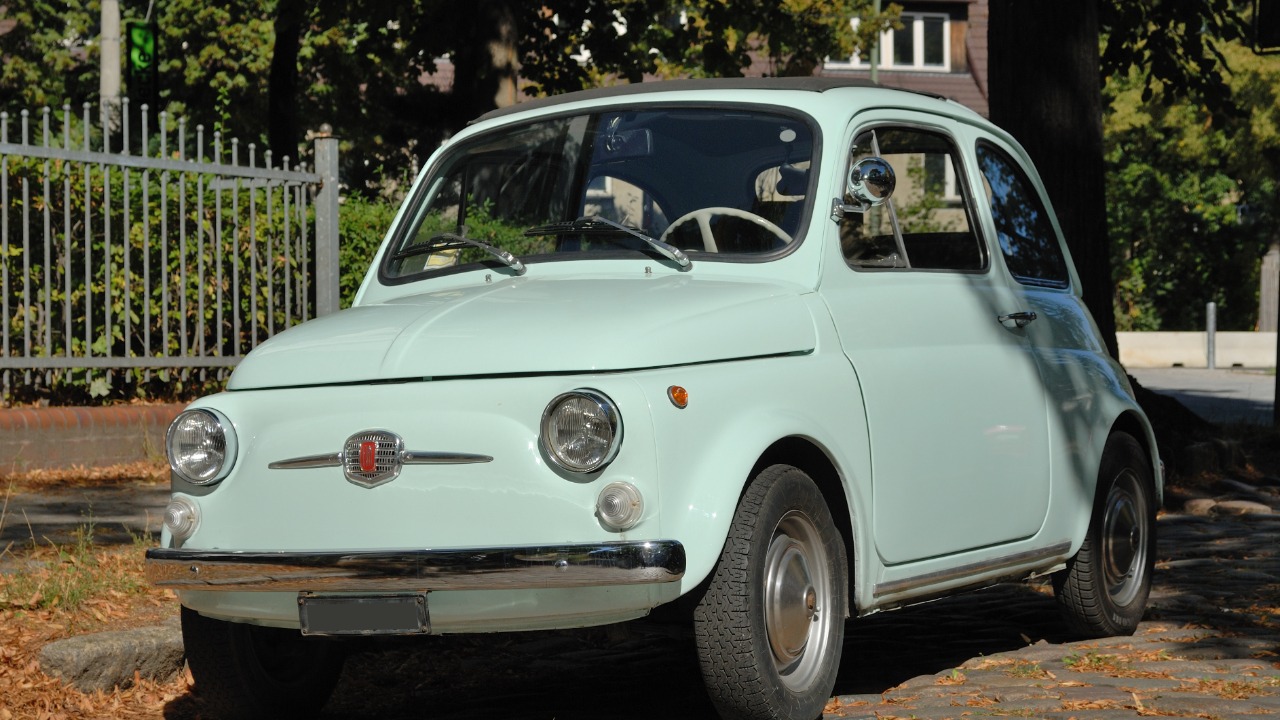
The original Fiat 500 used a small air-cooled parallel twin that the air-cooled car gallery describes as simple and easy to work on. No water circuit meant fewer parts to maintain on the tiny city car.
Hobbyists who enjoy doing their own work are the natural audience for such a car. The note is about the original model’s engine layout and offers no guarantee about the condition of any example, so each one deserves a careful check by someone who knows the car, along with a look at the engine bay.
4. BMW Isetta: Motorcycle Engine, Fan Cooling
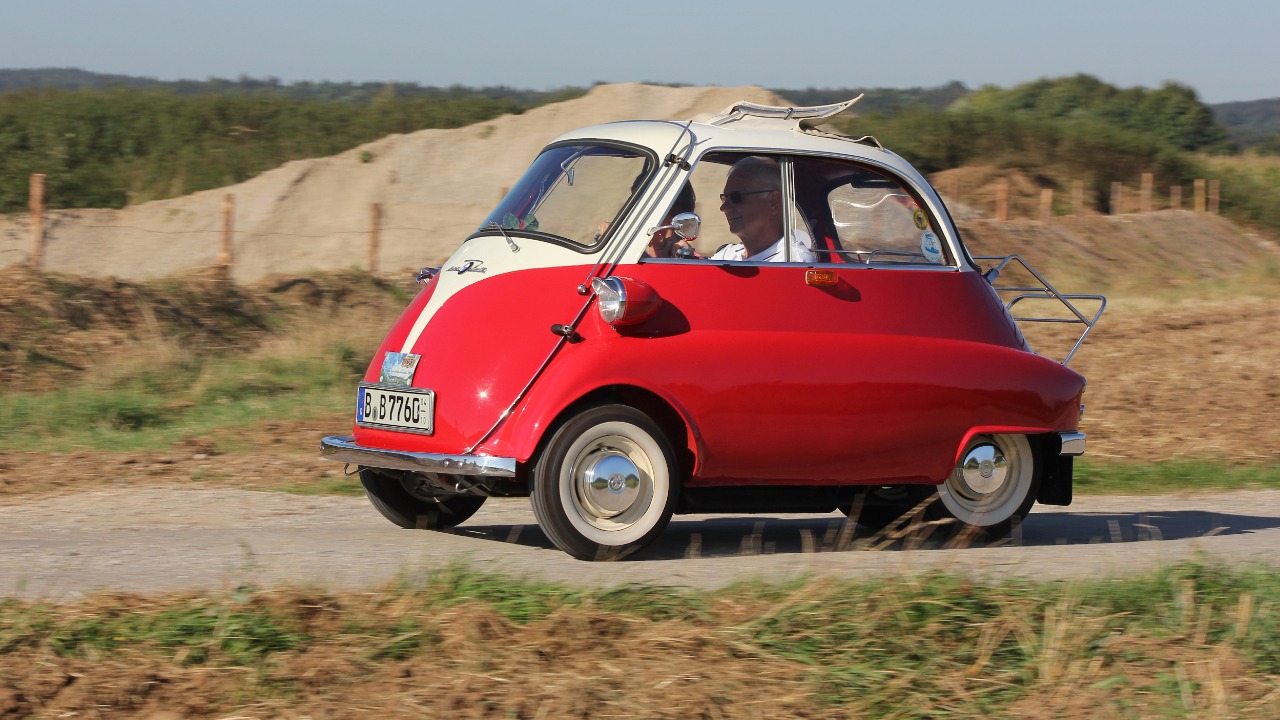
BMW’s Isetta relied on a radial fan and ducting to supply cooling air to its motorcycle-derived engine, per the classic car cooling feature. The tiny bubble-shaped microcar skipped the water radiator entirely.
The arrangement is a reminder that air cooling still needs dedicated hardware to move air. Owners should keep the fan and ducting in good order, since the design depends on them rather than on coolant. The description concerns the factory setup only, and it is not a statement about modified or restored cars, so owners should verify what is actually fitted.
5. Volkswagen Karmann Ghia: A Register-Listed Air-Cooled Car
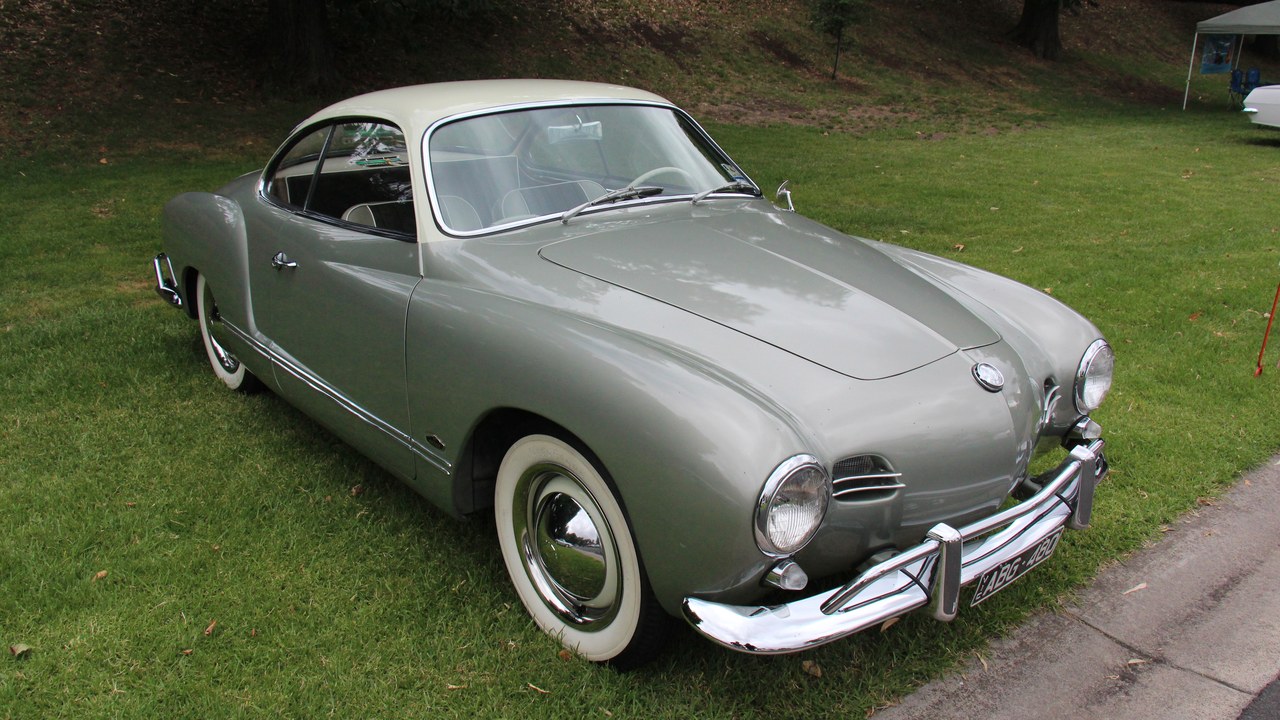
The Volkswagen Karmann Ghia appears in a club’s historical register as an air-cooled car, meaning it has no water-coolant circuit, according to the historical air-cooled register. Its stylish coupe body sits on a familiar air-cooled engine design.
For collectors, the register listing gives a clear sourcing point for the car’s cooling approach. The claim covers the historic factory configuration only and carries no blanket promise of reliability. An air-cooled design does not erase the need for regular care, and a seller’s claims deserve to be checked against the car itself.
6. Porsche 356: Sports Car Without a Radiator
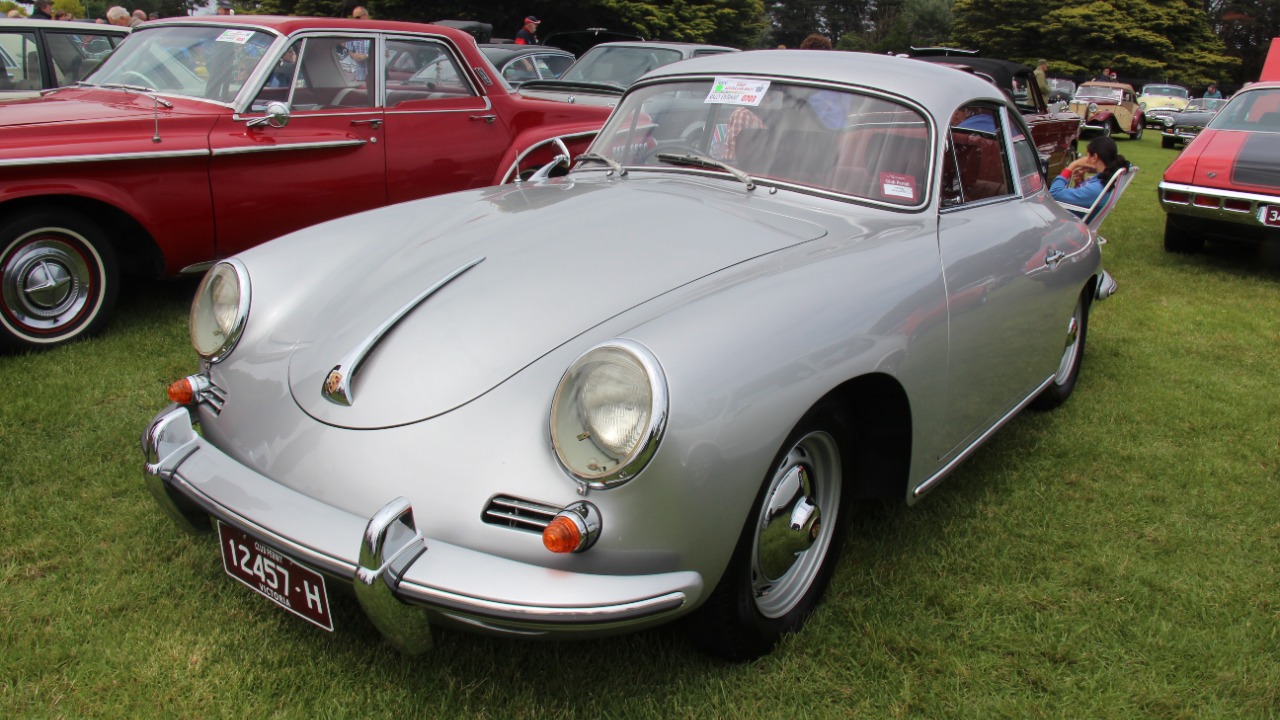
The Porsche 356, built from 1948 through 1965, appears in the air-cooled register and eliminated the conventional water radiator, as the air-cooled cars register shows. It is an early Porsche sports car, long admired by collectors.
Owners of such a car manage cooling through airflow rather than coolant, which changes what maintenance looks like. The claim covers the historic factory configuration only and carries no blanket promise of reliability. Nothing in the listing says how any given 356 will behave in hot conditions, so condition still matters.
7. Porsche 914: Oil Still Plays a Part
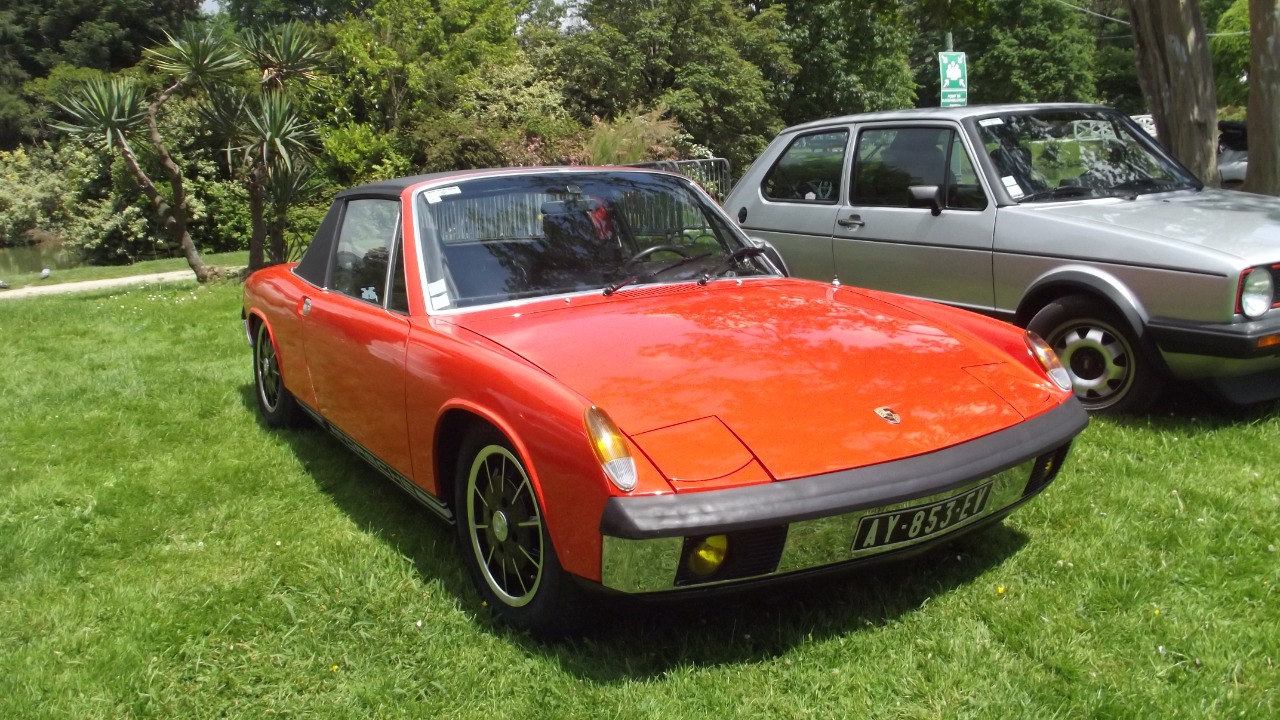
The Porsche 914 had an air-cooled layout that still circulated hot oil through an external cooler, a detail noted in the club’s air-cooled listing. Air cooling did not eliminate all cooling hardware on this mid-engined two-seater.
This is the caveat that matters for buyers: an oil cooler and its lines still need inspection. Anyone assuming zero cooling maintenance on a 914 would be mistaken, so the condition of the oil system deserves real attention, starting with the cooler, its lines and any signs of leaks.
8. Air-cooled Porsche 911: Oil Cools the 911 Too
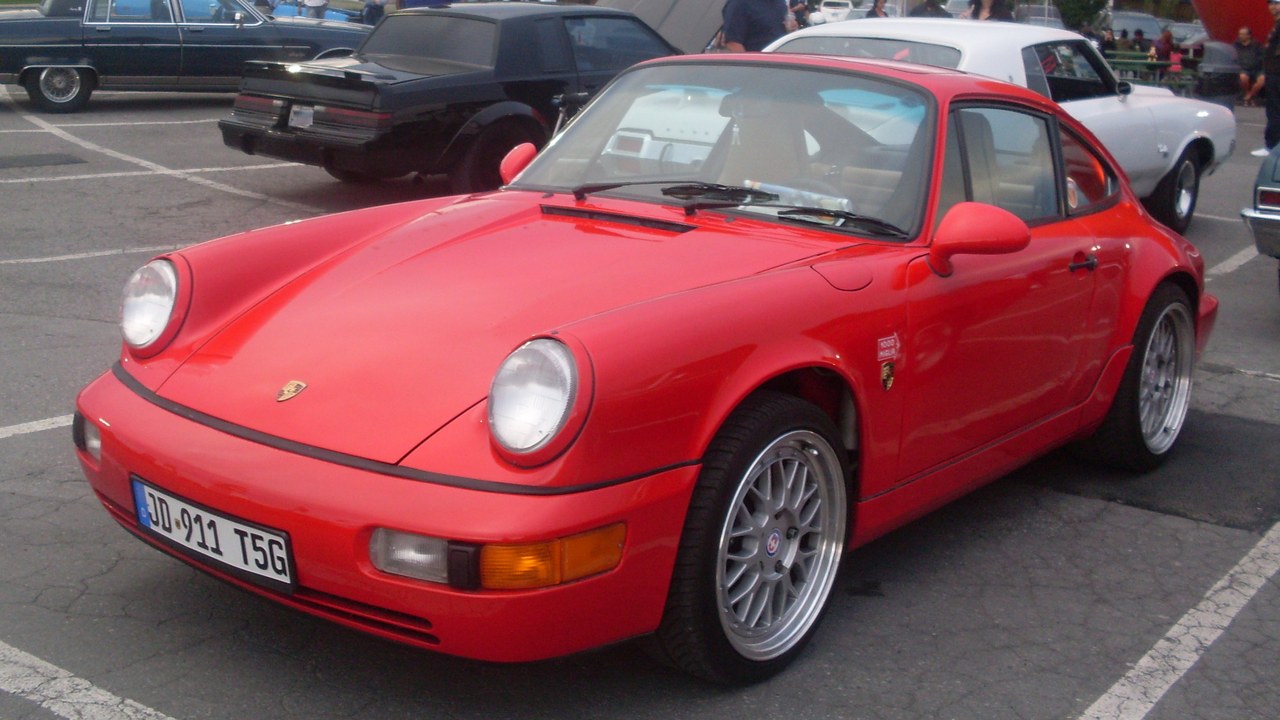
The air-cooled Porsche 911 built from 1964 through 1998 also relied on oil cooling, according to the air-cooled register entry. That is a useful distinction for owners inspecting the cooling system of the long-running sports car.
Shoppers who think air-cooled means simple should look closely at the oil circuit as well as the fins and airflow. The claim covers the historic factory configuration only and carries no blanket promise of reliability. Condition checks remain essential regardless of the car’s strong reputation.
9. Volkswagen Beetle: The Archetype Air-Cooled Car
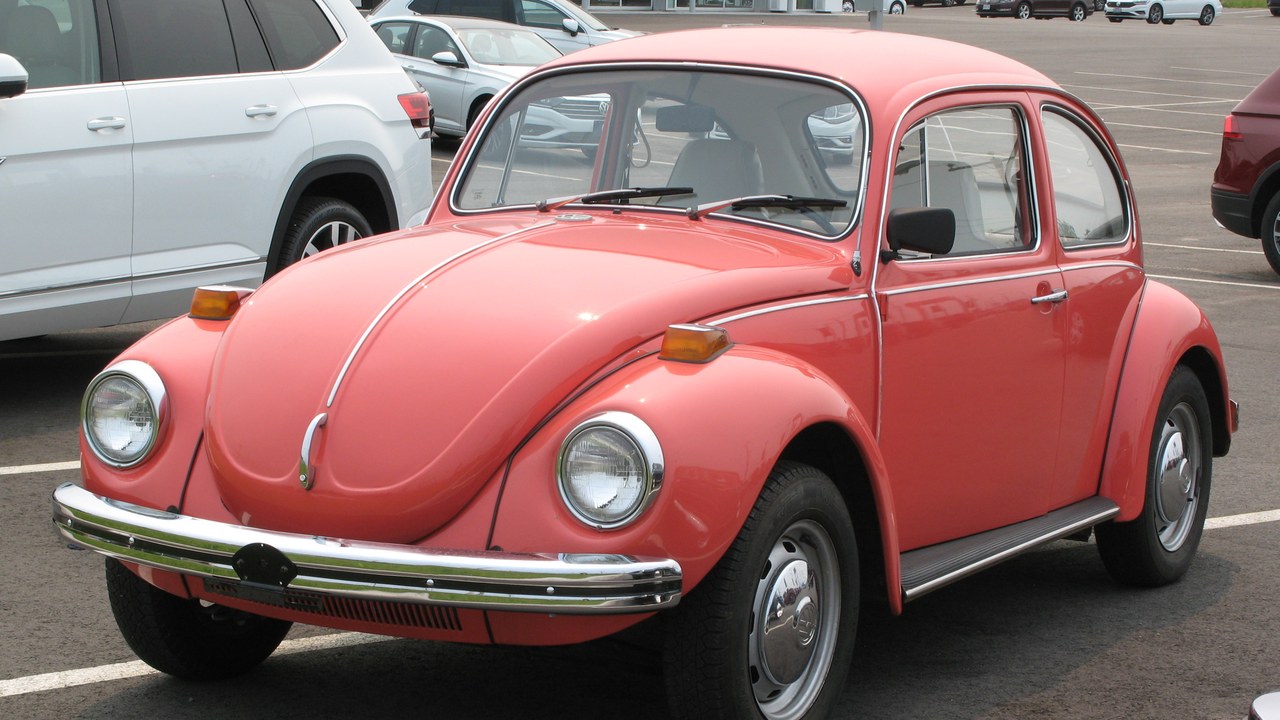
The classic Volkswagen Beetle used an air-cooled engine, replacing the water-coolant circuit with airflow over the engine, as the air-cooled engine reference describes. It is the best-known example of the layout.
The Beetle suits buyers who want mechanical simplicity without coolant hoses. The claim covers the historic factory configuration only and carries no blanket promise of reliability. It should not be read as a promise that any specific car is trouble-free, so a pre-purchase inspection still makes sense, especially for a car of this age and for anyone new to air-cooled engines.
10. Volkswagen Type 3: Beetle Family Cousin
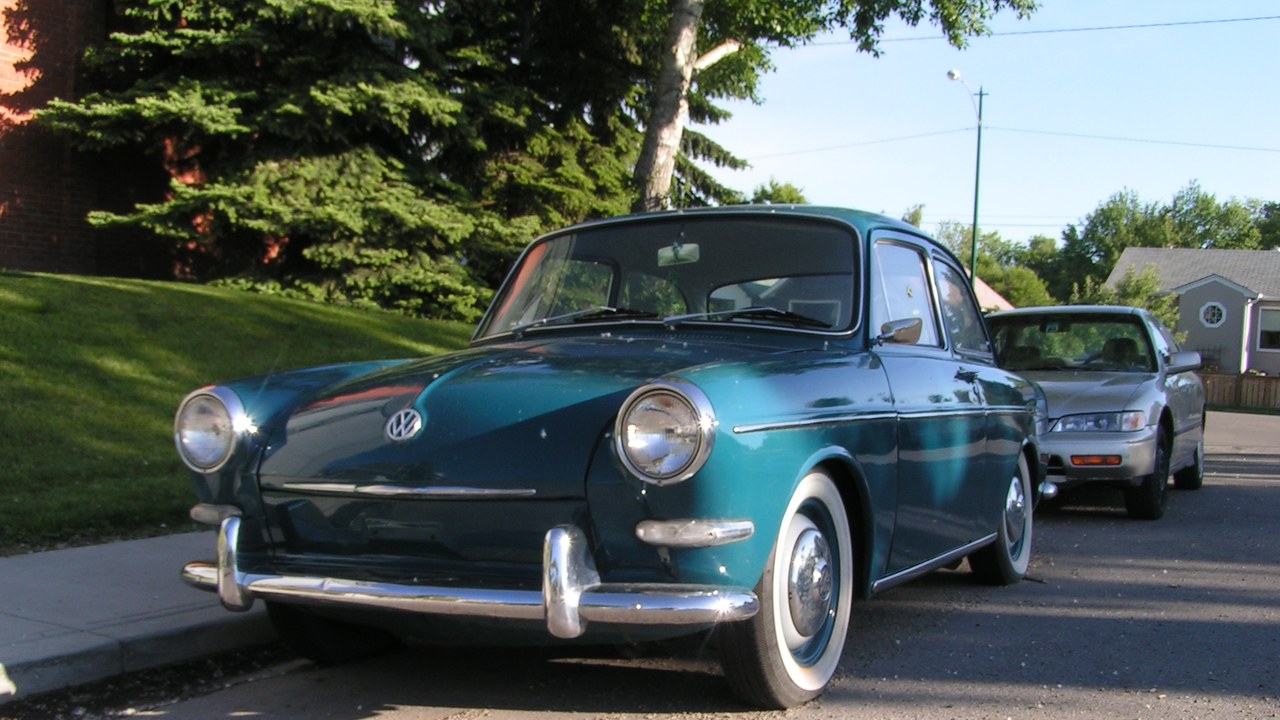
The Volkswagen Type 3 had an air-cooled engine from the same broad engine family as the Beetle, avoiding a water radiator, per the engine family overview. It offered a different body on familiar mechanics.
Owners of a Type 3 should expect the same basic idea of airflow rather than coolant, which shapes what maintenance looks like. The claim covers the historic factory configuration only and carries no blanket promise of reliability. A careful inspection of the engine and its airflow is still the right start.
More from Morning Overview
- Long use of a common prostate pill is tied to a higher chance of glaucoma
- Ford is recalling 223,472 F-150 pickups because the fuel tank can leak or detach
- Hybrids have 15% fewer problems than gas cars, while EVs and plug-in hybrids have about 80% more, Consumer Reports finds
- Regulators cleared the first U.S. small modular reactor, 4 months early
