
Open-top motoring has always come with a trade-off, and the biggest one is the back seat, which simply is not there. Every car below is a genuine two-seater, built around a driver and a single passenger. Here are twelve sports cars that leave no room for a third person.
1. BMW 507: Roadster Royalty
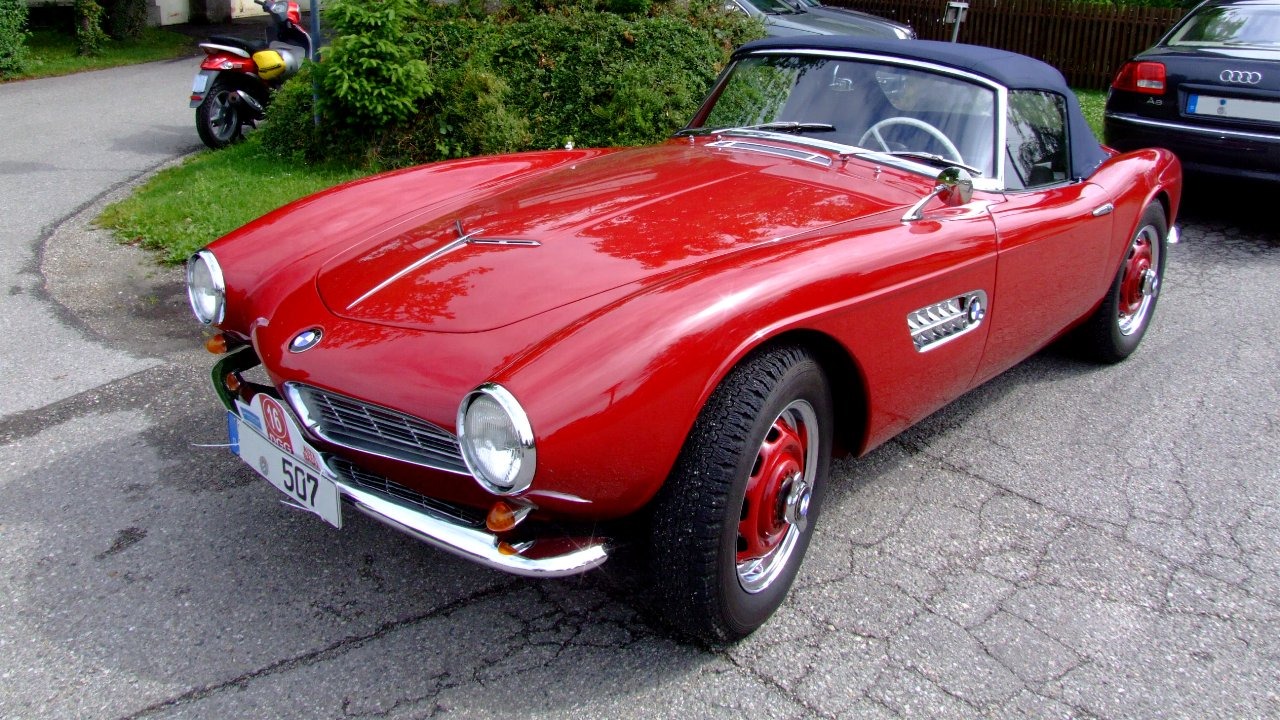
BMW’s own history of its roadsters, a BMW Group retrospective, lists the 507 as a factory roadster that seats a driver and one passenger. There is no rear seating for an extra rider, and that compact two-person layout is part of what defines the car.
That makes the 507 a purely two-person proposition. Anyone picturing a family outing, or even a lift for a friend’s friend, will need a second vehicle in the driveway. The scope here is the factory two-seat configuration only, with no claim about current new-car availability.
2. BMW Z3: Two Seats, Zero Back Bench

The same BMW roadster history covers the Z3, which in factory form seats a driver and one passenger. The company’s account is plain that the car offers no rear seating for another rider, so the cabin ends right behind the front pair.
Buyers cross-shopping the Z3 against a compact hatchback should treat it as a weekend or second car. Space for a third occupant is simply not part of the package, however appealing the open-top styling may be on a sunny afternoon.
3. BMW Z4: Still Strictly Two
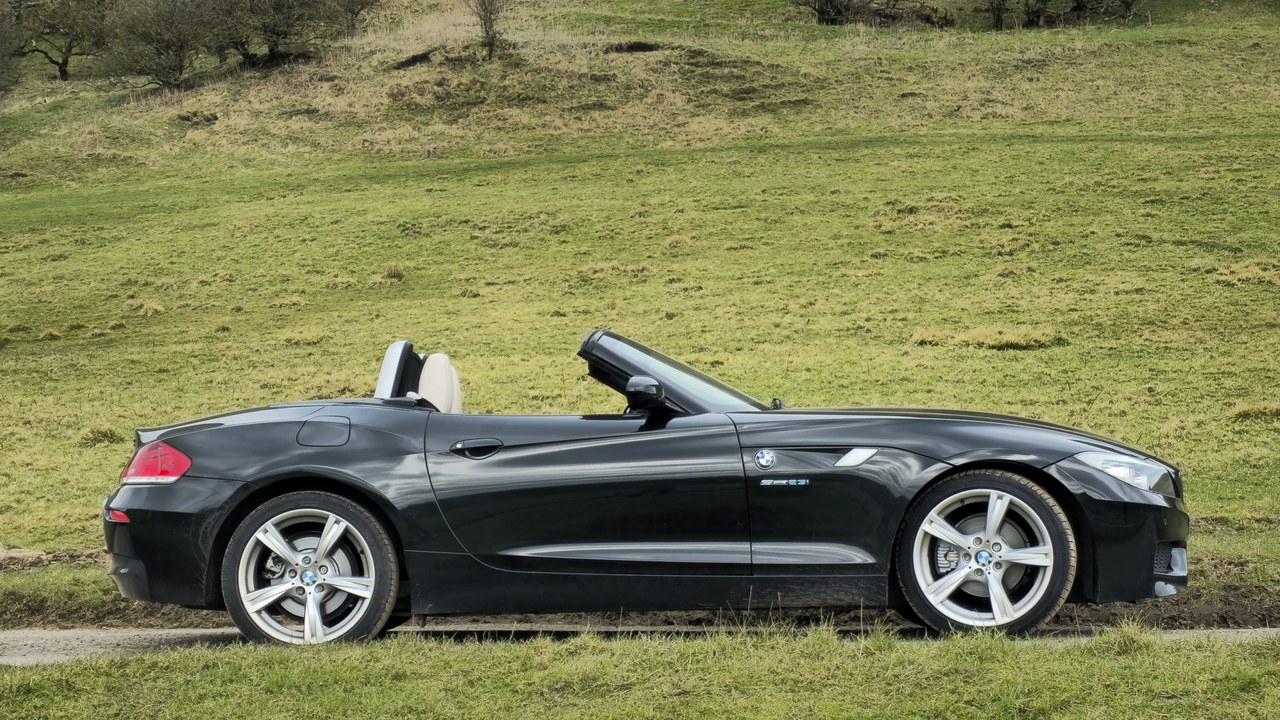
Another entry in the roadster family tree from BMW’s press office, the Z4 is a factory roadster that carries a driver and one passenger. As with its siblings on this list, the maker provides no rear seating at all for an additional rider.
For owners, the practical takeaway is simple: the Z4 handles a couple and their weekend bags, not a trio. Anyone who regularly ferries three people should look at a different body style rather than hoping that some clever fold-down seat will appear.
4. BMW Z8: Flagship With No Backseat

BMW’s Z8 appears in the company’s roadster lineage article as a factory roadster seating a driver and one passenger. The maker provides no rear seating for an extra rider, even on a car of this stature and rarefied reputation.
As the grandest car in this group, the Z8 shows that a high-end badge does not buy a third seat. Anyone drawn to its looks should accept from the start that it is a car for two people, and plan every trip around that.
5. Mazda MX-5 Miata: The Miata Rule
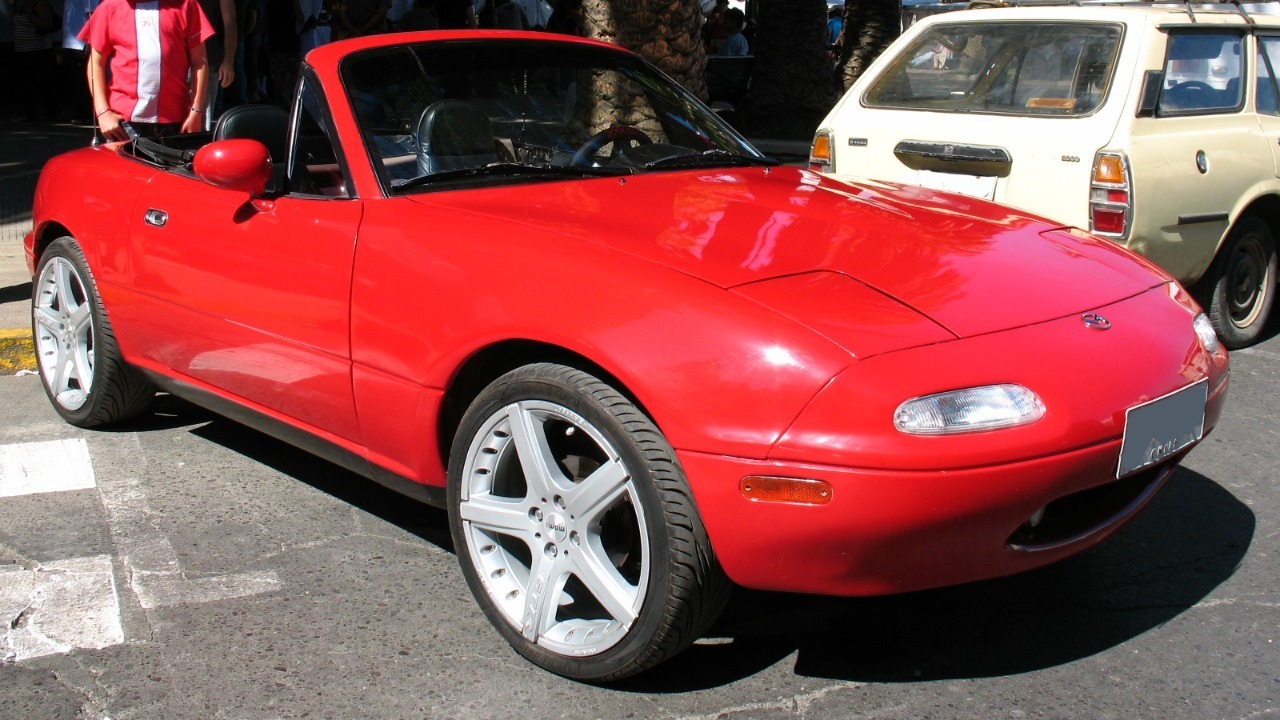
Reviewers compiling a two-seat sports car guide include the Mazda MX-5 Miata among sports cars that cannot carry a third passenger. The little Japanese roadster is a famously simple, light-hearted design, and its cabin is built strictly for two.
That limit is worth weighing before using the Miata as the only car in a household. It rewards a driver and partner well, but any regular need to carry a third person calls for a second vehicle sitting alongside it.
6. Mercedes-Benz SLC: Mercedes Without a Third Seat
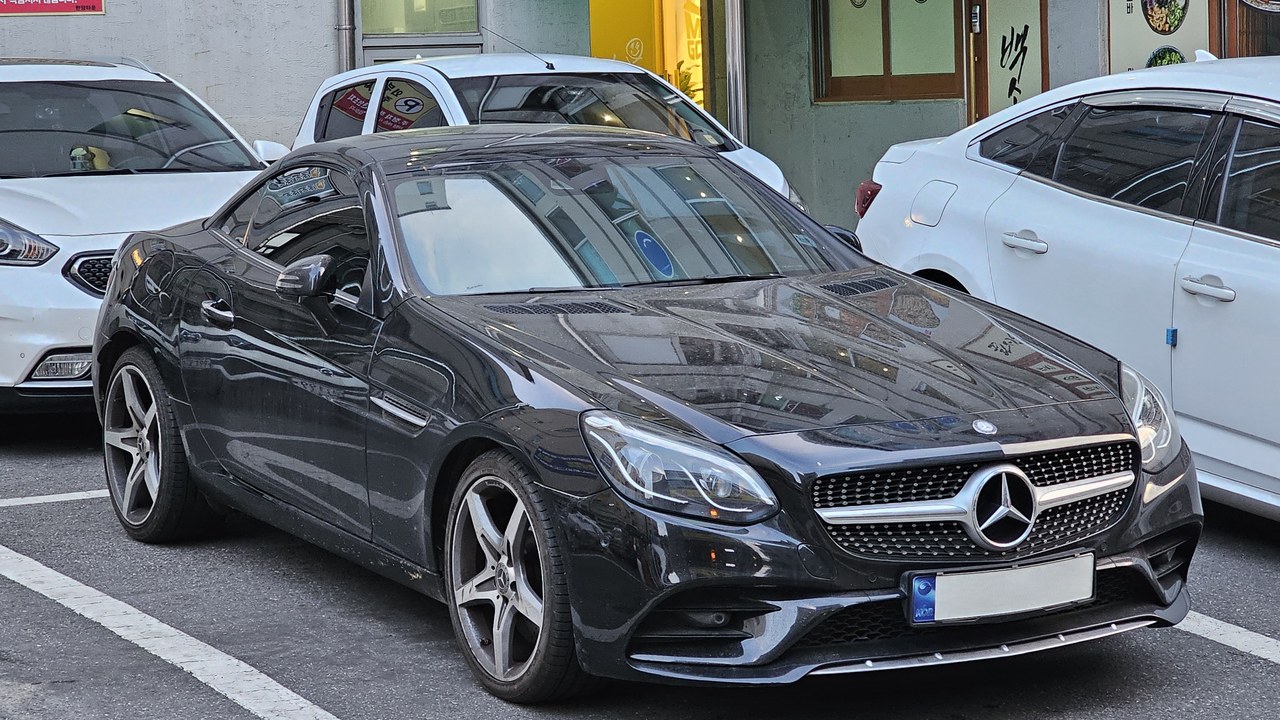
The SLC earns its place through a best two-seat list, which notes that this two-seat sports car cannot carry a third passenger. It is the compact open-top two-seater from Mercedes-Benz, and the cabin has room for a driver and one companion only.
For a buyer used to larger saloons from the same maker, that is a real change in daily routine. The SLC suits a couple well, yet it is a practical constraint if it must also serve as the household’s only car.
7. Porsche 718 Boxster: Mid-Engine Manners, Two Seats
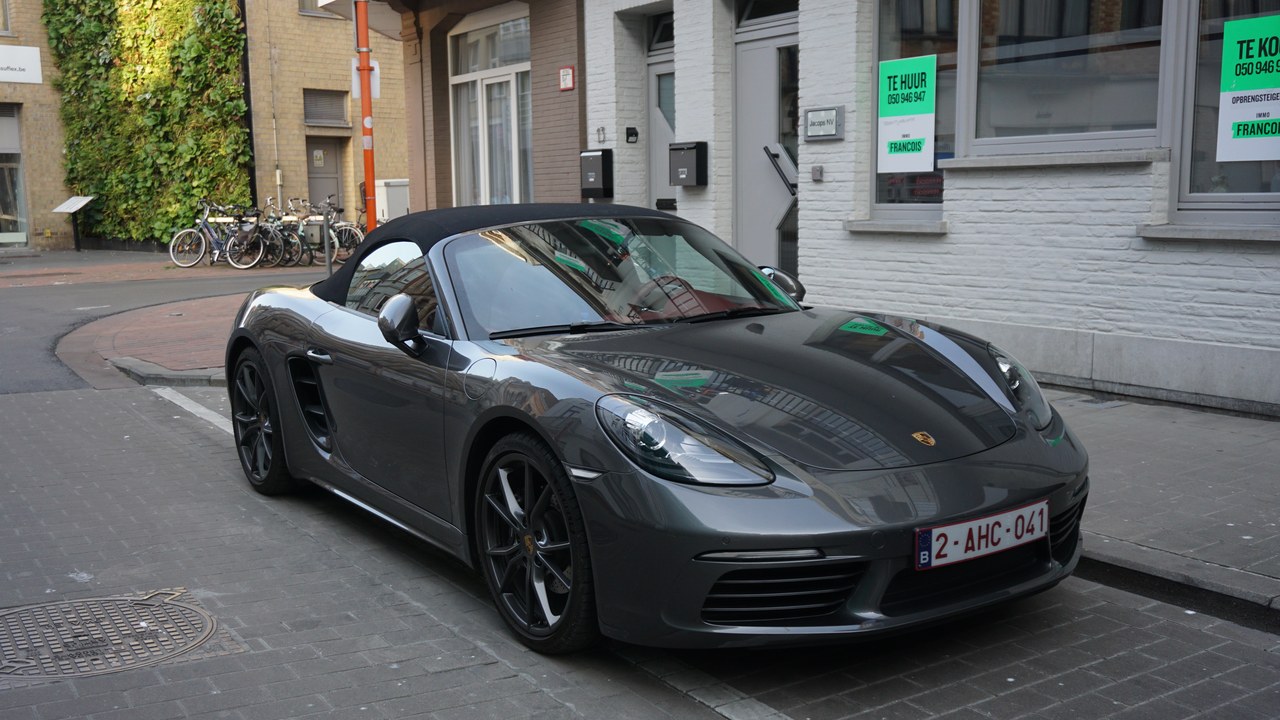
Porsche’s 718 Boxster shows up in a two-seater buying guide as a sports car that cannot carry a third passenger. The open-top Porsche is a driver-focused machine, and its cabin is laid out around two people and no more.
Prospective owners should treat that as a firm boundary rather than a quirk. The Boxster is excellent for a pair of occupants, but anyone needing regular third-person capacity would want another car sharing the garage.
8. Jaguar F-Type: Jaguar’s Two-Person Statement
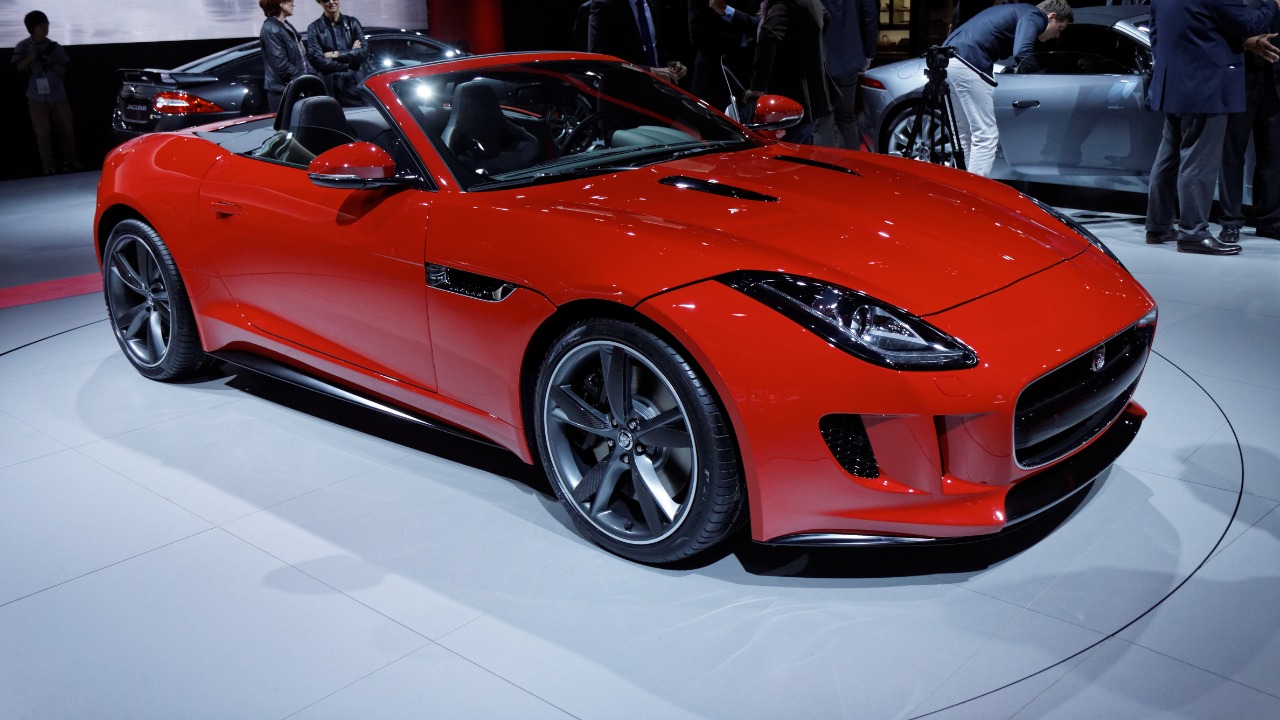
Jaguar’s F-Type is named in a two-seat sports car roundup as a sports car unable to carry a third passenger. The British grand tourer is dramatic to look at and loud to listen to, yet its cabin still stops at a driver and one rider.
Its flair comes with a plain practical consequence. Those considering an F-Type as a sole vehicle should weigh that limit first, since no extra rider can be accommodated no matter how the day’s plans change.
9. MGB roadster: Classic British Open-Top
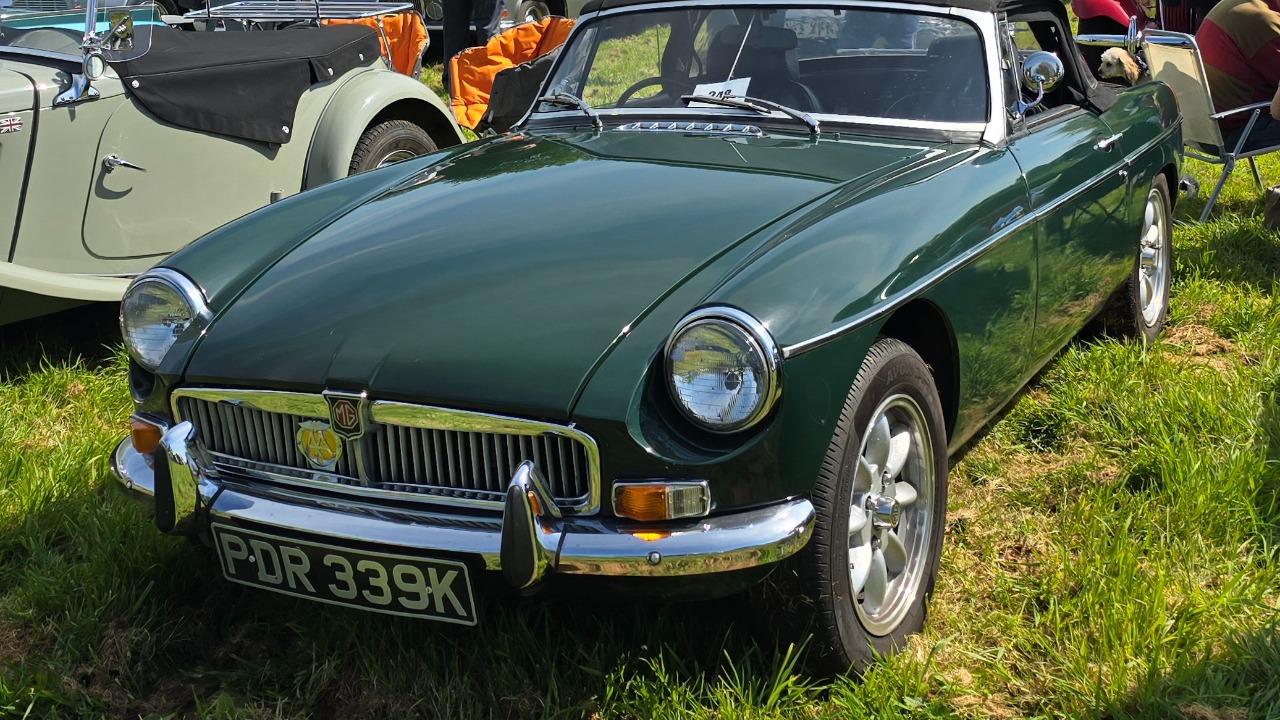
The MGB roadster belongs here through the roadster body style itself, which provides only the front pair of seats. The format deliberately trades rear-passenger utility for the pleasure of open-air motoring, and the MGB follows that formula.
For classic-car shoppers, the lesson is that charm and utility pull in opposite directions. Note the scope: this list covers the roadster only, and the MGB’s 2+2 GT sibling is a different body style that falls outside the claim.
10. Alfa Romeo Spider: Italian Spider, Two Seats
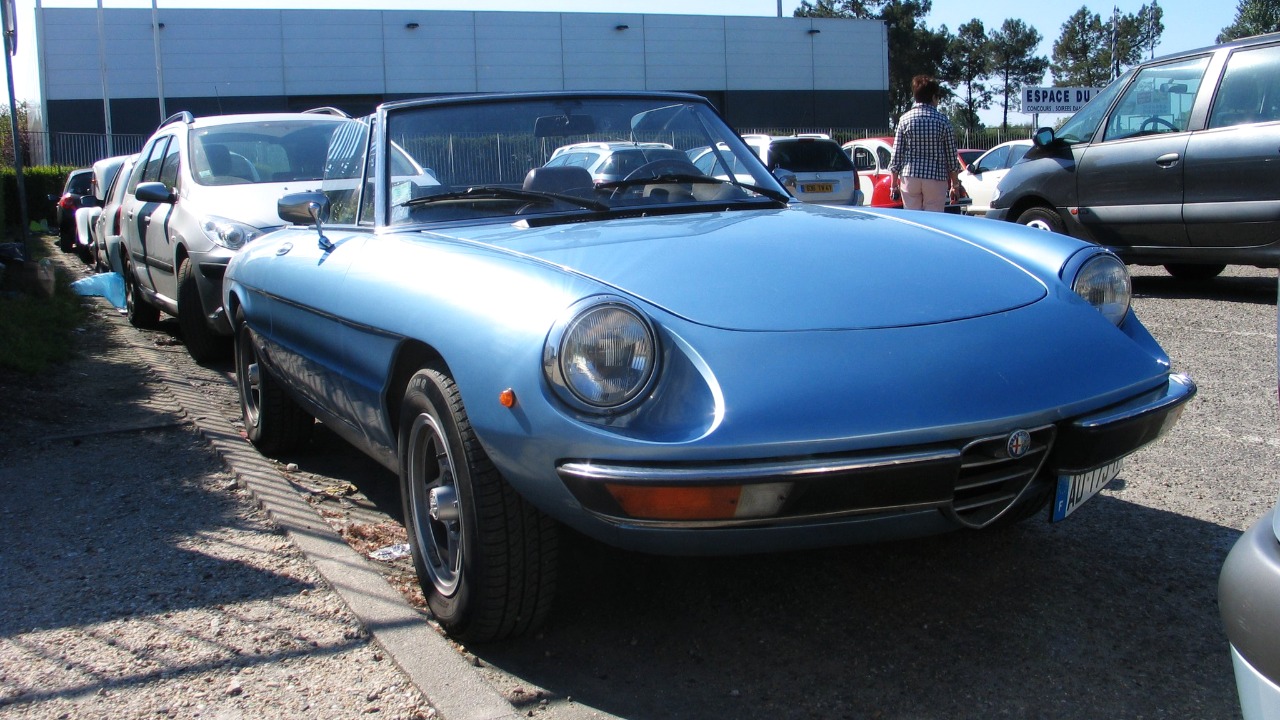
The Alfa Romeo Spider fits the definition of a roadster, with only the front pair of seats and a design that gives up rear-passenger utility in exchange for open-air motoring. It is an Italian take on a very old idea.
That makes the Spider a car for pure enjoyment rather than for errands involving a crowd. Enthusiasts should expect a driver and one companion on every trip, and nothing beyond that, whatever the weather or occasion.
11. Triumph TR4: Triumph’s Two-Seat Roadster
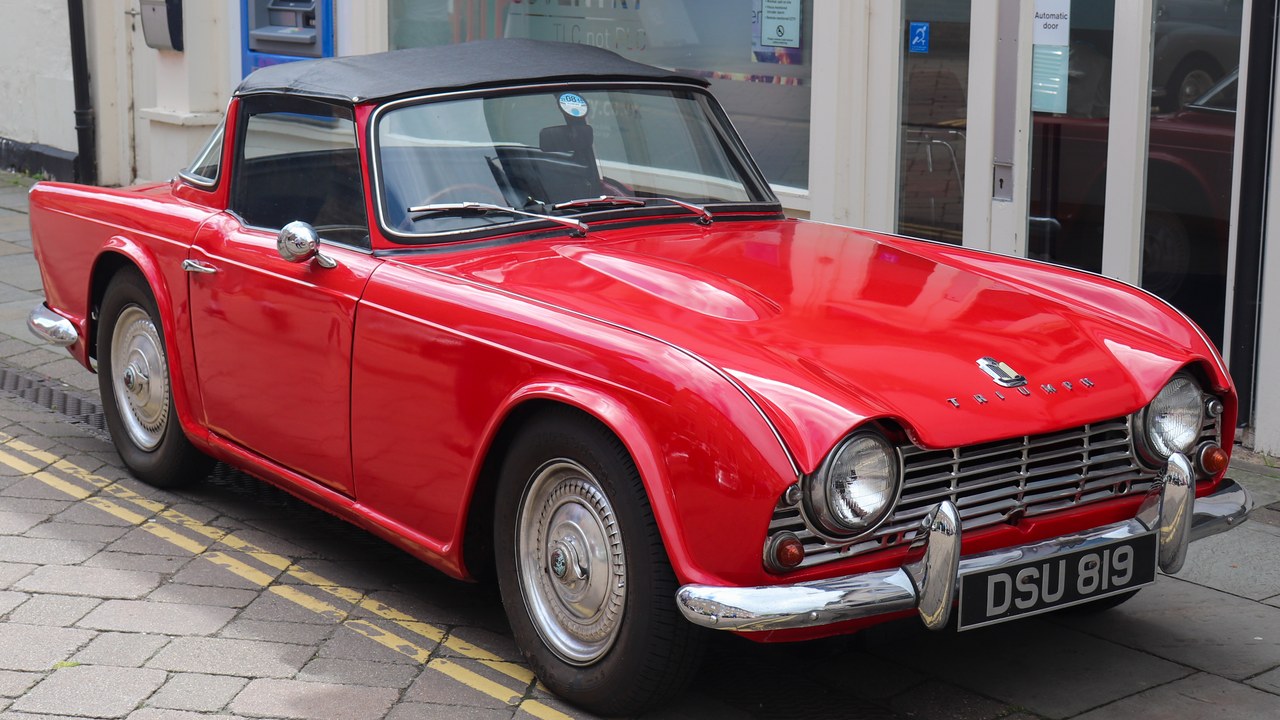
The TR4 is covered by the roadster article description of a layout with just the front pair of seats, which sacrifices rear-passenger utility to deliver open-air motoring. It is a classic British sports car in exactly that mould.
Classic buyers should enjoy it as a two-person machine and plan accordingly. Anyone hoping to squeeze in a third occupant will be disappointed, because the body style leaves no room for one.
12. Pontiac Solstice: Pontiac’s Modern Roadster
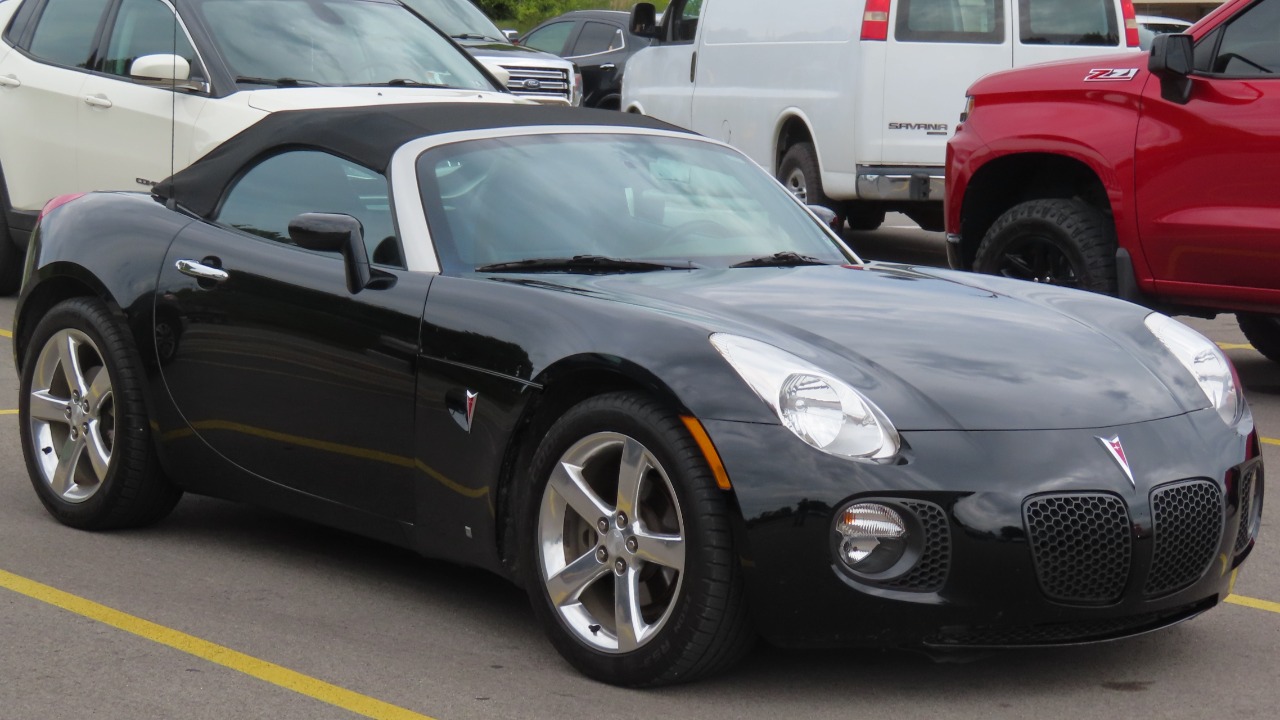
The Pontiac Solstice closes the list through the same roadster body style entry, with only the front pair of seats and rear-passenger utility traded away for open-air motoring. It is an American entry in a traditionally European and British field.
It revives a very traditional formula for a newer era. Owners should plan on two occupants at most, and treat the Solstice as a fun second car rather than a family runabout.
More from Morning Overview
- Regulators cleared the first U.S. small modular reactor, 4 months early
- Lake Powell sank to a record 3,517 feet, nearing the level that stops Glen Canyon Dam’s turbines
- Seven of Earth’s nine planetary boundaries are breached, and all seven are worsening
- The NSA says three phone features should be off whenever you aren’t using them
