
Not every body shop treats a panel the same way, and the metal underneath matters before any estimate is signed. These cars are built wholly or partly from aluminum, which changes how structures are joined and how damage is approached. Here are twelve cars worth checking for aluminum bodywork before settling on a repair shop.
1. Jaguar XJ (X350): Bonded and Riveted Saloon
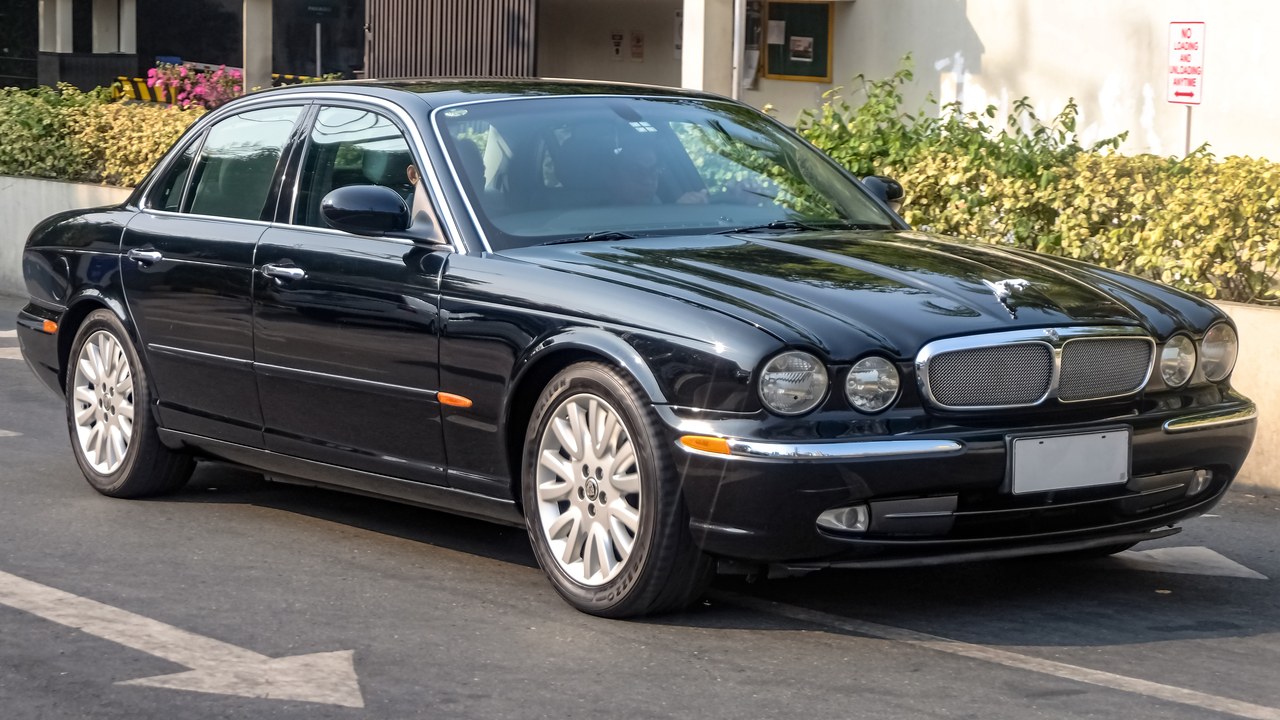
Jaguar describes the X350 XJ in its aluminium construction page as having a bonded and riveted aluminum structure that reduced weight. The same account makes clear that body repairs must respect that construction.
For owners, the advice is to ask a shop about its aluminum experience before approving any work on the big Jaguar. The claim concerns named generations and construction, and it does not say aluminum is unsafe or always costly to fix.
2. Jaguar F-Type: Monocoque, Not Welded Steel
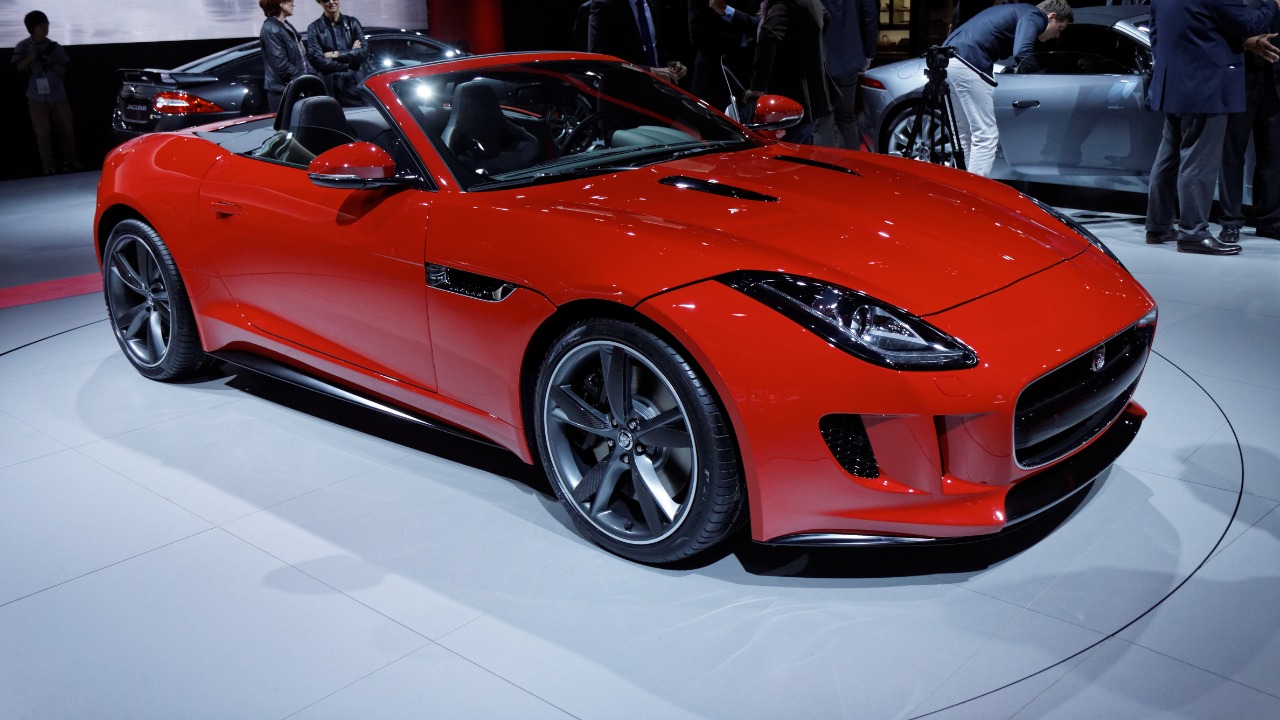
The F-Type’s aluminum monocoque is bonded and riveted rather than built as a conventional welded steel shell, according to Jaguar’s own aluminium explainer on the subject.
That distinction is what matters in a collision repair conversation. A shop used to welding steel will be working from a different playbook, so owners should confirm its methods before the car is dropped off for panel work. Asking early costs nothing and avoids surprises later.
3. Jaguar XE: Aluminum Architecture, Compact Saloon

Jaguar applied its bonded aluminum architecture to the XE sedan, as the company explains in its aluminium technology overview. Body material therefore becomes a repair-shop consideration for this compact executive car.
Anyone shopping a used XE should check what a prospective shop knows about the construction. The point is preparation rather than alarm, and nothing in the brief claims that aluminum makes a car worse to own. A short conversation with the estimator can settle the question before work begins.
4. Jaguar XF (second generation): Second-Generation Only
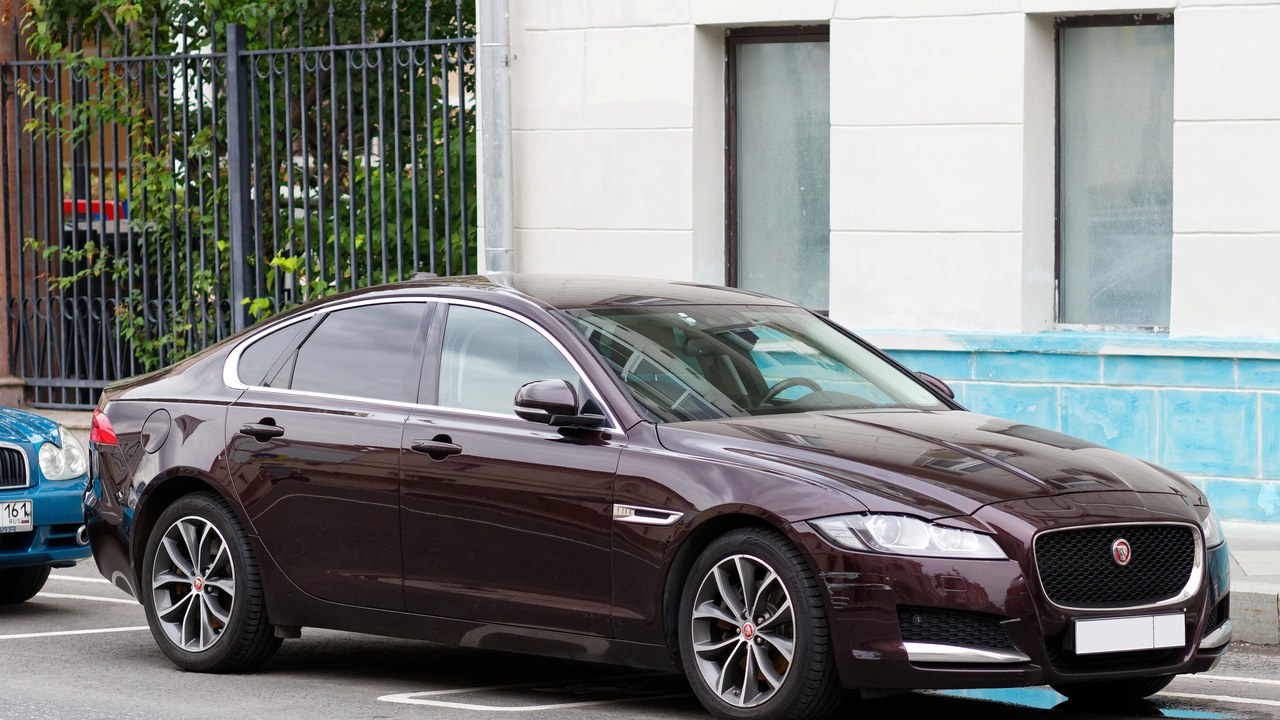
A Jaguar history feature says the second-generation XF adopted aluminum monocoque construction. The brief specifically warns against assuming the first generation was built the same way.
That caveat matters at the repair counter: owners should confirm which generation they drive before describing the car to an estimator. The aluminum point applies to the later sedan, not to the whole XF nameplate. Checking the build year against the generation avoids a costly misunderstanding at the counter.
5. Jaguar XK (X150): Lightweight Grand Tourer
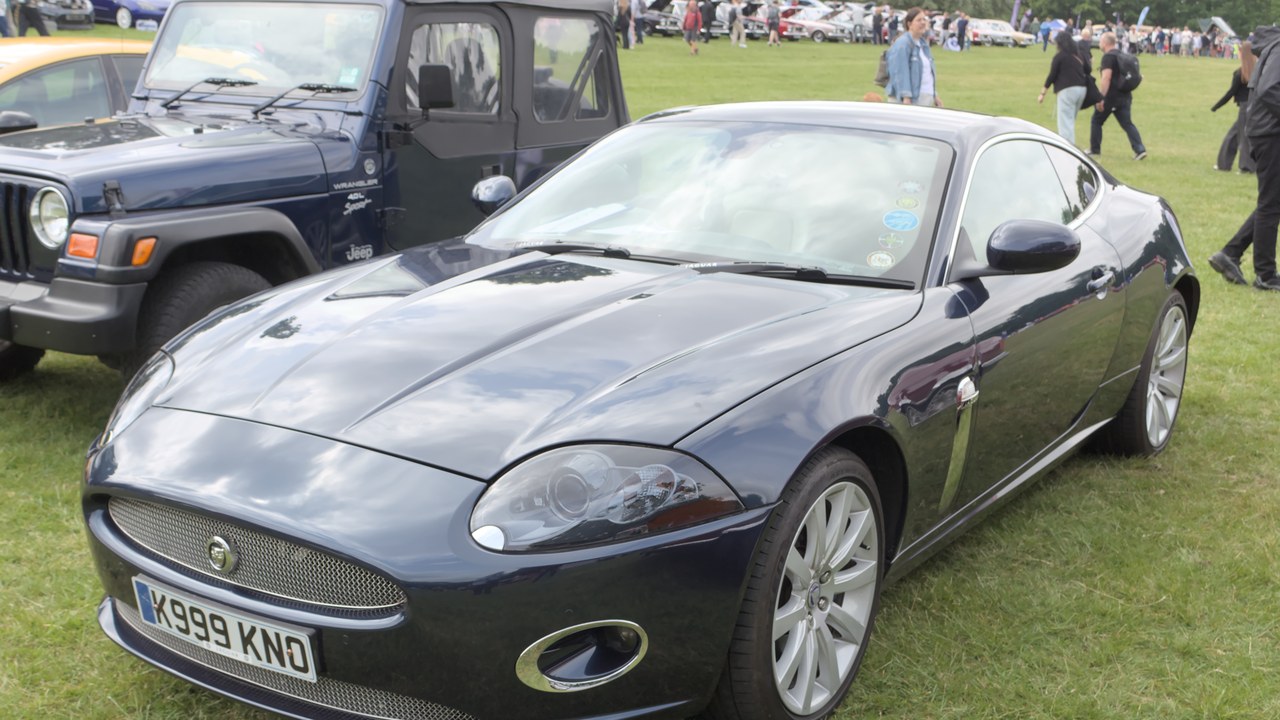
The X150 XK belongs to the later lightweight family of Jaguar bodies, with an aluminum monocoque described in this Classics World history of the marque’s aluminum age.
Owners of this elegant coupe and convertible should treat the body material as a first question for any repairer. The listing covers the named generation, and no blanket claims about corrosion or cost are being made. A quick question about aluminum experience is a sensible first step.
6. Audi A8 (early aluminum generations): Space Frame Pioneer
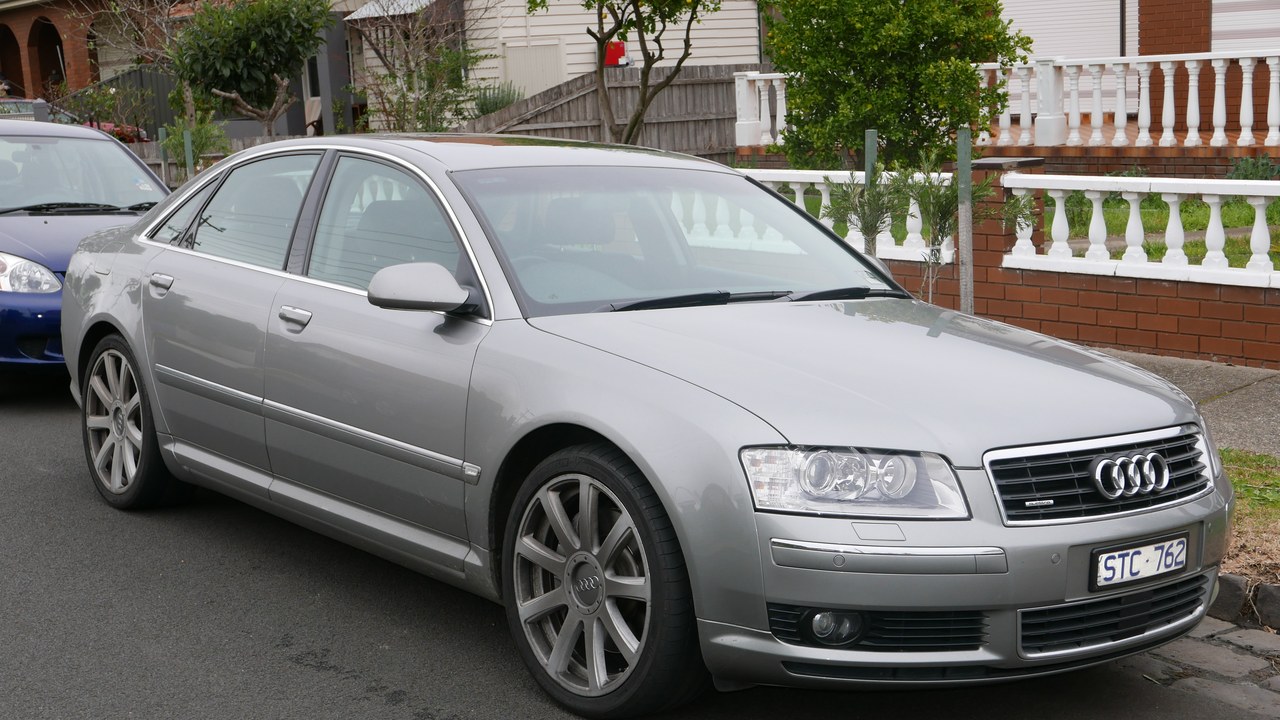
Audi’s early aluminum-bodied A8 generations used the Audi Space Frame, an aluminum structure rather than an ordinary steel shell, as a Jaguar aluminium history recounts.
Shoppers and owners of those early cars should ask whether a shop understands that structure. The claim is limited to the early aluminum generations, so later A8 models should not be assumed to match. A short checklist of questions can keep that conversation with the shop productive.
7. Honda Insight (first generation): Featherweight Hybrid
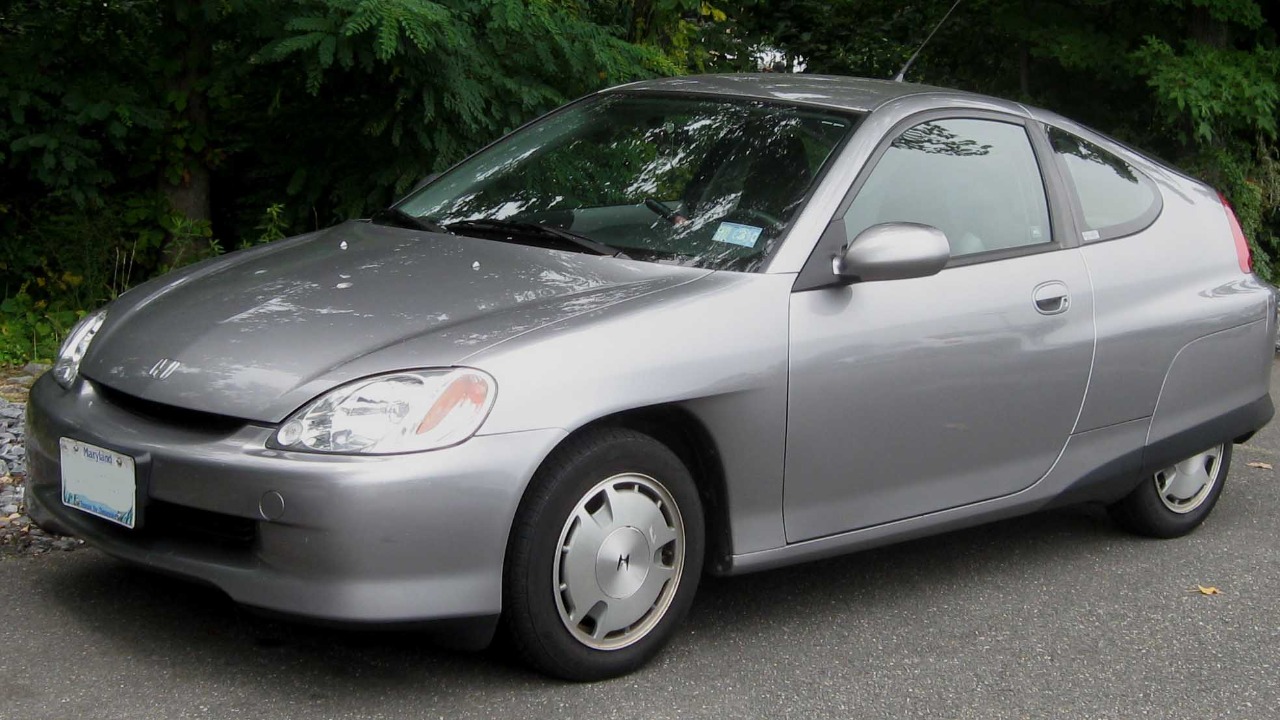
The first-generation Honda Insight, the original hybrid of its line, used a lightweight aluminum structure according to a Jaguar-centred history. That material choice is a distinction worth checking during bodywork.
Because the car is small and unusual, owners may find fewer shops that know it well. Confirming how a prospective repairer handles aluminum is a sensible step before booking any collision repair. That groundwork is far easier before a repair than after one.
8. Acura NSX (first generation): Supercar With No Steel Body
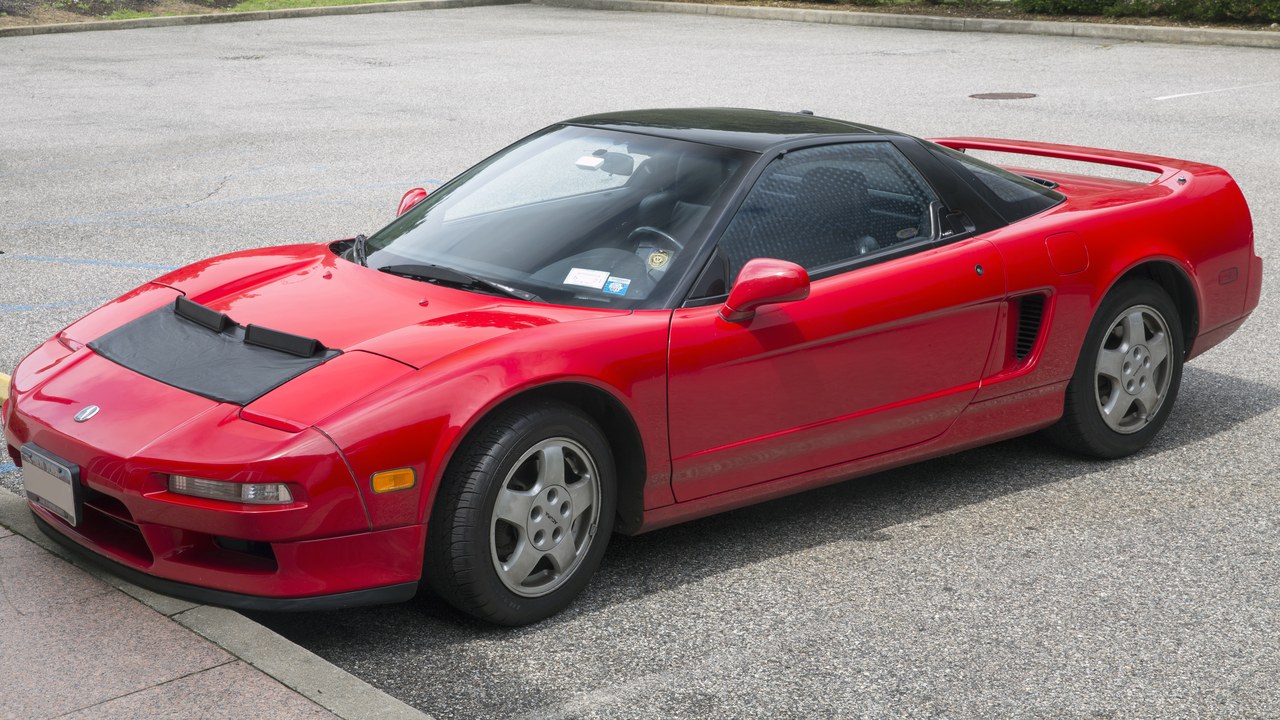
An aluminum monocoque and specialized joining methods helped the first-generation Acura NSX cut mass without a steel body, according to this European Aluminium presentation on body structures.
Collectors and owners should therefore seek out repairers familiar with such construction before any damage is addressed. The statement concerns first-generation cars, and it does not say the material is harder to maintain in every respect. Asking about method up front is simple and sensible.
9. Plymouth Prowler: Hot Rod With Riveted Panels
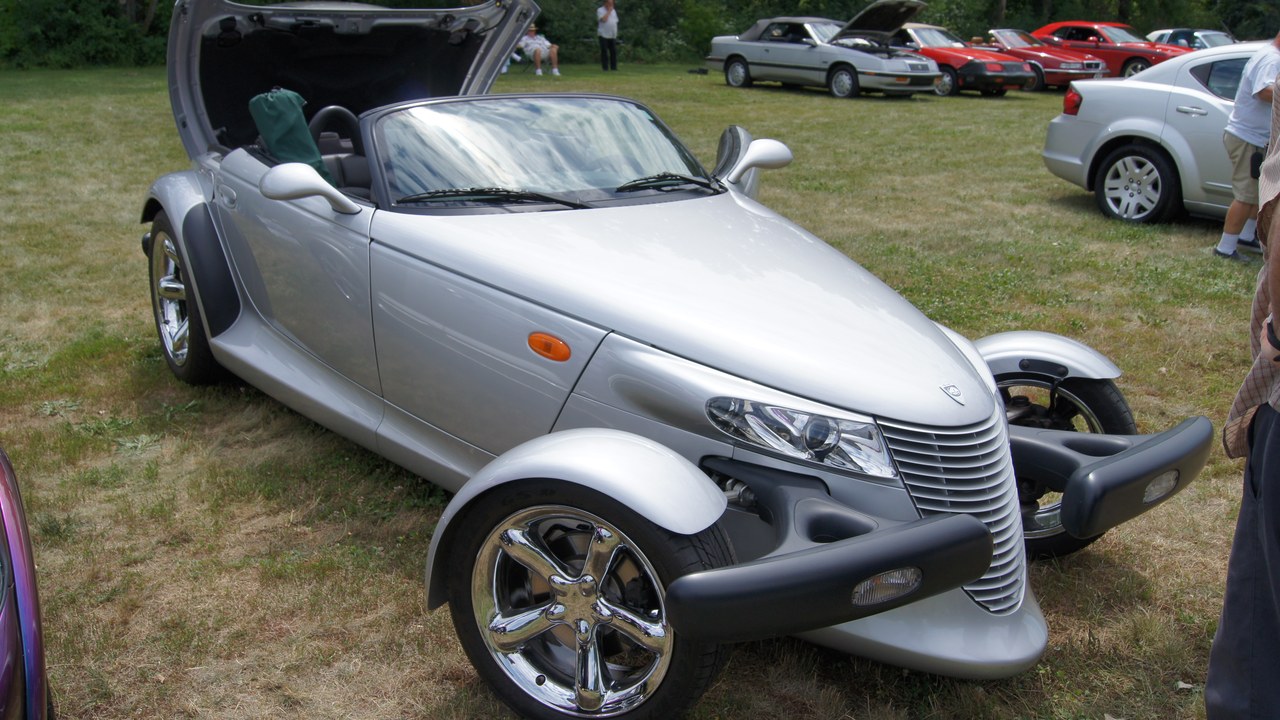
The Plymouth Prowler uses an aluminum frame with riveted and bonded panels, an arrangement covered by this aluminium body structures deck. Construction details matter when repairing damage.
Prowler owners should hand the car only to a shop that can explain how it will treat those joints. Few cars look like this, and few repair estimates can safely ignore how it was assembled. Knowing the build in advance helps the owner judge any estimate that follows.
10. Audi TT (8J): Where Metals Meet
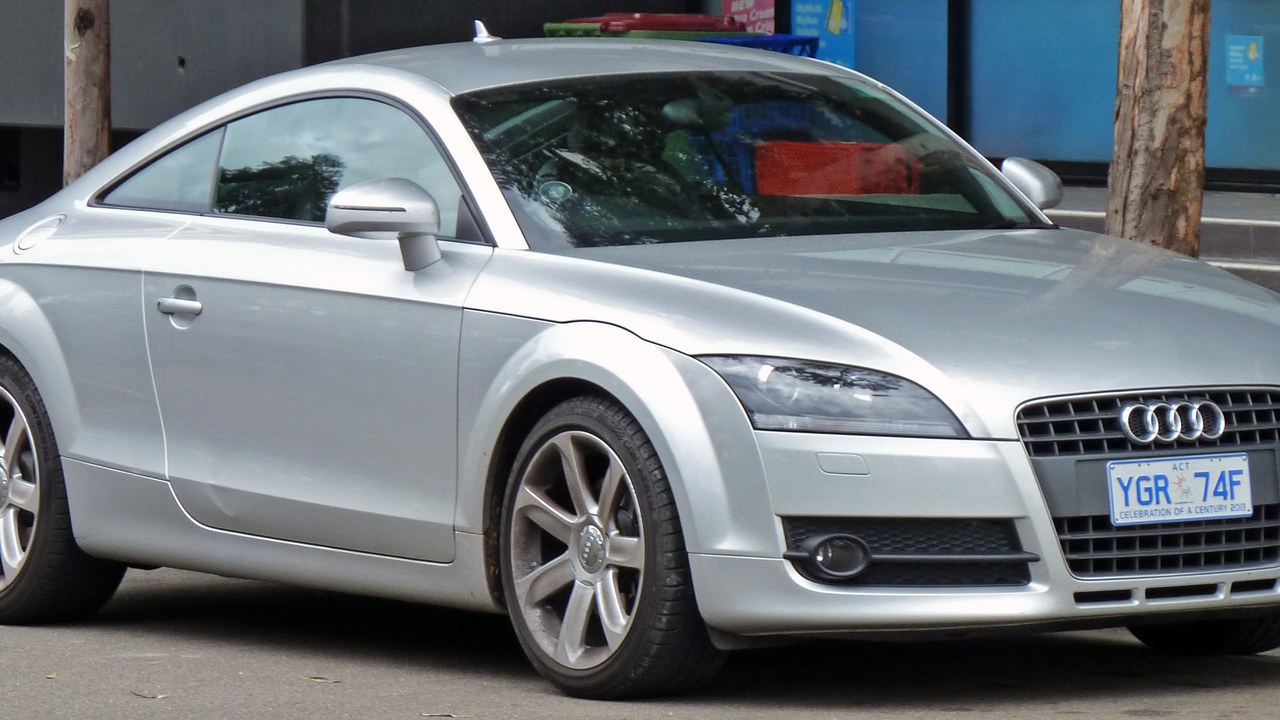
In the Audi TT of the 8J generation, aluminum and steel meet in protected joints, and preserving their insulation matters for corrosion control, according to a body structures paper.
Owners should therefore ask any repairer how it keeps those joints isolated. The brief makes no blanket claim that aluminum corrodes easily, only that mixed-metal junctions deserve care during repair. That detail is easy to overlook in a quick phone quote.
11. Mercedes-Benz S-Class (W222): Skin and Structure

The W222 Mercedes-Benz S-Class has an aluminum outer skin and front structure that coexist with steel, so this aluminium structure study shows one material does not describe the whole body.
That mixed recipe means a repair plan has to identify which panels are which metal. Owners should ask a shop to confirm the material of every damaged area, rather than assuming a single answer for the entire car. A detailed estimate should make that breakdown plain.
12. BMW Z8: Spaceframe Roadster

BMW’s Z8 has an aluminum spaceframe, which gives this roadster a different structural recipe from a conventional steel-bodied car, as the company’s roadster history indicates.
For anyone maintaining one, it is a reason to look for a repairer who understands spaceframe construction. The point is preparation, and the brief does not claim that the Z8 is unsafe or inevitably expensive to repair. That question is simple to ask and useful to answer early.
More from Morning Overview
- Seven of Earth’s nine planetary boundaries are breached, and all seven are worsening
- The NSA says three phone features should be off whenever you aren’t using them
- Hurricane Hunter radar shows four warning signs that a tropical cyclone is about to strengthen, a University of Miami study found
- Tropical Storm Rachel is dumping up to 12 inches on four Mexican states on its way to major hurricane strength
