
Front-seat crash ratings tend to dominate shopping conversations, while the back row gets far less attention. The Insurance Institute for Highway Safety has been putting rear dummies through tougher evaluations, and several popular SUVs and pickups came up short. Here are twelve used models whose rear seats exposed crash-test weaknesses, judged for the specific model years shown.
1. 2021–22 Buick Encore: Head Too Close
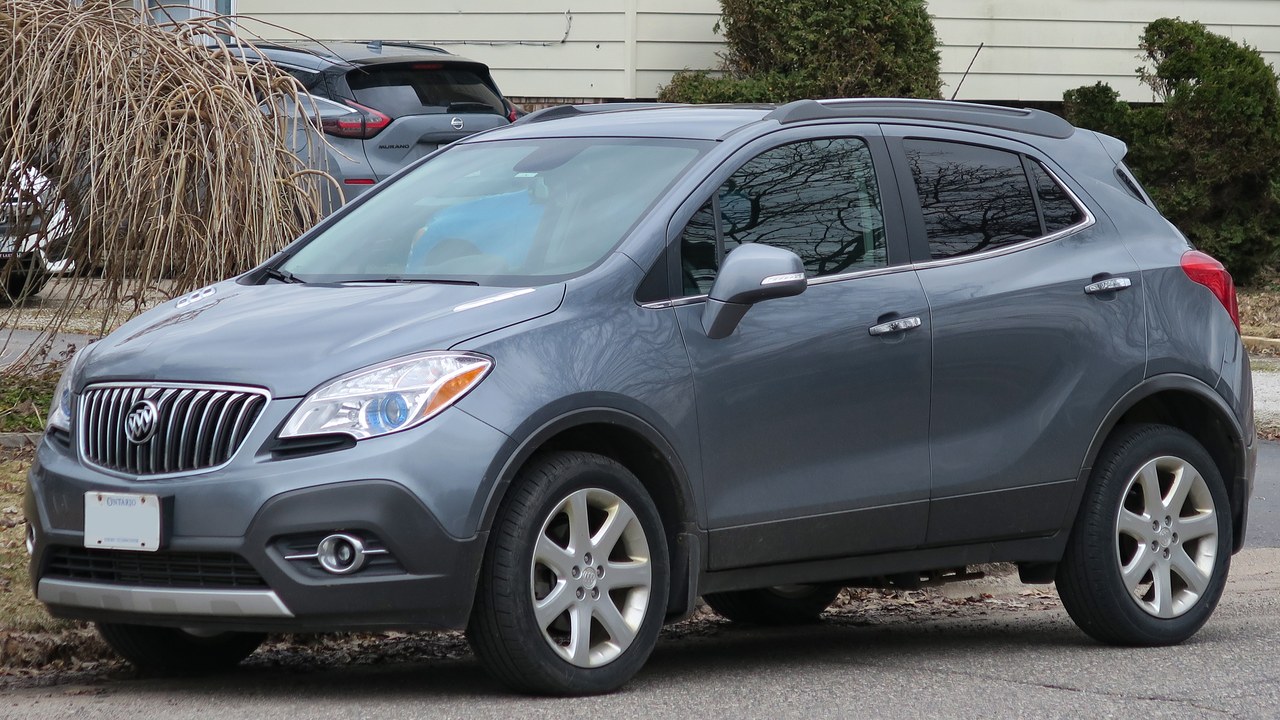
In the IIHS rear-passenger evaluation covered by a new crash-test report, the Buick Encore’s rear dummy had its head come close to the front seatback in the 2022 test.
Parents and used-car shoppers should treat that as a warning about a compact crossover’s back row. The result applies to the model years named and is a historical evaluation, not a ranking of the current generation. Checking the exact model year before shopping matters, because the test applies only to the cohort named in the heading.
2. 2021–22 Honda CR-V: High Shoulder Belt
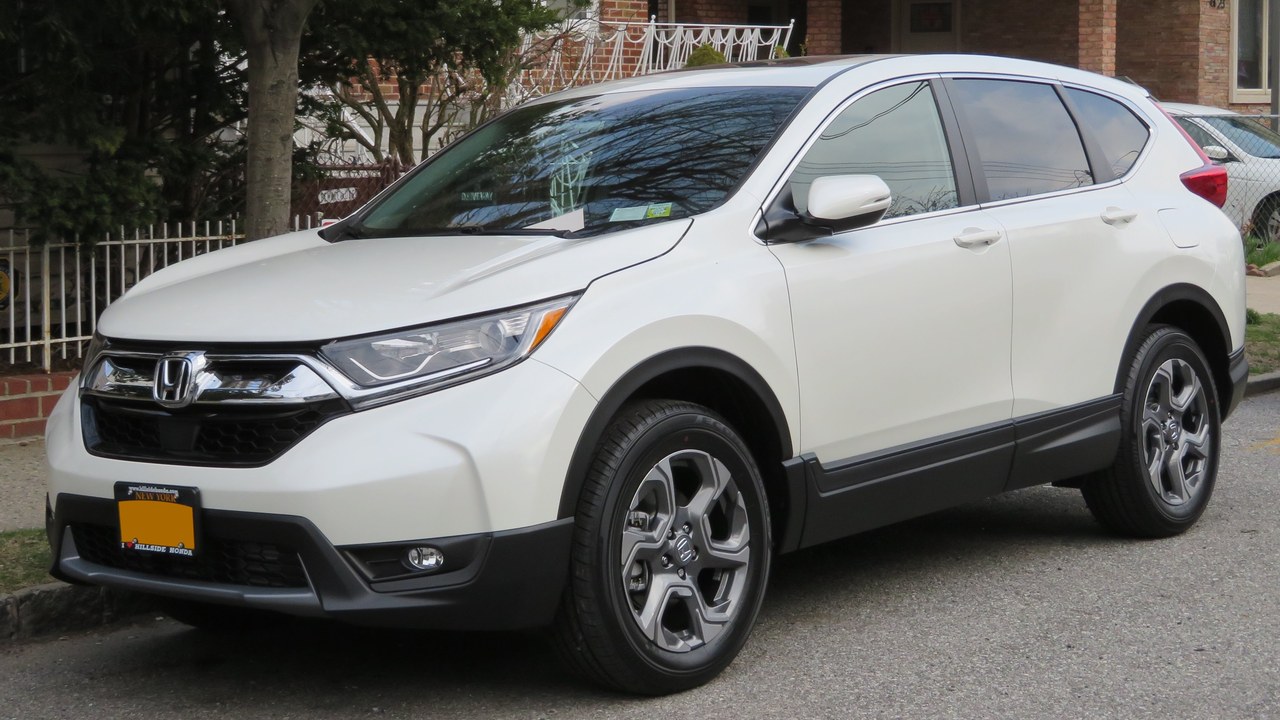
The Honda CR-V’s rear shoulder belt sat high on the dummy in the institute’s 2022 evaluation, which weakened restraint effectiveness, according to this IIHS rear-seat report.
A belt that rides high can matter in a crash, especially for smaller passengers sitting in back. The finding concerns the named model years only, and it should not be read as a verdict on later redesigns. Buyers comparing used crossovers can use the finding as one more question to ask, alongside the usual front-seat ratings.
3. 2021–22 Honda HR-V: Lap Belt Slip
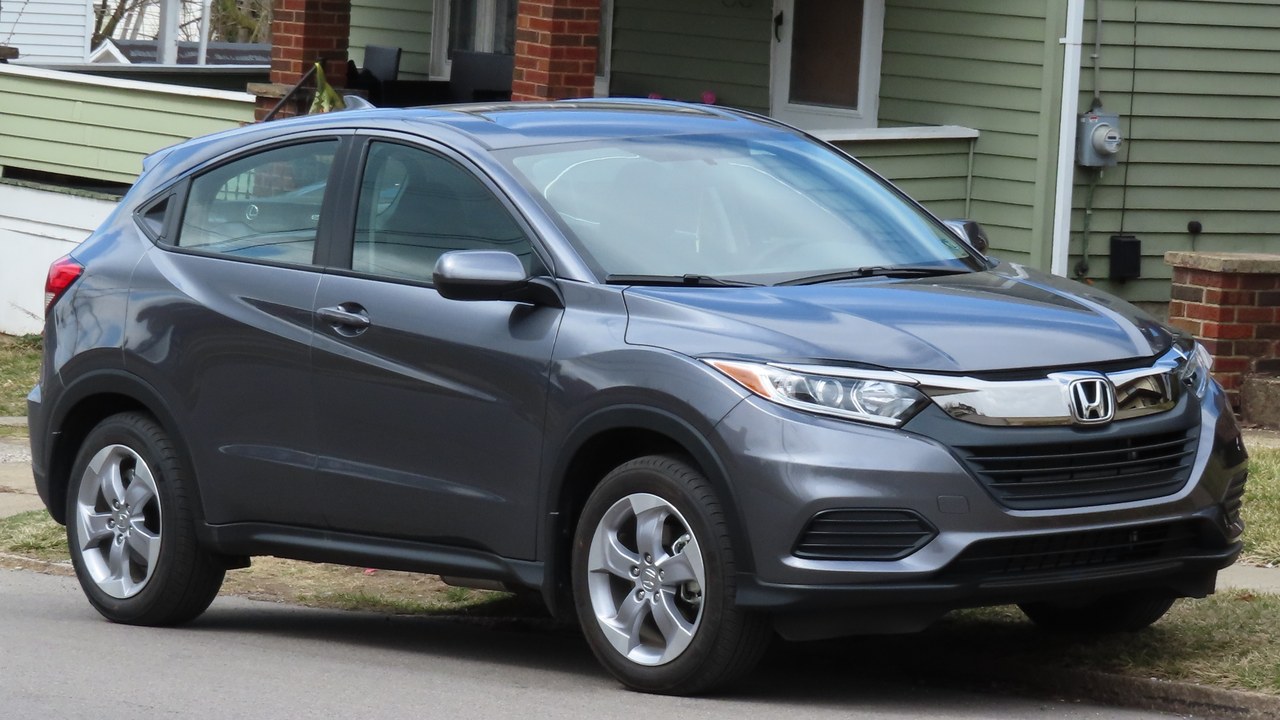
In the 2022 test described by an IIHS crash-test spotlight, the Honda HR-V’s rear dummy slid beneath its lap belt, moving the belt onto the abdomen.
That behavior, known as submarining, is the kind of weakness the rear-seat evaluation was designed to expose. Buyers weighing a used HR-V from the named years should factor it into any decision about who rides in back. Anyone planning to seat children or smaller adults in back would do well to understand how the restraint behaved before choosing.
4. 2021–23 Jeep Renegade: Curtain Airbag Miss
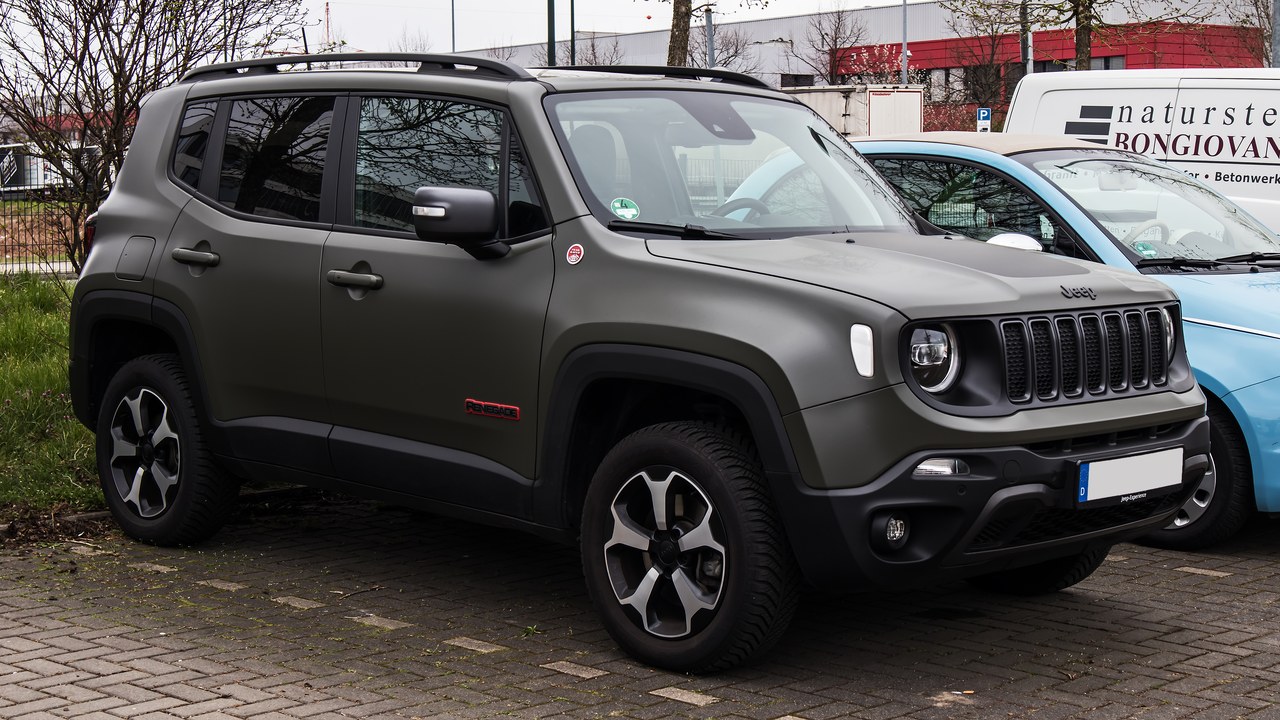
The Jeep Renegade’s rear dummy moved outside the side curtain airbag and its head hit the C-pillar in the 2022 test, as an IIHS rear passenger study details.
Side protection only helps if it covers the area where a head actually travels. This applies to the specified Renegade model years in a historical test, rather than to every version of the small Jeep. It is a useful caution for owners who regularly carry passengers in the back of a compact, boxy crossover.
5. 2022 Honda Pilot: Midsize Test Result
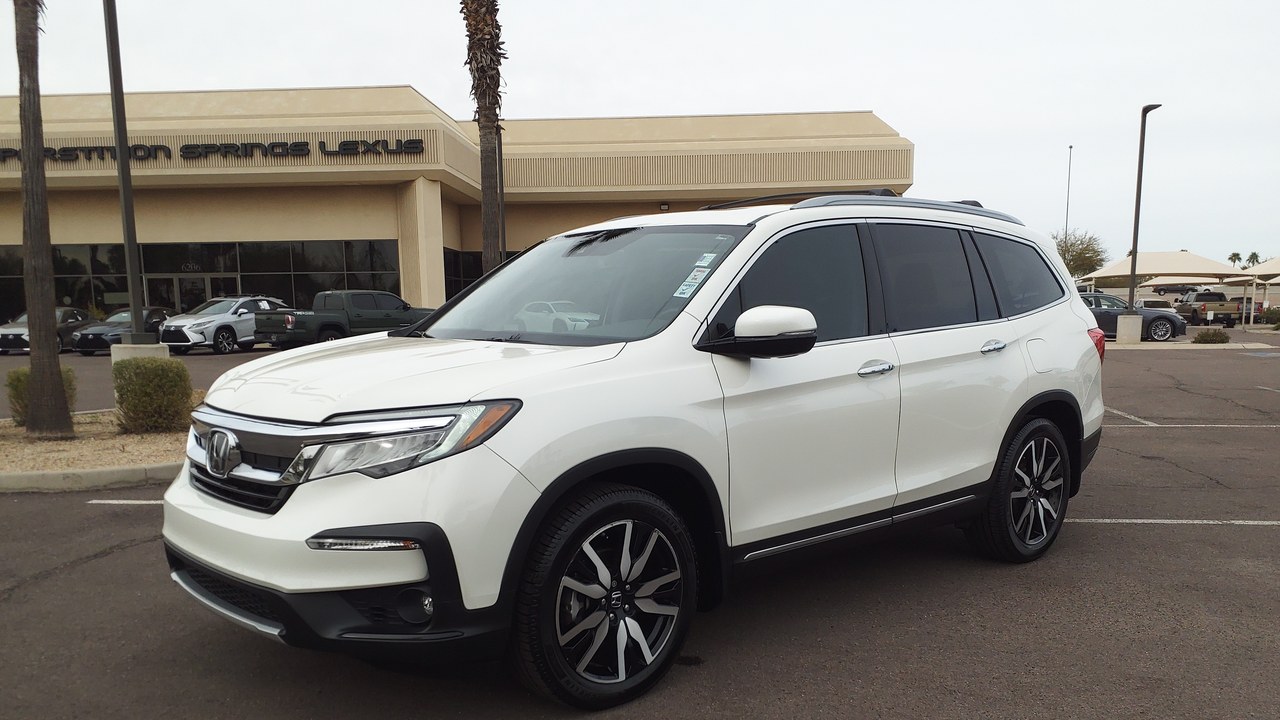
The Honda Pilot’s rear dummy showed high head and neck injury risk and high rear belt tension in the March 2023 test, which an IIHS midsize SUV report sets out in detail.
Families who rely on a three-row Pilot for passengers in back should read that result carefully. It reflects the 2022 model year examined, not a blanket judgment on other years or generations. Those details are easy to miss on a brochure, which tends to emphasize front-row ratings and standard features instead.
6. 2022–23 Hyundai Palisade: Palisade Rear Row
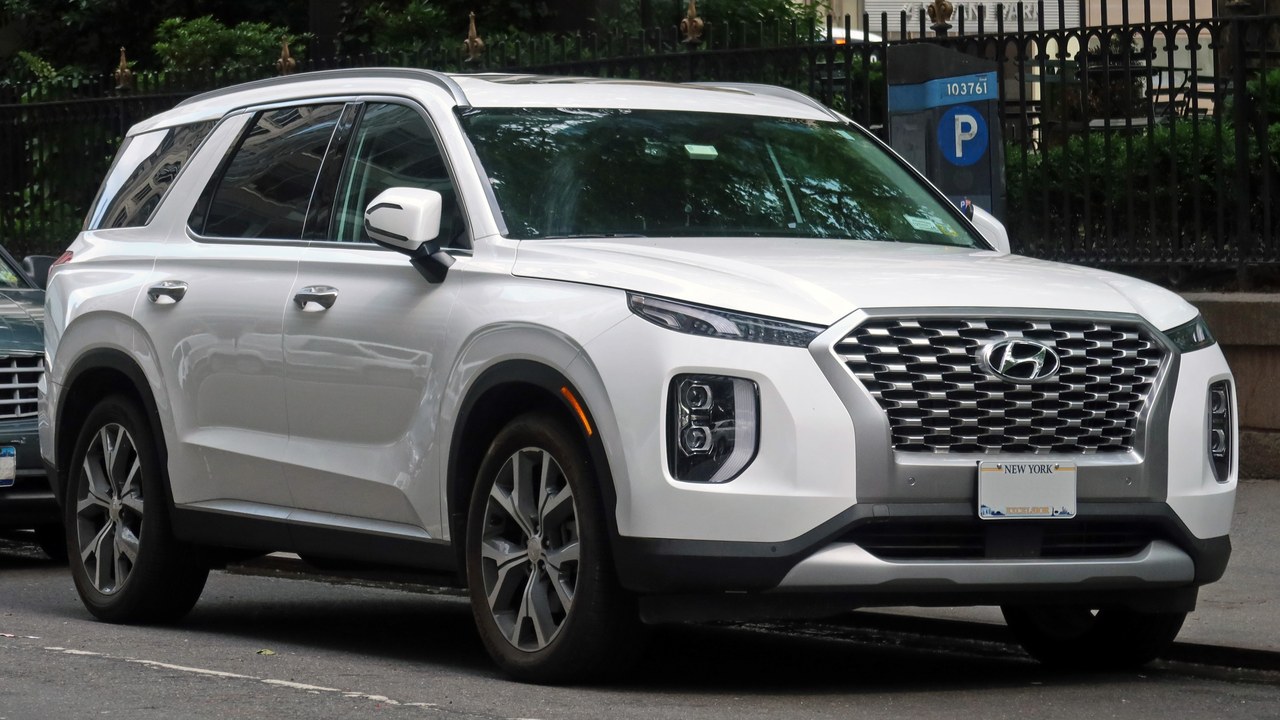
Hyundai’s Palisade recorded high head and neck injury risk and high seat-belt tension for its rear dummy in the 2023 evaluation, according to the rear passenger protection report.
Owners and shoppers should consider this when choosing where passengers sit. The data refers to the named model years in a past evaluation and does not rank the current Palisade. A buyer comparing three-row SUVs can use that result as a reason to look closely at how rear occupants are restrained.
7. 2021–23 Mazda CX-9: Three-Row Weak Spot
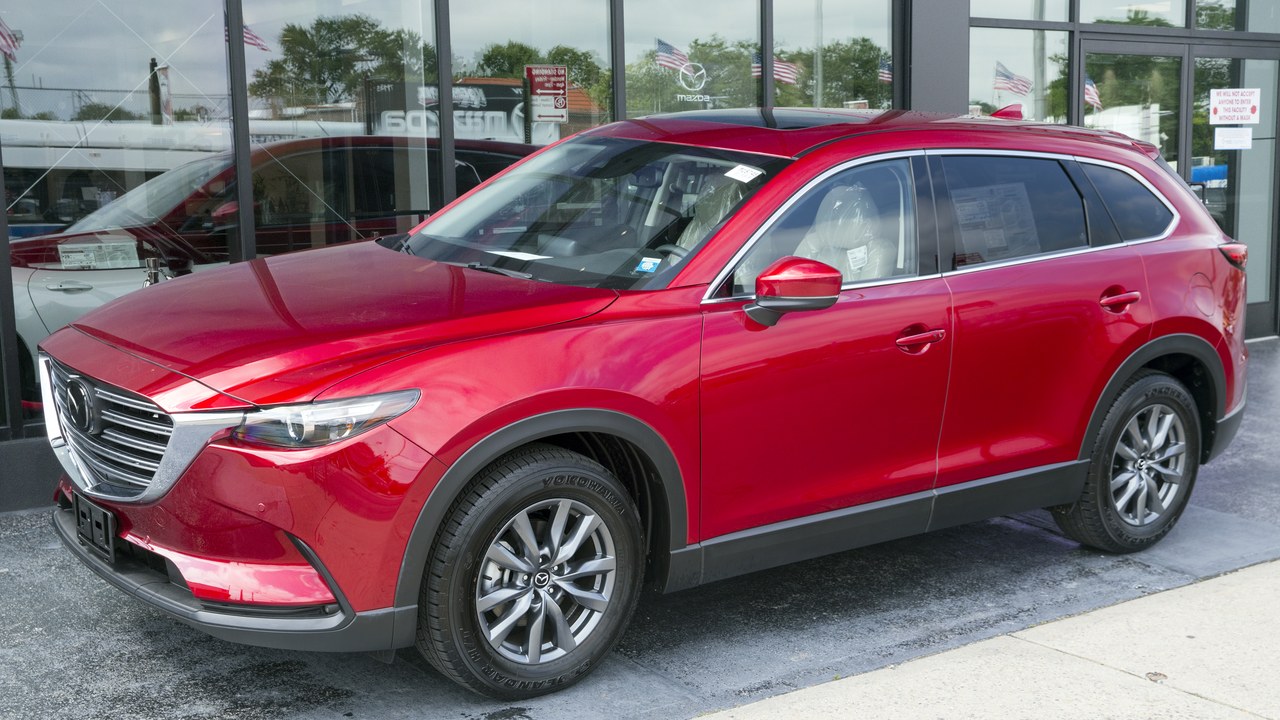
The Mazda CX-9’s rear dummy showed high head and neck injury risk while rear belt tension was also high in the 2023 test, as the midsize SUV findings explain.
Anyone considering a used CX-9 from the named years should know the rear seat was singled out. The finding is historical and tied to specific model years, rather than a current-generation safety ranking. The result is worth keeping in mind when comparing it against rivals, many of which faced similar scrutiny in the same round.
8. 2021–23 Nissan Murano: Grade Upgraded Later
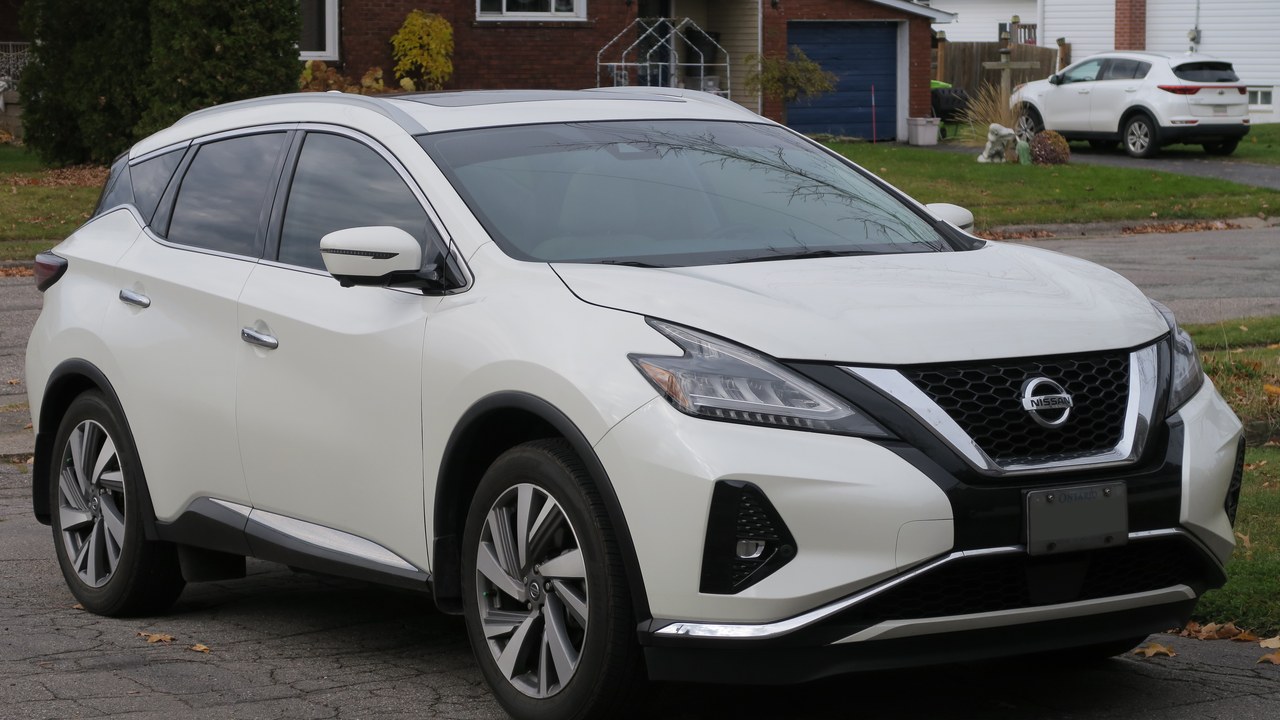
In the 2023 test, the Nissan Murano’s rear head approached the front seatback, according to the IIHS rear-seat evaluation. Revised criteria later changed its overall grade from Poor to Marginal.
That later change is worth noting, since it shows the grading evolved. Even so, Marginal is not a strong mark, and the result covers only the named model years. Shoppers should check which grading standard a quoted rating uses, since the label changed after the criteria were revised.
9. 2022–23 Ford Ranger crew cab: Ranger Lap Belt
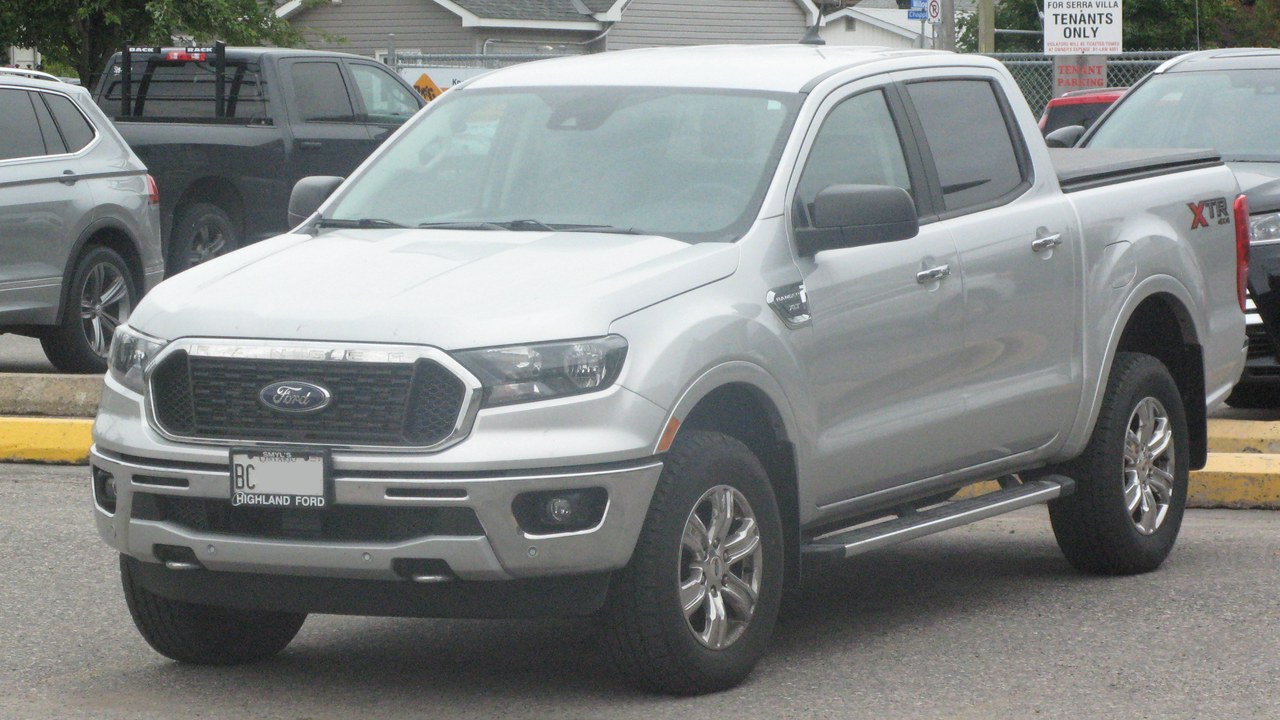
The Ford Ranger crew cab’s rear dummy slid under its lap belt in the June 2023 test described by an IIHS small pickup report. Revised criteria subsequently graded the tested cohort Poor.
Pickup buyers who regularly carry passengers in back should weigh this finding. It is limited to the crew-cab configuration and the model years tested, not to the truck in every form. The updated grading shows how the standards shifted after the first report, which is worth remembering when comparing sources.
10. 2022 Chevrolet Colorado crew cab: Colorado Seatback Gap
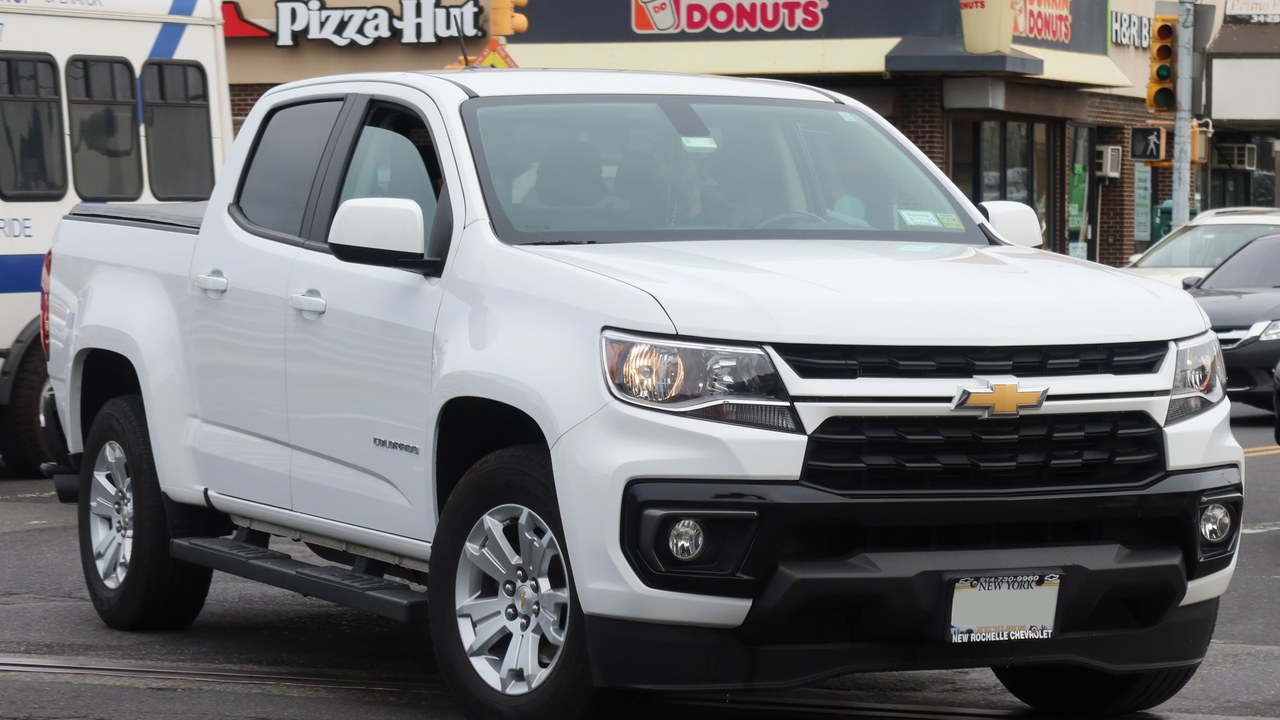
The Chevrolet Colorado crew cab’s rear head came too close to the front seatback in the evaluation covered by an IIHS pickup rear-seat study. Updated criteria later revised the cohort’s grade to Marginal.
The change from the first assessment is notable, but Marginal still signals room for improvement. The result applies to the 2022 crew cab specifically and not to every Colorado. Buyers should compare any quoted rating against the revised criteria, because the earlier and later labels differ.
11. 2022–23 Jeep Gladiator: No Rear Curtain
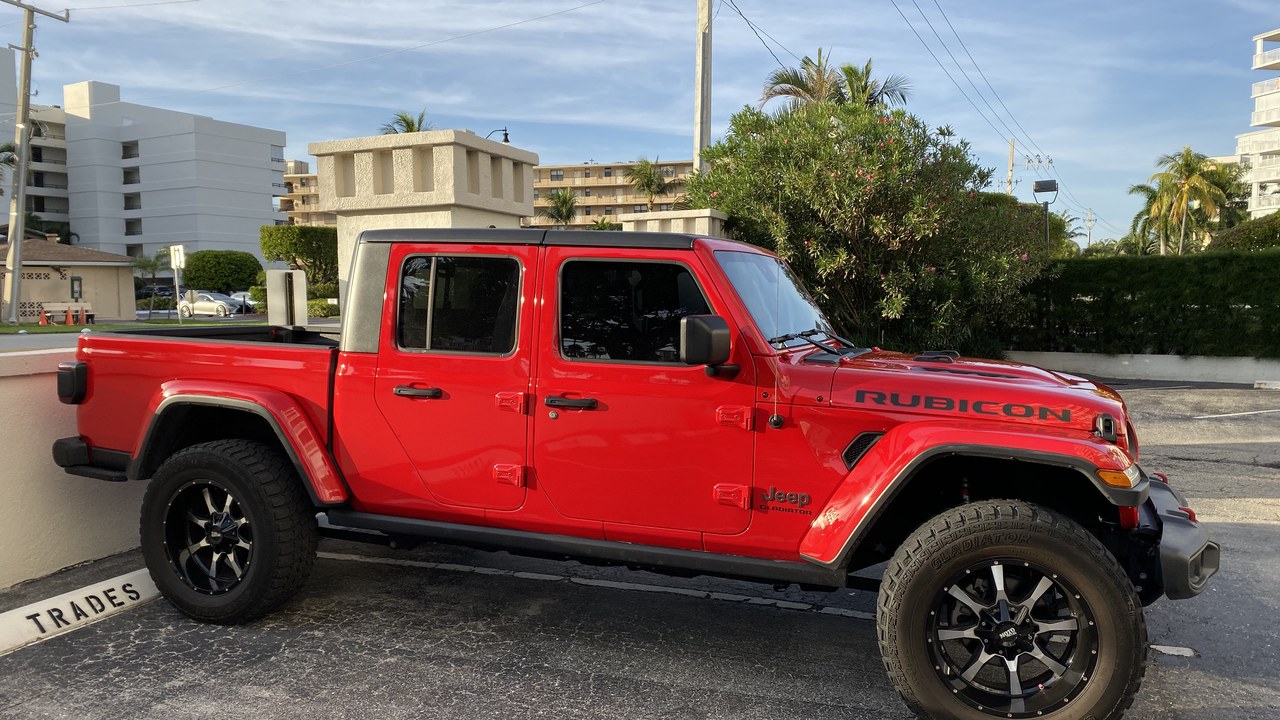
The Jeep Gladiator tested by the institute, as noted in a small pickups report, lacked a rear side curtain airbag, leaving a protection gap in a hard impact.
Missing curtain coverage is a straightforward thing for used-truck buyers to check. The finding refers to the named model years of the tested truck, and it is a historical evaluation rather than a present-day ranking. Owners with a compatible truck should confirm what restraint equipment their specific vehicle actually carries before relying on it.
12. 2022–23 Toyota Tacoma crew cab: Neck and Chest Risk
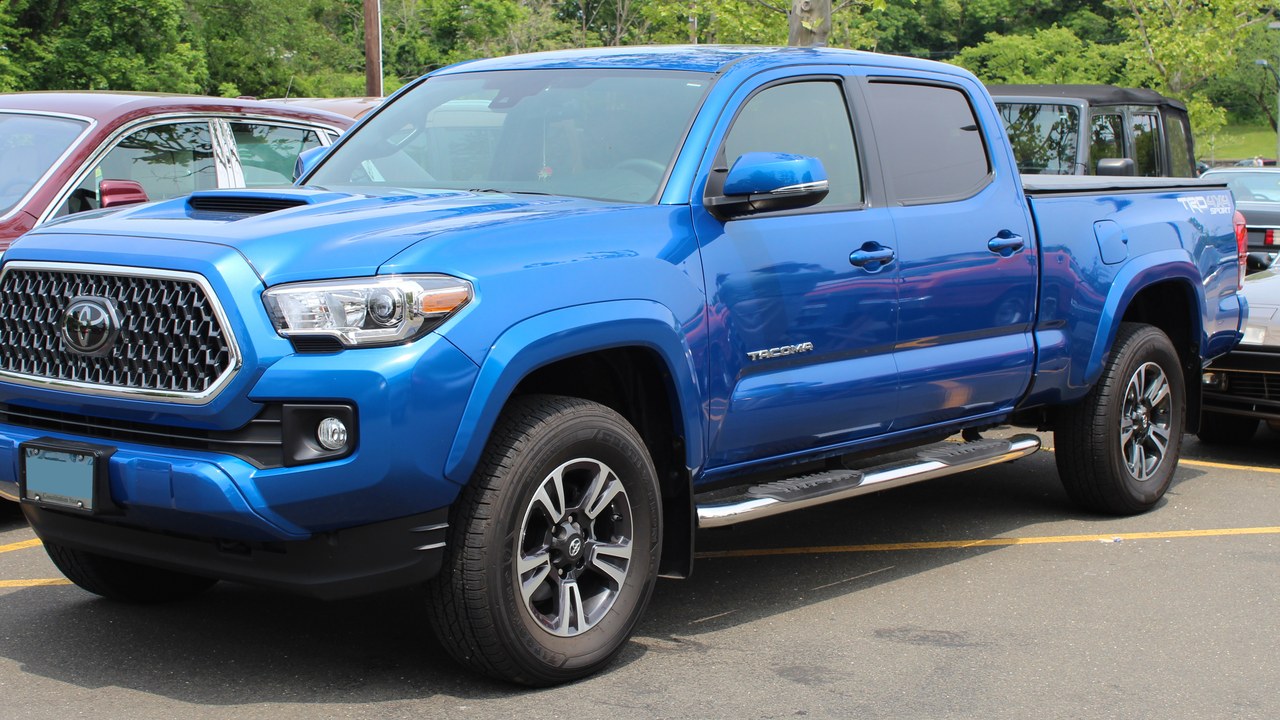
The Toyota Tacoma crew cab’s rear dummy measurements indicated neck and chest injury risks in the June 2023 test, as laid out in a rear-seat pickup assessment.
Shoppers who plan to carry rear passengers in a used Tacoma should note the finding. It reflects the model years and crew-cab setup evaluated, not the full range of Tacoma trucks. That makes the rear row a question worth asking about before the truck becomes the household’s main way of carrying people.
More from Morning Overview
- Hurricane Hunter radar shows four warning signs that a tropical cyclone is about to strengthen, a University of Miami study found
- Tropical Storm Rachel is dumping up to 12 inches on four Mexican states on its way to major hurricane strength
- The FTC says Lens.com doubled the price shoppers saw in Google ads
- Common allergy, bladder and sleep pills tied to sharply higher dementia odds
