
Most front-engined cars bolt the gearbox right behind the motor, but a transaxle moves it to the back and changes how weight and hardware are arranged. The result is a different mechanical layout that engineers use to rebalance a car from end to end. Here are twelve front-engined machines whose rear transaxles set them apart from the usual formula.
1. Porsche 924: Split Drivetrain, Entry Level

The Porsche 924 keeps its engine in front while the gearbox sits at the rear, splitting the major drivetrain components between both ends, as Porsche’s transaxle history describes. It is the approachable member of the family.
For an owner, the layout means the transmission is not tucked behind the engine, which changes how the car is serviced and how its weight is arranged. Buyers should verify the specific configuration of any car they consider.
2. Porsche 928: Grand Tourer With a Rear Gearbox
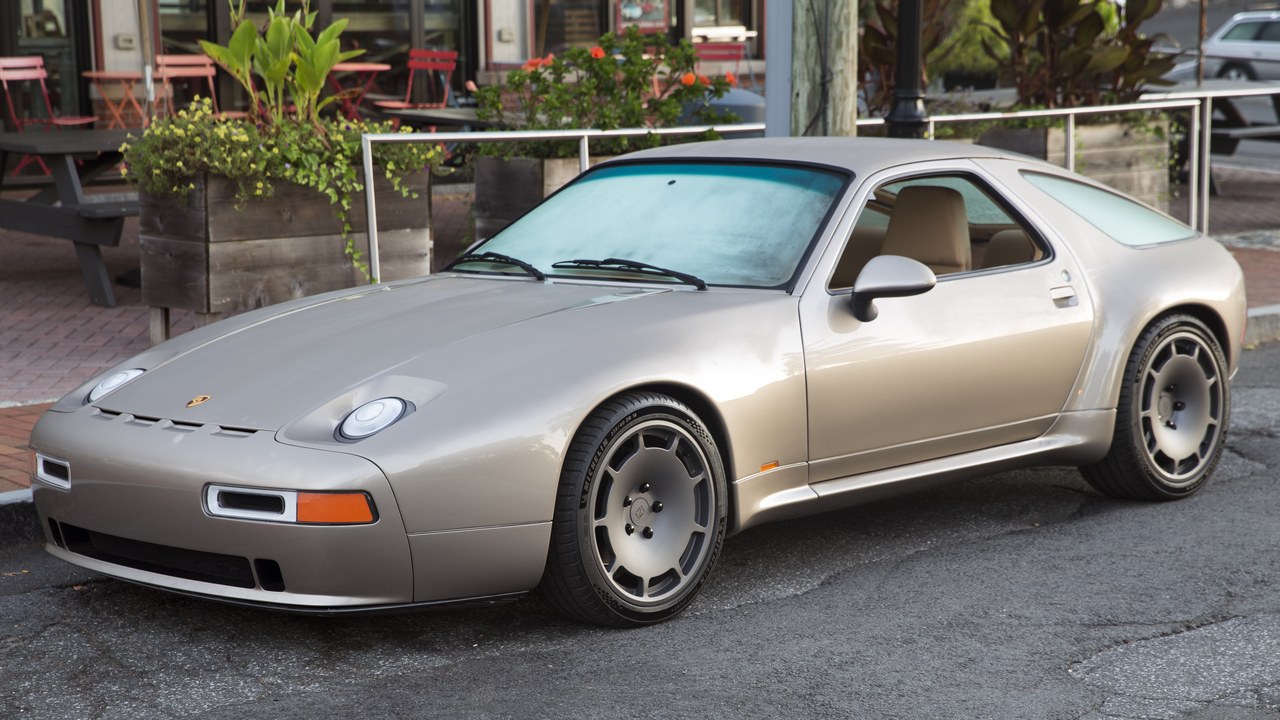
The Porsche 928 pairs a front engine with a gearbox at the rear, dividing the major drivetrain hardware between both ends, according to the Porsche newsroom history. It is the large grand tourer of the group.
Shoppers drawn to its long-distance character should know that the drivetrain is not a conventional single-block arrangement. That affects what a mechanic must inspect and what parts a repair may involve, so a specialist familiar with the layout is a sensible choice.
3. Porsche 944: Same Idea, Another Porsche
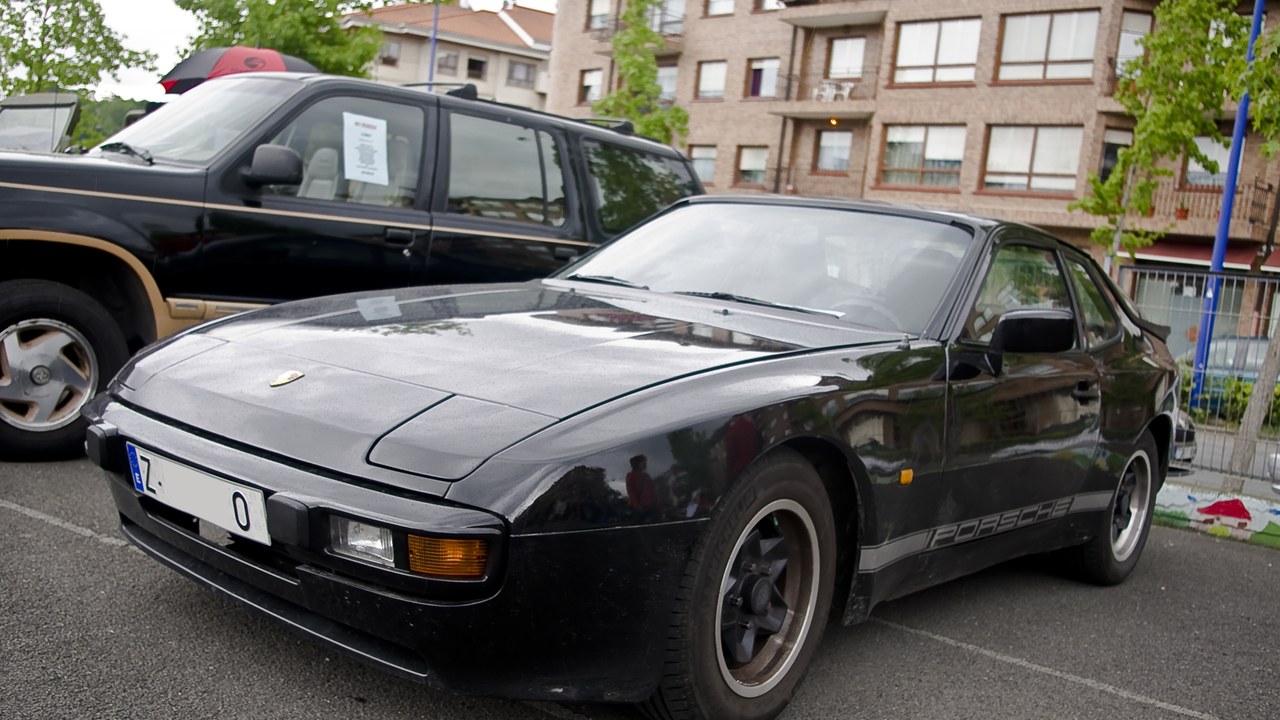
The Porsche 944 also places its engine in front and its gearbox at the rear, a transaxle design that splits the major components between both ends, per the transaxle model history. It builds on the same basic idea as its siblings.
Enthusiasts who want a front-engine Porsche with this layout will find the 944 a straightforward example of it. The configuration is a defining feature, not a minor detail, when evaluating a car, and the rear gearbox should be inspected with the same care as the engine.
4. Porsche 968: Another Front-Engine Porsche
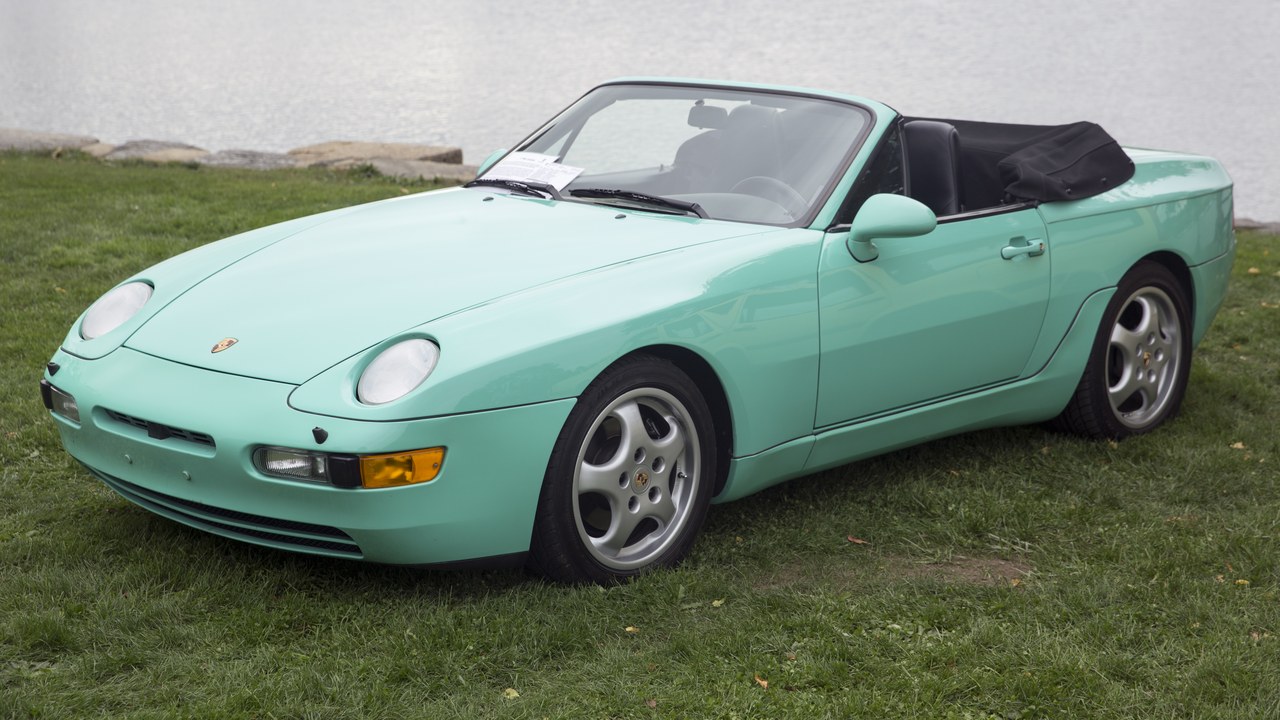
The Porsche 968 keeps the same arrangement of a front engine and a rear-mounted gearbox, as the Porsche history article notes. It follows the same drivetrain split as the other Porsche models in this gallery.
Buyers can read the 968 as one more example of the layout described here. As with the others, the mechanical split between the front and rear is central to how the car is built and maintained, so the gearbox location deserves attention.
5. Ferrari 275 GTB/4: A V12 Up Front, Gearbox Behind
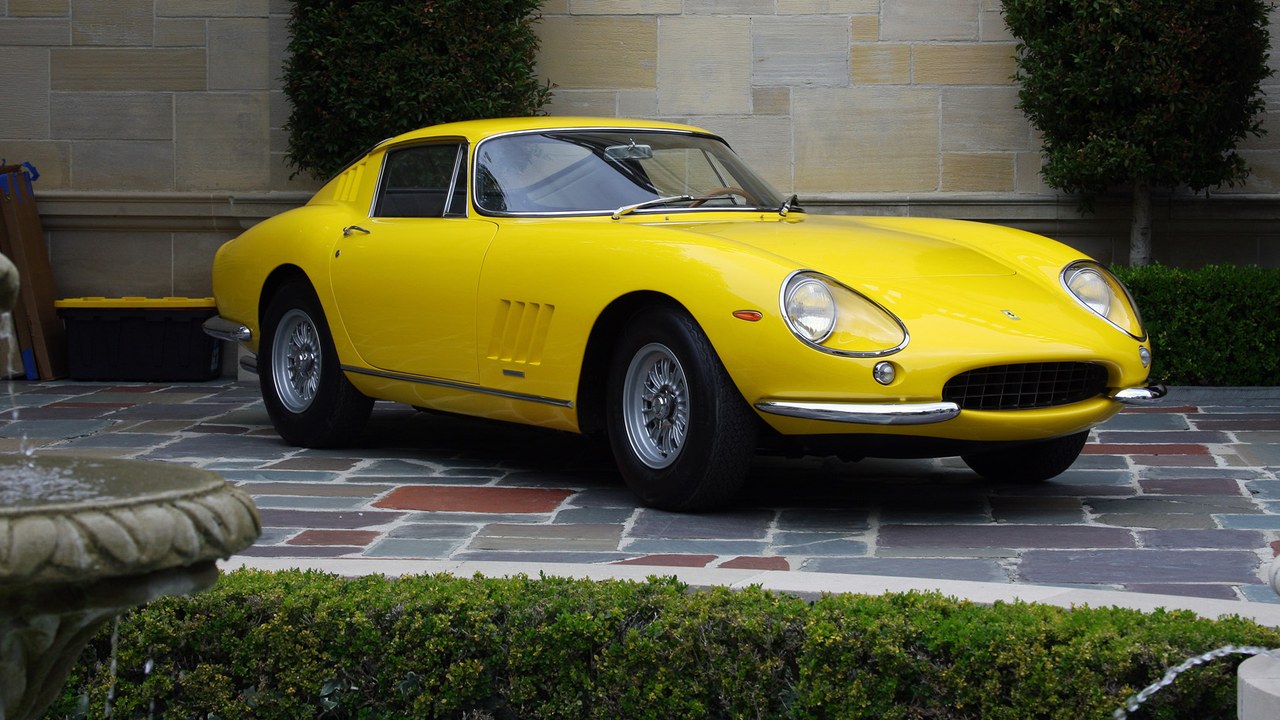
On the Ferrari 275 GTB/4, moving the transmission to the rear kept its mass away from the long nose and front-mounted V12, according to the Autoweek transaxle feature. The layout was a deliberate packaging choice.
For collectors, the layout is part of the car’s engineering story. It explains why the drivetrain is not a single unit, and anyone evaluating a car should consider that the gearbox lives in a different place than the engine, particularly the rear unit’s condition.
6. Alfa Romeo Alfetta GTV: Gearbox Separate From the Engine
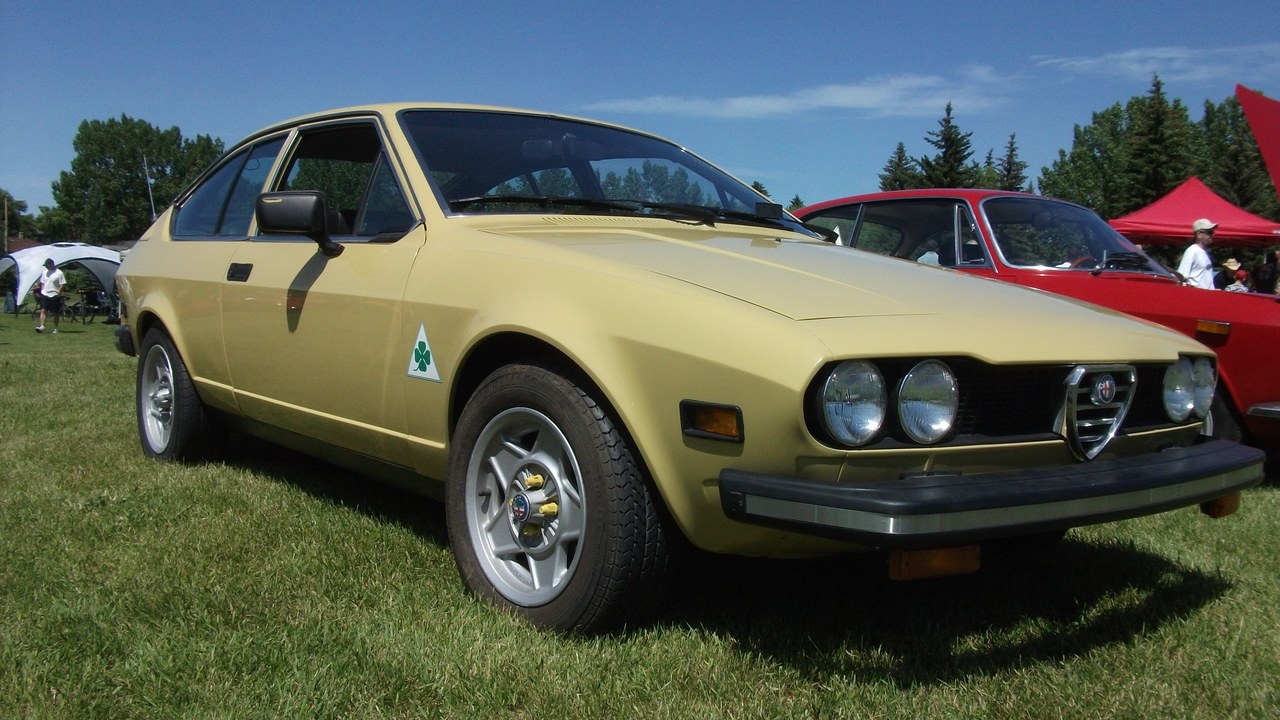
The Alfa Romeo Alfetta GTV has its gearbox at the rear, so the transmission is separate from the engine compartment, as the Dutch Autoweek article explains. It is a compact Italian coupe built around that idea.
Owners of such a car deal with a transmission that is not beside the engine, which shapes where the work happens. It is a useful reminder to learn the layout before taking on a project.
7. Alfa Romeo Milano: Under the Rear Seat
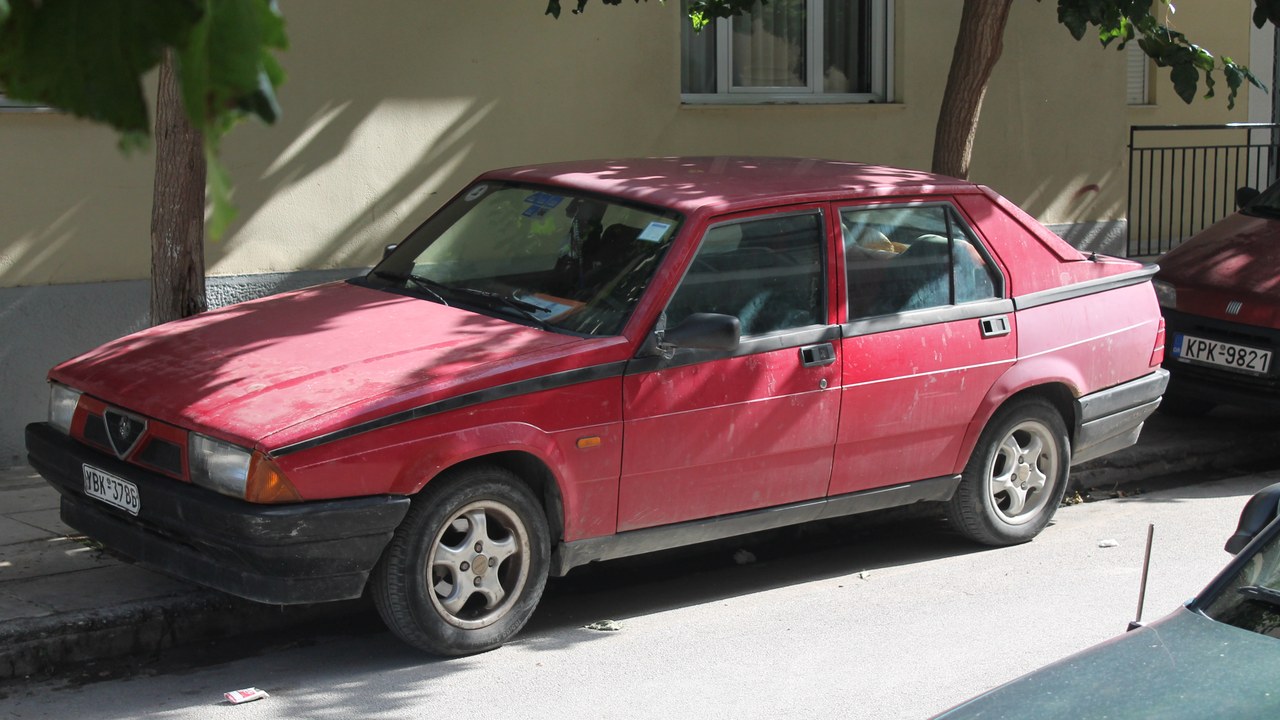
The Alfa Romeo Milano, known as the 75 outside America, places its gearbox beneath the rear-seat area, per the transaxle gallery article. It is an example of how far from the engine a transmission can sit.
Buyers who find the car attractive should understand that the layout means access and servicing differ from a conventional sedan. The name difference by market is worth knowing when searching for one, since listings may use either badge.
8. Chevrolet Corvette C5: An American Icon Joins In
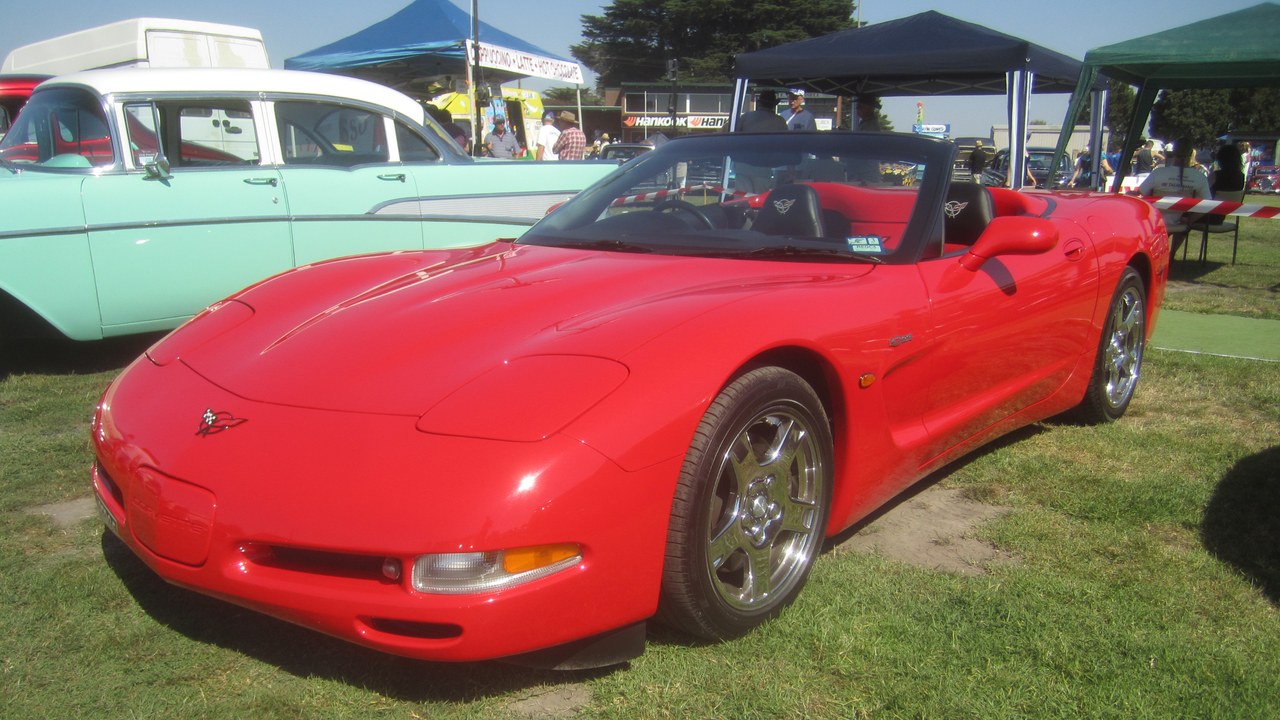
The fifth-generation Chevrolet Corvette moved the transmission to the rear axle while retaining its front engine, as the Autoweek feature states. It shows the layout is not confined to European exotica.
Corvette shoppers who value balance will recognize the idea behind the design. The rear transmission is a central feature of the car, and it changes the way the drivetrain is packaged compared with earlier approaches, which is useful context for anyone comparing generations.
9. Aston Martin DB9: British Grand Tourer, Rear Transaxle
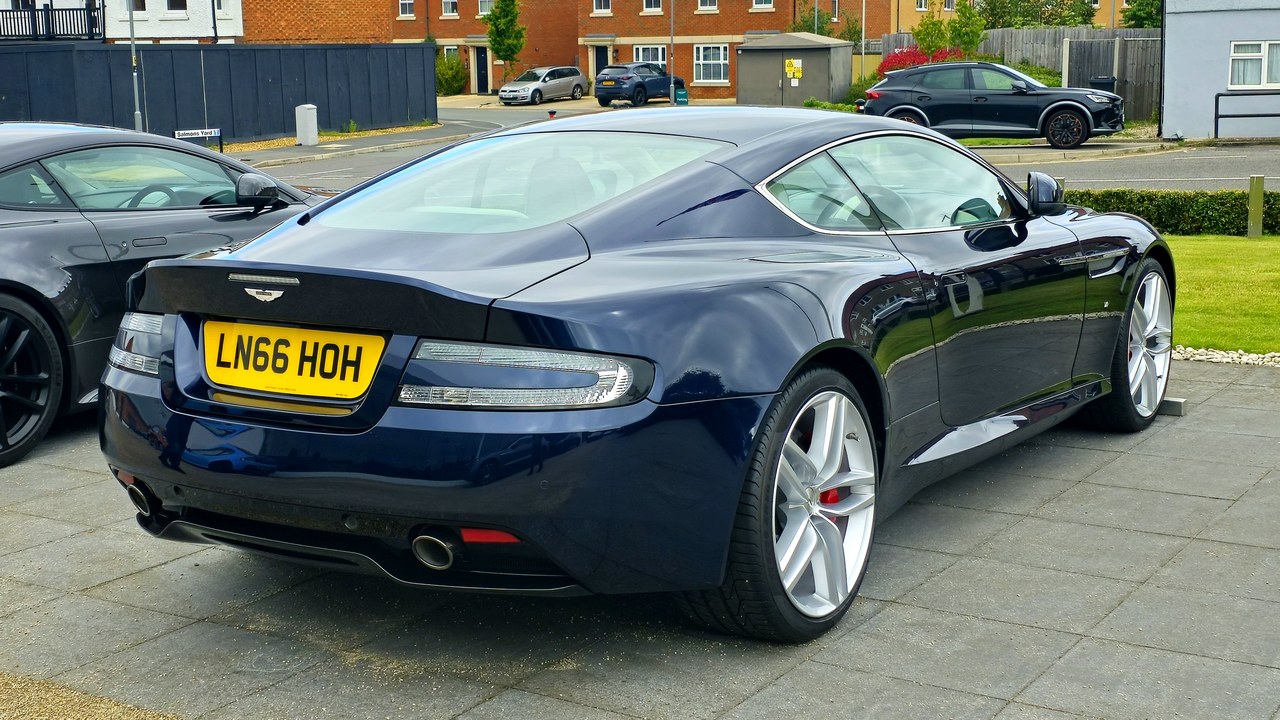
The Aston Martin DB9 pairs a front-mounted engine with a rear transaxle, distributing major drivetrain hardware along the car, according to the transaxle encyclopedia entry. It is a modern British grand tourer.
For buyers, the arrangement is one reason the DB9 differs mechanically from a traditional front-engine, rear-drive car. The distribution of hardware is part of what a thorough inspection should consider, including how the weight is distributed along the car and which components sit at each end.
10. Maserati GranTurismo: Check the Version
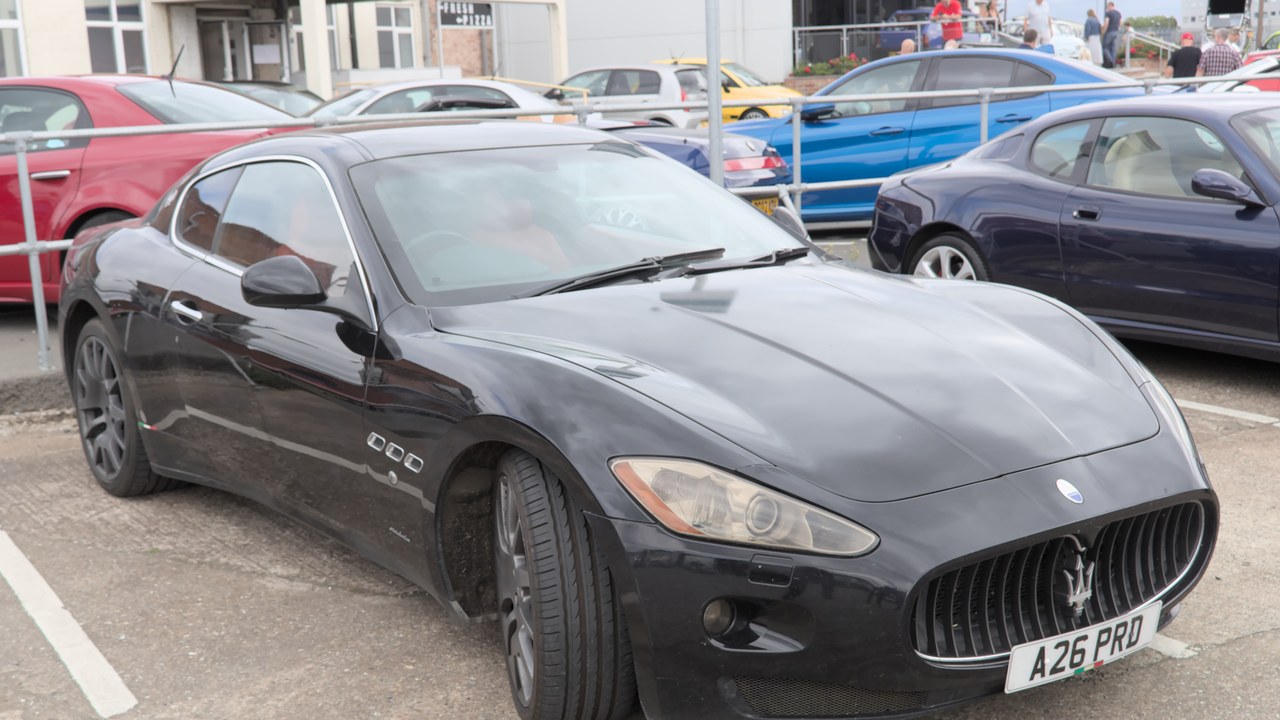
The Maserati GranTurismo in its 2007 to 2019 generation includes a rear-transaxle configuration, but the transaxle reference page cautions that the transmission specification must be checked by version. Not every variant is identical.
Shoppers should confirm the exact specification of the car they are considering rather than assume. A single generation can include different setups, so paperwork and a careful inspection matter more than the model name, especially when a listing does not state the transmission.
11. Mercedes-Benz SLS AMG: Gullwing Layout
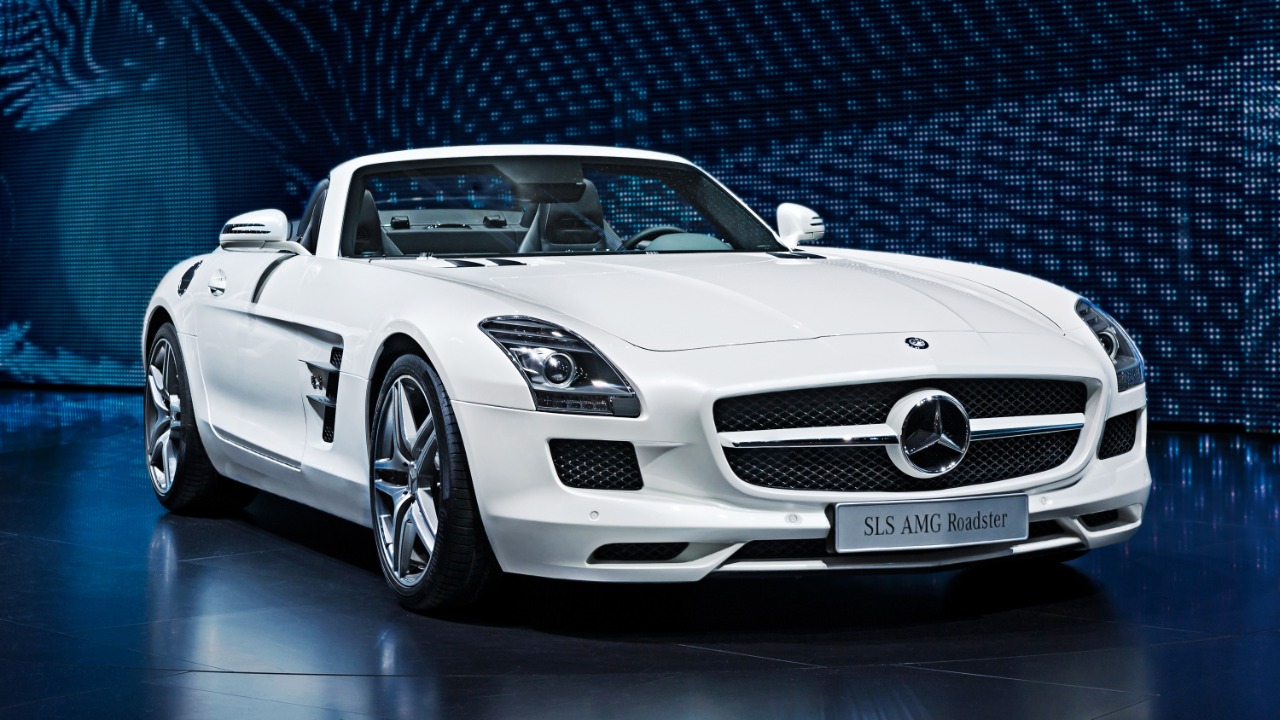
The Mercedes-Benz SLS AMG has its engine and rear transaxle at opposite ends of the drivetrain, per the drivetrain layout overview. It is a dramatic front-engine supercar with a gullwing look.
Owners and admirers can appreciate that the layout is part of what makes the car feel balanced. The separation of engine and gearbox is an engineering fact that any prospective buyer should understand, because it affects how the car is serviced.
12. Nissan GT-R: Two Shafts, All-Wheel Drive
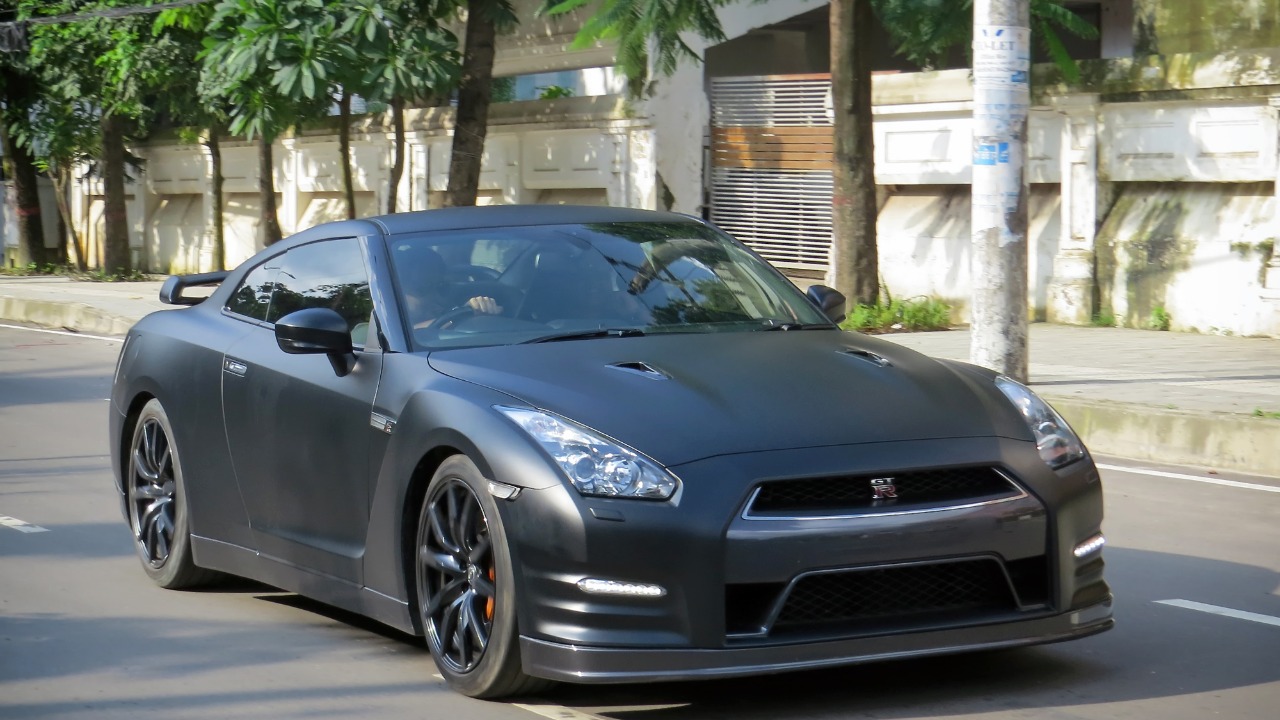
In the Nissan GT-R, one shaft carries power to the rear transaxle while another sends power back to the front wheels for all-wheel drive, according to the transaxle explanation. It combines a rear transaxle with a shaft to the front axle.
Buyers should understand that the GT-R’s drivetrain is not a simple front-to-rear line. The extra shaft and the rear gearbox make the mechanical arrangement distinctive and worth studying before purchase, since repairs may involve more than one driveline.
More from Morning Overview
- Hybrids have 15% fewer problems than gas cars, while EVs and plug-in hybrids have about 80% more, Consumer Reports finds
- Regulators cleared the first U.S. small modular reactor, 4 months early
- Lake Powell sank to a record 3,517 feet, nearing the level that stops Glen Canyon Dam’s turbines
- Seven of Earth’s nine planetary boundaries are breached, and all seven are worsening
