
Nameplates fade away all the time, but this batch of exits shows several different causes at once. Plug-in retreats, tariffs, a collapsed startup and the end of long-running sedans and sports cars all appear below. Here are eight models that have rolled off the line for good.
1. Jeep Wrangler 4xe: Plug-In Jeep Exits
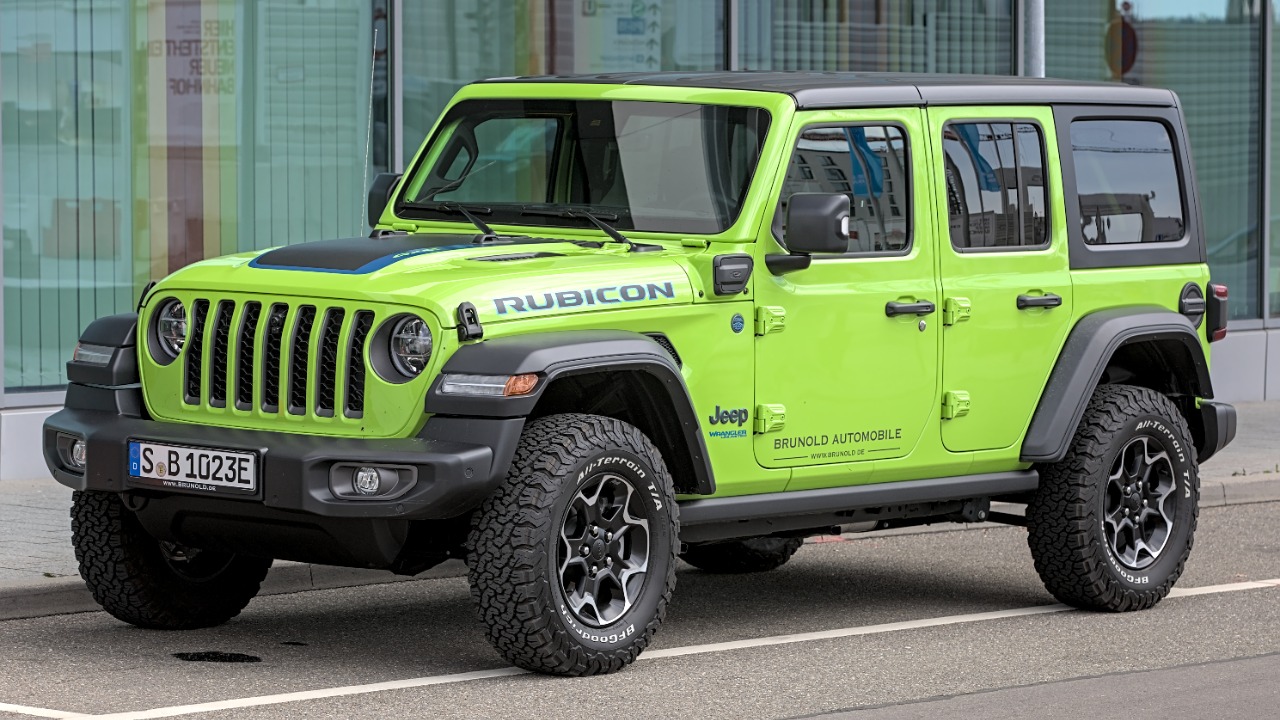
The plug-in Wrangler ends after 2026, according to AutoGuide’s plug-in Wrangler discontinuation notice. The same report points to more than 228,000 vehicles recalled in 2025 over engine fires, a heavy shadow over the electrified Jeep’s final stretch.
Owners of existing 4xe models still have a vehicle that dealers can service, but used shoppers should confirm that every open recall has been completed before buying. Anyone who specifically wants the plug-in Wrangler has a narrowing window, since no further production is planned after the 2026 model year. Resale could also hinge on how buyers weigh the recall history.
2. Dodge Hornet: Short-Lived Compact
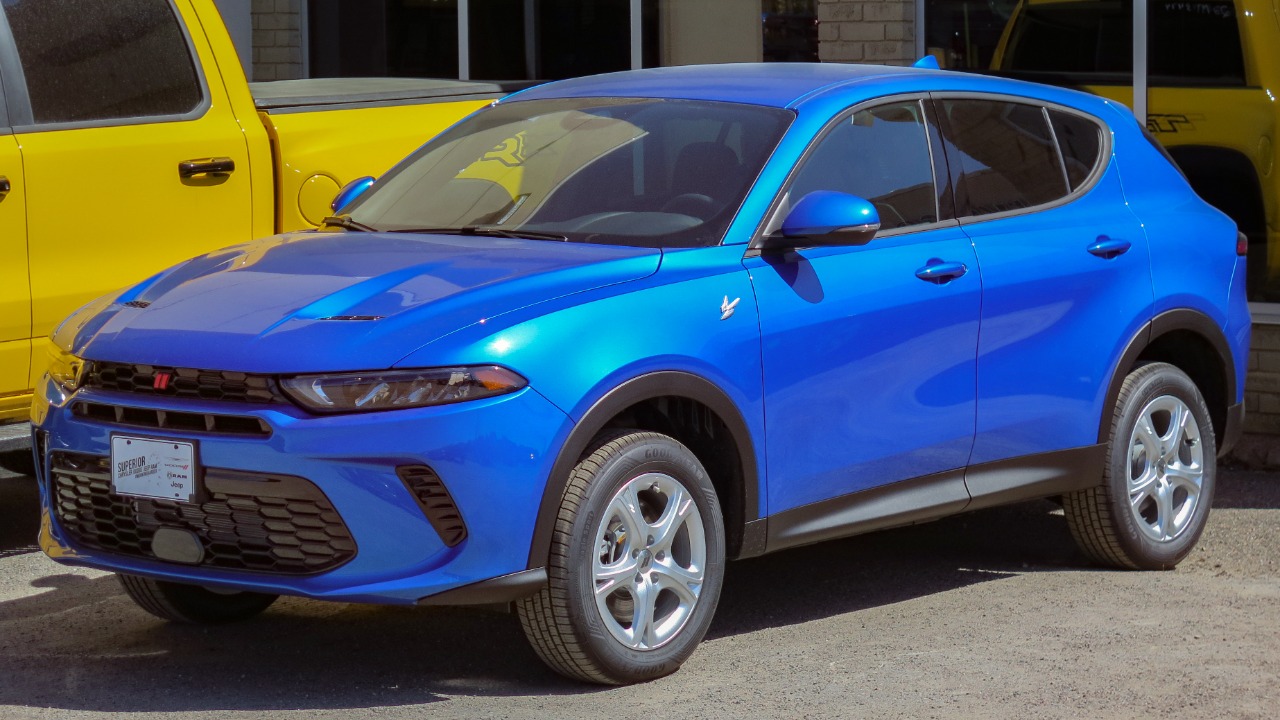
Dodge killed the Hornet after 2026, and AutoGuide’s list of casualties ties the decision to fewer than 40,000 units sold plus tariffs on the Italian-built crossover. A small sales total and an imported cost structure left little room for the model to justify itself.
Shoppers weighing a Hornet should expect the model to be an orphan within the Dodge lineup, though the warranty stays with the vehicle. Because volume never grew, dealers holding leftover inventory could be willing to negotiate, which may suit buyers comfortable with a nameplate that has no successor.
3. Tesla Model X: Final Plaid Send-Off
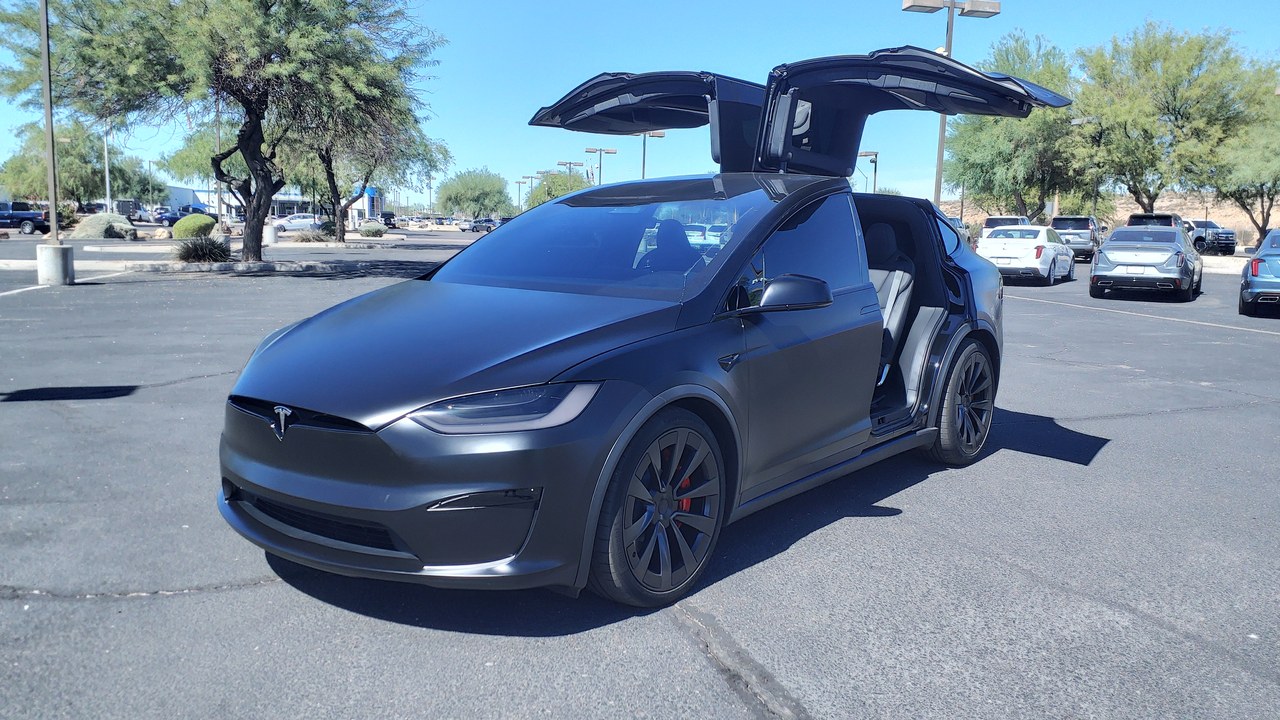
Like the Model S, the Model X’s final year on the market offers a dual-motor trim and a tri-motor Plaid version, both with an output of 1,020 hp, according to Model X final-year specs. The identical figure means the cheaper variant gives up nothing in peak power.
Buyers wanting a new Model X have little time left, and last-year cars could hold value better than earlier ones because production has truly ended. Existing owners should expect Tesla service to continue, while the falcon-wing doors remain the feature used shoppers most often inspect before signing.
4. Chrysler Pacifica Hybrid: Plug-In Pacifica Retires
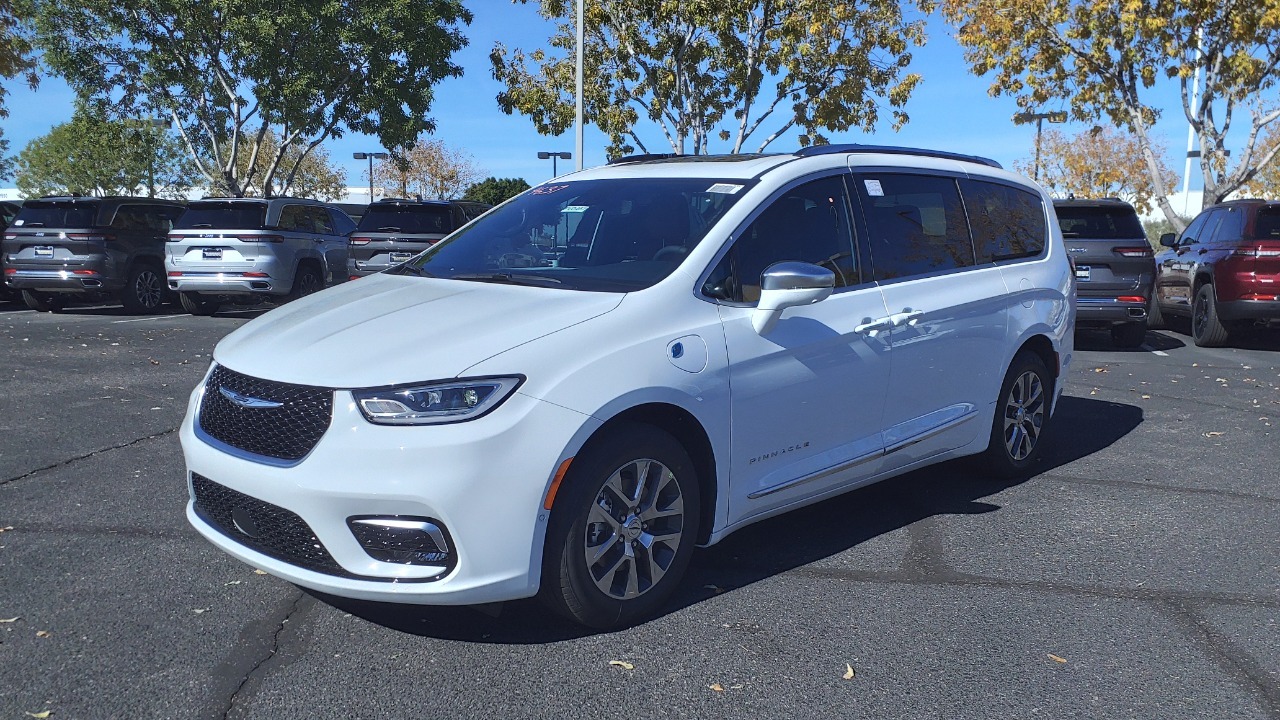
Stellantis will phase out plug-in hybrid programs in North America beginning with the 2026 model year, and Stellantis plug-in phase-out names the Chrysler Pacifica PHEV among the casualties. The change covers the plug-in version only. The non-plug-in Pacifica Hybrid can still be built for now.
Families who valued electric-only errands will need to look at rivals once remaining plug-in stock sells through. Current owners keep their minivans, though resale could hinge on battery health and home-charging access. Shoppers should confirm which powertrain a listing describes before paying, since the two names are easy to confuse.
5. Karma Revero: Last Gasp For A Luxury Coupe
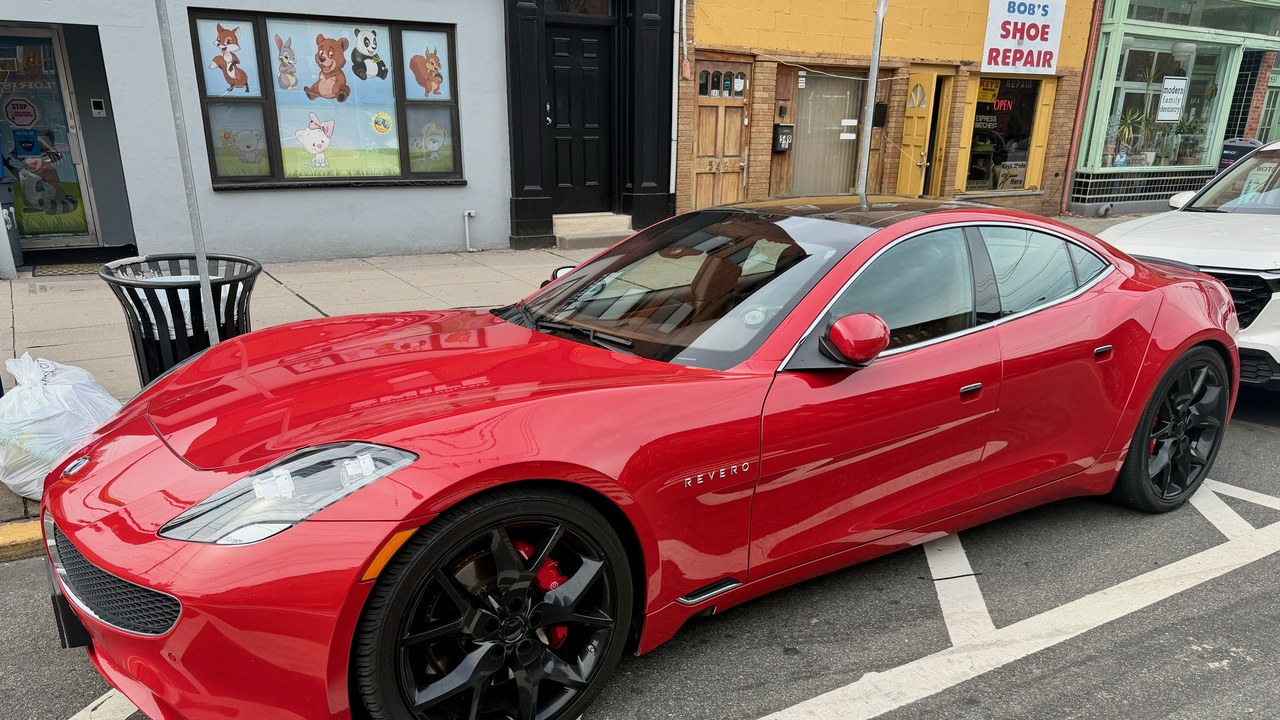
At the end of last year the Karma Revero also reached the end of the road, as the Revero’s end-of-road note puts it. The plug-in luxury coupe, a low-volume car from a small maker, joins the list as a quiet exit rather than a headline-grabbing recall or bankruptcy.
Rarity is the main concern for owners, because parts and specialist service for niche, low-production cars can become harder to find. Enthusiasts may prize the dramatic styling and extended-range powertrain, but buyers should budget for repairs and verify the battery and charging hardware before purchase.
6. Fisker Ocean: A Startup Collapses
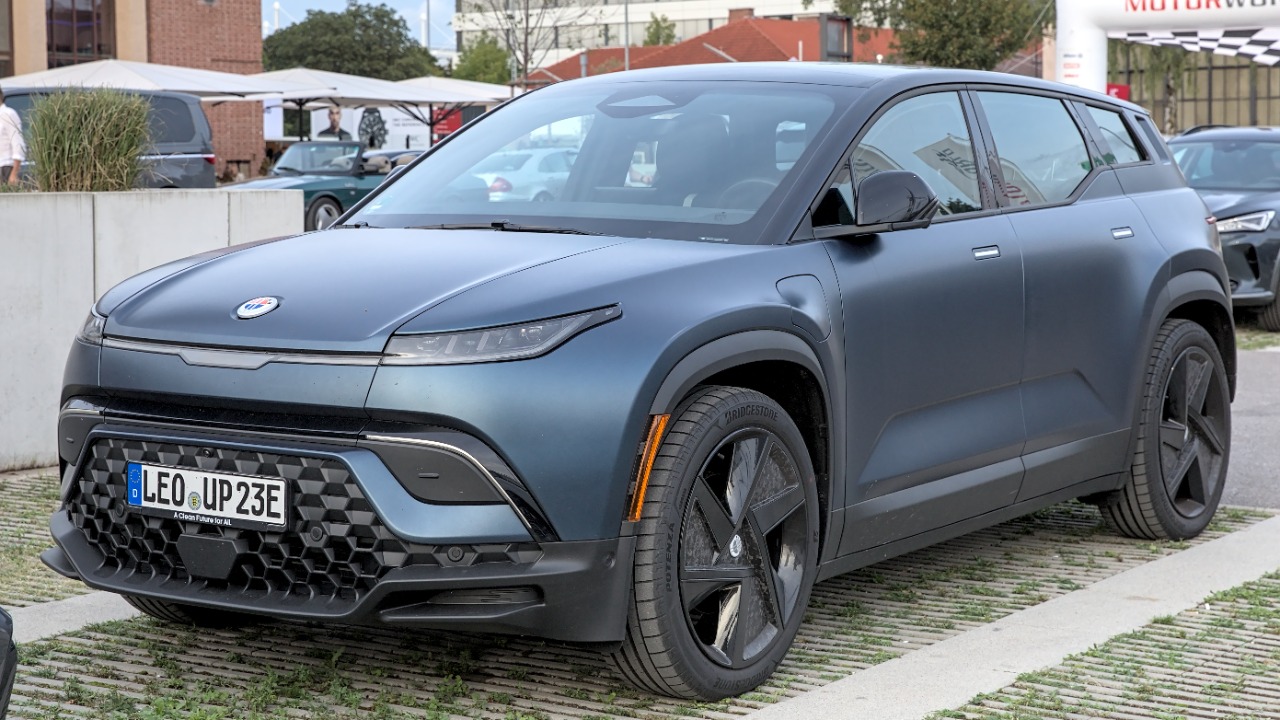
Fisker, maker of the Ocean electric crossover, filed for bankruptcy in June and will likely cease operations by 2025, according to Fisker’s bankruptcy filing. That ended the Ocean along with every other model the company sold or planned, a whole-brand failure rather than a single retired nameplate.
Ocean owners now depend on third-party arrangements for service, software support and parts, the core risk of buying from a startup. Warranty promises from a defunct company carry little weight, so used shoppers should price in the uncertainty and confirm repair options near home before committing.
7. Nissan GT-R: Godzilla Goes Quiet
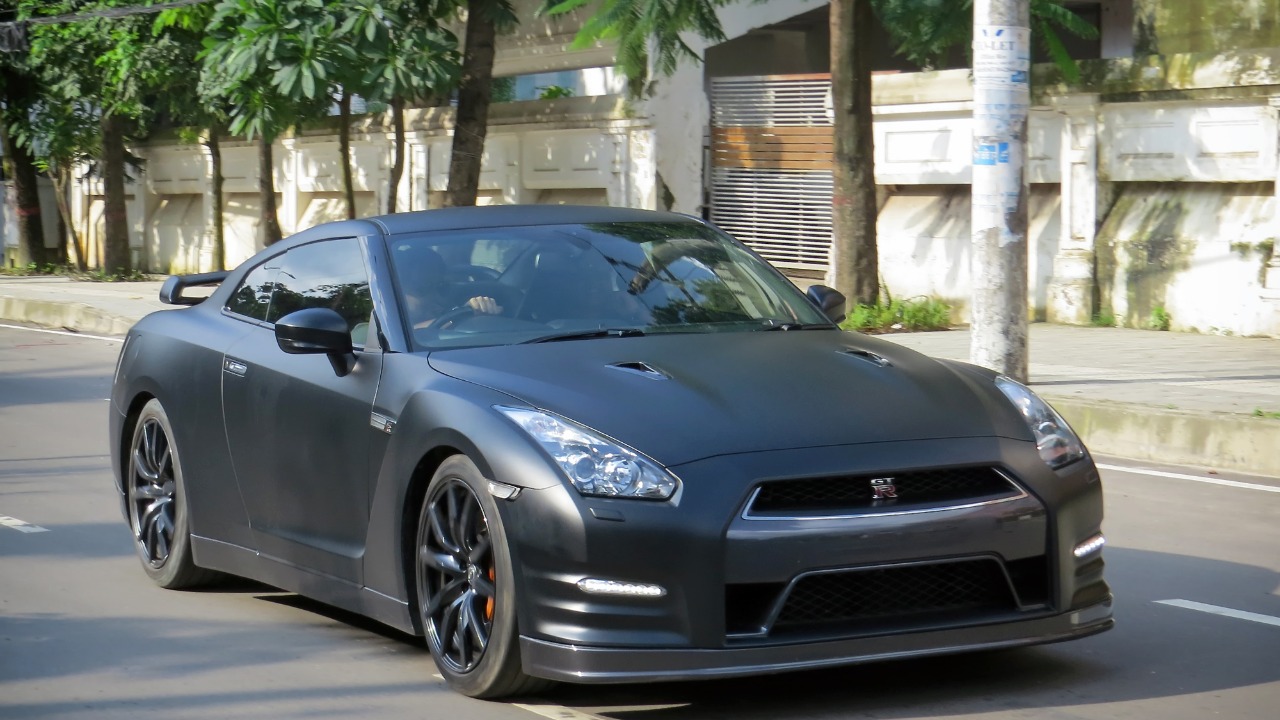
Nissan has discontinued the GT-R globally after the R35 generation, closing out one of the longest single-generation runs in the business, per R35 discontinuation coverage. The twin-turbocharged coupe outlasted many rivals and changing rules with only incremental updates.
For buyers, the end of production tends to lift values of clean, low-mileage examples, and the final cars may become collectible. Used shoppers should look for documented service history, since a complex drivetrain can be expensive to repair, and should check that past modifications have not complicated warranty or resale. Few sports coupes have stayed on sale so long without a full redesign.
8. Subaru Legacy: Sedan Ends Its Run
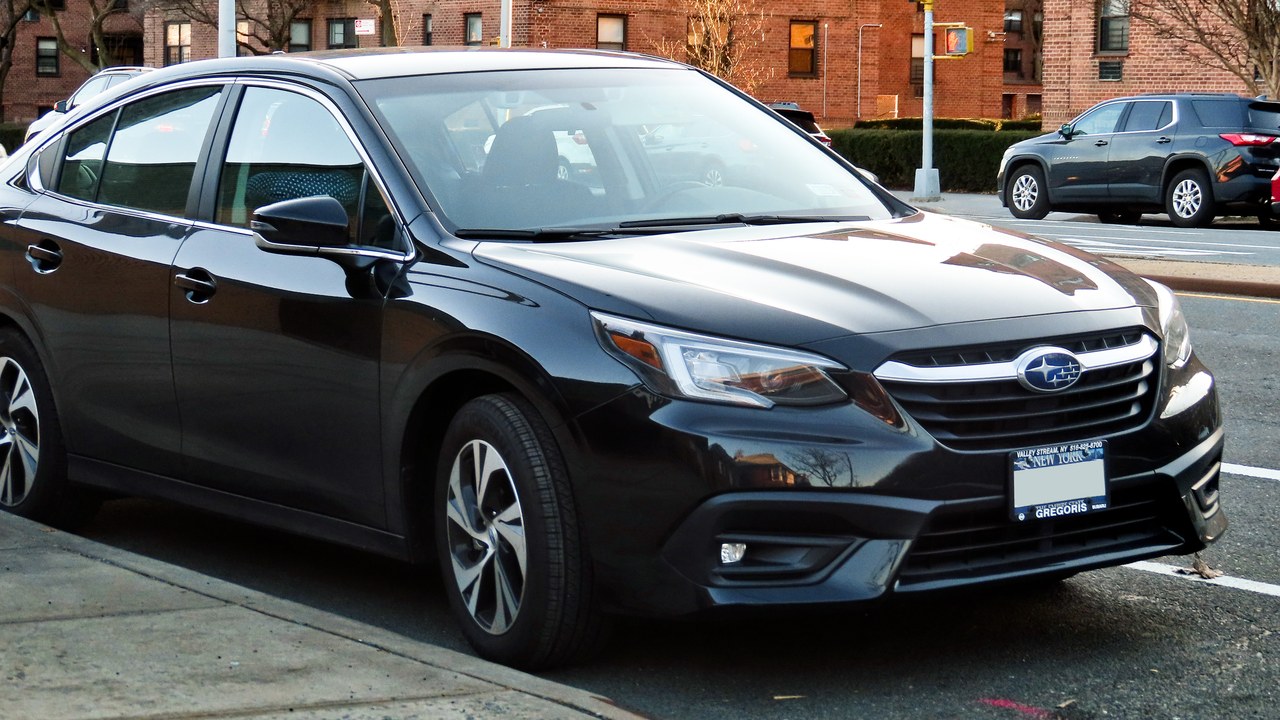
J.D. Power describes Legacy final-year announcement as the end of the Subaru Legacy sedan, making the 2025 model year the final one after a 35-year nameplate run. Subaru shoppers who liked the sedan shape now have to look elsewhere in the lineup.
Final-year Legacy sedans can be a sensible used purchase, and parts should stay available through the dealer network for years. Shoppers wanting similar mechanical ground might compare the Outback, which sits in the same showroom, though its taller crossover shape suits buyers differently than the low sedan. The nameplate had been part of the lineup for decades.
More from Morning Overview
- Tropical Storm Rachel is dumping up to 12 inches on four Mexican states on its way to major hurricane strength
- The NSA is again telling phone owners to switch off one location setting
- Card skimmers hidden on gas pumps and ATMs are draining accounts, and here’s the tell
- Hurricane Hunter radar shows four warning signs that a tropical cyclone is about to strengthen, a University of Miami study found
