
Classic-car plates come with fine print that varies sharply from one state to the next. Some cap annual mileage, some forbid winter driving or commuting, and others reward age with cheaper fees or skipped smog tests. Here are eight states whose antique and historic registration rules show how different the deal can be.
1. Pennsylvania: Tightest Cap In America

Antique registration in Pennsylvania carries a 1,000-mile annual cap, the tightest mileage limit in the country, paired with an $80 lifetime fee. A separate Classic class covers cars from 1980 onward, so newer collectibles have their own track.
A thousand miles a year works out to under three miles a day, enough for shows, parades and the occasional Sunday spin but little else. Owners planning regular touring should check which class fits the car before paying the one-time fee, since the antique class trades low cost for very little road time. Few other states ask so little mileage from a car in exchange for a permanent plate.
2. New Jersey: The No Daily Driver Pledge

New Jersey ties its $71 lifetime historic registration to a no daily driver attestation, and the plate permits exhibition and club use only. The one-time fee is modest, yet the paperwork turns a promise about everyday use into part of the application.
The practical effect is that a historic-plated car belongs at meets and club events rather than on a commute. Anyone hoping to run errands in a vintage pickup would need a standard registration instead, with the higher recurring costs that implies, because the cheap plate is built around display. The attestation is the notable feature, since few plates ask for a written pledge.
3. Connecticut: A Plate With A Winter Break

Connecticut offers a 20-year Early American plate for $87, and the seasonal driving restriction attached to it reads simply as no winter. The 20-year threshold is short, which opens the plate to a wide range of ordinary older cars.
Cars that are 20 years old, which today means roughly 2006 and earlier, can qualify, but they must stay parked through the cold months. Buyers who plan to drive a classic year-round in New England would find the cheaper plate unsuitable, so the winter rule deserves a careful read before registration. Few other plates pair a low fee with a seasonal ban.
4. Massachusetts: Cheap Plates, Strict Originality

Massachusetts antique plates cost five dollars every two years, described as the lowest recurring rate in the country. The trade is a ceiling of 2,500 miles a year, along with a requirement that the car be substantially original.
The originality clause matters most for hot rods and restomods, which could fail the test despite their age. A stock survivor that rarely leaves the garage gets the best deal in the nation, while a modified car may have to pay for ordinary registration and live with ordinary use. Collectors comparing states will find few recurring fees anywhere that come close.
5. New Hampshire: Second-Tightest Limit Nationally
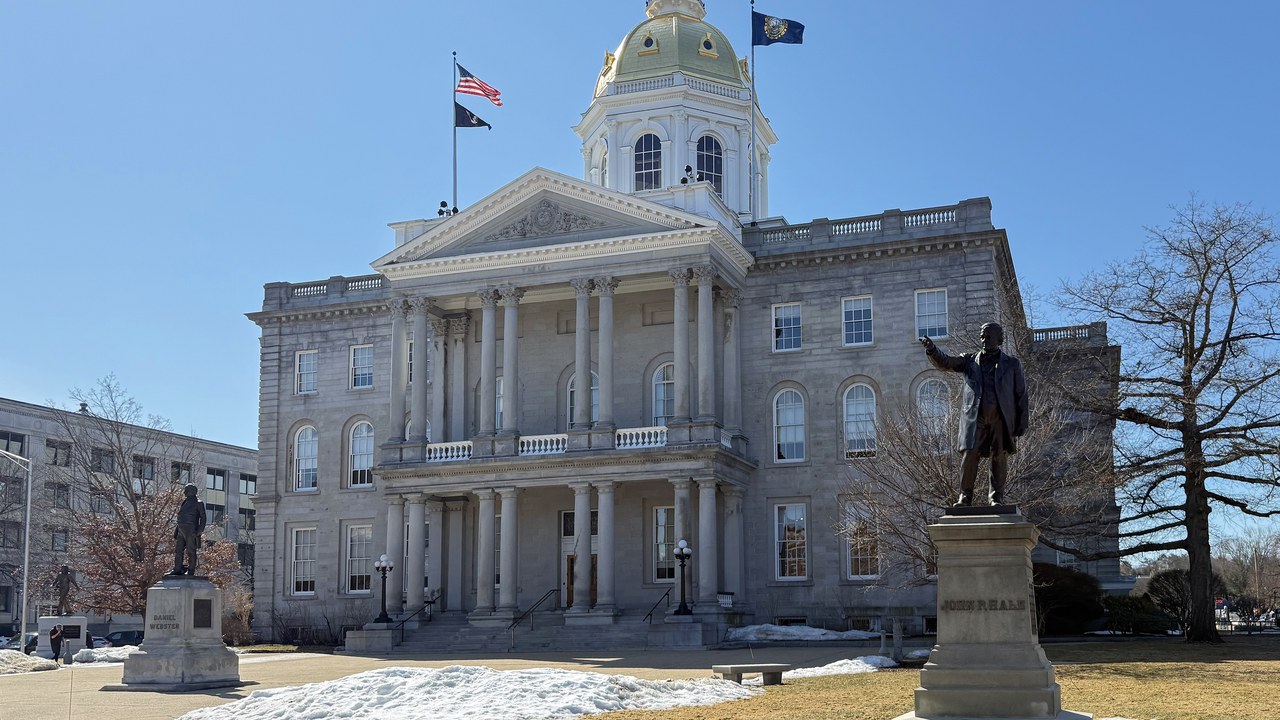
New Hampshire caps antique use at 1,500 miles a year for a $20 plate, which makes it the second-tightest limit in the country after Pennsylvania. The price is low, and the mileage allowance is only half again as large as the strictest state’s.
At roughly four miles a day, the allowance covers local shows and short summer outings. Drivers who log longer road trips in an older car would burn through it quickly, so the plate suits garage-kept cars better than ones meant for cross-country touring. The fee is small, so the real cost is the limit on road time.
6. California: Smog Exemption And Horseless Carriages
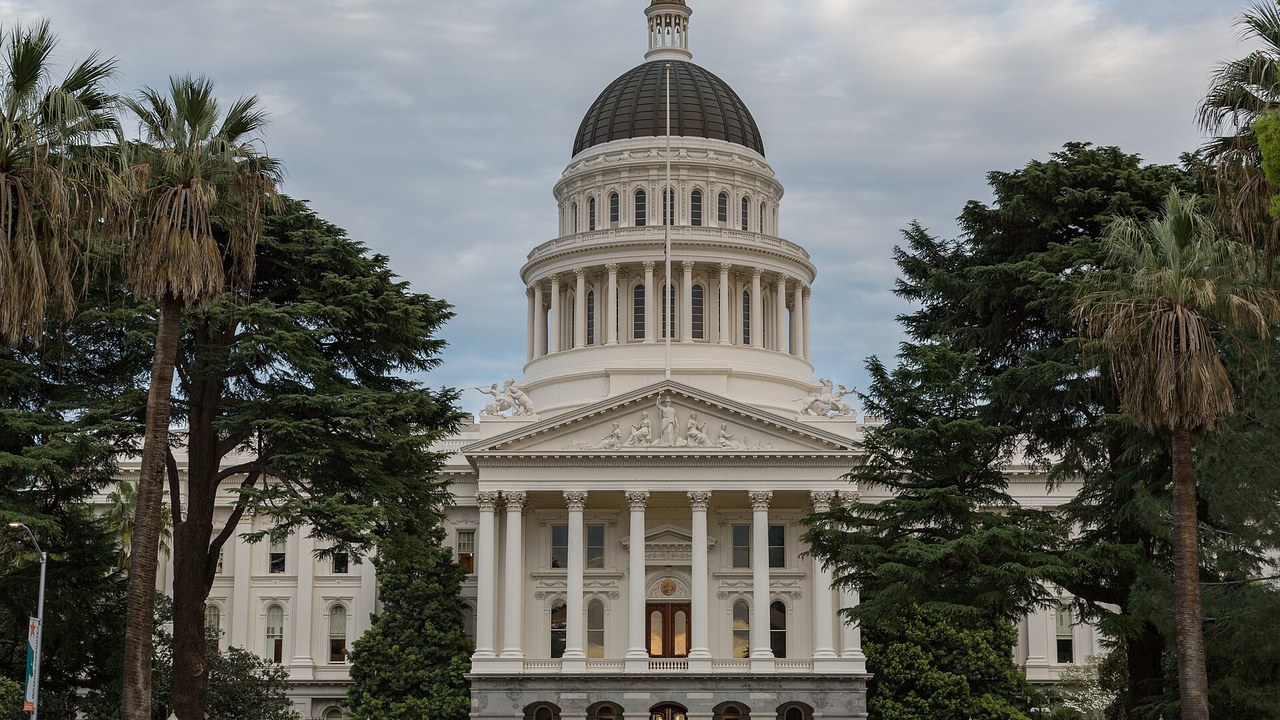
California exempts pre-1976 vehicles from biennial smog inspection, a break that matters in a state with strict emissions testing. It also charges a $26 special plate fee for pre-1981 cars and issues Horseless Carriage plates for cars built before 1948.
The pre-1976 cutoff means a car from the early seventies skips a recurring test that newer vehicles must pass, saving time and repair bills. Owners of cars from 1976 or later do not get the exemption, so the model year decides which rules apply. The $26 plate fee likewise applies only to the older group of cars.
7. Arkansas: The Oldest Age Bar

Arkansas sets the highest age bar of any state in Wikipedia’s registration survey: a car must be 45 years old to register as an antique. Most states let owners qualify decades sooner, which leaves a long wait for newer collectibles.
A car built in 1980 would not reach antique status until 2025, and later models will wait longer still. Enthusiasts in the state with a recent classic may need standard registration for years, so the threshold is the first number to check before buying a car there. Nothing in the figure suggests leniency for cars that are merely old rather than very old.
8. Virginia: Pleasure Trips Only

Virginia antique plates cost a one-time $50 and last as long as the car is owned, but the state DMV rules bar general, daily transportation, including driving to and from work. Pleasure trips may not exceed 250 miles from the residence.
The 250-mile radius is generous next to the mileage caps elsewhere, though it limits distance rather than total use. A permanent plate at a flat fee is attractive for long-term owners, provided the car stays a weekend machine and never turns into a commuter. Breaking the daily-transportation ban is the one thing the plate is designed to prevent.
