
Nuclear weapons work left a long list of contaminated ground, buried waste and aging buildings, and federal crews are still dealing with it. Some sites on that list are cleanup projects, some are preserved landmarks, and some are laboratories still at work. Here are eight places that tell the story of America’s atomic legacy.
1. Hanford Site: Where the Cleanup Is Biggest
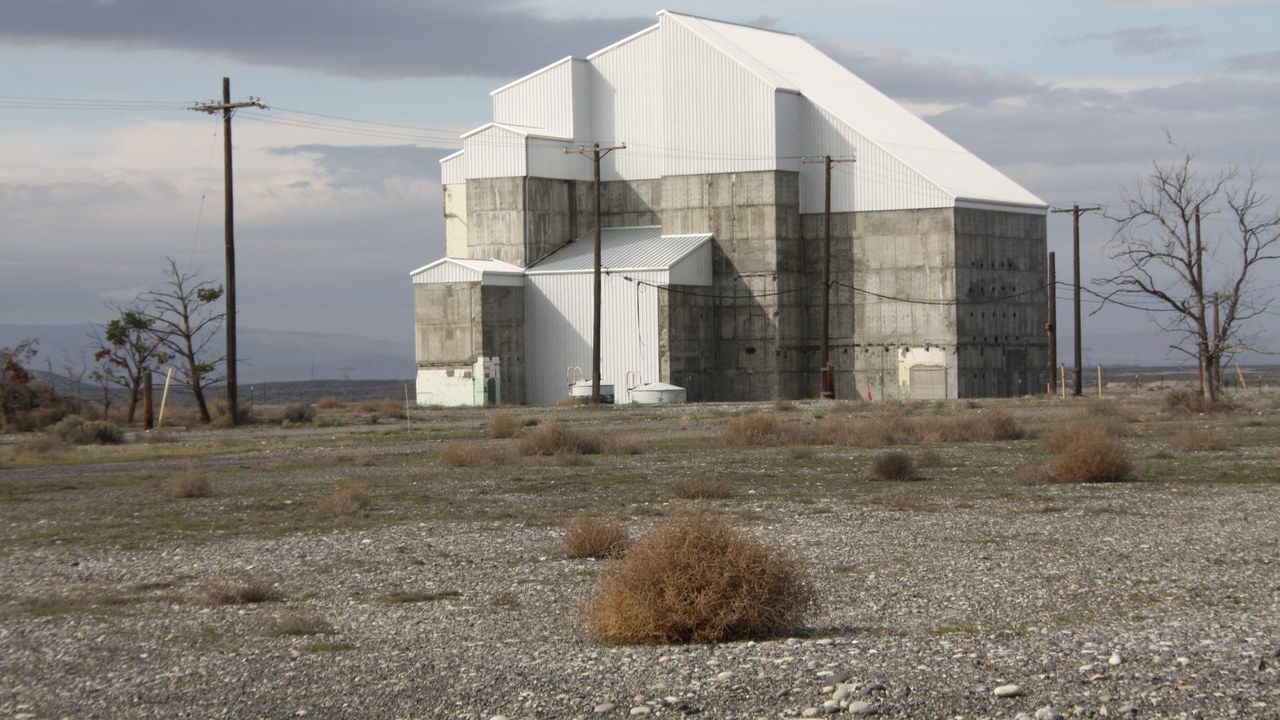
The Department of Energy’s Environmental Management office describes a mission of safe and environmentally acceptable cleanup at Hanford, covering groundwater remediation plus the decontamination and disposal of hazardous waste and facilities. Contractors and more than 13,000 employees work across the 580-square-mile site, a scale few cleanup jobs approach.
The wider programme counts 107 sites, with 91 completed and 16 still active, and Hanford sits firmly in the active column. For anyone tracking weapons-era cleanup, the workforce and acreage here set the yardstick against which every other site tends to be measured.
2. Savannah River Site: From Production to Remediation
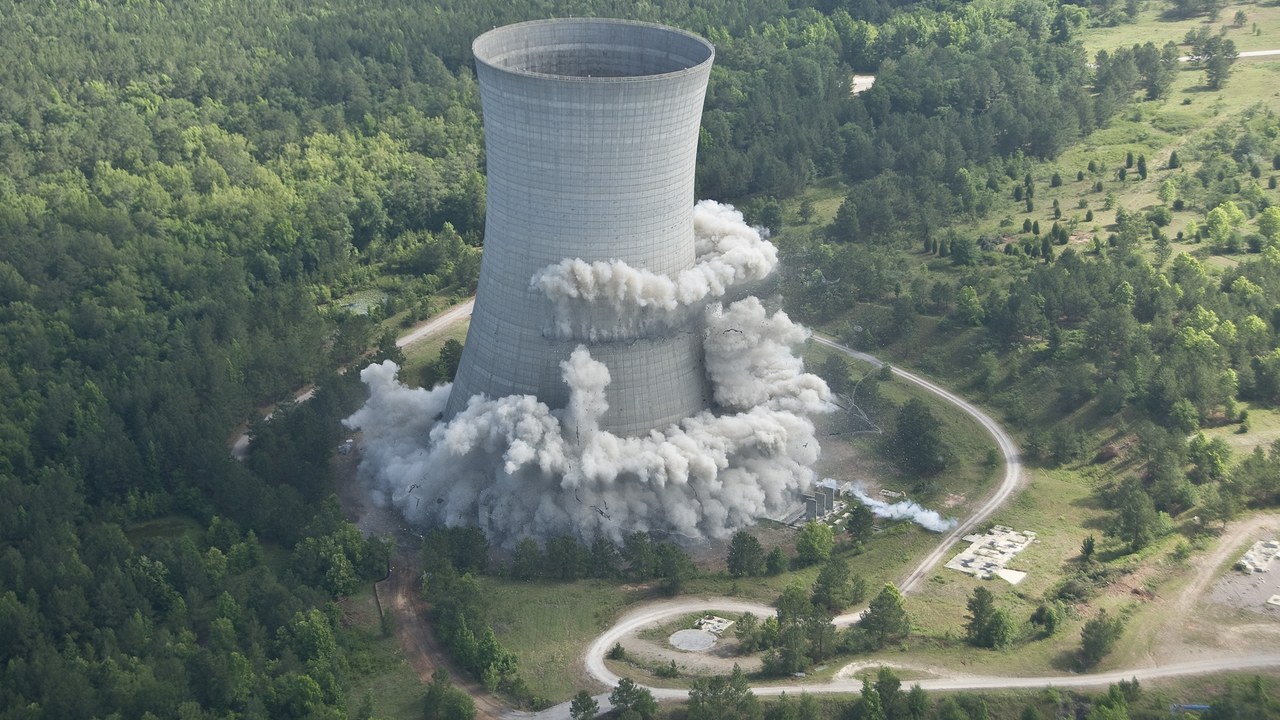
In 1992, according to Savannah River Site overview, the focus at South Carolina’s Savannah River Site turned to environmental cleanup, nuclear materials management, and research and development. That shift moved the site from making material for weapons to managing what the work left behind.
The pivot matters because it shows how a production complex becomes a remediation project rather than simply closing. Savannah River now ranks among the active names on the Environmental Management roster, so its long timeline is a working example of cleanup measured in decades, not budget cycles.
3. Waste Isolation Pilot Plant: The Site That Takes the Waste
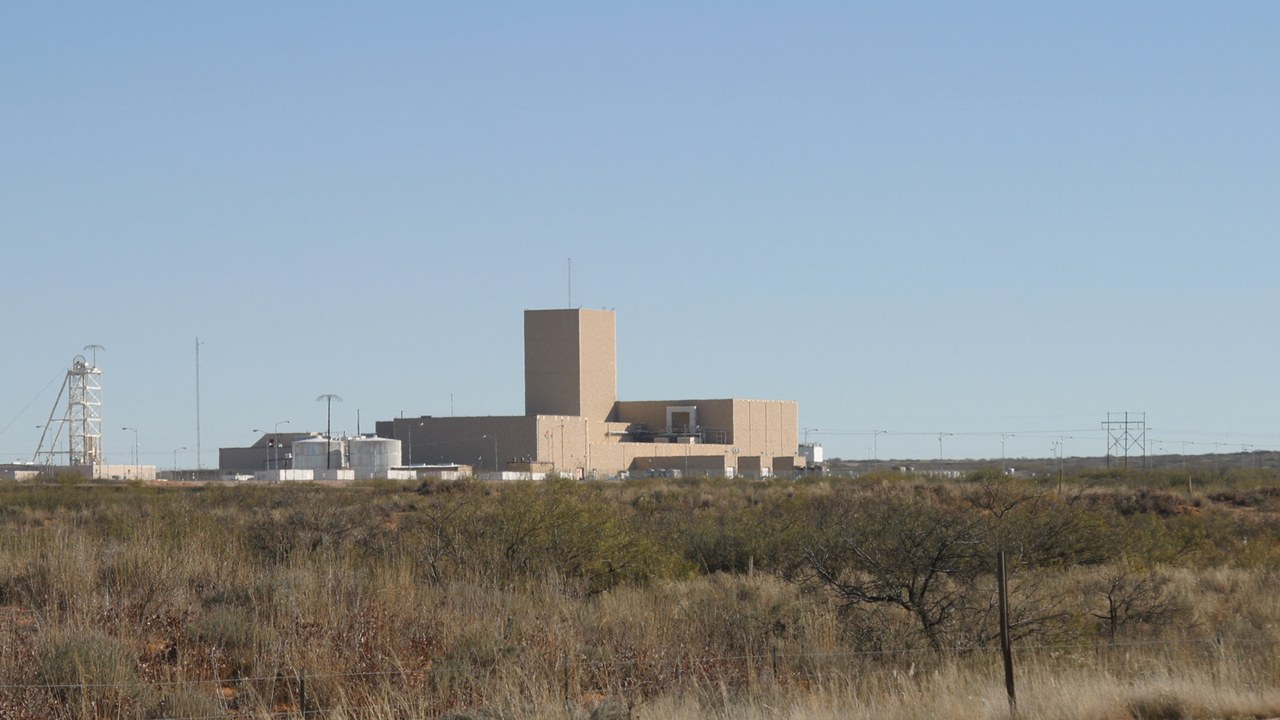
Most entries on the cleanup roster produced waste, but WIPP programme page is described as storing transuranic waste left over from nuclear weapons research and testing operations from past defense activities. Located in New Mexico, it receives material from the cleanup effort instead of generating any of its own.
That role makes it the destination end of the programme, the place where debris from other sites can ultimately go. Readers following the cleanup story should treat it as infrastructure for finishing the job elsewhere, within a broader programme of 107 sites, 91 of them completed.
4. X-10 Graphite Reactor: A Reactor Kept as a Landmark
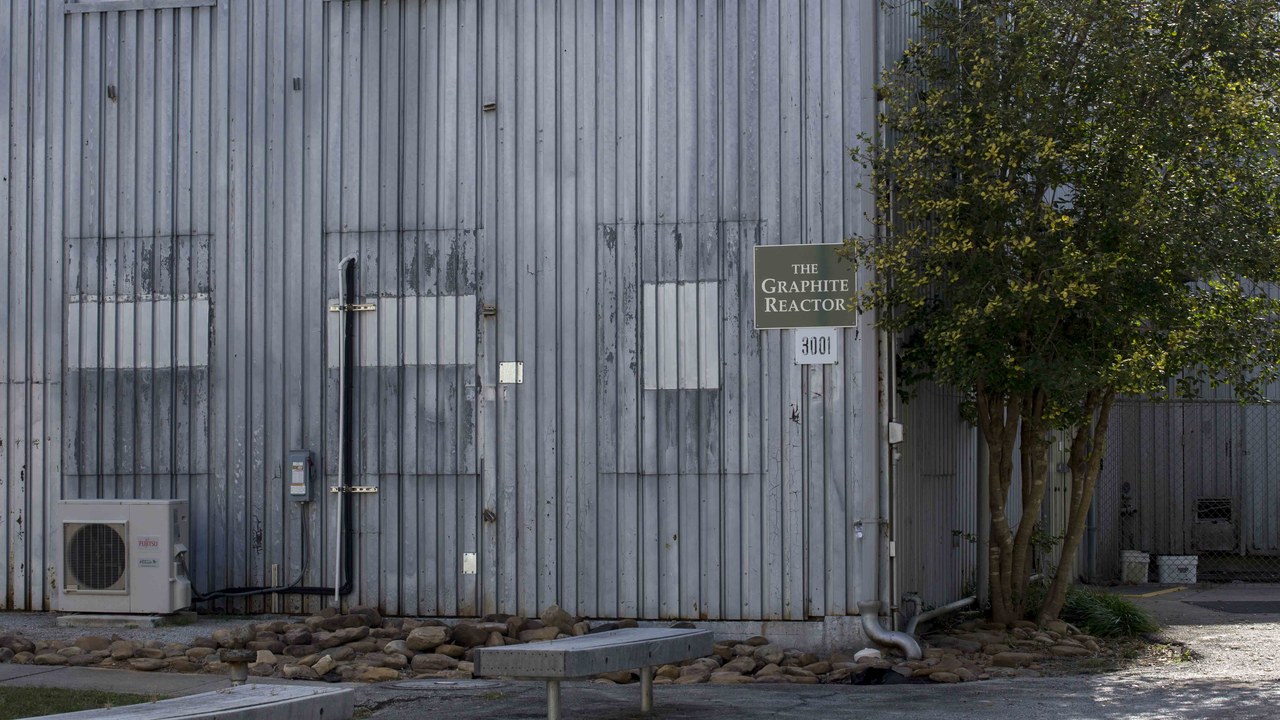
The X-10 Graphite Reactor still stands at Oak Ridge as part of Manhattan Project National Historical Park, in a community where the National Park Service says “Several highly secured nuclear research facilities still exist” according to the National Park Service Oak Ridge page. It was an early pilot reactor built during the wartime atomic effort.
Its survival makes it unusual among weapons-era structures, many of which were demolished or entombed during cleanup. Visitors can see an original reactor that is preserved on purpose, which offers a rare look at the starting point of the complex now being remediated across the country.
5. K-25: The Mile-Long Building
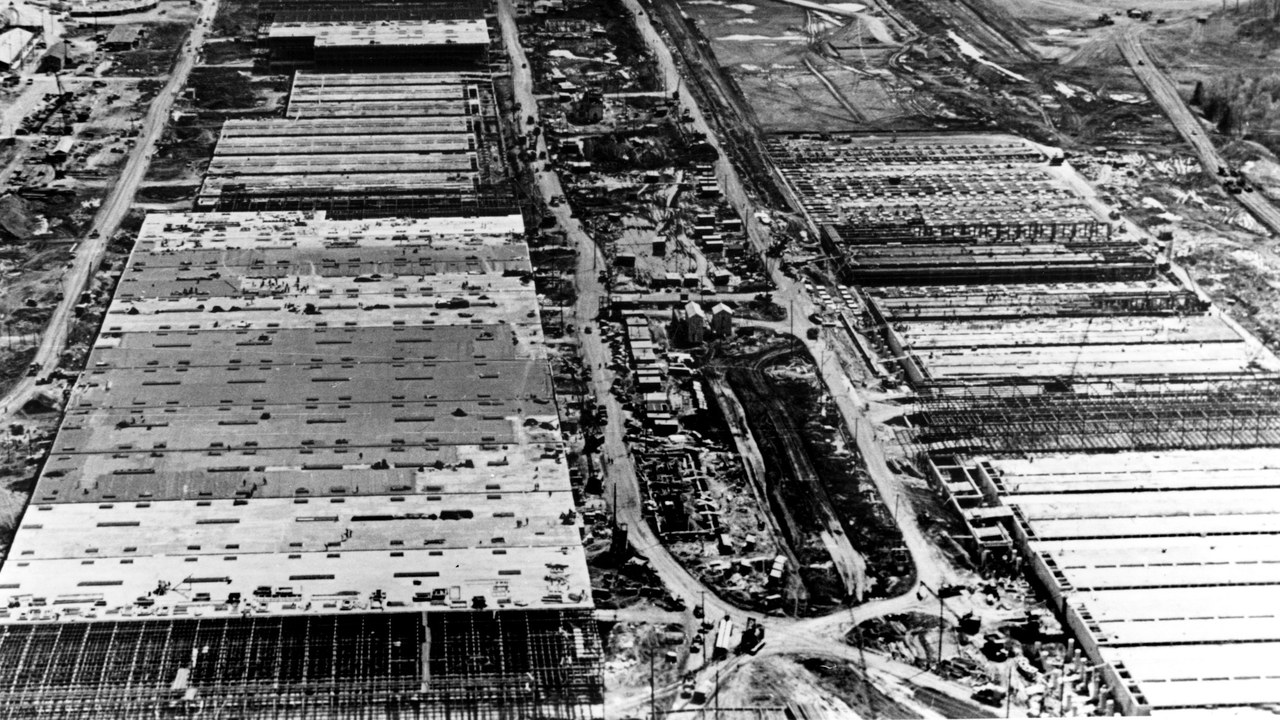
The gaseous-diffusion building known as K-25 once enriched uranium at Oak Ridge, and its former grounds, now the East Tennessee Technology Park, are kept inside the same national historical park, as Manhattan Project park overview explains. The structure was among the largest buildings in the world when completed during the war.
Its story runs from wartime enrichment to demolition, an arc that mirrors the cleanup theme better than most. Where the building stood, a history centre and viewing platform now interpret the site, so visitors see the memory of the plant rather than the plant itself.
6. Los Alamos National Laboratory: The Lab That Never Closed
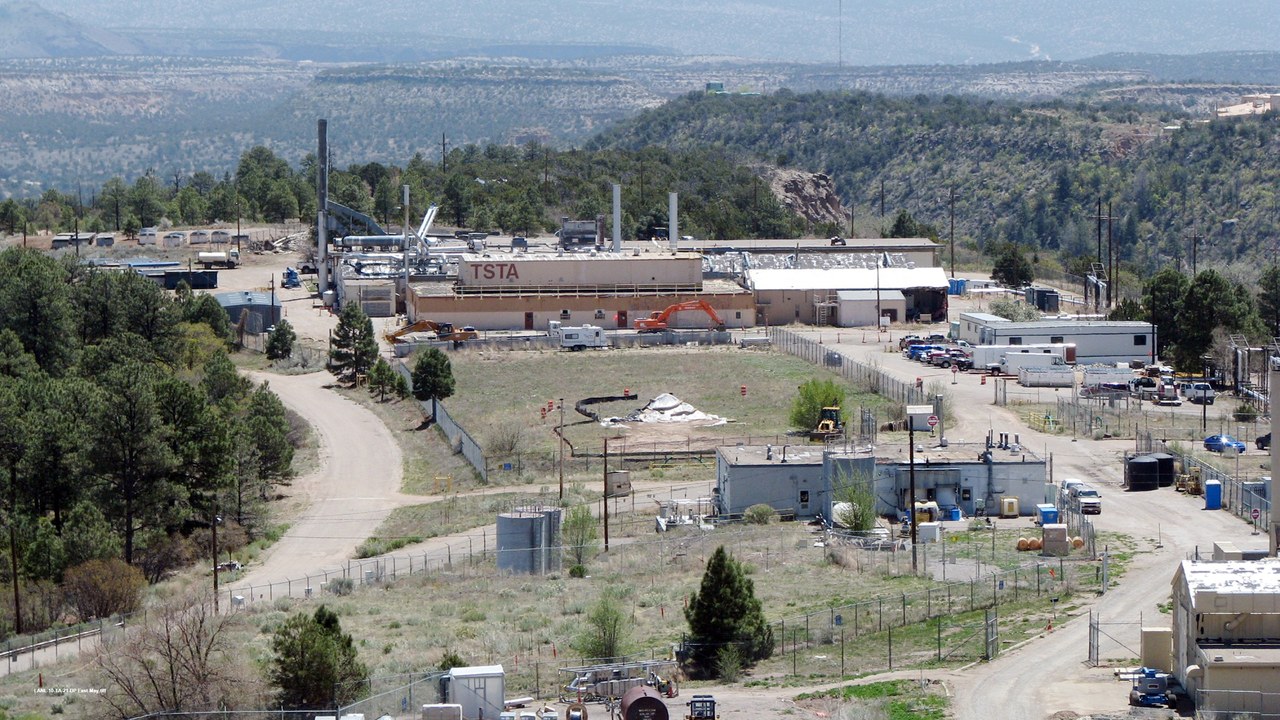
Los Alamos National Laboratory is still “the nucleus of this once-secret city” per the National Park Service Los Alamos page, the place where scientists built the first atomic weapons using Oak Ridge uranium and Hanford plutonium. It is a working laboratory rather than a closed relic.
That distinguishes it from the production sites on this list, because the laboratory continues its mission while the legacy of its wartime work is part of the same landscape. The park’s page carries no cleanup or contamination language, so its place here rests on being the third anchor of the Manhattan Project story.
7. Nevada Test Site: Hundreds of Tests in Desert Ground
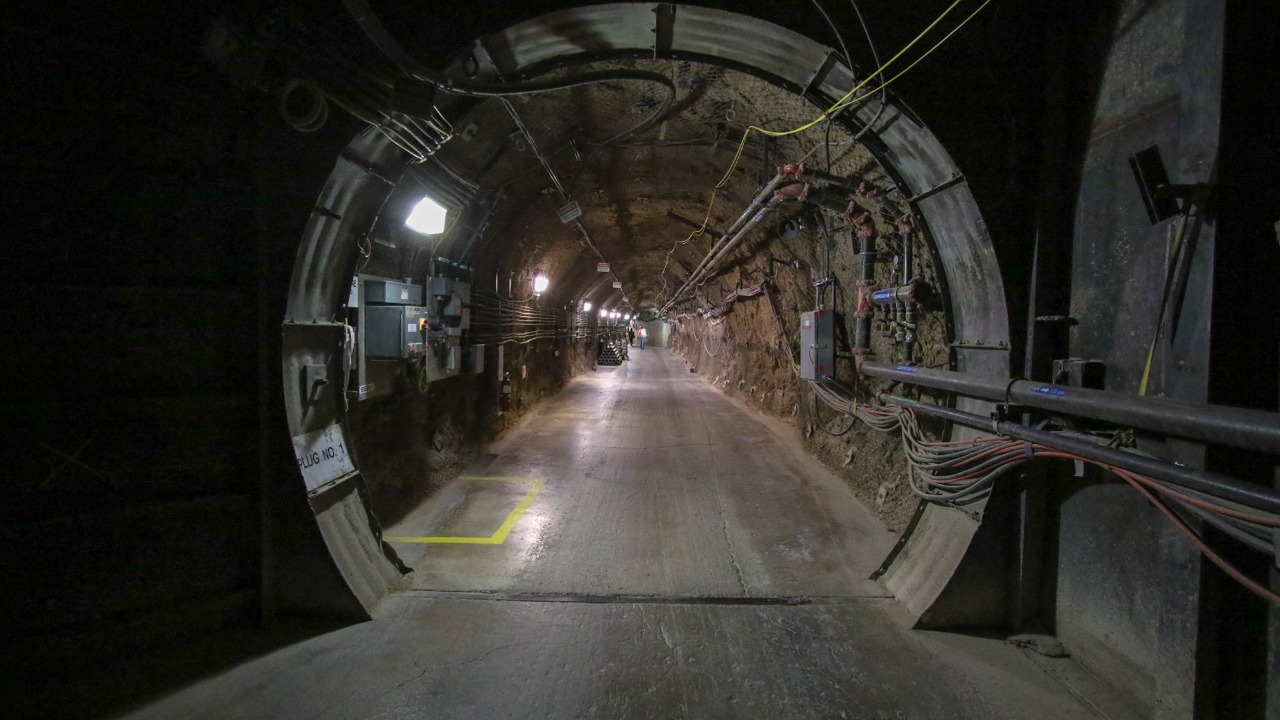
About 928 nuclear tests ran at the Nevada Test Site through 1992, and the Department of Energy estimated that more than 300 megacuries of radioactivity remained in the environment, as Nevada Test Site history records. Atmospheric and underground shots are both counted in that total.
The sheer number of tests explains why the site is a long-term management problem instead of a quick fix. Anyone reading about contamination should note that the figure is a DOE estimate from when underground testing ended, and that it describes this one site, not the whole weapons complex.
8. Sedan Crater: The Hole Visitors Can Still See
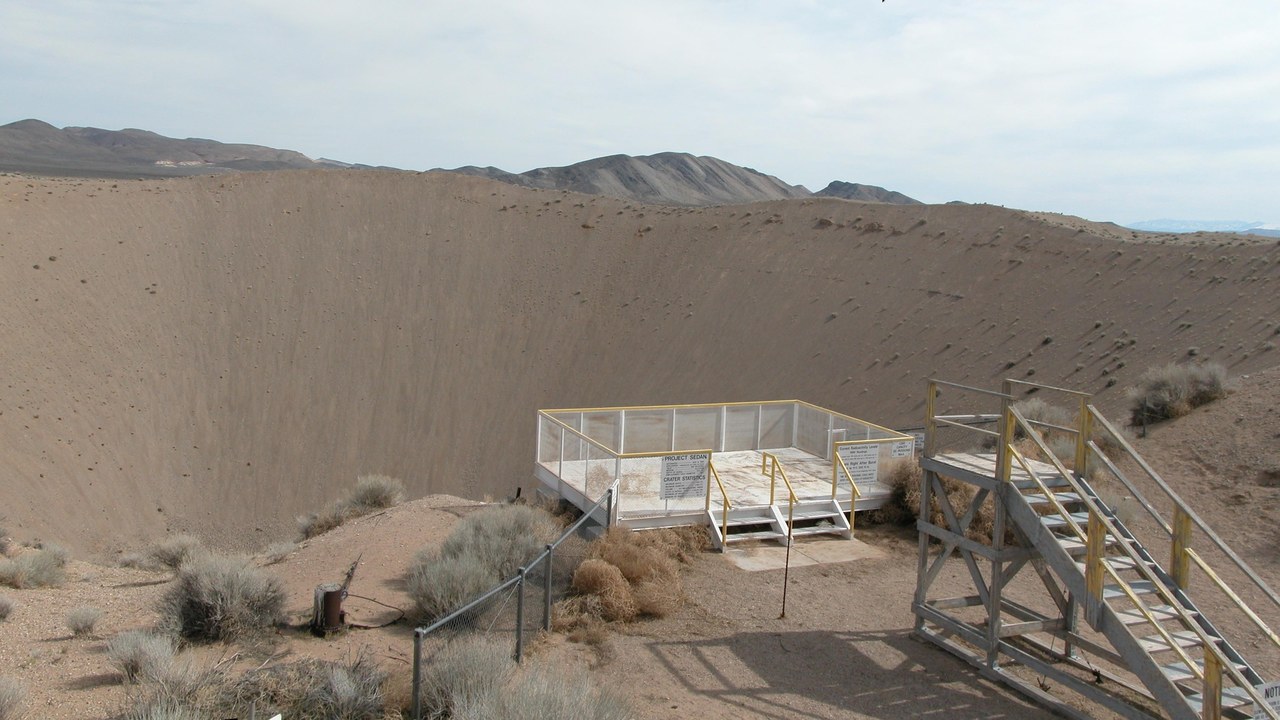
A single 1962 shot at the Nevada Test Site produced a crater 1,280 feet wide and 320 feet deep, and the Sedan crater remains visible on the site’s monthly public tours, according to Nevada Test Site history. Few leftovers of the weapons era are so literal.
The hole is a landscape feature rather than a cleaned-up facility, which is why it earns a spot among places still being managed. Tours restrict cameras, so the experience of standing at the rim is reserved for those who book, and the scale is hard to grasp from descriptions alone.
More from Morning Overview
- Hurricane Hunter radar shows four warning signs that a tropical cyclone is about to strengthen, a University of Miami study found
- NTSB report details how a family of four died when their plane’s nose suddenly pitched up
- Doctors warn a silent liver disease now affects one in three American adults
- Common allergy, bladder and sleep pills tied to sharply higher dementia odds
