
Insurance data shows which cars are most likely to be totaled after a crash and which generate the largest losses per insured vehicle. The rankings draw on total-loss studies built on recent sales and on a Highway Loss Data Institute review of 2014-16 models. Here are twelve vehicles that sit at the costly end of those lists.
1. Ford Mustang: Rare Crashes, Heavy Damage
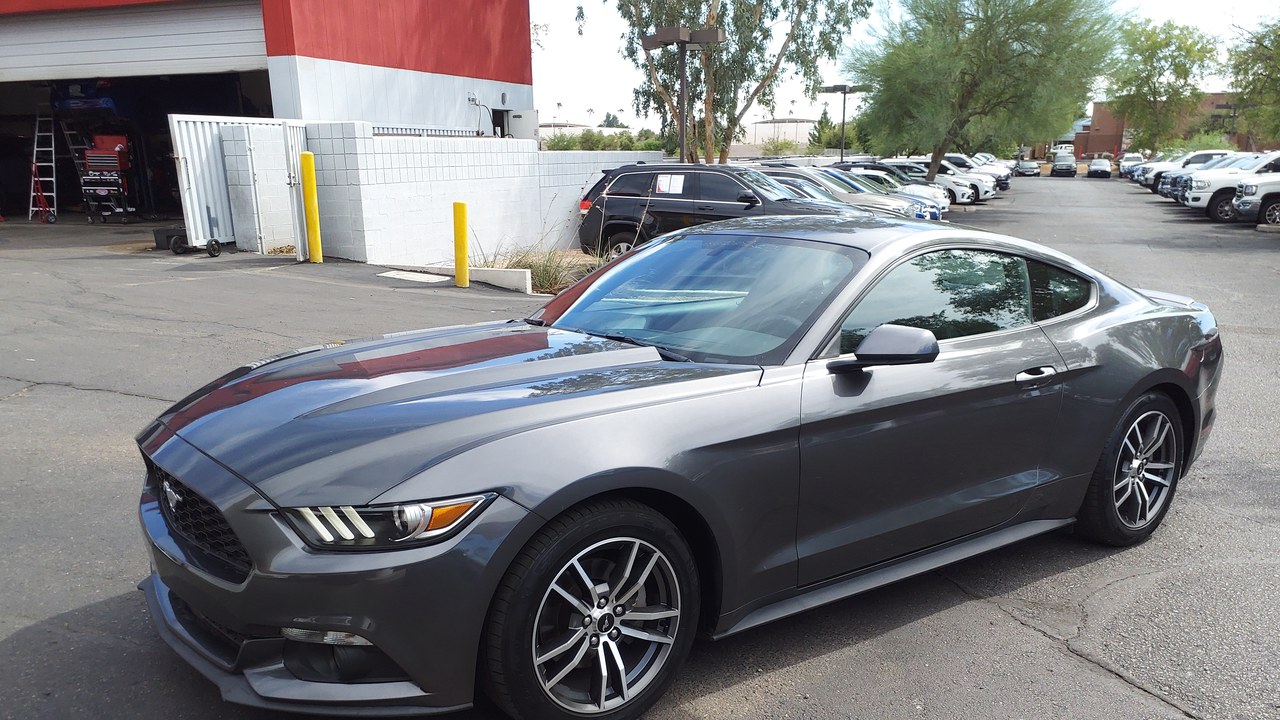
A 2024 total-loss claims analysis put the Mustang first at 14.6% per 100 vehicles, using 2023 sales data. The study’s own explanation was blunt: “This car is not involved in many accidents, but when it takes place, there is a big risk of totaling.”
The figure says little about how often a Mustang crashes and more about what follows a serious impact. Repair estimates on a performance coupe can be large against its market value. Owners should confirm that coverage reflects what the car would actually sell for.
2. Ford Focus: Second by a Tenth
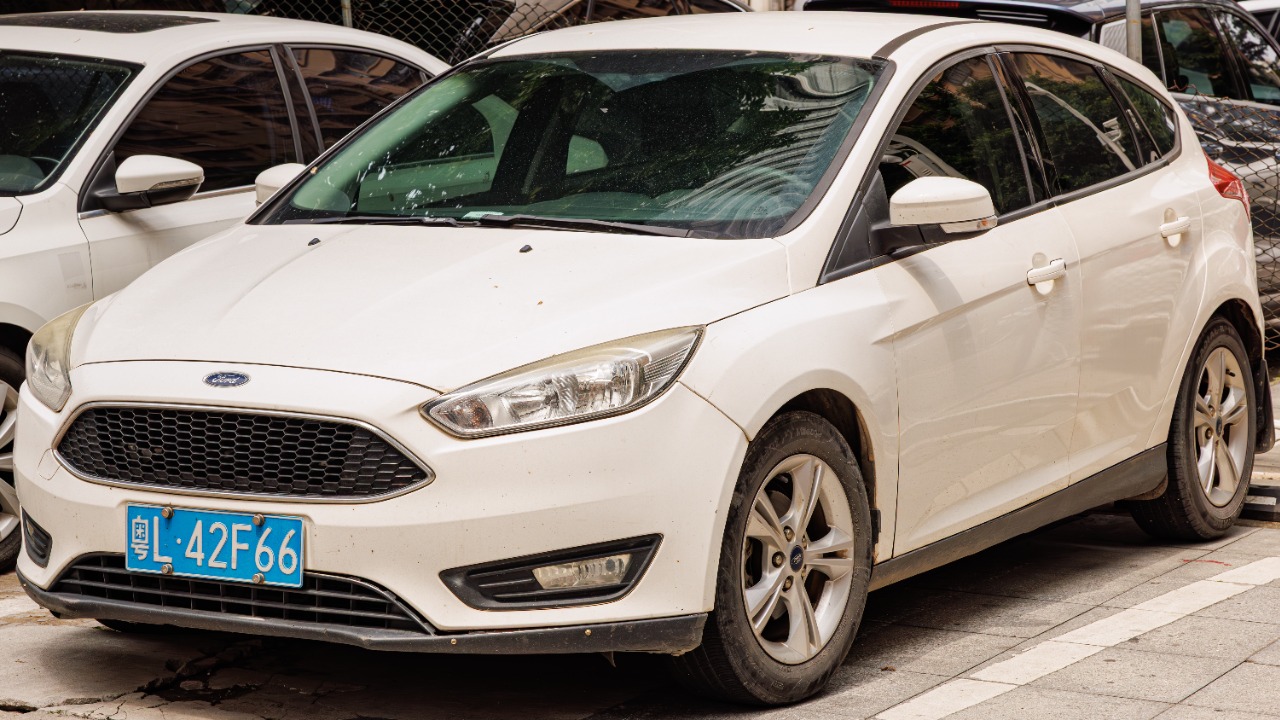
The Focus followed at 14.5% total-loss claims per 100 vehicles in the same 2024 total-loss ranking, a tenth of a point behind the Mustang.
An everyday compact sitting beside a sports coupe suggests that performance is not the only route to a write-off. Modest resale values can mean even moderate repairs push a car past the point where an insurer pays for the fix. Shoppers considering a used Focus should compare collision coverage costs against what the car is worth.
3. Chevrolet Silverado: The Lone Full-Size Pickup
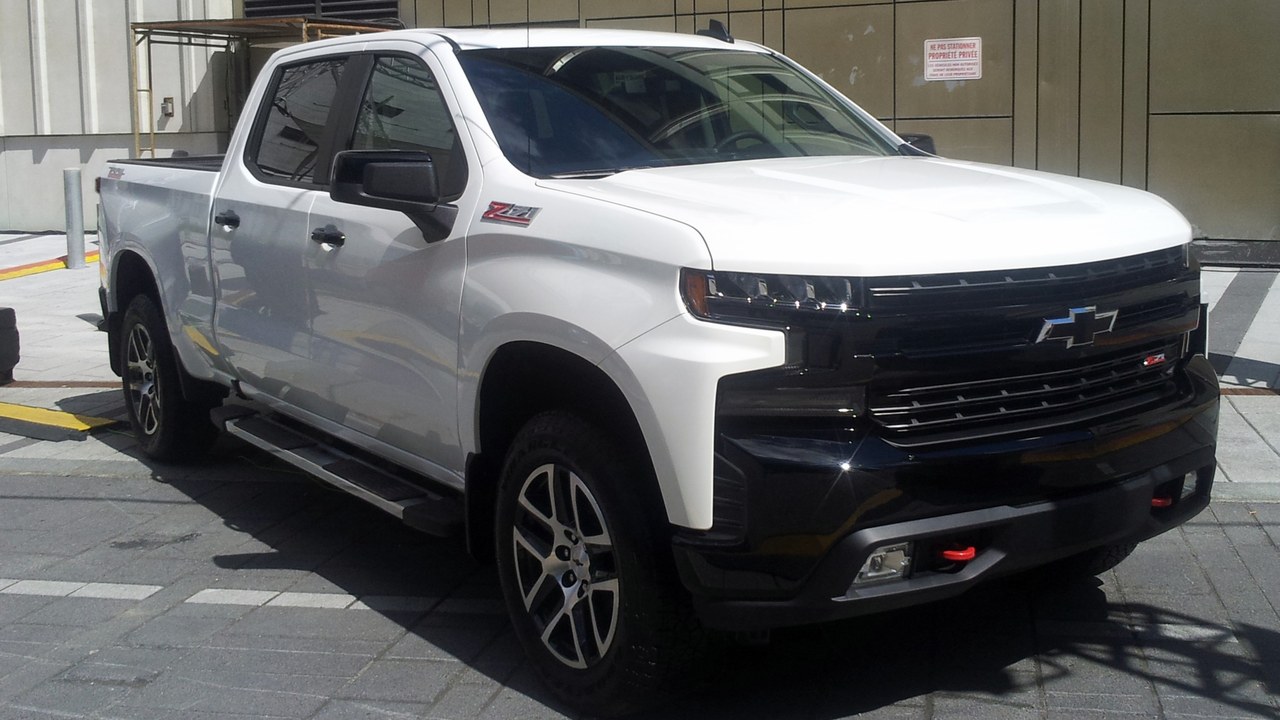
The Silverado LD placed third at 14.5% in the total-loss study, and it was the only full-size pickup in the top ten.
Trucks are often assumed to shrug off crashes, so the placement runs against intuition. The ranking measures claims that ended in write-offs, not injuries or repair frequency, so it is no verdict on durability or crash safety. Owners of older pickups could still review whether collision coverage matches the truck’s current value.
4. Dodge Challenger: Muscle Car, Fourth Place
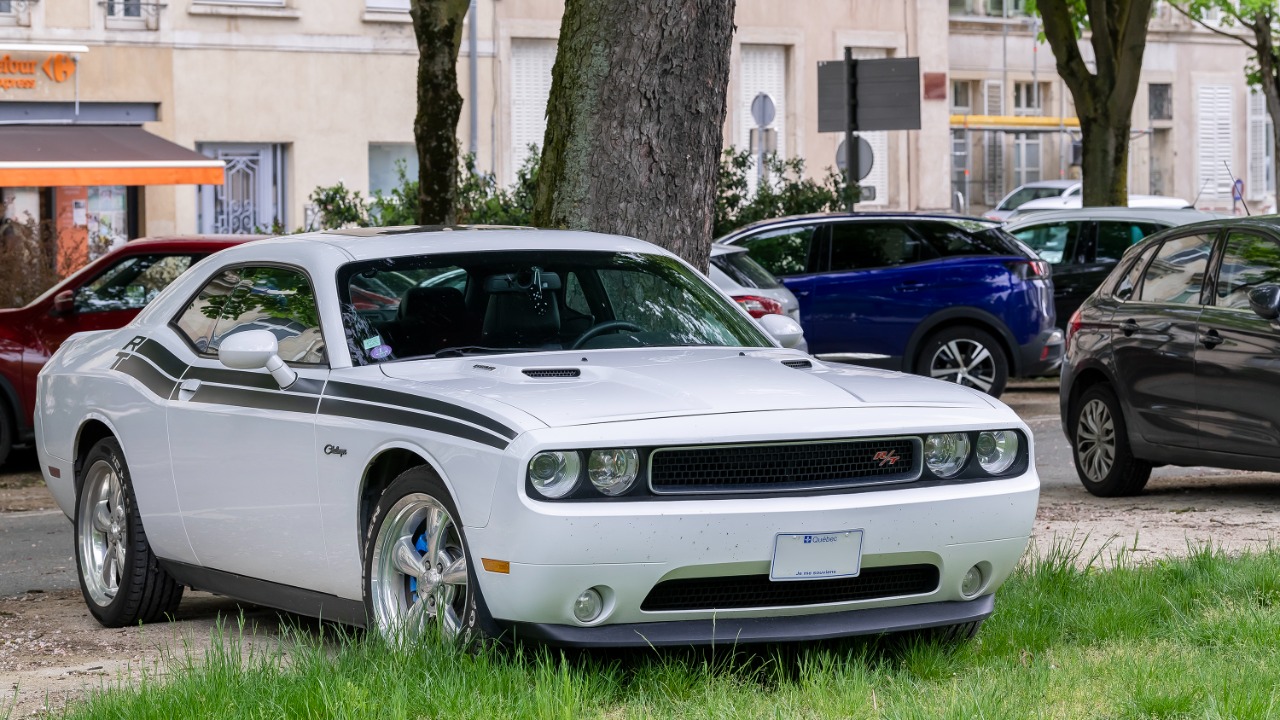
Fourth at 14.2%, the Challenger finished just ahead of the Ford Fusion and Subaru WRX, both at 14.1%, in a top-ten total-loss list where the Mustang’s 14.6% set the pace.
Only half a point separated first place from fifth, which shows how tightly the leading models bunched. Buyers of a used Challenger should check accident history carefully, since a car that has been repaired once may carry hidden structural trouble, and premiums for such models could reflect write-off risk.
5. Chevrolet Volt: Highest Rate in Either Study
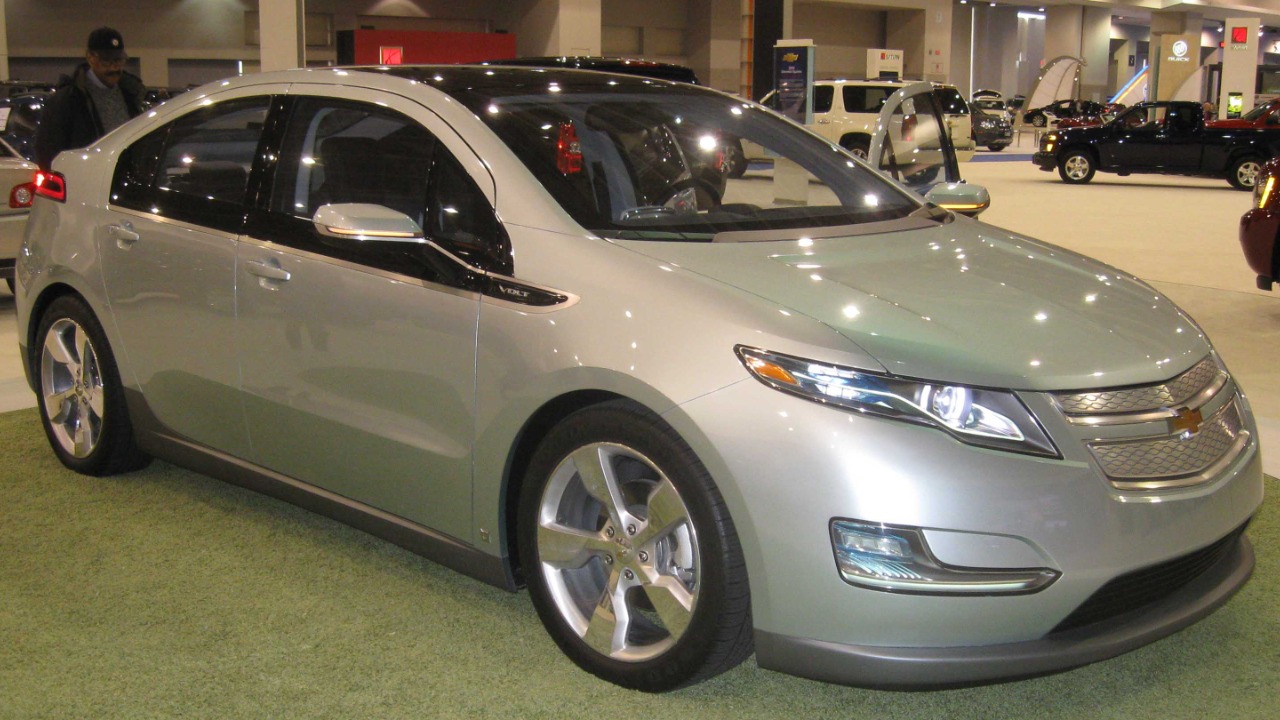
At 16.47%, the Volt posted the worst total-loss rate among electrified cars and the highest figure in either study, according to electrified vehicle total-loss rankings built on 2023 sales data.
The number tops even the gasoline-powered Mustang’s 14.6%, so electrification did not guarantee a better outcome. Hybrid-system repairs can be costly relative to an aging car’s value, which may tip borderline damage toward a write-off. Prospective Volt buyers should ask about collision history and any high-voltage battery damage before purchase.
6. Lexus CT: Hybrid Runner-Up
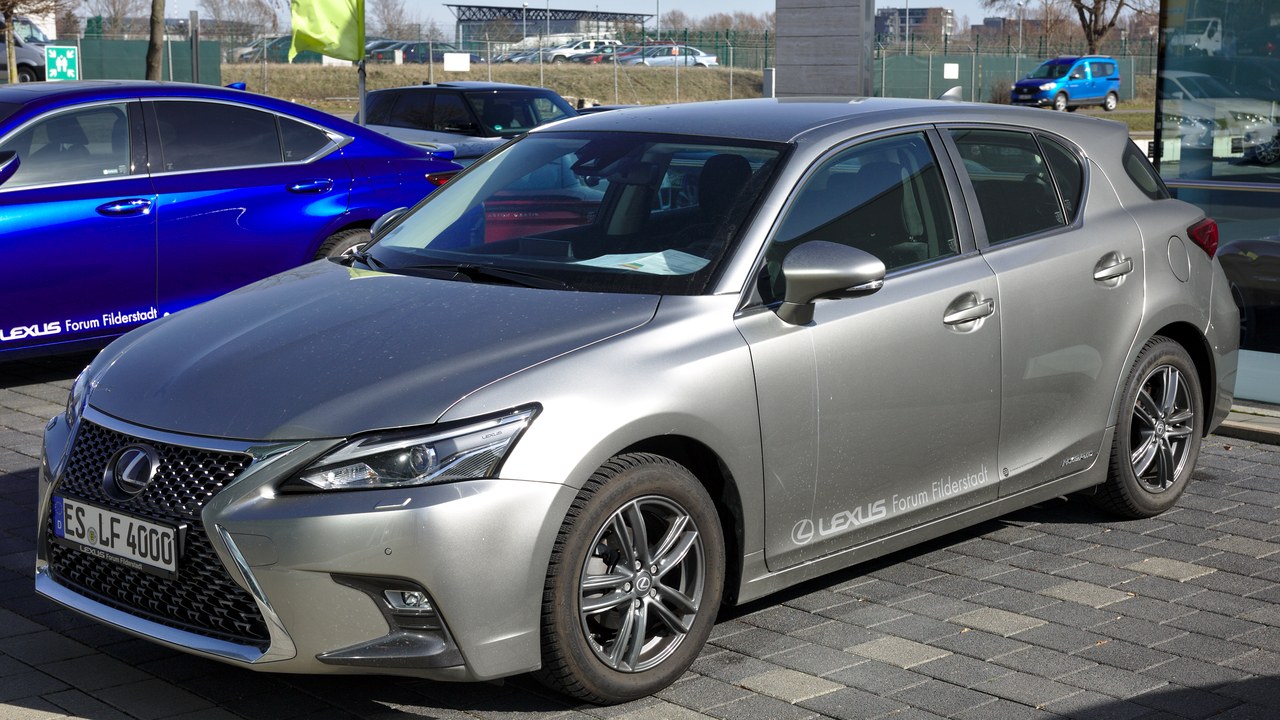
The Lexus CT ranked second among hybrids at 10.25%, more than three times the Prius’s own rate, in the same electrified total-loss data.
A premium compact hybrid landing so far above the best-known hybrid hints that brand badge and price do not predict write-off risk. Used CT shoppers could find insurance quotes higher than expected for a small car, and a vehicle history report is worth reading closely before any money changes hands, since a prior write-off can linger in the record.
7. Toyota Prius v: Wagon Versus Hatchback
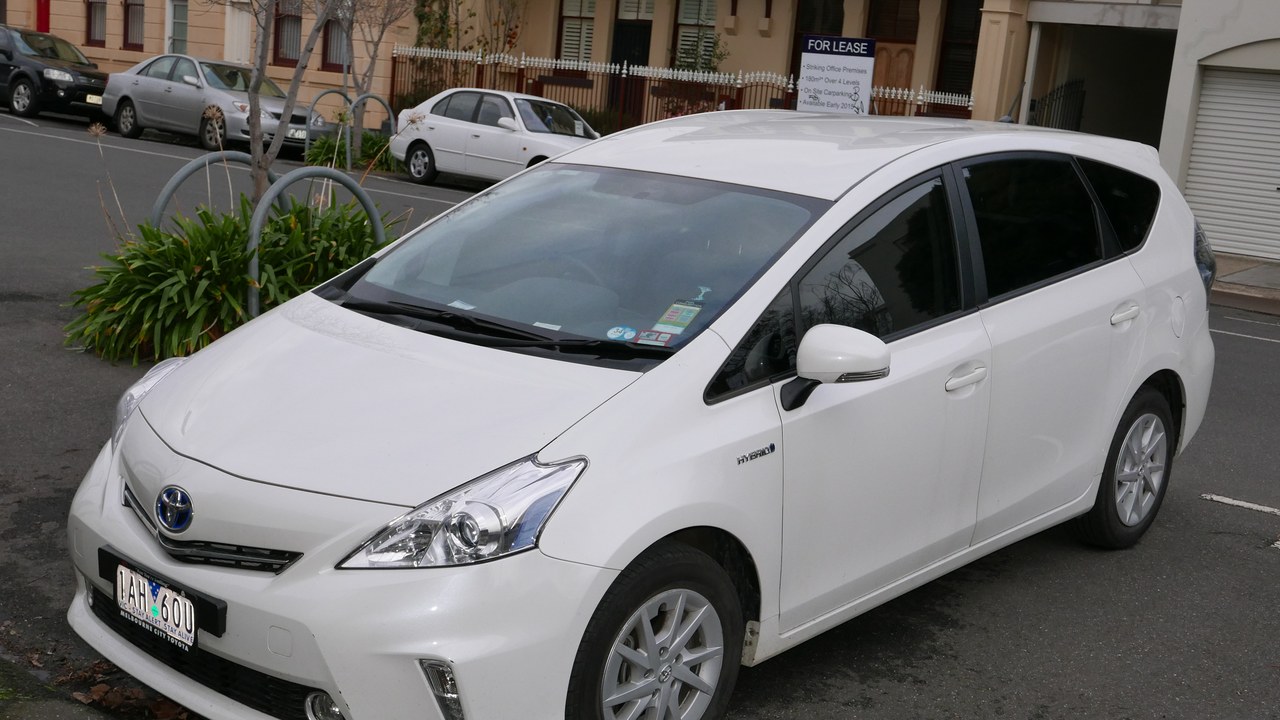
Third at 6.46%, the Prius v more than doubled the 2.63% recorded by the standard Prius, per the hybrid total-loss figures.
Two cars sharing a name and a powertrain still landed far apart, so a model name alone is a poor guide to claim outcomes. Anyone comparing a Prius v with a regular Prius should treat insurance quotes as part of the cost of ownership, not an afterthought, because the gap between 6.46% and 2.63% suggests risk can differ sharply within one family.
8. Volvo S60: Fourth Among Electrified
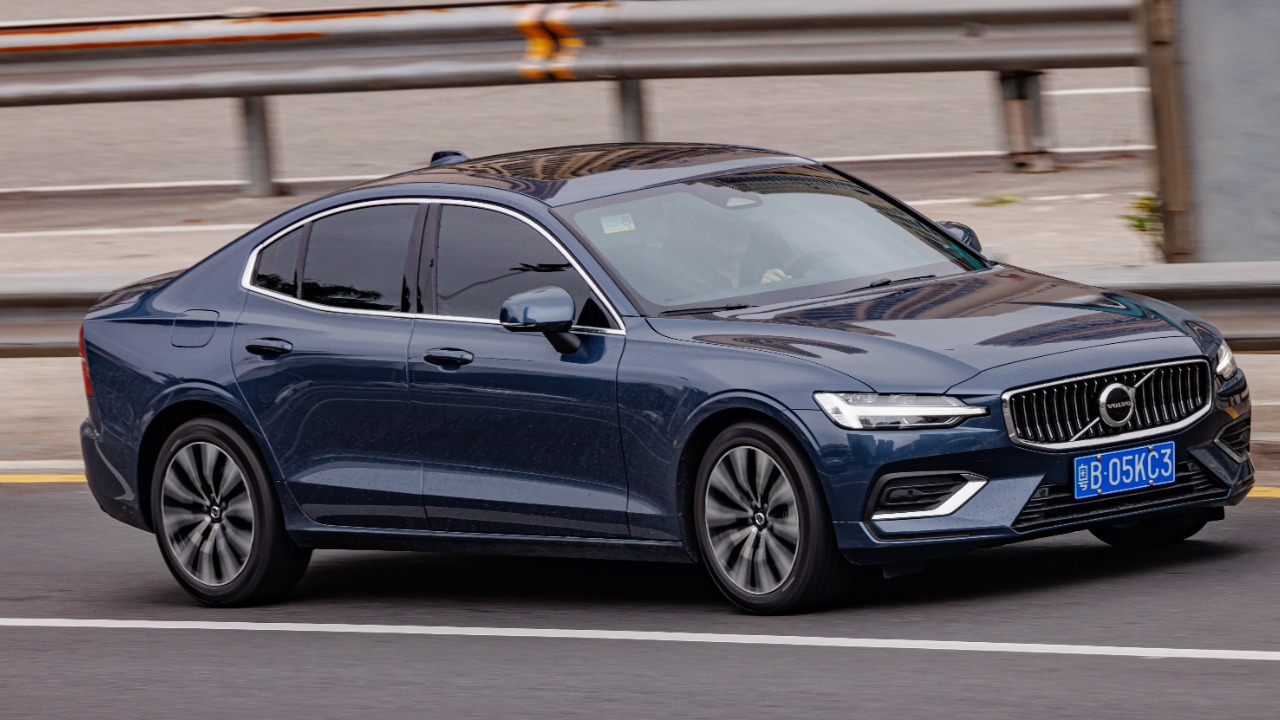
The S60 ranked fourth among electrified models at 4.32%, ahead of the Hyundai Ioniq at 3.28%, in the CarPro electrified ranking.
Fourth place sits well below the Volt and Lexus CT, yet it still exceeds the standard Prius by a wide margin. A plug-in sedan from a brand known for safety is a reminder that crash protection and write-off rates measure different things. Owners should expect costly repair bills after collisions and ask shops about parts availability.
9. Bentley Continental GT: Six and a Half Times Average
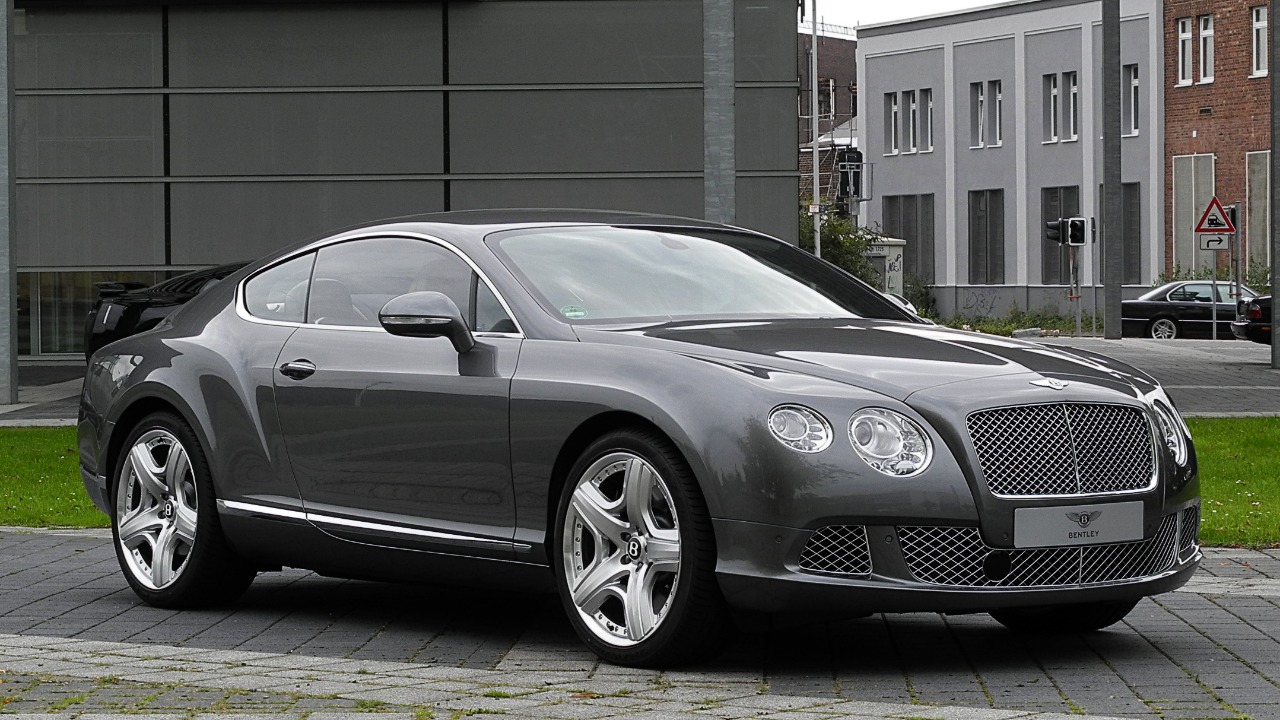
The Highway Loss Data Institute’s overall loss ranking put the Continental GT on top at $2,536 in overall losses per insured vehicle year, which it called “6.5 times higher than the $390 average of all vehicles.”
The list covered 2014-16 models, and the gap shows how expensive a luxury grand tourer can be to insure when claims arrive. Parts and labor for a car in this class carry high price tags. Buyers of a used Bentley should obtain insurance quotes before signing anything.
10. BMW i8: Hybrid Among Exotics
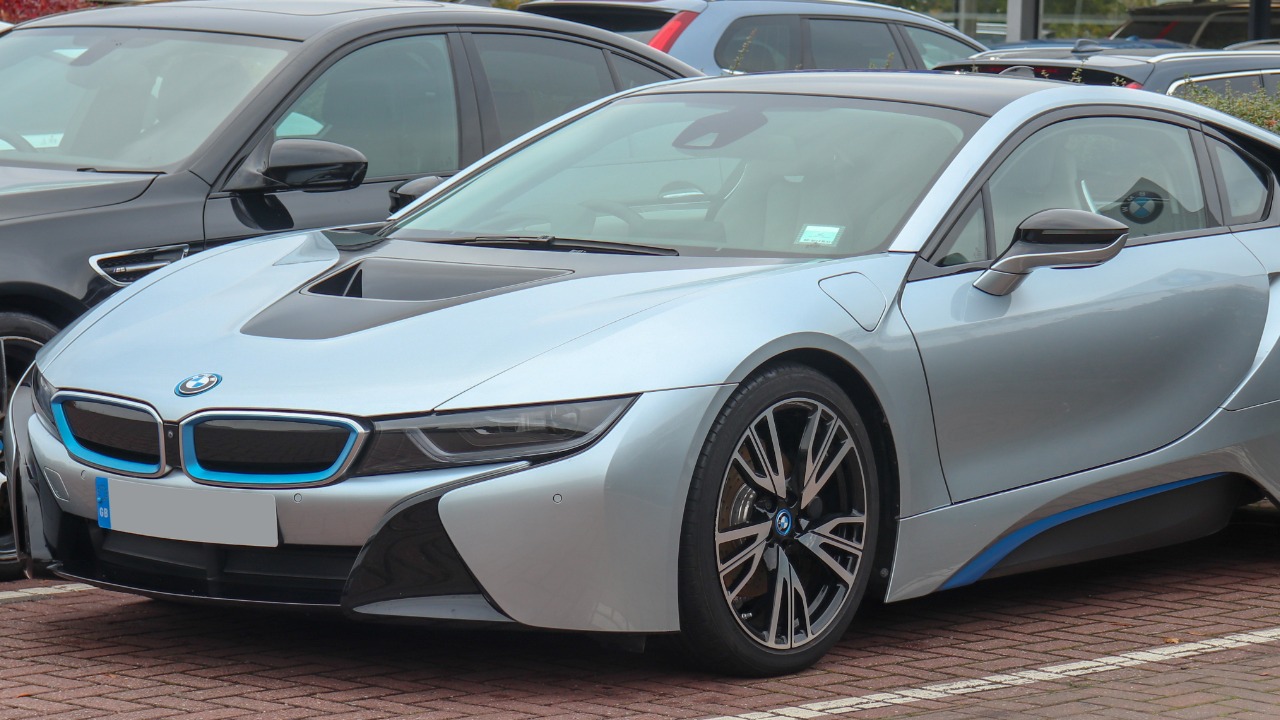
The BMW i8 placed fourth worst at $1,657 in overall losses per insured vehicle year, according to a KBB insurance-loss roundup, and was the only plug-in hybrid near the top.
A low-volume plug-in sports coupe could pair costly parts with few cars over which to spread risk, though the list does not say which factor mattered most. Anyone eyeing a used i8 should price insurance early, because the loss figure is more than four times the $390 all-vehicle average.
11. Maserati GranTurismo: Grand Tourer, Big Losses
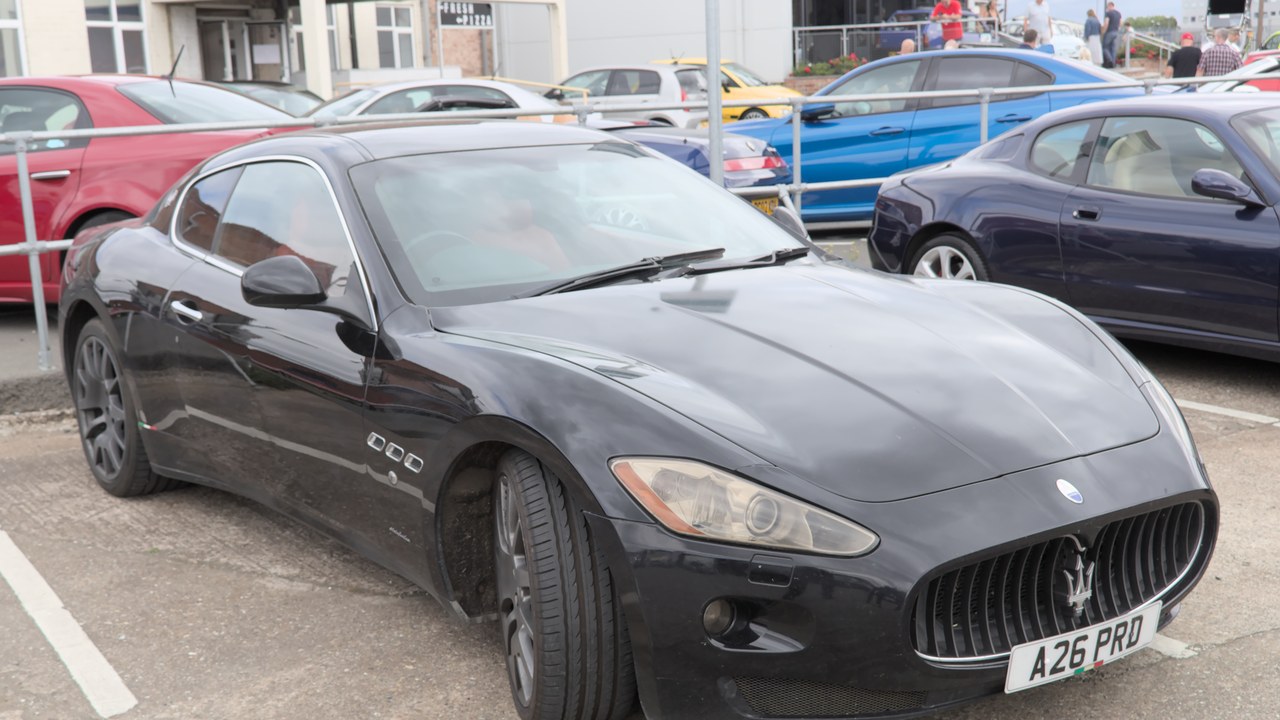
The Maserati GranTurismo recorded $1,597 in overall losses per insured vehicle year, against a $390 all-vehicle average, in Highway Loss Data Institute findings.
That is roughly four times the norm, which put the GranTurismo among the most expensive models to cover. Italian grand tourers tend to be driven less than family cars, so the high figure points to expensive claims, not frequent ones. Prospective owners should ask insurers about coverage terms and deductibles in advance.
12. Mitsubishi Lancer: Injury Claims Double the Norm
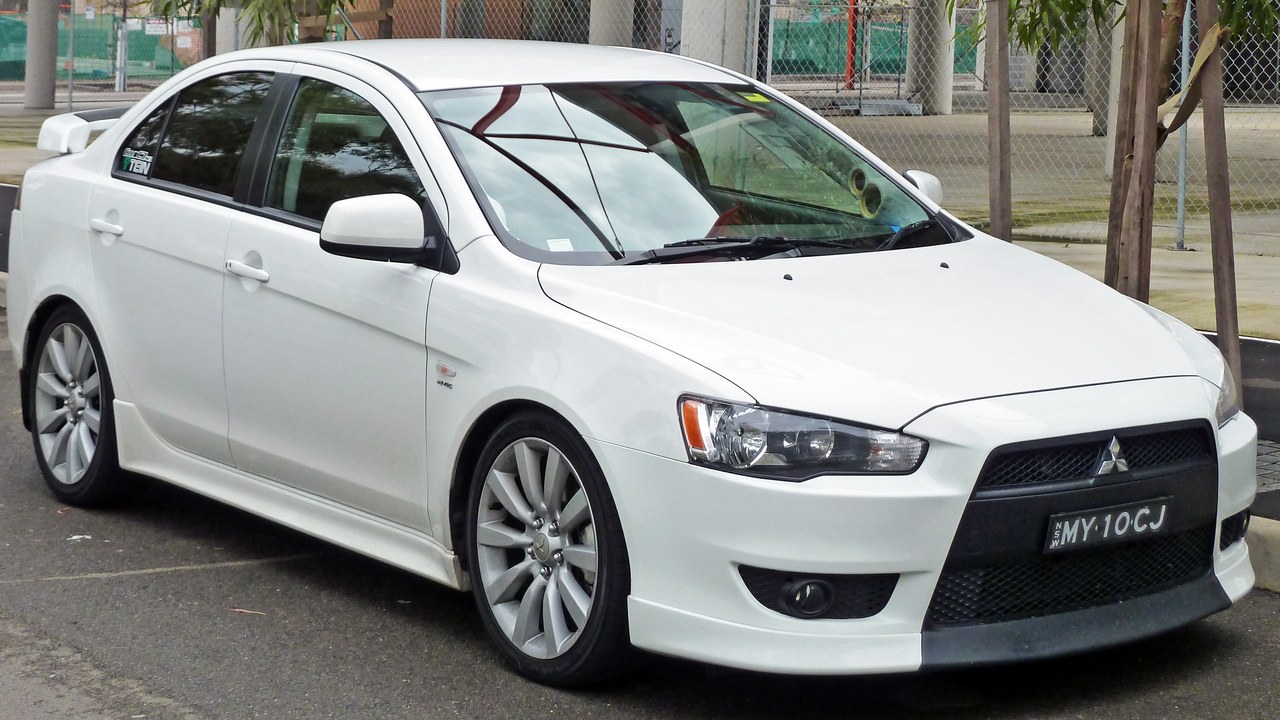
The Lancer generated 36 claims for personal injury protection per 1,000 insured vehicle years, “about double the industry average” and the worst of any model studied, according to personal-injury-protection claim rates.
Personal injury protection pays medical costs for occupants, so a high rate points to injuries, not just dented metal. Drivers in states with such coverage may see the effect in premiums. Used Lancer shoppers should compare quotes and review the safety equipment on any specific car.
More from Morning Overview
- Verizon just moved to cut landline phone service in 9 states within weeks
- Tropical Storm Rachel is dumping up to 12 inches on four Mexican states on its way to major hurricane strength
- The NSA is again telling phone owners to switch off one location setting
- Card skimmers hidden on gas pumps and ATMs are draining accounts, and here’s the tell
