
Most drivers expect the speed readout to sit directly beyond the steering wheel, so moving it sideways changes a deeply learned habit. These cars treated the middle of the dashboard as valuable instrument space rather than neutral trim. Some layouts became beloved signatures, while others remained a small but memorable test of adaptation.
1. Mini Hatch: The Giant Center Dial
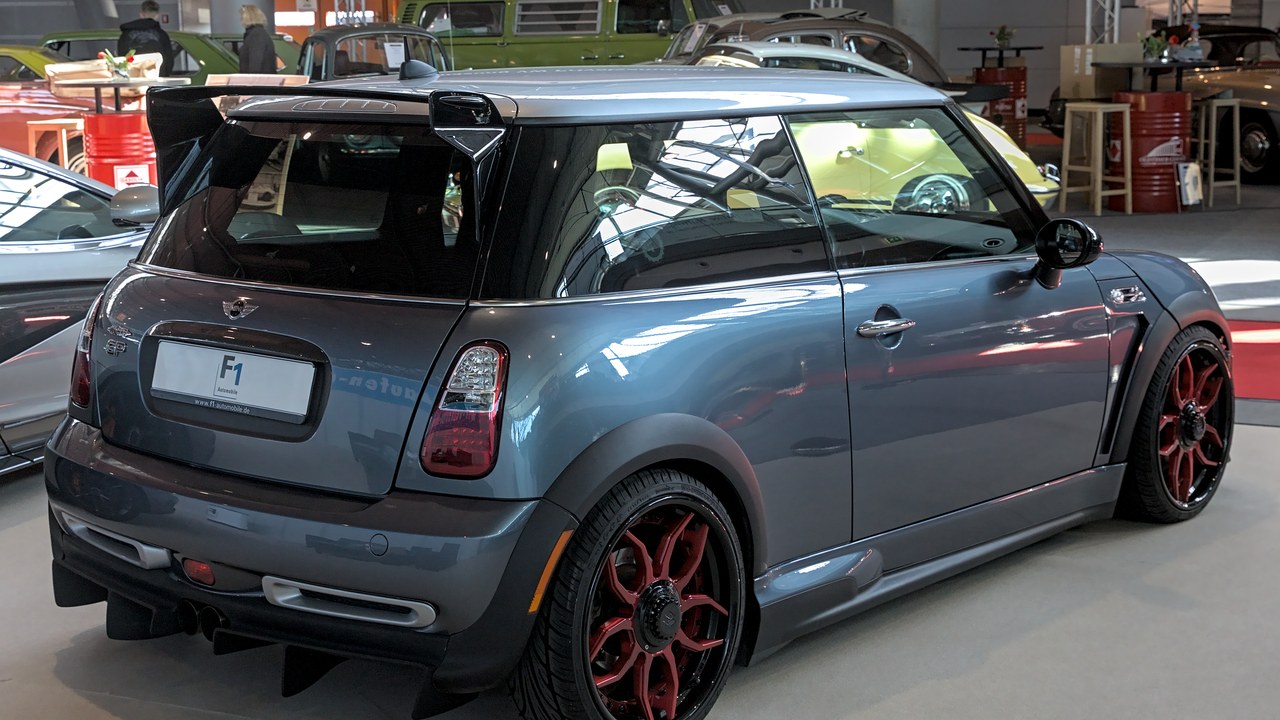
The Mini Hatch is a natural place to begin. The oversized center speedometer became a modern MINI signature. This is the documented feature that connects the example to the gallery’s central idea.
A central cluster changes the driver’s glance from straight ahead to slightly across the cabin, while opening the area behind the wheel for a cleaner dashboard and easier left- or right-hand-drive packaging. That makes the feature easy to notice, but its lasting importance comes from how consistently it addresses the underlying problem. In short, the instrument layout does real work even when the machinery or biology behind it stays out of sight.
2. Toyota Prius: A Higher Line Of Sight

In the Toyota Prius, the unusual idea is central rather than incidental. A high central display freed the view directly behind the wheel. This is the documented feature that connects the example to the gallery’s central idea.
A central cluster changes the driver’s glance from straight ahead to slightly across the cabin, while opening the area behind the wheel for a cleaner dashboard and easier left- or right-hand-drive packaging. The benefit is inseparable from the compromise, which is why the layout deserves more attention than a novelty or styling flourish. In short, the instrument layout does real work even when the machinery or biology behind it stays out of sight.
3. Toyota Yaris: Cluster In The Middle
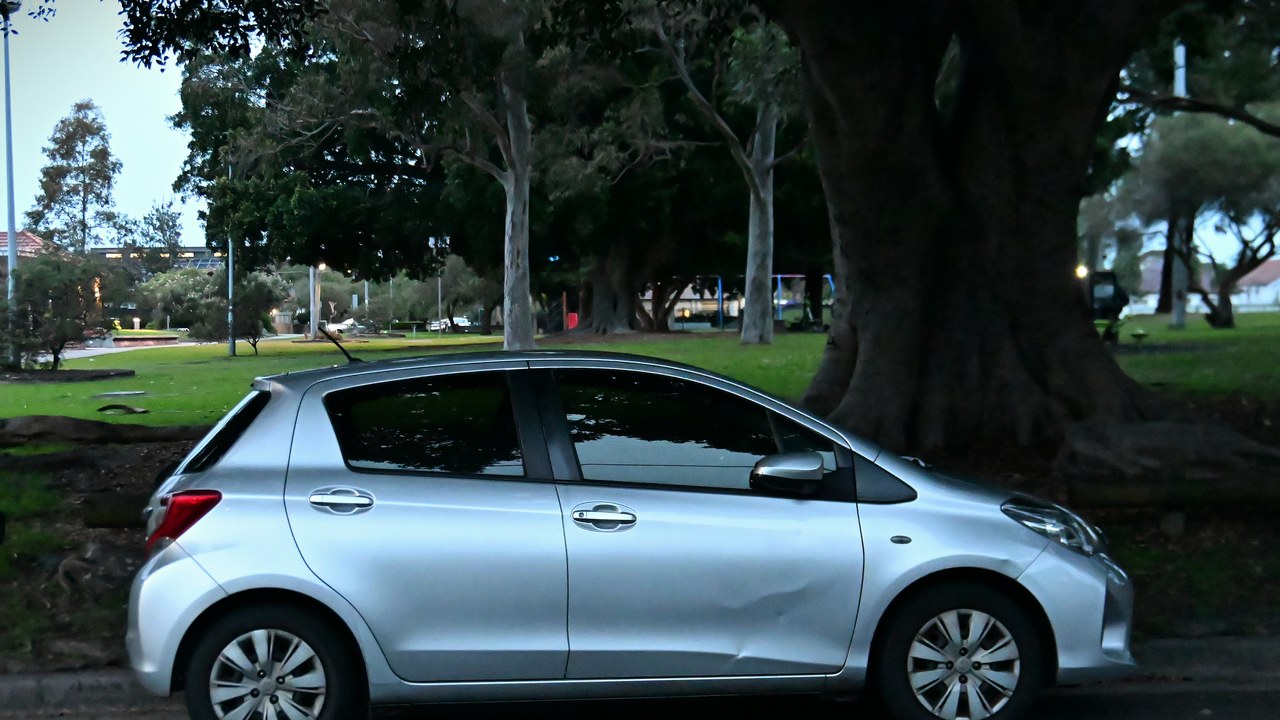
The case for including the Toyota Yaris starts with one defining detail. Early hatchbacks moved the cluster to the dashboard center. This is the documented feature that connects the example to the gallery’s central idea.
A central cluster changes the driver’s glance from straight ahead to slightly across the cabin, while opening the area behind the wheel for a cleaner dashboard and easier left- or right-hand-drive packaging. Seen in context, the choice is a practical response to packaging and use, not an isolated fact from a specification sheet. In short, the instrument layout does real work even when the machinery or biology behind it stays out of sight.
4. Saturn Ion: A Bare Steering Column
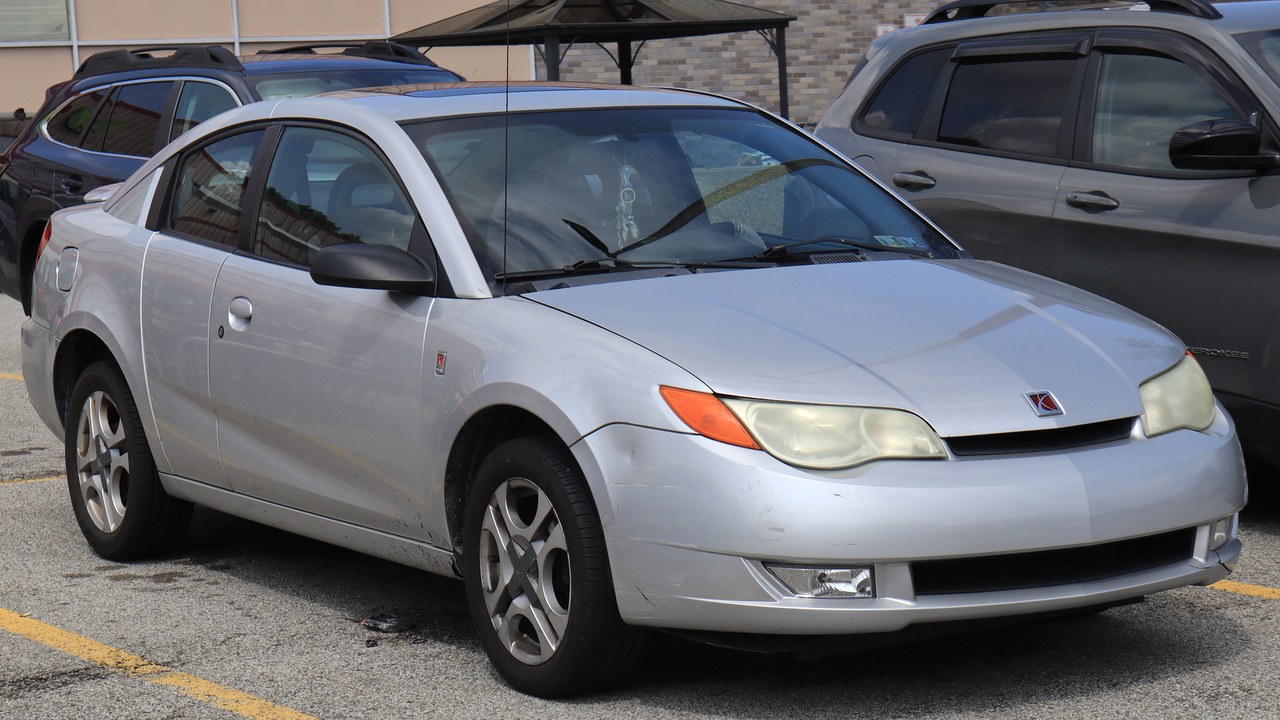
Look past the familiar outline of the Saturn Ion and the engineering choice becomes clear. A central pod left the steering column unusually bare. This is the documented feature that connects the example to the gallery’s central idea.
A central cluster changes the driver’s glance from straight ahead to slightly across the cabin, while opening the area behind the wheel for a cleaner dashboard and easier left- or right-hand-drive packaging. Its value appears in ordinary operation, where the design changes what the user, operator or observer can do and perceive. In short, the instrument layout does real work even when the machinery or biology behind it stays out of sight.
5. Toyota Echo: Digital And High Mounted
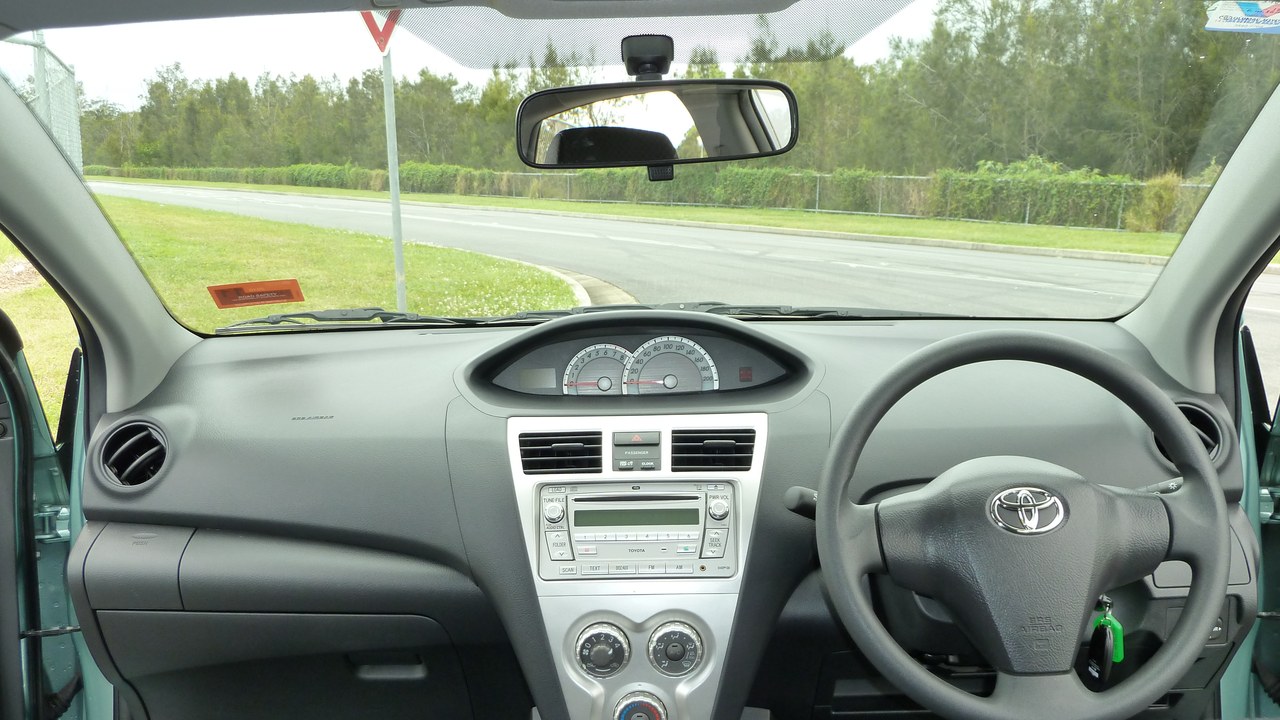
The Toyota Echo approaches the same challenge from a distinctive direction. The digital cluster sat high and centered near the windshield. This is the documented feature that connects the example to the gallery’s central idea.
A central cluster changes the driver’s glance from straight ahead to slightly across the cabin, while opening the area behind the wheel for a cleaner dashboard and easier left- or right-hand-drive packaging. The result is memorable because the visible feature and the less obvious functional consequence are tightly connected. In short, the instrument layout does real work even when the machinery or biology behind it stays out of sight.
6. Scion xB: Boxy Cabin, Centered Gauges
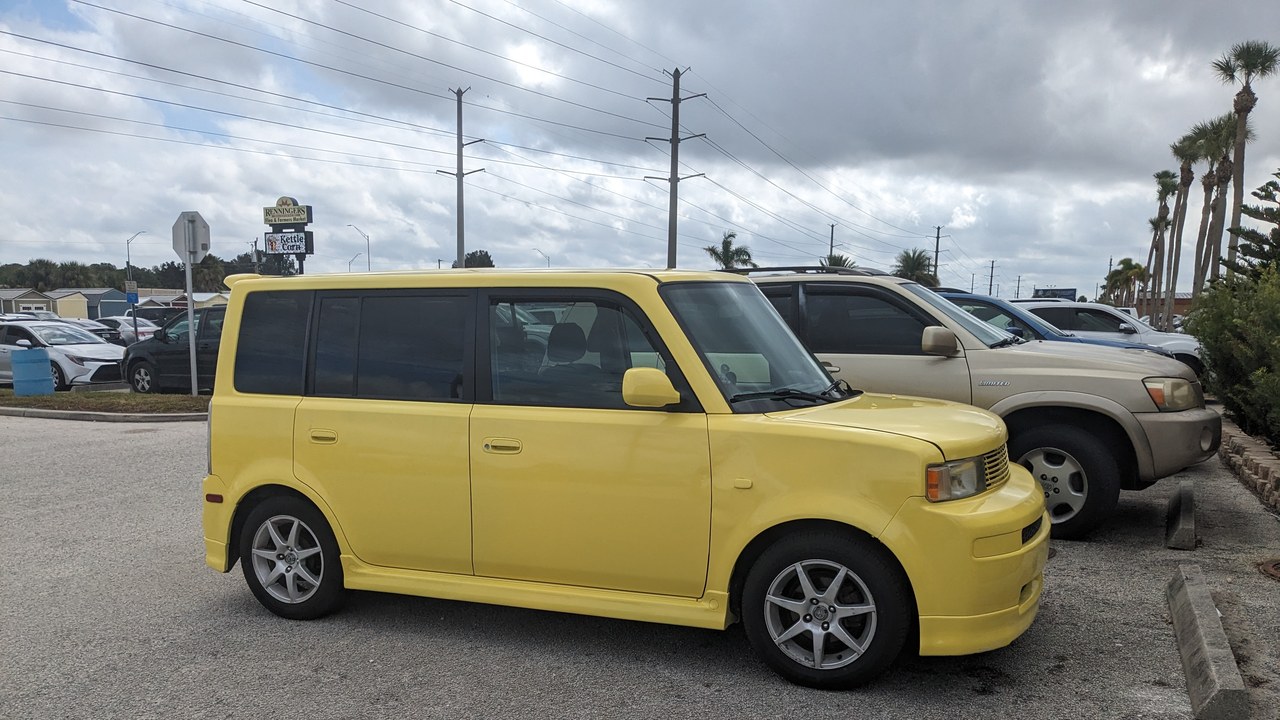
With the Scion xB, the feature is part of the underlying package. Its center-mounted gauges matched the cabin’s boxy minimalism. This is the documented feature that connects the example to the gallery’s central idea.
A central cluster changes the driver’s glance from straight ahead to slightly across the cabin, while opening the area behind the wheel for a cleaner dashboard and easier left- or right-hand-drive packaging. It also shows why similar goals can produce different hardware: the surrounding vehicle, habitat or mission sets the constraints. In short, the instrument layout does real work even when the machinery or biology behind it stays out of sight.
7. Nissan X-Trail: First Generation Center Pod
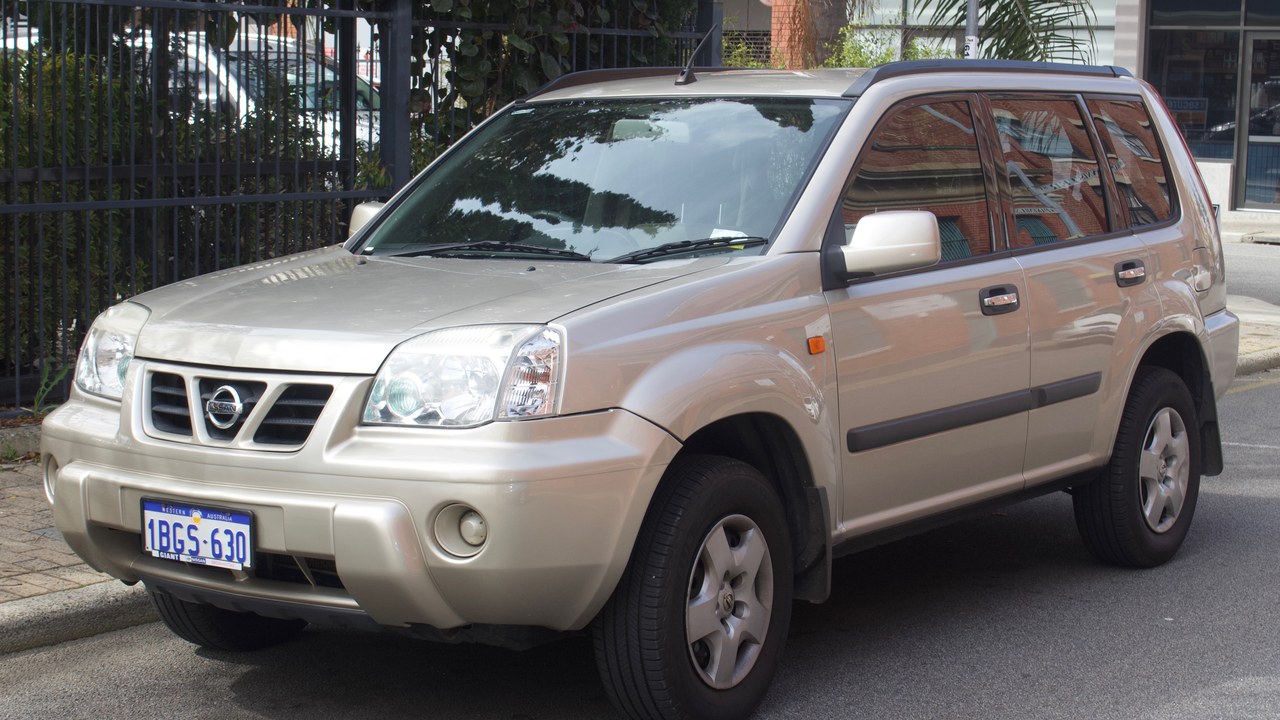
The Nissan X-Trail earns its spot through a particularly direct version of the idea. First-generation models grouped the instruments in the middle. This is the documented feature that connects the example to the gallery’s central idea.
A central cluster changes the driver’s glance from straight ahead to slightly across the cabin, while opening the area behind the wheel for a cleaner dashboard and easier left- or right-hand-drive packaging. That distinction keeps the example precise; it belongs here for a working capability, not merely a resemblance to the others. In short, the instrument layout does real work even when the machinery or biology behind it stays out of sight.
8. Renault Twingo: A Sparse Digital Readout
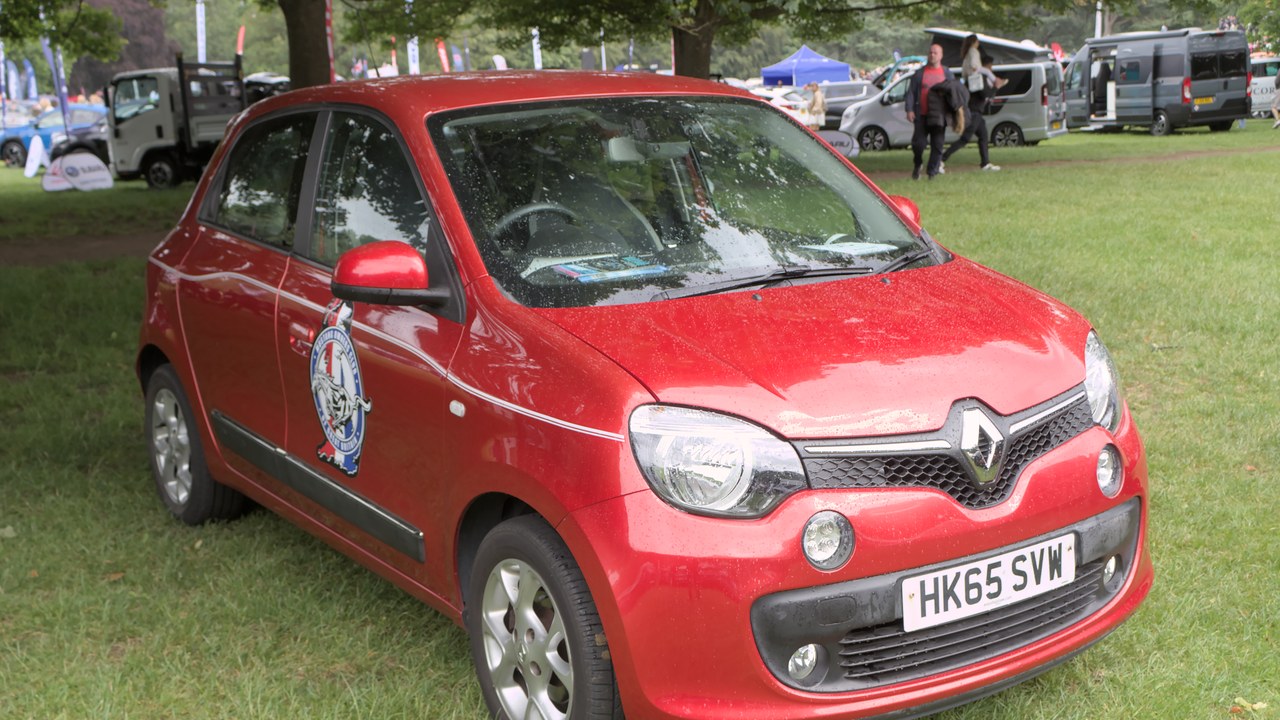
The final example, the Renault Twingo, broadens the pattern. The original city car used a sparse central digital display. This is the documented feature that connects the example to the gallery’s central idea.
A central cluster changes the driver’s glance from straight ahead to slightly across the cabin, while opening the area behind the wheel for a cleaner dashboard and easier left- or right-hand-drive packaging. Together with the earlier examples, it shows a coherent principle expressed through very different forms and operating conditions. In short, the instrument layout does real work even when the machinery or biology behind it stays out of sight.
More from Morning Overview
