
Luxury buyers have swapped sedans for crossovers so completely that automakers keep trimming trunk-lid lineups every model year. Yet a stubborn handful of three-box options survive, still built for drivers who prize a lower center of gravity, sharper handling and quieter cabins over extra ground clearance. Here are nine luxury sedans that remain on sale despite the industry’s wholesale pivot toward SUVs.
1. BMW 5 Series: The Executive Benchmark Holds Its Ground
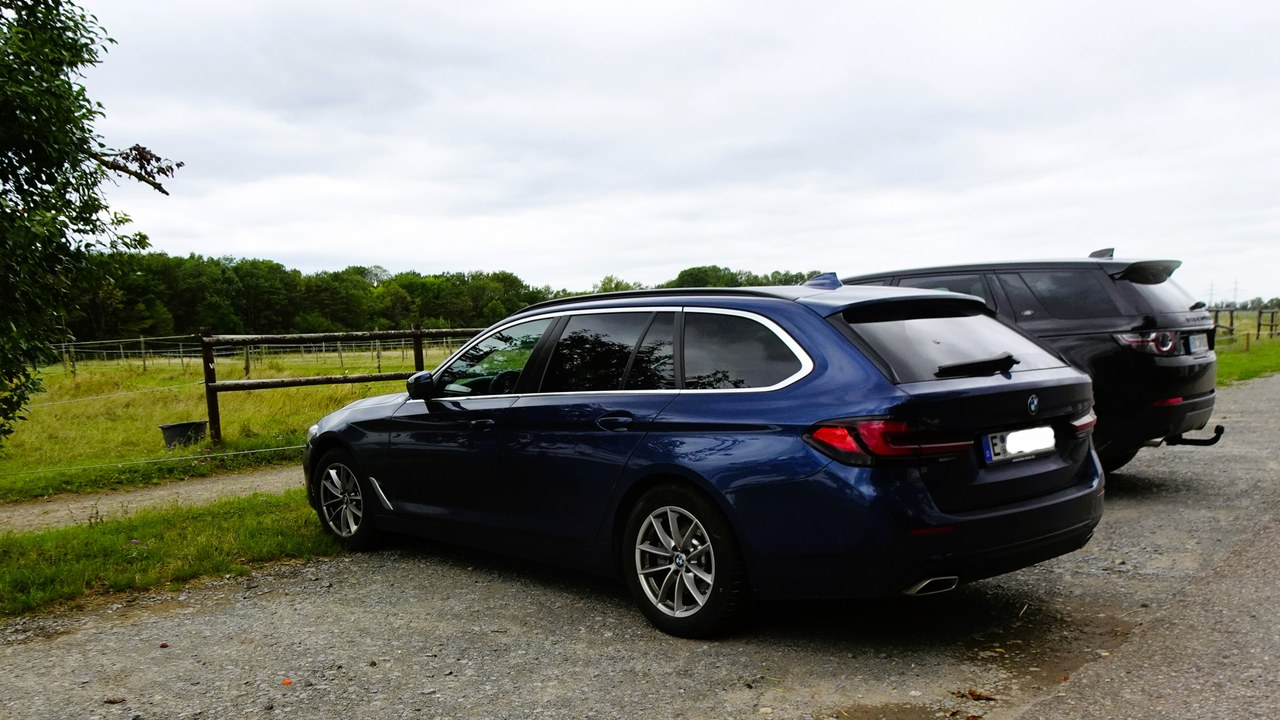
The executive sedan lineup still offers rear-wheel-drive handling as its default character, with an available xDrive all-wheel system for slick-road traction and a plug-in hybrid drivetrain that pairs a turbocharged four-cylinder engine with an electric motor to add low-speed torque the gasoline engine alone cannot match, plus a fully electric i5 variant built on the same body.
For a buyer cross-shopping a midsize crossover, the sedan trades a few inches of headroom and cargo space for a lower stance, sharper steering feedback and a quieter cabin at highway speed, the classic sedan trade-off that keeps a loyal slice of buyers away from SUVs entirely.
2. Mercedes-Benz E-Class: A Nameplate That Refuses To Fade

The midsize luxury nameplate has run continuously since the 1950s under various generation codes, longer than almost any rival sedan, and still ships as a sedan, wagon and coupe-styled body in a lineup where most competitors have shrunk to a single four-door shape, with plug-in hybrid and mild-hybrid six-cylinder options across the range.
That body-style variety is the point: a wagon buyer or a coupe buyer has almost nowhere else to go in the luxury segment now that most brands sell only crossovers, which keeps a small but loyal customer base returning generation after generation instead of switching to an SUV.
3. Audi A6: Tech-Forward Sedan Still Fighting
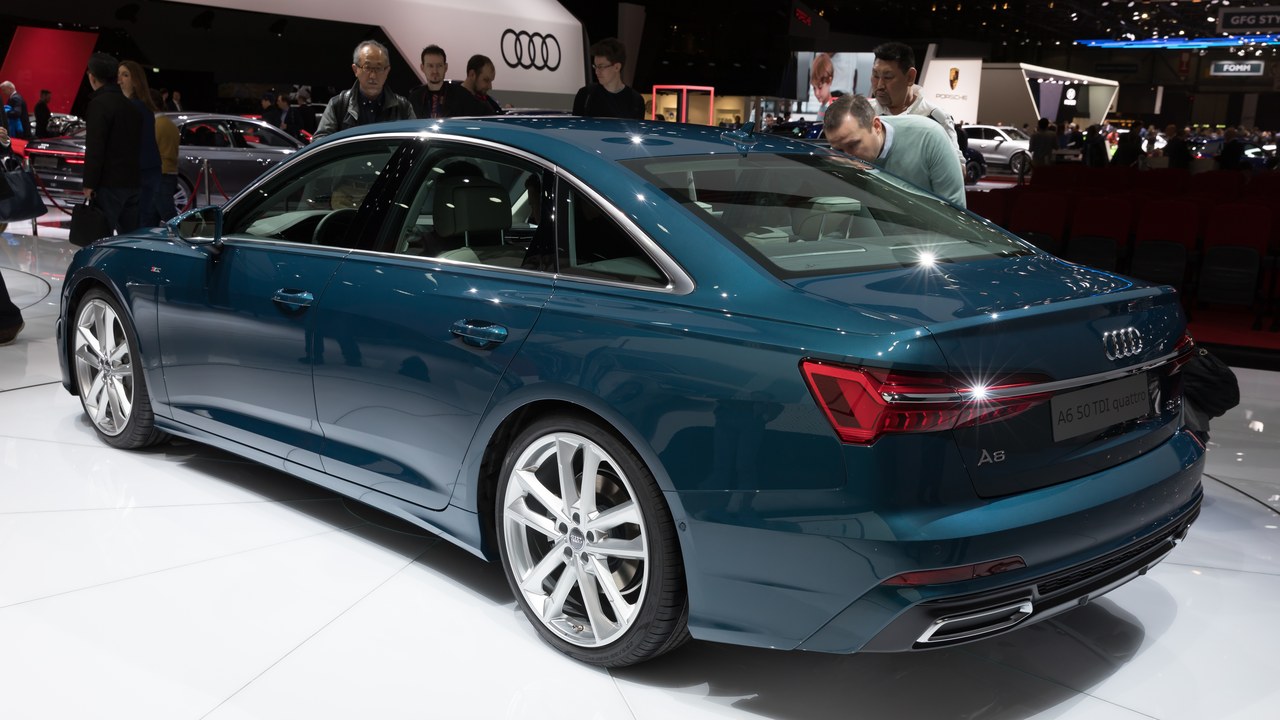
The tech-forward executive sedan carries Audi’s digital-cockpit instrument cluster and touch-based climate controls as standard, along with quattro all-wheel drive on most trims and a mild-hybrid 48-volt system that shuts the engine off earlier while coasting to trim fuel use without sacrificing the brand’s traditional emphasis on interior build quality.
For a buyer who wants the latest cabin technology without stepping up to the flagship A8, the A6 delivers most of the same screens and driver-assist features at a lower price, which explains why Audi keeps investing in the model even as SUV sales dwarf it.
4. Lexus ES: Comfort And Reliability Over Flash
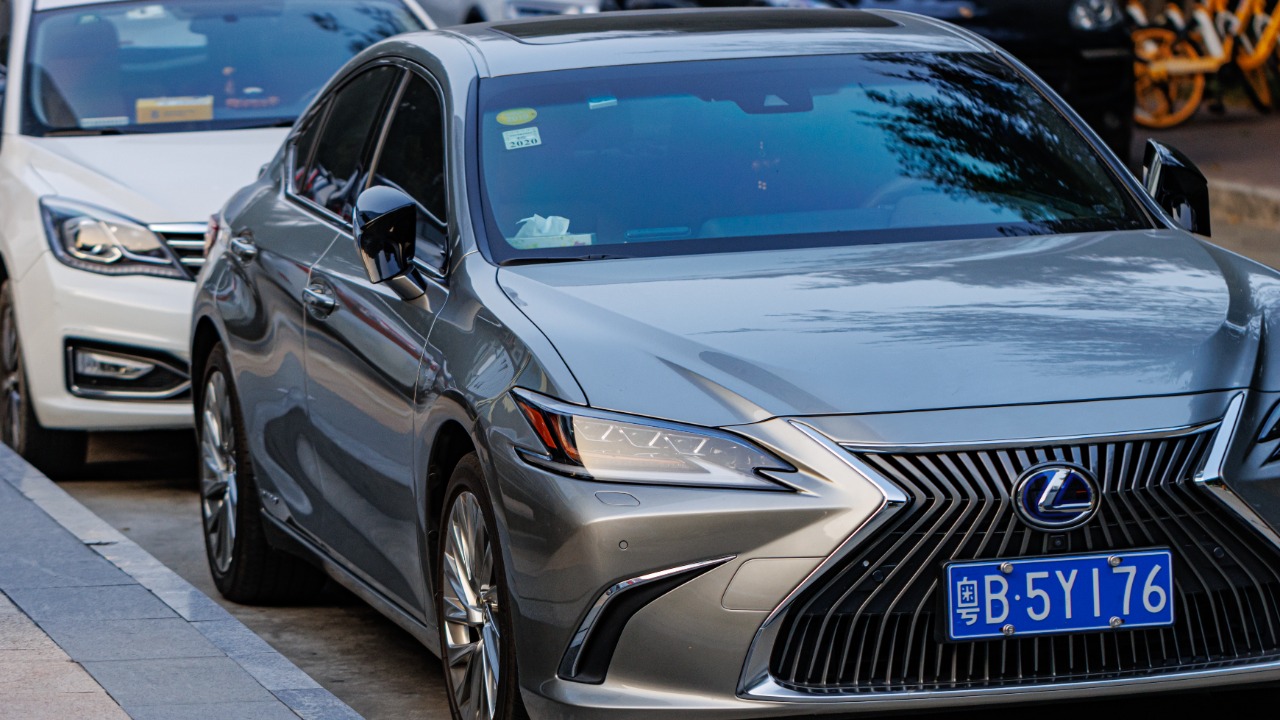
The comfort-oriented luxury sedan shares its front-wheel-drive platform with the Toyota Camry, which lets Lexus lean on that platform’s well-documented reliability record while adding a quieter cabin, softer suspension tuning and a hybrid powertrain option that returns notably better fuel economy than most rear-drive luxury competitors in its class.
That shared underpinning is a selling point rather than a compromise for buyers who have been burned by expensive luxury-brand repair bills, since the ES trades some of the sportier handling rivals offer for a track record of fewer trips back to the dealership.
5. Genesis G80: The Value Play Winning Converts
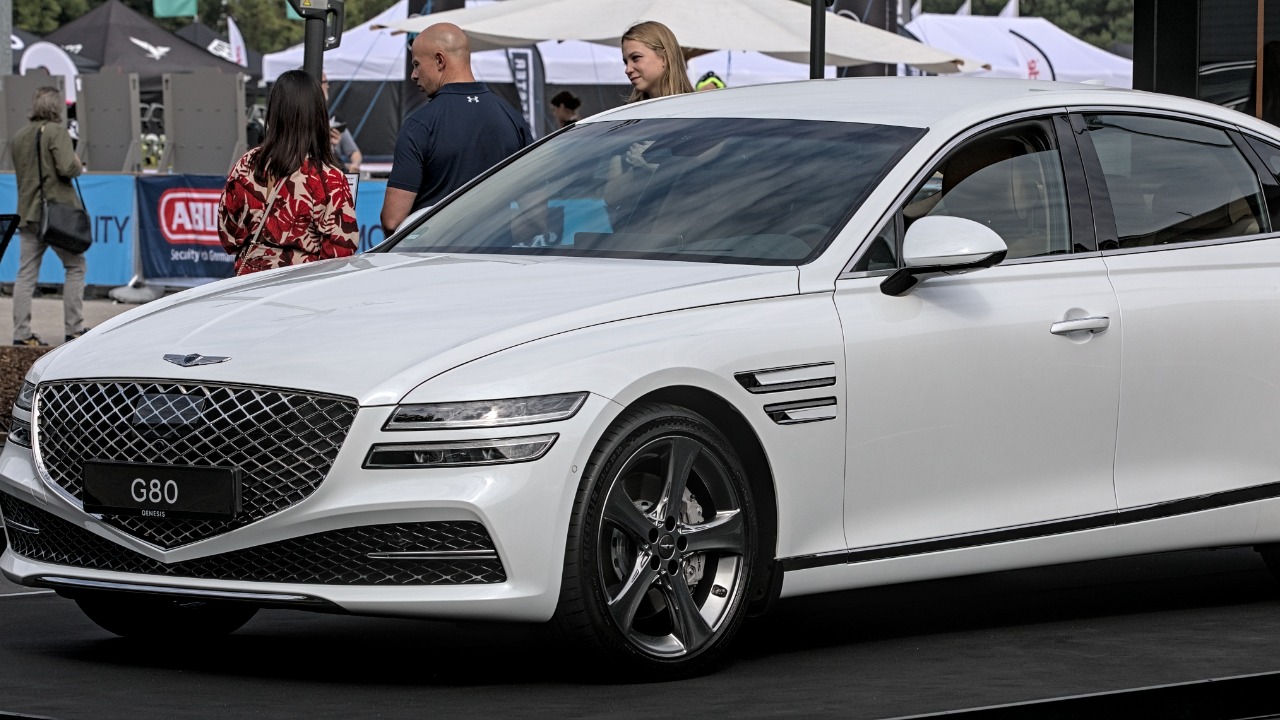
The value-luxury sedan undercuts German rivals on sticker price by a wide margin while still offering standard all-wheel drive, a twin-turbo six-cylinder engine option and Hyundai-backed warranty coverage that runs longer than what BMW, Mercedes-Benz or Audi include on comparable models.
Genesis has used that pricing gap to pull buyers away from the established German brands even as the overall sedan segment shrinks, proof that a strong warranty and a lower payment can still win a luxury sale when styling and features are close to parity.
6. BMW 7 Series: The Flagship Still Fighting The Tide

The full-size flagship sedan offers a long-wheelbase rear cabin with reclining seats and a massive fold-down entertainment screen, a plug-in hybrid variant, and a fully electric i7 twin that shares the same body shell, giving BMW three distinct powertrain paths within one flagship nameplate.
Chauffeured rear-seat buyers, still a meaningful share of the flagship market in China and the Middle East, have no SUV equivalent that matches the low, quiet ride of a long sedan, which is the main reason BMW keeps building the 7 Series at all.
7. Mercedes-Benz S-Class: The Traditional Benchmark Endures
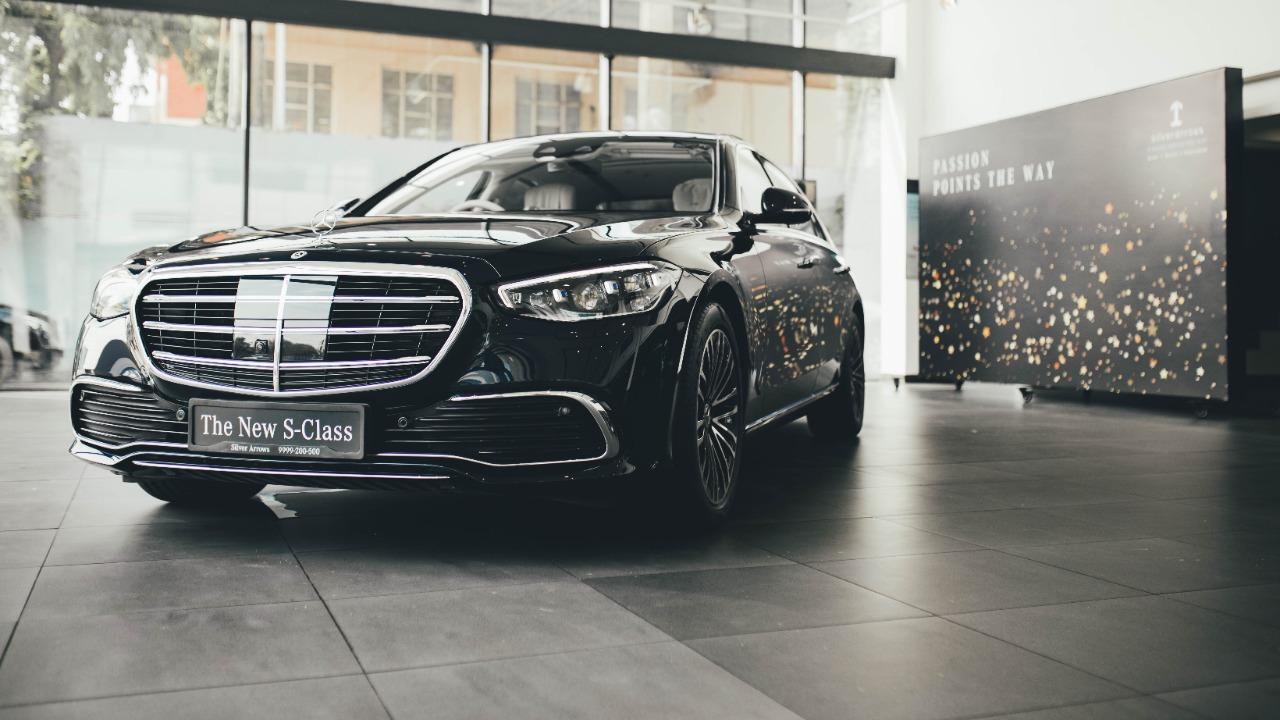
The flagship benchmark sedan has introduced technology later copied industry-wide, including early anti-lock brakes and front airbags, and today offers rear-wheel steering, a plug-in hybrid drivetrain and an ultra-luxury Maybach variant with a stretched wheelbase for buyers who want even more rear-seat space than the standard long-wheelbase body already provides.
Mercedes-Benz still treats the S-Class as its technology flagship rather than folding those features into an SUV first, a sequencing choice that signals the sedan body still carries more prestige internally than any crossover in the lineup, even as SUVs outsell it many times over.
8. Cadillac CT5: One Of The Last American Holdouts
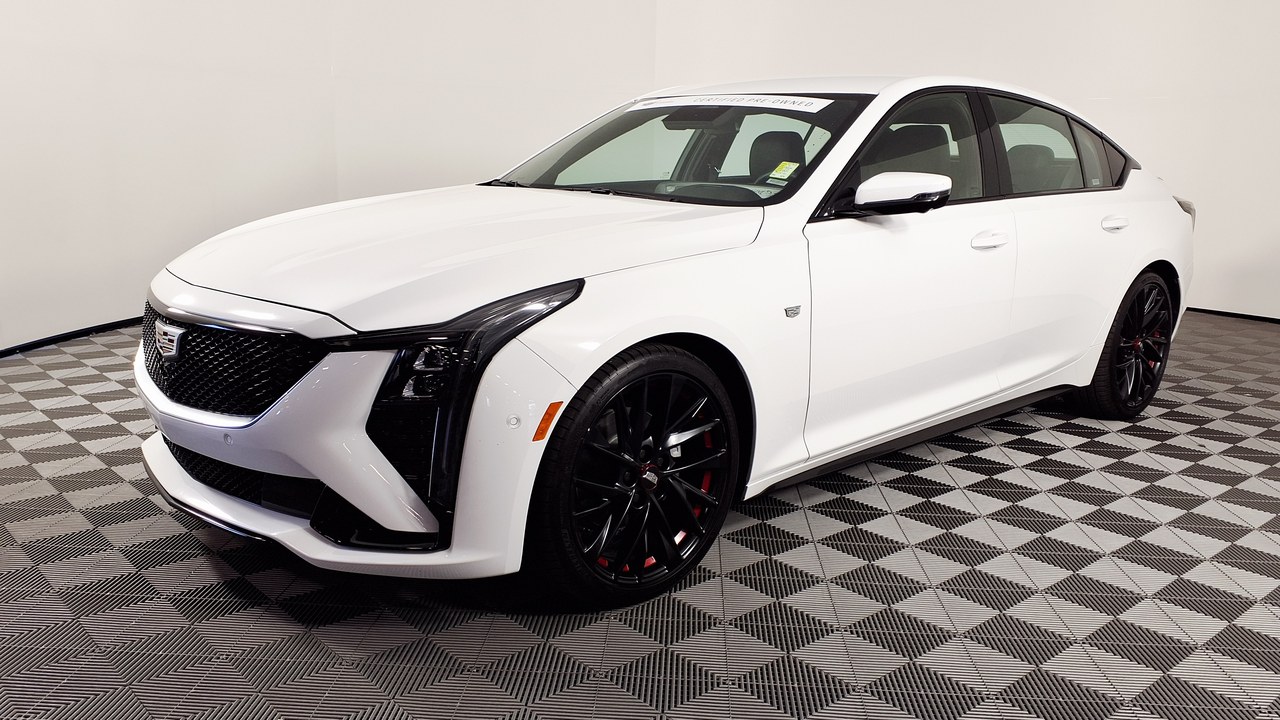
The rear-wheel-drive Cadillac sedan is one of the only American-brand luxury four-doors still built on a dedicated rear-drive platform, and its high-performance Blackwing variant packs a supercharged V8 and a manual transmission option in a segment where most rivals have dropped both in favor of turbocharged engines and automatic-only gearboxes.
General Motors has pulled back on sedans across most of its other brands, which makes the CT5 a rare case of an American automaker still defending the segment rather than abandoning it entirely for crossovers and full-size pickups, at least for now.
9. Audi A8: A Flagship Surviving In Small Numbers
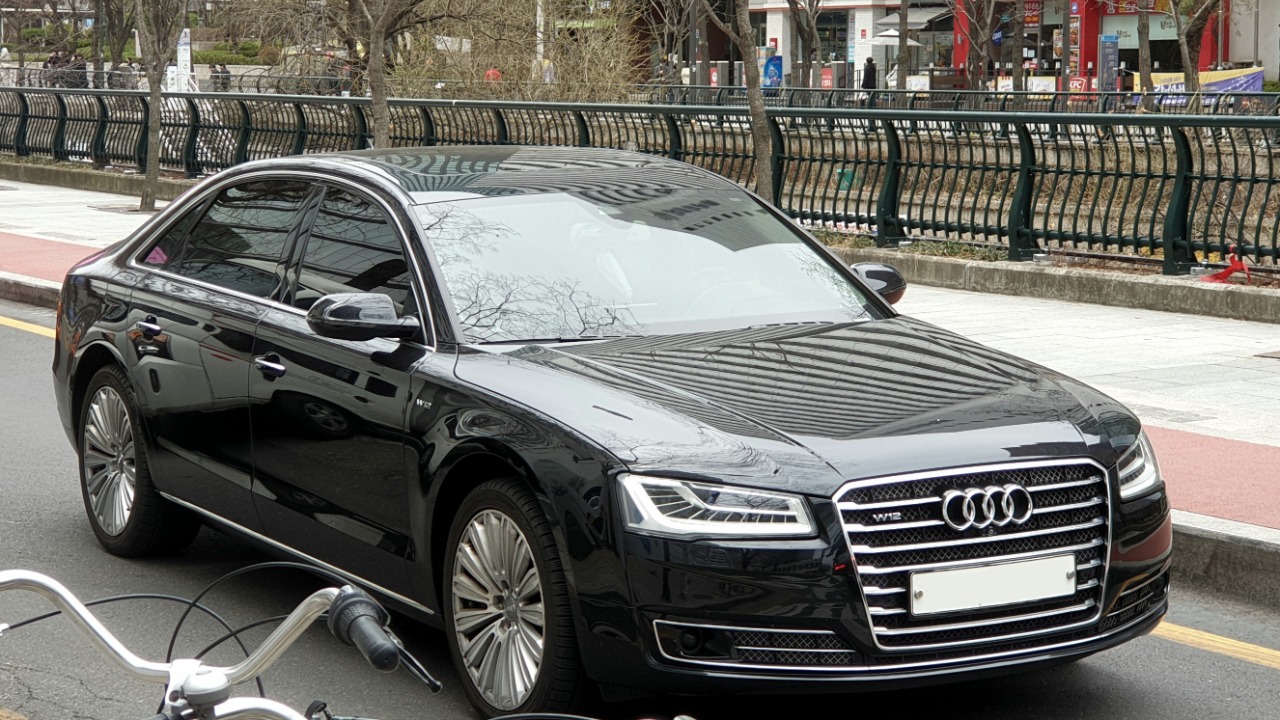
The full-size Audi flagship still comes standard with quattro all-wheel drive and an air suspension that can lean the body into corners, but the brand has already discontinued the range-topping W12 engine once offered on the nameplate, leaving a smaller lineup of six- and eight-cylinder options than the model once carried.
Audi sells the A8 in far smaller numbers than its SUVs, but keeping a flagship sedan in showrooms still signals engineering prestige to shoppers who judge the whole brand by its most technically ambitious model, even one that rarely tops a sales chart.
More from Morning Overview
- Herbal supplements are landing Americans in the hospital with liver damage, doctors warn
- Long-term use of common heartburn pills is linked to kidney and dementia risk
- 9 pickup trucks with a reputation for falling apart after 100,000 miles
- Consumer Reports names the 2026 models it expects to break down the most
