
Automakers love to talk about heritage, but plenty of America’s best-selling models never leave the country to reach a dealer lot. Factories in Kentucky, Texas, Alabama, Michigan, Tennessee, Indiana and Mississippi turn out everything from budget sedans to six-figure sports cars, often using parts sourced from across the same state lines. Here are ten vehicles that carry a Made in USA build sheet.
1. Tesla Model Y: Two Home-State Assembly Lines
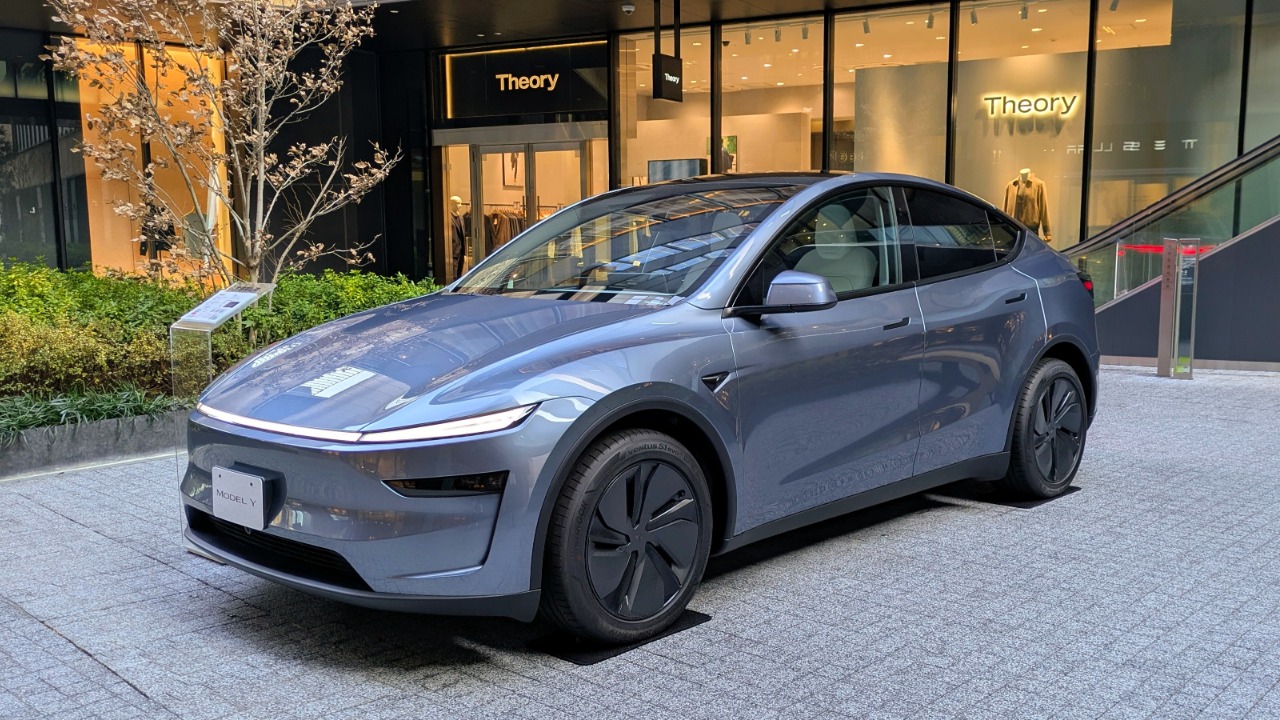
Tesla assembles the Model Y crossover at two domestic plants, the original Fremont, California factory inherited from a joint venture with Toyota and General Motors, and the newer Austin, Texas Gigafactory that came online in 2022, giving the company parallel output lines instead of a single bottleneck.
Running two plants in parallel lets Tesla keep dealer lots stocked through demand swings and part shortages that have stalled rivals reliant on a single overseas or single-site assembly line, and it means a Model Y built for a West Coast buyer may share almost nothing on the line with one built for a Texas buyer besides the badge.
2. Toyota Camry: America’s Best-Selling Sedan Made in Kentucky
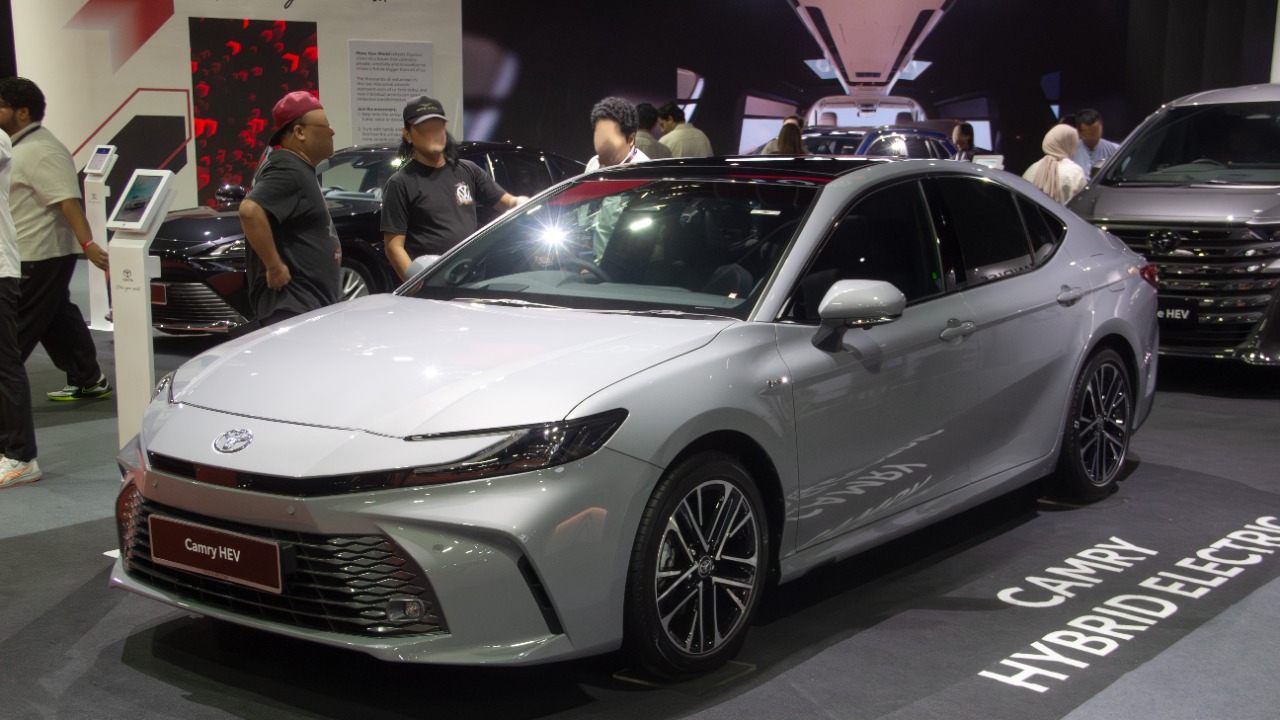
Toyota assembles the Toyota Camry sedan at its Georgetown, Kentucky plant, the automaker’s largest North American factory and the same site that has built the nameplate for decades, running both gas and hybrid Camrys down the same line depending on daily order mix.
That single Kentucky plant has shipped enough Camrys to make the model one of the longest-running best-selling cars in the country, and it means a Camry buyer in California or Florida is getting a car that likely traveled the same rail route out of the Bluegrass State as the one across town.
3. Honda Ridgeline: A Truck Bed Built on a Car Plant Line
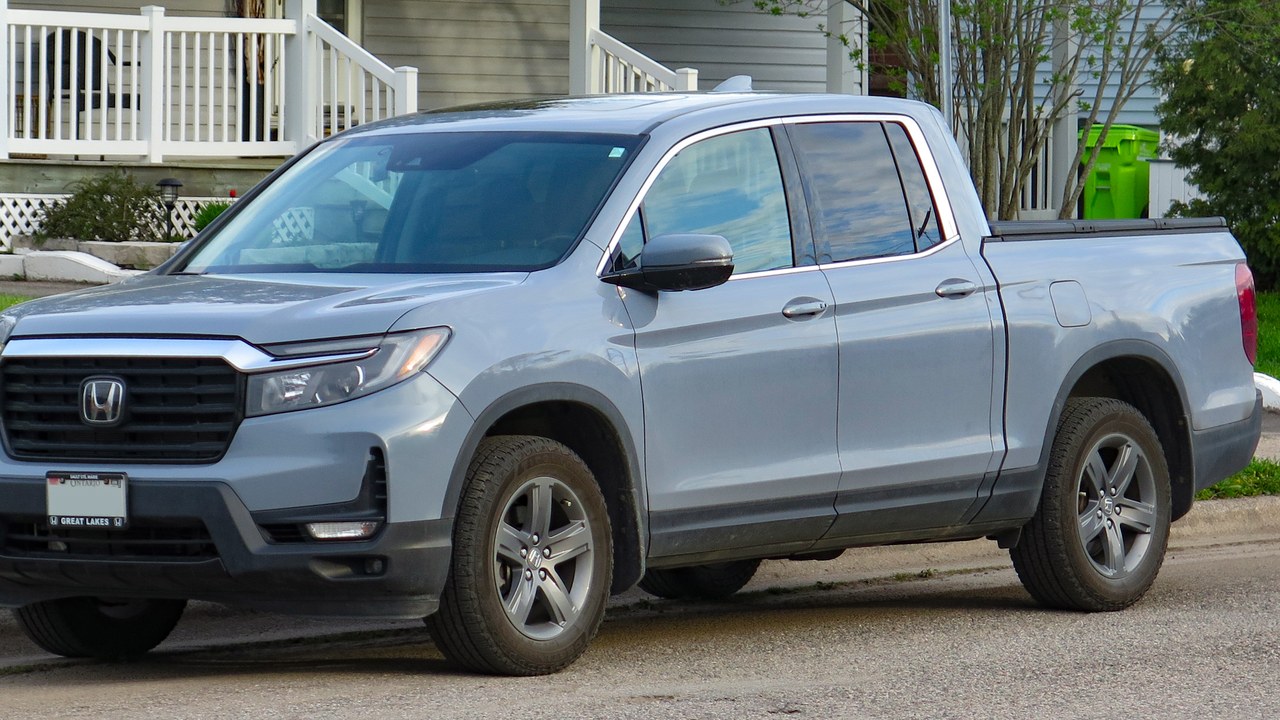
Honda builds the Honda Ridgeline pickup at its Lincoln, Alabama plant, the same factory that turns out the Odyssey minivan and Pilot SUV, running the unibody truck down a line shared with vehicles built on its related car-based platform rather than a traditional body-on-frame design.
Sharing a plant and platform with crossovers and a minivan keeps the Ridgeline’s tooling and parts costs down, which is part of why Honda can price it closer to a loaded SUV than to the heavier-duty half-ton trucks it competes against on cargo space and towing.
4. Ford F-150: Two Plants Feed the Nation’s Top Seller

Ford splits F-150 production between the Rouge Complex in Dearborn, Michigan, the historic site where Ford once turned raw steel into finished trucks under one roof, and the Kansas City Assembly Plant near Kansas City, Missouri, giving the country’s top-selling vehicle two independent sources of supply.
Running two full assembly plants for a single nameplate is rare, and it exists because F-150 volume is high enough that a single line would bottleneck deliveries nationwide, which is also why a parts shortage or weather shutdown at one plant rarely stalls the whole model’s output.
5. Chevrolet Corvette: One Plant, Every Corvette Ever Built
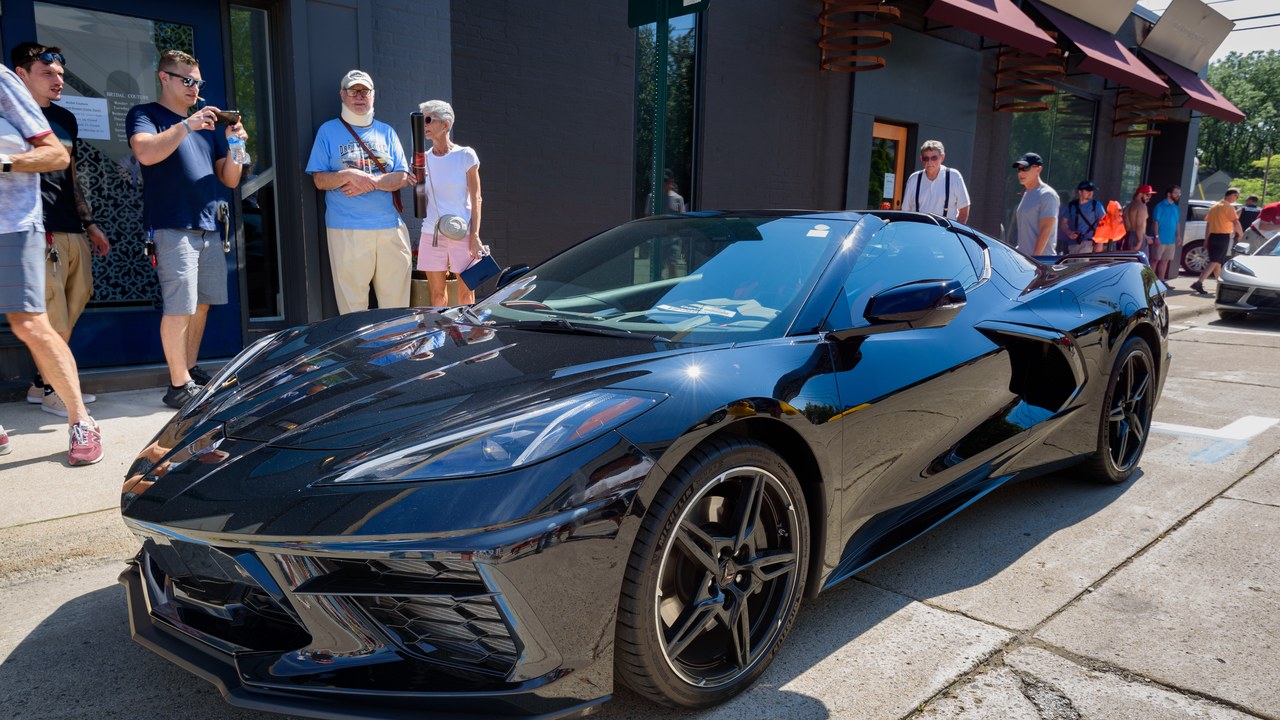
General Motors builds every Corvette C8 at a single plant in Bowling Green, Kentucky, a low-volume line where workers hand-fit body panels and engines rather than relying on the high-speed robotics common at mass-market truck and sedan plants nearby.
That single-source, hand-built process is part of why Corvette buyers can arrange a factory delivery experience next door at the National Corvette Museum, and why a fire or flood at the Bowling Green plant would halt the entire model’s supply nationwide with no backup line to lean on.
6. Toyota Tundra: Toyota’s Dedicated Texas Truck Plant
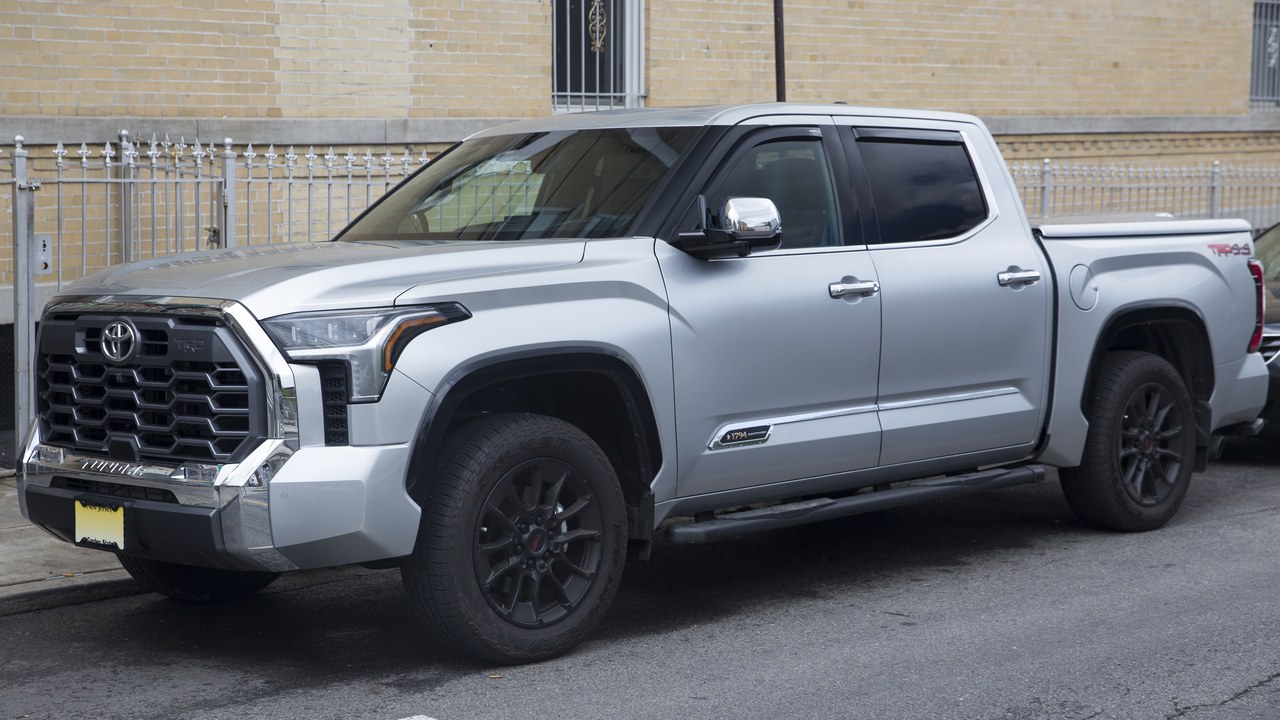
Toyota builds the Toyota Tundra pickup at its San Antonio, Texas plant, a factory built specifically for full-size trucks when Toyota shifted Tundra production out of California to sit closer to the truck-heavy customer base of the South and Southwest.
Locating the plant in Texas put Toyota inside the country’s biggest full-size truck market and let it draw on a regional supplier network built up by domestic truck makers, narrowing the cost gap that once made import trucks harder to price against the F-150 and Silverado.
7. Nissan Altima: A Sedan Split Between Two Southern Plants
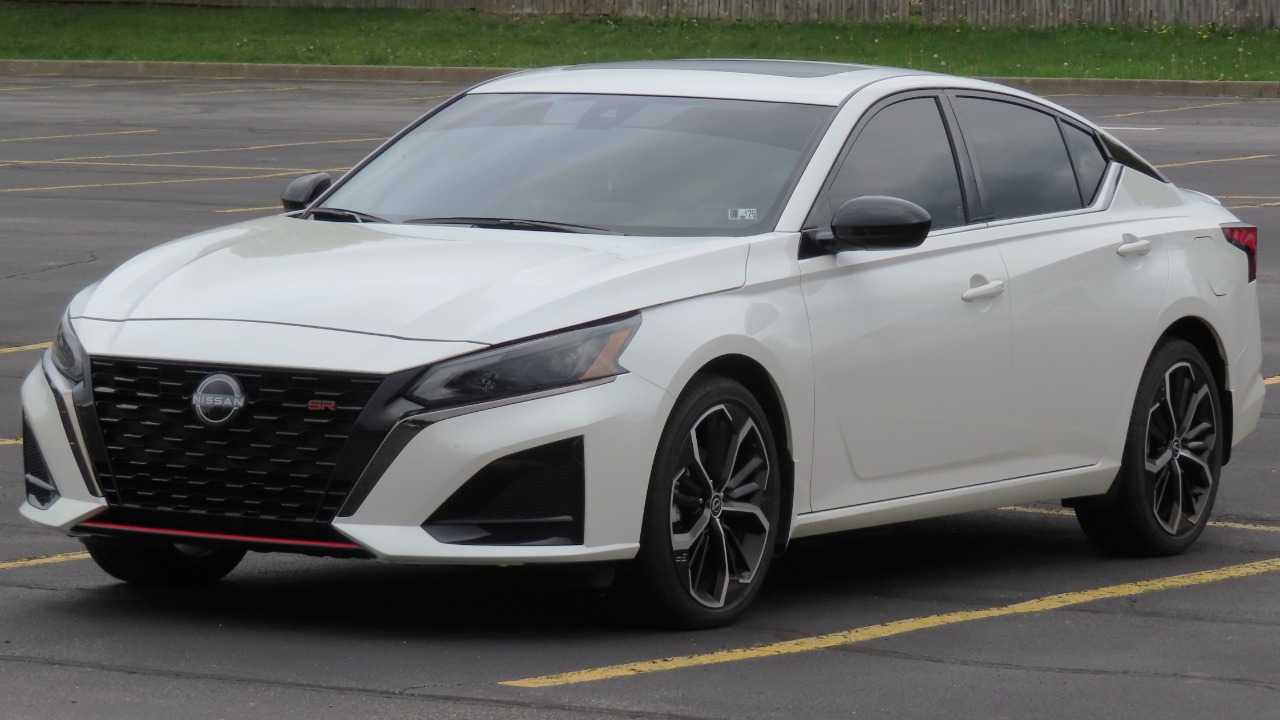
Nissan builds the Nissan Altima sedan across two Southern plants, Canton, Mississippi and Smyrna, Tennessee, the same Smyrna site that has anchored Nissan’s American manufacturing footprint since the early 1980s and now also builds electric and hybrid models.
Splitting Altima output across two states lets Nissan shift volume toward whichever plant has open capacity as demand for sedans rises and falls against the SUVs that now dominate most of its lineup, keeping the car in production even as buyer interest in sedans narrows.
8. Subaru Outback: Subaru’s Only American Factory
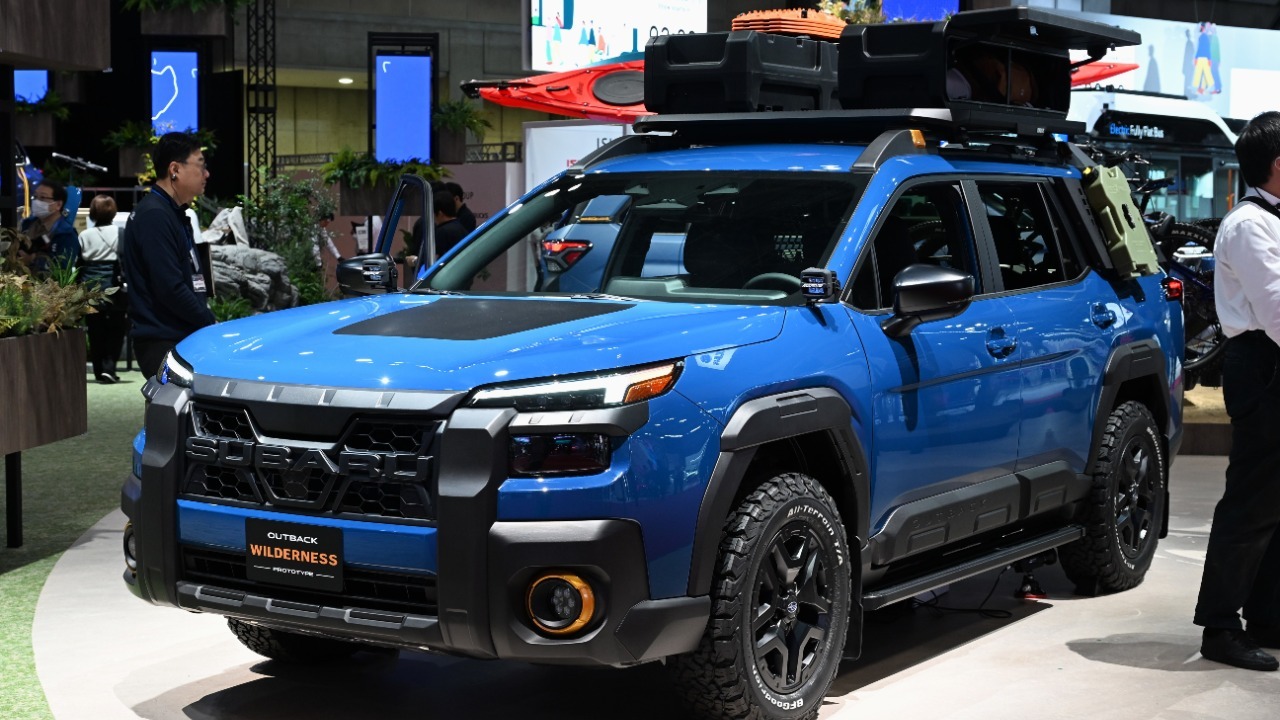
Subaru assembles the Subaru Outback at its Lafayette, Indiana plant, the company’s sole U.S. factory and a former joint venture site with Isuzu that Subaru took over outright as Outback and Legacy demand grew faster than its Japanese lines could supply.
Concentrating Subaru’s entire American lineup in one Indiana plant means Outback supply is more exposed to a single labor dispute or weather event than a rival spread across multiple states, but it has also let Subaru keep tight quality control over the wagon-crossover that carries most of its U.S. sales.
9. Honda Odyssey: A Minivan Built Alongside Pickup Trucks
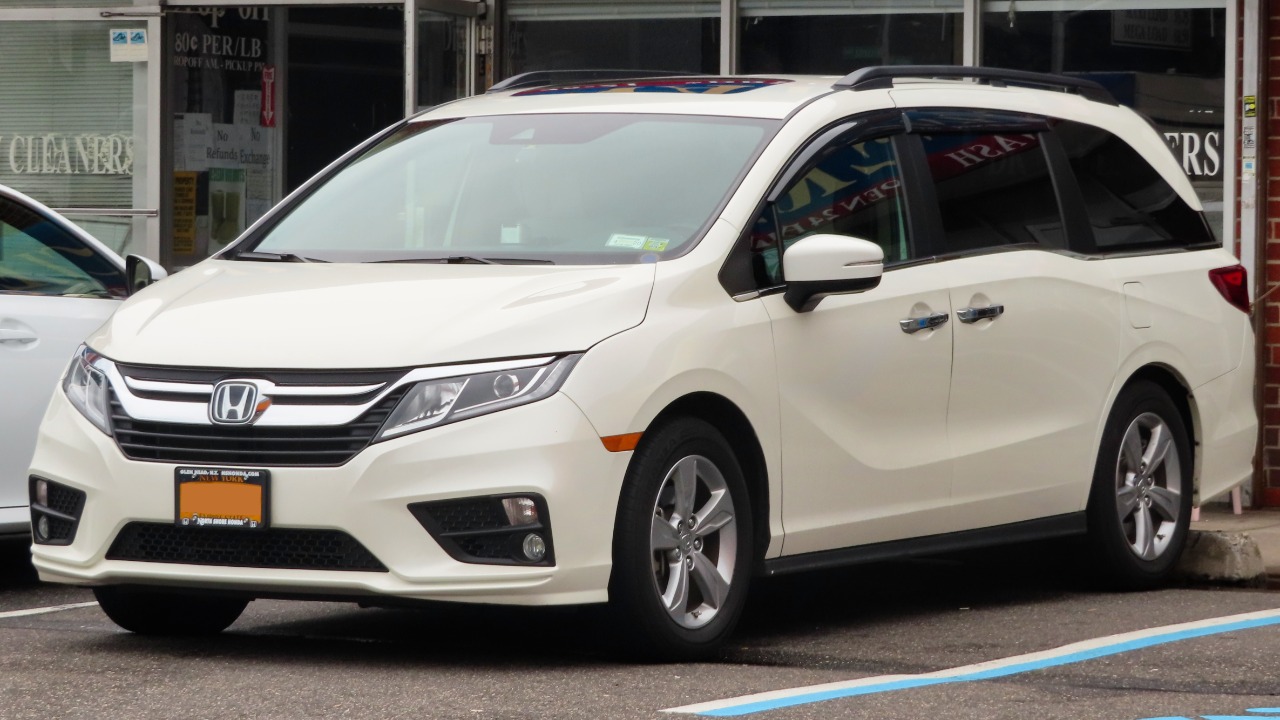
Honda assembles the Honda Odyssey minivan at the same Lincoln, Alabama plant that builds the Ridgeline pickup and Pilot SUV, one of the few American factories where a minivan, a truck and a three-row SUV share a single assembly line.
That shared-line setup lets Honda shift labor and tooling toward whichever of the three vehicles is selling faster in a given month, which has helped the Odyssey stay in production even as most rival minivan nameplates from other automakers have been discontinued entirely.
10. Ram 1500: Stellantis’s Dedicated Michigan Truck Line
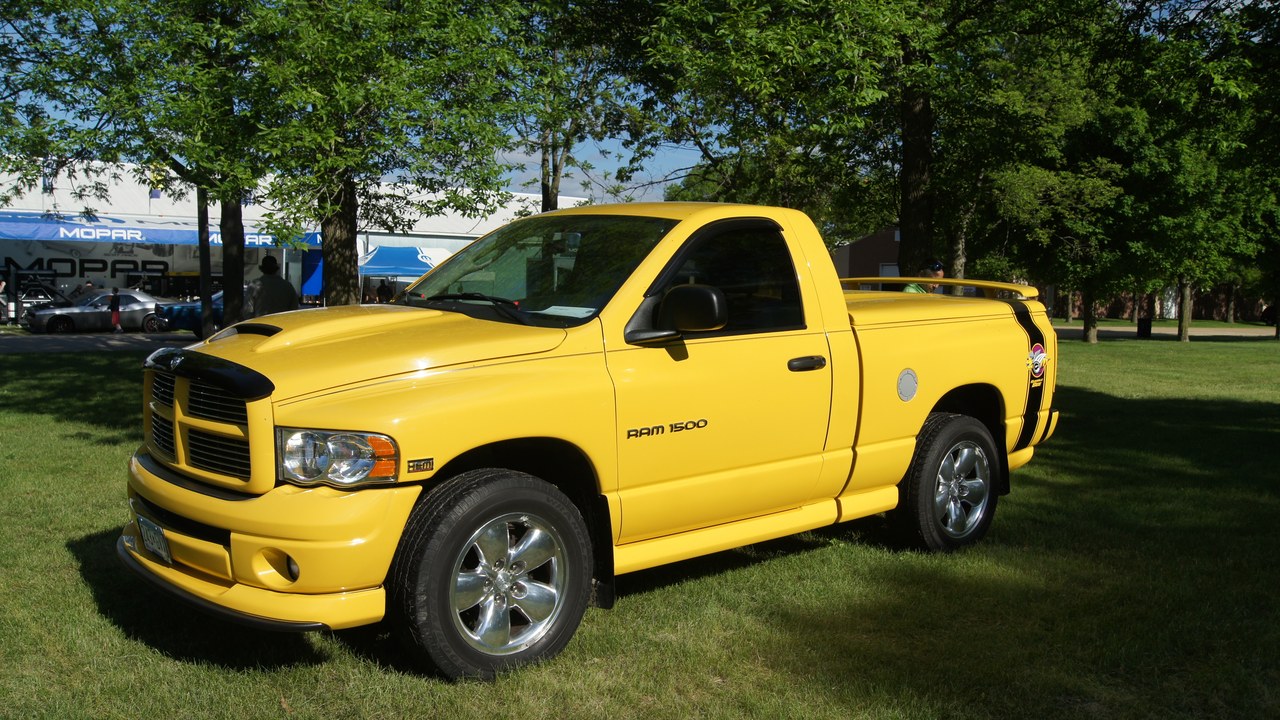
Stellantis builds the Ram 1500 at the Sterling Heights Assembly Plant in Michigan, a factory retooled from building Chrysler sedans into a dedicated half-ton truck line once Ram volume grew large enough to justify a plant of its own.
Converting a former car plant into a truck-only line let Stellantis add Ram capacity without building a new factory from scratch, and it put another major pickup builder inside Michigan alongside Ford and GM, concentrating much of the country’s full-size truck output in one state.
More from Morning Overview
