
Automakers have spent the past two decades chasing efficiency without sacrificing power, and the easiest lever to pull was often the engine bay itself. A smaller turbocharged engine can match or beat an old V8’s output while trimming weight and thirst, so long as the plumbing and tuning are right. Here are nine vehicles that traded a V8 for a smaller turbocharged engine.
1. Ford F-150: The EcoBoost Takeover
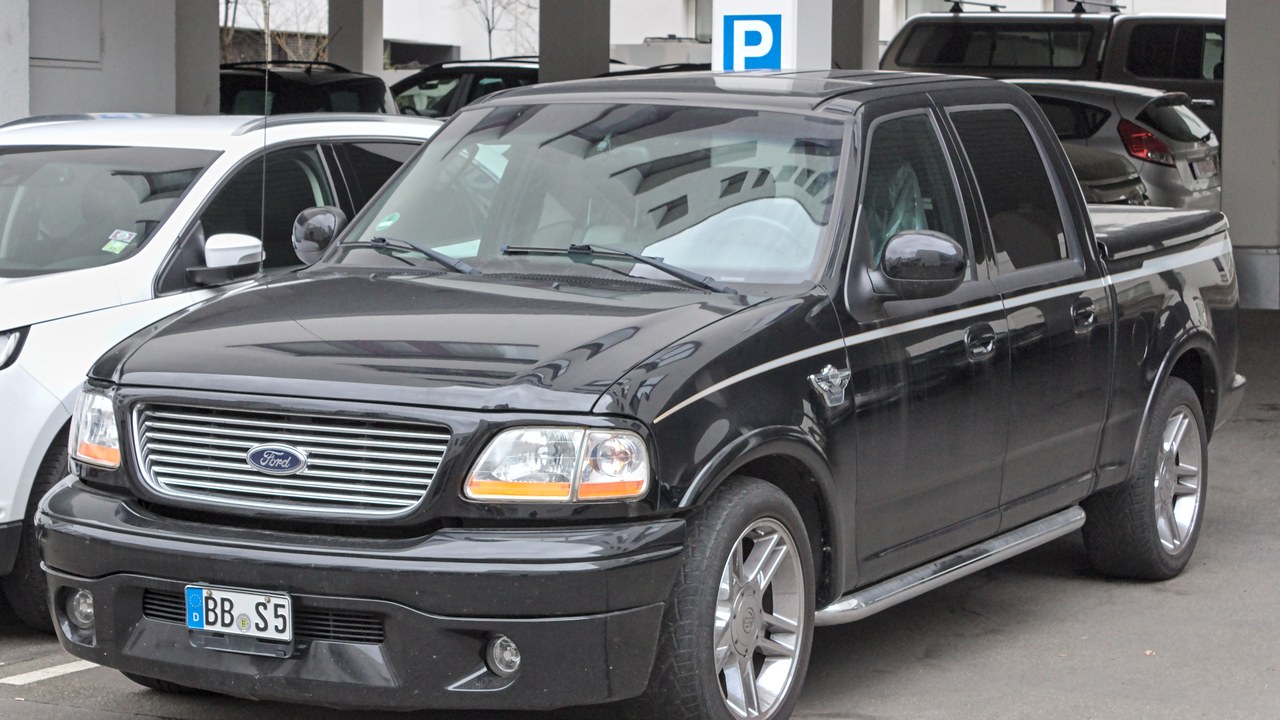
Ford shifted most F-150 pickup trims onto a twin-turbo EcoBoost V6 that beats the old naturally aspirated V8s on torque, and it arrives lower in the rev range, exactly where towing and hauling strain an engine most. The change let payload and trailer ratings stay competitive even as two cylinders disappeared from the engine bay.
Owners get comparable capability from a smaller, lighter engine, though the added turbo plumbing brings intercoolers and wastegates that a simple V8 never asked a mechanic to service. A V8 option still remains on the order sheet for buyers who prefer the older, simpler formula.
2. Chevrolet Silverado 1500: Four Cylinders, Full Duty
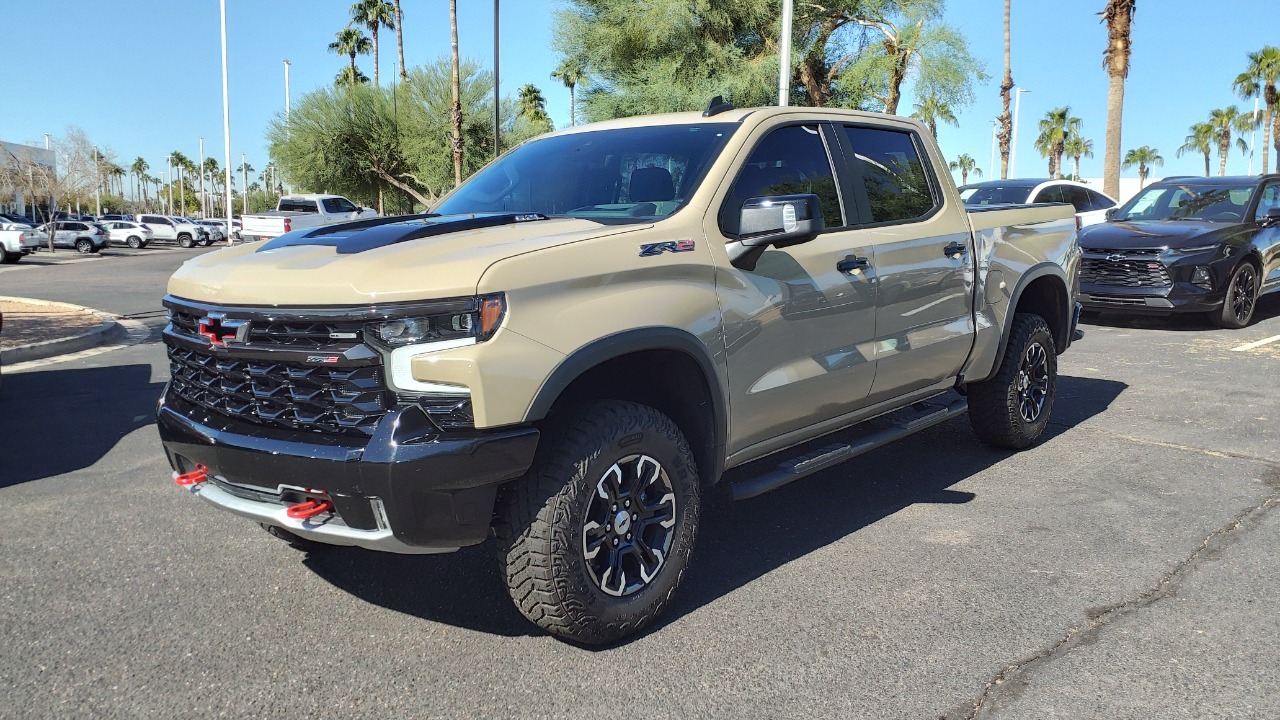
General Motors now offers a turbocharged 2.7-liter four-cylinder as the volume engine across much of the Silverado 1500 lineup, and it matches or beats the base V8 on torque while using noticeably less fuel around town. Chevrolet positioned it as the everyday choice rather than a stripped-down economy option.
Fleet buyers and daily drivers who rarely tow near the truck’s limit save real money at the pump without giving up daily usability. Anyone planning to tow heavy trailers regularly still gravitates toward the optional V8 or diesel for the extra margin.
3. Ford Mustang: Pony Car Downsizing
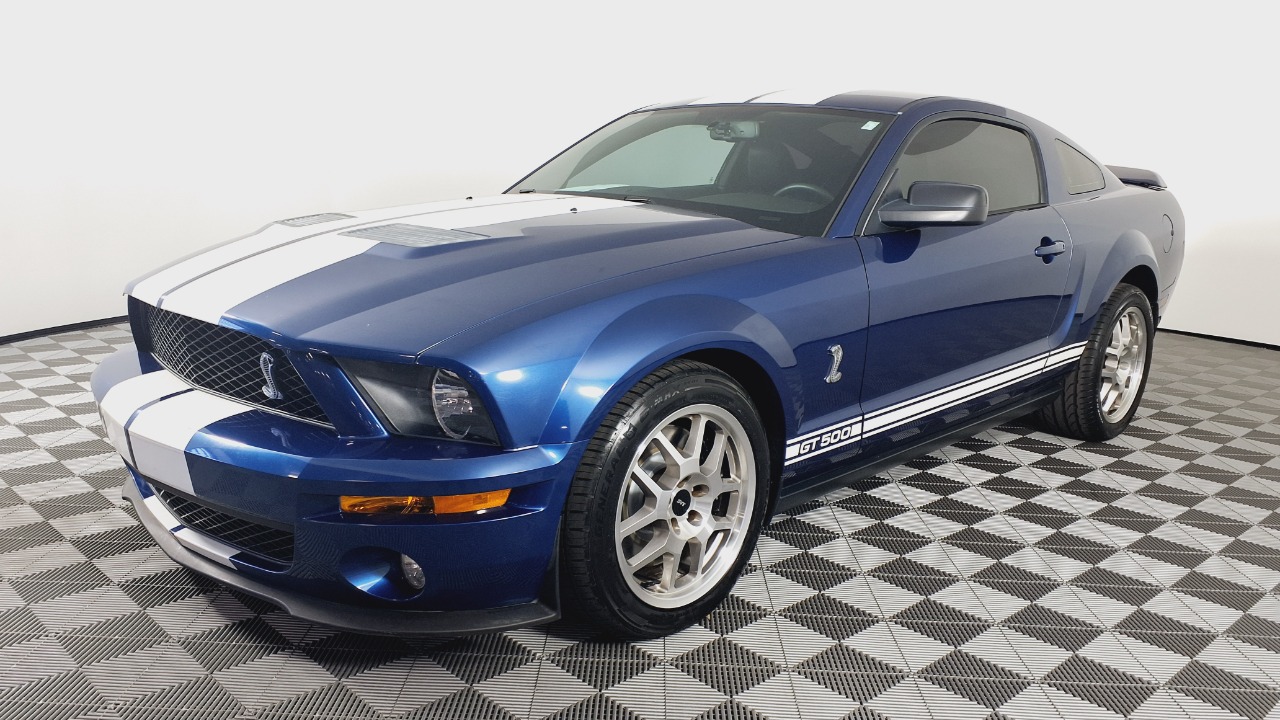
The base sixth-generation Mustang ditched its six-cylinder for a turbocharged 2.3-liter four that produces roughly 310 horsepower, more than several older base V8 Mustangs managed decades earlier. It let Ford sell an entry-level pony car that meets modern fuel-economy targets without feeling gutless off the line.
Enthusiasts still chase the GT’s V8 for the sound and the drag-strip numbers, so the turbo four mostly serves buyers who want the styling and the badge on a tighter budget. Resale values for the four-cylinder trim trail the V8 GT by a noticeable margin.
4. BMW M5: From Ten Cylinders To Turbo Eight
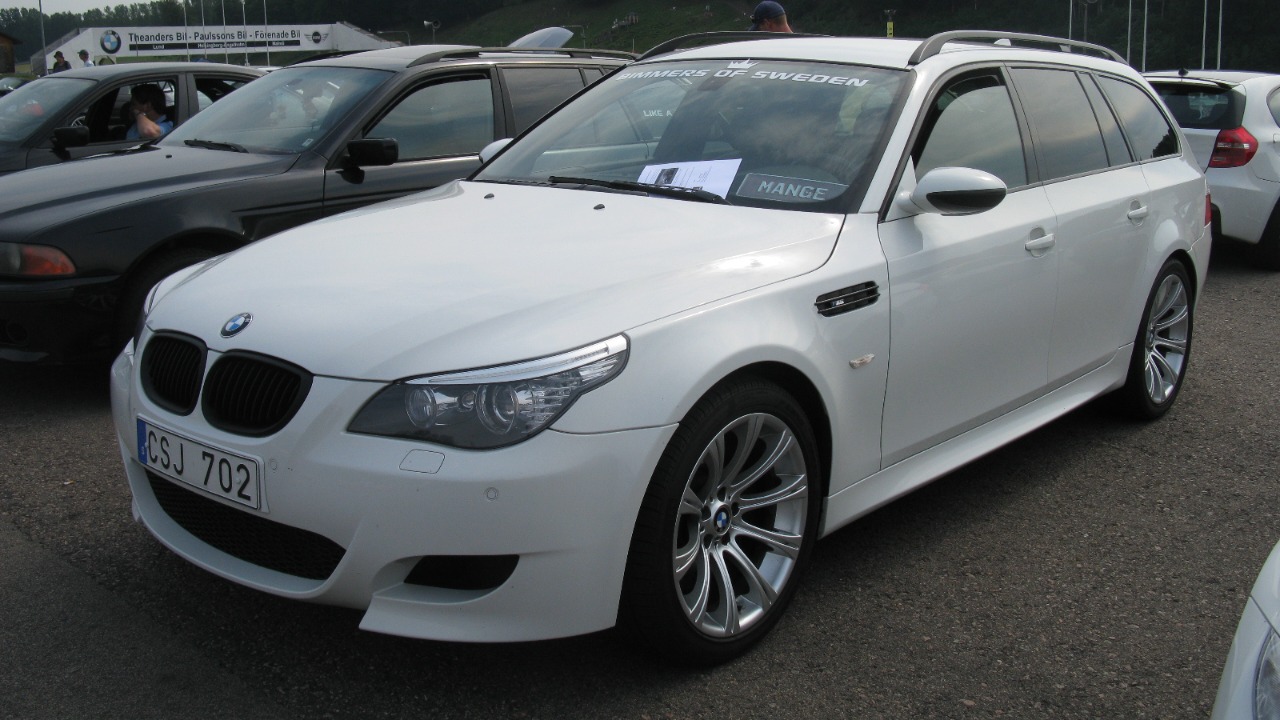
BMW retired the high-revving 5.0-liter V10 in the M5 sedan in favor of a twin-turbo 4.4-liter V8 that adds well over 100 pound-feet of torque while cutting fuel consumption. The newer engine also enabled all-wheel drive in later generations, something the free-revving V10 never had to accommodate.
Purists mourn the V10’s 8,250-rpm redline and naturally aspirated throttle response, calling the turbocharged replacement quieter and less dramatic at high revs. Straight-line performance, though, improved substantially thanks to the turbo motor’s broader torque curve, and the newer engine proved far easier to keep emissions-compliant across global markets.
5. Mercedes-AMG C63: Hybrid Power, Half The Cylinders
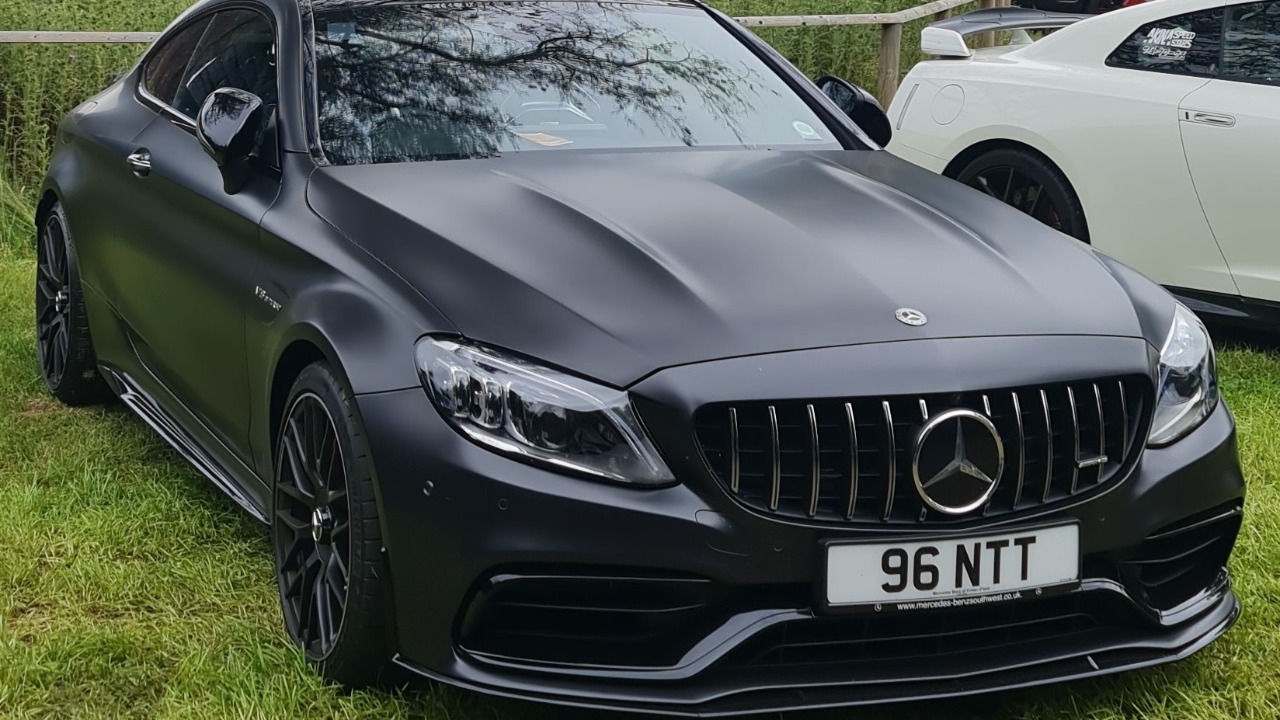
The latest C-Class-based AMG model swapped its twin-turbo V8 for a turbocharged 2.0-liter four paired with an electric motor, and the combination pushes combined output well past 600 horsepower in the flagship trim. Mercedes-AMG says the hybrid setup also allows brief all-electric driving around town.
The added complexity and weight from the battery pack drew criticism from reviewers who preferred the previous V8’s simpler character and exhaust note. Mercedes-AMG has since acknowledged customer pushback and hinted at reintroducing a V8 option in some markets, an unusual reversal for a company that rarely walks back a powertrain decision.
6. Ford Explorer: SUV Sheds Its Big Engines
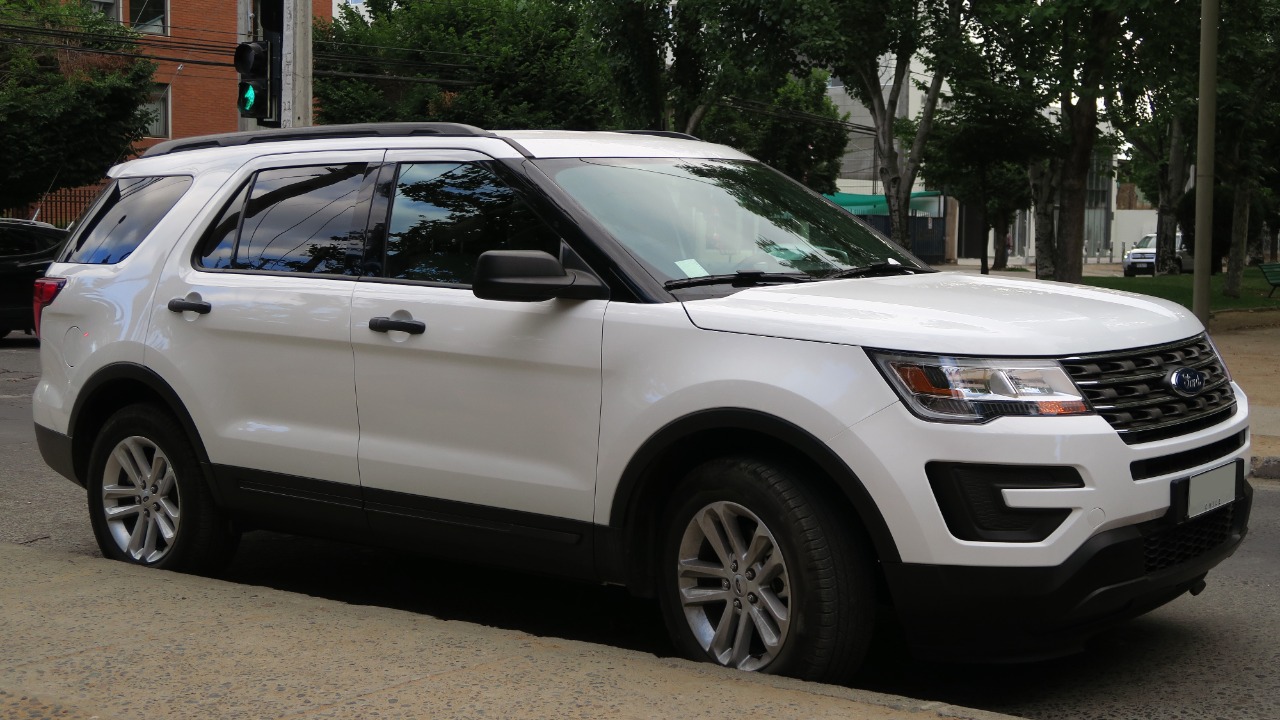
Ford dropped both the V6 and available V8 from the mainstream Explorer SUV lineup in favor of turbocharged four-cylinder EcoBoost engines across most trims, reserving a twin-turbo V6 only for performance-oriented ST and Platinum models. The four-cylinder versions still tow respectable trailer weights when properly equipped.
Everyday buyers benefit from noticeably better city fuel economy without sacrificing the three-row practicality the Explorer is known for. Families who tow campers or boats regularly still need to check the tow package carefully before assuming the base engine covers their needs.
7. Volvo XC90: No More V8 On The Menu
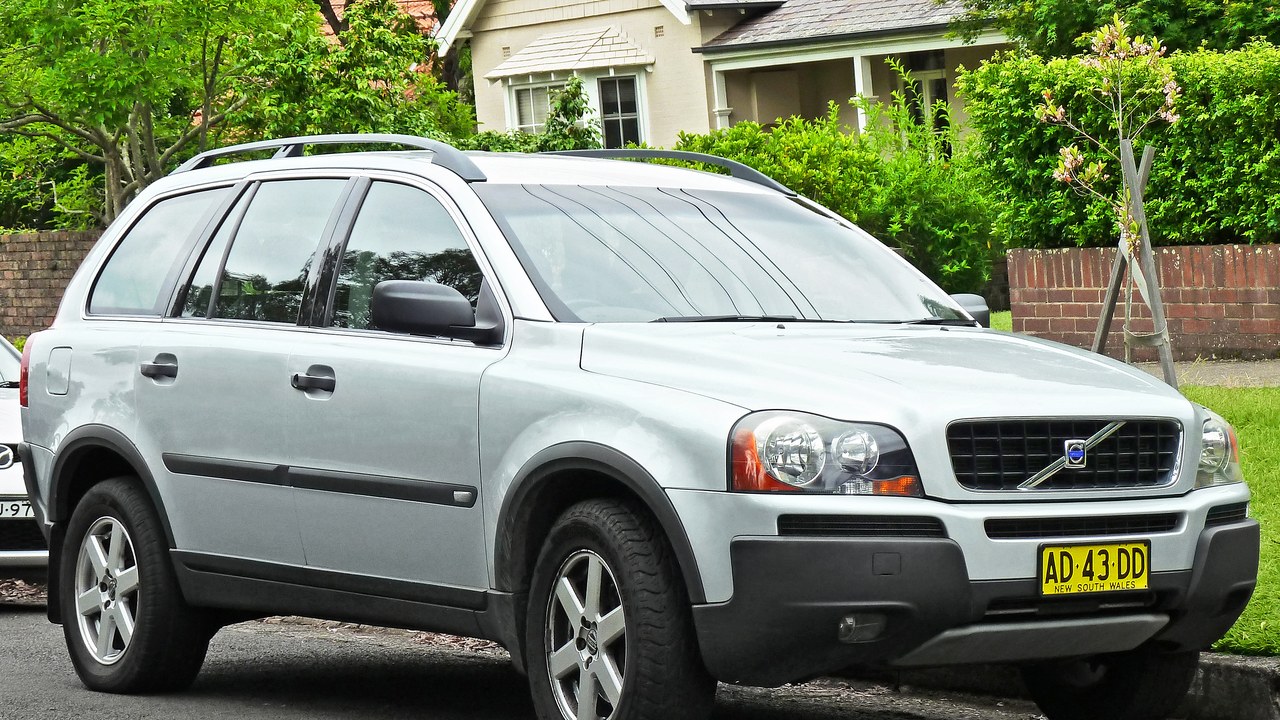
Volvo eliminated V8 power from the XC90 SUV entirely, moving to turbocharged and supercharged four-cylinder engines, including a plug-in hybrid variant, across every trim level. The smallest engine in the lineup still produces output that rivals the old V8 thanks to forced induction doing double duty.
Volvo frames the shift as part of a broader safety-and-sustainability identity rather than a simple cost-cutting move. Owners accustomed to a V8’s low-end shove sometimes notice turbo lag before the boost fully spools up at low speeds, though the plug-in hybrid variant largely masks that gap with instant electric torque.
8. Cadillac CTS: Sport Sedan Goes Turbo Six
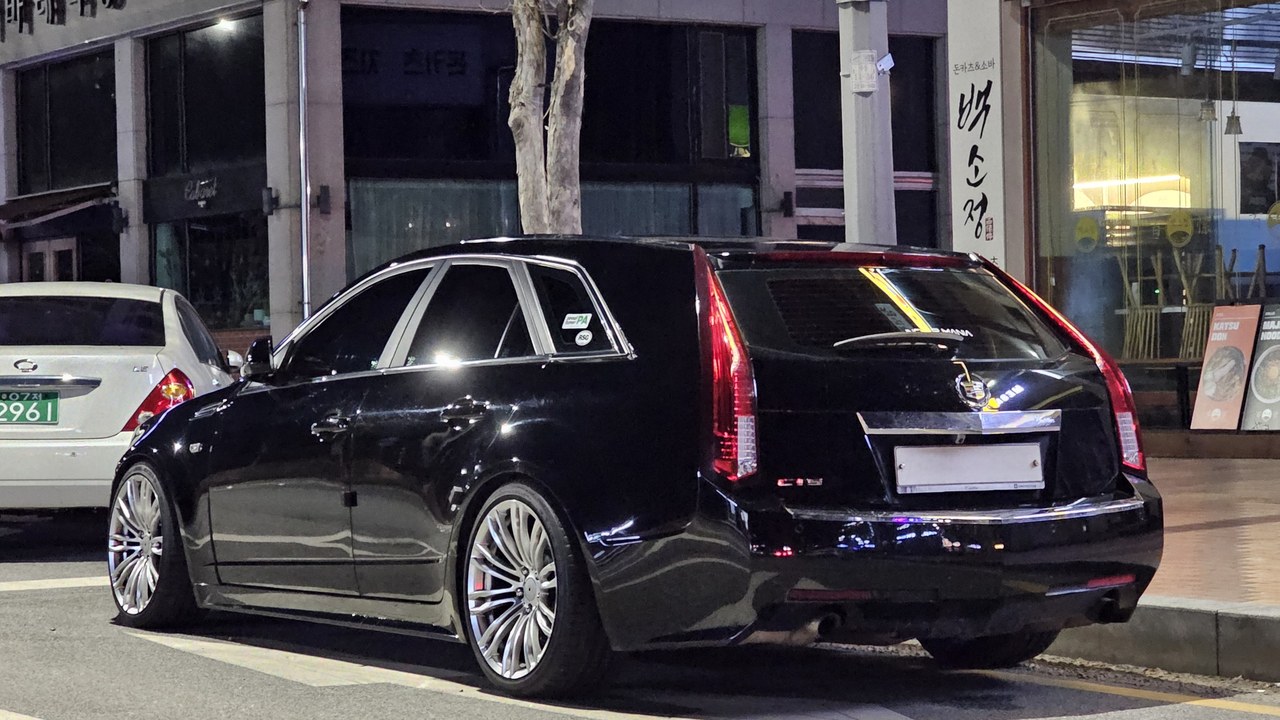
Cadillac replaced the CTS-V’s supercharged V8 heritage on lesser trims with a turbocharged V6 that still delivers strong midrange torque for a midsize luxury sedan. The turbocharged six let Cadillac chase German rivals on both performance and fuel-economy ratings simultaneously.
Daily drivers gained quicker throttle response at low revs than the old naturally aspirated six ever offered, without the V8’s fuel penalty at the pump. Buyers chasing outright V8 drama still had to step up to the range-topping CTS-V for that experience, since the turbo six was always pitched as the sensible middle ground.
9. Land Rover Range Rover: Two Engines, One Badge
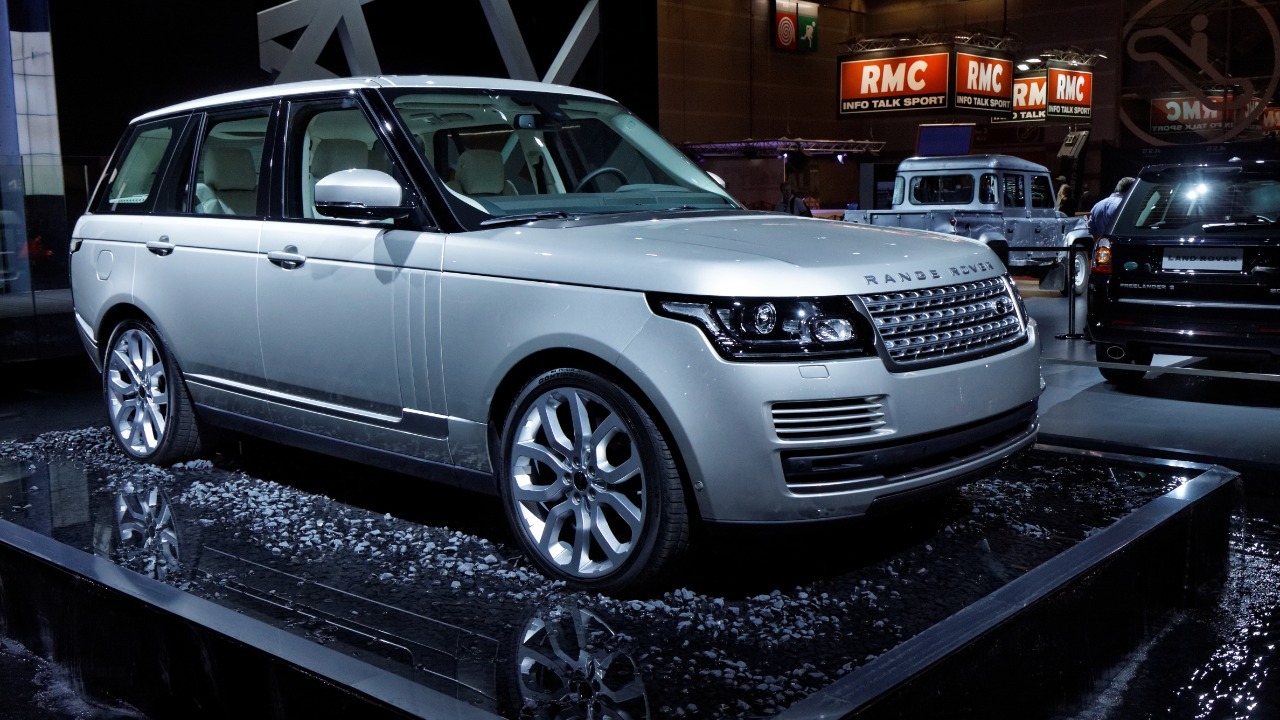
Land Rover now sells the latest Range Rover generation with turbocharged inline-six engines, including a plug-in hybrid variant, sitting alongside a twin-turbo V8 rather than replacing it outright. The inline-six models close much of the performance gap while returning noticeably better fuel economy.
Shoppers who want maximum prestige and sound still gravitate toward the V8-powered trims at the top of the range. Fleet and lease buyers increasingly choose the six-cylinder versions since the fuel savings compound over years of ownership, and the inline-six’s smoother idle has won over plenty of longtime V8 loyalists too.
More from Morning Overview
