
Sports cars chase the same benchmark for different reasons, whether it is a lightweight icon proving that mass matters more than horsepower or a turbocharged coupe engineered to erase drivetrain lag. The times below mix factory claims with independent testing, and the gaps between them reveal real differences in weight, tires and turbo response. Here are eight sports cars ranked by how quickly they hit 60 mph in 2026.
1. Chevrolet Corvette: A Flat-Plane V8 Redefines Supercar Speed
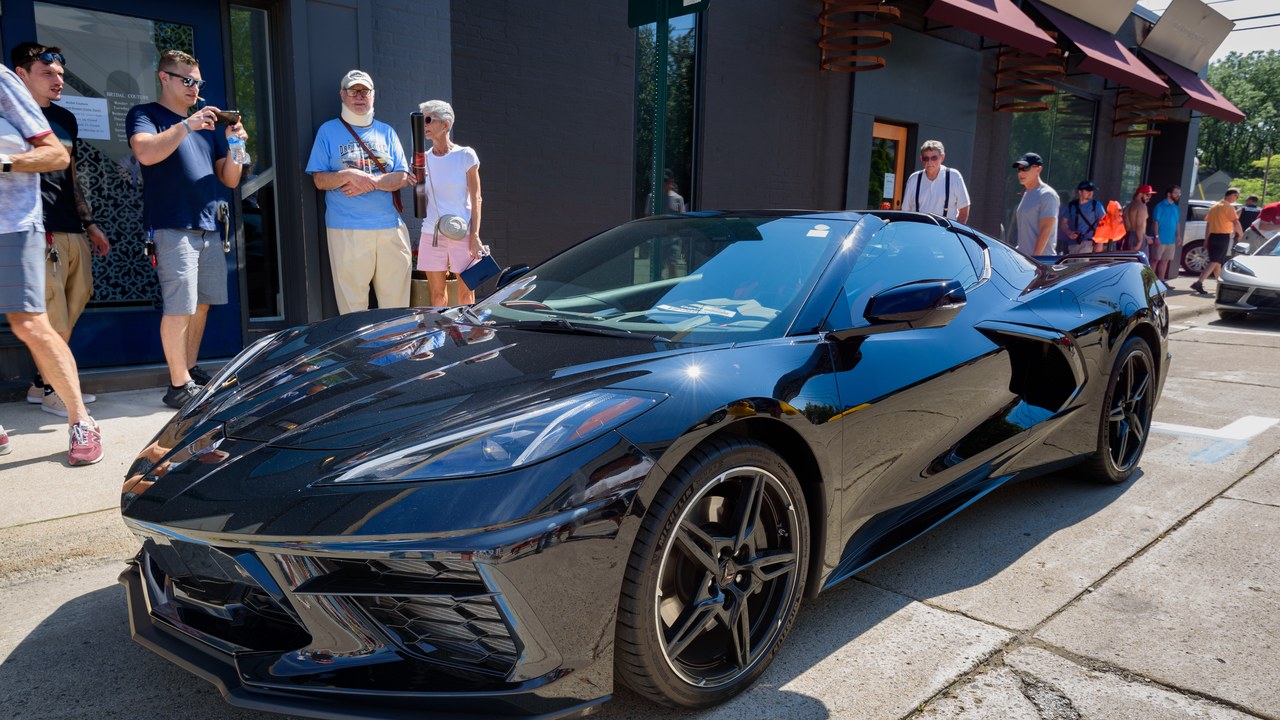
The Corvette Z06 pairs a naturally aspirated 5.5-liter flat-plane-crank V8 with an eight-speed dual-clutch transmission, and that combination launches the mid-engine coupe to 60 mph in the mid-two-second range with the optional Z07 package and sticky tires on a prepped surface. Peak output lands north of 670 horsepower at a screaming 8,600 rpm redline, a ceiling closer to a purpose-built race engine than anything else General Motors currently backs with a factory warranty.
That naturally aspirated character means the acceleration builds without turbo lag, heat soak or boost taper across repeated hot laps, which matters for owners who track the car rather than trailer it. The exhaust note also stays sharp all the way to redline, a trait few rivals at this price can match.
2. Porsche 911: All-Wheel Drive Turns Turbo Power Into Traction
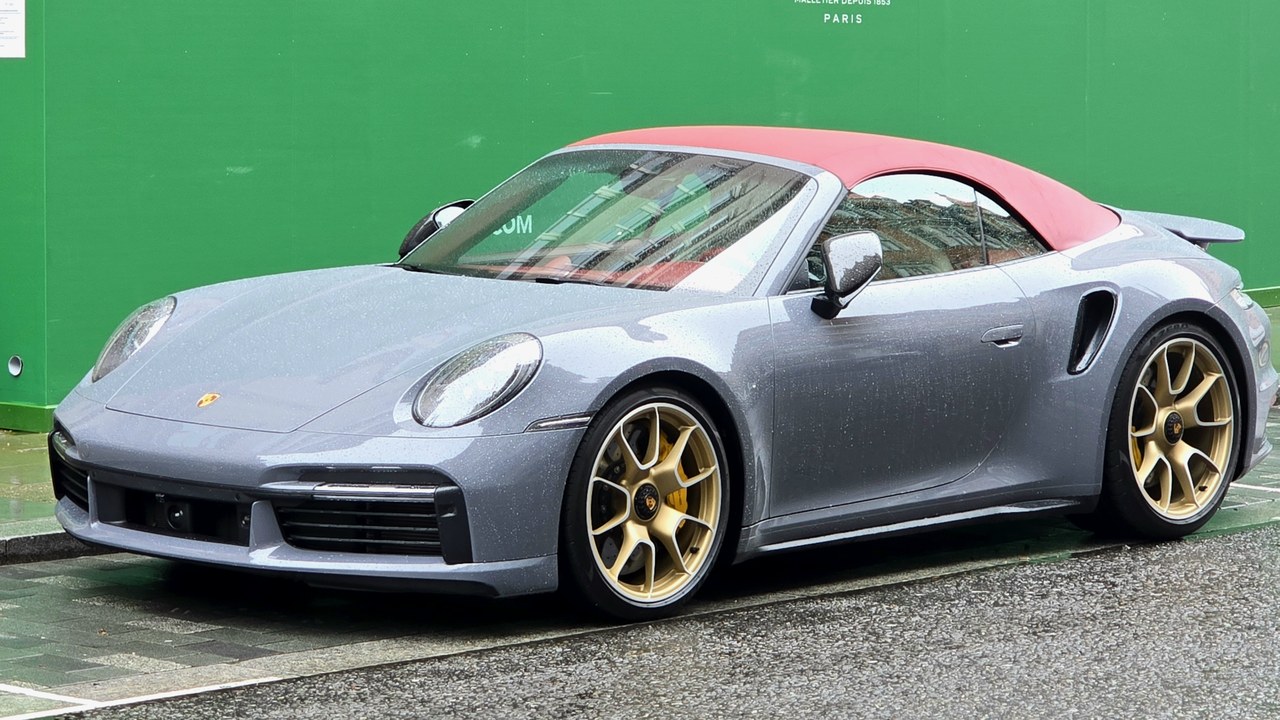
The 911 Turbo S uses a twin-turbocharged flat-six making roughly 640 horsepower, sent through an eight-speed dual-clutch gearbox and all-wheel drive, to crack 60 mph in about 2.6 seconds from a launch-control start. Porsche’s active all-wheel-drive system shuffles torque to whichever axle has grip the instant the launch begins, which is why the car repeats that number lap after lap.
That repeatability matters more than the raw number, since a car that hits its claimed time once on a factory test track is far less useful than one that does it every weekend at a track day. The Turbo S trades some of the standard 911’s steering purity for that security, a fair trade for buyers chasing a stopwatch.
3. Nissan Z: A Twin-Turbo Six Keeps The Classic Formula Alive
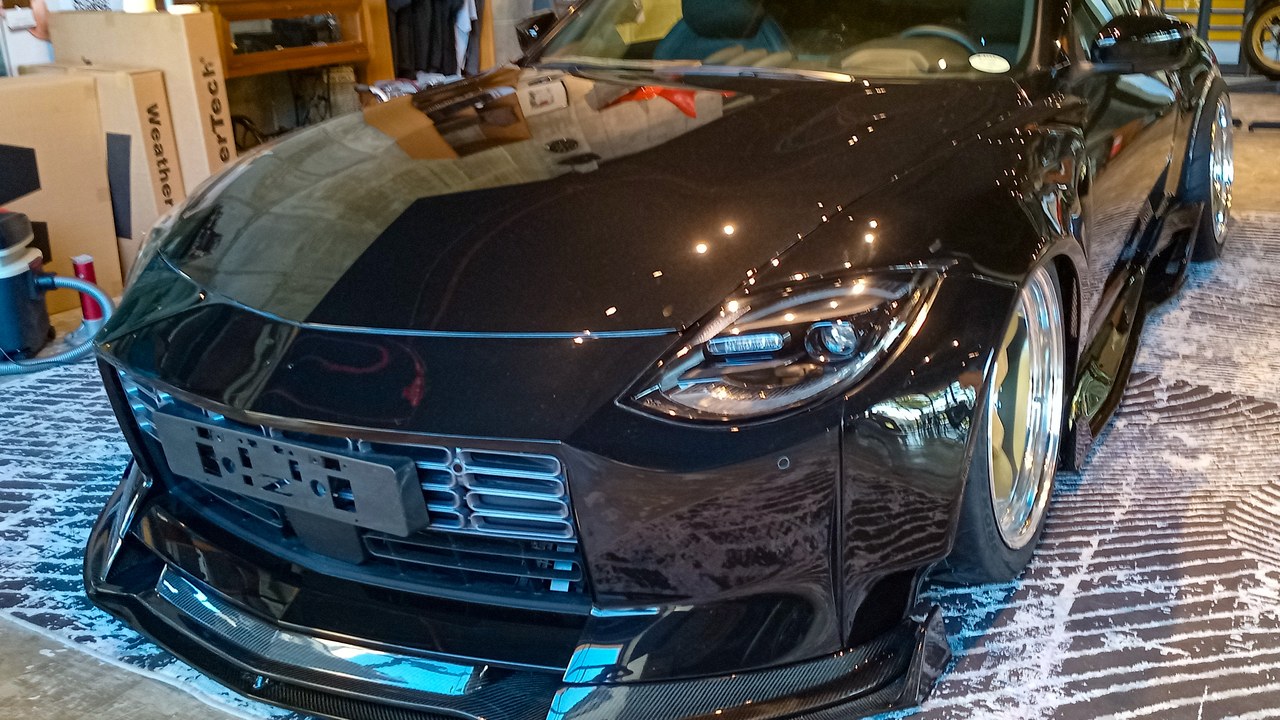
The Nissan Z swaps its predecessor’s naturally aspirated V6 for a 3.0-liter twin-turbo unit borrowed from Infiniti, good for 400 horsepower and a sprint to 60 mph near four seconds with the nine-speed automatic and launch control engaged. A six-speed manual is still offered, though it costs a few tenths against the automatic in a straight-line run to that benchmark.
That tradeoff is deliberate: Nissan kept a stick-shift option in a segment that has mostly abandoned it, betting that enthusiasts who buy a Z care more about rowing their own gears than shaving two-tenths off a spec sheet. The retro-inspired body panels hide a chassis shared with the Infiniti Q60, which is why the turbocharged six fits without major structural changes.
4. Toyota GR Supra: A BMW-Built Engine Powers Toyota’s Halo Car
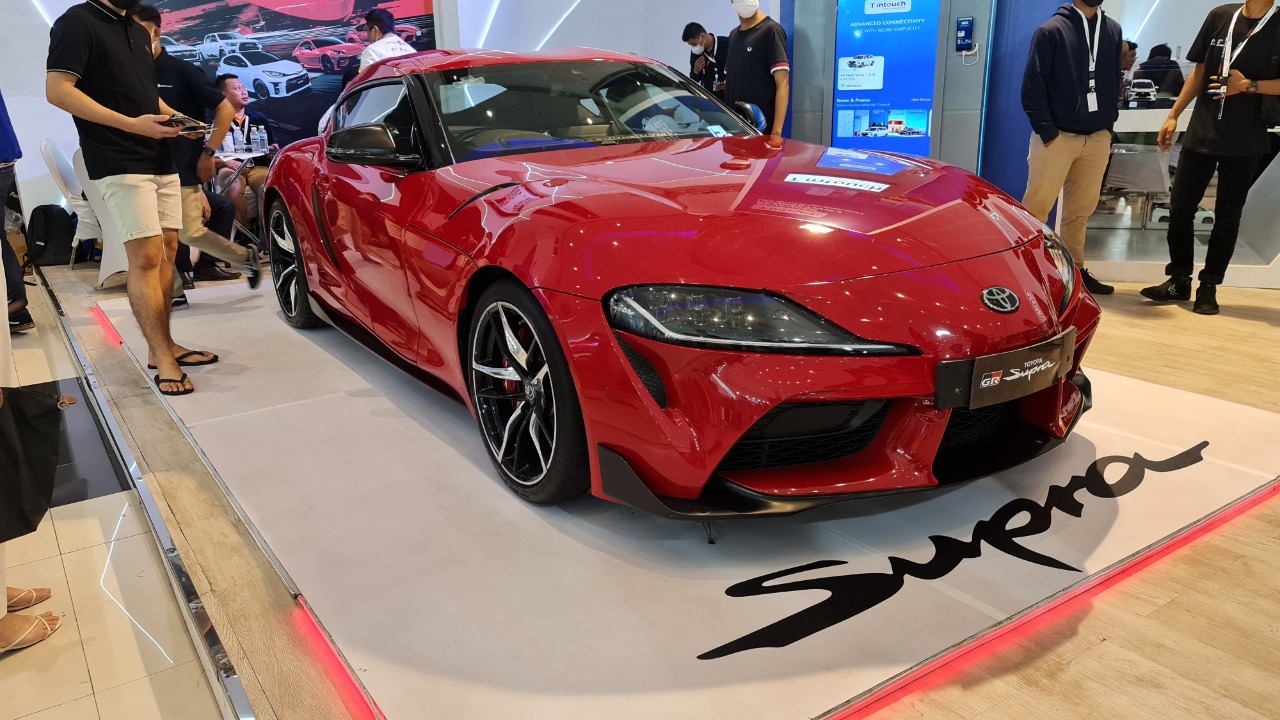
The GR Supra uses a BMW-sourced turbocharged 3.0-liter inline-six making 382 horsepower in its current top trim, enough to reach 60 mph in roughly 3.9 seconds through an eight-speed automatic. Toyota developed the car jointly with BMW, sharing a platform with the Z4 roadster while giving the Supra its own body, tuning and a fixed-roof coupe shape the Z4 never offered.
A six-speed manual arrived later in the car’s life for buyers willing to trade a few tenths for engagement, mirroring the same choice Nissan offers on the Z. The inline-six’s smoothness and mid-range torque make the Supra feel quicker in everyday driving than its sprint number alone suggests, especially when overtaking at highway speed.
5. Ford Mustang: A Naturally Aspirated V8 Refuses To Go Away
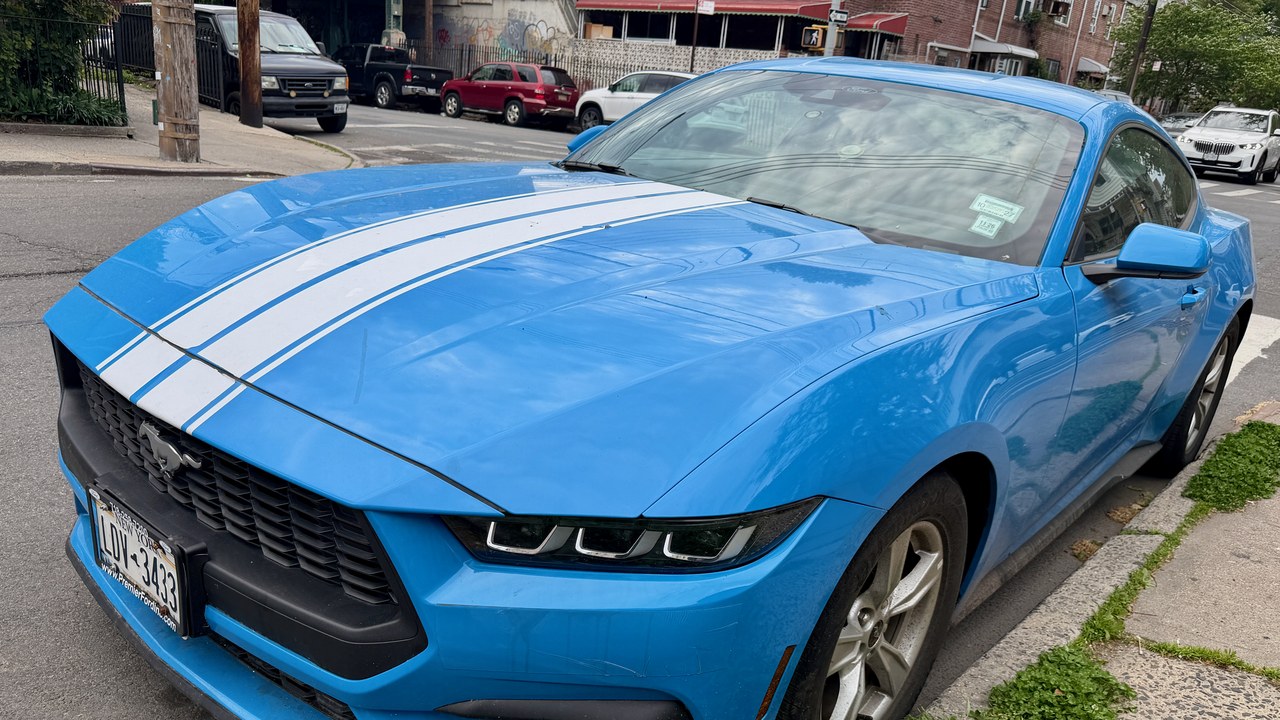
The Mustang Dark Horse uses a naturally aspirated 5.0-liter Coyote V8 tuned to 500 horsepower, enough to push the pony car to 60 mph in about four seconds with the available Tremec manual or the ten-speed automatic. Ford kept the V8 in the lineup after rivals like the Camaro were discontinued, making the seventh-generation Mustang the last mainstream American muscle car still sold without a hybrid or electric option.
That naturally aspirated V8 gives up a full second or more to turbocharged rivals half its displacement, a tradeoff Ford accepts because Mustang buyers prize the engine’s sound and throttle feel over a quicker spec sheet. Dark Horse-specific chassis tuning and wider tires help translate that horsepower into real-world grip rather than wheelspin off the line.
6. Cadillac CT5-V Blackwing: A Supercharged Sedan Beats Actual Sports Cars
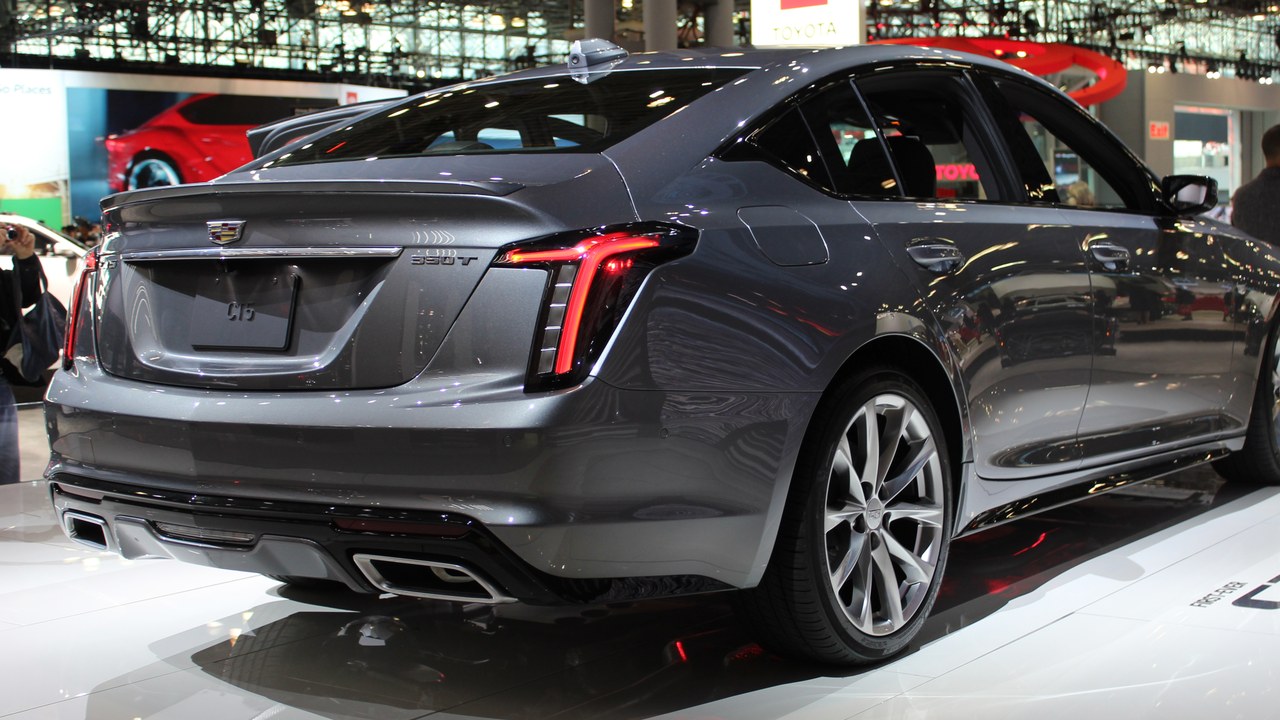
The CT5-V Blackwing hides a supercharged 6.2-liter V8 making 668 horsepower under a four-door body, enough to hit 60 mph in about 3.4 seconds when equipped with the ten-speed automatic and launch control. That figure puts a Cadillac sedan ahead of several two-door sports cars on this list despite carrying rear passengers and a full trunk.
A six-speed manual is also available for buyers who want to row their own gears in a car this fast, a rare pairing of a supercharged V8 and a clutch pedal that most automakers have already abandoned. The Blackwing’s magnetic dampers and standard Brembo brakes are tuned to handle repeated hard stops from that kind of speed, not just a single straight-line run.
7. Subaru BRZ: Low Weight Beats Horsepower In This Coupe
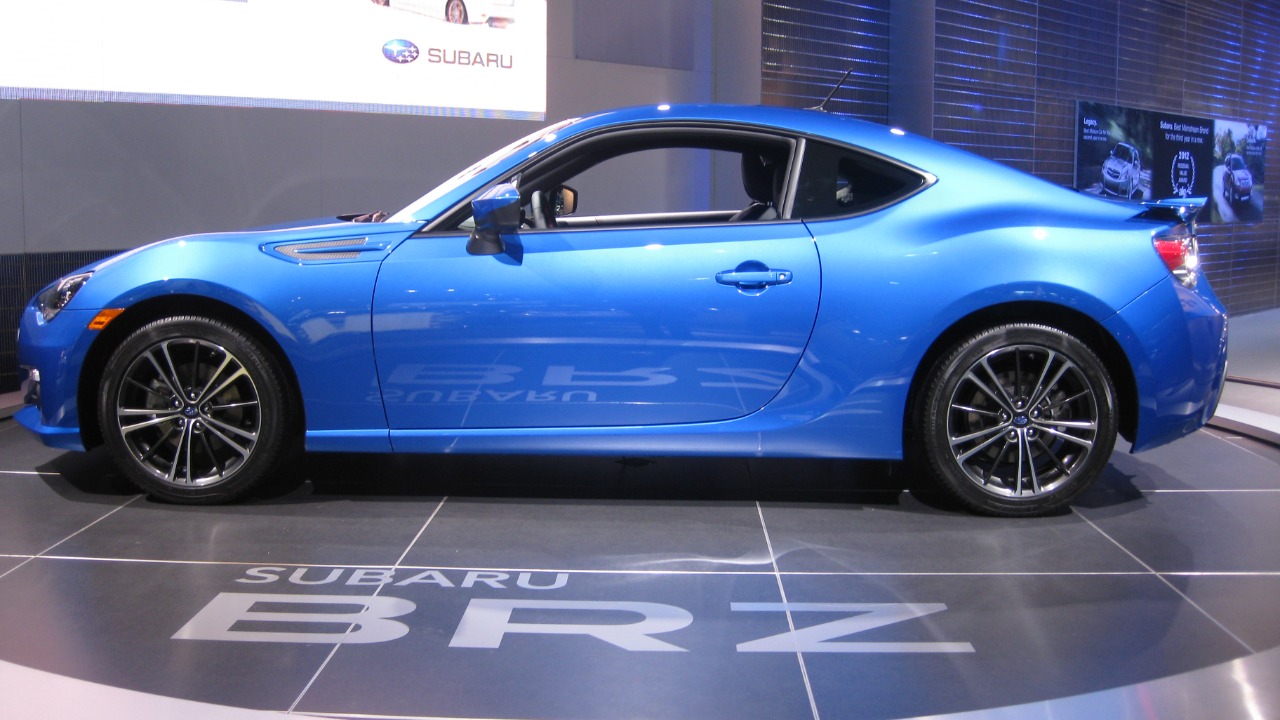
The Subaru BRZ pairs a naturally aspirated 2.4-liter flat-four making 228 horsepower with a curb weight under 2,900 pounds, a combination that gets the rear-drive coupe to 60 mph in about six seconds. That number trails every turbocharged car on this list by a wide margin, since the BRZ carries roughly a third less power than the Nissan Z or Toyota Supra.
What the spec sheet undersells is how the BRZ carries speed through corners, since its low weight and near-perfect front-rear balance let it keep momentum where heavier turbocharged rivals have to brake earlier and wait for boost to build again. Buyers cross-shopping strictly by 0-to-60 time miss the point of a car built around a racetrack, not a drag strip.
8. Mazda MX-5 Miata: The Slowest Car Here Is Also The Point
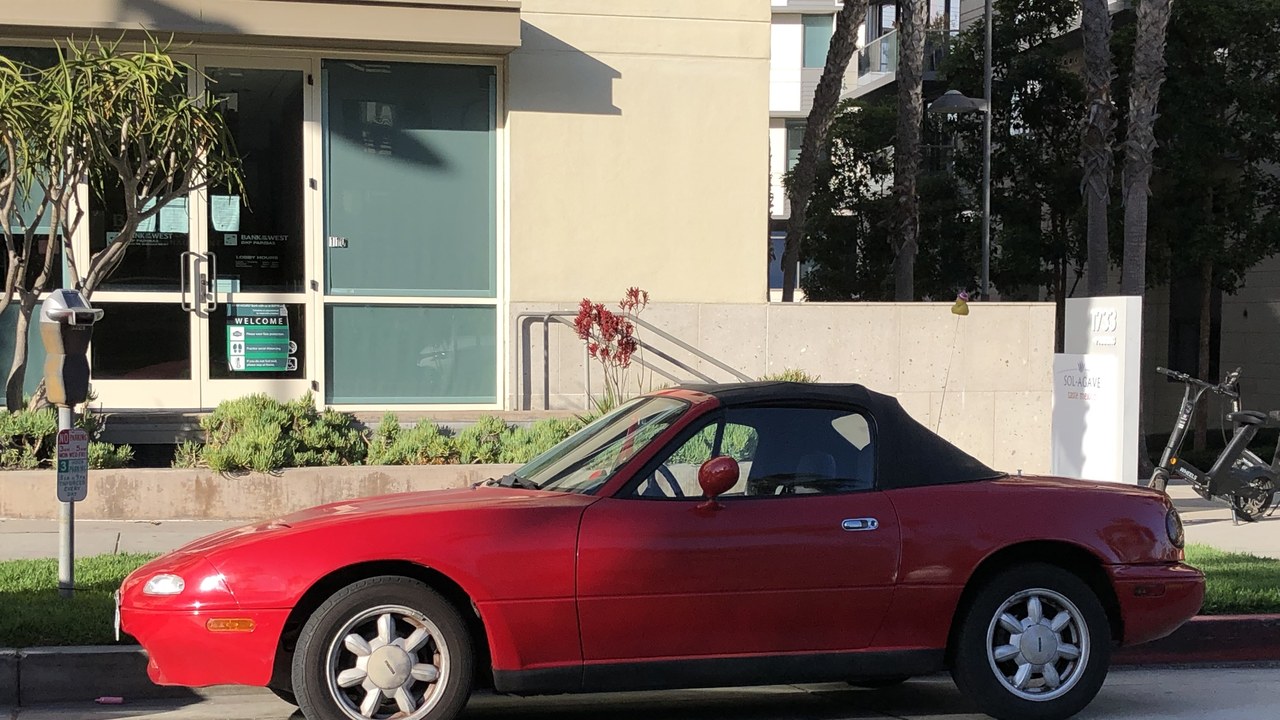
The Mazda MX-5 makes do with a naturally aspirated 2.0-liter four-cylinder rated at 181 horsepower, enough to reach 60 mph in the mid-five-second range, the slowest time on this list by more than a second. Mazda has never chased a bigger engine or forced induction for the Miata, holding curb weight near 2,300 pounds so the roadster stays among the lightest cars still sold today.
That light weight makes the low horsepower feel quicker than the stopwatch suggests once the road turns twisty, and trading a slower straight-line number for a soft-top, a manual gearbox and near-perfect weight balance is why the Miata has outlasted nearly every rival built in the same era. Enthusiasts often rank it above cars twice its price for that reason.
More from Morning Overview
- The NSA warns one messaging setting can clone your texts to a stranger
- Security experts still urge phone owners to switch off one location-tracking setting
- Automakers are quietly dropping the stop-start feature many drivers love to hate
- A granite sarcophagus surfaced in Egypt with its original lid still sealed
