
Speed records among animals span three different mediums, and the fastest specimens rarely resemble each other in size or shape. A soaring falcon, a sprinting cat and a torpedo-shaped fish can each claim a title depending on whether the measurement is horizontal flight, a vertical dive or a burst through water. Here are eight animals that move faster than nearly anything else alive.
1. Peregrine falcon: The Fastest Animal On Earth
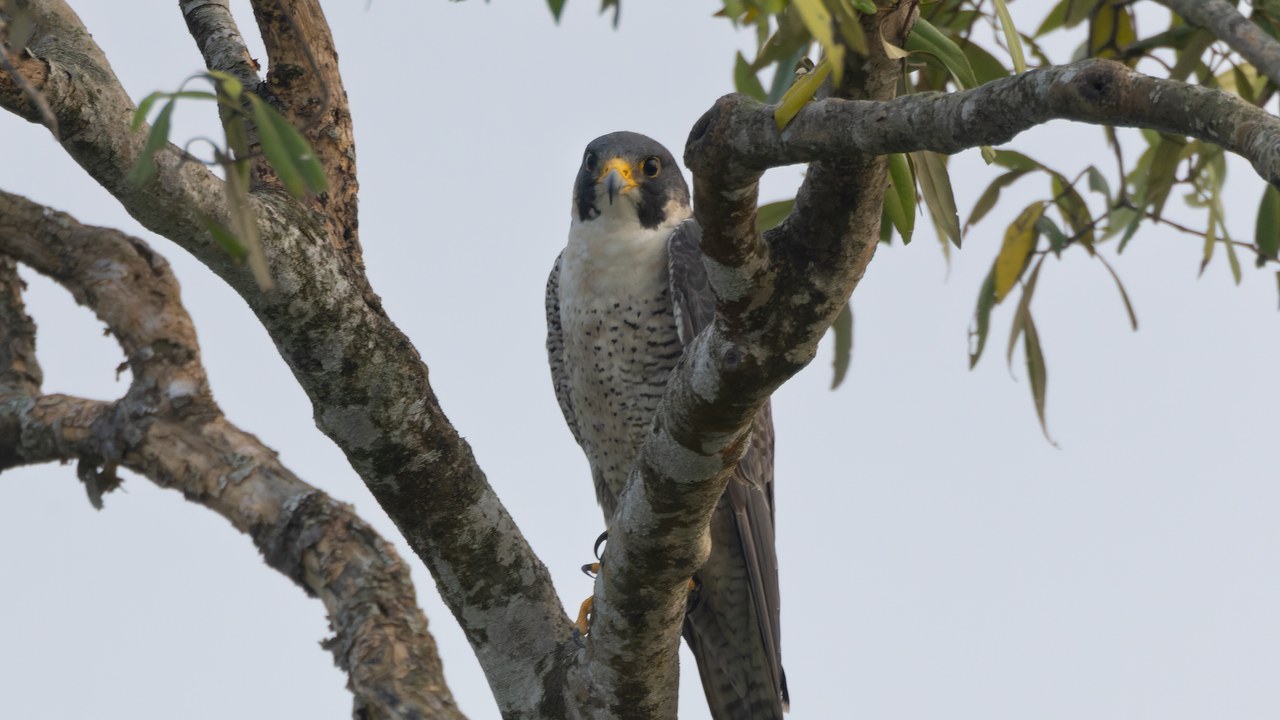
The peregrine falcon holds the title for fastest member of the animal kingdom, reaching documented speeds beyond 240 mph during a hunting stoop, the near-vertical dive it uses to ambush other birds in midair. That speed comes from folding its wings into a teardrop shape and free-falling toward prey rather than relying on wingbeats. Radar and GPS tracking of wild peregrine falcon dives have repeatedly confirmed the record.
The speed only works in a dive; in level flight the falcon is unremarkable next to a cheetah’s sprint or a bat’s wingbeat. Specialized nostril baffles keep airflow from overwhelming its lungs at that velocity, and a nictitating membrane protects its eyes, adaptations that let it hunt safely at speeds that would blind or disorient most birds.
2. Cheetah: Land Speed Without Rival
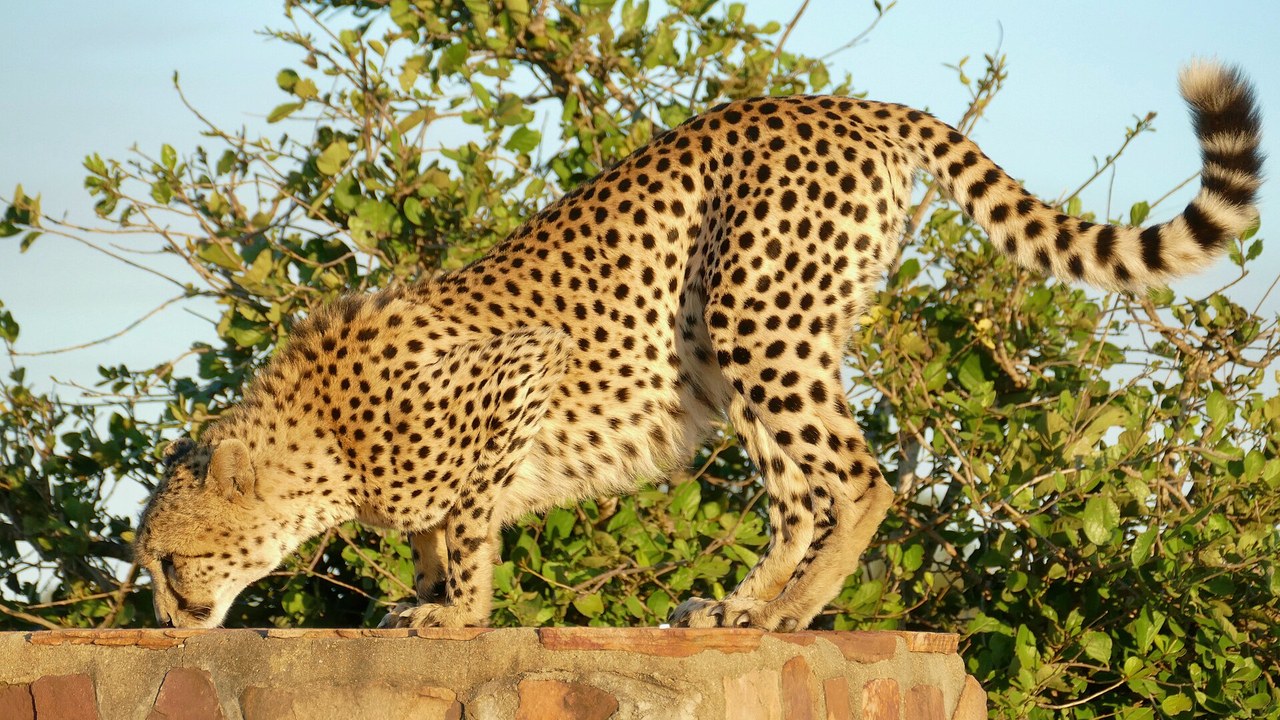
The cheetah is the fastest land animal alive, capable of reaching roughly 70 mph in short bursts across open ground and accelerating from a standstill to 60 mph in about three seconds. A flexible spine that bends like a spring, semi-retractable claws that grip like cleats and a long tail that acts as a rudder all work together during the chase, detailed on the cheetah’s physiology page.
That top speed cannot be sustained for more than 20 to 30 seconds before the animal’s body temperature climbs dangerously high, so a failed sprint often means abandoning the hunt entirely rather than risking heatstroke. Shrinking grassland habitat across Africa has made those short, high-speed chases harder to complete without running into fences or roads.
3. Sailfish: The Ocean’s Sprinter

The sailfish carries the reputation of the fastest fish in the sea, with researchers clocking short bursts estimated near 68 mph as it corners a school of baitfish. Its elongated bill and the tall, sail-shaped dorsal fin that gives the species its name fold flat against the body to cut drag during an attack, a hunting style documented on the sailfish’s feeding behavior page.
Rather than simply outswimming prey, a sailfish uses that burst of speed to slash its bill sideways through a packed baitball, stunning or injuring several small fish in a single pass. The species has become a prized catch-and-release gamefish, and tournaments increasingly release sailfish alive to protect a population that still faces heavy commercial bycatch.
4. Pronghorn: Built For The Long Chase
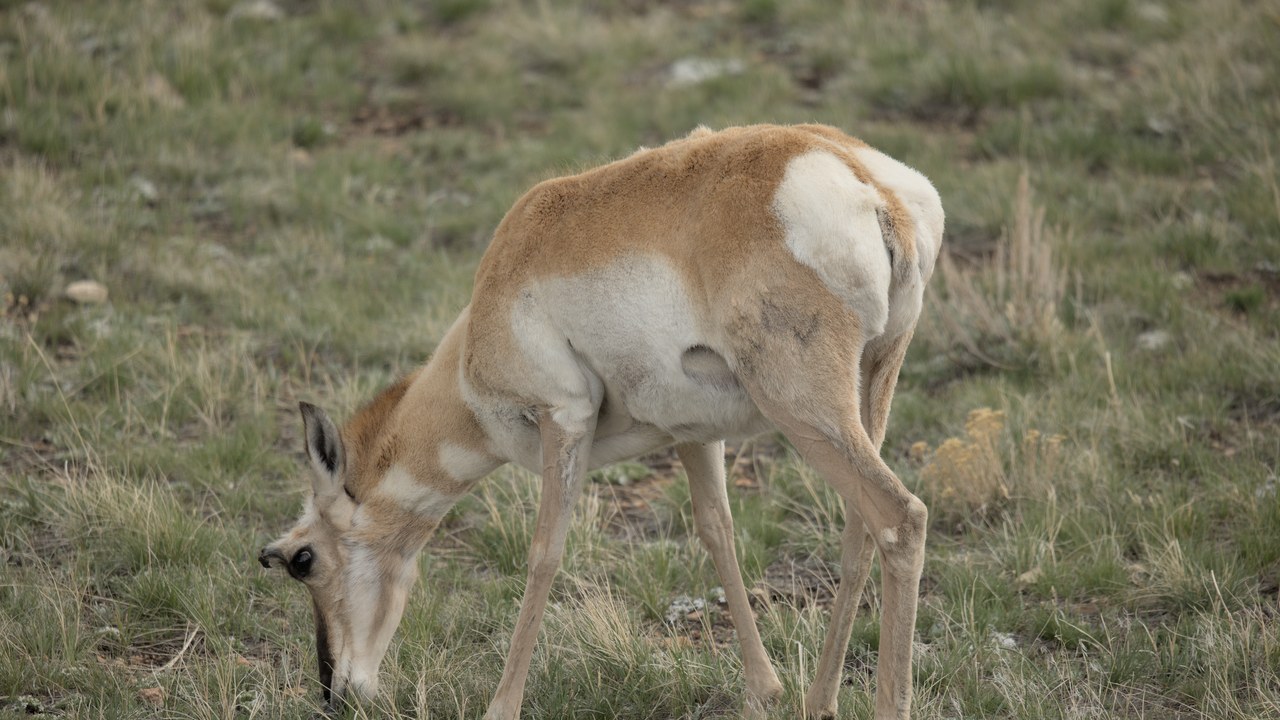
The pronghorn is North America’s fastest land mammal over distance, capable of holding speeds near 55 mph for miles rather than just a short burst. Biologists trace that endurance to an evolutionary arms race with the American cheetah, a predator that vanished roughly 12,000 years ago, a history explained on the pronghorn’s evolutionary origins page.
No living North American predator can match that pace today, yet the pronghorn still runs as hard as if the extinct cheetah were on its heels. Oversized lungs and a heart nearly three times the size expected for its body support that stamina, but modern barbed-wire fencing now blocks the open migration routes the species relies on.
5. Shortfin mako shark: Built For Sustained Speed
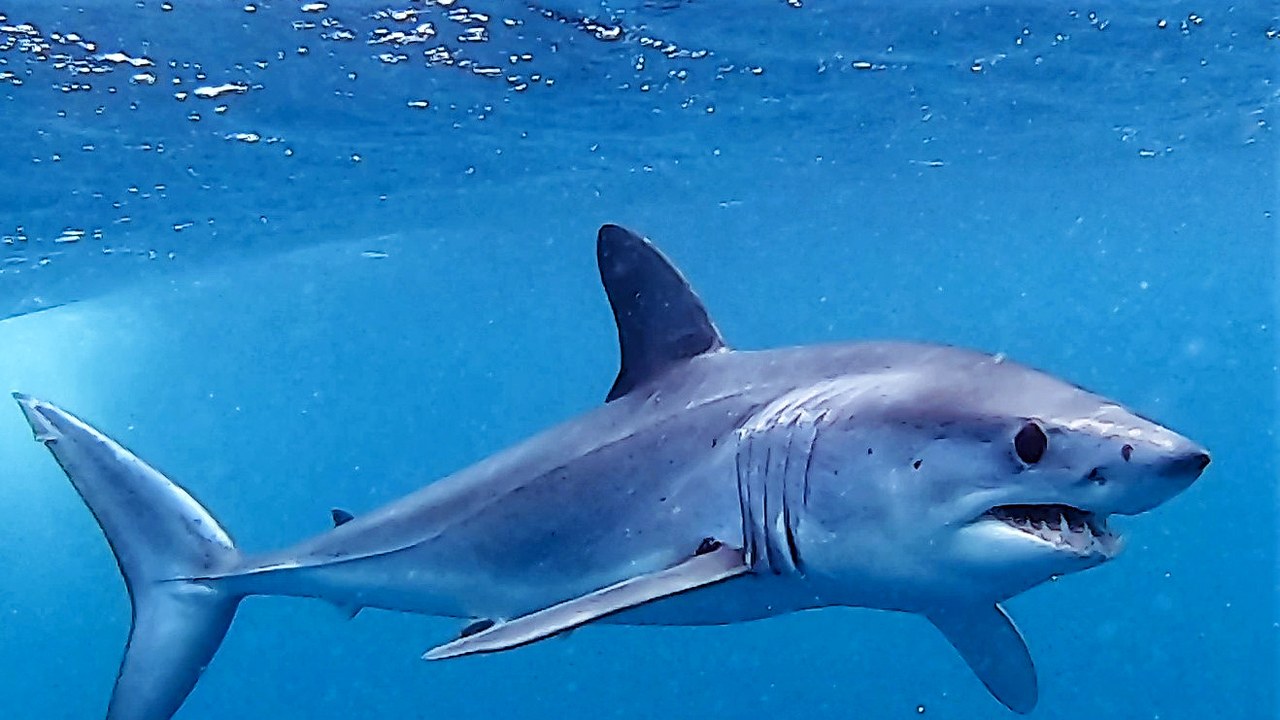
The shortfin mako shark is widely regarded as the fastest shark in the ocean, with burst speeds commonly cited around 45 mph that let it run down fast-swimming prey like tuna and swordfish. Unlike most fish, the species is regionally endothermic, meaning it keeps parts of its body warmer than the surrounding water, a trait detailed on the shortfin mako’s physiology page.
That warm-blooded advantage powers stronger, faster muscle contractions than a cold-blooded shark can manage, but it also demands constant swimming and a steady diet of fast prey to fuel the extra metabolic cost. Heavy targeting in commercial and recreational fisheries has pushed the species onto the IUCN Red List as endangered, even as its speed keeps it a prized gamefish catch.
6. Golden eagle: A Predator’s Vertical Stoop
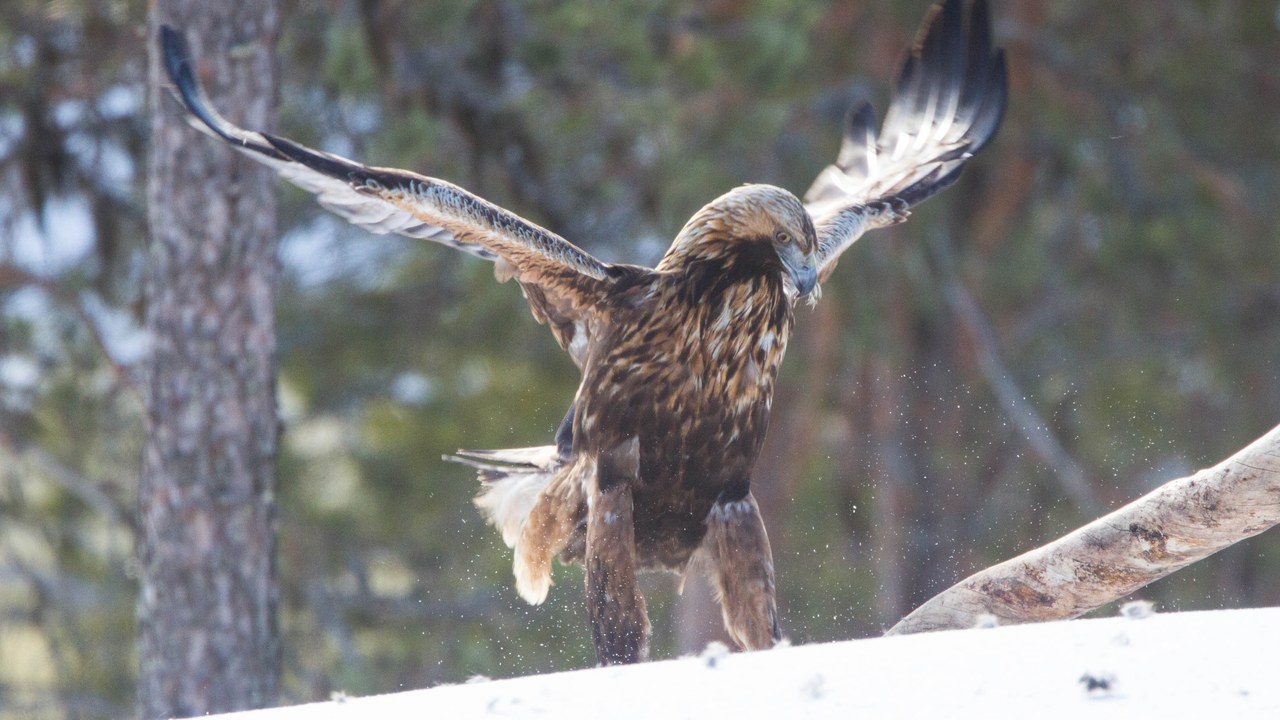
The golden eagle can exceed 150 mph in a hunting stoop, using its size and weight to build momentum as it folds back its roughly seven-foot wingspan and drops toward prey on the ground. That power lets it take animals as large as hares and young marmots in a single strike, a hunting method described on the golden eagle’s hunting strategy page.
Unlike the smaller, more agile peregrine falcon, the golden eagle trades precision for raw force, relying on bulk and a crushing grip rather than aerial finesse once it reaches its target. The species ranges across mountains, deserts and open country through much of the Northern Hemisphere, nesting on cliffs far from human disturbance.
7. Brazilian free-tailed bat: Fastest Flapping Flight On Record
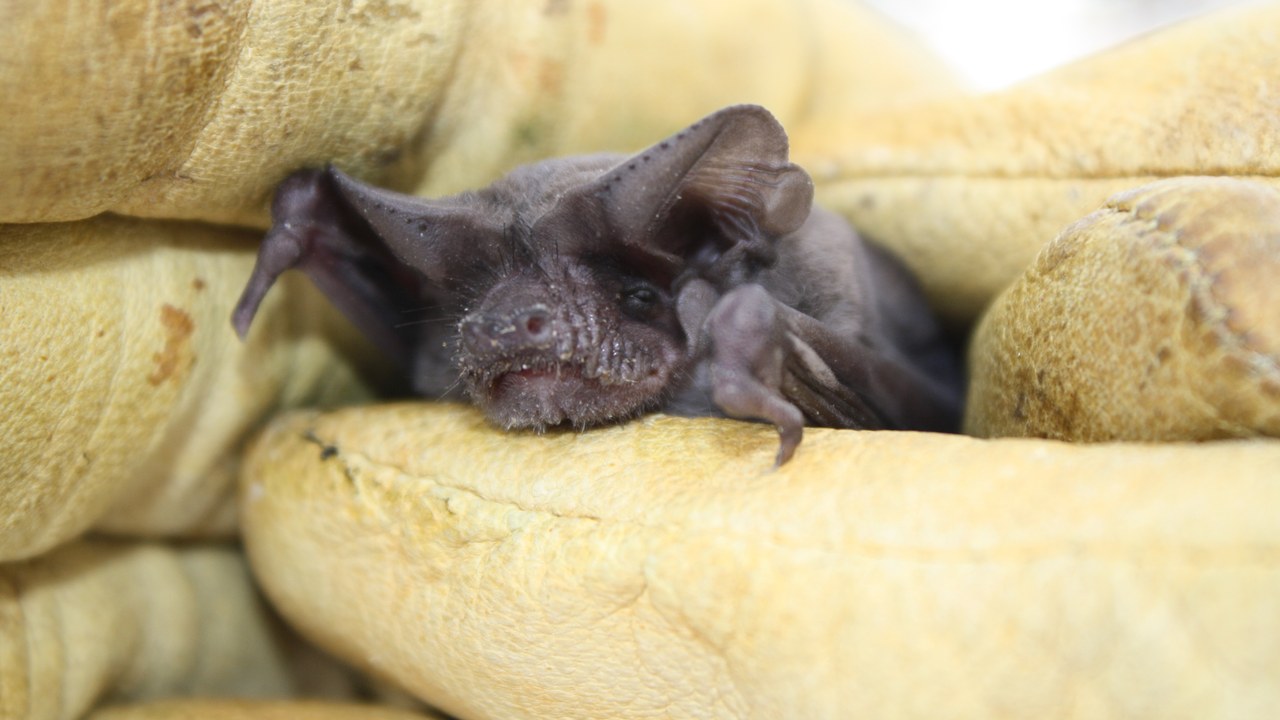
The Brazilian free-tailed bat holds the record for the fastest level, flapping flight of any animal, with GPS-tagged individuals tracked near 100 mph with the help of a tailwind. That speed sets it apart from a diving falcon or eagle, since the bat reaches it through sustained wingbeats rather than a gravity-assisted drop, a finding drawn from tracking data on the species’ flight speed studies.
Colonies numbering in the millions roost in caves across Texas and the Southwest, and the bats rely on that speed to cover long nightly foraging distances in search of insects. A single large colony can consume tons of crop pests in one night, making the species a significant, if under-appreciated, ally to regional agriculture.
8. Anna’s hummingbird: Fastest Creature Relative To Size

Anna’s hummingbird holds a different kind of speed record, diving during courtship displays at roughly 385 body lengths per second, a relative pace that outstrips a fighter jet or even the space shuttle during re-entry. Males climb up to 100 feet before dropping in a steep display dive aimed at a watching female, a maneuver detailed on the species’ courtship behavior page.
Pulling out of that dive subjects the bird’s body to forces exceeding what a fighter pilot could withstand without blacking out, yet the hummingbird recovers instantly and returns to hovering at a feeder. Unlike most hummingbird species, Anna’s hummingbird stays year-round along much of the Pacific coast instead of migrating, making it one of the most familiar backyard birds in the region.
More from Morning Overview
- The FBI tells phone owners to delete these toll-payment texts draining accounts nationwide
- A second Maya city, hidden 2,500 years, has surfaced from Campeche’s forest on LiDAR maps
- Doctors are rethinking who actually benefits from a daily low-dose aspirin
- Older Teslas are wearing out in ways early owners never saw coming
