
A project car is only as good as the catalog behind it, and some American classics have a far deeper catalog than others. Reproduction panels, shared hardware and active clubs can turn a daunting rebuild into a manageable one. Here are twelve American classics whose parts support can ease the job of bringing one back.
1. 1964–1973 Ford Mustang: Plentiful Parts, Plentiful Guides
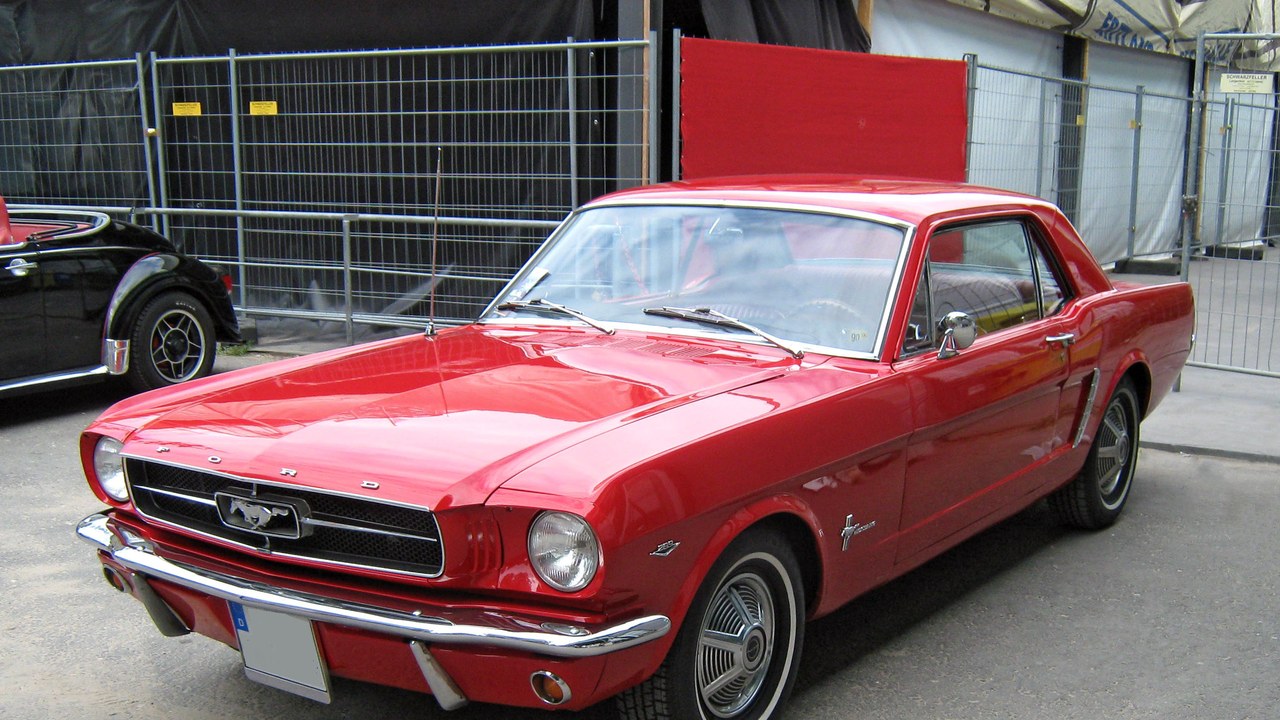
Hagerty describes plentiful replacement parts and detailed how-to resources for the Mustang of this era, a pairing that lowers the barrier for first-time restorers.
The original pony car is the standard example of a well-supported project. The description is historical and model-specific, and it makes no promise about any particular part’s availability today, nor about price or value for a given car. That reputation is a big reason the model is so often recommended to people tackling a restoration for the first time.
2. 1970s Pontiac Firebird: Not the Trans Am
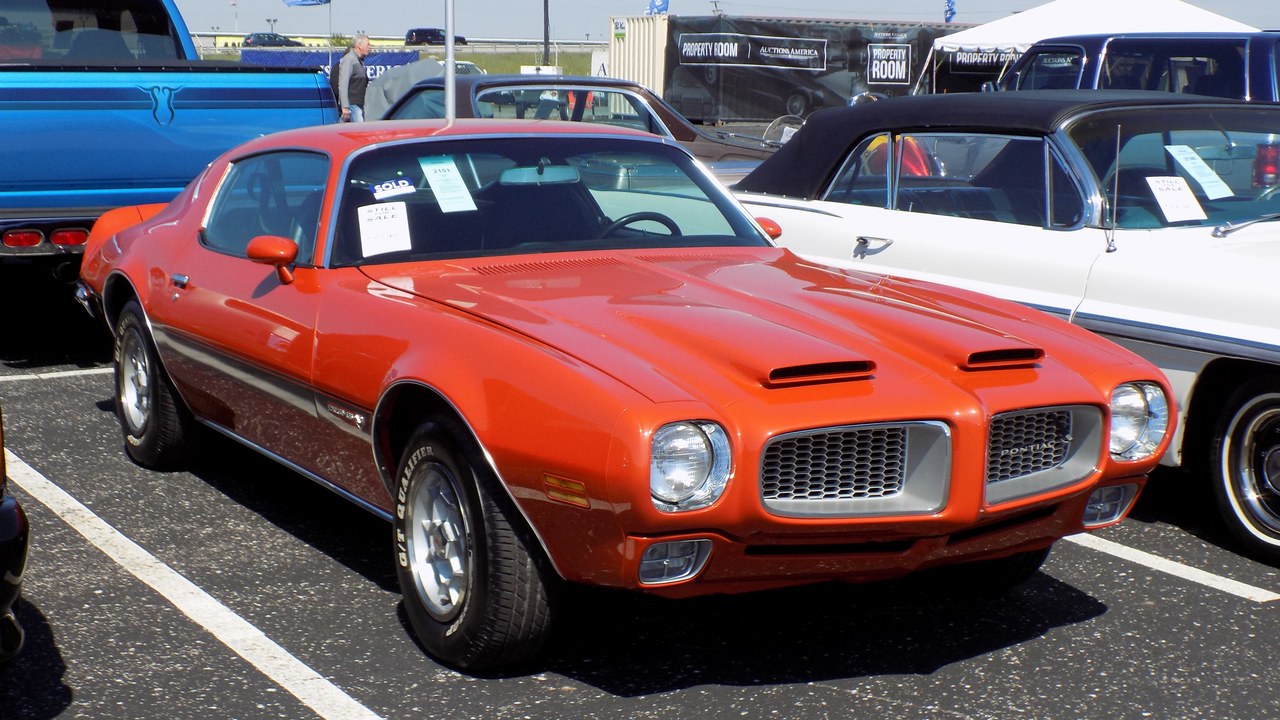
Hagerty identifies non-Trans Am Firebirds as candidates with parts support, pointing buyers to the more common versions of the Pontiac pony car.
For owners, that distinction matters, since the best-known trim is not the only way into the model. The source speaks to support for the group, so individual parts still need checking, and no claim about value is made. It also suggests that a buyer who skips the headline trim may find the road to a finished car noticeably smoother.
3. 1968–1972 Oldsmobile Cutlass: Shared GM Hardware
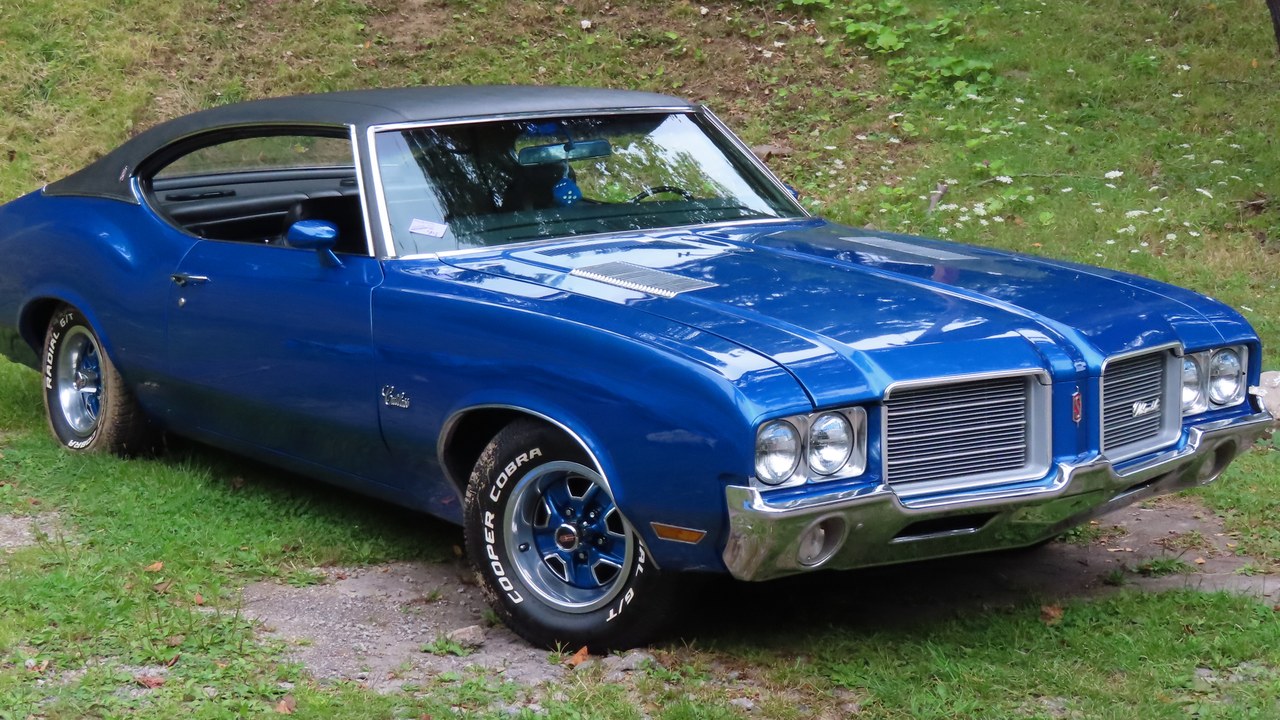
Shared GM A-body hardware gives the Oldsmobile Cutlass a broad parts base, meaning many components overlap with sister models from the same family.
That overlap spreads the demand for parts across several cars, which helps a restorer hunting for common items. It does not guarantee that every trim piece is available, and the note carries no current price or valuation claim. Anyone weighing the Cutlass against rarer cars should count that shared heritage as a practical advantage in the garage.
4. 1967–1970 Mercury Cougar: Mustang Parts Cousin
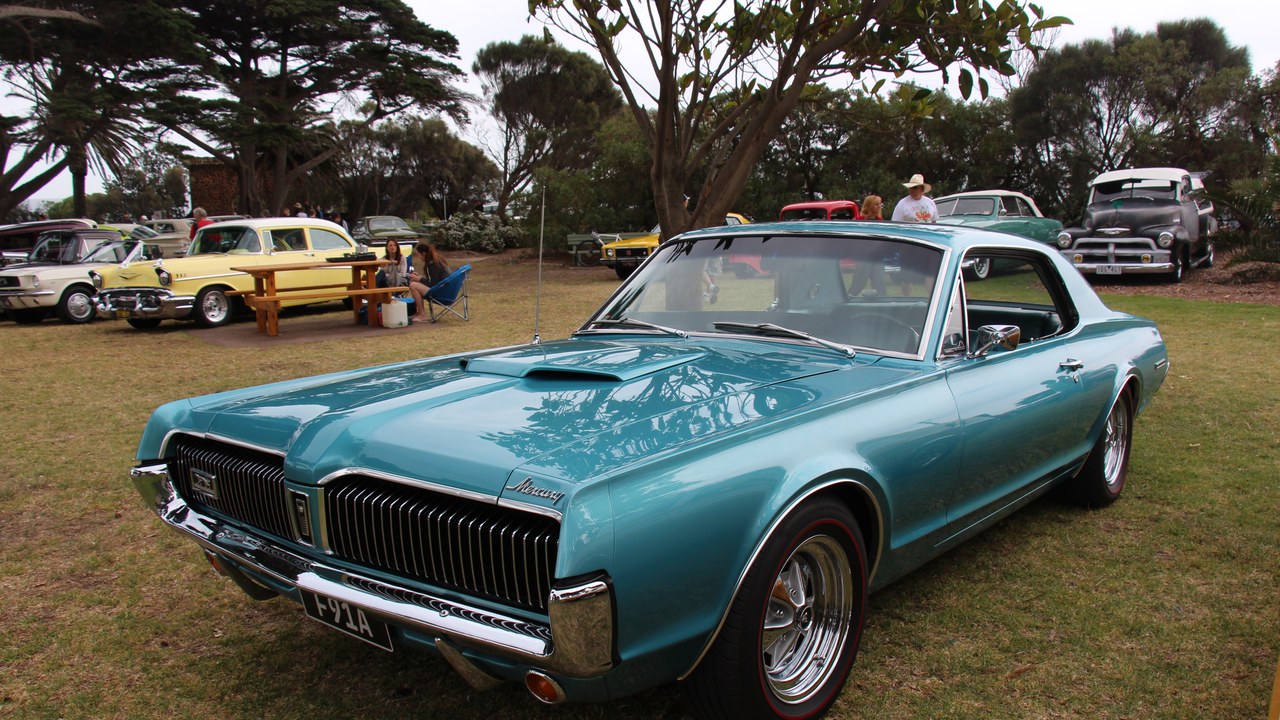
The first Mercury Cougar shares underhood parts with the Mustang, a link that puts a well-supported catalog within reach of a car with a distinct look.
The overlap covers the engine bay, so body and interior pieces may still require more searching. The note is a historical comparison and does not speak to the car’s market worth or to any individual example. For fans of the Mustang family who want something a little different, that connection is a real selling point.
5. 1967–1969 Chevrolet Camaro: Whole Bodies Reproduced
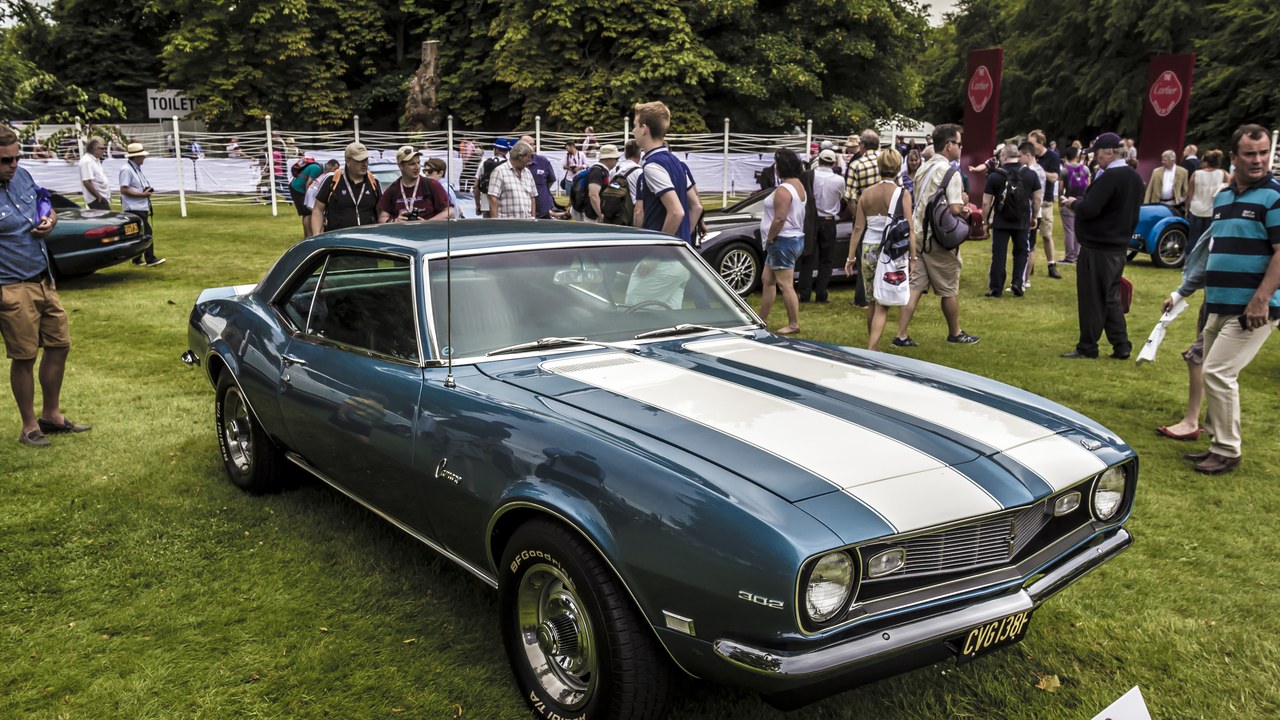
MotorTrend describes reproduction parts for the first-generation Camaro extending to complete body stampings, a level of support few classics can match.
For a rusty shell, that can change a restoration plan, since structural panels can be replaced rather than hunted down. The statement concerns the parts market, not any car’s condition or price, and quality can vary between suppliers. Buyers should still compare reproduction quality and fit, since a part being available is not the same as being right.
6. 1964–1972 Chevrolet Chevelle: Clubs, Forums and Suppliers
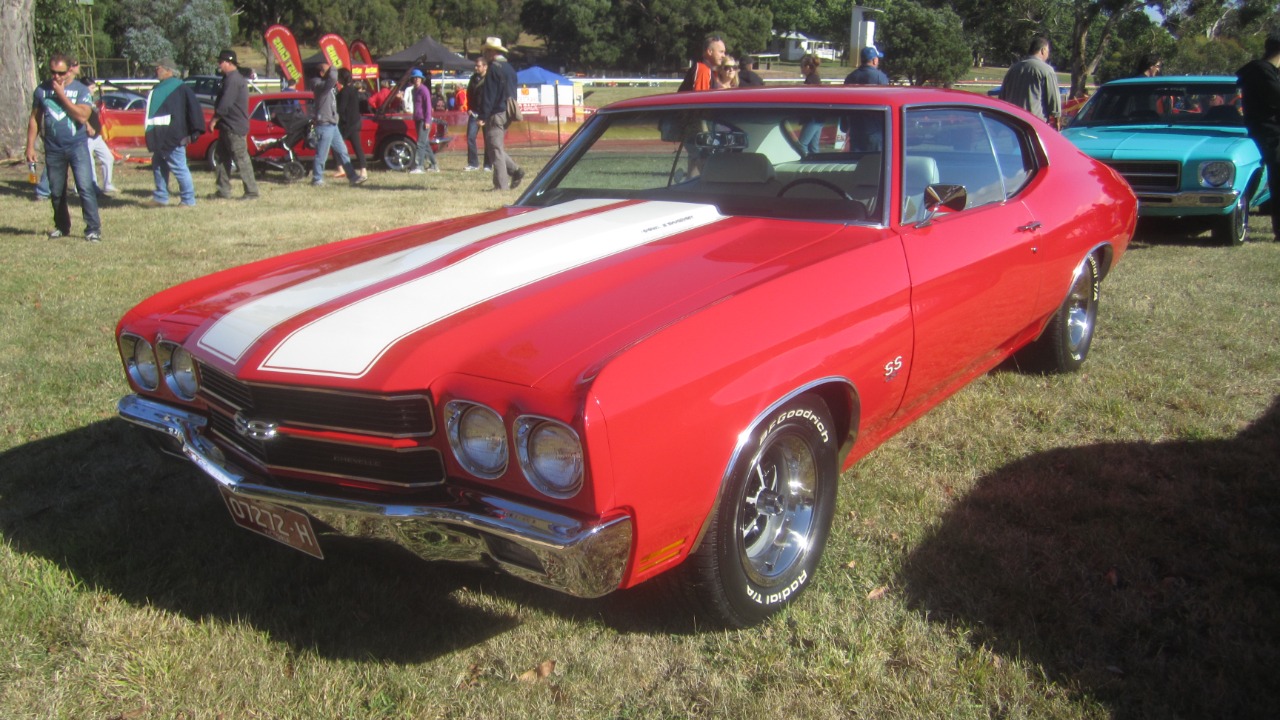
Specialist suppliers, clubs and forums give the Chevelle a deep support network, according to the source, which is useful for both parts and hard-won advice.
A restorer gets more than a catalog from that ecosystem, because experienced owners often know the pitfalls of the model. The note is general and does not guarantee any part, nor does it make any claim about value. That community knowledge can be as valuable as the parts themselves when a restoration stalls on an unfamiliar problem.
7. 1964–1972 Pontiac GTO: Named Parts Resources
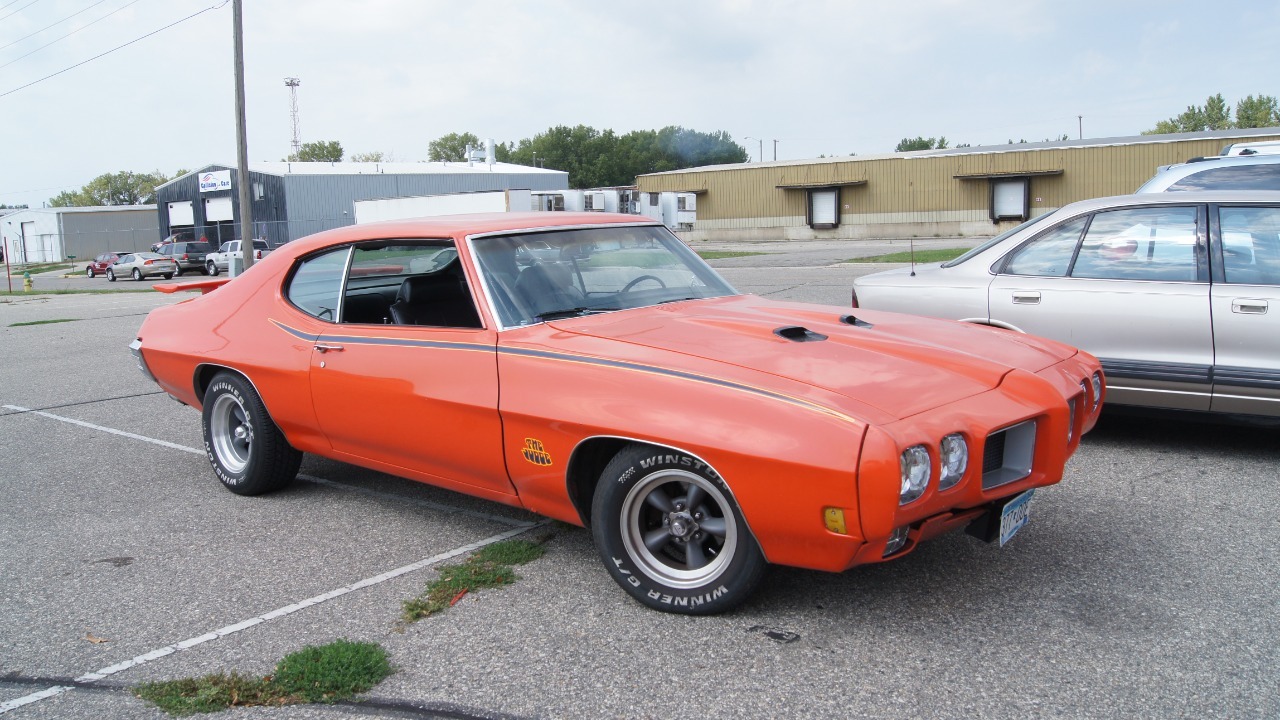
MotorTrend names Original Parts Group and Year One as parts resources for the Pontiac GTO, giving shoppers specific places to start looking.
Named suppliers make the planning stage easier, since owners can compare catalogs before buying a car. The source points to resources and does not vouch for every part’s fit or for the car’s price. Buyers planning a build can use those names as a shortlist, then check availability for the exact year and option set.
8. 1970–1974 Plymouth Barracuda: Mopar Specialists Step In
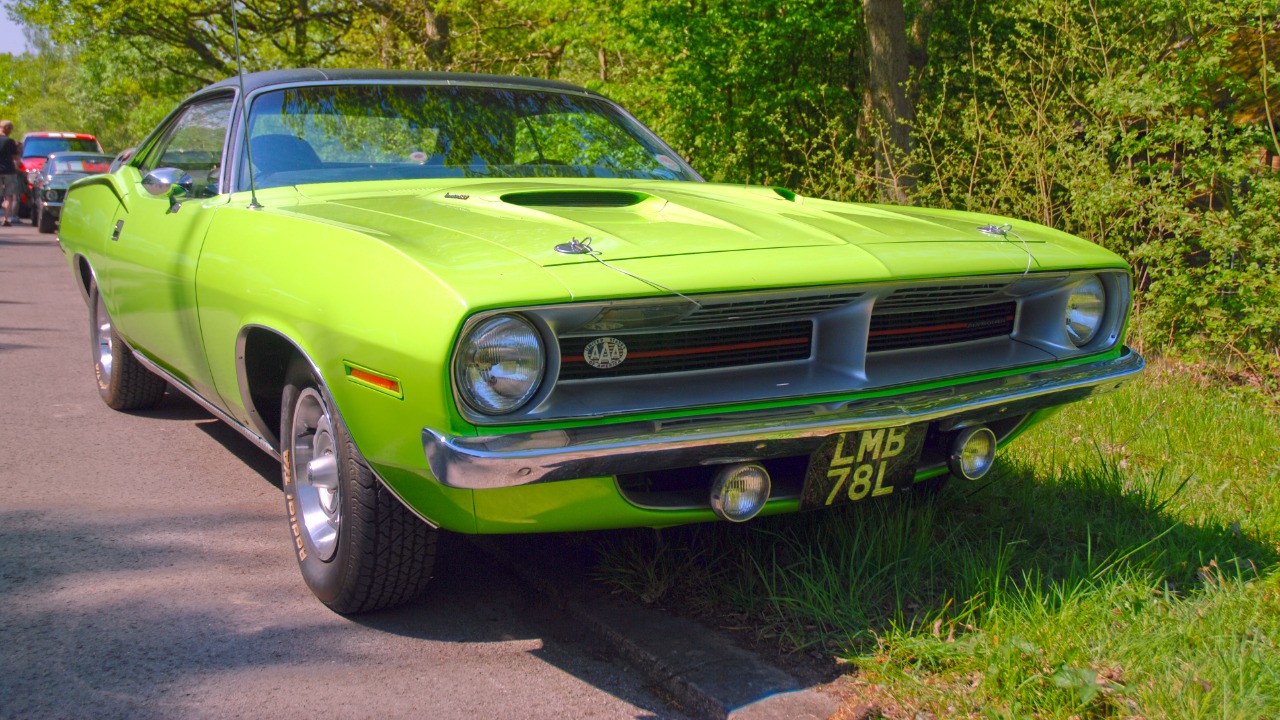
MotorTrend identifies dedicated Mopar restoration suppliers for the Plymouth Barracuda, a useful sign for a model that might otherwise look hard to feed.
Those specialists mean an owner is not forced to rely on swap meets alone. The evidence concerns the supplier landscape, so it does not promise full coverage, and it carries no valuation claim. For a buyer considering the Barracuda, that is reassuring, since the model sits in a corner of the hobby with passionate followers.
9. 1964–1965 Ford Falcon: Borrowed Mustang Hardware
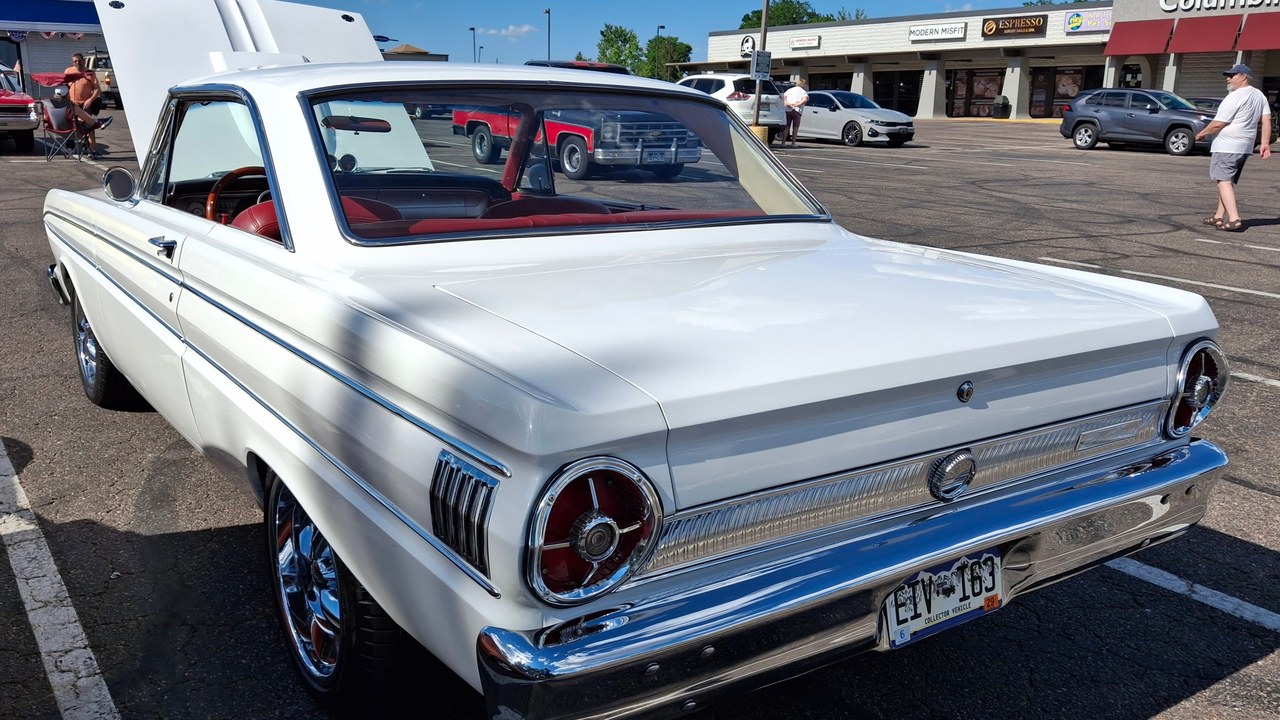
The Ford Falcon shares Mustang brake and suspension components, a link that makes some of the most important mechanical parts easier to source.
The overlap follows from the Mustang’s development from the Falcon, which is why the Falcon benefits from a famous sibling’s catalog. Body and trim pieces are a separate question, and the note makes no claim about price. That makes it a sensible choice for owners who want the look of an earlier compact with some of the hardware of a famous one.
10. 1955–1957 Chevrolet Bel Air: Down to the Whole Body
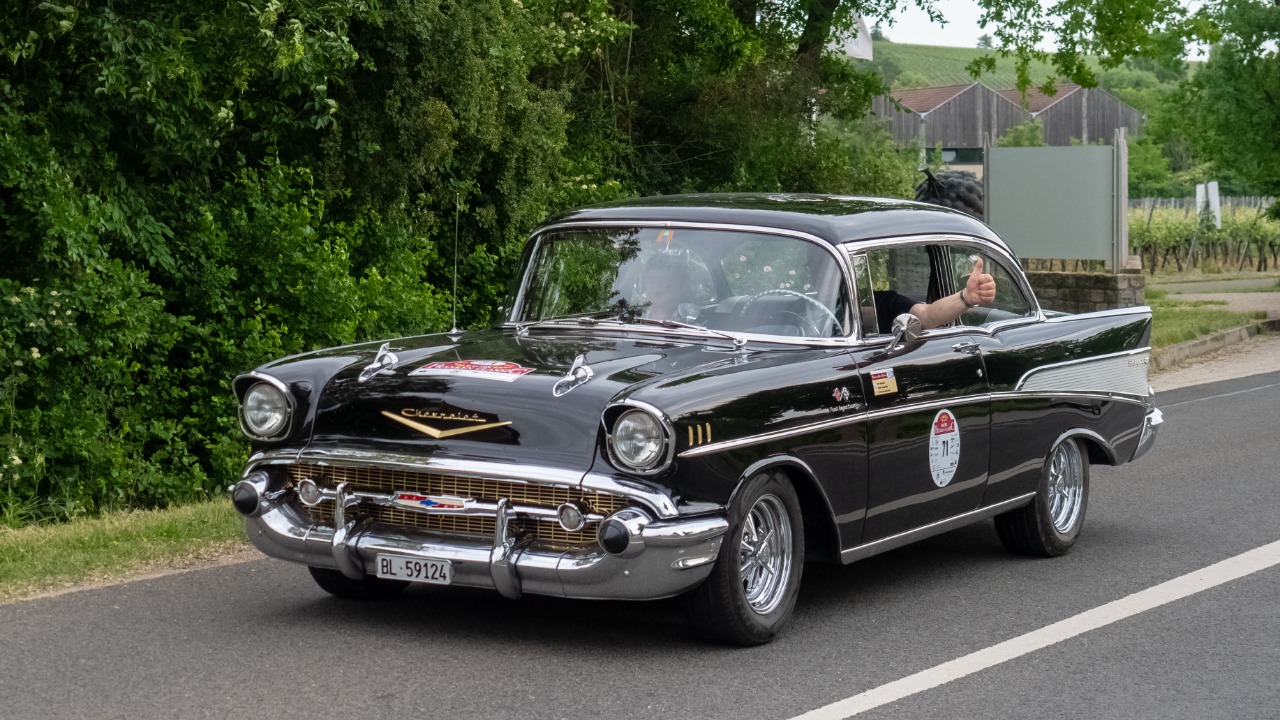
The shop describes reproduction components for the Bel Air extending to complete 1957 bodies, a rare level of availability for a car of its age.
That is a major advantage for a restoration that needs more than patch panels. The claim is tied to one source and the 1957 model, so earlier or later years may vary, and no value is implied. For a tri-five Chevrolet that has seen better days, that depth of support is among the strongest arguments for taking it on.
11. 1928–1931 Ford Model A: Simple and Reproduced
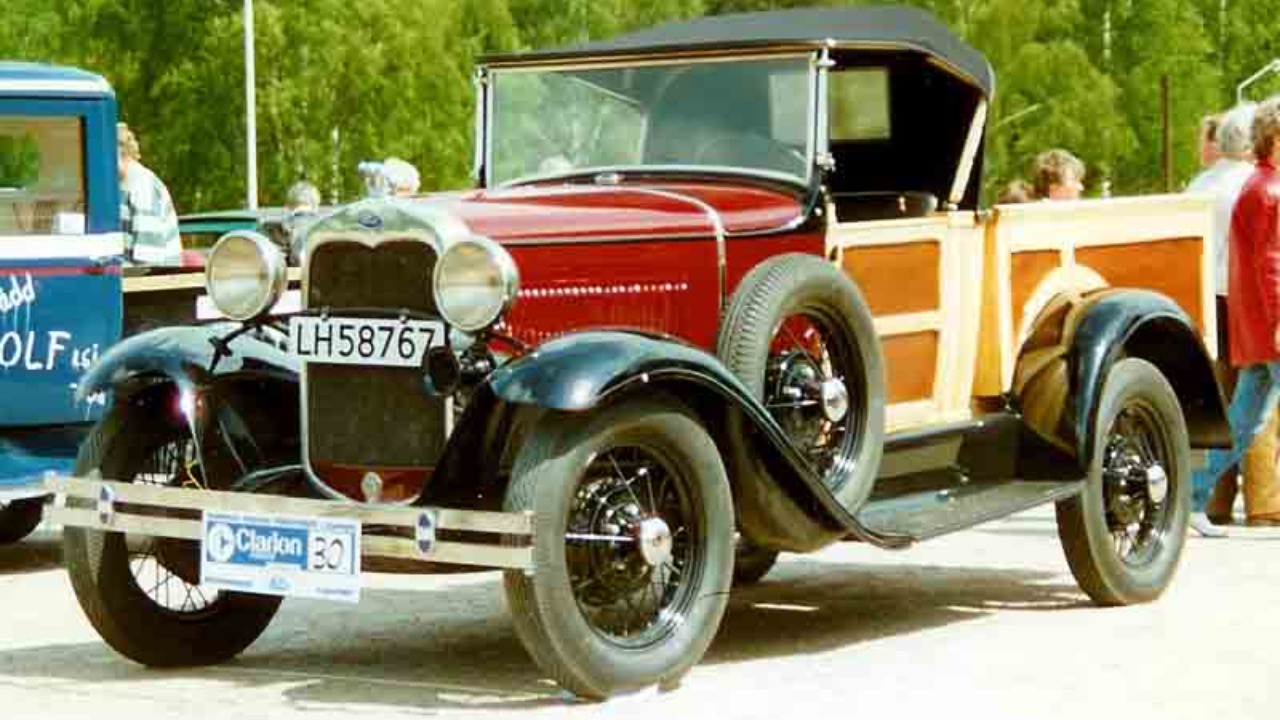
Simple construction and reproduced body parts support Model A restoration, which helps make a car of this age approachable for hobbyists.
A straightforward design means fewer unfamiliar systems to learn, and the reproduced parts fill gaps that old stock cannot. The evidence is general, so each project still needs its own research, and no pricing claim is made. That combination explains why the Ford has long been a popular entry point for people learning to restore old cars.
12. 1968–1970 Dodge Charger: Mechanical, Body and Trim
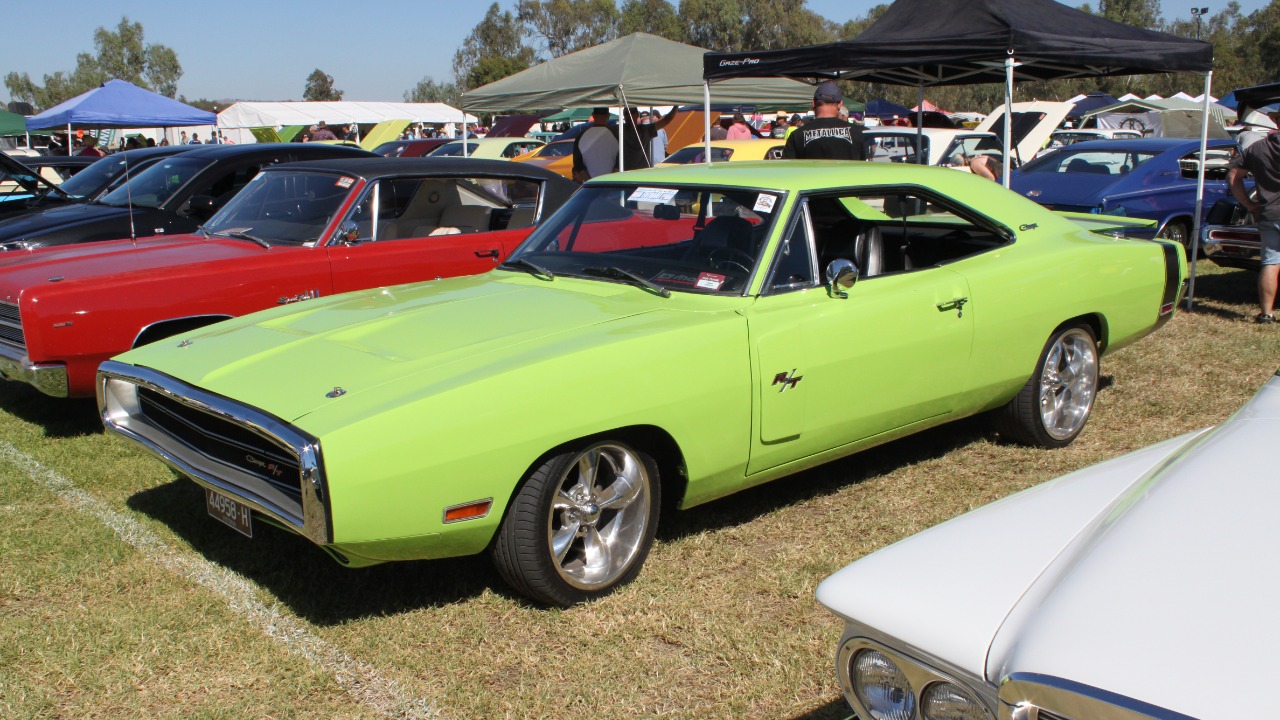
The shop identifies replacement mechanical, body and trim components for the Dodge Charger, covering the main areas a restorer has to address.
Coverage across all three groups matters because a project usually needs help everywhere. The listing is a general indication of support, not a promise that every item can be found, and it carries no valuation claim. Anyone eyeing a Charger project can read this as an encouraging sign, while still confirming specifics for the exact year and trim.
More from Morning Overview
- Long use of a common prostate pill is tied to a higher chance of glaucoma
- Ford is recalling 223,472 F-150 pickups because the fuel tank can leak or detach
- Hybrids have 15% fewer problems than gas cars, while EVs and plug-in hybrids have about 80% more, Consumer Reports finds
- Regulators cleared the first U.S. small modular reactor, 4 months early
