
When fuel prices and federal efficiency rules closed in during the late 1970s, American automakers did something once unthinkable and made their biggest cars smaller. Weight came off, bodies got shorter, and some engines shrank along with them. Here are twelve Detroit models whose downsizing shows how the industry answered the squeeze at the pump.
1. 1977 Buick LeSabre: Losing Weight in a Hurry
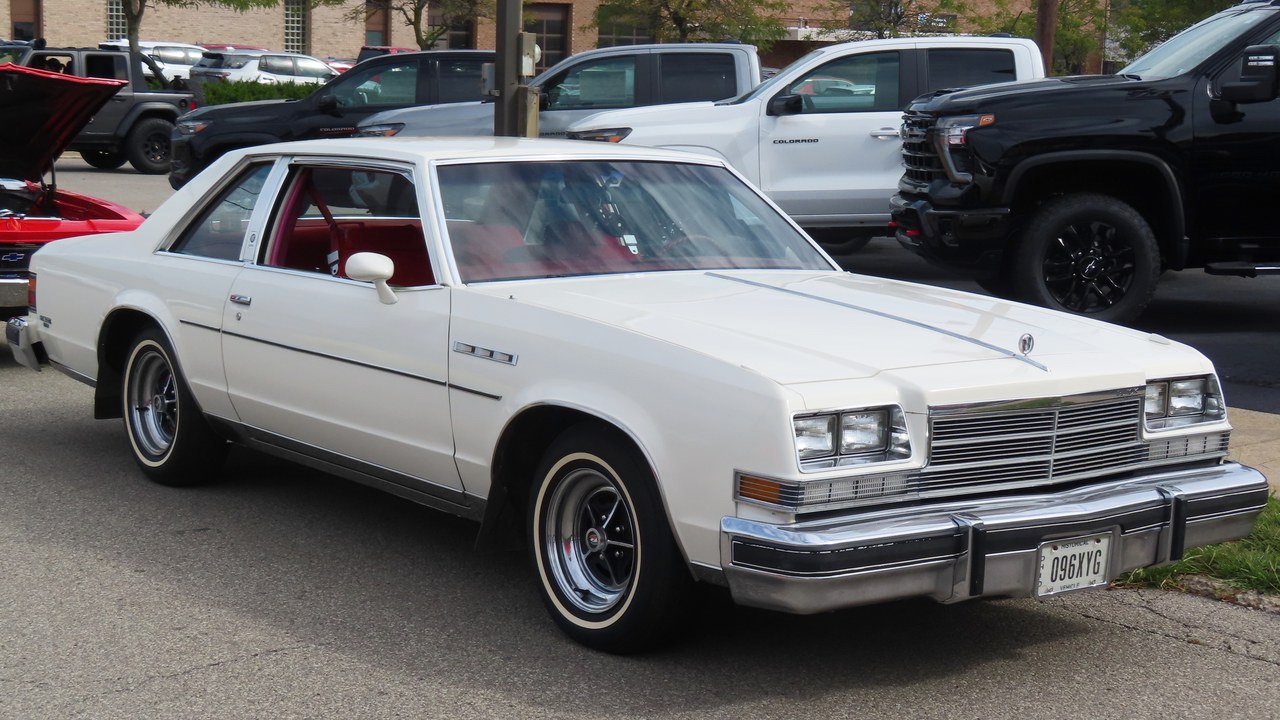
The 1977 Buick LeSabre came out of its redesign with a 665-pound reduction from the car it replaced, a striking diet for a full-size sedan.
Weight is the simplest lever for better fuel economy, and the LeSabre pulled it hard. The figure is a model-specific comparison with its predecessor, and it makes no claim about current value or condition for buyers today. For readers following the era, it is an easy example of how quickly a full-size car’s basic weight could change.
2. 1977 Chevrolet Impala: Eleven Inches Shorter
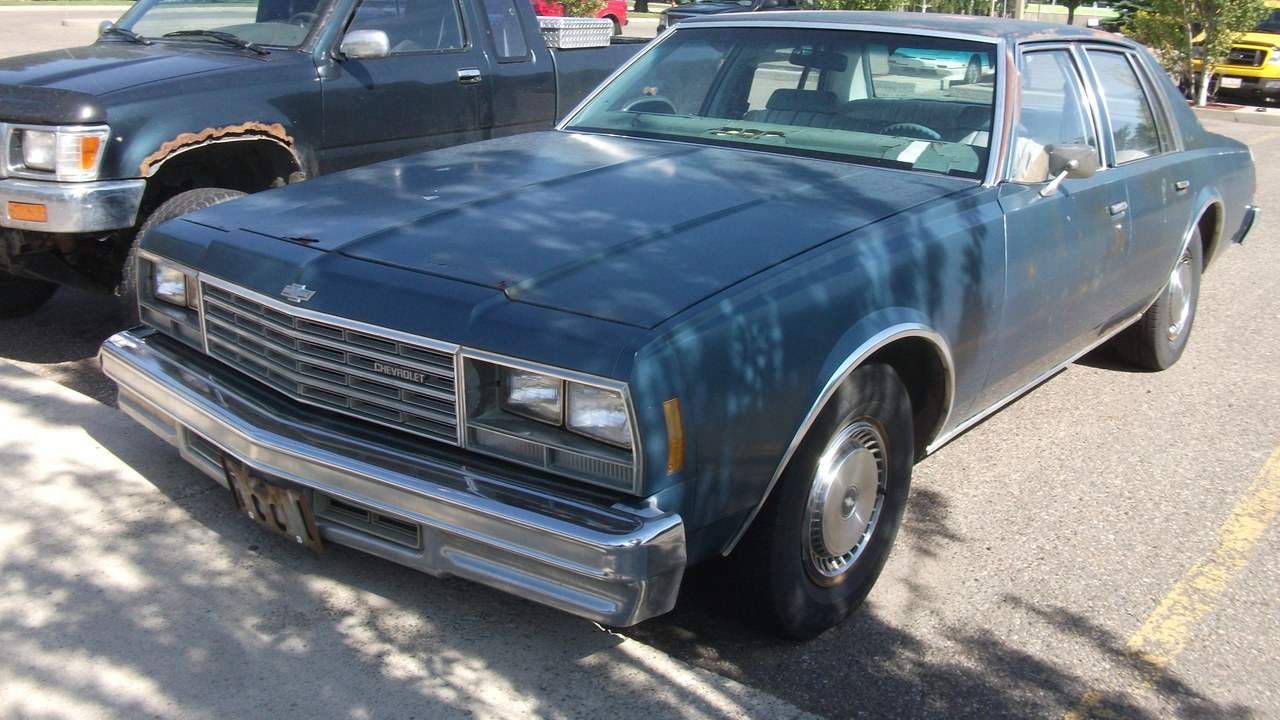
Chevrolet’s redesign of the 1977 Impala trimmed 11 inches in length and 4 inches in width, a visible sign of how seriously GM took the downsizing push.
The Impala remained a familiar family car, only with a tighter footprint. For collectors, the change marks a clear dividing line between the older, bigger body and the leaner one, without implying anything about price. Together with the length cut, the narrower body shows the redesign was a rethink of the whole car.
3. 1977 Chevrolet Caprice: Smaller Standard Engine
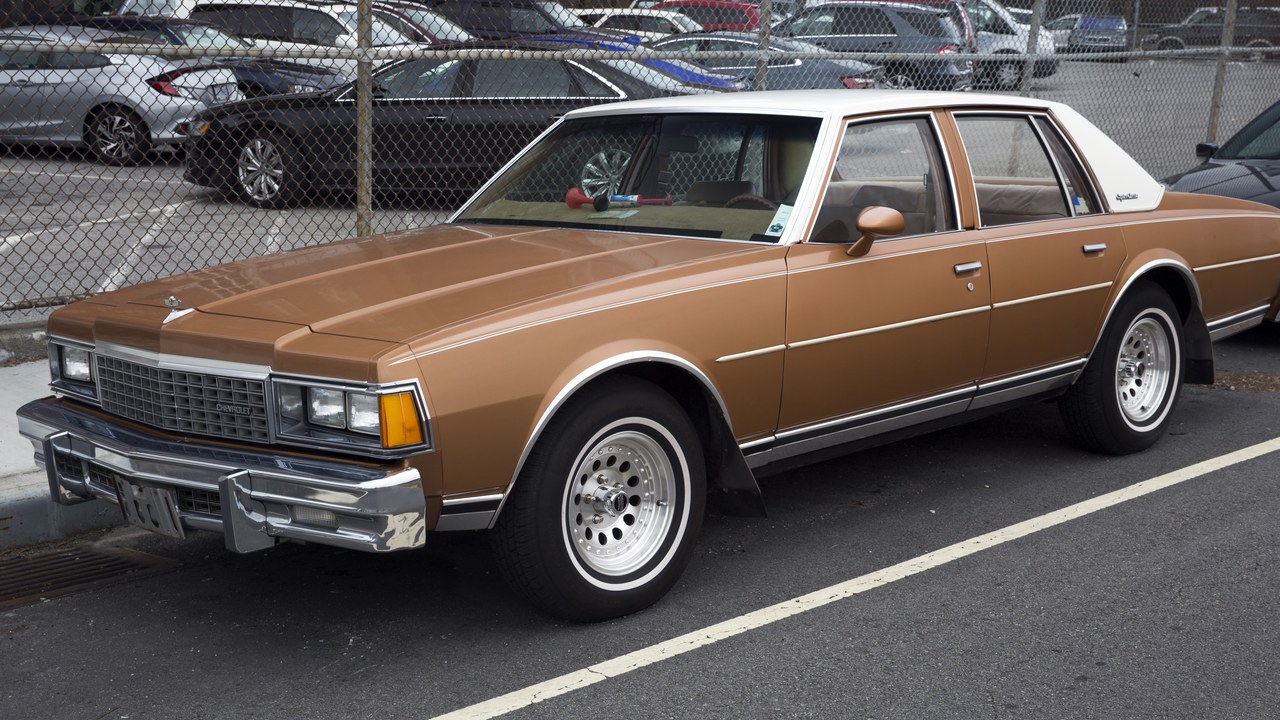
On the 1977 Chevrolet Caprice, a smaller six-cylinder replaced the standard 350 V8, showing that downsizing reached under the hood as well as the bodywork.
That change matters to anyone checking a car’s originality, since engines varied by order. The note concerns the standard powertrain, not every Caprice, and it says nothing about what any example is worth. The pairing of a lighter car with a smaller engine is a handy reminder of how the efficiency push worked.
4. 1977 Ford Thunderbird: Personal Luxury Goes Trim
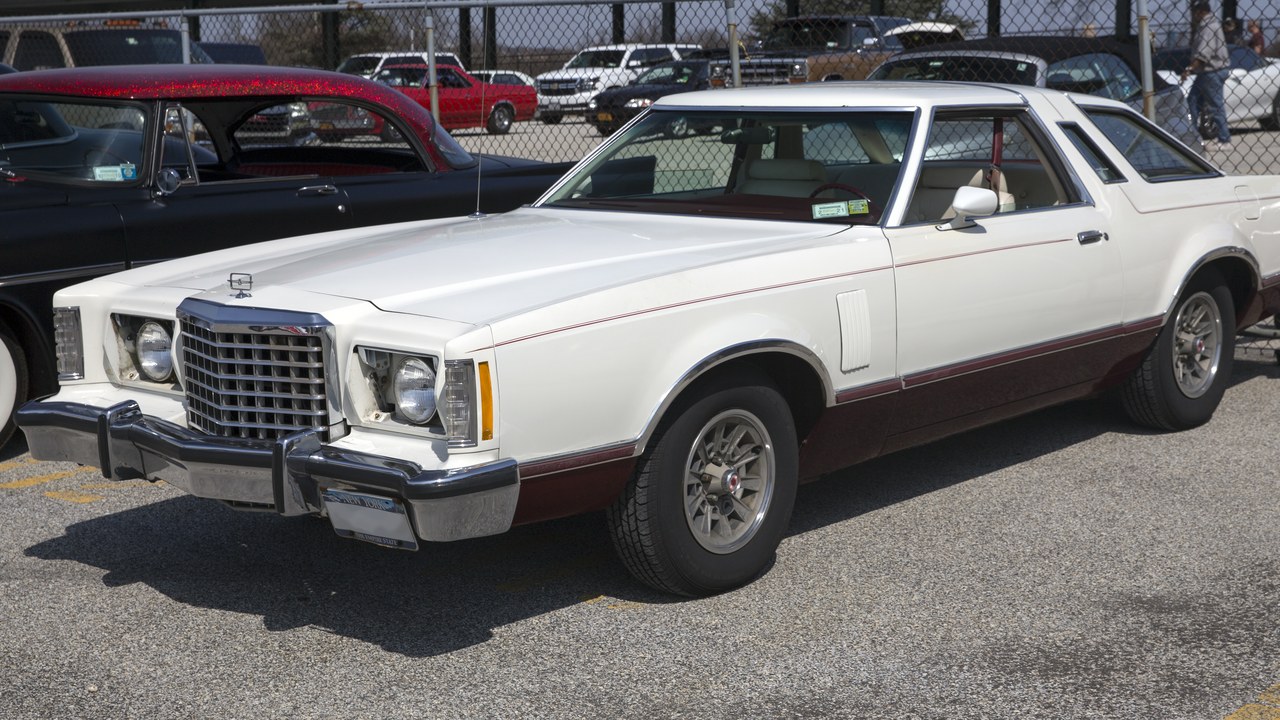
The redesigned 1977 Ford Thunderbird was 10 inches shorter, proof that even the personal-luxury coupe was not spared from the push toward efficiency.
The Thunderbird kept its style while shedding length, a pattern that repeated across Detroit. The comparison is with its immediate predecessor, so it describes one redesign and not the nameplate’s whole history. It shows that styling-driven models were pulled into the same effort as the family sedans.
5. 1979 Ford LTD: Panther Platform Arrives
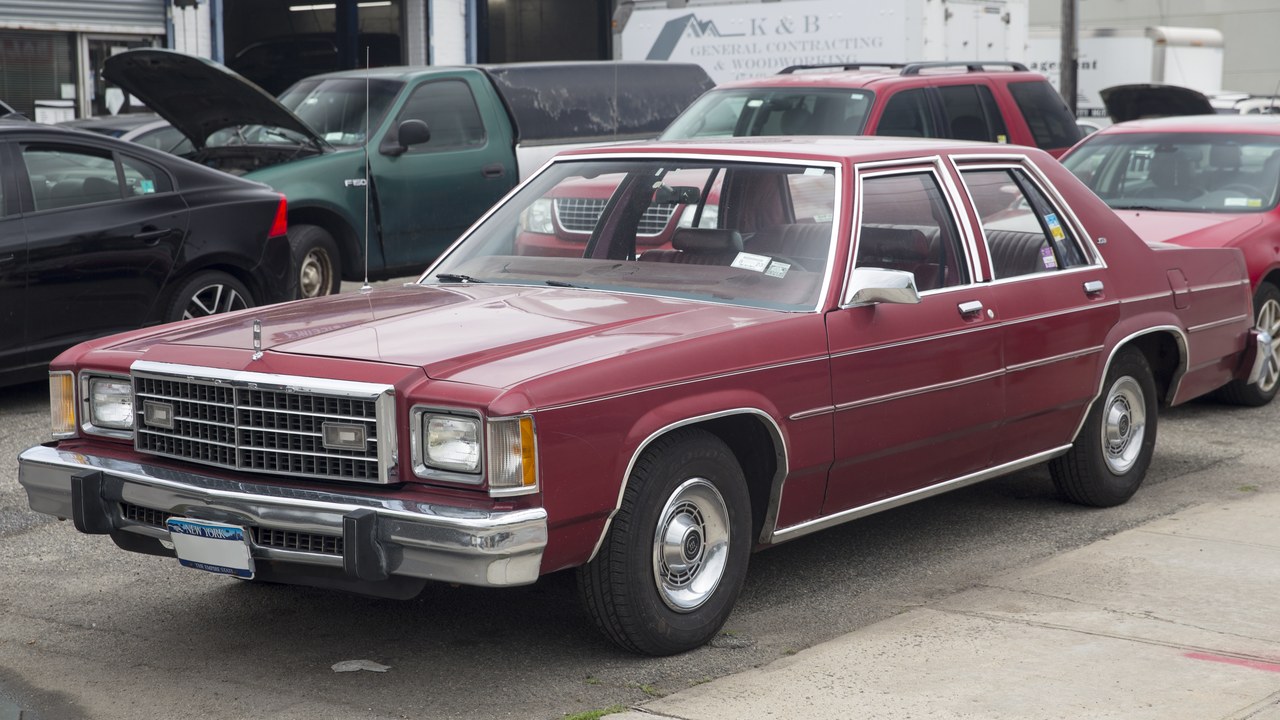
Ford’s 1979 full-size redesign shortened the LTD as the company adopted the Panther platform, a shared architecture that would carry several large Ford products.
The LTD therefore reflects a corporate strategy, not just a trim package. Buyers and historians can read it as the moment Ford reset its biggest sedans, without any claim about modern pricing or valuation. The platform’s arrival is why the LTD is more than a simple shortening of the previous model.
6. 1977 Buick Electra: The Flagship That Lost Its Bulk
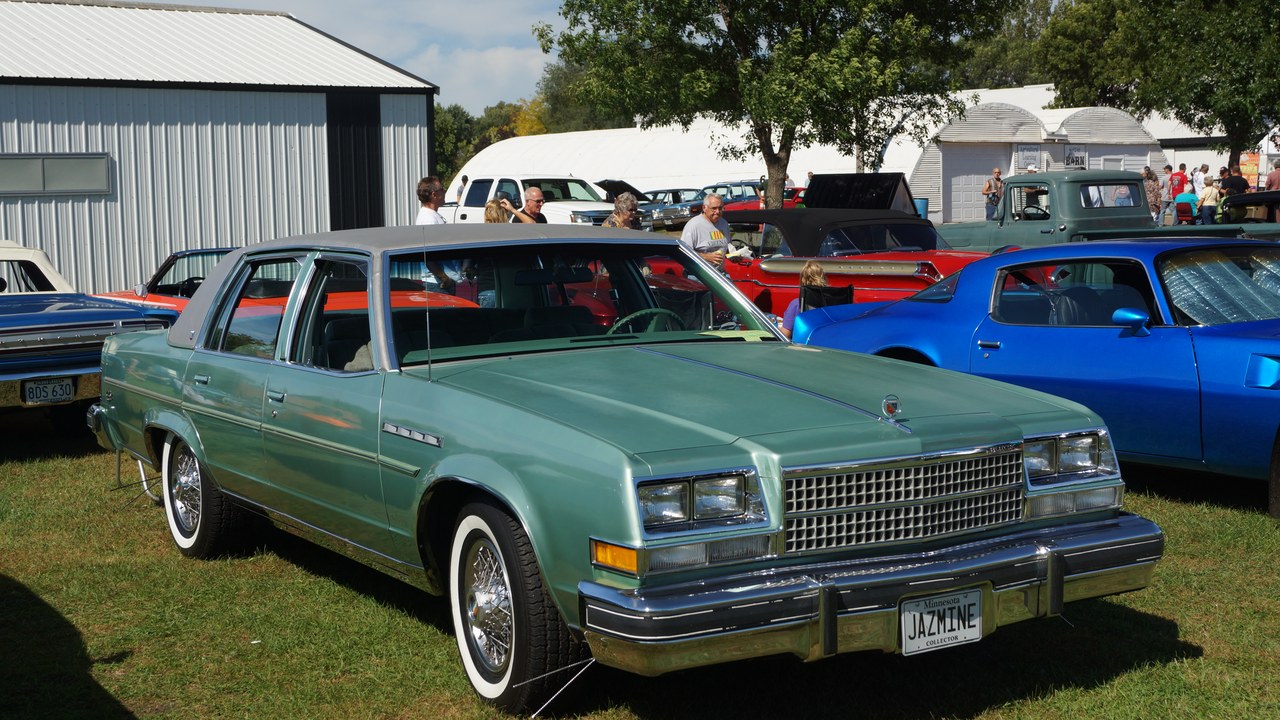
Buick’s big Electra was part of the first wave of shrinking. The history of automotive downsizing lists the Electra among the full-size GM B- and C-body cars that were redesigned smaller as a direct response to the 1973 oil crisis, and the 1977 car arrived noticeably trimmer than the version it replaced.
The Electra was a flagship, so the change carried a message: even a top-of-the-line Buick would now be built around fuel economy. For collectors, the 1977 and later cars are the more manageable size to garage and drive, while still offering the formal, upright luxury styling that defined the nameplate.
7. 1980 Lincoln Continental: Lincoln Joins the Shrink
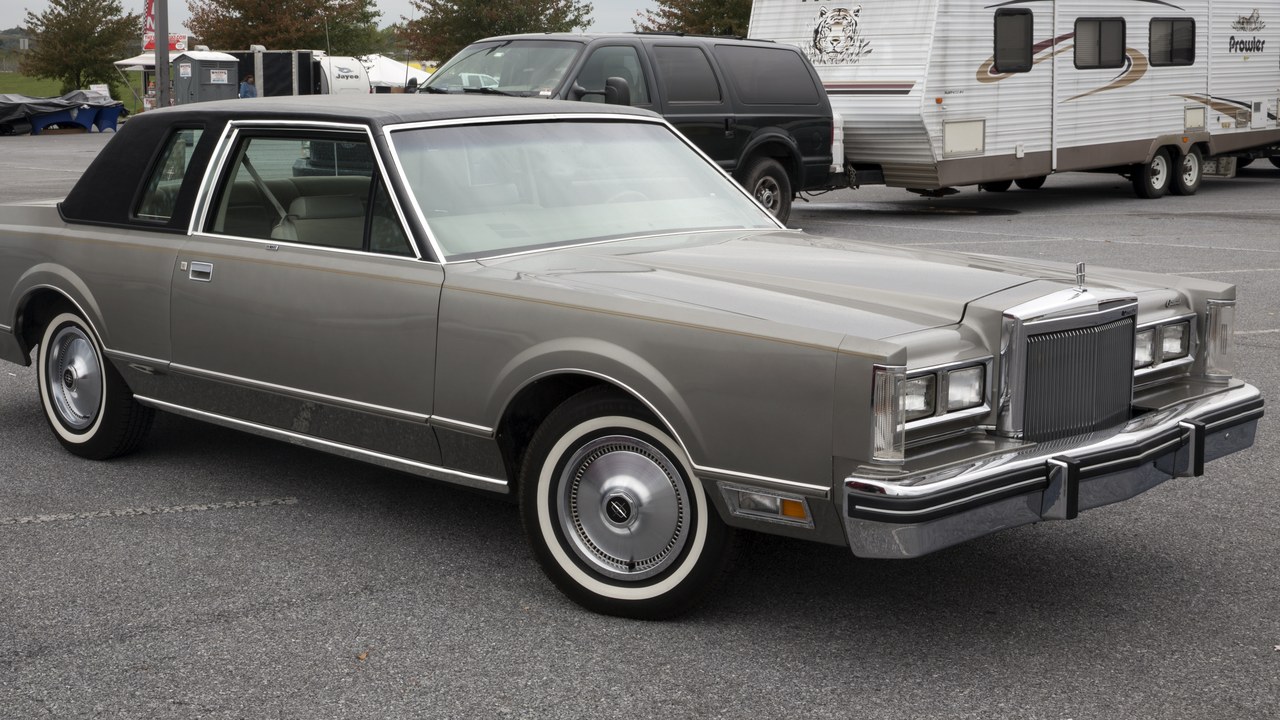
Lincoln joined the full-size downsizing for 1980, after Ford and Mercury had already changed, bringing the trend to the Continental badge.
The Continental shows that the luxury end of the market could not stay out of the shift for long. The record concerns timing and direction, not a specific measurement, so no figure is claimed for the size change. It is a short entry, but it fills in the order in which the divisions followed one another.
8. 1981 Ford Granada: Smaller Car, Smaller Weight
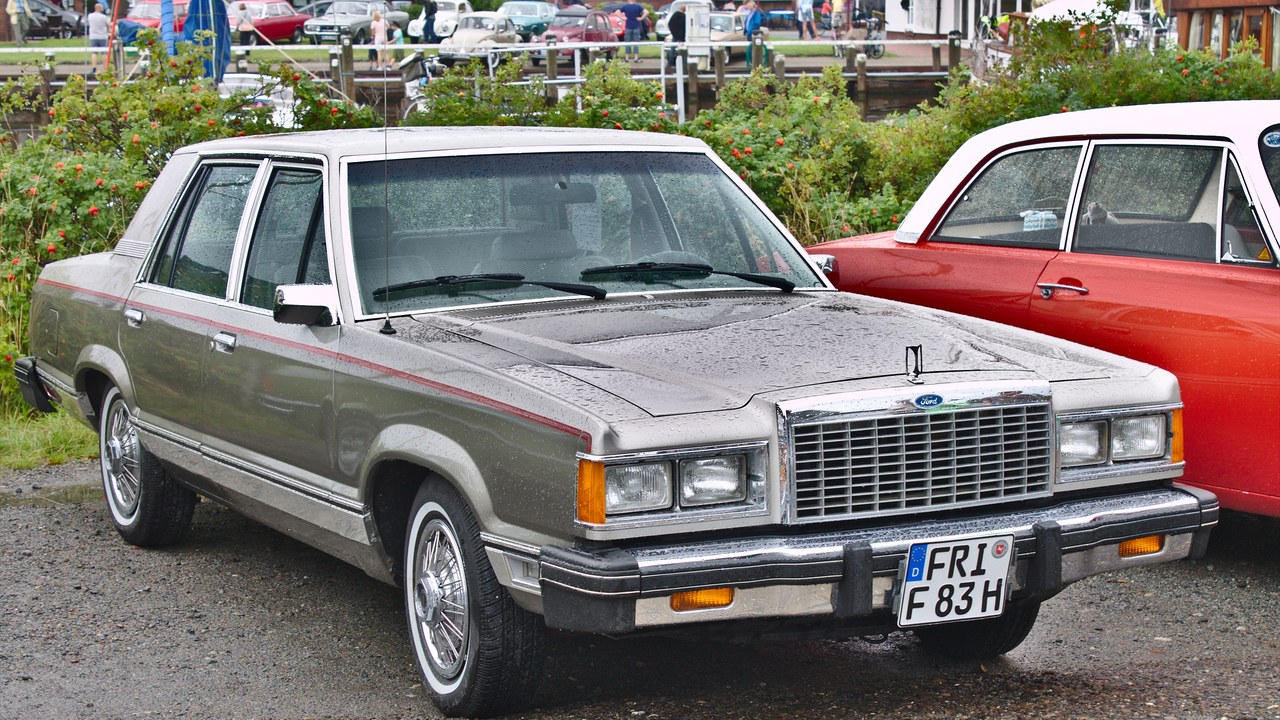
The 1981 Ford Granada shed 3 inches of length and about 300 pounds from its predecessor, a more modest cut than the full-size cars saw.
That makes the Granada a useful contrast, since not every downsizing was dramatic. The figures compare one generation with the next and say nothing about current market conditions or the value of any example. It also hints at why the Granada fit into the push for efficiency without a drastic redesign.
9. 1979 Cadillac Eldorado: E-Body Luxury Shrinks
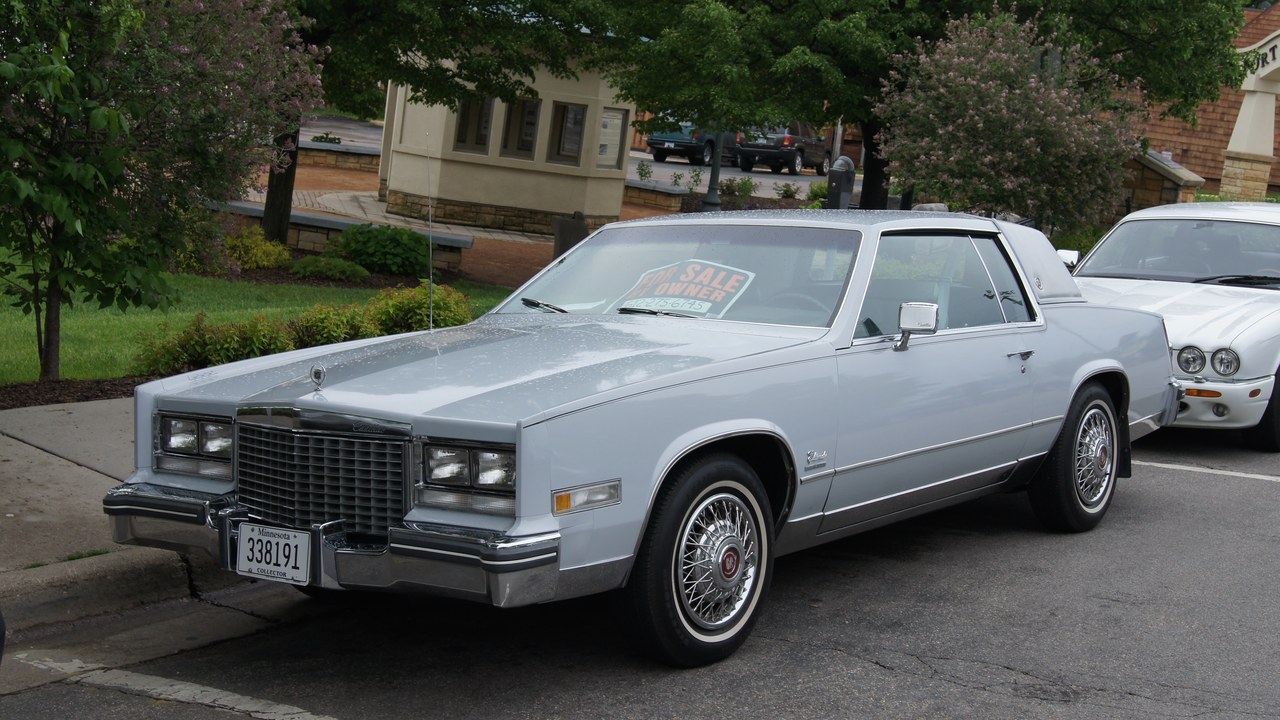
The 1979 Cadillac Eldorado joined GM’s downsized E-body luxury cars, trading its long-running size for a more compact personal-luxury package.
The Eldorado stands for the top of GM’s lineup adjusting to the efficiency era. The entry documents the redesign program, not any single measurement, and it is not a statement on collectability or price. As part of a group of related coupes, it helps explain why GM’s personal-luxury lineup looked so different afterward.
10. 1979 Buick Riviera: Riviera Cut Down
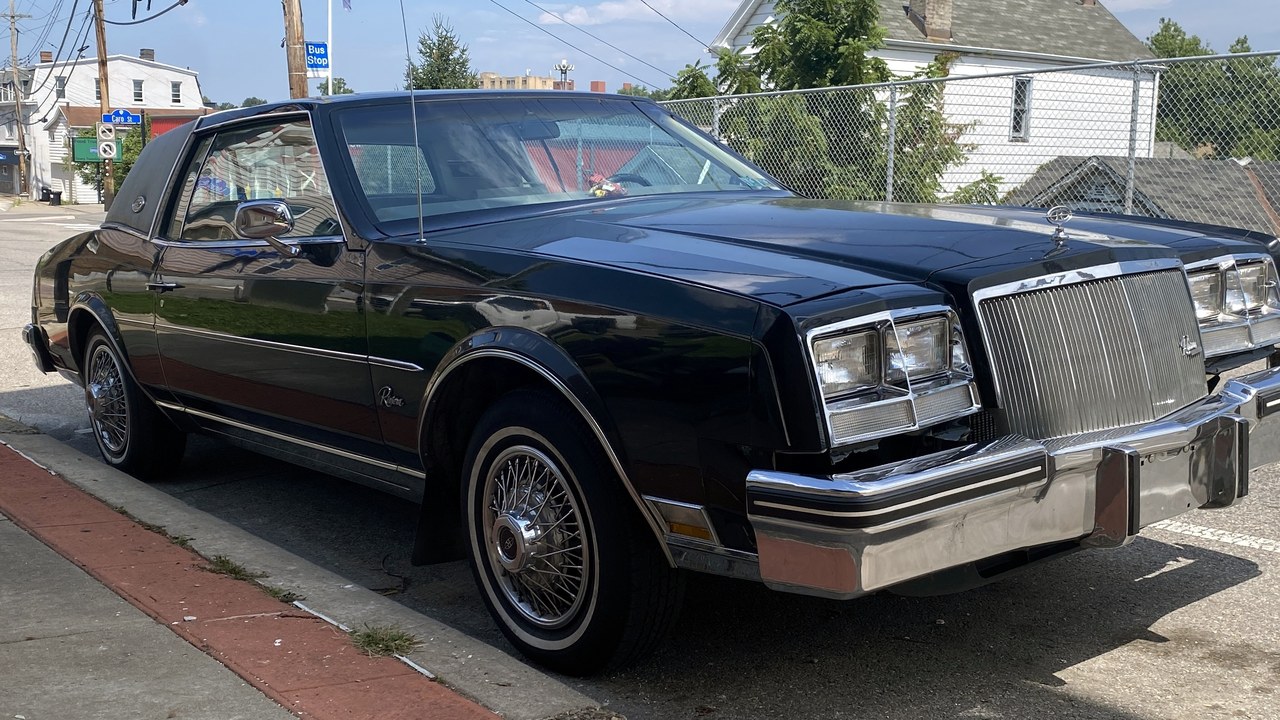
GM cut down the Buick Riviera as part of its 1979 E-body program, a fuel-efficiency effort that reshaped several of the company’s personal-luxury coupes.
The Riviera shared its fate with the Eldorado and its siblings, which tells readers the shrinkage was a coordinated plan. The source supports the program claim, not any particular measurement. Readers sorting the E-body cars will see the Riviera as one of the family, with the same motive behind the changes.
11. 1979 Chrysler New Yorker: Chrysler Follows Suit
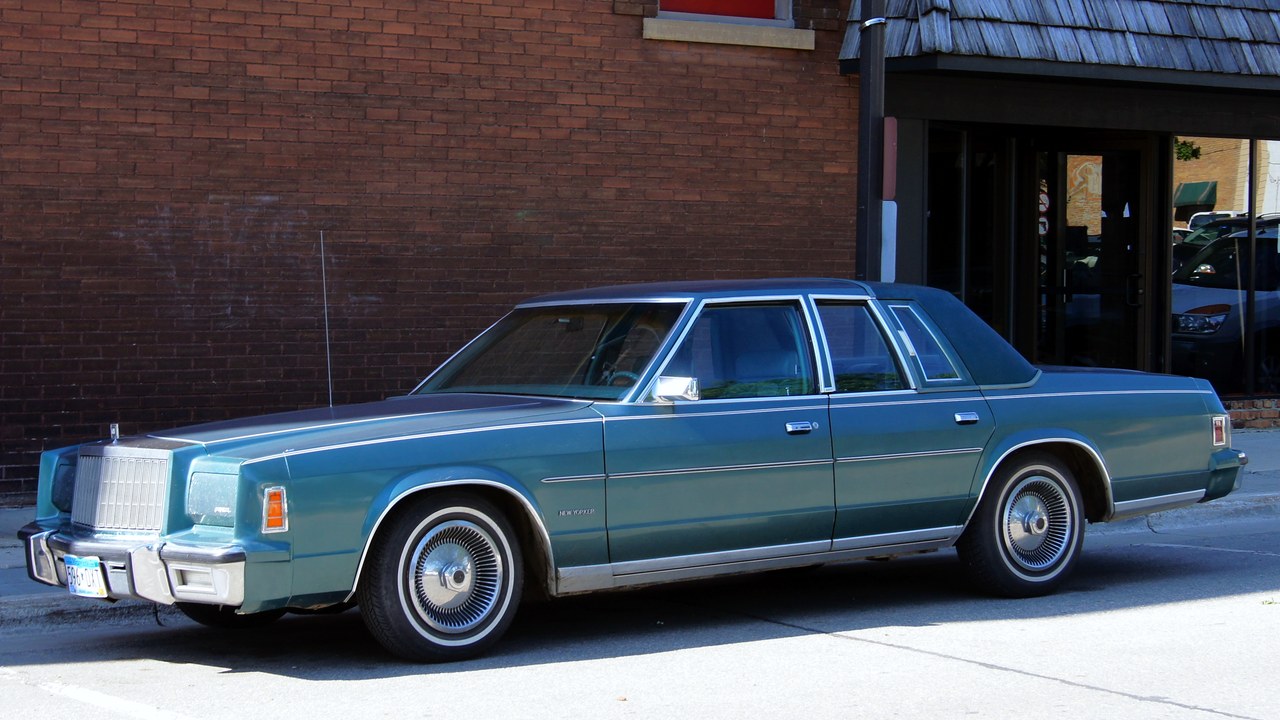
Chrysler downsized the New Yorker for 1979 as more efficient designs reached the market, bringing its flagship into the same trend as Detroit’s rivals.
The New Yorker shows that the shift was industry-wide, not limited to General Motors or Ford. The entry describes the direction of the redesign, with no figure claimed and no comment on current value. Readers can treat it as the Chrysler counterpart to the General Motors and Ford downsizing stories above.
12. 1979 Chrysler Newport: Newport Gets Smaller Too
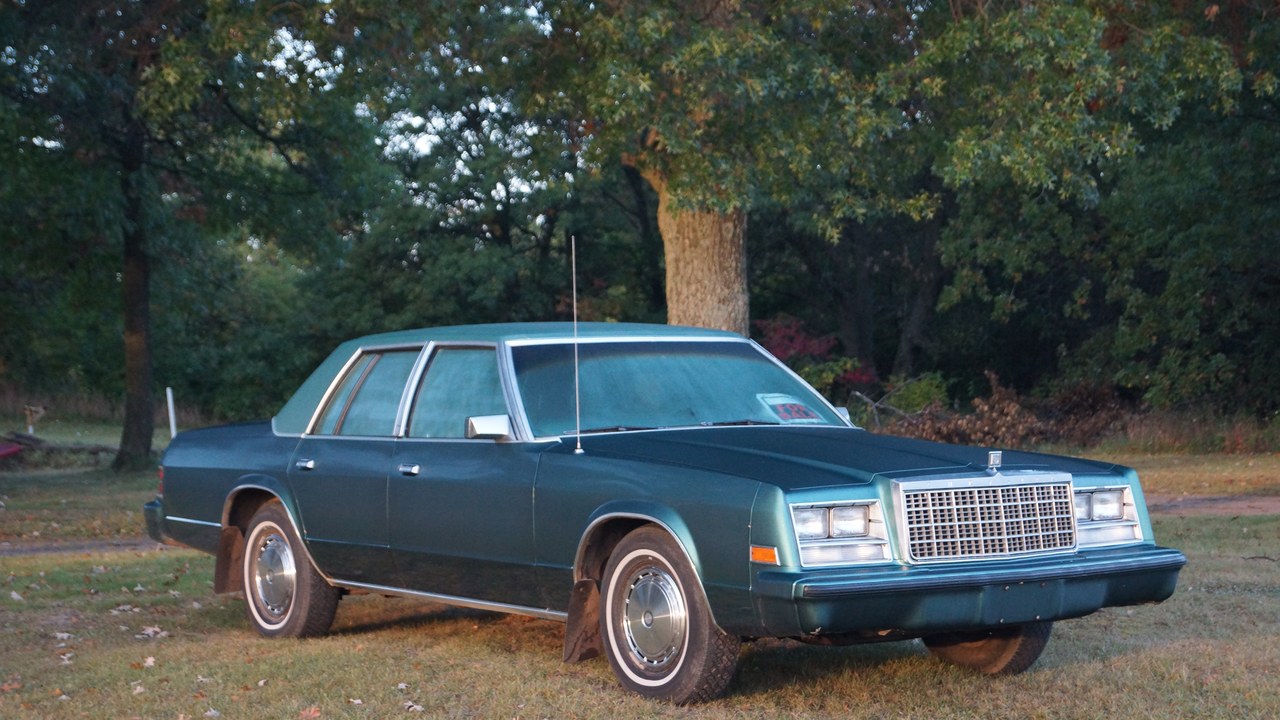
The Chrysler Newport was the company’s other named 1979 downsizing in the federal study, joining the New Yorker in the shift toward leaner cars.
The Newport rounds out the Chrysler side of the story. The listing is tied to that study and describes historical change, so it makes no claim about any model’s price, condition or availability. Seen next to the New Yorker, it completes the Chrysler picture of how the company answered the fuel squeeze.
More from Morning Overview
- Two passengers died at an Ohio toll plaza, and the NTSB now wants the cash lanes shut
- Long use of a common prostate pill is tied to a higher chance of glaucoma
- Ford is recalling 223,472 F-150 pickups because the fuel tank can leak or detach
- Hybrids have 15% fewer problems than gas cars, while EVs and plug-in hybrids have about 80% more, Consumer Reports finds
