
Aviation records are monuments to radically different kinds of engineering. Some aircraft chased speed or altitude, while others proved that an airliner could grow larger, a cargo plane could lift more, or a fragile experimental machine could remain aloft across an ocean or the world. These eight aircraft permanently changed the boundaries of flight.
1. Lockheed SR-71 Blackbird: A Speed Mark That Still Stands
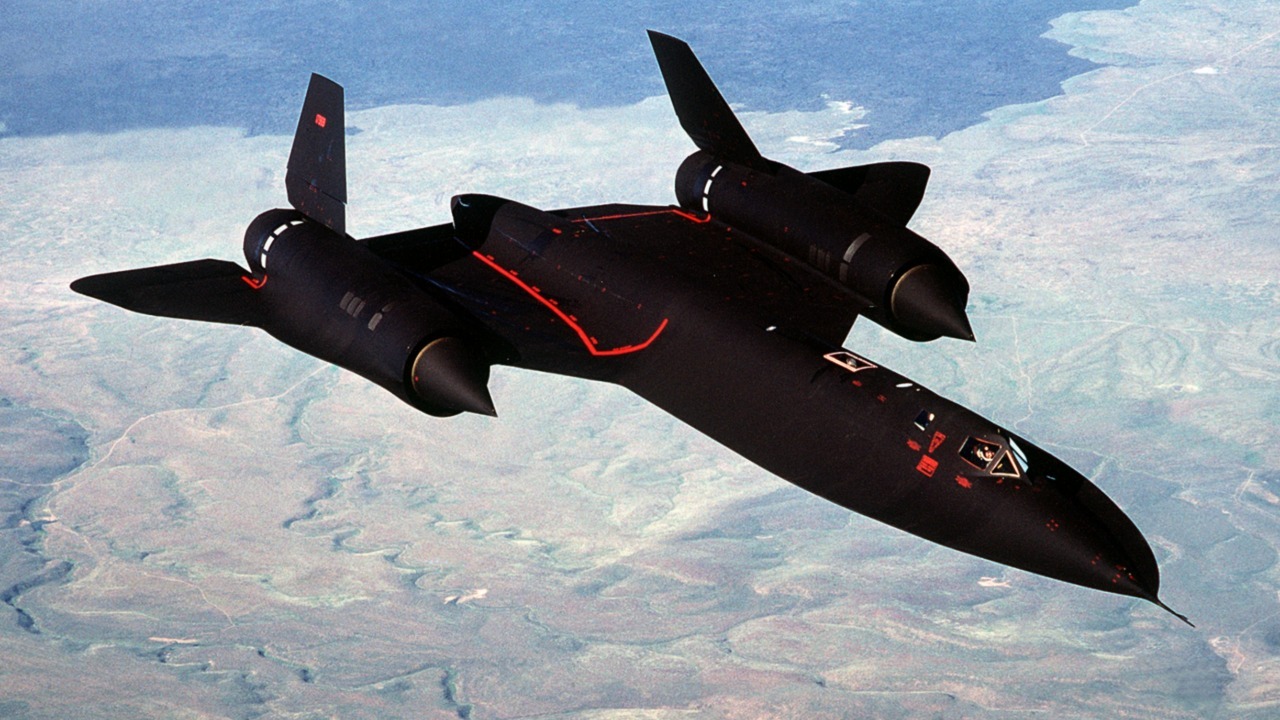
The Blackbird converted extreme speed into a practical reconnaissance tool. The SR-71 program produced a long-range aircraft capable of sustained flight above Mach 3, using altitude and velocity to outrun threats while gathering intelligence. In 1976, an SR-71 set a world absolute speed record for a piloted air-breathing aircraft, a mark associated with 2,193 miles per hour.
That performance demanded unusual materials, fuel, engines, and operating procedures. Titanium structure accommodated heating that expanded the airframe in flight, while crews wore pressure suits for the high-altitude environment. The Blackbird’s record matters because it was not a single-purpose rocket plane making one brief dash; it was an operational aircraft built to repeat extraordinary missions over decades.
2. North American X-15: The Fastest Crewed Aircraft
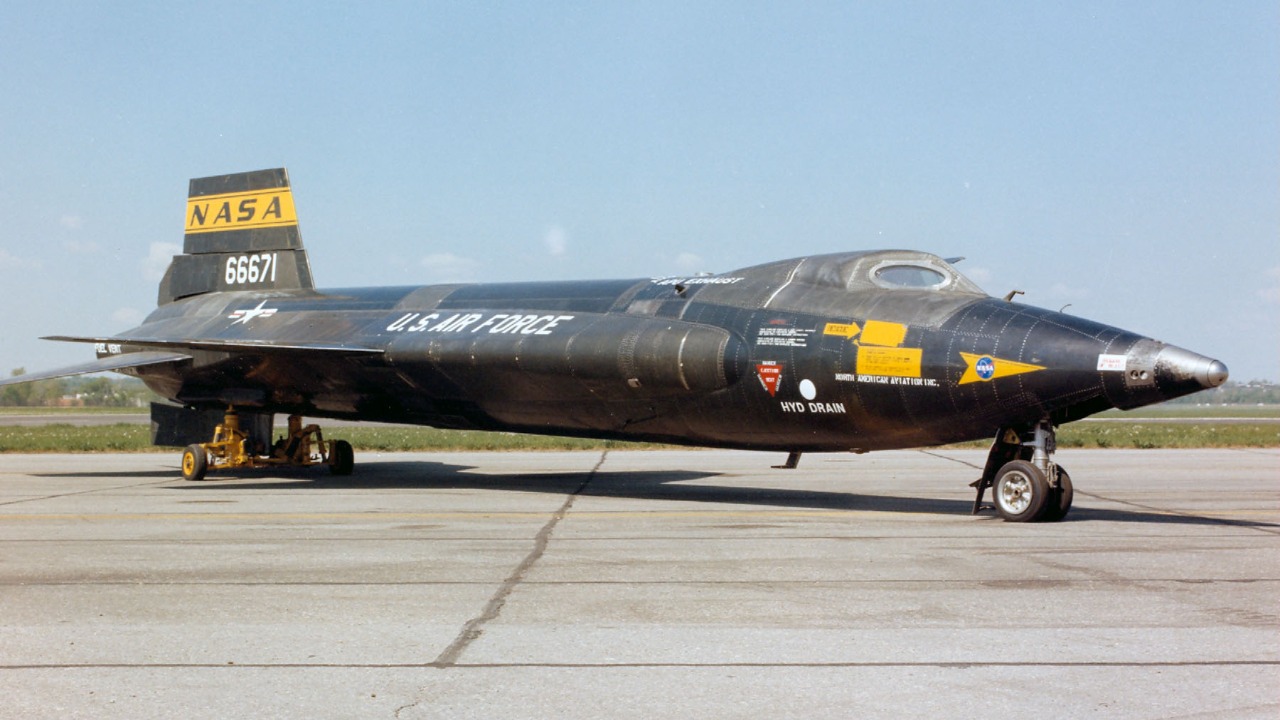
The X-15 occupied the border between airplane and spacecraft. Carried aloft beneath a bomber and released before igniting its rocket engine, the experimental aircraft reached Mach 6.7 in 1967 with William J. Knight at the controls. That flight, roughly 4,520 miles per hour, established the enduring speed benchmark for a crewed, powered aircraft.
Speed was only part of its contribution. X-15 missions explored aerodynamic heating, reaction controls, high-altitude handling, pressure suits, and the transition back into denser air. Pilots flew profiles that reached beyond the atmosphere by some definitions, earning several aviators astronaut recognition. The program supplied experience that later shaped spacecraft design and proved that disciplined test flying could investigate conditions no conventional jet could survive.
3. Bell X-1: The Sound Barrier Falls
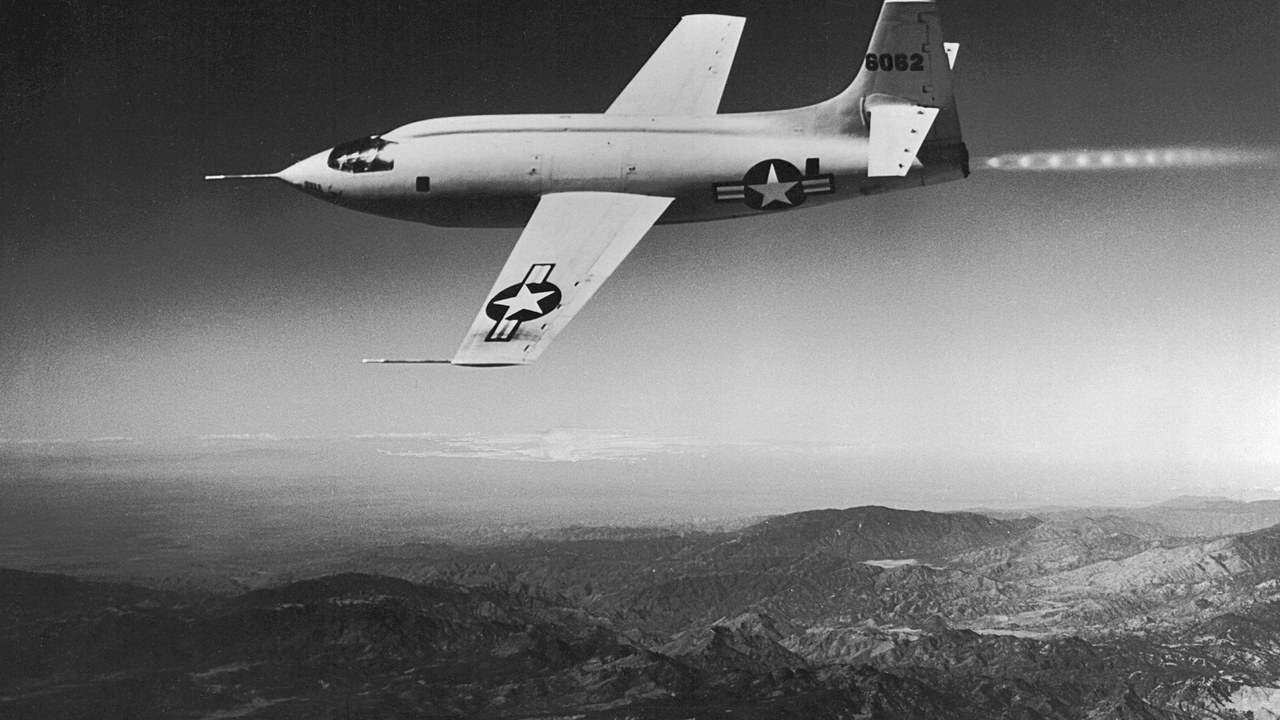
The orange Bell X-1 known as Glamorous Glennis became the first crewed aircraft to exceed the speed of sound in controlled level flight. On October 14, 1947, Chuck Yeager piloted the rocket-powered research plane through Mach 1 after it was dropped from a B-29. Its bullet-shaped fuselage reflected the stable aerodynamics of high-speed projectiles.
The achievement replaced fear and uncertainty with data. Engineers learned how shock waves affected controls and stability near transonic speeds, while the movable horizontal tail became critical to maintaining authority. The X-1 was small, fuel-limited, and never intended for normal transportation, but its success opened the route to supersonic military aircraft and eventually to passenger flight faster than sound.
4. Concorde: Supersonic Speed Becomes a Ticket
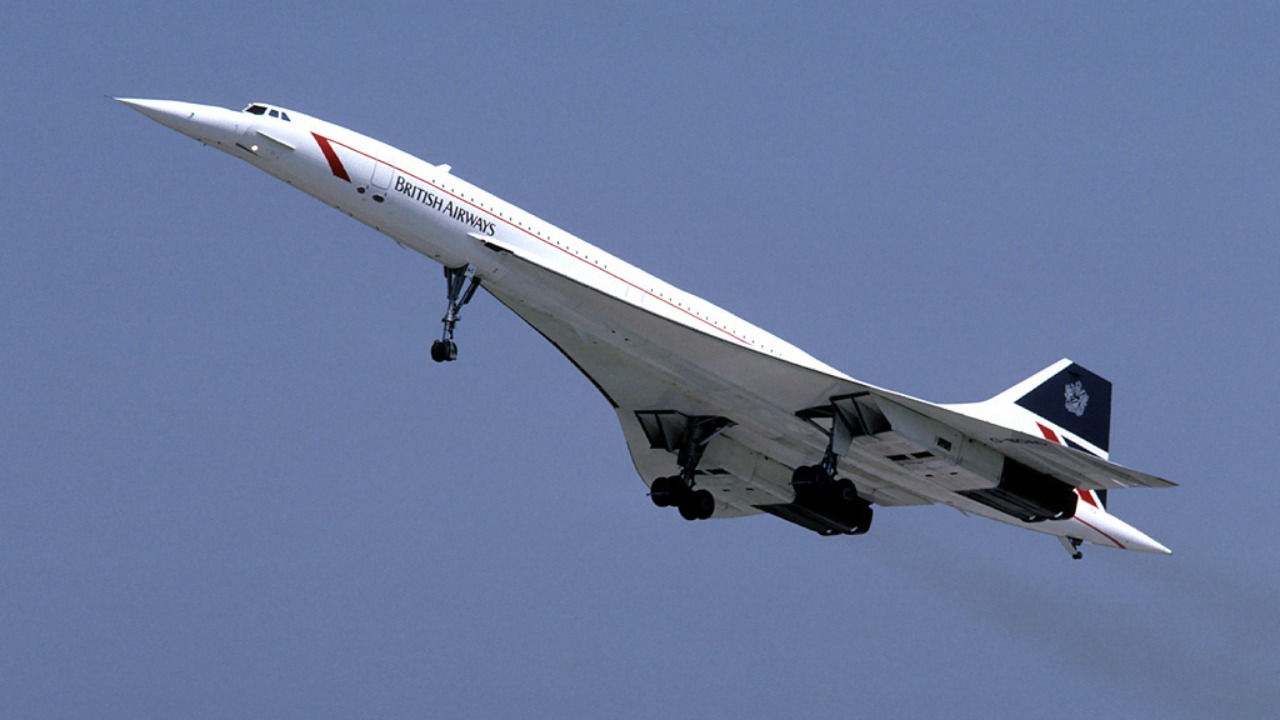
Concorde transformed supersonic flight from a military and research capability into scheduled passenger service. The Anglo-French airliner cruised at more than twice the speed of sound, cutting transatlantic trips to only a few hours. Its slender delta wing, drooping nose, and four powerful engines were all shaped around the conflicting demands of high-speed cruise and airport operation.
The record came with steep tradeoffs. Sonic booms restricted overland routes, while fuel use, maintenance, heat, noise, and a small cabin limited the economic case. Concorde left commercial service in 2003, but no passenger airliner has since restored routine supersonic travel. That absence makes its operating achievement more striking than any isolated test-flight number.
5. Airbus A380: The Biggest Passenger Airliner
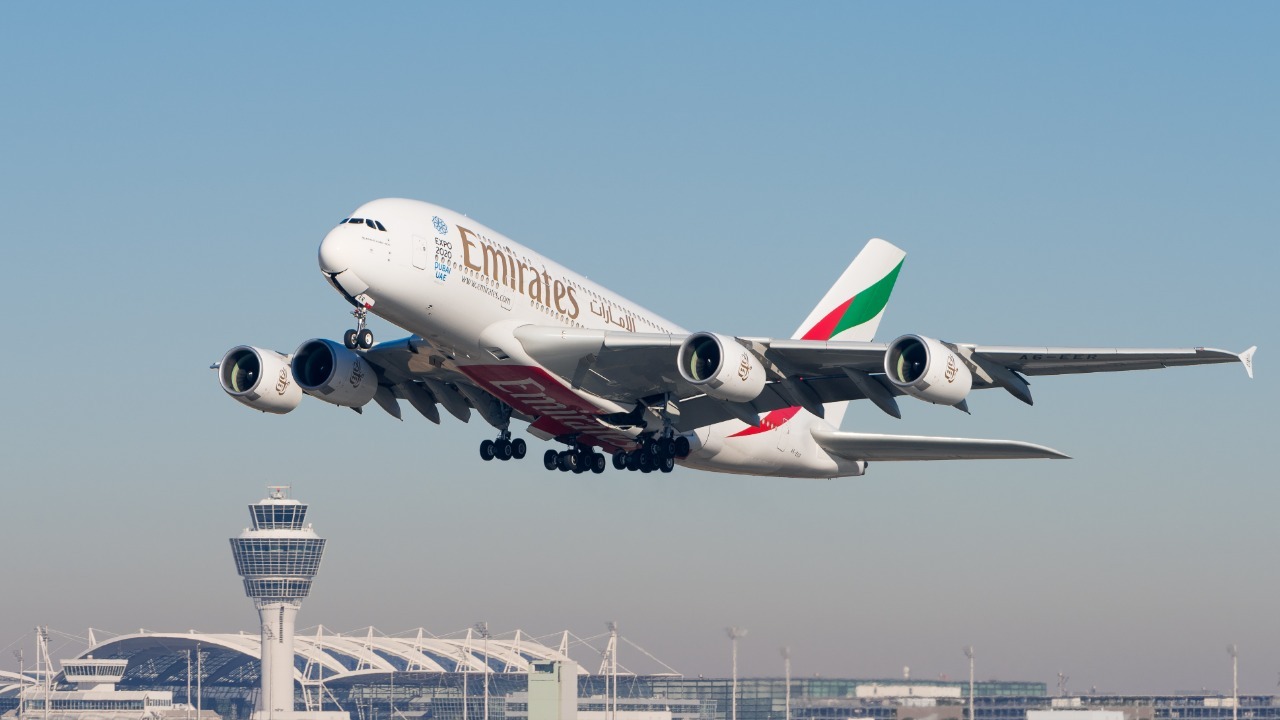
The A380 pursued scale rather than speed. Its full-length double-deck design made it the largest passenger airliner to enter service, with four engines, an immense wing, and cabin floor area unmatched by other commercial aircraft. Airbus designed the jet for busy hubs where moving more people per departure could ease pressure on scarce airport slots.
Airlines used that space in radically different ways, from dense seating to lounges, showers, and premium suites. Yet the industry increasingly favored smaller twin-engine jets that could fly long routes with lower trip costs and more schedule flexibility. The A380’s record therefore captures both an engineering triumph and the high-water mark of the superjumbo business model.
6. Antonov An-225 Mriya: The Heaviest Aircraft Ever Flown
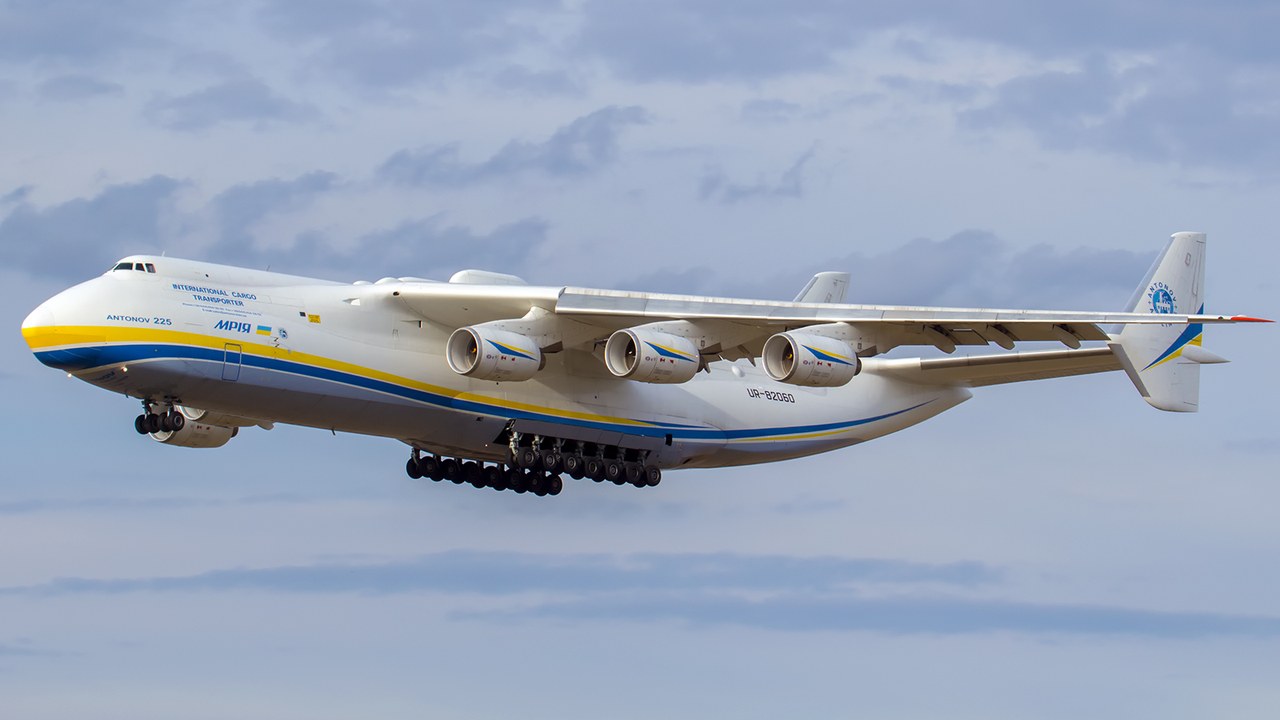
The six-engine An-225 was created to carry the Soviet Buran space shuttle, then found a second life moving cargo too heavy or bulky for ordinary transports. The Mriya’s record book included the greatest maximum takeoff weight of any aircraft and landmark payload flights. Its twin tail allowed large external loads to sit above the fuselage without disrupting a single central fin.
Only one complete An-225 ever flew, making every appearance a global event among aviation enthusiasts. The aircraft was destroyed at Hostomel Airport during Russia’s 2022 invasion of Ukraine, ending its operational story but not its records. Its scale was never ornamental: the enormous cargo hold and reinforced loading system solved transportation problems that otherwise required ships, disassembly, or no practical solution.
7. Rutan Voyager: Around the World on One Tank
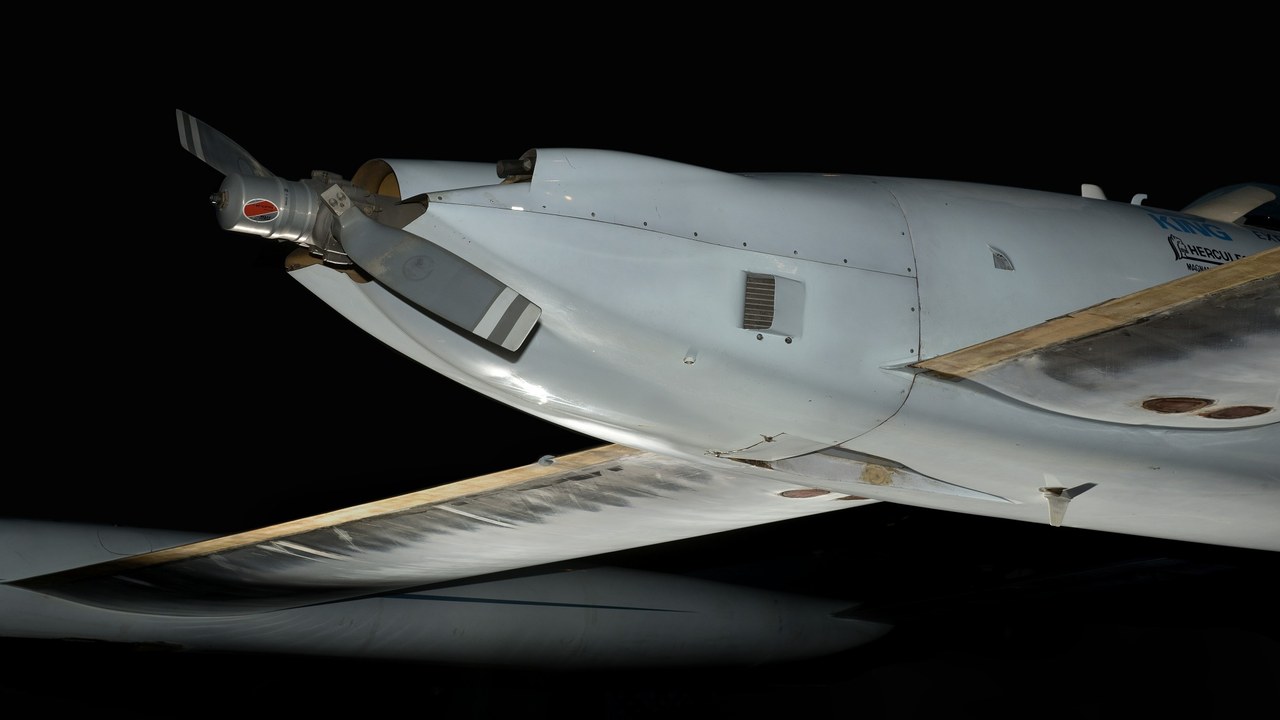
Voyager proved that efficiency and endurance could set a record as dramatic as raw speed. In December 1986, Dick Rutan and Jeana Yeager flew the lightweight experimental aircraft around the world without stopping or refueling. The nine-day flight covered more than 26,000 miles and ended at Edwards Air Force Base, where it had begun.
The aircraft’s immense, slender wing and twin-boom layout were shaped around fuel economy, leaving little tolerance for extra weight or structural damage. Voyager launched so heavily loaded that its wing tips scraped the runway before lifting free. Inside, the two pilots endured a cramped cockpit, noise, fatigue, and constant systems management, turning aerodynamic efficiency into a human endurance record as well.
8. Spirit of St. Louis: One Pilot Crosses the Atlantic
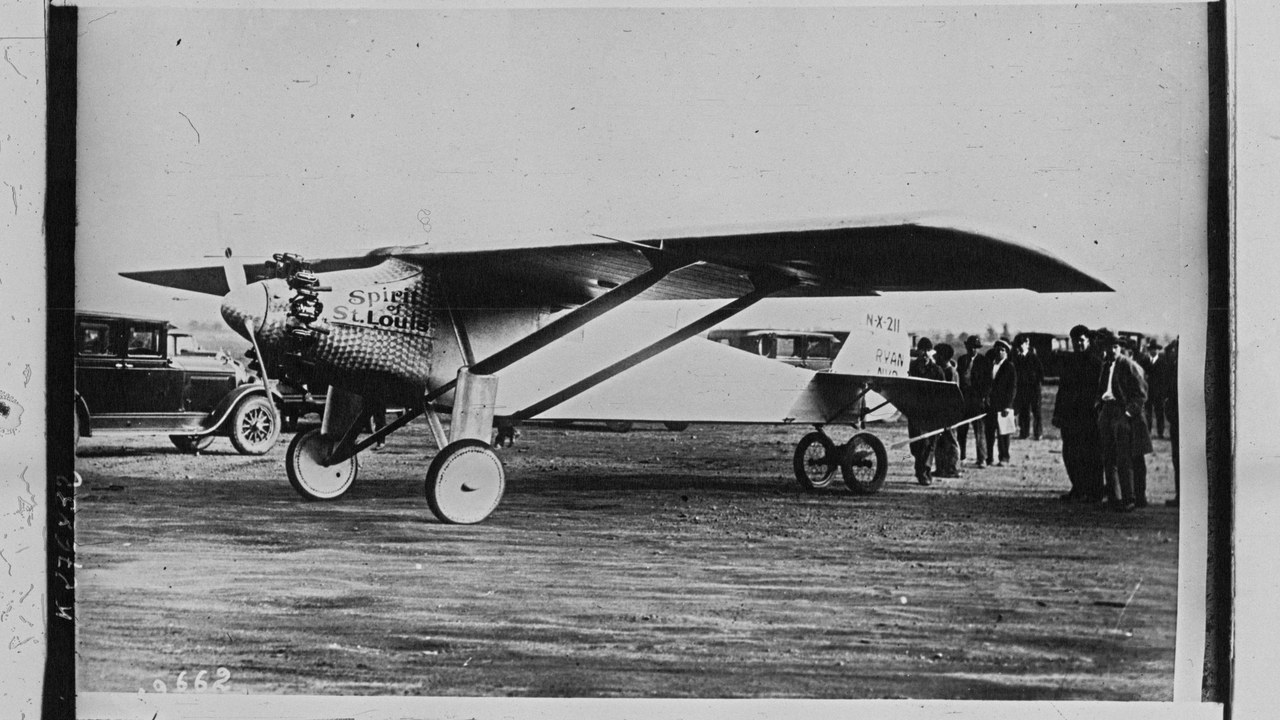
Charles Lindbergh’s Spirit of St. Louis carried the first solo nonstop flight across the Atlantic in May 1927. The custom Ryan monoplane flew from New York to Paris in roughly 33 and a half hours, securing the Orteig Prize and turning its pilot into an international celebrity. Extra fuel tanks blocked the forward view, so Lindbergh relied on side windows and a periscope.
The record was an exercise in ruthless simplicity. A single engine, basic instruments, no radio, limited sleep, and careful fuel management left little margin across thousands of miles of ocean. The flight did not inaugurate passenger service by itself, but it changed public expectations about long-distance aviation and demonstrated that the Atlantic could be crossed alone in one continuous journey.
More from Morning Overview
- 7 SUVs built to cruise past 300,000 miles without a major repair
- A magnitude-6.0 earthquake struck southern Mexico near El Progreso.
- The sun launched material at 3.3 million miles an hour, and Earth is in its path
- The NSA is telling every phone owner to switch off Wi-Fi, Bluetooth and NFC in public.
