
Routine appliances can fade into the background until a recall identifies a dangerous failure inside a battery, cord, or electrical component. These federal notices involve familiar devices used for cleaning, cooking, cooling, entertainment, charging, and backup power. Here are six recalled home devices whose fire risks can hide inside ordinary household routines.
1. Rowenta vacuum cleaner: A Battery Can Turn Cleaning Dangerous
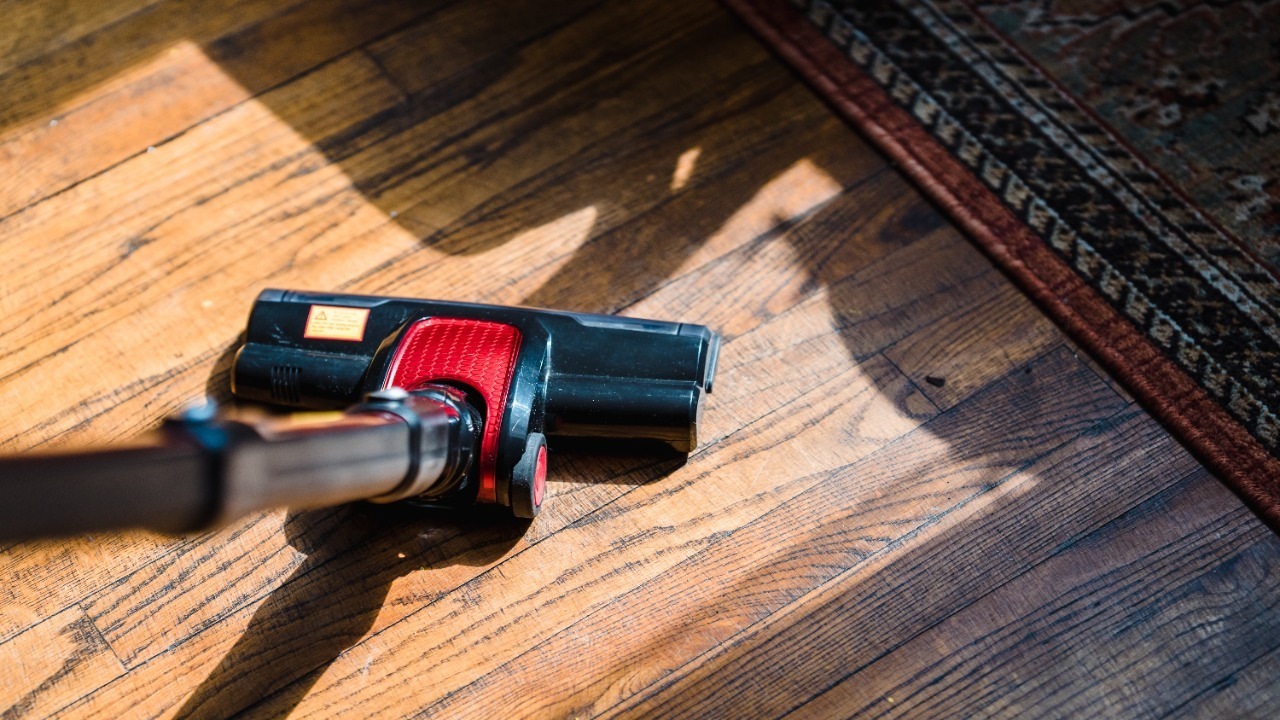
The recalled Rowenta cordless vacuum can develop an overheating battery capable of catching fire. That hazard sits inside a device commonly moved among rooms, stored in closets, and returned to a charger after use. A battery problem can therefore emerge during a routine that normally receives little attention, with heat building near flooring, furniture, or other combustible household materials.
Affected units should be removed from normal use and handled according to the federal recall instructions rather than treated as ordinary aging appliances. Visible damage is not a reliable prerequisite for action because the recall concerns an internal failure. Model identification matters: not every Rowenta vacuum is necessarily included, while a recalled unit remains a concern even if it has worked without incident. The practical response begins with matching the product information to the official notice.
2. Panasonic toaster oven: Cord Insulation Creates Two Hazards
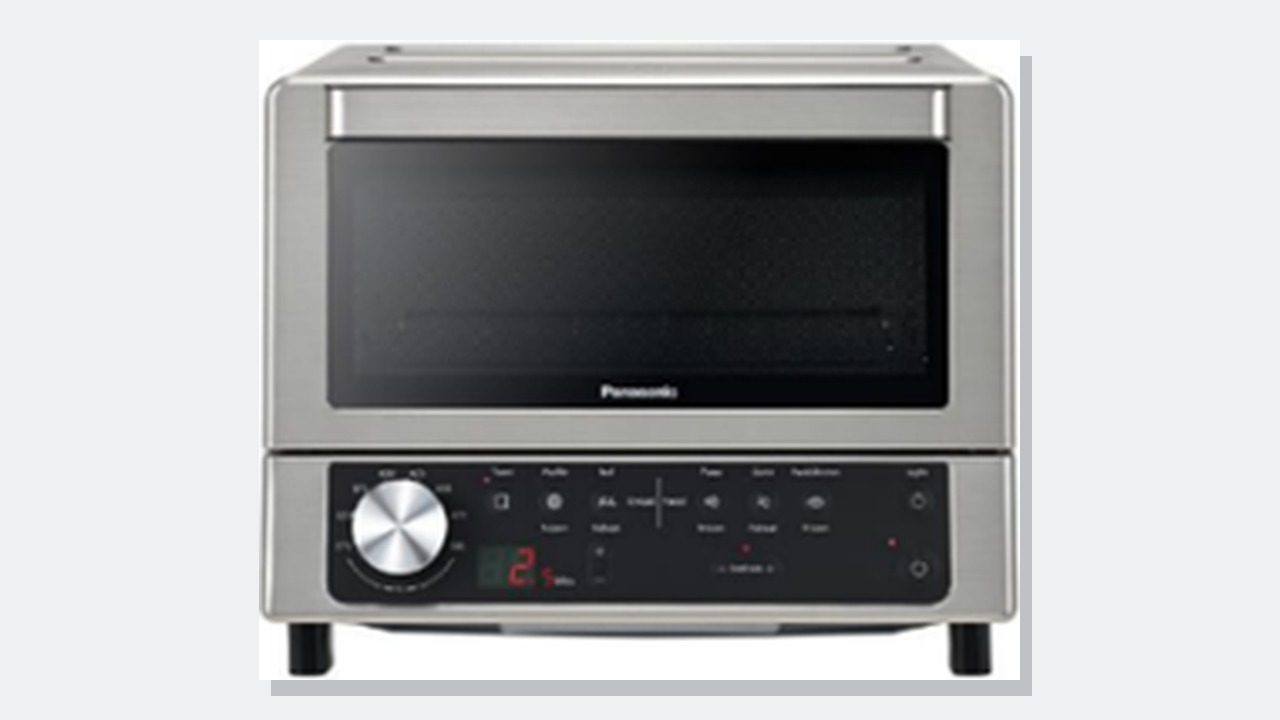
Panasonic recalled an electric toaster oven because insufficient cord insulation can create both shock and fire hazards. The defect involves the connection that supplies power to an appliance already designed to generate heat. That combination makes an ordinary cooking cycle potentially dangerous even when the oven appears to heat food and the exterior gives no warning of an insulation problem.
A recalled toaster oven should not remain plugged in for use while a household waits to decide what to do. Cord defects can be concealed, and movement or heat exposure may add stress without producing a signal. The official recall page is the controlling reference for affected models and remedy instructions. Similar-looking Panasonic products should be checked by model information rather than appearance alone, because the safety notice applies to identified units, not every appliance from the brand.
3. Galanz refrigerator: An Electrical Failure With Fatal Consequences
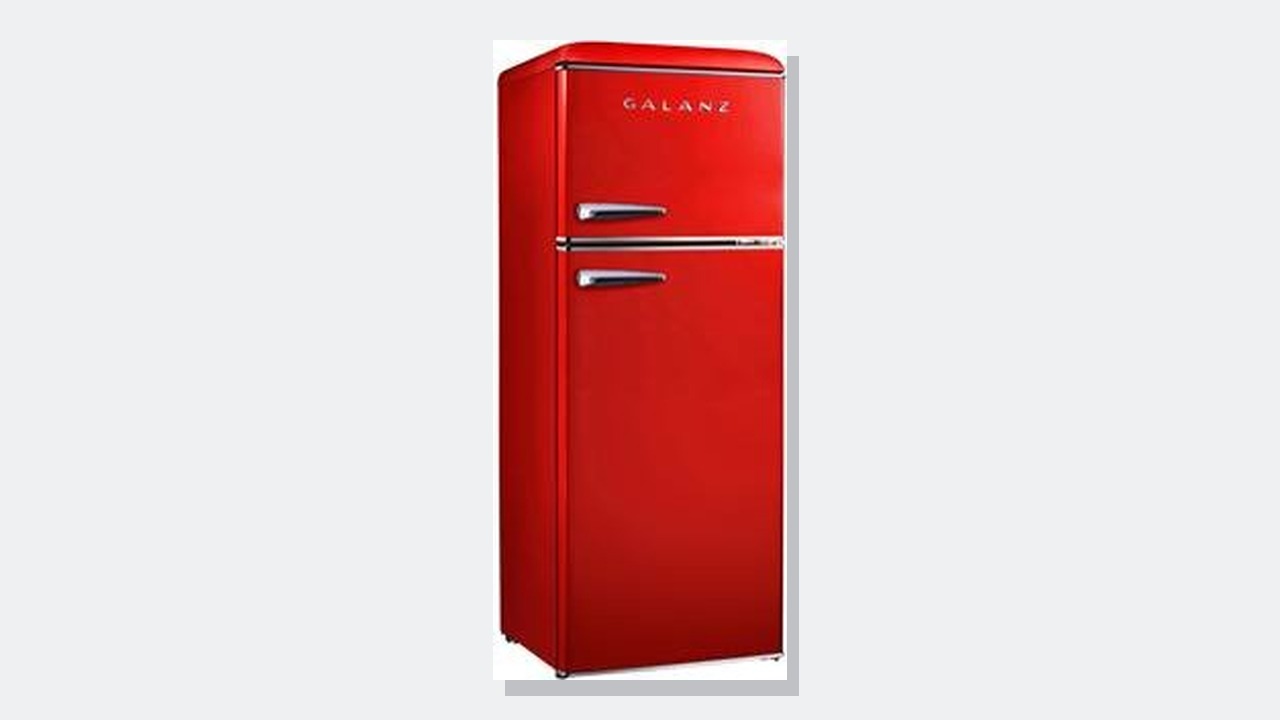
The recalled Galanz retro refrigerator carries the gravest outcome in this group: an electrical failure was linked to fires and one reported death. Refrigerators run continuously and are often positioned against walls or cabinetry, so a failure can begin in a machine that receives little attention unless cooling performance changes. Fire risk is therefore separate from whether food still feels cold.
The reported fatality makes model checking urgent rather than optional for households with a Galanz retro-style unit. A refrigerator’s size, color, or continued operation cannot establish that it falls outside the recall; product identifiers must be compared with the federal notice. Because the appliance is normally energized around the clock, delaying that check preserves exposure to the condition regulators identified. Any shutdown, movement, or remedy should follow the recall directions, especially where electrical damage or overheating is suspected.
4. BenQ projector: Portable Entertainment Hides a Hot Battery
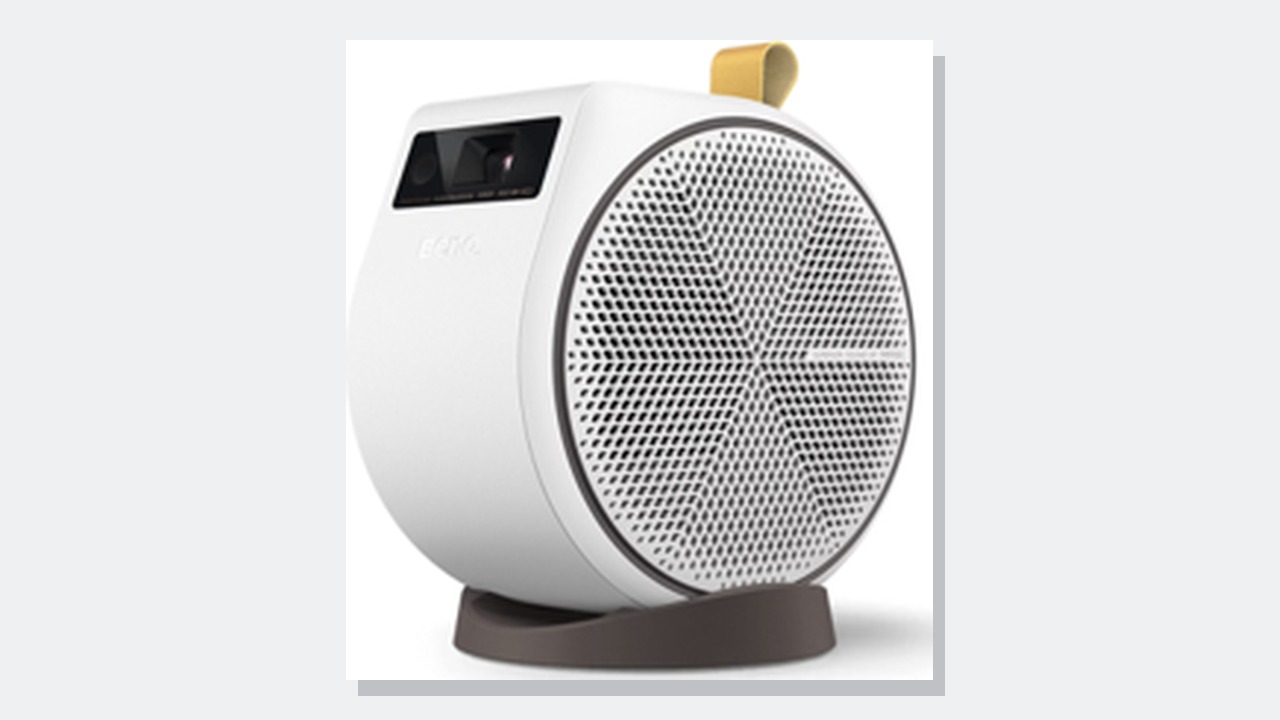
BenQ’s recalled GV31 portable projector contains an internal battery that can overheat and start a fire. Portability is part of the hidden risk: the device may be used on shelves, bedroom furniture, or temporary surfaces and then stored with other electronics. A compact projector can look inactive while its battery remains the component that prompted the safety action.
Owners need to distinguish the recalled GV31 from other BenQ projectors because housings and product families can resemble one another. The model label, not a general brand match, determines whether the federal notice applies. Continued charging or casual use is difficult to justify once a unit is identified, since overheating batteries can escalate quickly and may not provide a long visible warning. The recall instructions should guide isolation and remedy rather than improvised battery removal or home repair.
5. Belkin power bank: Stored Energy Can Overheat
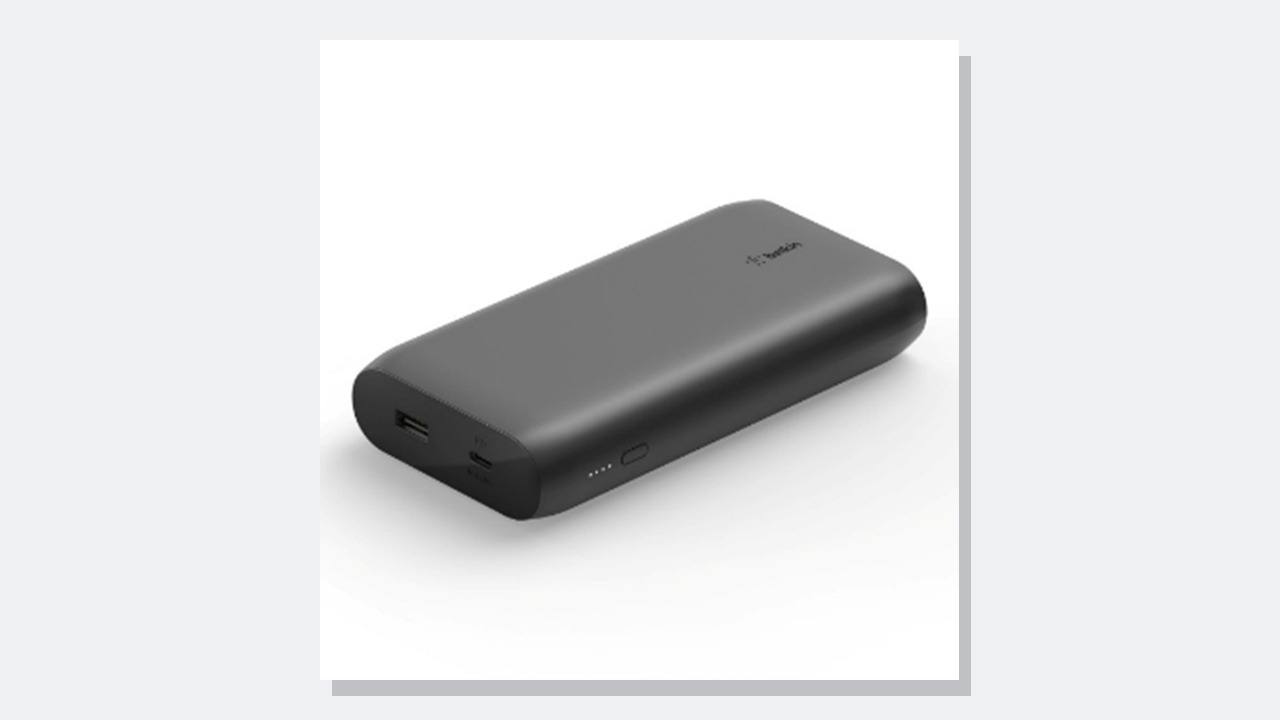
Belkin recalled portable power banks and wireless charging stands because their lithium-ion cells can overheat, creating fire and burn hazards. These accessories are easy to leave charging near beds, papers, bags, or electronics. Their role as backup power can keep them circulating among rooms and vehicles, which makes a dangerous unit more difficult to track than a fixed appliance.
The recall applies to identified Belkin products, so brand recognition alone is not enough to determine whether a charger is affected. Product numbers and physical details should be matched to the notice before the accessory returns to use. A power bank that still charges normally has not demonstrated that its cells are safe, because the cited problem is overheating rather than simple loss of capacity. Recalled lithium-ion devices require the disposal or return path specified by the notice, not household trash.
6. Tesla Powerwall 2 AC Battery System: A Quiet Backup Battery Can Overheat
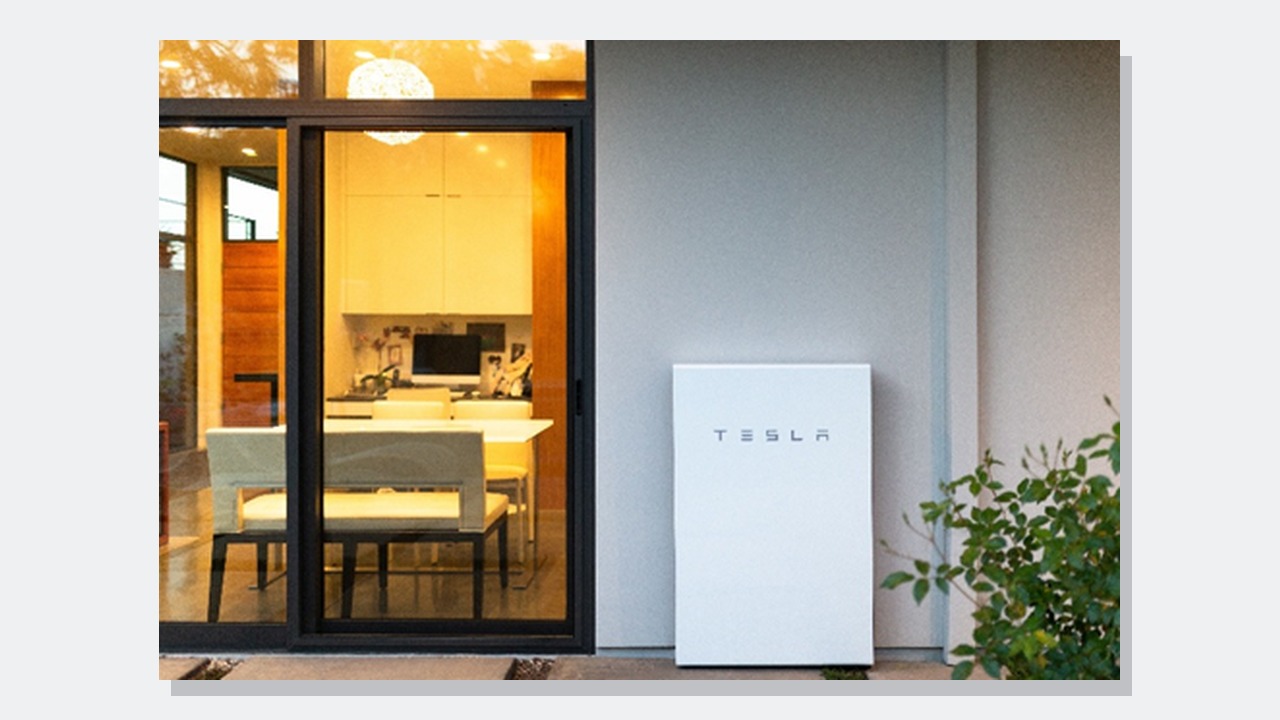
CPSC recalled certain Tesla Powerwall 2 AC battery systems because lithium-ion battery cells can cause the unit to stop functioning during normal use, leading to overheating, smoke, or flame. The notice recorded 22 overheating reports, including six involving smoke and five involving fire, with minor property damage. A wall-mounted backup battery can remain visually quiet while storing enough energy to make that failure consequential.
Affected systems that remained online were remotely discharged to reduce overheating risk until replacement. The model name appears on the side nameplate, while recall status is communicated through the Tesla app. A normally functioning home-energy system does not establish that its battery cells fall outside the affected population. Owners should follow the replacement process and avoid treating a remotely discharged unit as ordinary household equipment awaiting a casual service visit.
This article was produced with the assistance of AI and reviewed by Morning Overview editors prior to publication.
More from Morning Overview
- A Colorado wildfire has exploded past 87,000 acres with no containment
- A wildfire near Ouray swelled past 18,000 acres, putting Colorado towns on alert
- The Pentagon’s newest UFO files describe a fish-scaled, potato-shaped object on camera
- Scientists spotted a rare tusked whale alive at sea for the first time, then fired a crossbow at it.
