
A small, air-cooled car built for ordinary families grew into one of the largest automakers on the planet. Along the way, Volkswagen produced buses, sports cars, pickups and hatchbacks that each found devoted fans. Here are fourteen models that helped the people’s car brand build its global empire.
Read next on Morning Overview: A dead key fob doesn’t have to strand you, because most push-button cars hide a backup
1. Volkswagen Beetle: The Original People’s Car
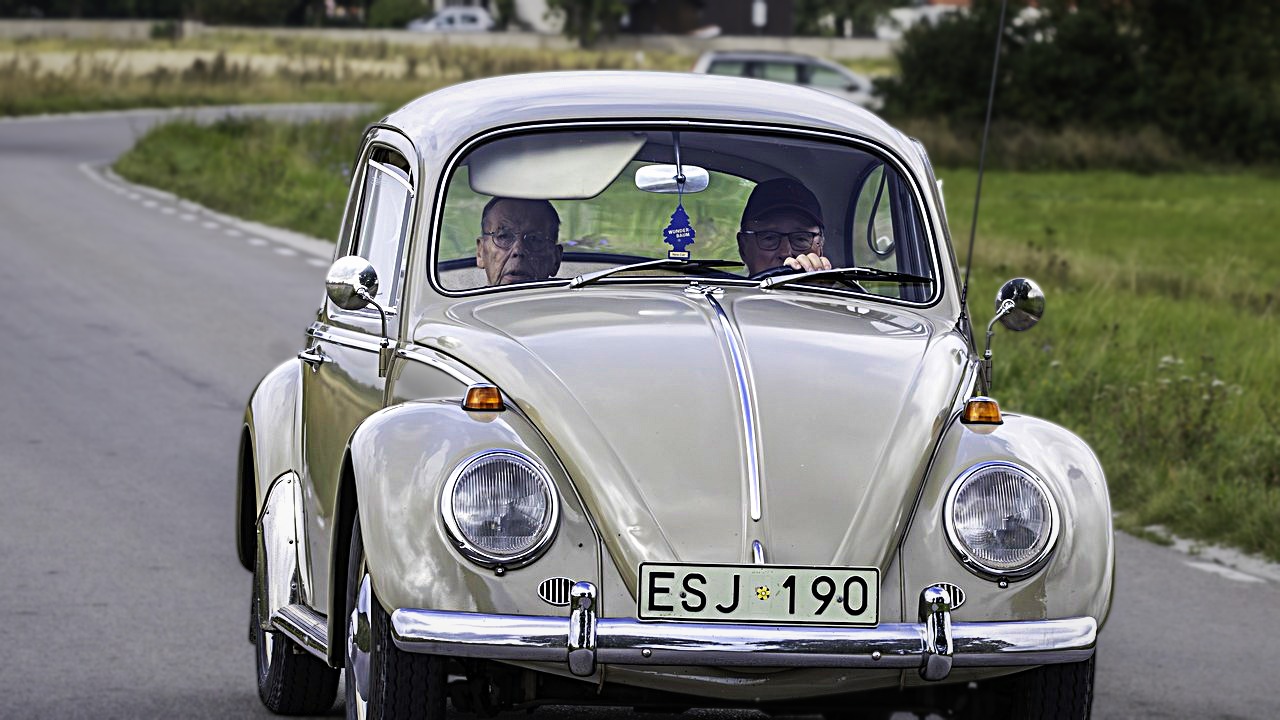
The original people’s car began mass production in 1945, shortly after Germany’s surrender in World War II. It helped rebuild not only the German auto industry but, by extension, the country itself.
With more than 23 million sold, few cars can claim its popularity, although the Golf eventually outsold it. The Beetle’s basic shape barely changed from its introduction until the last classic car rolled off the line in Mexico in 2003.
2. Volkswagen Type 2 Bus: The Hippie Movement’s Ride
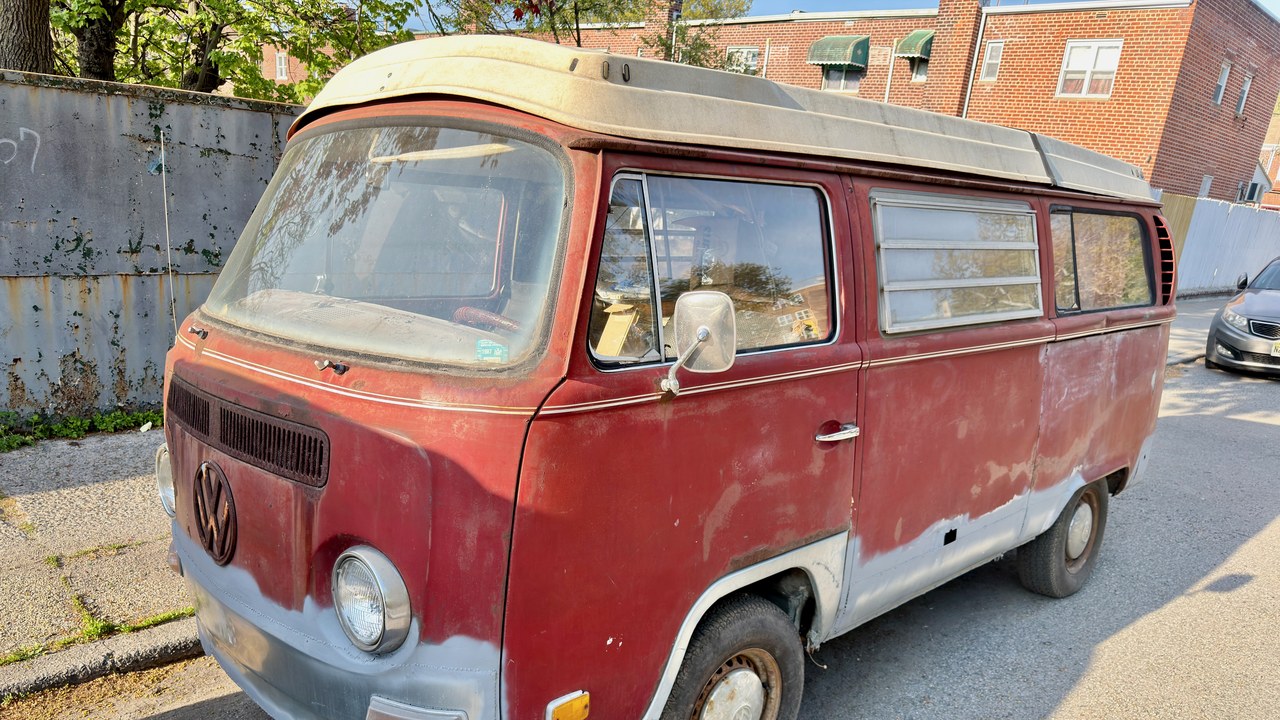
The Type 2 was initially designed as a commercial vehicle, carrying over the Beetle’s air-cooled, rear-engine layout on a ladder-style chassis that allowed a greater load capacity.
The first example was built in 1950, but its fame came from somewhere else entirely: most Americans associate the Bus with the 1960s hippie movement. Popularity kept it in production in Brazil until 2013, when safety regulations finally forced the last factory to stop building it.
3. Volkswagen Karmann Ghia: Italian Style, Beetle Bones
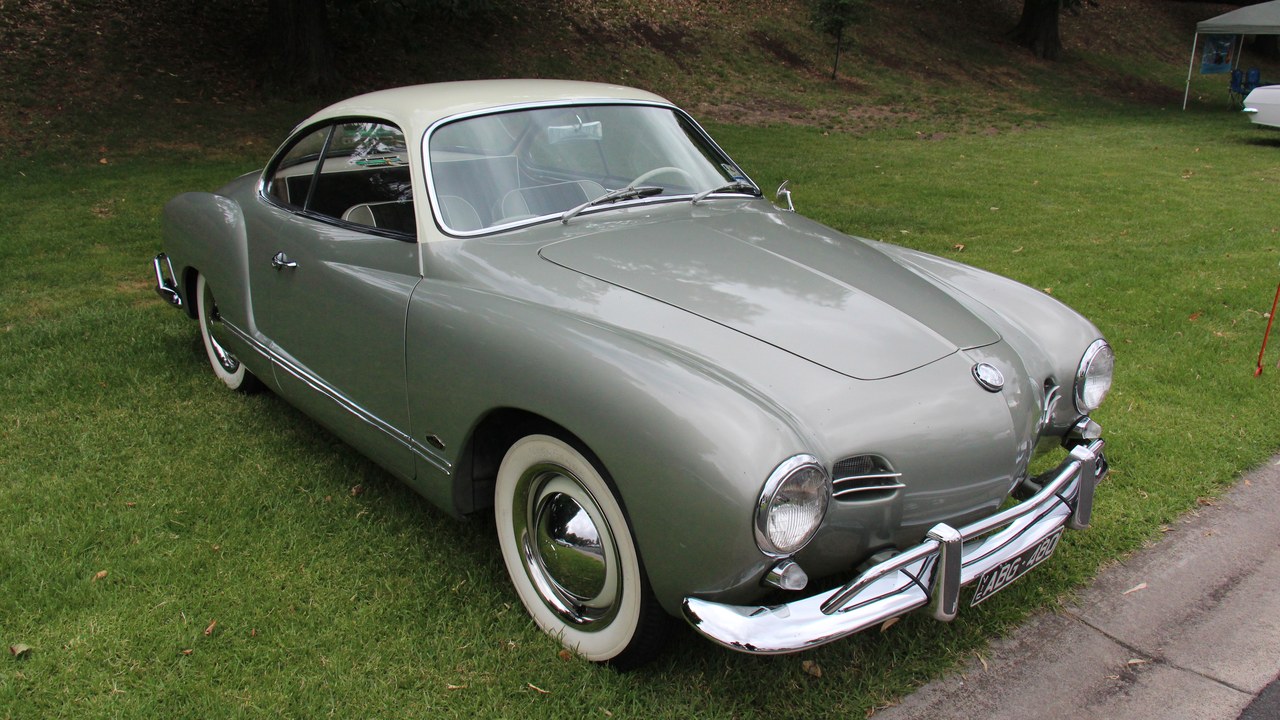
The Karmann Ghia combined Beetle chassis and running gear with Italian styling by Ghia, while Karmann handled final assembly in Germany. Volkswagen saw it as a way to sell an upmarket model to buyers with rising incomes.
Despite its sporty look, it was marketed as a practical 2+2 because its Beetle-sourced engine was modest. Export demand was so strong that Volkswagen doubled production soon after launch, and most cars shipped to the United States.
4. Volkswagen Thing: A Factory Soft-Roader
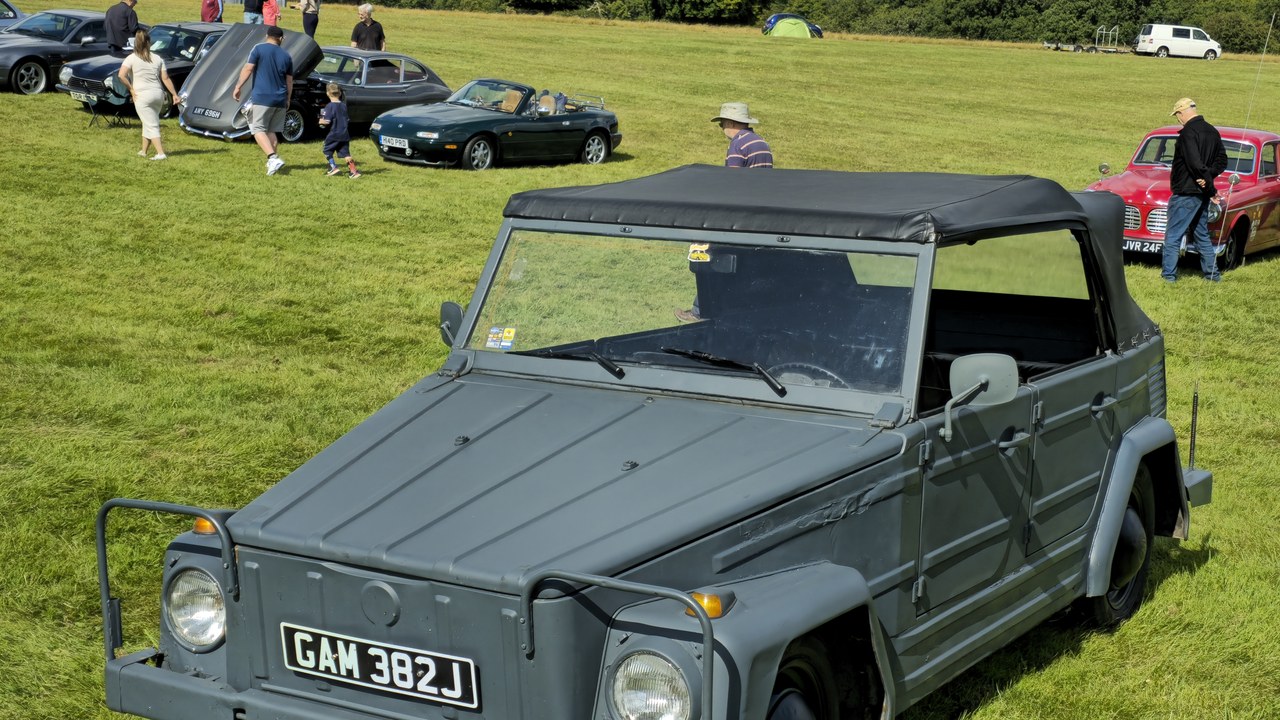
The Type 181, sold briefly in the U.S. as the Thing, had a utilitarian, almost squared body that strongly resembled the World War II Type 82 Kubelwagen. Removable doors, roof and a folding windshield sat on Beetle mechanicals.
It was designed with military use in mind, yet its higher ride height made it the closest thing to a factory beach buggy that Volkswagen ever produced. In total, the company built more than 140,000 of them worldwide.
5. Volkswagen-Porsche 914: Porsche Body, VW Engine
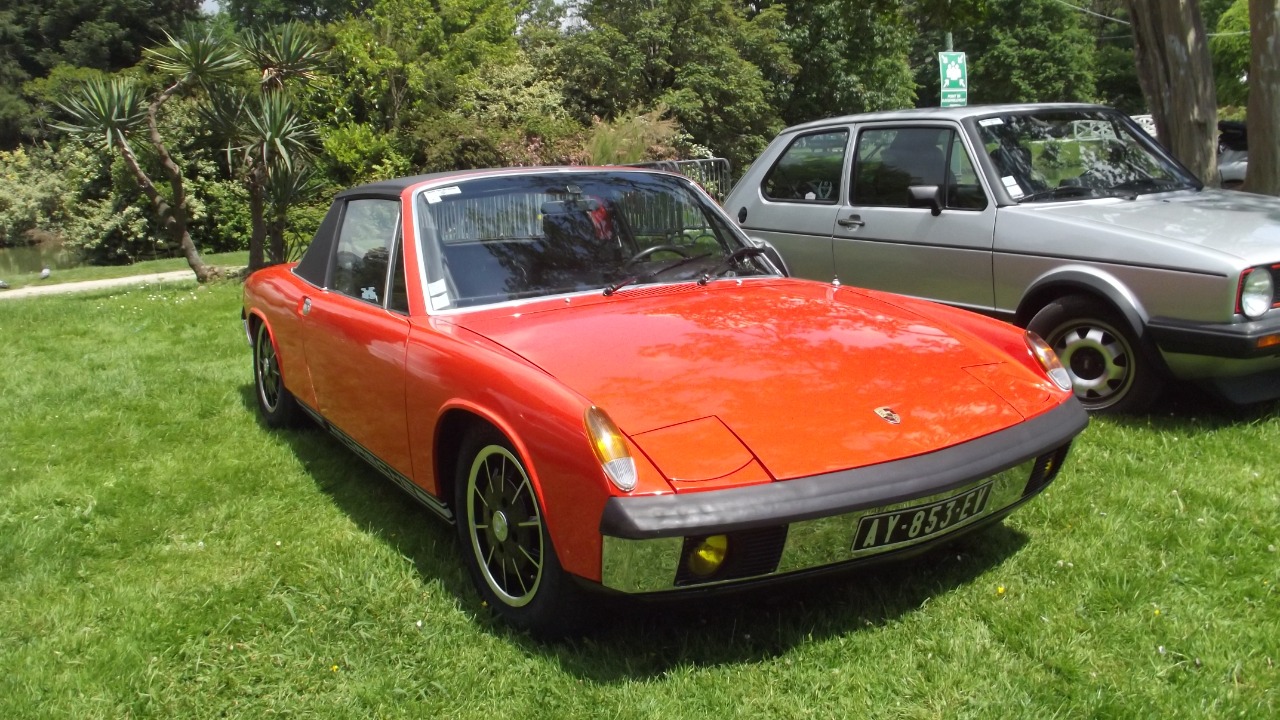
From 1970 to 1976, Volkswagen and Porsche collaborated on the 914, pairing a Porsche body with a four-cylinder Volkswagen engine. In other markets it carried Volkswagen-Porsche badging, but in the United States it was sold only as a Porsche.
It was named Motor Trend’s import car of the year in 1970 and for a time outsold the Porsche 911. Porsche liked the engine enough to use versions of it in the 912 and 924.
6. Volkswagen Passat: Older Than the Golf
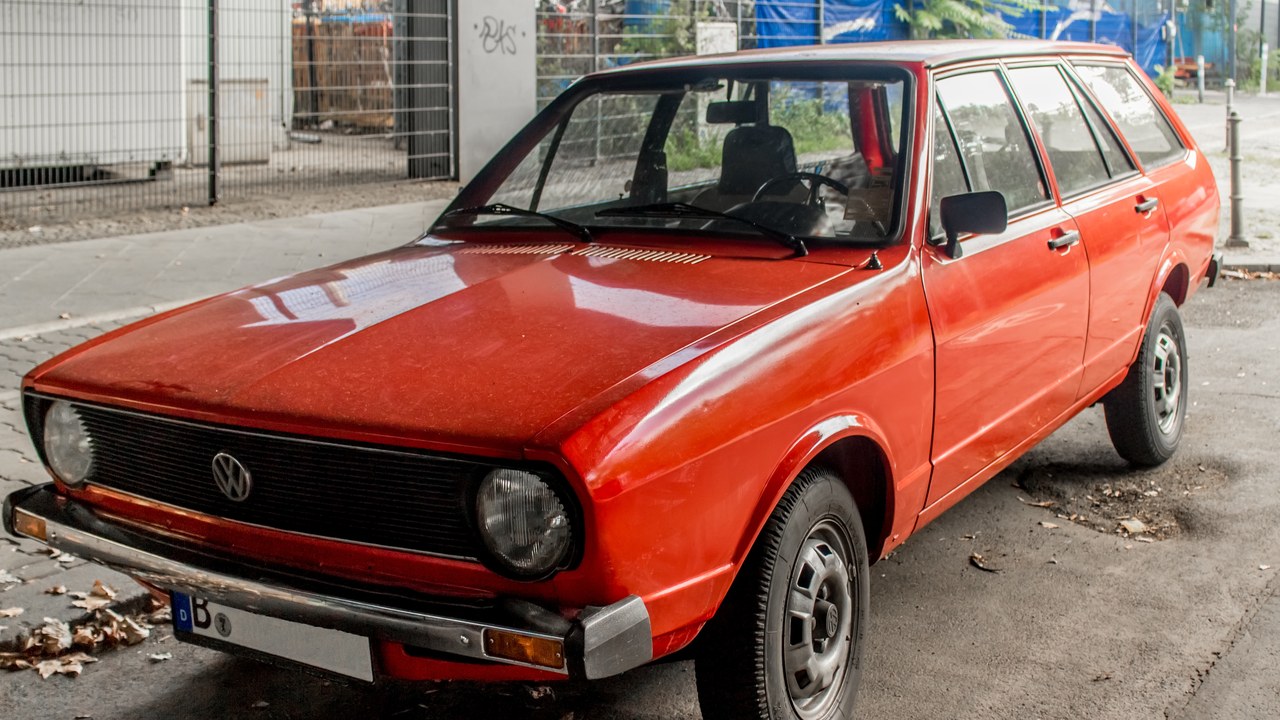
The Passat launched in 1973, a year before the Golf, and was sold in the U.S. under names including Dasher and Quantum. Like the Golf, it was styled by Giorgetto Giugiaro and originally used an Audi-derived platform.
With around 30 million examples sold, the Passat is Volkswagen’s second best-selling model after the Golf. Volkswagen withdrew it from North America in 2022, though it continues in Europe, where the latest generation is offered only as a wagon.
7. Volkswagen Scirocco: Giugiaro Replaces the Ghia
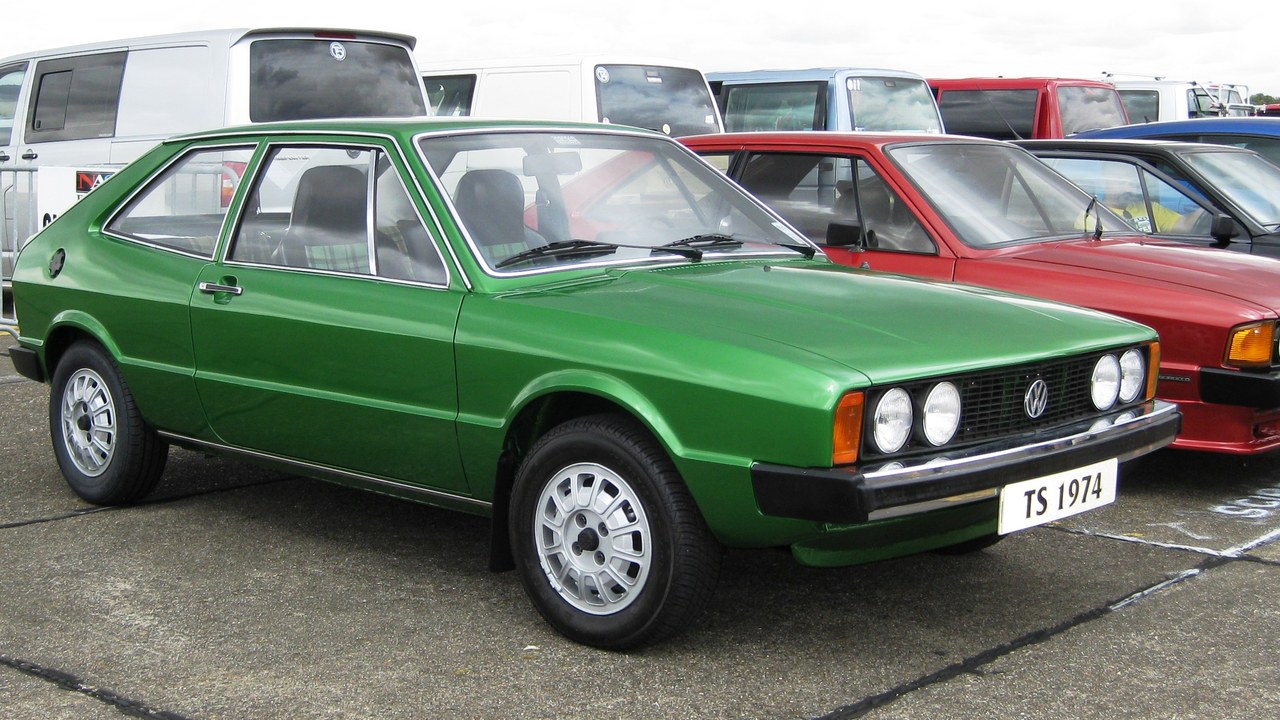
Needing a successor to the aging Karmann Ghia, Volkswagen turned to Giorgetto Giugiaro, and his sharp-edged Scirocco launched in 1974. The design felt meaner and more modern than anything the brand had sold before.
Entry-level versions were underpowered, but the GTI model of 1976 brought 110 horsepower, and the car’s real strength was always its handling. In America it was promoted as the Racing Volkswagen and helped steer buyers toward VW as a sporty brand.
8. Volkswagen Golf: The Best-Seller
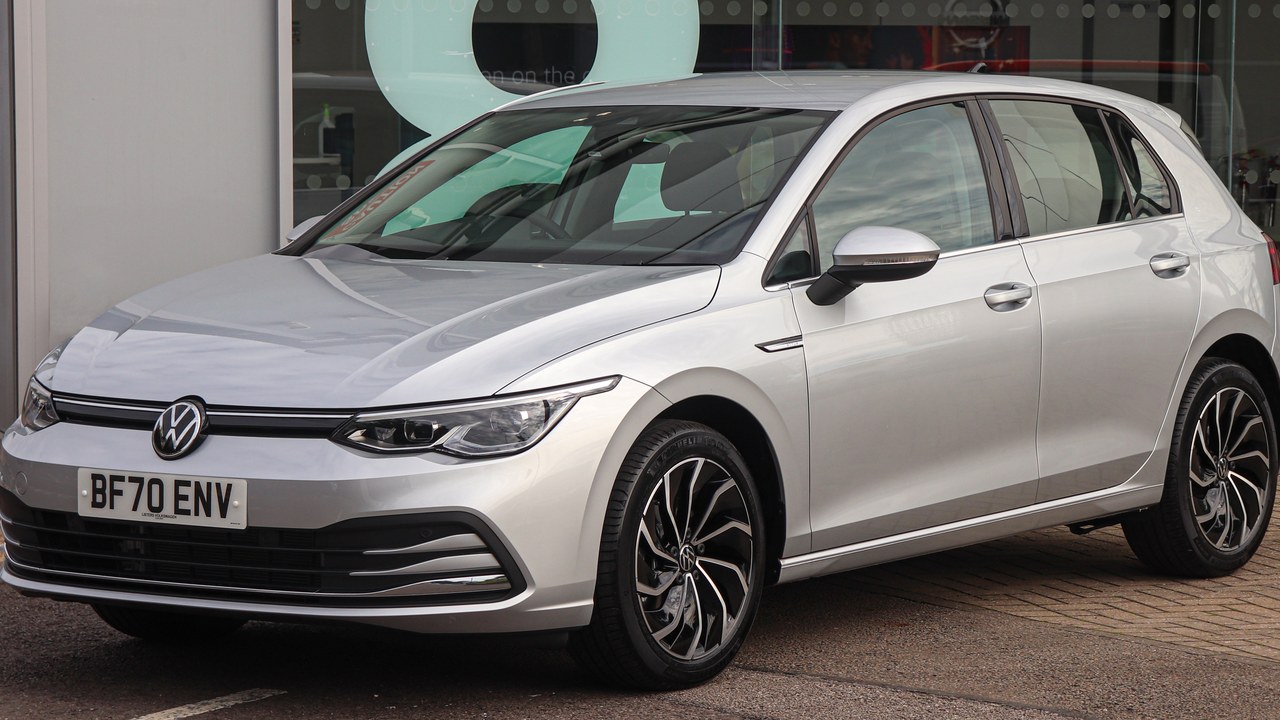
Marketed through eight generations over five decades, the Golf is Volkswagen’s best-selling car ever, with more than 37 million built. The first generation, designed by Giorgetto Giugiaro, replaced the long-serving Beetle.
Its success made it the benchmark for European and Japanese hatchback makers, and some rivals even hired Giugiaro to design competitors. Americans first met it as the Rabbit, and for many families it was their introduction to the hatchback.
9. Volkswagen Polo: Small Outside, Big Inside
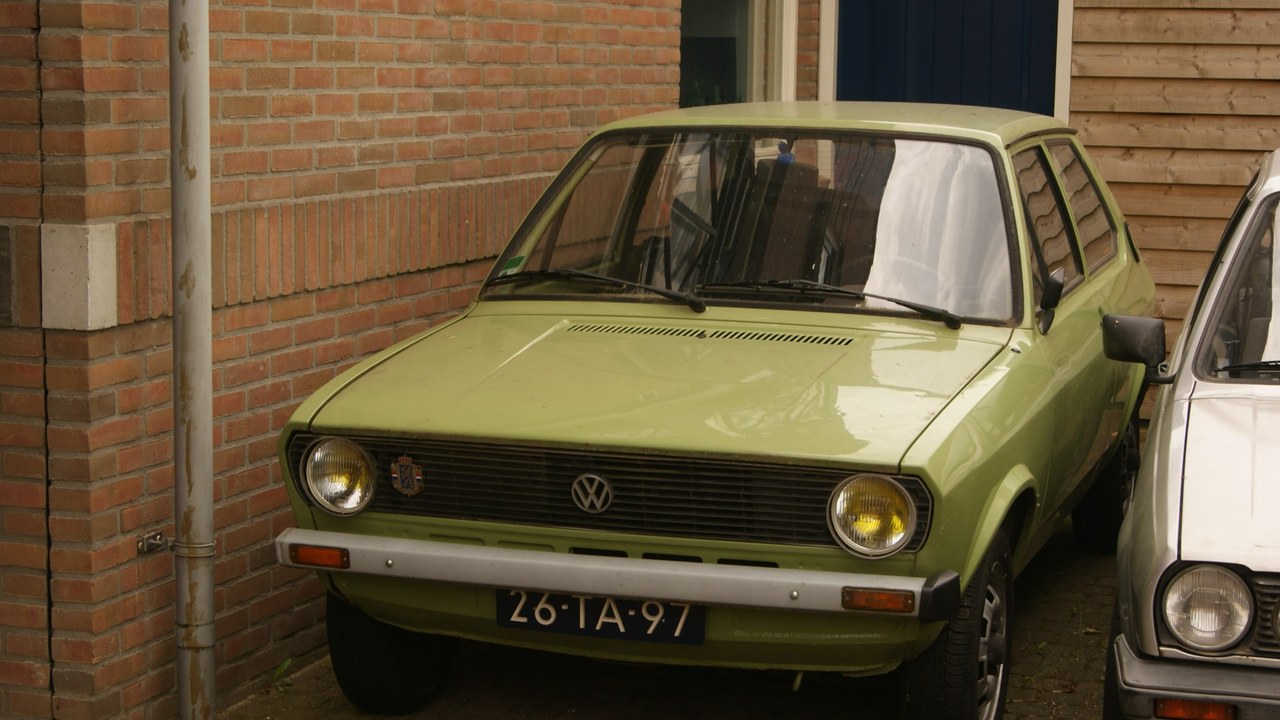
Slotting below the Golf, the Polo debuted in 1975, a year after its stablemate, and has sold more than 18 million units. Its guiding idea has always been small on the outside and big on the inside.
The Polo has stayed compact even as other Volkswagens grew, and it is now the brand’s smallest passenger car in Europe. It was never a major part of the U.S. lineup, but it became a huge success in markets around the world.
10. Volkswagen Golf GTI Mk1: Birth of the Hot Hatch
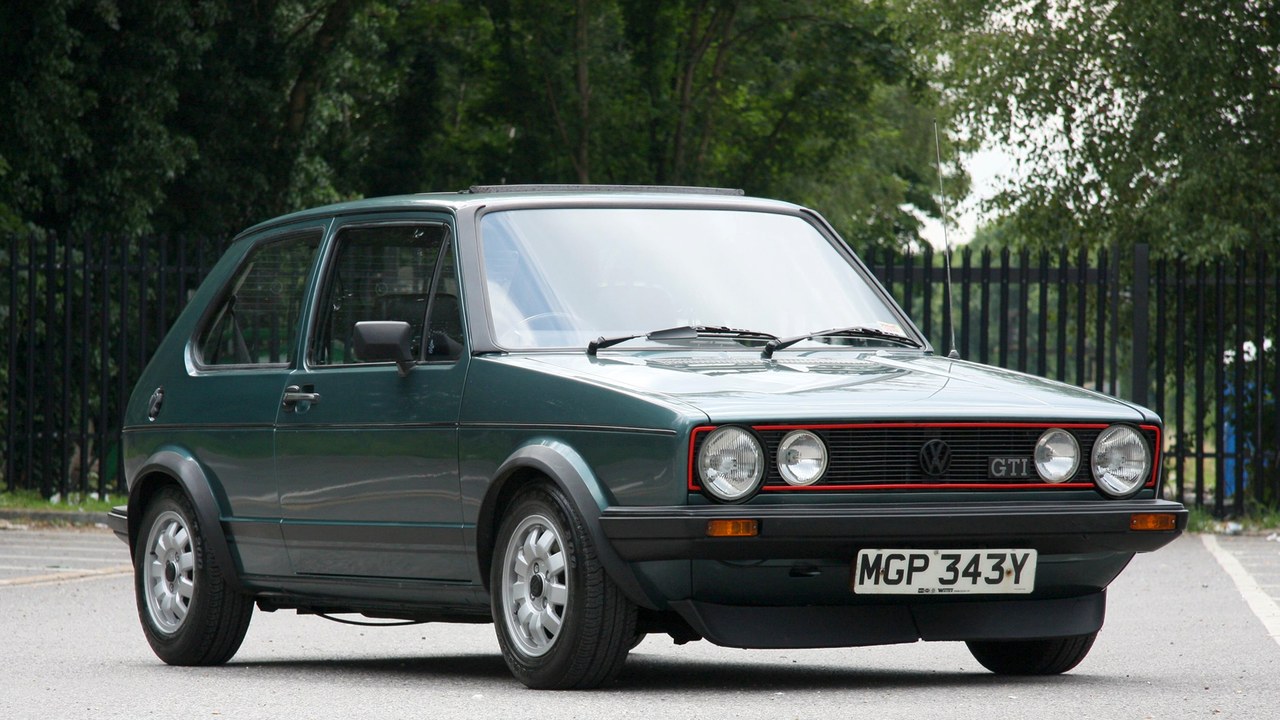
In 1976, the Golf GTI created the hot hatch: a small, practical hatchback with sporty performance and handling, a formula that still exists today. Its fuel-injected 1.6-liter engine made 108 horsepower.
It needed about 9 seconds to reach 60 mph, which is modest by modern standards. What made it special was how usable that performance was, with fun, predictable handling that turned the GTI into the perfect everyday driver’s car.
11. Volkswagen Rabbit Pickup: A Golf With a Bed

Volkswagen first launched the Golf-based pickup in America in 1979 as the Rabbit Pick-Up, hoping to make the Golf more appealing to American buyers, and it was fairly successful.
After U.S. sales ended, the tooling went to South Africa, where production resumed for African and European markets. The name lives on as the Caddy, which has sold more than three million units across five generations but has never been offered in the United States.
12. Volkswagen Jetta: The Golf With a Trunk
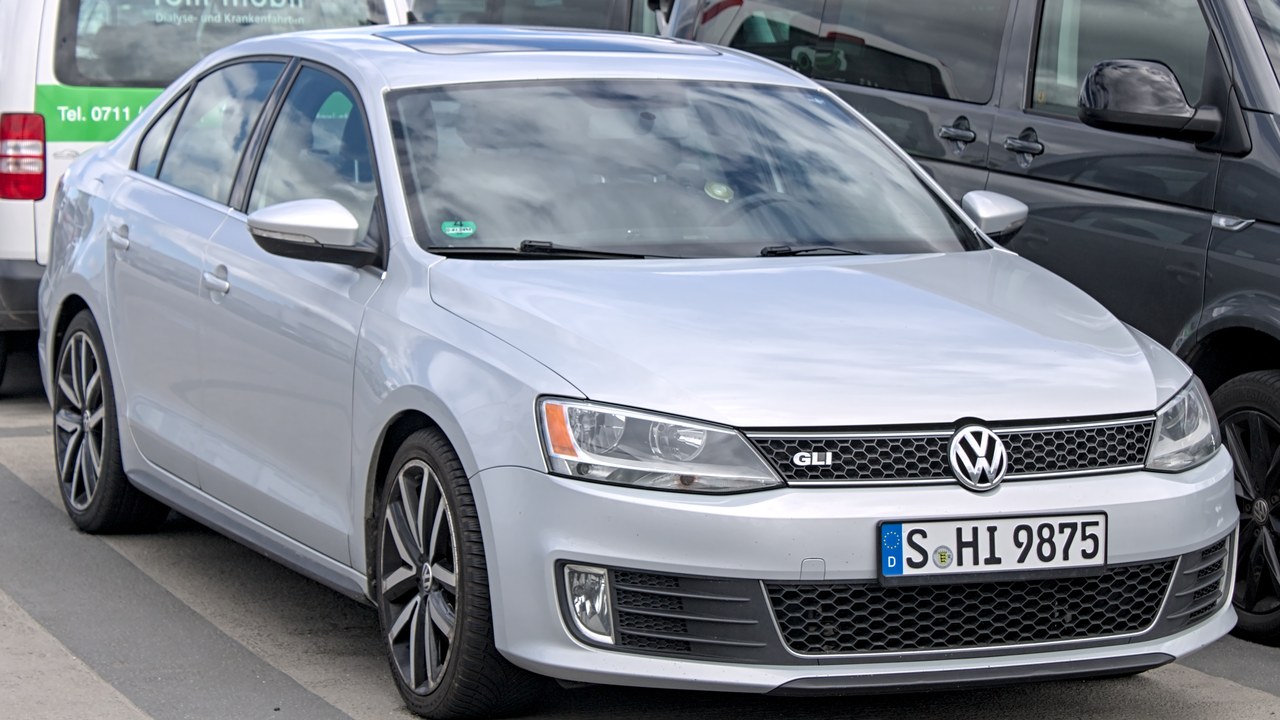
First launched in 1979 as a Golf derivative with a larger trunk, the Jetta sold 10 million vehicles worldwide by being fun, affordable and stable. It became one of Volkswagen’s most recognizable nameplates.
The formula changed little across generations, and it worked especially well in North America. By 1991, the Jetta was recording sales double those of the Golf there, and the GLI version kept the sporty side of the car alive.
13. Volkswagen Vanagon: Built for Camping
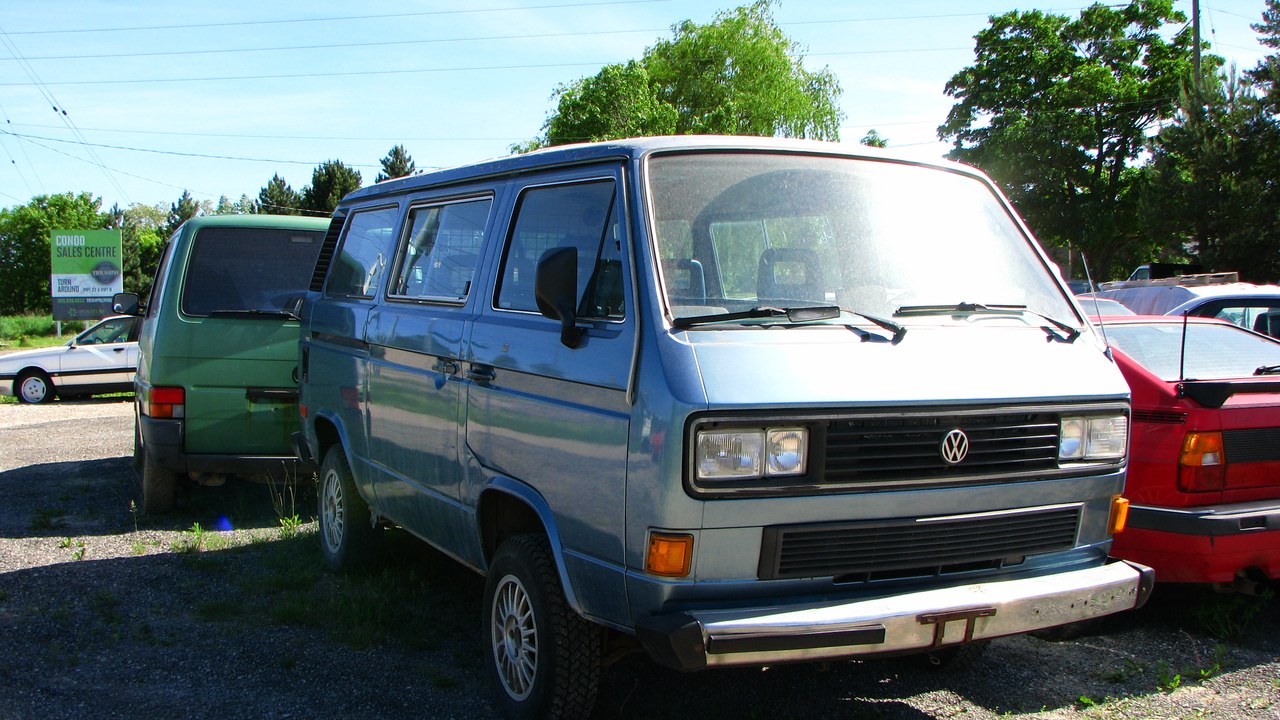
The Vanagon has not been sold new in the U.S. since the early 1990s, but these vans were built for conversion. Some came from the factory as full campers with a refrigerator, two-burner stove, stainless steel sink, cabinets and heaters.
That versatility keeps them in demand today. Multiple versions still appear on used-car sites, and replacement parts, including the Westfalia pop-up top, remain available for owners keeping these campers on the road.
14. Volkswagen Corrado: The Forgotten VR6 Coupe
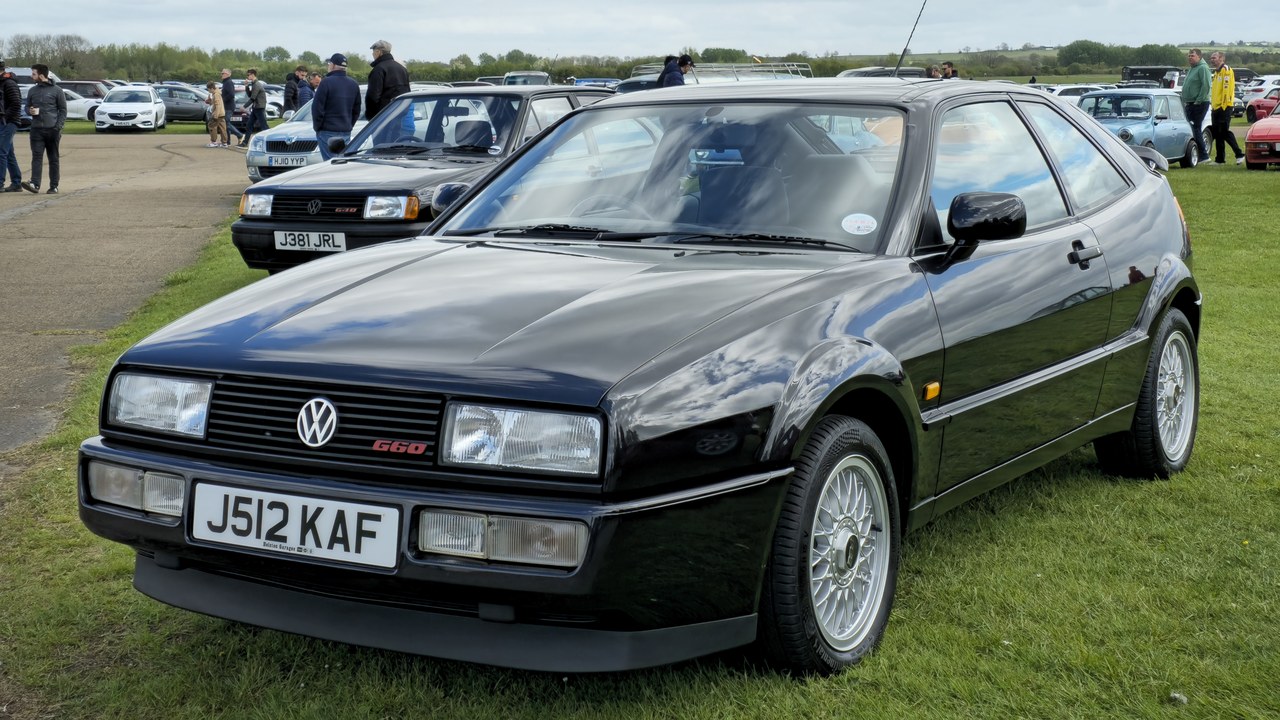
The Corrado is not a household name, but its 2.8-liter VR6, a cross between a V6 and an inline-six, made 178 horsepower. Built by Karmann as an upmarket Golf-based coupe, it was sold only from 1989 to 1995.
Fast and stylish, it became highly coveted among tuners and enthusiasts. Many consider it one of the best drivers’ cars Volkswagen ever produced, although owners note a firm ride and running costs that are not cheap.
More from Morning Overview
- A 2,000-year-old nomad tomb in Mongolia held a glass cup that may have traveled from Rome
- Southern California cities built towering sand berms to fend off Thanksgiving tides
- Google is shutting down the Nest app, and unmigrated accounts risk deletion
- Florida’s St. Johns River just topped its worst flood on record near Cocoa
