
America once had dozens of car brands, and many of them built cars that are still admired decades after the companies vanished. Some fell to the Depression, others to fierce competition or simple bad timing. Here are eighteen cars from American brands that no longer exist.
Read next on Morning Overview: A hunting-trip Piper spiraled down from the sky before a deadly crash in Iowa
1. Auburn 851 Speedster: The Boattail Masterpiece
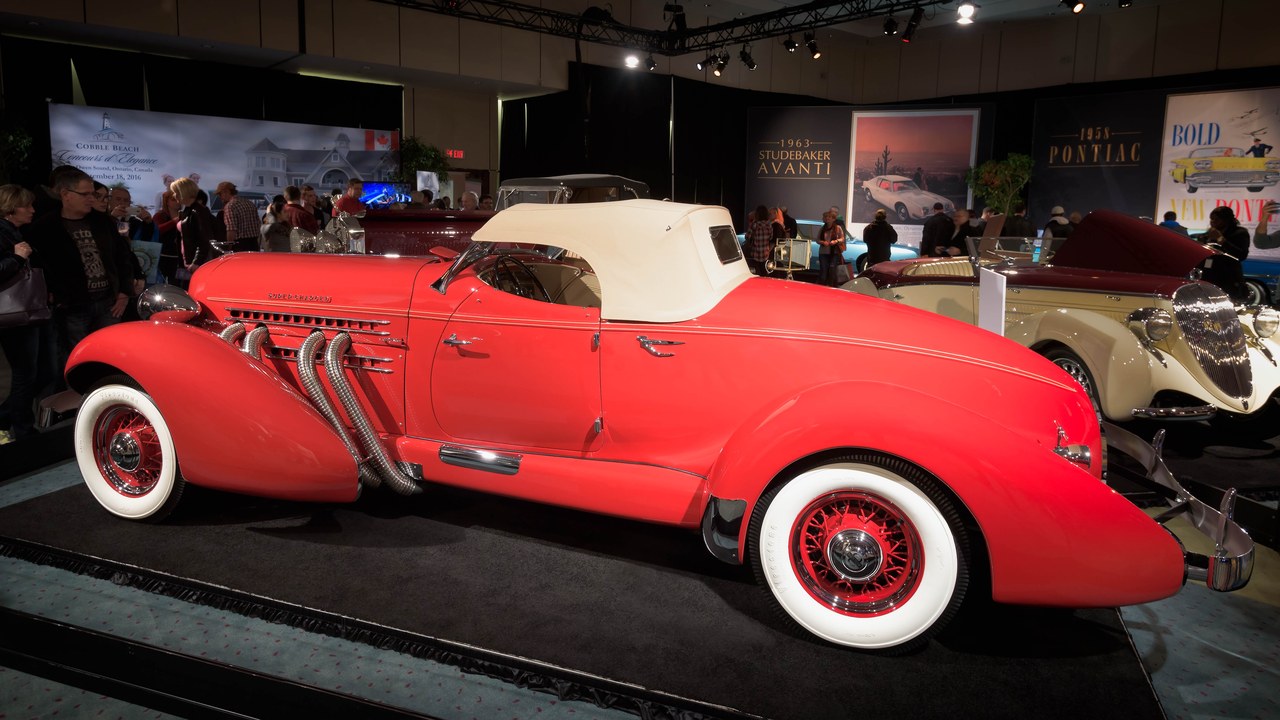
Auburn’s 851 Speedster, with its sweeping boattail and chrome exhaust pipes, remains one of the finest pre-war sports cars built in the US. It combined striking style with real performance.
Auburn could not survive the Depression and stopped building cars in the late 1930s. Today the Speedster is a prized collector car and a symbol of American design at its most daring.
2. Duesenberg Model J: Luxury Car and Race Car in One
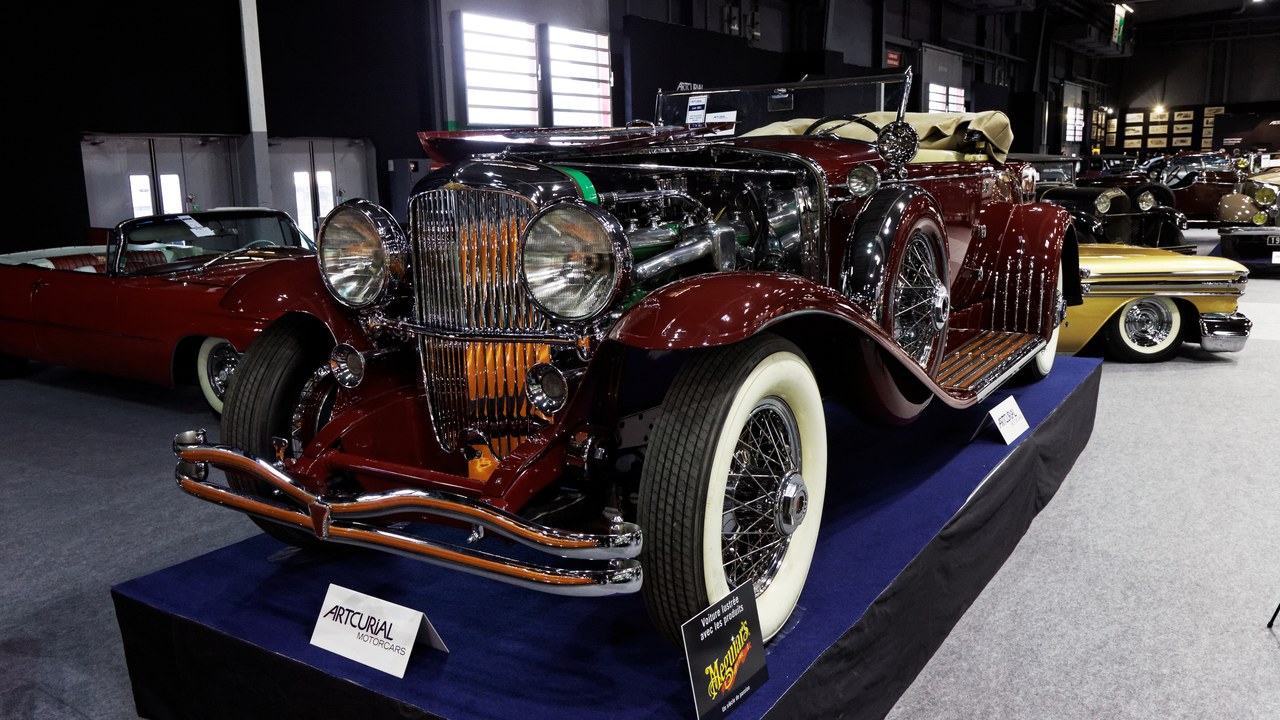
Produced from 1928 to 1937, the Duesenberg Model J was a legendary mix between a full-blown luxury automobile and a proper race car. Its powerful straight-eight engine set it apart from rivals.
Movie stars and millionaires bought Model Js with custom coachwork. The phrase “it’s a doozy” is often linked to the brand, a sign of how deeply it marked American culture.
3. Pierce-Arrow Silver Arrow: A Streamlined Rarity Worth Millions
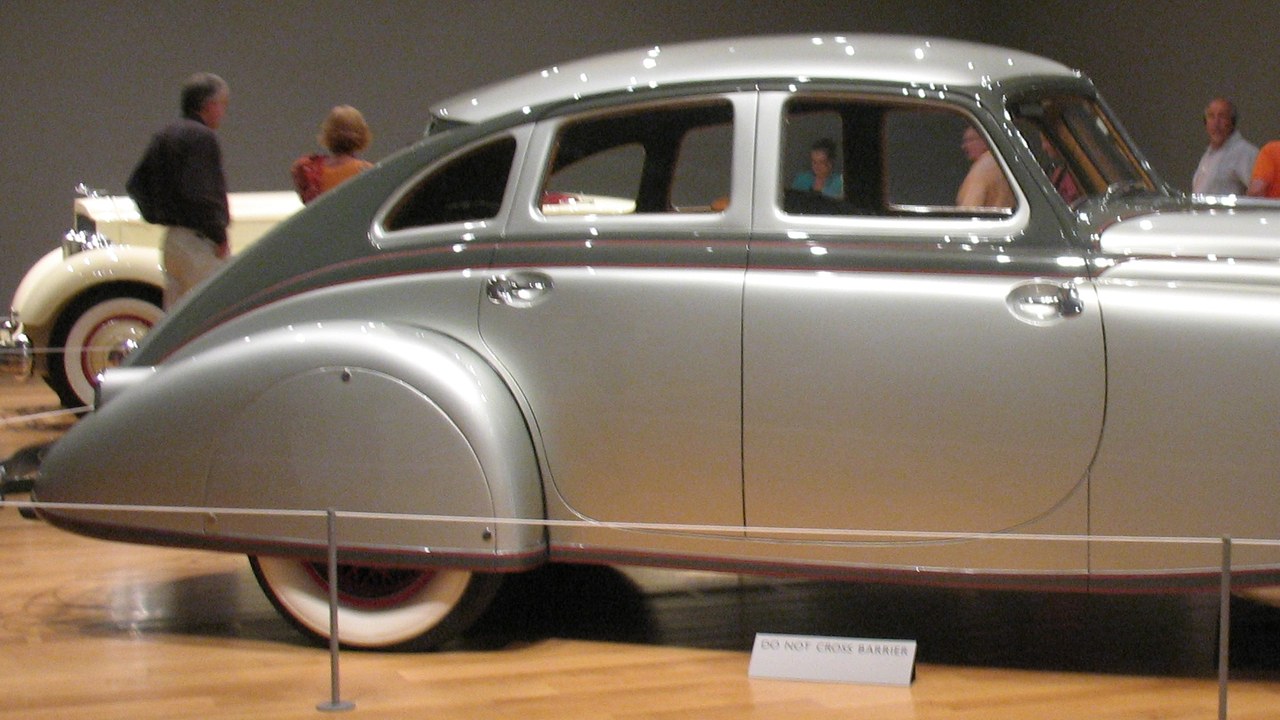
The Pierce-Arrow Silver Arrow was built in very low numbers, and surviving examples usually sell for millions of dollars at auction. Its streamlined body looked years ahead of its time.
Pierce-Arrow was one of America’s most respected luxury brands, but it closed in 1938. The Silver Arrow remains one of the most celebrated designs of the 1930s. Only five were built for the 1933 Chicago World’s Fair.
4. Tucker 48: Brilliant, Striking and Doomed
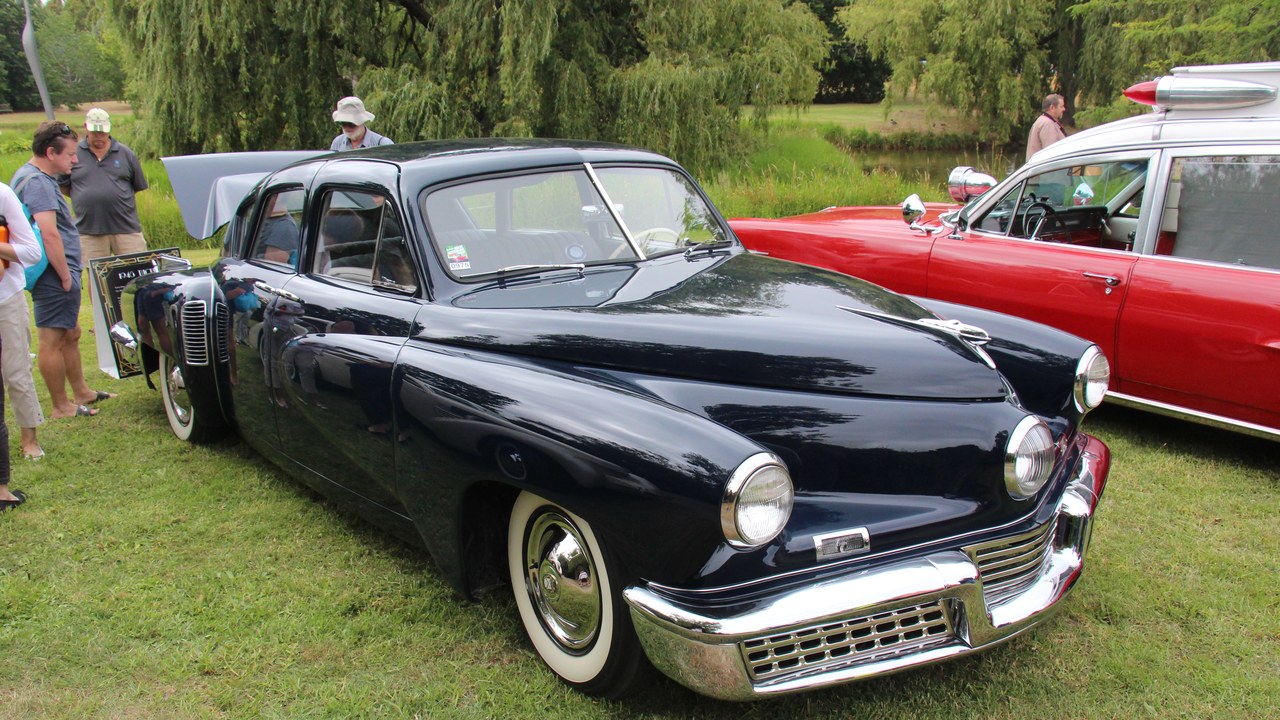
The Tucker ’48 is one of the most striking examples of how an innovative, attractive car does not guarantee success. It featured a rear engine and a center headlight that turned with the steering.
Only about 50 were built before the company collapsed amid legal trouble. The car’s story became the subject of a Hollywood film, and survivors are now worth millions.
5. Willys Jeepster: Once America’s Second-Largest Carmaker
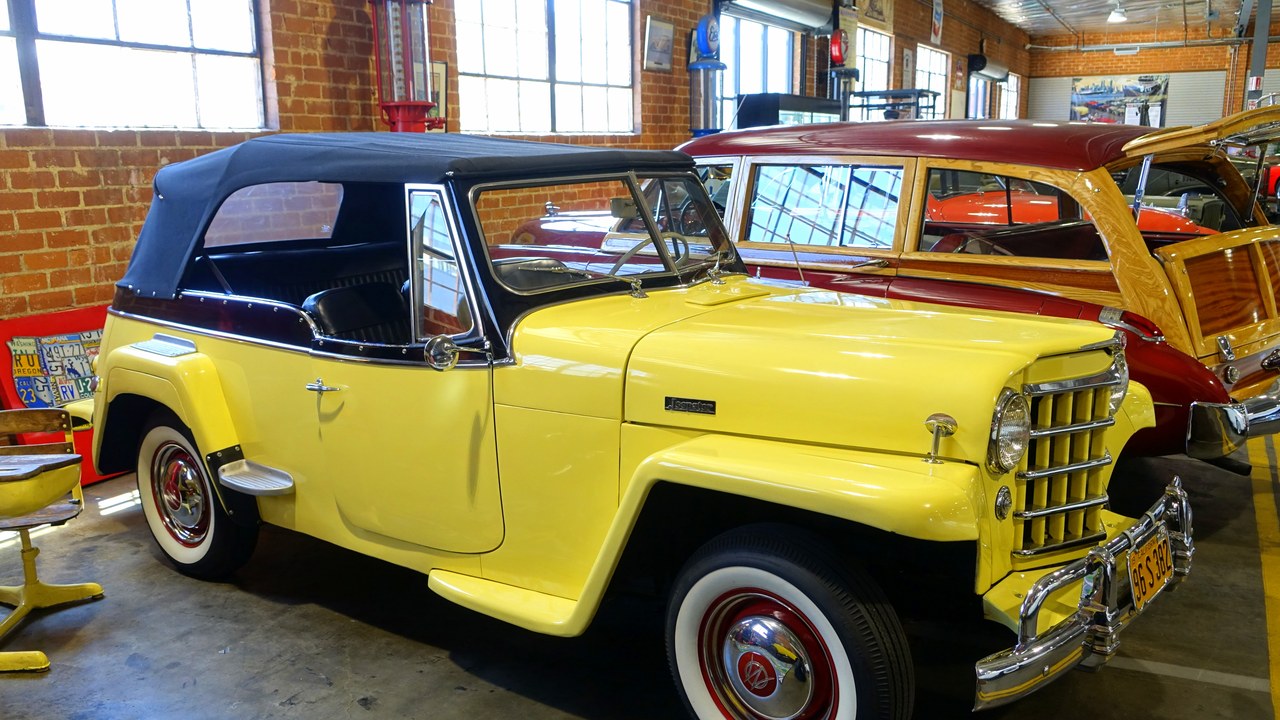
Willys-Overland had once grown into the second-largest U.S. carmaker behind Ford. After World War II, it turned its Jeep fame into the Jeepster, a sporty open-top model.
The Jeepster was built only from 1948 to 1950. The Willys name eventually faded, but the Jeep brand it created lives on under different ownership. Its open body and sporty styling were aimed at buyers who wanted fun rather than off-road ability.
6. Kaiser Henry J: A Postwar Compact That Struggled
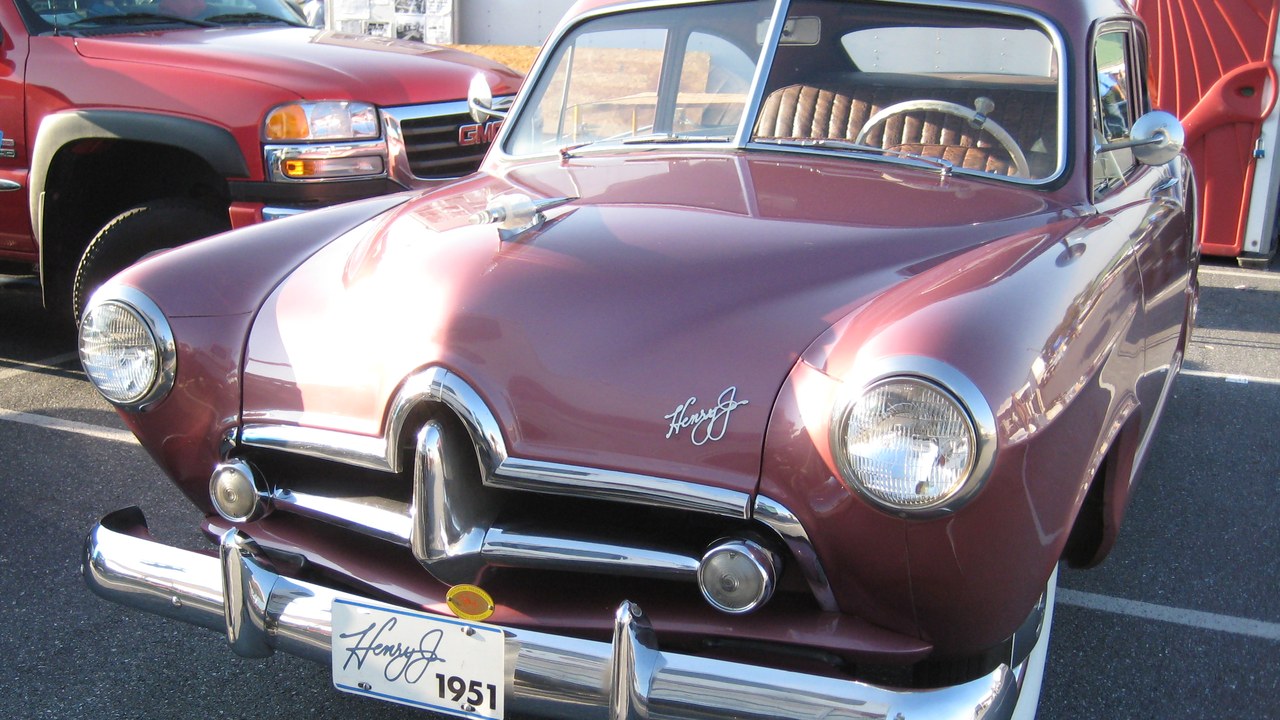
Kaiser-Frazer built about 750,000 cars before the company left the car business, and the Henry J was its attempt at an affordable compact for postwar families.
The Henry J was cheap to buy but basic, and buyers often chose a used full-size car instead. Kaiser stopped building cars in the U.S. in the mid-1950s. Sears also sold a version of it, called the Allstate.
7. Hudson Hornet: A NASCAR Dynasty
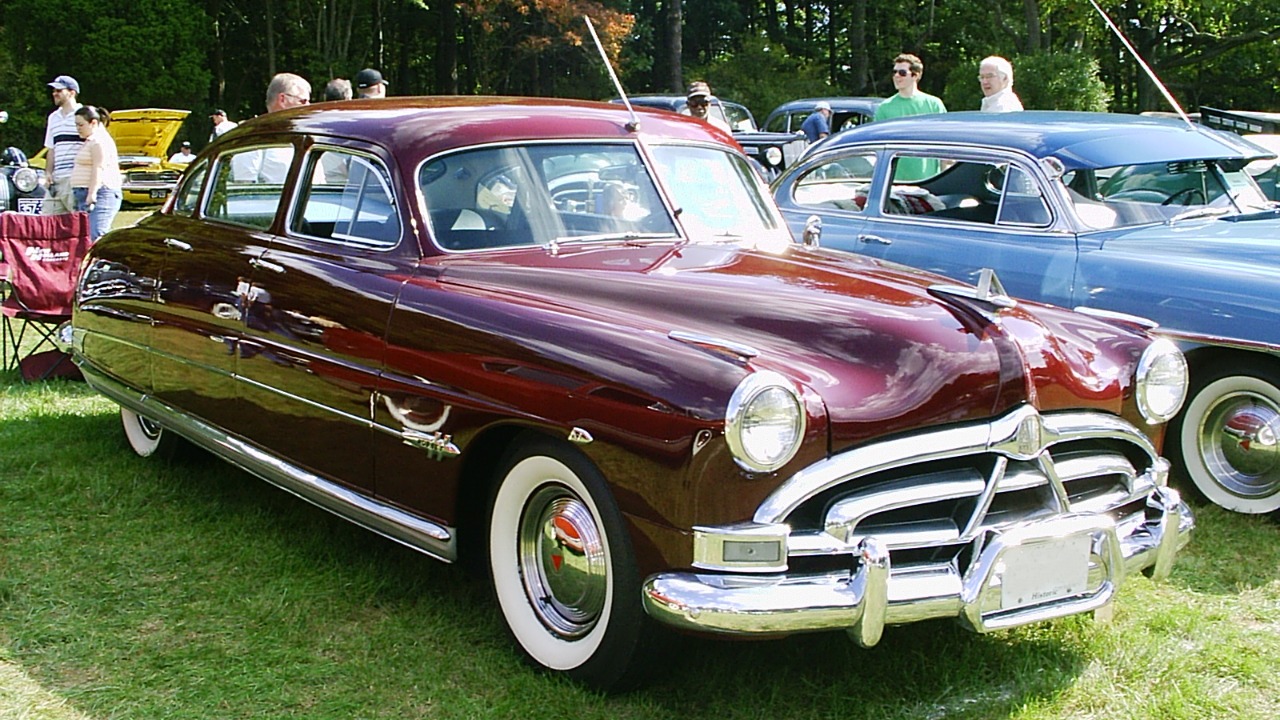
The Hudson Hornet dominated early stock-car racing, winning the Grand National manufacturer title three years in a row, from 1951 to 1953. Its low center of gravity helped it corner well.
Hudson merged with Nash in 1954 to form American Motors, and the Hudson name was dropped a few years later. The Hornet’s racing fame lives on with collectors and movie fans.
8. Nash Metropolitan: Small Car, Big Personality
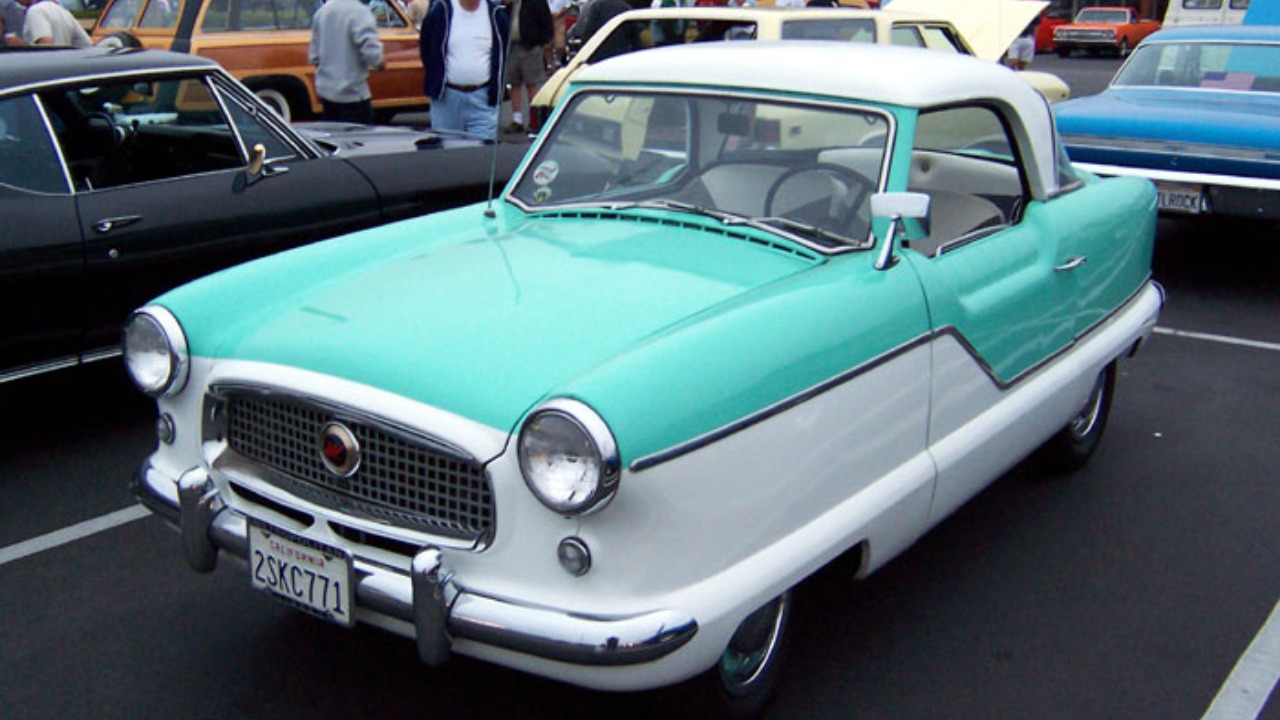
The Metropolitan is one of Nash’s best-known models, alongside the 600 and the Airflyte. Nash, which built its first car in Wisconsin in 1917, sold the tiny Metropolitan as an economy car.
The Metropolitan was built in England for the American market and is remembered for its two-tone paint and compact size. Nash became part of American Motors, and its name disappeared in the late 1950s.
9. Continental Mark II: Not a Lincoln, Despite Appearances
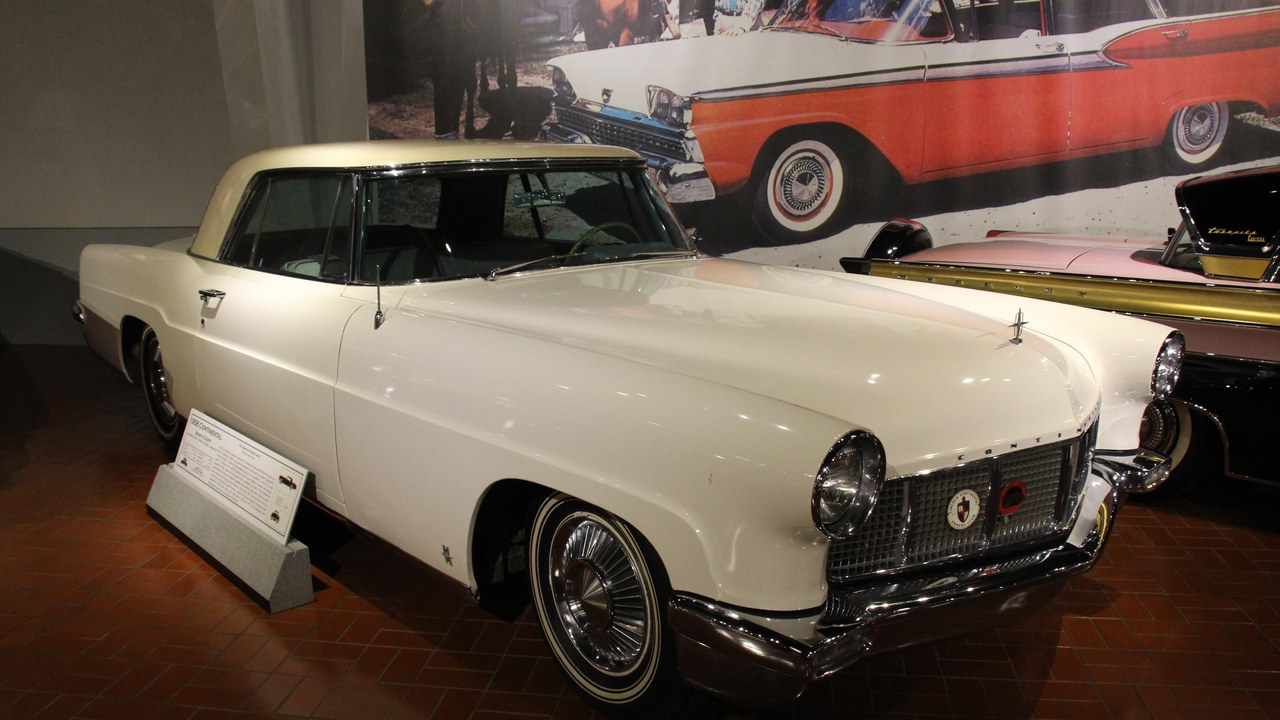
Often mistaken for a Lincoln, the Continental Mark II was the sole product of a separate Ford division created to build an ultra-luxury car.
It was hand-assembled and priced far above most American cars of its day. The Continental division lasted only briefly, but the Mark II is still regarded as one of the most elegant postwar cars. It was built for the 1956 and 1957 model years.
10. DeSoto Firedome: Strong Sales, Then a Sudden Fall
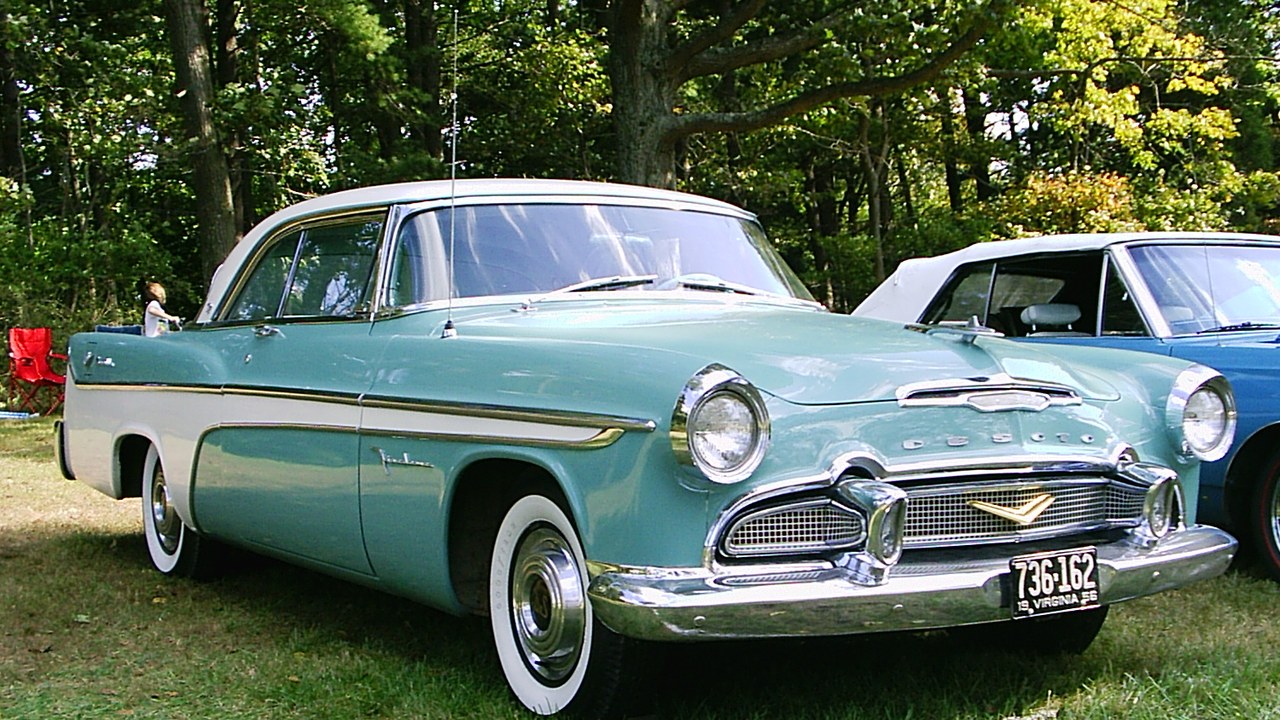
DeSoto vehicles sold well in the early 1950s, with the Firedome among its popular models. By 1958 sales had sunk, and the brand was gone by 1961.
DeSoto sat between Plymouth and Chrysler in the lineup, a position that grew crowded as Chrysler’s other brands expanded. A recession in 1958 accelerated its decline. The brand was founded by Chrysler in 1928.
11. Edsel: The $250 Million Lesson
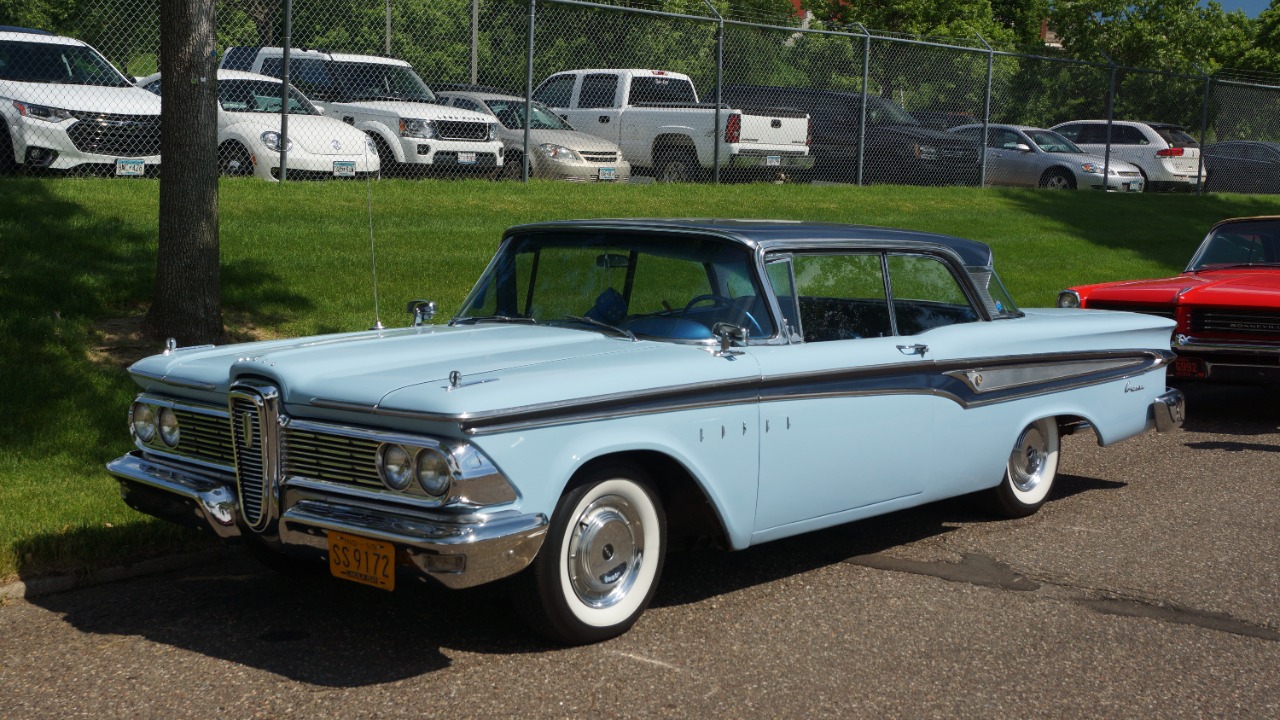
Ford’s Edsel lasted only a few model years and became a $250 million failure. It launched with heavy promotion, but buyers were not impressed.
The Edsel’s name became shorthand for a product flop. Today, though, the surviving cars are appreciated by collectors who see them in a kinder light. Critics mocked its distinctive vertical grille, and sales fell far short of Ford’s targets.
12. Studebaker Lark: A Late Hit From an Old Company
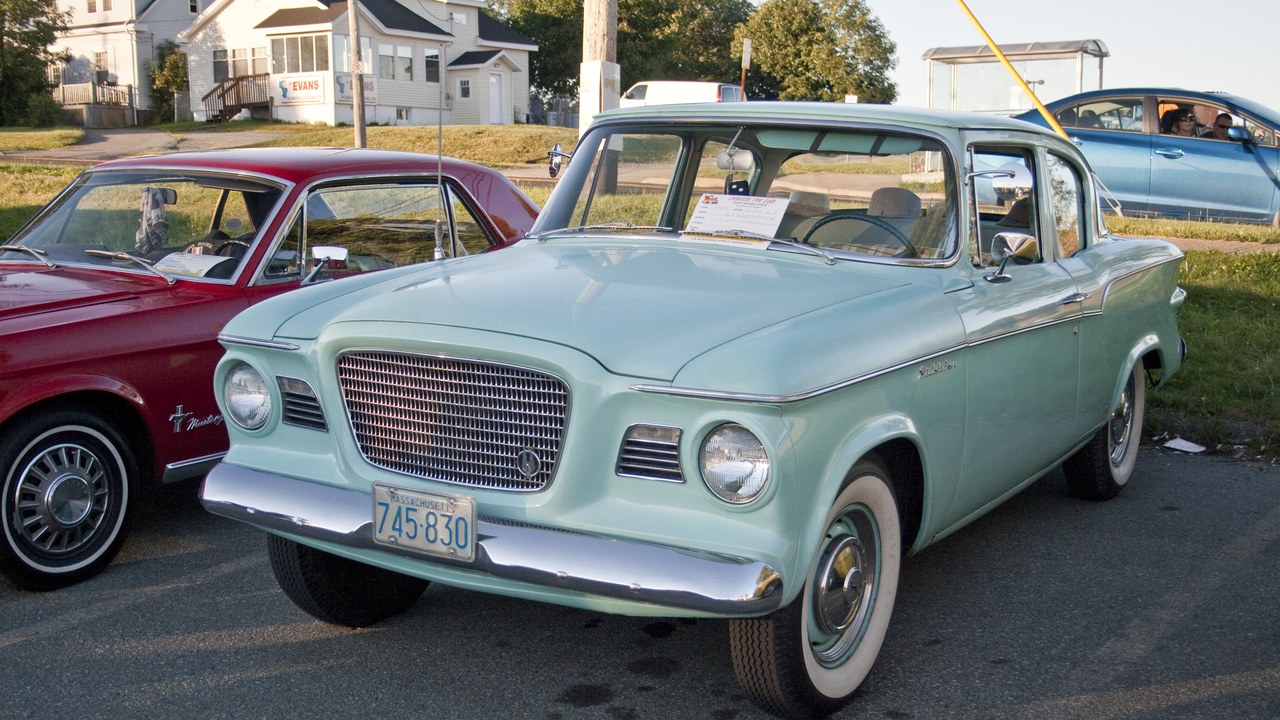
The Lark came late in the history of Studebaker, a company that was established in 1852 by the Studebaker brothers as a maker of horse-drawn carriages.
The compact Lark sold well when it arrived for 1959 and gave Studebaker a short revival. The company stopped building cars in 1966, ending more than a century of vehicle making. Its success was short-lived once the Big Three launched compacts of their own.
13. Imperial: Chrysler’s Answer to Cadillac
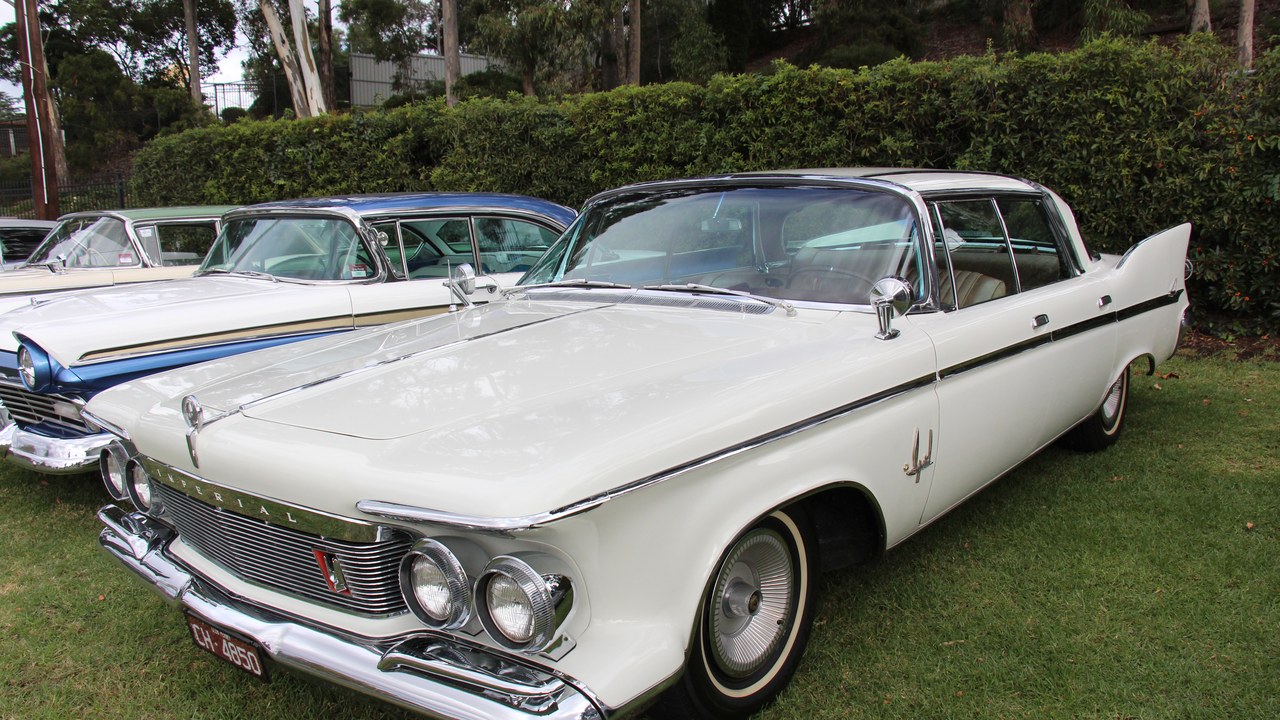
Imperial was Chrysler’s answer to the high-end car market, aimed at buyers who wanted presence and polish. For several years it was sold as its own brand, separate from Chrysler.
Imperials featured bold styling and lavish interiors to compete with Cadillac and Lincoln. The name came and went over the decades before disappearing for good in the 1990s. Its long hoods, tall fins and heavy chrome made the late-1950s and early-1960s models especially memorable.
14. Rambler American: Dependable Transport for Working Families
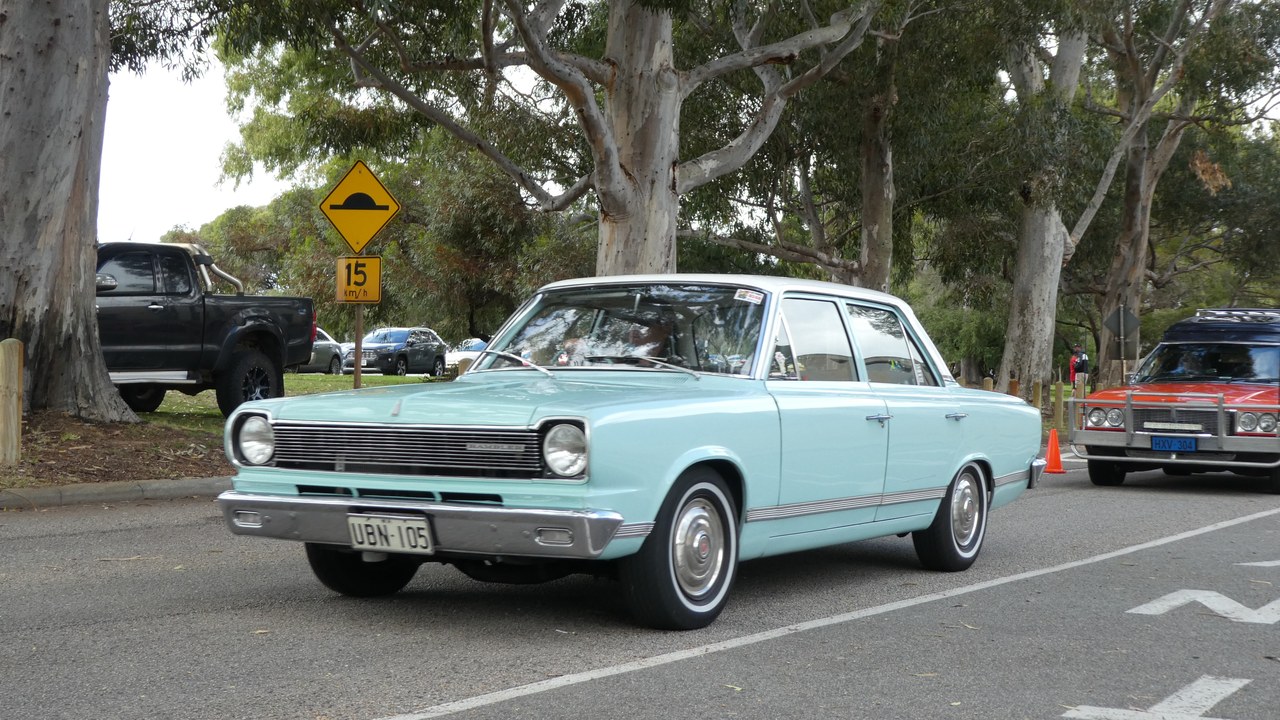
The Rambler American was a compact built for practicality, and Rambler found its audience in working families who wanted dependable transportation.
Rambler’s focus on economy helped American Motors compete against the much larger Detroit automakers. The Rambler name was phased out in the late 1960s. The American was the smallest and most affordable model in the Rambler family through the 1960s. Its simple engineering made it easy to own and repair.
15. Checker Marathon: The Taxi of New York, Built in Michigan
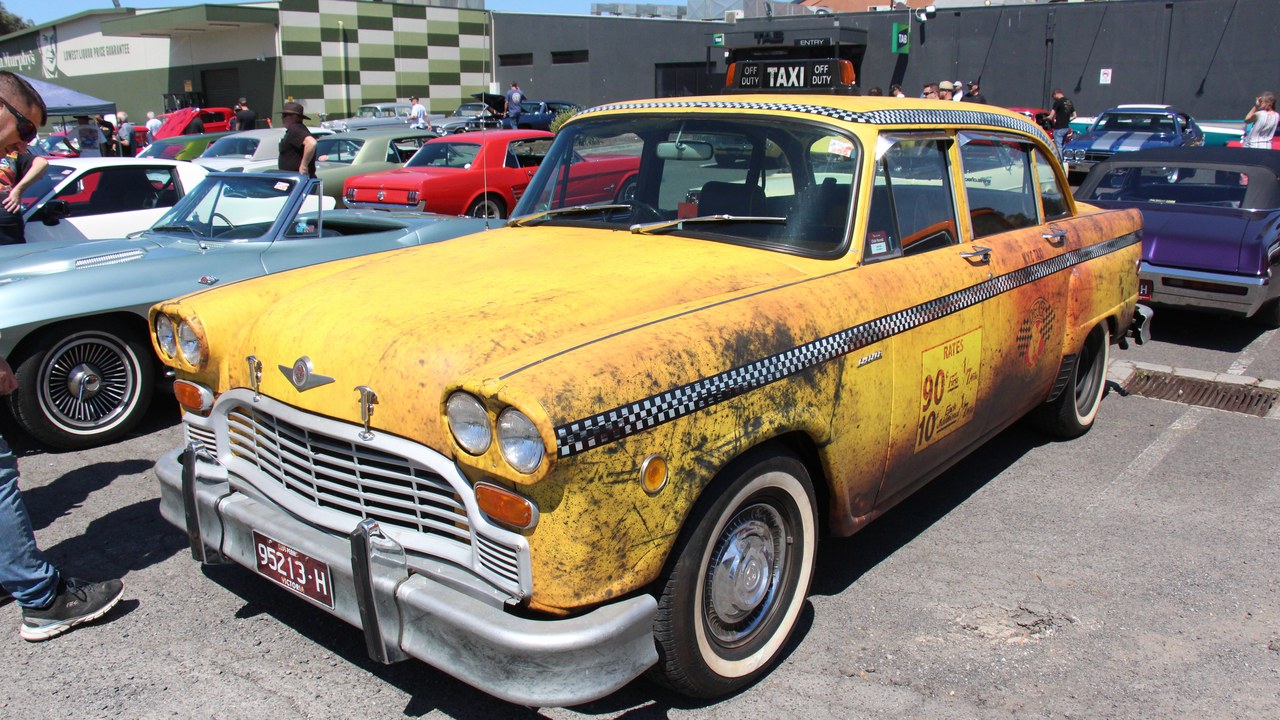
Many people still associate the big yellow Checker taxi with New York City, but the Checker Marathon was built in Kalamazoo, Michigan.
The Marathon barely changed for decades, which made it cheap to maintain for fleet owners. Checker stopped building cars in 1982, and the last of its taxis left New York streets years later. Checker also sold the Marathon to private buyers who wanted its roomy, durable body.
16. DeLorean DMC-12: Stainless Steel and Movie Fame
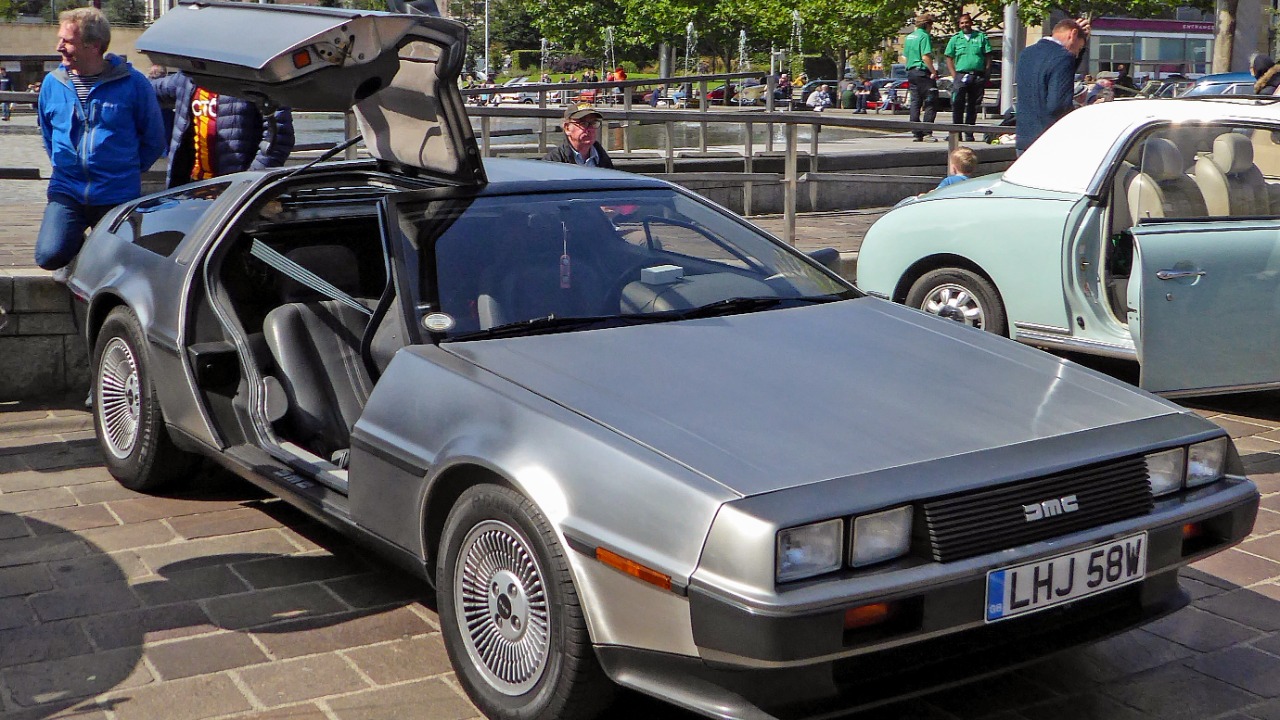
The DeLorean DMC-12, with its stainless steel body and gullwing doors, will be forever seared into 1980s pop culture by Back to the Future.
The DeLorean Motor Company built the car for only a short time before going bankrupt in 1982. The movie turned a sales failure into one of the most recognized cars in the world. About 9,000 were built.
17. Hummer H1: Military Muscle for the Driveway
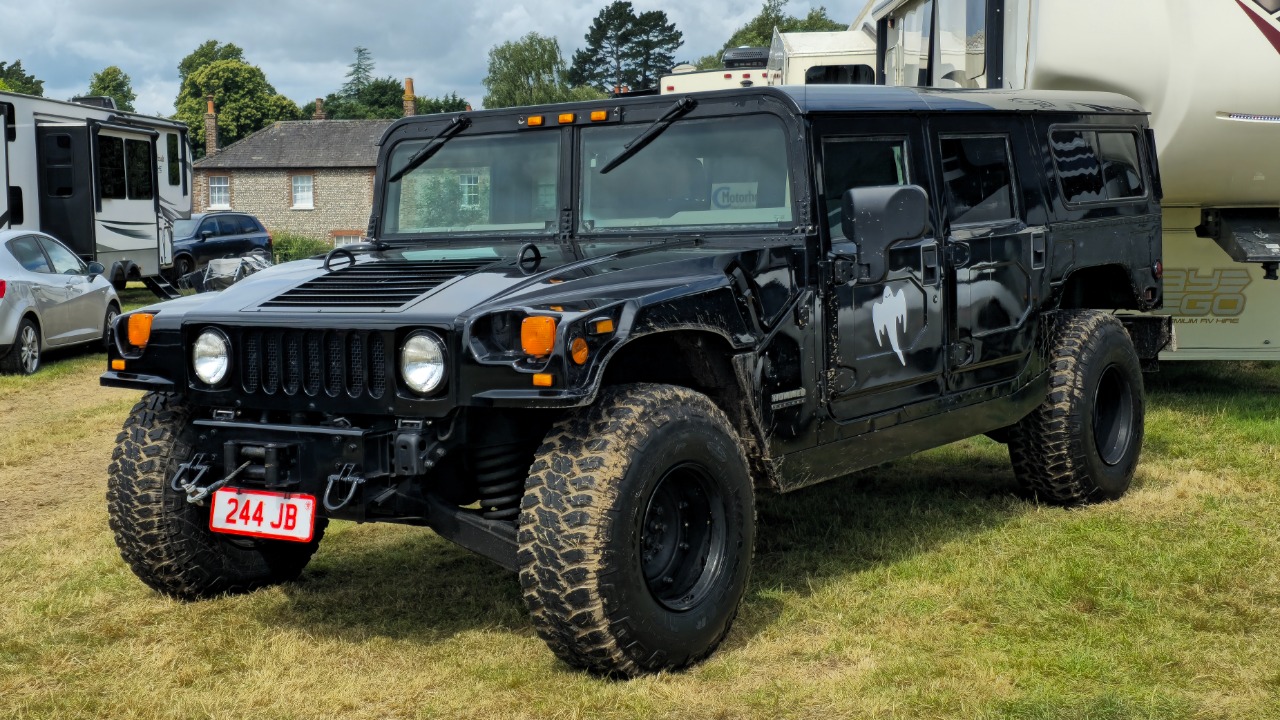
Hummer made a bold entrance with the H1, a civilian version of the military Humvee with a look that was impossible to miss.
The brand later added smaller models before GM shut it down in 2010. The Hummer name has since returned on an electric GMC model, but the original Hummer brand is gone. The H1 was big, heavy and thirsty, which limited its appeal as fuel prices rose.
18. Saturn S-Series: A Different Kind of Car Company
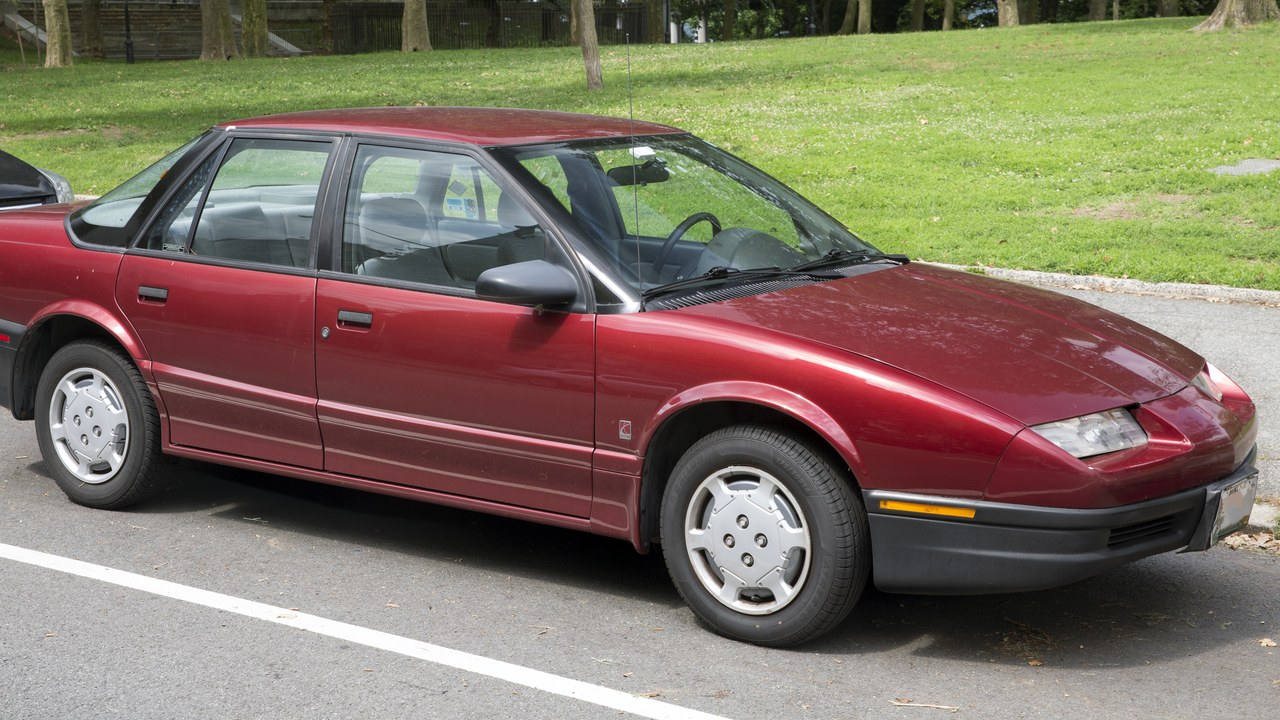
Saturn promised a smoother sales process, simpler decisions and a loyal owner community. The S-Series compacts, with dent-resistant plastic body panels, were its first cars.
GM created Saturn as a fresh start in the 1980s, but the brand gradually lost its identity. It was shut down in 2010, though many owners still remember it fondly. Its no-haggle pricing was unusual for the industry at the time.
More from Morning Overview
- Debris from the Greenacres Learjet crash landed on Florida rooftops, and the NTSB wants it
- Lockheed says its Valkyrie laser shot down a cruise missile stand-in with no tracking aids
- A Cirrus SR22 declared an emergency a minute after departure clearance, its parachute still bagged
- Chase, Visa and Mastercard confirm hackers hit their vendors and exposed customer data
