
Few American cars have lasted as long or changed as much as Chevrolet’s two-seater, from a six-cylinder roadster in 1953 to a mid-engine supercar challenger. Along the way, a handful of model years and special versions defined its reputation. Here are sixteen Corvettes that turned America’s sports car into a legend.
Read next on Morning Overview: Google is shutting down the Nest app, and unmigrated accounts risk deletion
1. 1953 Chevrolet Corvette: Where It All Began
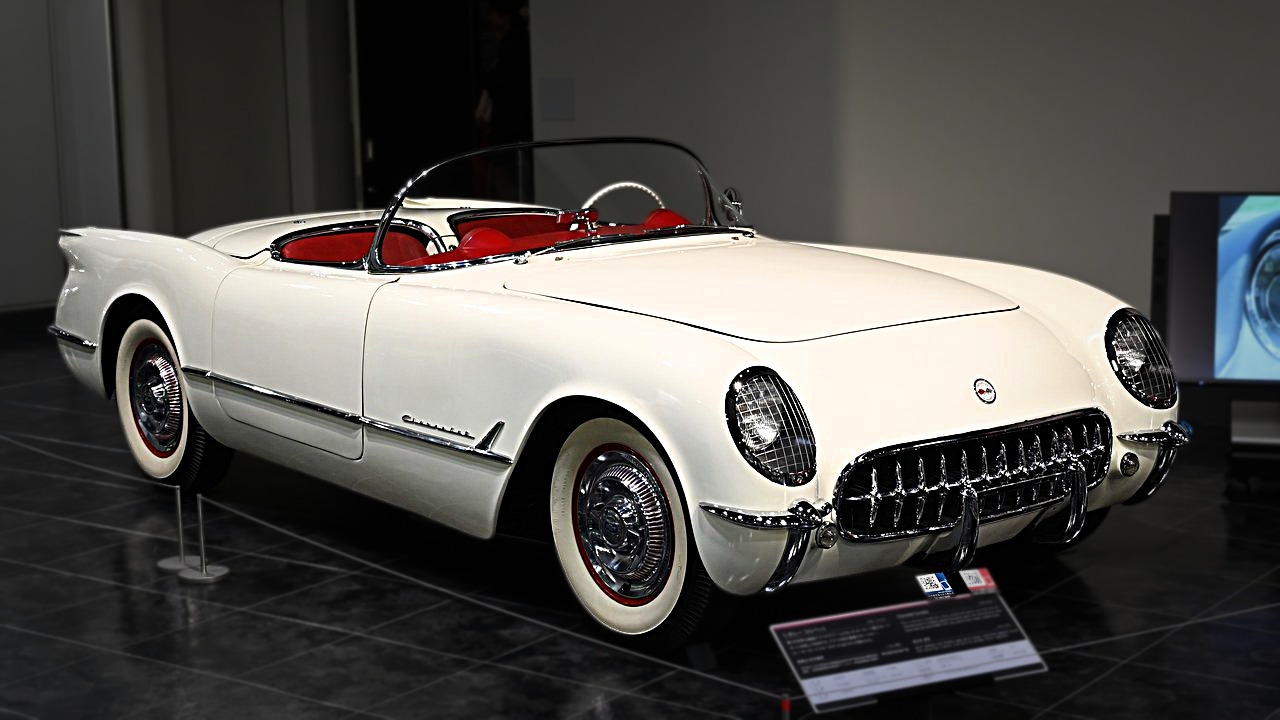
The 1953 Corvette was the start of decades of automotive history, even if purists admit the first years were rocky. GM design chief Harley Earl pushed for a two-seater after seeing returning troops buy European sports cars.
The first car appeared at GM’s Motorama show with a fiberglass body, a straight-six and a two-speed automatic. Production began in Flint, Michigan, six months later, and early sales were slow, but the foundation for America’s sports car was in place.
2. 1957 Chevrolet Corvette: Fuel Injection Arrives
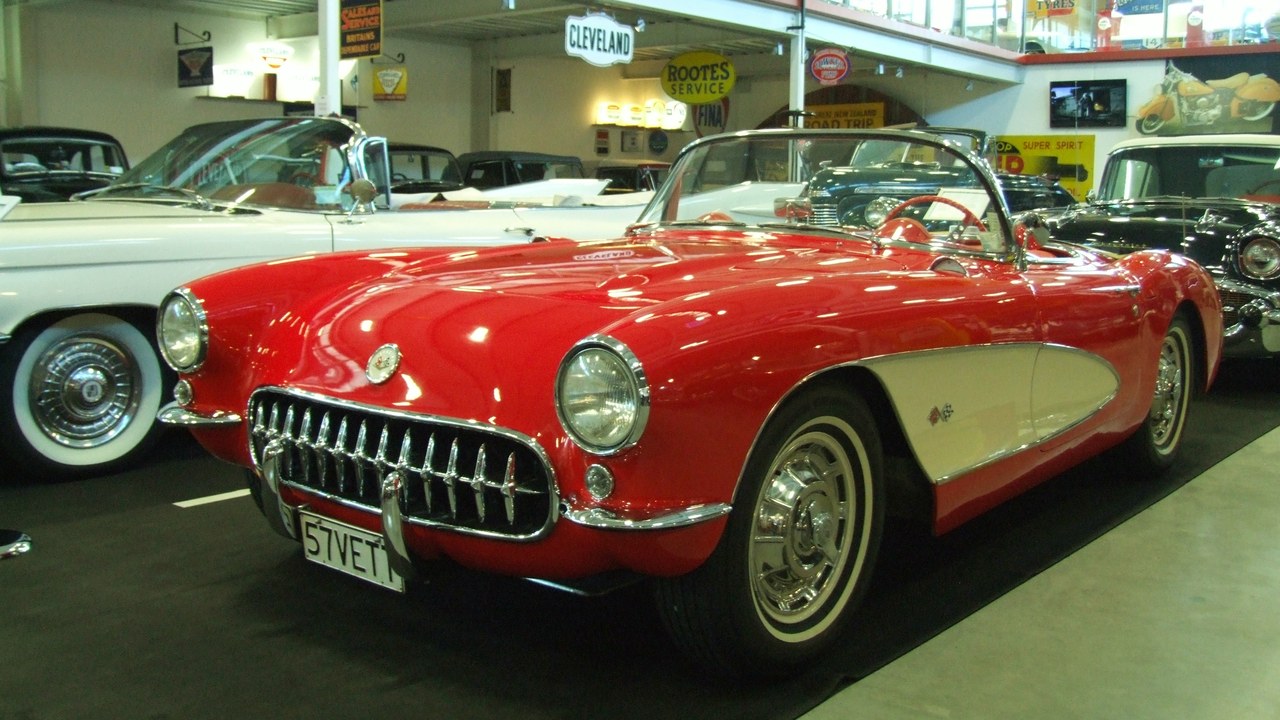
The styling of the 1957 car was not groundbreaking, but its new Ramjet Fuel Injection was. The National Corvette Museum calls it the most advanced performance feature ever offered on an American production engine at the time.
The museum also described the 1957 Corvette as a showstopper for looks, luxury and comfort. Bigger V8 engines had arrived in 1955, and the fuel-injected 1957 turned the Corvette into a genuine performance car.
3. 1962 Chevrolet Corvette: The Bridge Between Generations
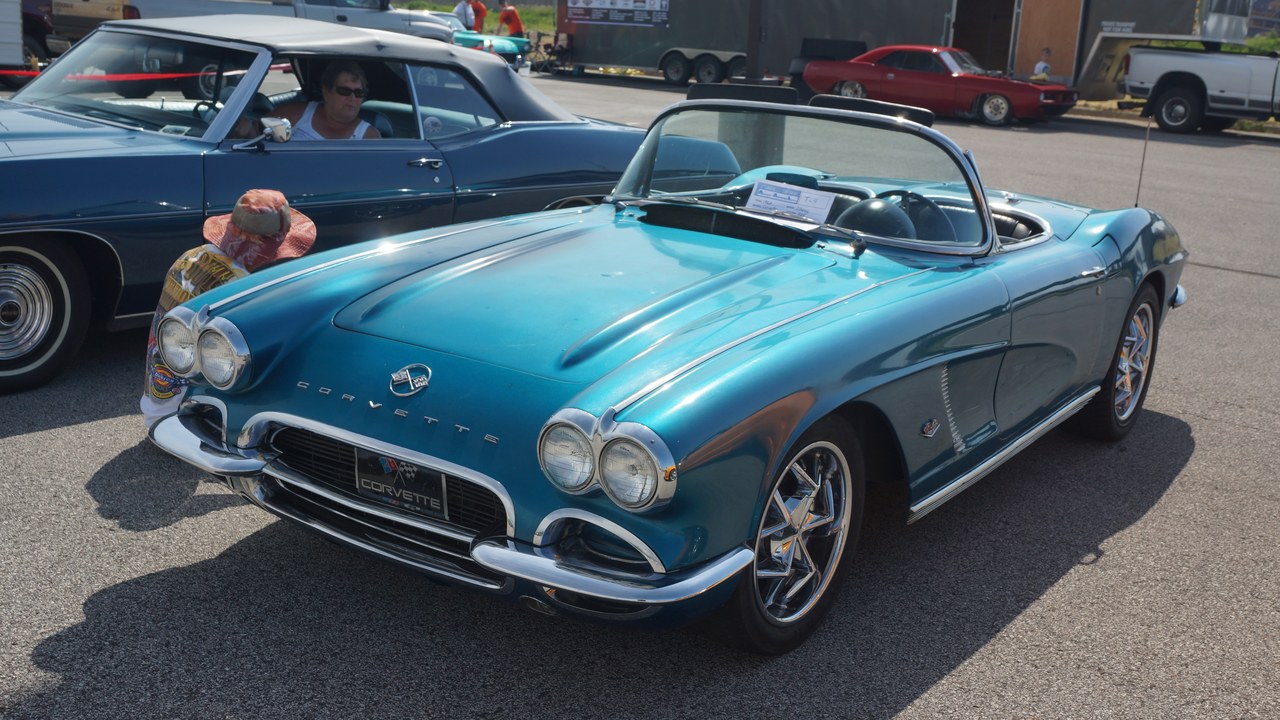
With the 1961 model, the 1962 Corvette is considered one of the most visually striking ever produced. It carried the front end of earlier years and a rear end that previewed the C2.
Engine displacement also grew to 327 cubic inches, adding power to the beauty. The 1962 car was the last of the solid-axle C1 generation, and its quad taillights, introduced in 1961, became a Corvette signature that has lasted for decades.
4. 1963 Corvette Sting Ray Split Window: One Year Only
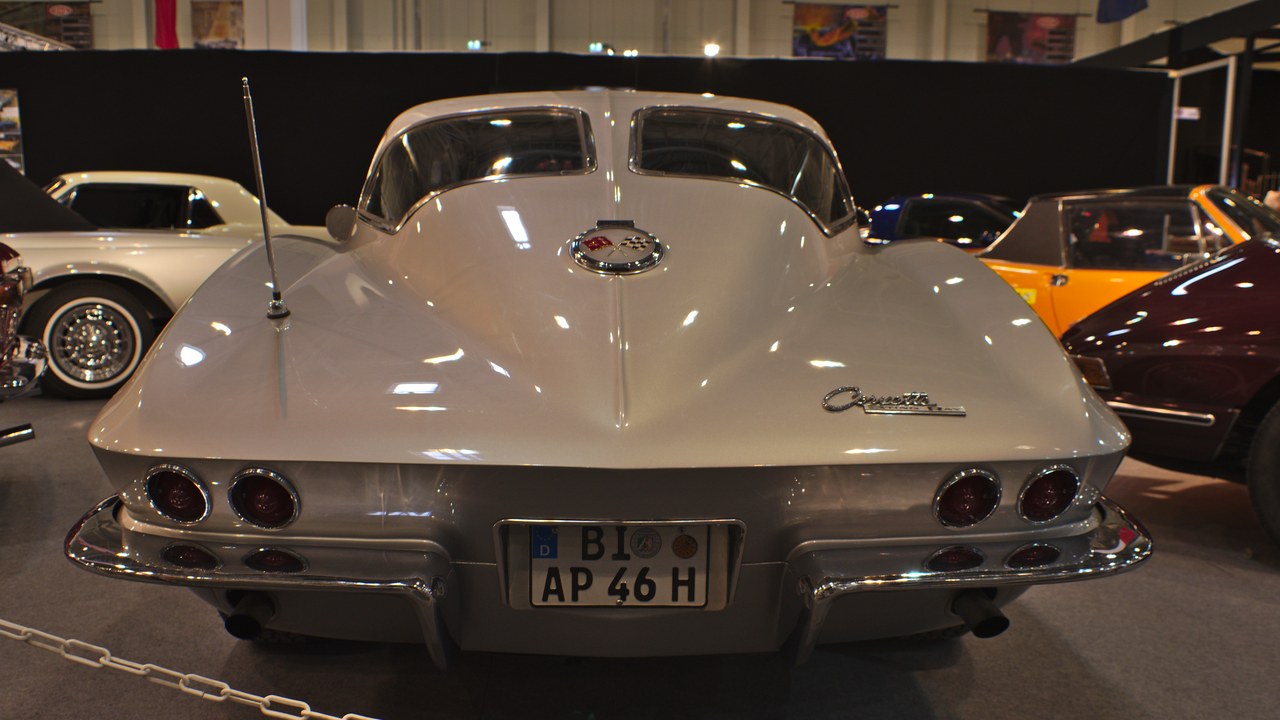
The 1963 Sting Ray was a clean-sheet design with hidden headlights, independent rear suspension and a spine that split the coupe’s rear window. Zora Arkus-Duntov hated the partition because it blocked rearward vision.
Styling chief Bill Mitchell outranked him, but the split window lasted only that year. Some owners even sawed the bar out after the 1964 model arrived. Chevrolet built 10,594 of these coupes, and top examples are now valued around $235,000.
5. 1963 Corvette Z06 Tanker: Built for the Racetrack
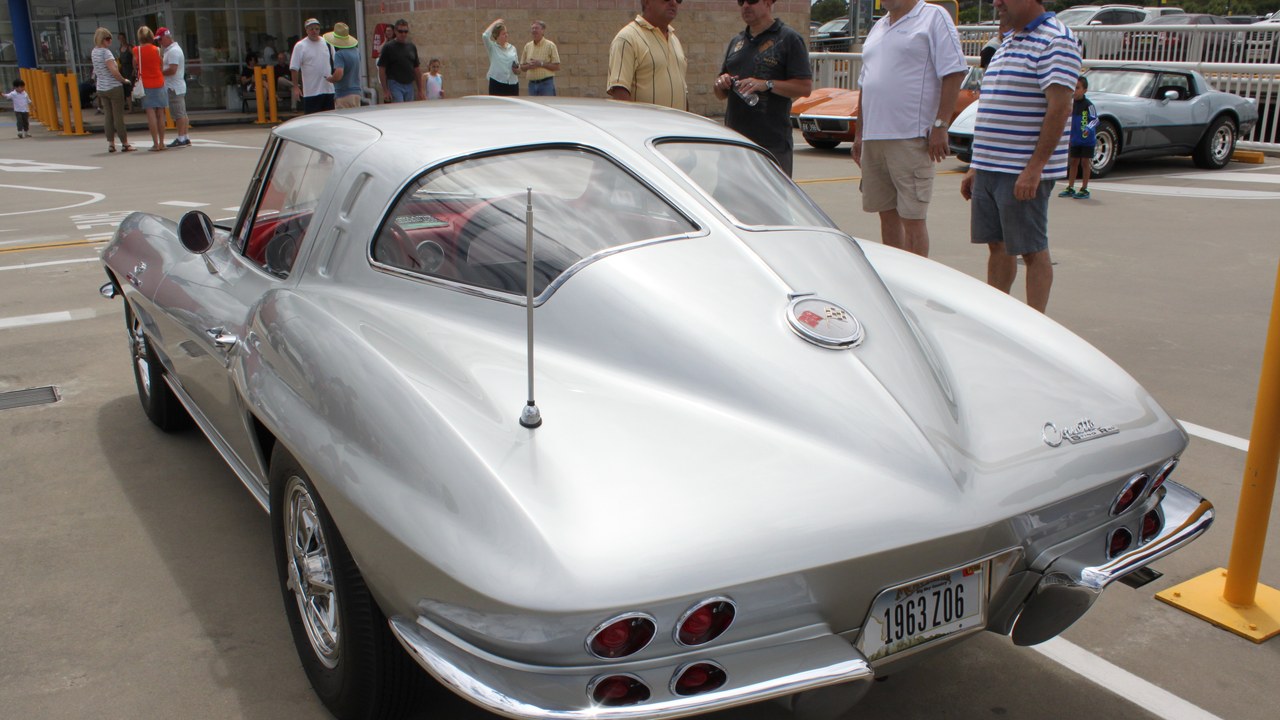
The Z06 competition option for 1963 included a 360-horsepower fuel-injected V8, a close-ratio four-speed, heavy-duty brakes with cooling ducts and, on the Tanker, a 36.5-gallon fiberglass fuel tank.
The big-tank option was offered only on coupes, and only 63 were built. That rarity makes it one of the most valuable Corvettes of its era, with Hagerty valuing a top-condition example at about $681,000.
6. 1965 Corvette Sting Ray: A Design Success
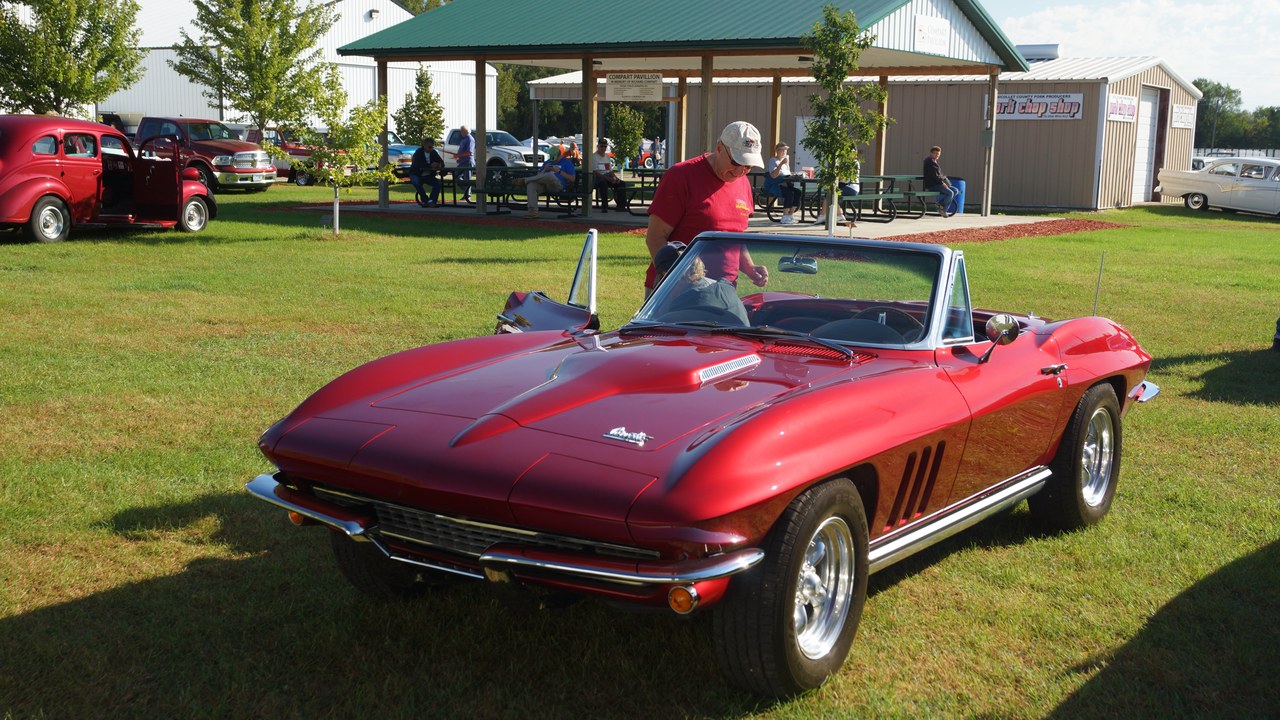
The 1965 Sting Ray has been praised as a design success that blended futuristic, aggressive styling with new performance features. A black 1965 car even gave its name to the 1980s TV series Stingray.
During these years Chevrolet fitted larger V8 engines and introduced disc brakes at all four corners. Early cars wore the Sting Ray name as two words, which was later condensed into the single word Stingray.
7. 1968 Corvette (C3): Inspired by a Shark
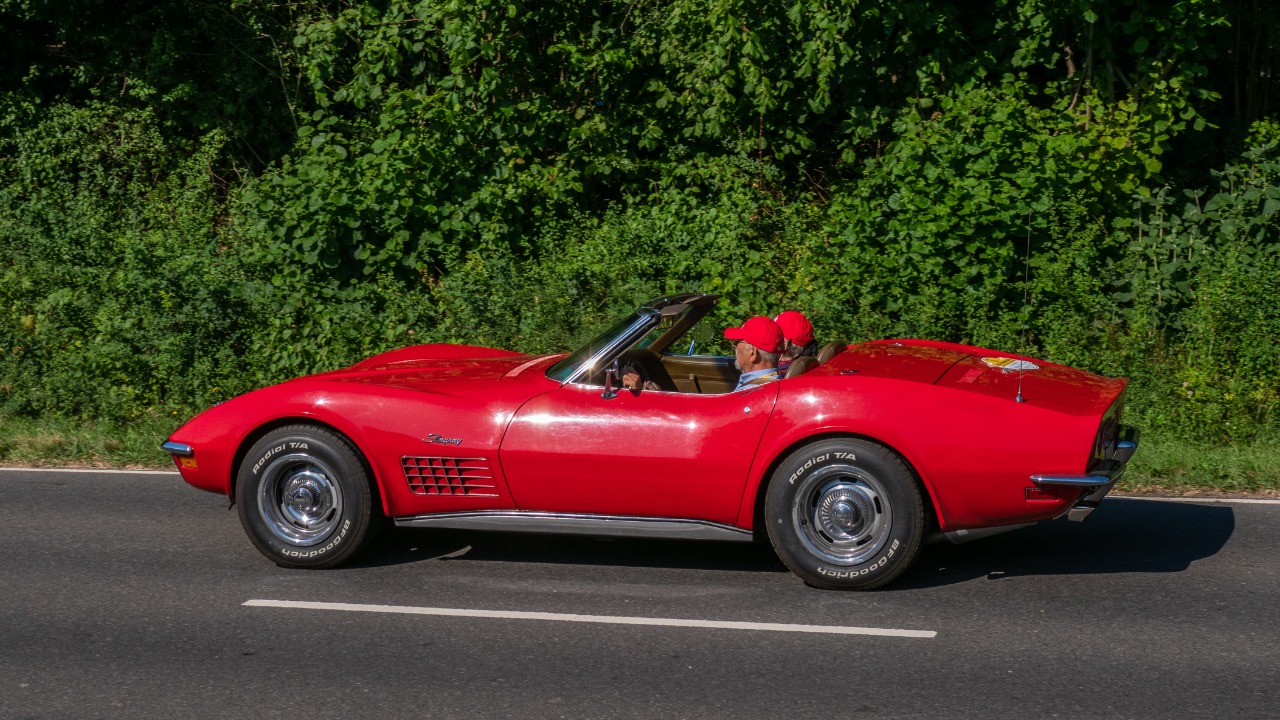
The C3’s shape came from the Shark II concept car of 1965, while much of the C2’s hardware carried over underneath. It kept the Stingray name, now as one word, and added removable roof panels on the coupe.
The oil crisis of the 1970s later cut engine output sharply, and chrome bumpers gave way to body-colored ones from 1973. Even so, the C3 lasted 14 years, making it the longest-running Corvette generation.
8. 2002 Corvette Z06: A Performance Bargain
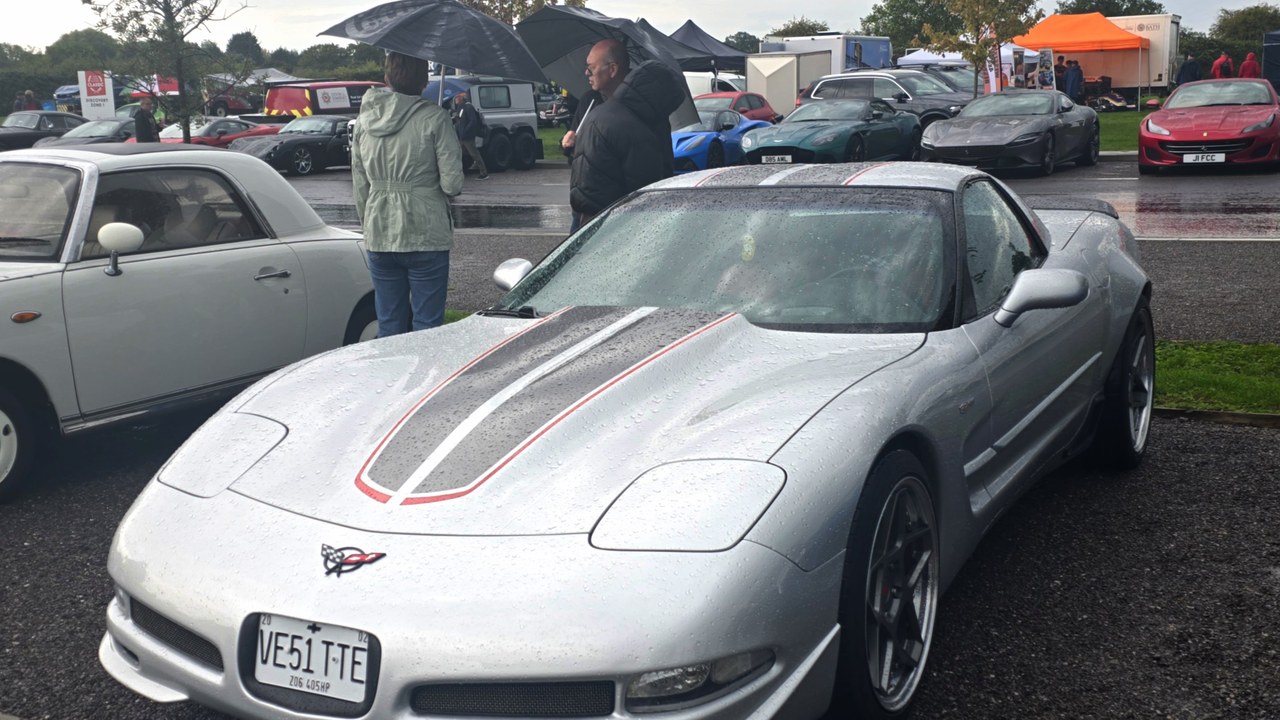
The 2002 Z06 has been called a performance bargain that ranks with some of the best cars ever. Its 5.7-liter LS6 V8 made 385 horsepower at first and 405 horsepower in later years.
With stiffer suspension, a titanium exhaust and special Goodyear tires, the Z06 reached 60 mph in 3.9 seconds and handled exceptionally well. Its name was a deliberate nod to the competition package offered on the 1963 Sting Ray.
9. 1978 Corvette 25th Anniversary: Silver Anniversary Restyle
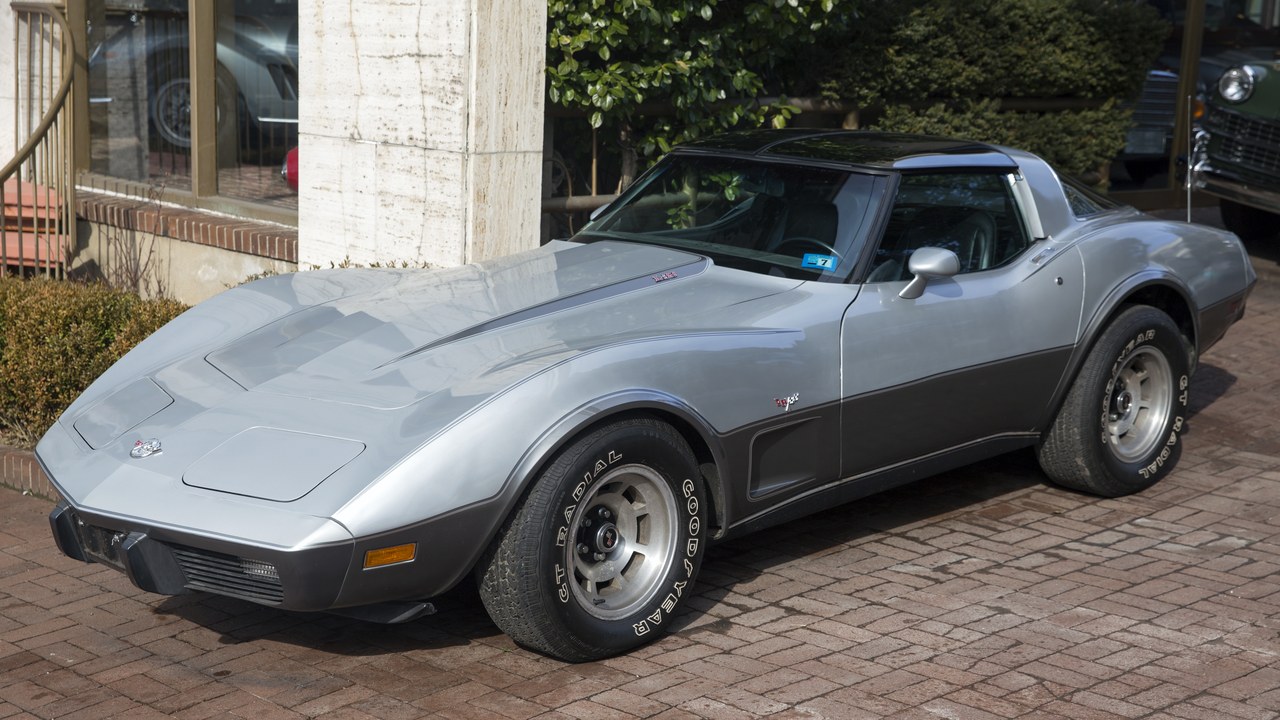
To mark 25 years, Chevrolet gave the 1978 Corvette the biggest restyle since 1968, including a new fastback rear window that changed the car’s profile.
The division also built two special versions that year: a Silver Anniversary model and a limited-edition replica of the Corvette that paced the 1978 Indianapolis 500. Both remain favorites with collectors of the C3 generation.
10. 1984 Corvette (C4): A Clean Wedge for the ’80s
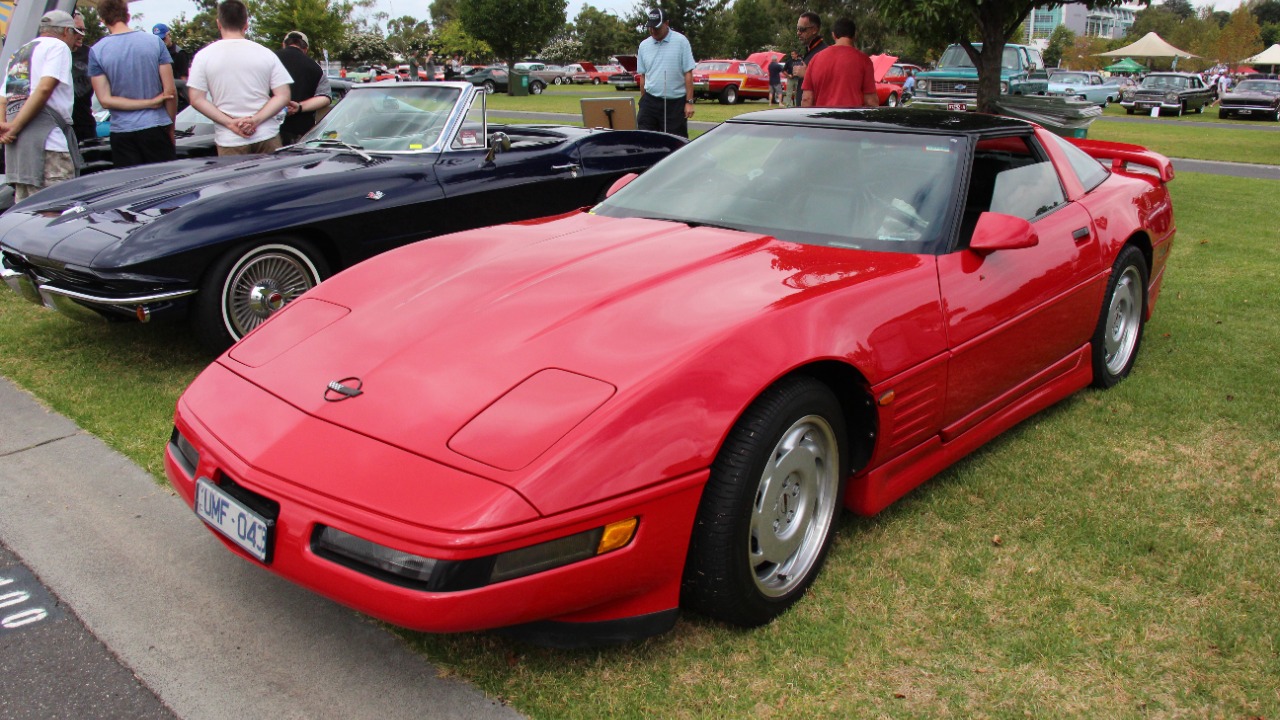
After skipping the 1983 model year, Chevrolet launched the redesigned C4 for 1984 with a crisp wedge shape and a 205-horsepower 5.7-liter V8. A new birdcage chassis and updated suspension made it handle better than any earlier Corvette.
The cabin also went digital, with a liquid crystal gauge cluster. The C4 stayed in production for more than a decade, making it one of the most familiar Corvettes on American roads.
11. 1990 Corvette ZR-1: Hot Stuff on Any Continent
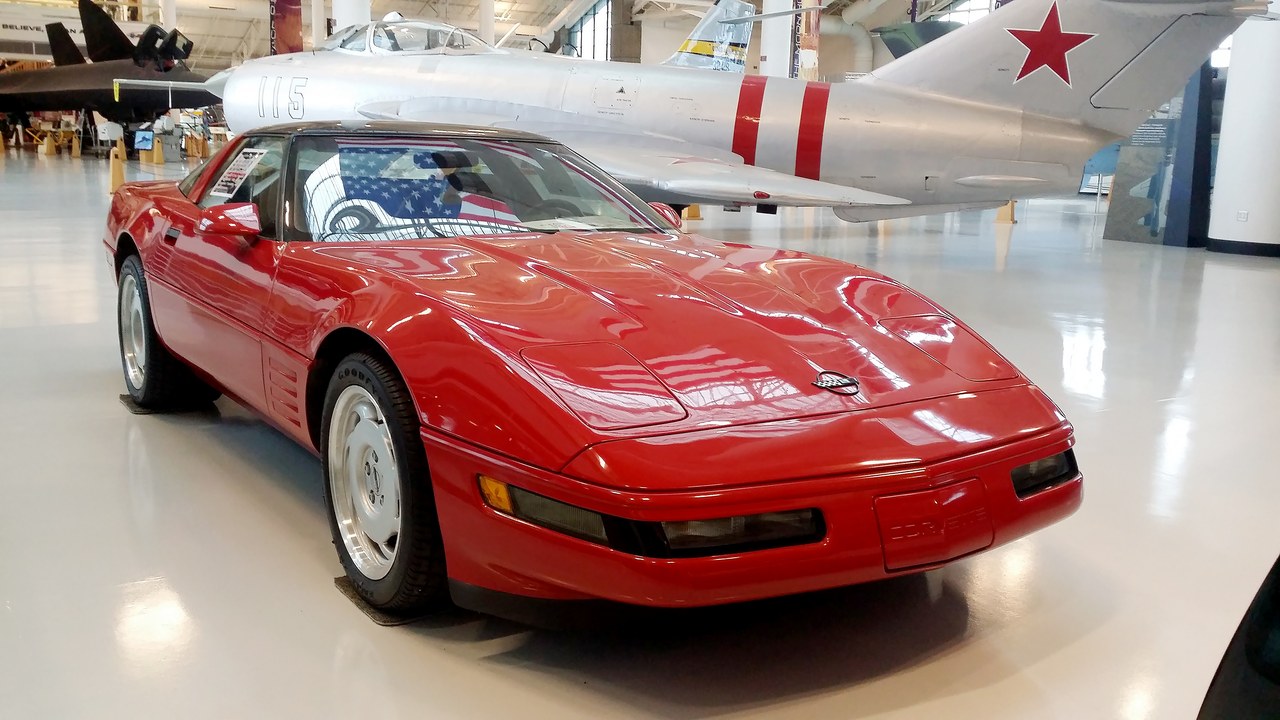
Road and Track called the ZR-1 hot stuff on any continent, and its 5.7-liter aluminum V8 pushed it to 60 mph in 4.3 seconds in MotorWeek’s testing. It was also praised for its agility and predictable handling.
GM acquired Lotus in 1986 and used its expertise to develop the dual-overhead-cam LT5 engine. With 375 horsepower, it was the most powerful Corvette in years and a car with genuinely world-class ambitions.
12. 1997 Corvette (C5): Built From Customer Feedback
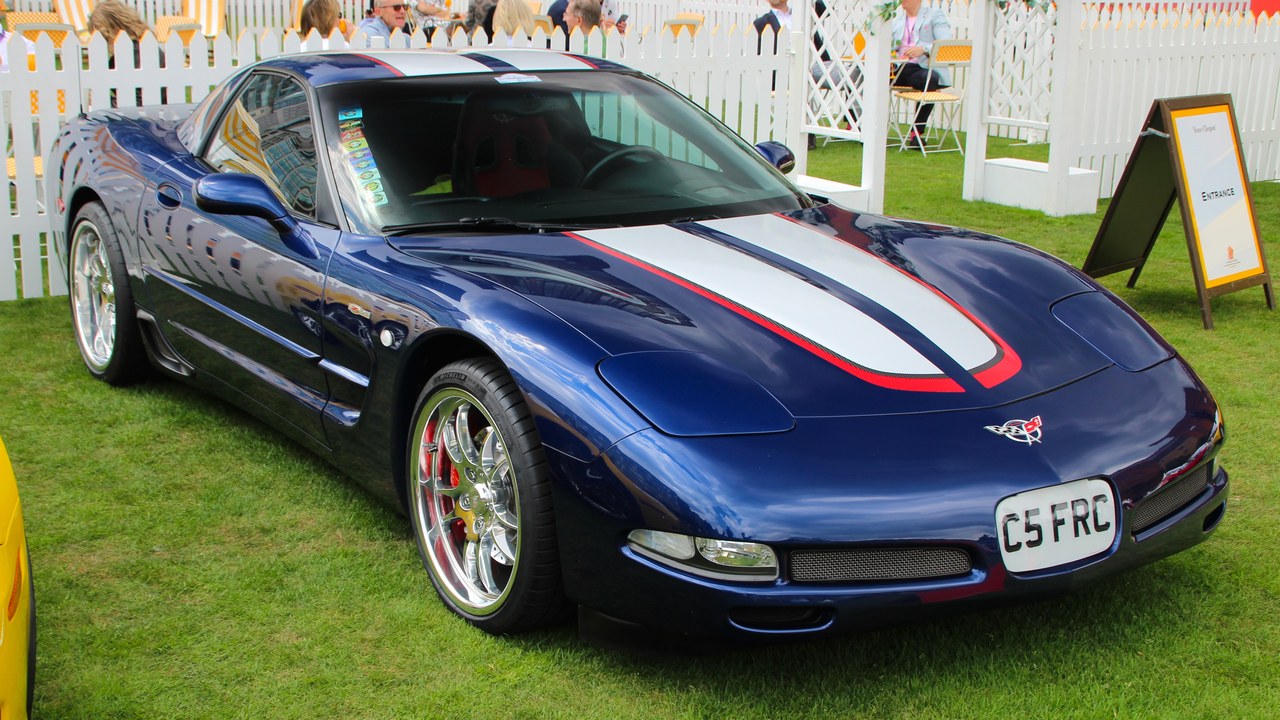
The C5 is said to be the first GM product developed with customer survey input, and it was practically a clean-sheet design. It introduced the LS engine family with the 345-horsepower LS1.
Engineers used balsa wood in the chassis to isolate road noise and achieved near-even weight distribution. The result was the first Corvette equally comfortable crossing the country or dicing for position on a racetrack.
13. 2005 Corvette (C6): Aimed Squarely at Europe
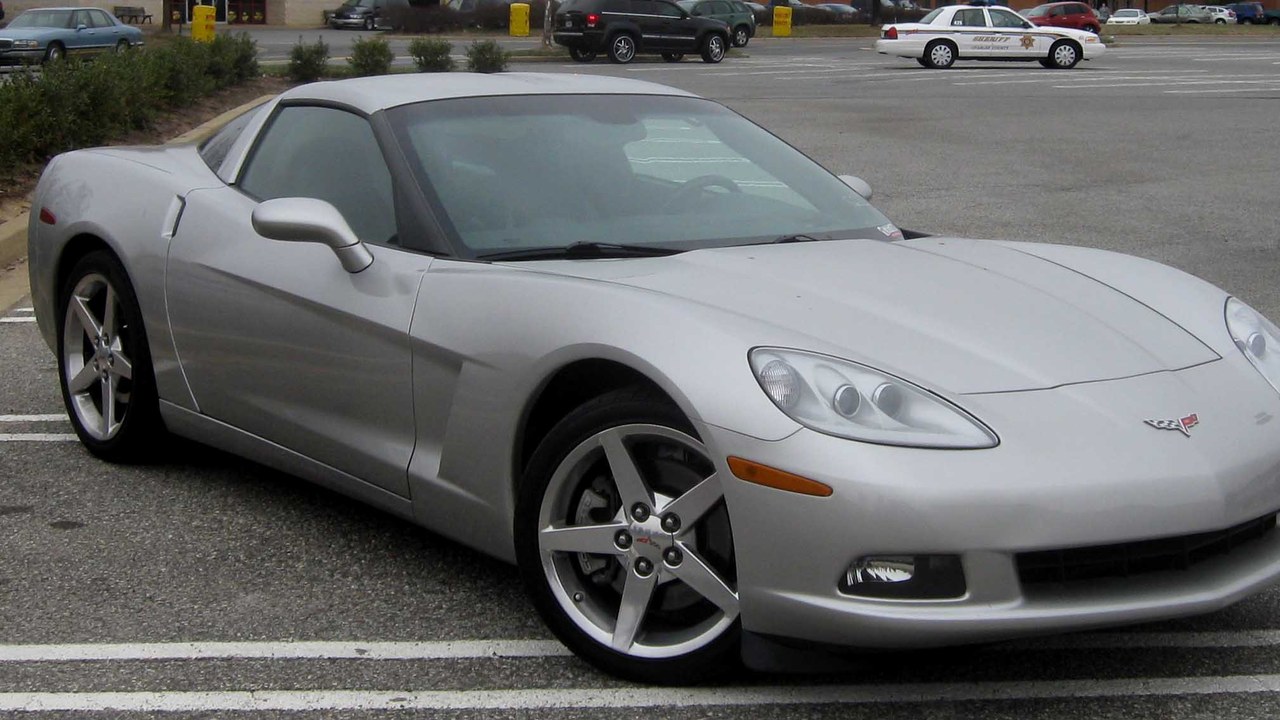
GM made no secret of its target with the C6, developing it alongside the Cadillac XLR and making it physically smaller than the car it replaced. The base car made 400 horsepower.
The C6 was also the first Corvette in more than 40 years to drop pop-up headlights for fixed units. A larger cabin improved comfort, and navigation was offered for the first time, making it a more polished daily sports car.
14. 2009 Corvette ZR1: The Blue Devil
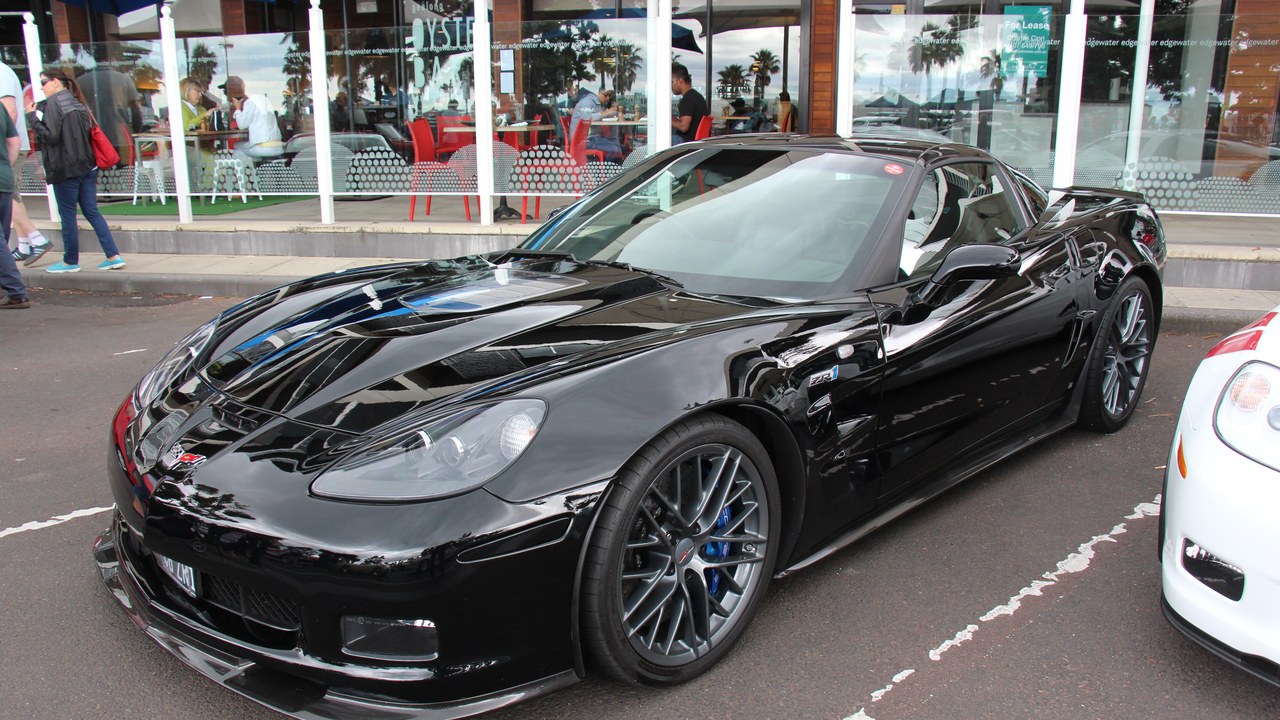
Known inside GM as Blue Devil, the 2009 ZR1 brought back a famous name with a supercharged V8 making 638 horsepower and a top speed of 205 mph.
Carbon-ceramic brakes, magnetic dampers and a hood panel that showed off the engine completed the package. It reached 60 mph in 3.3 seconds and lapped the Nurburgring in 7:26.4, beating a Nissan GT-R.
15. 2014 Corvette Stingray (C7): Sharper Lines, Familiar Name
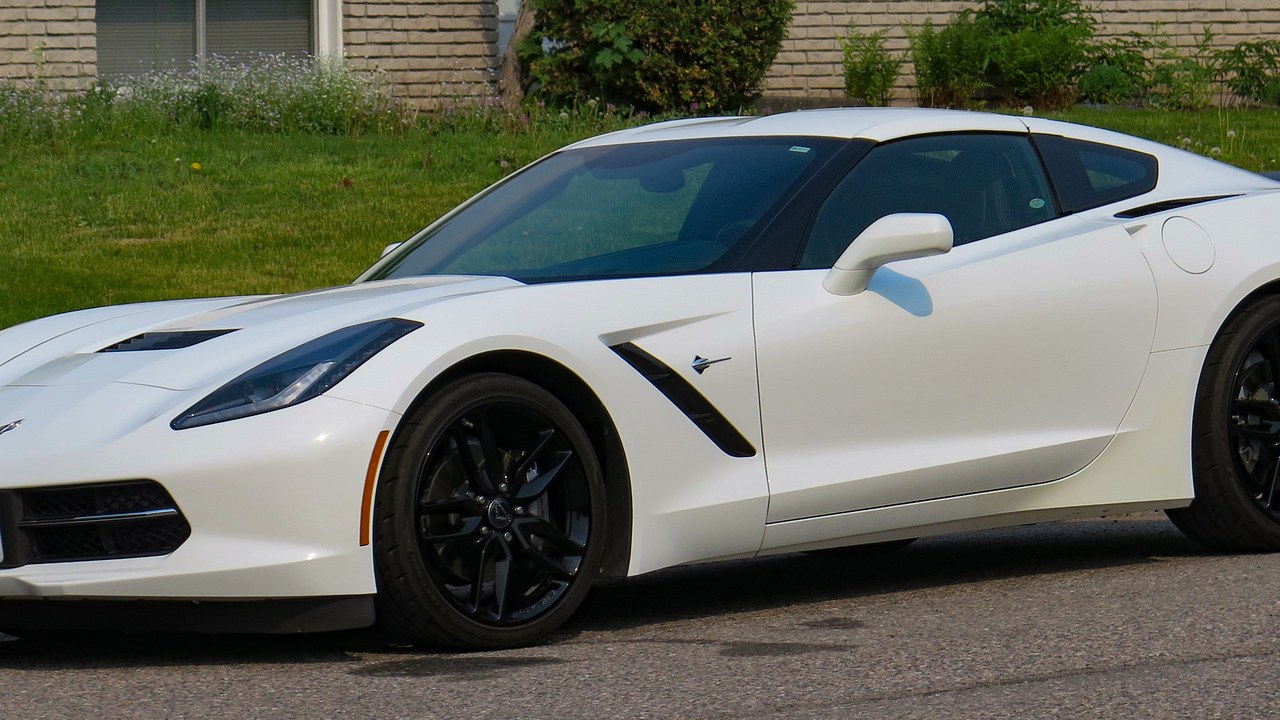
The C7 was unveiled at the 2013 Detroit Auto Show with sharper, more chiseled bodywork and taillights that were controversially no longer round. Chevrolet revived the Stingray name for the base model.
A new 455-horsepower LT1 V8, rev-matching, selectable drive modes and an available magnetic suspension made it thoroughly modern. The interior also improved dramatically, with leather, carbon trim and an eight-inch touchscreen.
16. 2020 Corvette (C8): The Engine Moves Behind the Driver
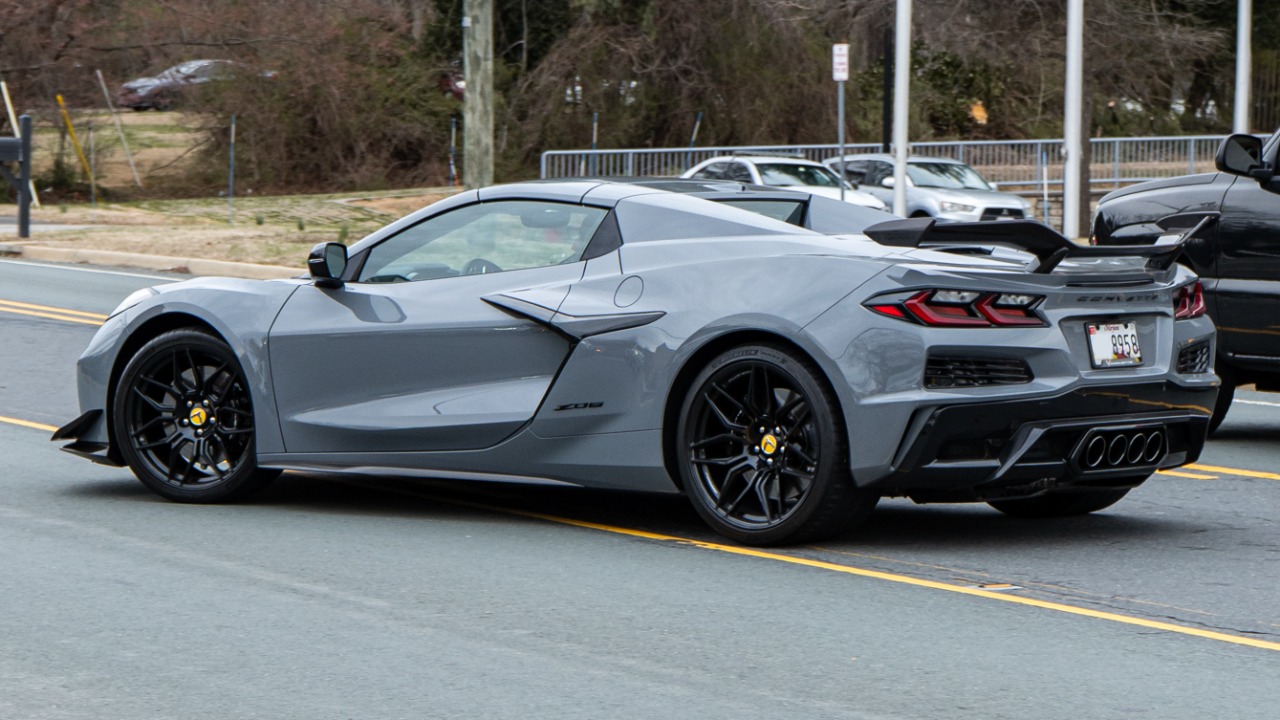
Talk of a mid-engine Corvette dates back to the 1960s, but the mid-engine C8 finally arrived for 2020. It offered 490 horsepower from an engine mounted behind the cabin for less than $60,000.
Its styling and driving feel divided opinion at first, but views have warmed over time. Chevrolet followed with the Z06, the E-Ray hybrid and a twin-turbo ZR1 producing 1,064 horsepower.
More from Morning Overview
- A hunting-trip Piper spiraled down from the sky before a deadly crash in Iowa
- Jeep’s new Recon sold just 19 units in 45 days, the fewest of any model on CarEdge’s worst-sellers list
- A 2,000-year-old nomad tomb in Mongolia held a glass cup that may have traveled from Rome
- Southern California cities built towering sand berms to fend off Thanksgiving tides
