
Hybrids are sold on the promise of lower fuel bills, but that math does not always hold up over years of ownership. Weak reliability scores, steep depreciation and costly battery repairs can erase the savings at the pump. Here are twelve hybrids where owners, mechanics and ratings point to costs that can outweigh the benefits.
Read next on Morning Overview: Southern California cities built towering sand berms to fend off Thanksgiving tides
1. Mazda CX-90 PHEV: A Reliability Score of 20
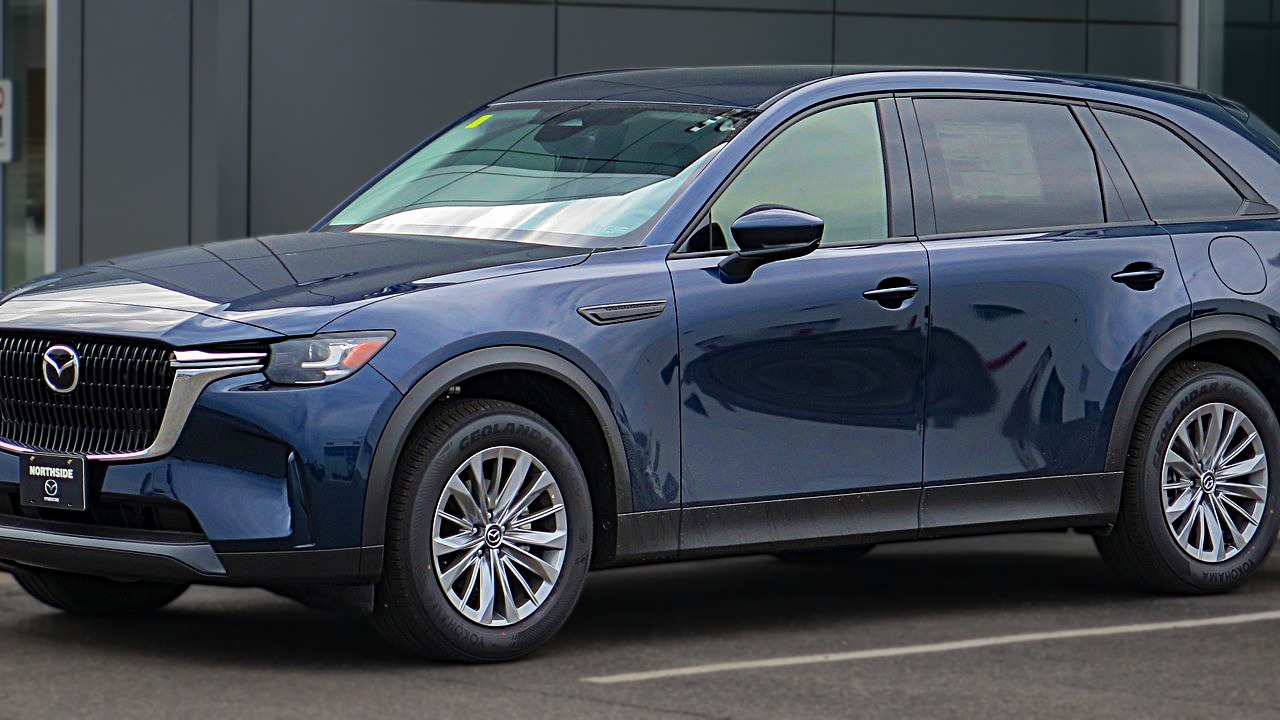
Mazda’s most expensive model, with the plug-in version starting around $50,500, drives beautifully but earns a Consumer Reports reliability score of 20 out of 100. Owners have reported low-speed transmission roughness, radar sensor errors and technology glitches that took several dealer visits to diagnose.
Resale adds to the pain. Some owners have reported losing $10,000 to $13,000 in value within the first year. The gas-only 3.3 Turbo versions of the CX-90 carry better reliability scores with similar driving manners.
2. Dodge Hornet R/T PHEV: Big Promises, Steep Depreciation
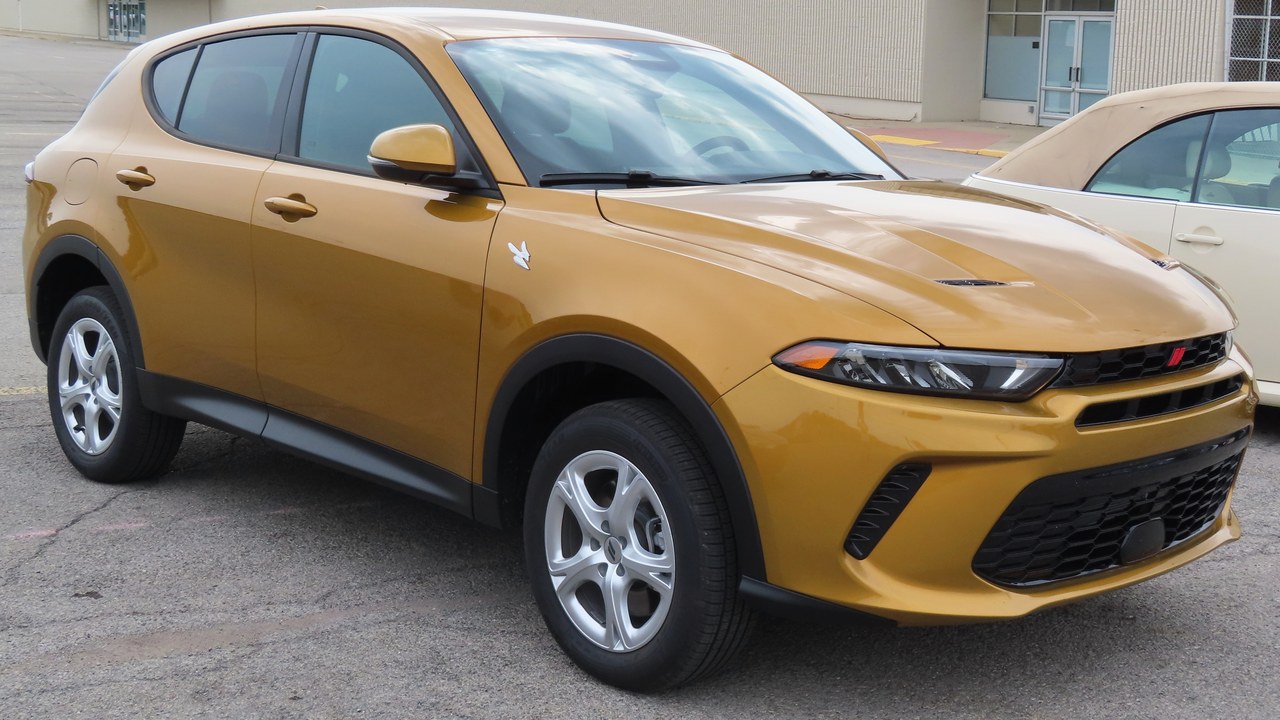
On paper, the Hornet R/T offered 288 horsepower and 32 miles of electric range for close to $40,000. In practice, Consumer Reports gives it a reliability score of 37 out of 100, with owners describing electrical failures, warning lights under 1,000 miles and chronic 12-volt battery drain.
A 2024 Hornet lost 44 percent of its value in two years, and CarEdge projects the plug-in version will shed roughly 62 percent over five years. Stellantis also halted U.S. production for the 2026 model year.
3. Kia Sorento Hybrid: Three Rows, Middling Reliability
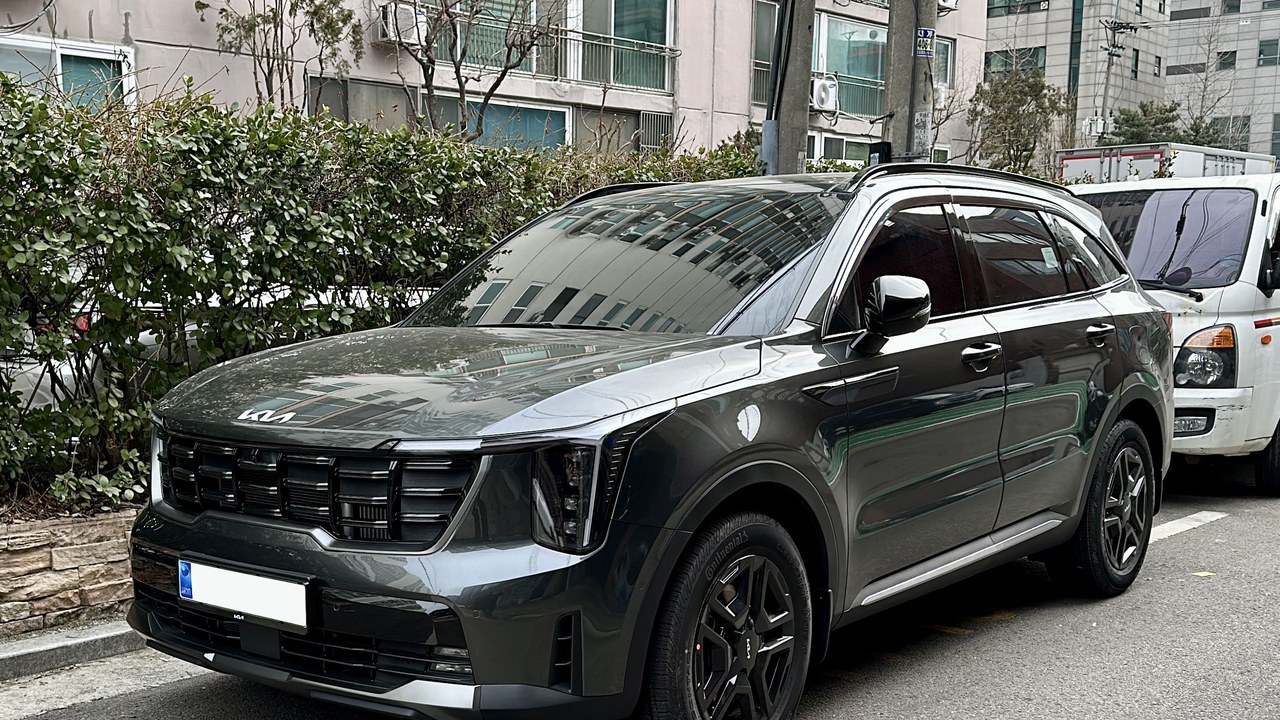
The Sorento Hybrid offers three rows of seats and Kia’s appealing warranty coverage, which helps explain its popularity. Even so, it carries a reliability score of 42 from Consumer Reports and a D+ value rating from CarEdge.
For a vehicle starting around $40,000, that combination is uncomfortable. Data shows the Sorento Hybrid losing value faster than the segment average, so the fuel savings can be offset by a weaker trade-in when it is time to sell.
4. Lincoln Nautilus Hybrid: Quality Score Versus Resale
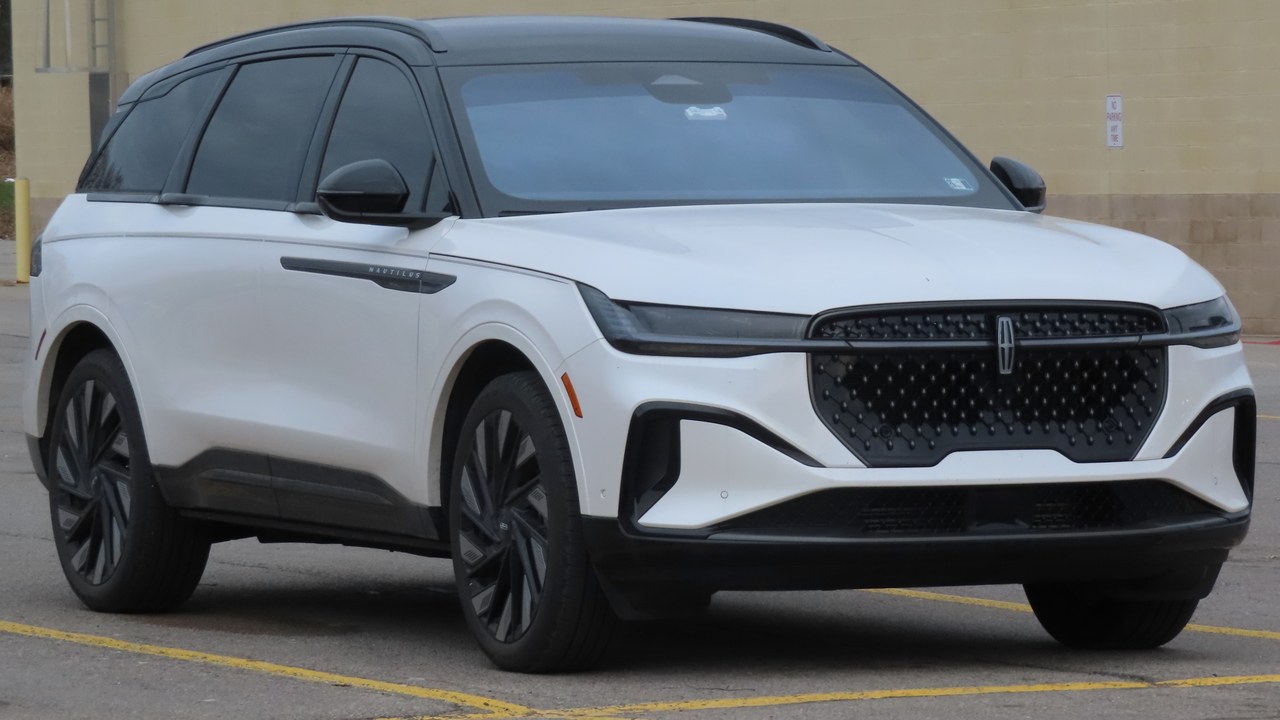
The Nautilus Hybrid earns an overall score of 73 from Consumer Reports, reflecting a capable luxury SUV with a well-appointed cabin. Its reliability rating, however, sits at 37, and CarEdge gives it a D+ value rating.
With a starting price north of $55,000, that value grade signals that buyers are not getting much return on their investment. Luxury vehicles tend to depreciate quickly, and Lincoln hybrids are known for it, which matters most for owners who plan to sell or trade within five years.
5. Ford Fusion Hybrid: Fading Electric-Only Driving
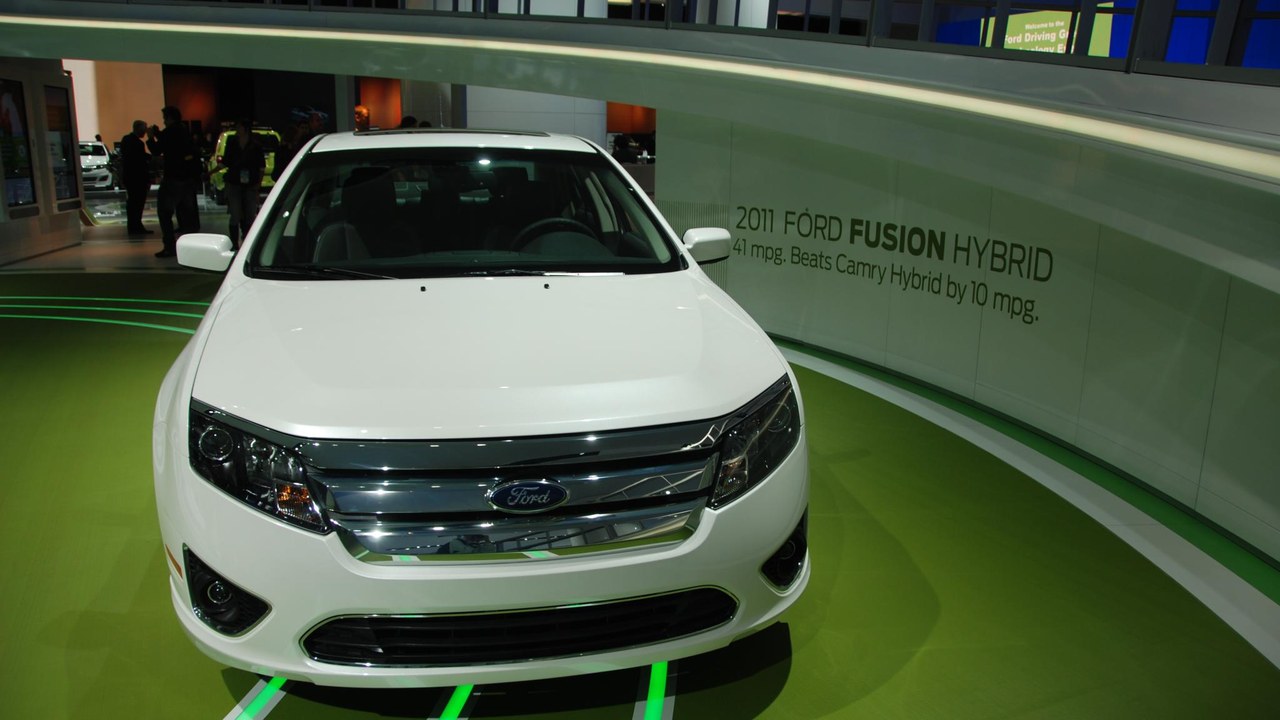
The 2010 to 2012 Fusion Hybrid won praise for its fuel-economy rating until real-world results disappointed. Owners reported reduced electric-only operation over time, with the car leaning more heavily on gasoline even when well maintained.
Ford responded with software updates and even discounts for affected owners. Some cars still suffered declining hybrid performance around 100,000 miles, just as warranty coverage ran out, leaving later owners to absorb the repair costs.
6. Ford C-Max Hybrid: Missing Its EPA Numbers
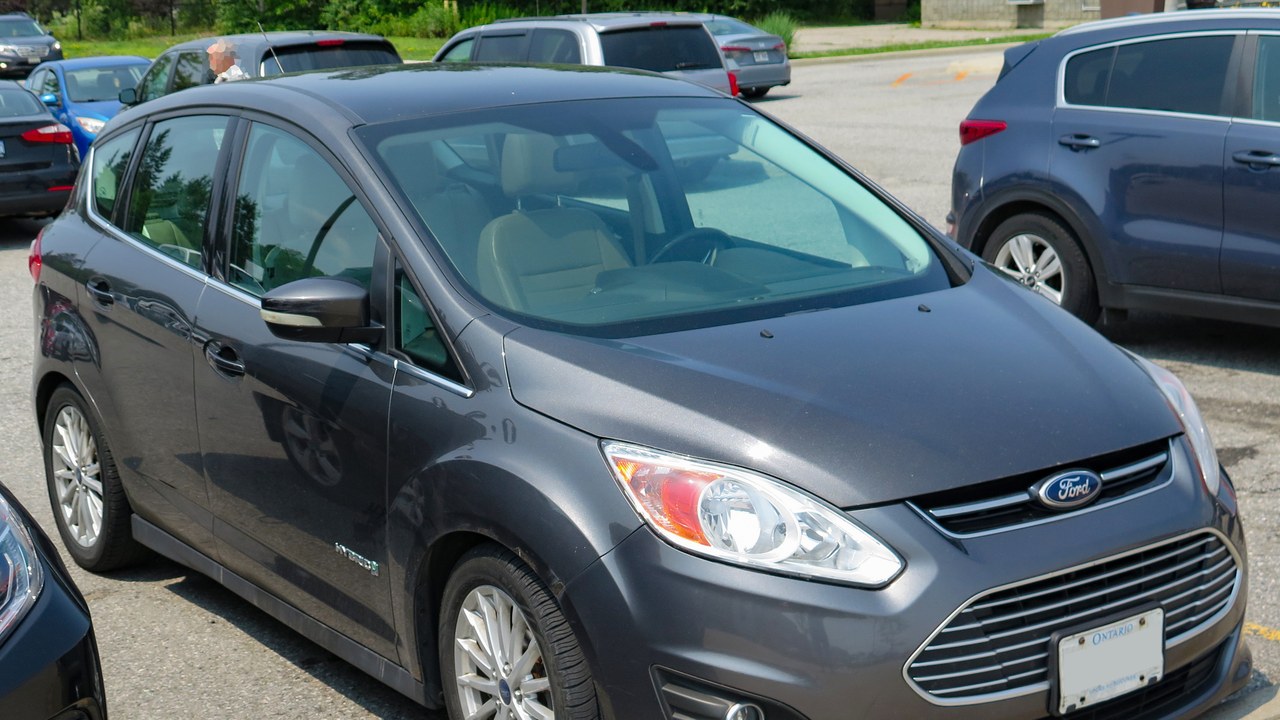
The C-Max Hybrid shared its drivetrain with the Fusion and, like it, failed to meet its EPA ratings in real-world driving. Owners reported electric efficiency falling over time and lower mileage around the 100,000-mile mark.
Replacement batteries were expensive, and Ford ended U.S. production in 2018. As the years pass, parts and specialized support are becoming harder to find, which makes an aging C-Max a riskier purchase than its low used price might suggest.
7. BMW ActiveHybrid 7: Complexity at a Luxury Price
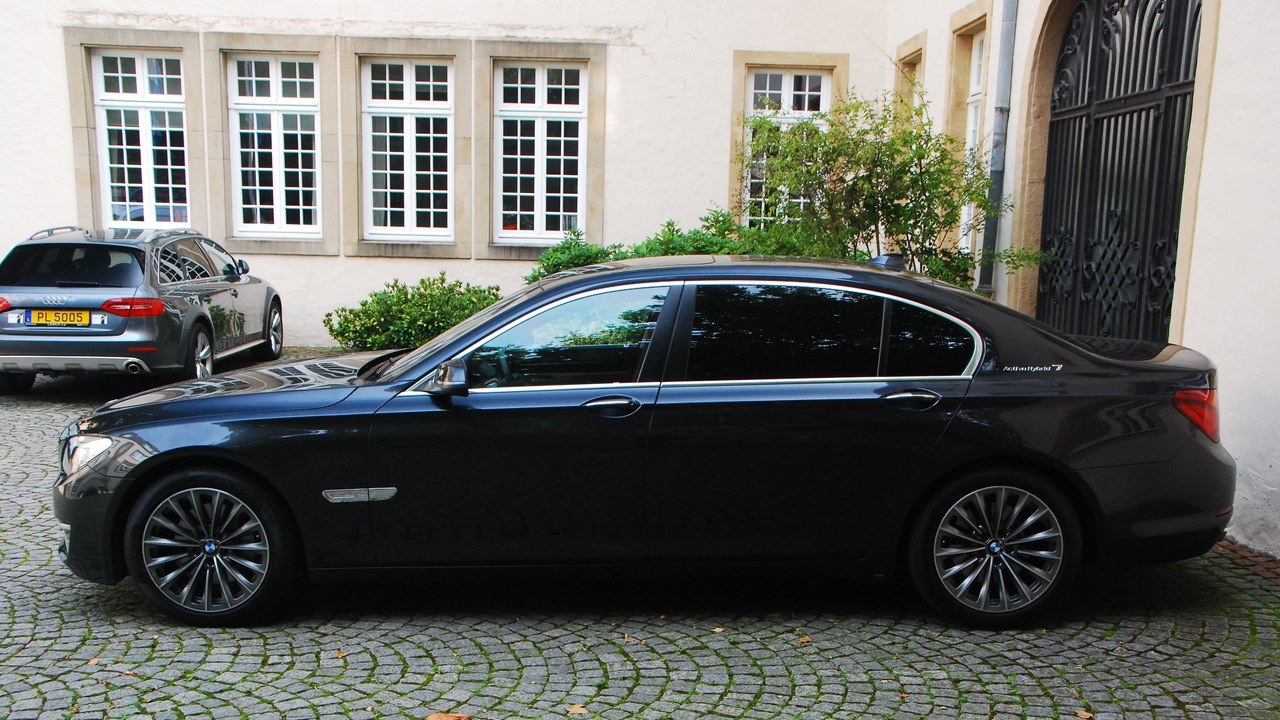
BMW’s high-performance hybrids paired luxury with power, but models such as the ActiveHybrid 750i scored poorly for reliability, carrying a heavy maintenance burden for limited environmental benefit.
Their intricate battery and cooling systems can fail before 100,000 miles, and diagnosing them is expensive. Owners have reported steep depreciation and large repair bills once the standard warranty lapses, which can turn a bargain used price into a costly and frustrating ownership experience over time.
8. Ford Escape Hybrid (2005-2012): Battery Packs Worth More Than the Car
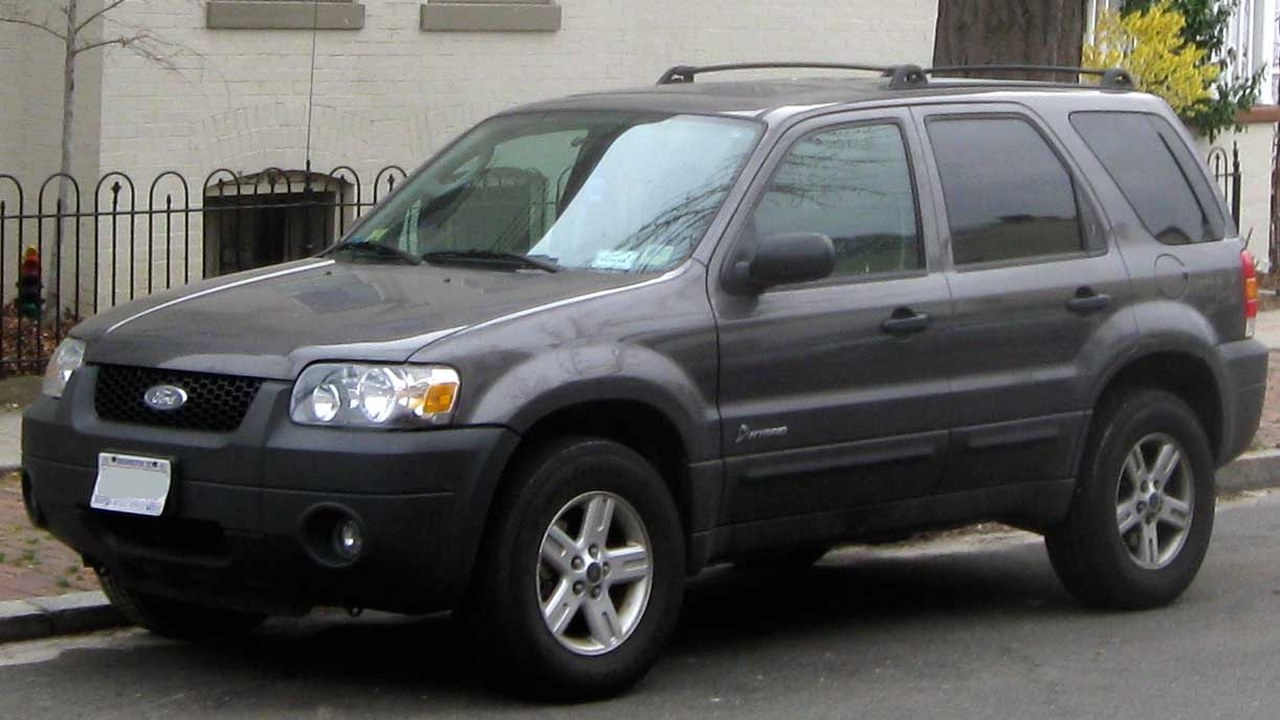
A mechanic with more than a decade of experience says older Escape Hybrids have a weak hybrid battery system that is expensive to replace. He reports seeing many come in with failing battery packs.
Replacing one can cost up to $5,000 or more, which can exceed the value of the vehicle itself. Transmission problems and electrical failures add to the risk for anyone hoping a 2005 to 2012 Escape Hybrid will keep running cheaply for years.
9. Chevrolet Malibu Hybrid (2016-2019): Hard to Fix, Hard to Sell
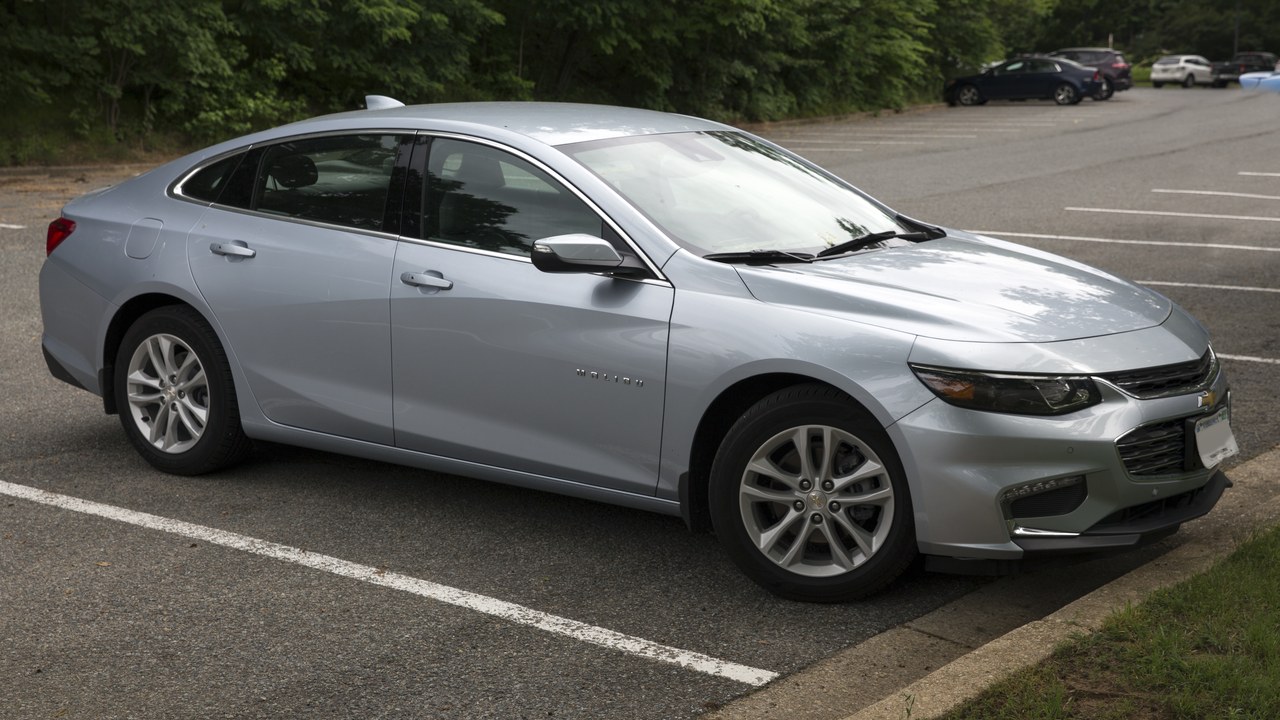
The 2016 to 2019 Malibu Hybrid delivers solid gas mileage and a smooth ride, yet a mechanic interviewed about hybrids says it is not a smart buy. His concerns are weak resale value and limited support for repairs.
GM never committed to hybrids the way Toyota and Honda did, so finding mechanics who specialize in this car can be difficult. The Malibu Hybrid also relies on a complicated start-stop system that could wear over time and lead to expensive repairs.
10. Honda Civic Hybrid (2006-2008): Updates That Cut Mileage
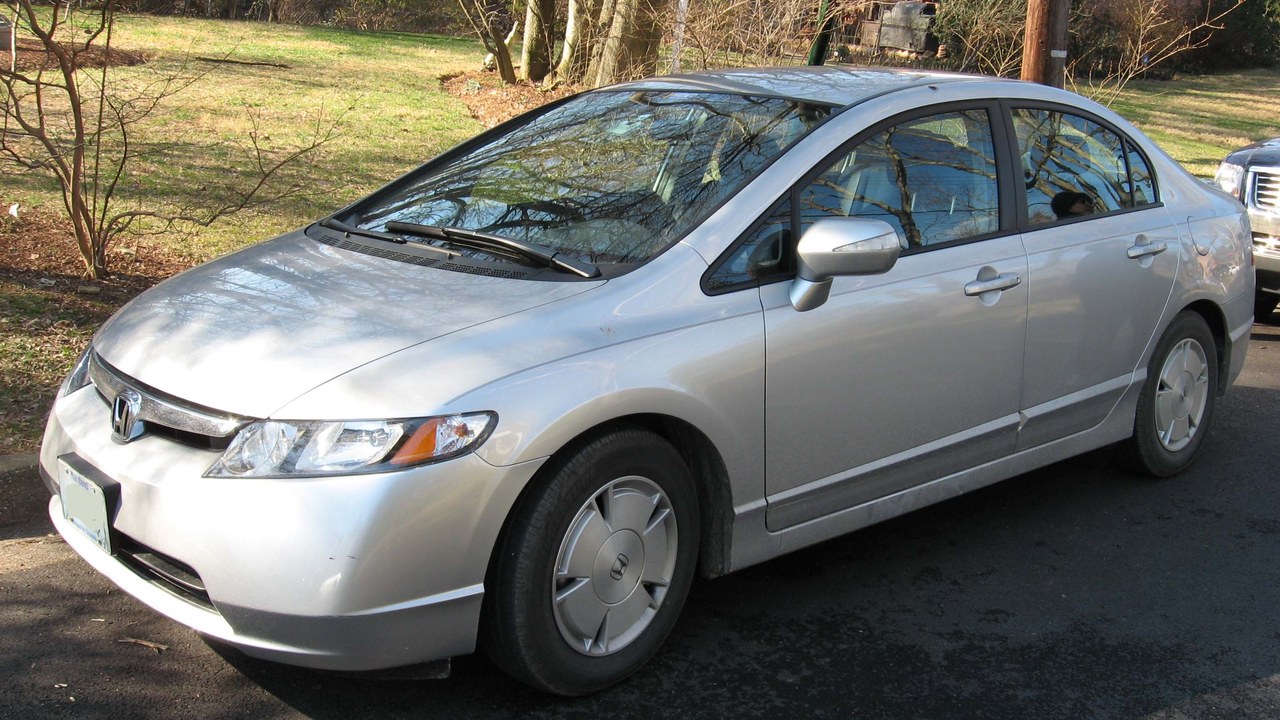
Honda replaced more than 4 percent of the battery packs in 2006 to 2008 Civic Hybrids sold in California, according to a 2010 Los Angeles Times report. The company then issued a software update intended to extend battery life.
Some owners disliked the tradeoff. One told the Times his mileage fell from 45 mpg when new to 33 mpg after two updates, barely better than a regular Civic. A replacement battery cost $2,100 at the time.
11. Volkswagen Jetta Hybrid: Recalls and a Long Payback
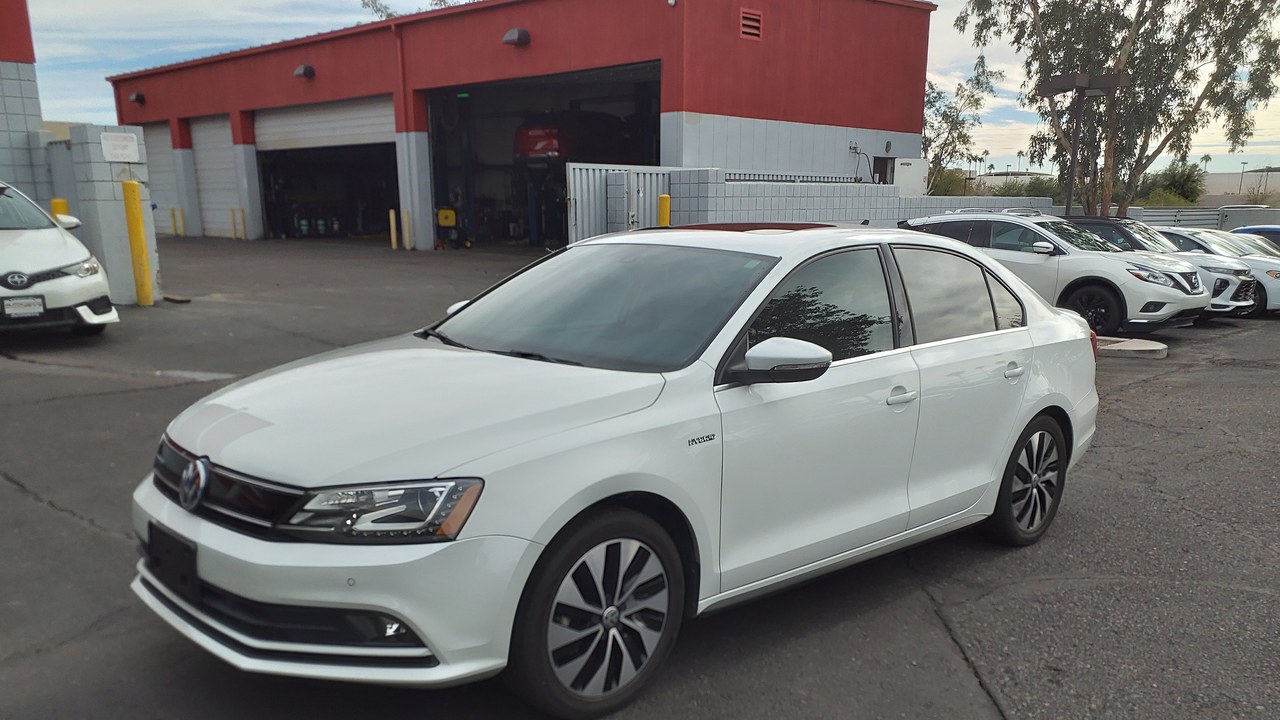
Volkswagen recalled 2013 and 2014 Jetta Hybrids after finding that corrosion inside the gearbox could cause an electrical short and cut power. Another recall covered 2013 to 2015 cars over cracks in the transmission control unit.
VW dropped the hybrid after 2016 following roughly 9,000 U.S. sales. Consumer Reports calculated that the 2015 model would need more than a decade of fuel savings just to recoup its higher purchase price.
12. Volvo XC60 Recharge: Savings That Take Years
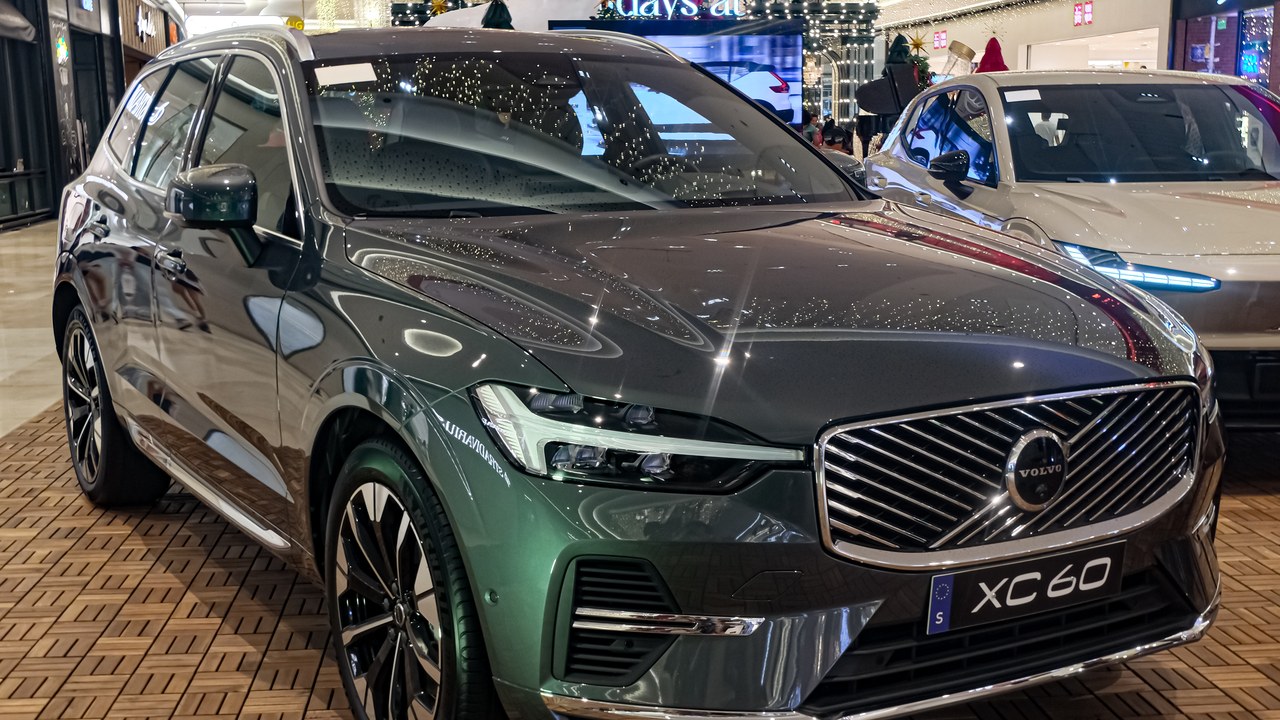
The EPA estimates a 2023 XC60 T8 Recharge costs $1,800 a year to fuel, versus $3,300 for the gas B5 AWD. But the B5 started $11,450 cheaper, and a high-voltage battery replacement is estimated at $1,626 to $1,820.
One battery job would erase more than a year of fuel savings. The XC60 also appeared on Consumer Reports’ list of least reliable plug-in hybrids, and one owner reported limp mode capping speed at 26 mph after a month.
More from Morning Overview
- Chase, Visa and Mastercard confirm hackers hit their vendors and exposed customer data
- A hunting-trip Piper spiraled down from the sky before a deadly crash in Iowa
- Jeep’s new Recon sold just 19 units in 45 days, the fewest of any model on CarEdge’s worst-sellers list
- A 2,000-year-old nomad tomb in Mongolia held a glass cup that may have traveled from Rome
