
Winter pushes households to cook more, heat more and decorate with flames and lights, and the fire statistics reflect it. Federal agencies including the CPSC and the US Fire Administration track which appliances and habits turn up most often in the data. Here are ten hazards worth checking before the holidays arrive.
Read next on Morning Overview: Michigan’s shut-down Palisades nuclear plant is supposed to restart within weeks, the Energy Secretary says
1. Kitchen stove: Cooking Leads the Winter List
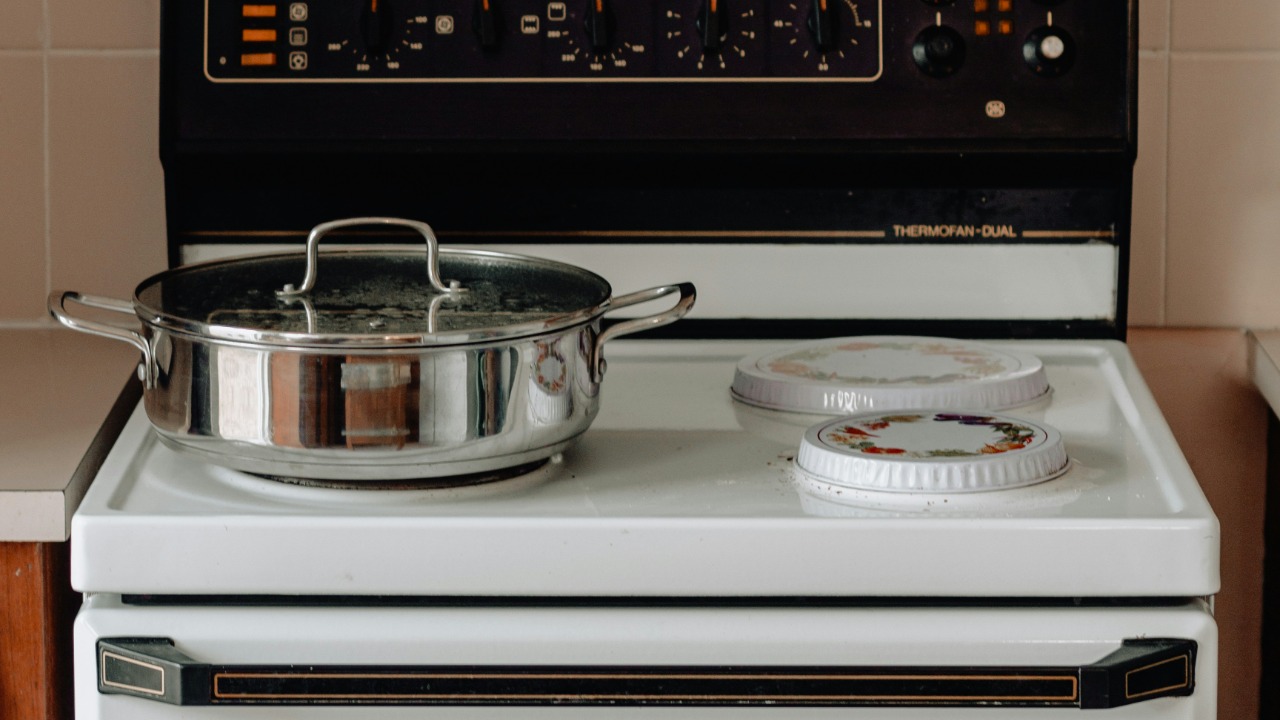
Cooking accounts for 43% of winter residential building fires, according to a USFA winter fire analysis covering January to March of 2014 through 2016, a period that averaged about 108,200 such fires a year.
That figure covers only the January-March window, so it describes winter specifically rather than the whole year. Unattended pans and grease are the usual trouble spots, which makes staying in the kitchen while burners are on the simplest habit to keep during busy holiday cooking. The USFA figure also sits alongside a heating share of 20% in the same winter period.
2. Space heater: Small Box, Big Draw

Portable and space heaters are involved in an average of 1,600 fires a year, along with 70 deaths and 150 injuries a year, based on 2020-2022 figures in a CPSC winter safety release.
These appliances draw a lot of power for their size, so placement matters. Keeping them well clear of bedding, curtains and furniture, plugging them straight into a wall outlet and switching them off when leaving a room are standard precautions for any household that relies on one. The CPSC release is aimed at exactly this heating season.
3. Fireplace: Hearth and Chimney Risks

Fireplaces and chimneys are involved in an average of 15,400 fires a year, with about 30 deaths and 90 injuries, based on CPSC winter safety figures for 2020 to 2022.
That is a far higher fire count than the portable heaters in the same release, though with fewer injuries and deaths per year. A chimney that has been inspected and cleaned before the season starts, plus a screen or glass door to hold back sparks, are the common safeguards. Wood-burning and gas units alike fall under the same heading in the release.
4. Engine-generator: The Carbon Monoxide Problem
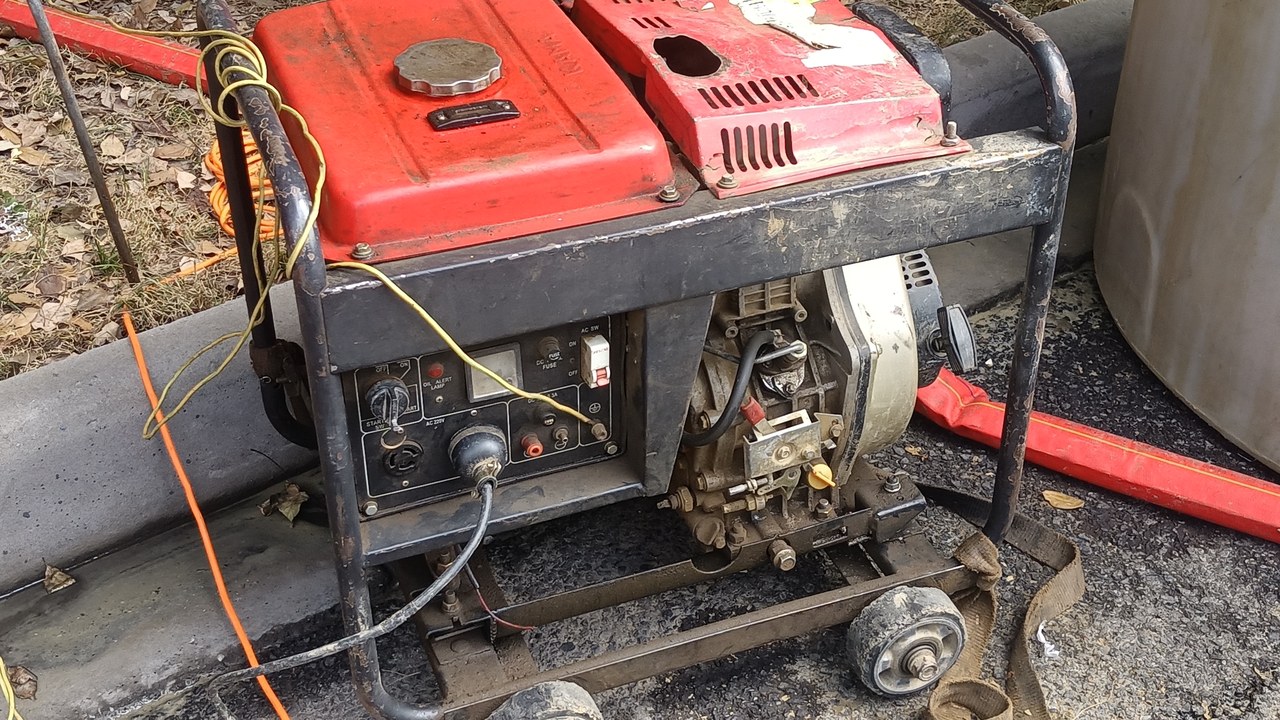
Generators alone were tied to about 750 carbon monoxide poisoning deaths over 2012-2022, according to the CPSC winter safety release.
The danger here is poisonous exhaust rather than flame, which is why generators belong outdoors and well away from windows, doors and garages. Running one inside a home or attached garage during a power outage is the mistake safety agencies warn against most. The same CPSC release groups generators with furnaces and space heaters as winter safety topics, so the warning applies to the whole heating season.
5. Christmas tree: Heat Too Close to the Branches
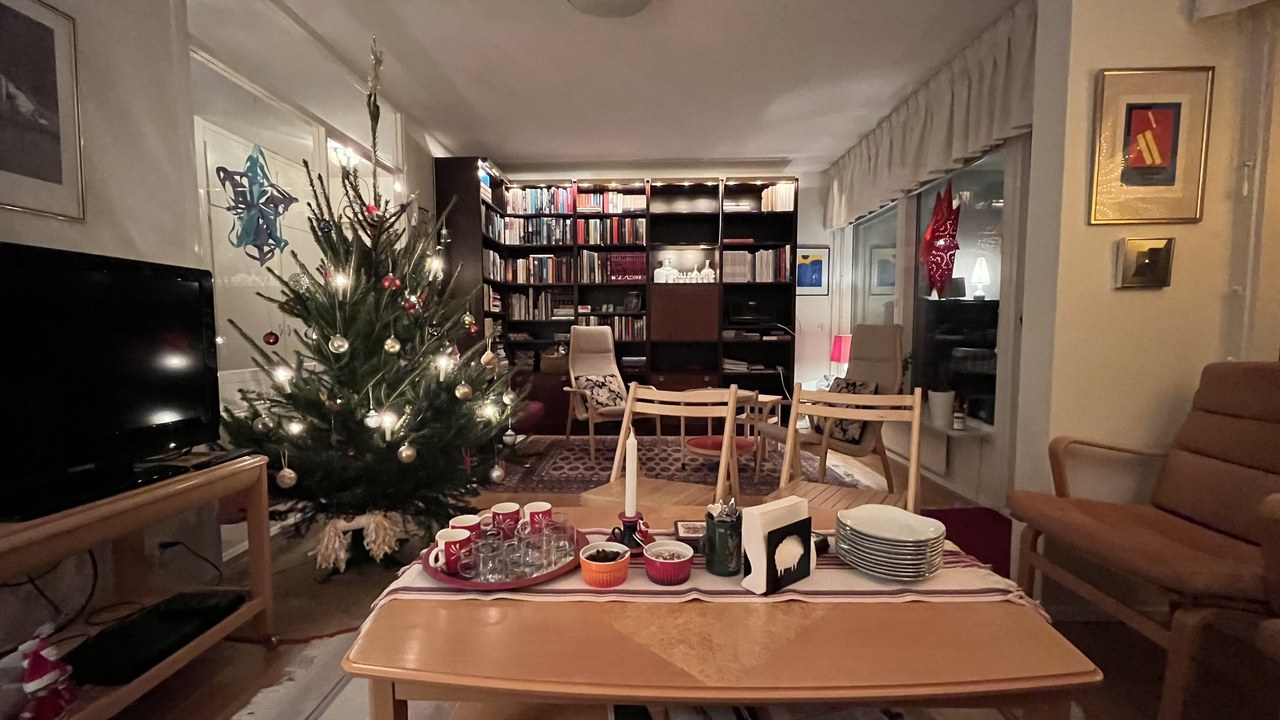
More than one in every five Christmas tree fires were caused by a heat source placed too close to the tree, according to a USFA holiday fire infographic.
A separate CPSC tally put the November-December average at about 100 tree fires a year from 2016 to 2018. Heaters, candles and fireplaces are the sources worth keeping well back, and a tree that stays watered and sits away from vents is the safer arrangement. That keeps the focus on placement, which costs nothing to fix.
6. Candle: Christmas Day Peak
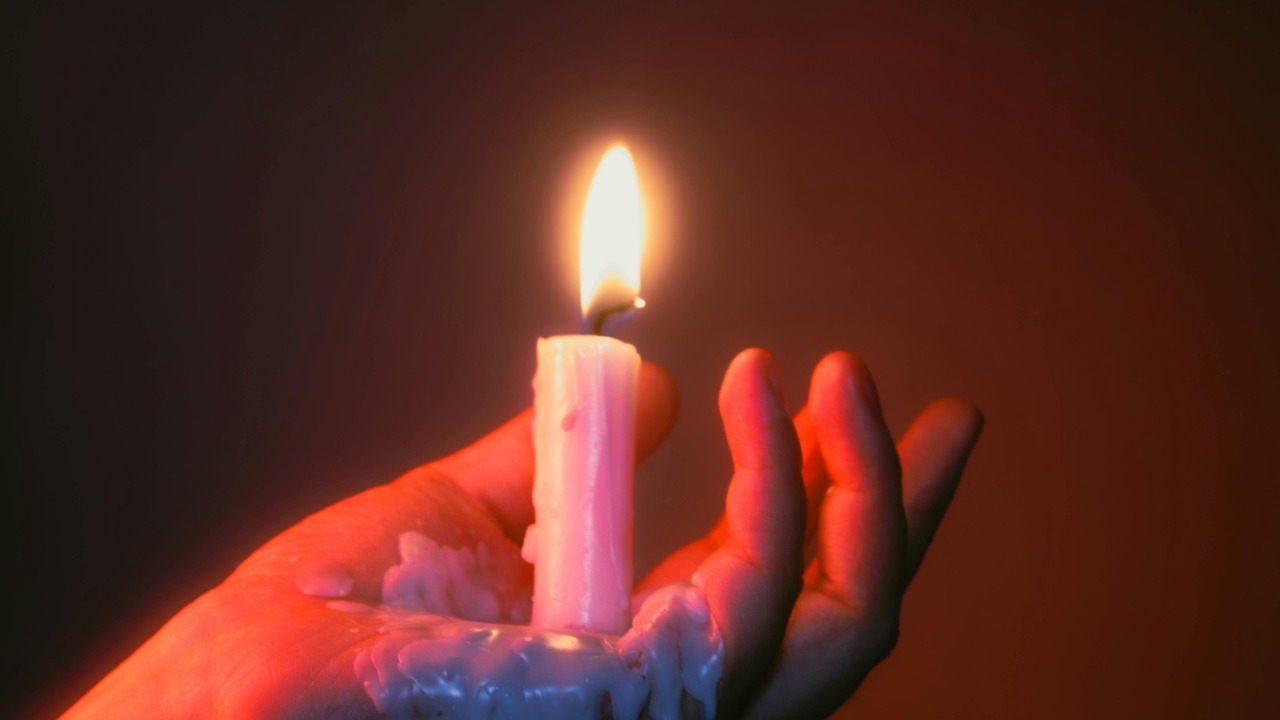
Almost half of the home decoration fires in December are started by candles, and Christmas is the peak day for candle fires, the USFA holiday infographic states.
CPSC counted about 1,100 candle fires each November and December in 2016-2018. Open flames left burning in empty rooms or near decorations are the obvious risk, so snuffing candles before leaving or going to bed, or switching to flameless versions, removes it. The USFA presents this as a holiday-specific pattern, separate from year-round candle use.
7. Deep fryer: Hot Oil Hazard
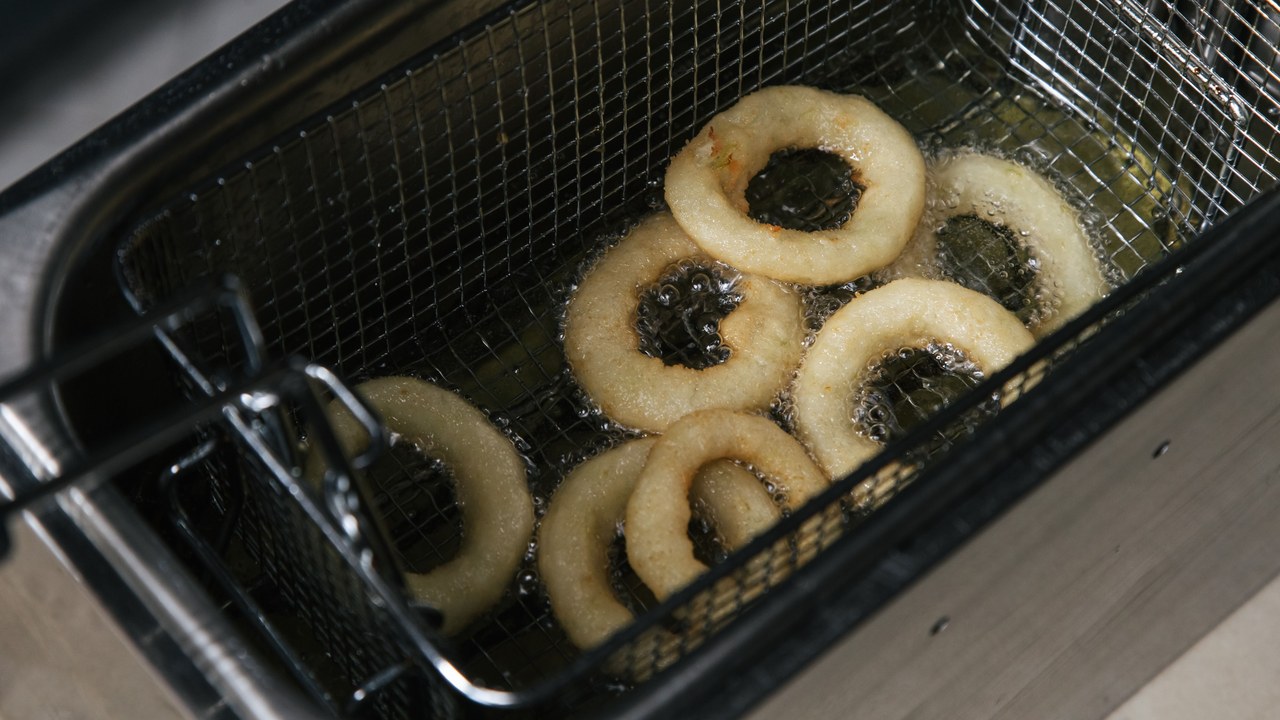
Since 1998, CPSC has known of 222 fire or scald and burn incidents involving turkey fryers, causing 83 injuries and $9.7 million in property loss, according to a 2021 CPSC holiday safety release.
Fryers hold a large volume of hot oil, so a spill or overfill can ignite quickly and burn badly. Using one outdoors, well away from buildings, and never leaving it unattended are the standard cautions, and some households choose oil-free turkey cookers instead. The count spans more than two decades, so the pattern is persistent rather than a single bad year.
8. Clothes dryer: Lint Is the Fuel
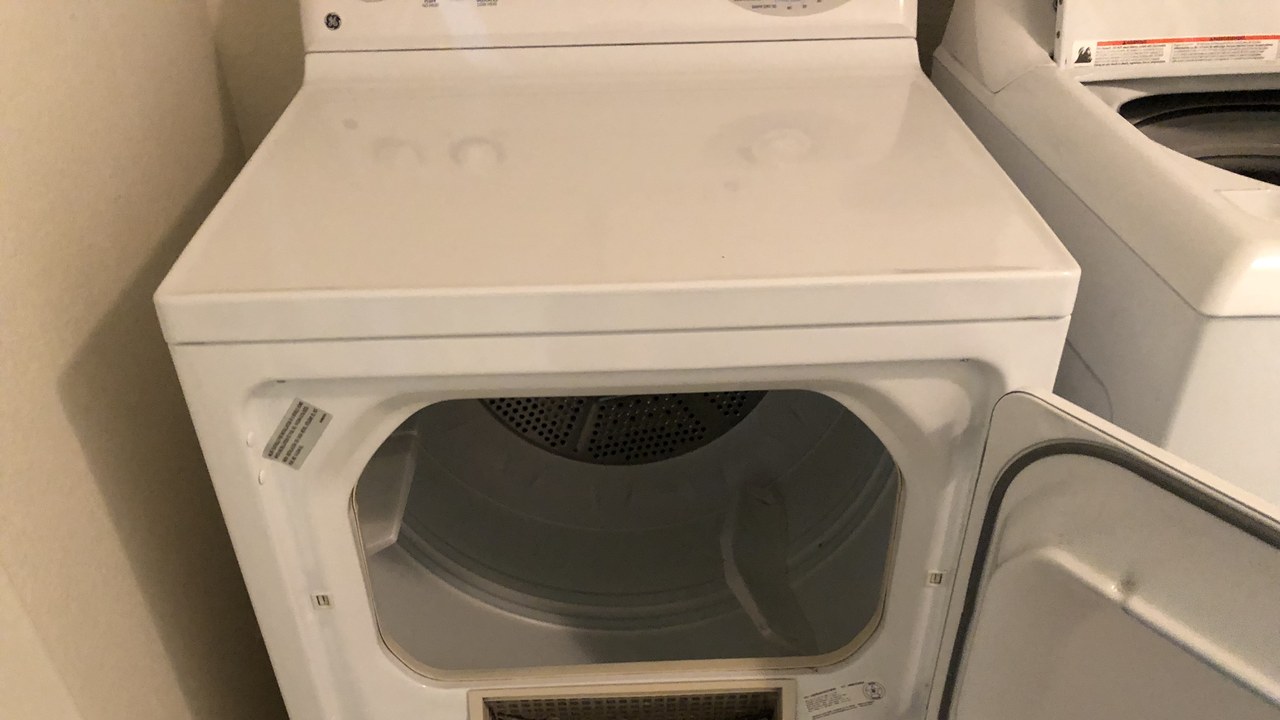
About 2,900 clothes dryer fires a year occurred in residential buildings in 2008-2010, peaking in January, with failure to clean named as the top factor at 34%, per a USFA dryer fire report.
The data is older than the other figures in this list, but the cause has not changed: lint builds up in the filter and the vent. Cleaning the filter after every load and checking the exhaust duct are the routine fixes, especially given the January peak. Failure to clean is a maintenance problem, which is what makes it preventable.
9. Electric bicycle: Battery Fires at Home
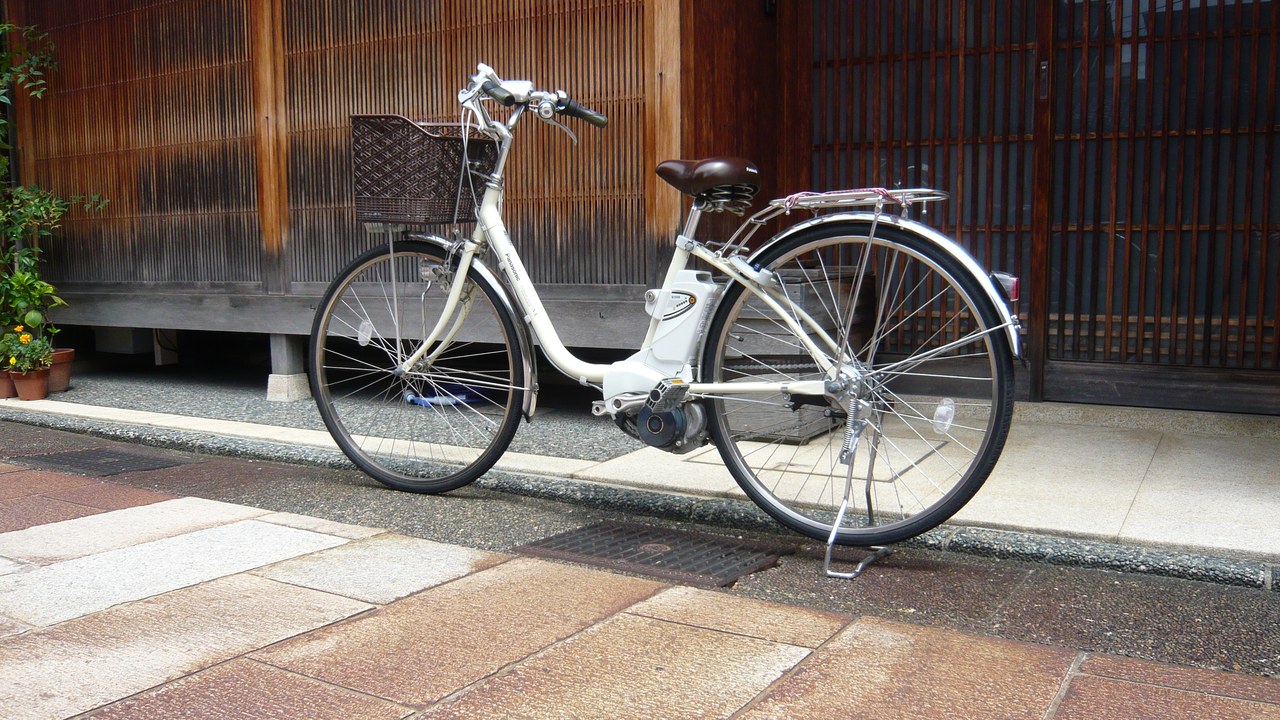
CPSC’s April 2026 micromobility report counts 19 e-bike deaths from fire hazards in 2017-2024, linked to 13 lithium-ion battery fire incidents, as laid out in its deaths and injuries report.
Charging is the part owners control. Using the charger that came with the bike, not leaving a battery charging unattended and retiring any pack that is damaged or swollen are the usual precautions, and charging away from exits and sleeping areas adds a margin. The CPSC report covers micromobility products broadly, and e-bikes are one of several categories it breaks out.
10. Hoverboard: A Popular Holiday Gift

Self-balancing scooters, better known as hoverboards, were tied to 11 fire-hazard deaths in 2017-2024, associated with 5 lithium-ion battery fire incidents, in the CPSC micromobility report; the report also cites 173 fire-related in-depth investigations.
Hoverboards are a common gift, so the risk can land inside the holiday period. Buying a model with recognised safety certification, charging it on a hard surface in view and not leaving it plugged in unattended all reduce the odds of trouble. Hoverboards appear in the same CPSC table as e-bikes, which shows how widely lithium-ion fire risk spreads across products.
More from Morning Overview
- The EPA killed the credit behind the start-stop feature it calls almost universally hated
- Microsoft says hackers are using an AI tool called ARTEX to power attacks worldwide
- A magnitude 5.0 quake rattled the coast off Northern California’s Petrolia
- USS Michael Murphy is finally home after a grueling 346-day deployment
