
WWF’s Living Planet Report 2026 tallies a 73% average decline in monitored wildlife since 1970, a figure that leaves little room for optimism. Yet some species are climbing back from very low numbers, with protection credited for the turnaround. Here are twelve animals bouncing back even as the wider picture darkens.
1. Tiger: Stripes On The Rise
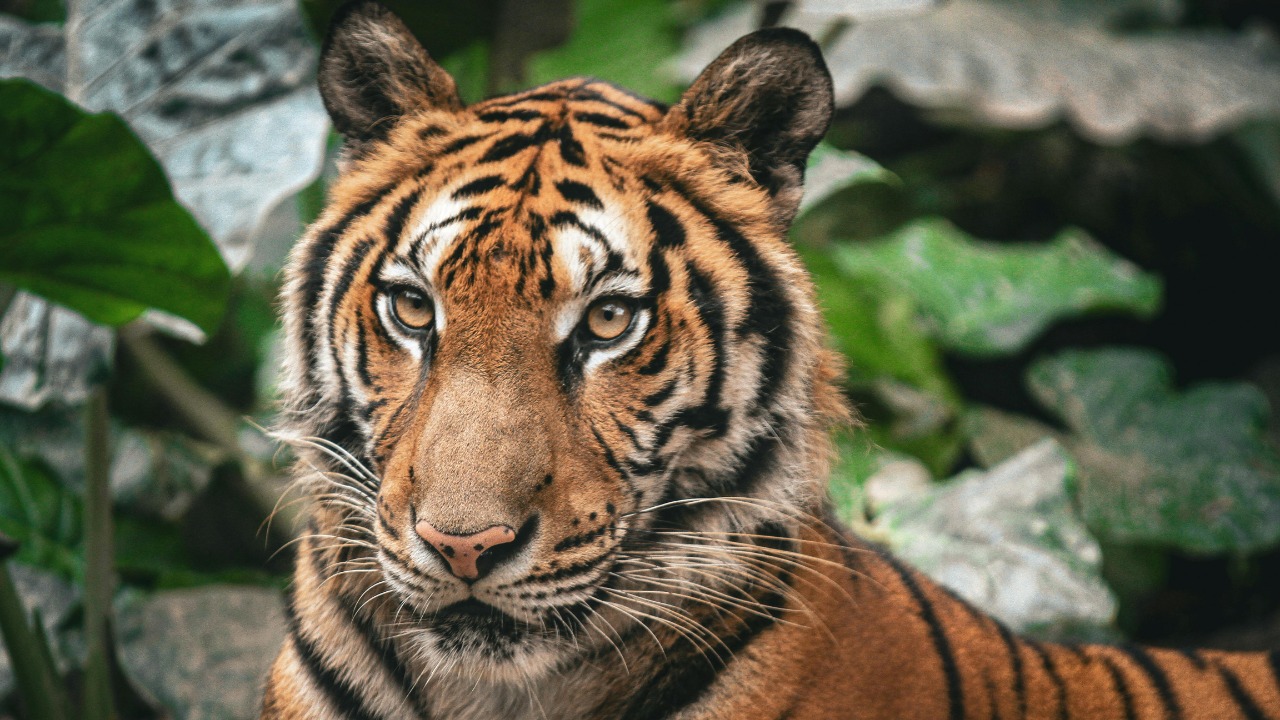
Among the species singled out as recovering in WWF’s 2026 report, tigers stand out as a headline case. The report counts them as a bright spot at a moment when monitored wildlife populations fell 73% on average between 1970 and the present.
Tigers show that decline is not a one-way street. A single recovering species does not offset the wider loss, yet it gives conservation groups evidence that protection efforts can pay off when they are sustained.
2. Green sea turtle: Turtles Make A Comeback
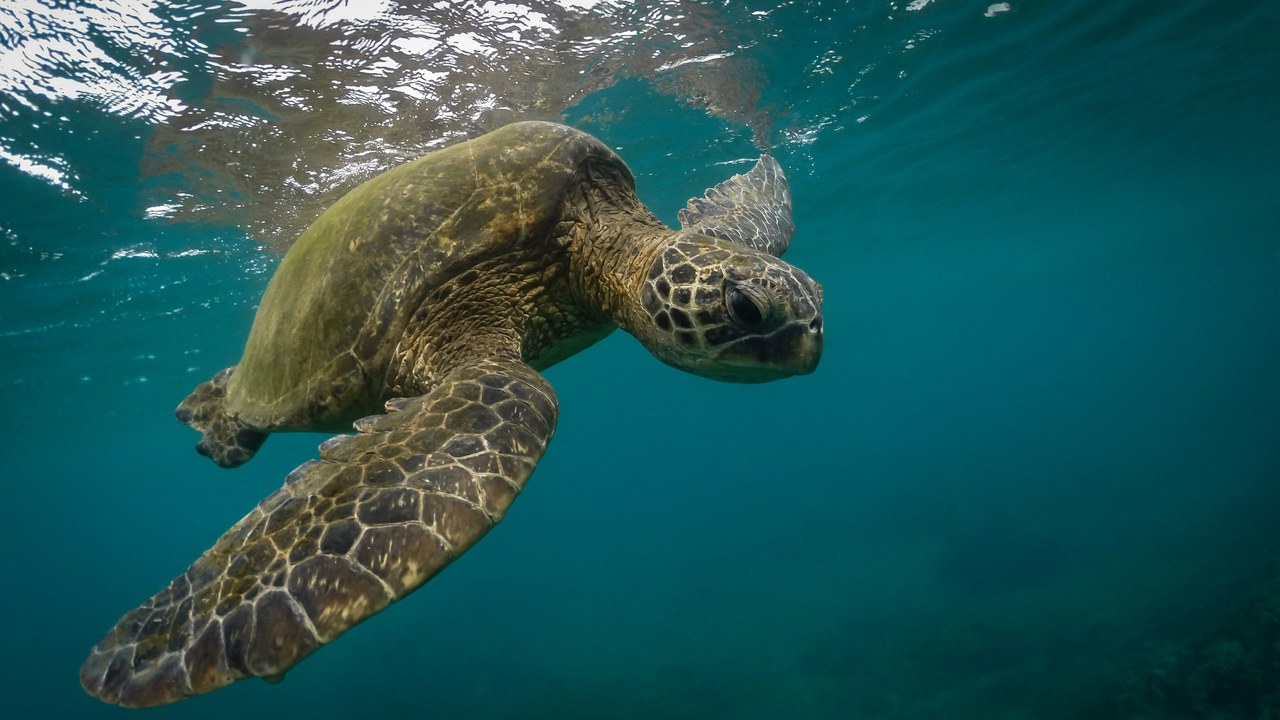
Green sea turtles appear among the bright spots in WWF’s 2026 report, listed as a recovery alongside tigers, southern African elephants and bluefin tuna. The report offers them as proof that some marine populations are heading in the right direction.
For readers, the takeaway is that recovery is possible even for animals that travel across open ocean. The result sits against a grim average, so the turtle story works best as a reminder that conservation measures can work, not as a reason to relax.
3. African bush elephant: Southern Africa’s Gentle Giants
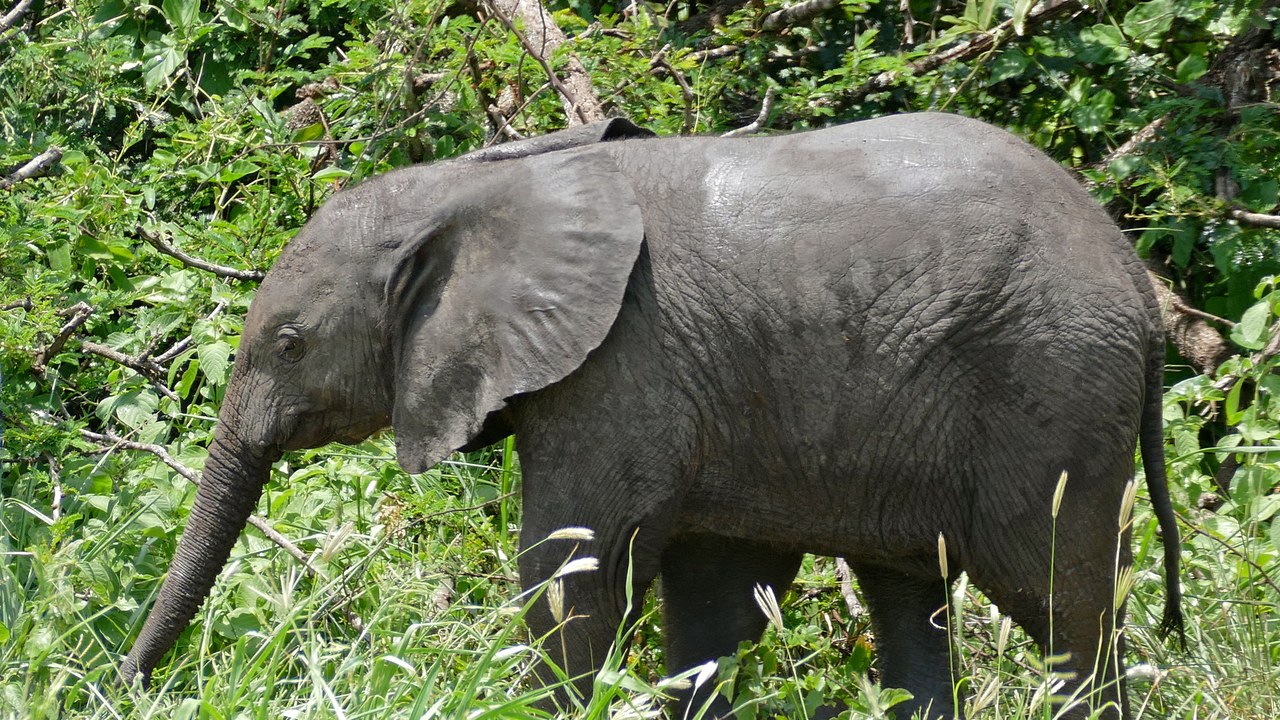
At the report’s release, WWF-US’s Carter Roberts said that southern African elephant populations are recovering, as WWF’s recovery reports reflect. The comment places the African bush elephant among the headline recoveries in a report otherwise dominated by loss.
The qualifier matters: the good news applies to southern African populations, not to elephants everywhere. That regional framing is a useful caveat for anyone reading the recovery as a continent-wide verdict, and it keeps the claim aligned with what was actually said.
4. Atlantic bluefin tuna: Tuna Back From The Brink
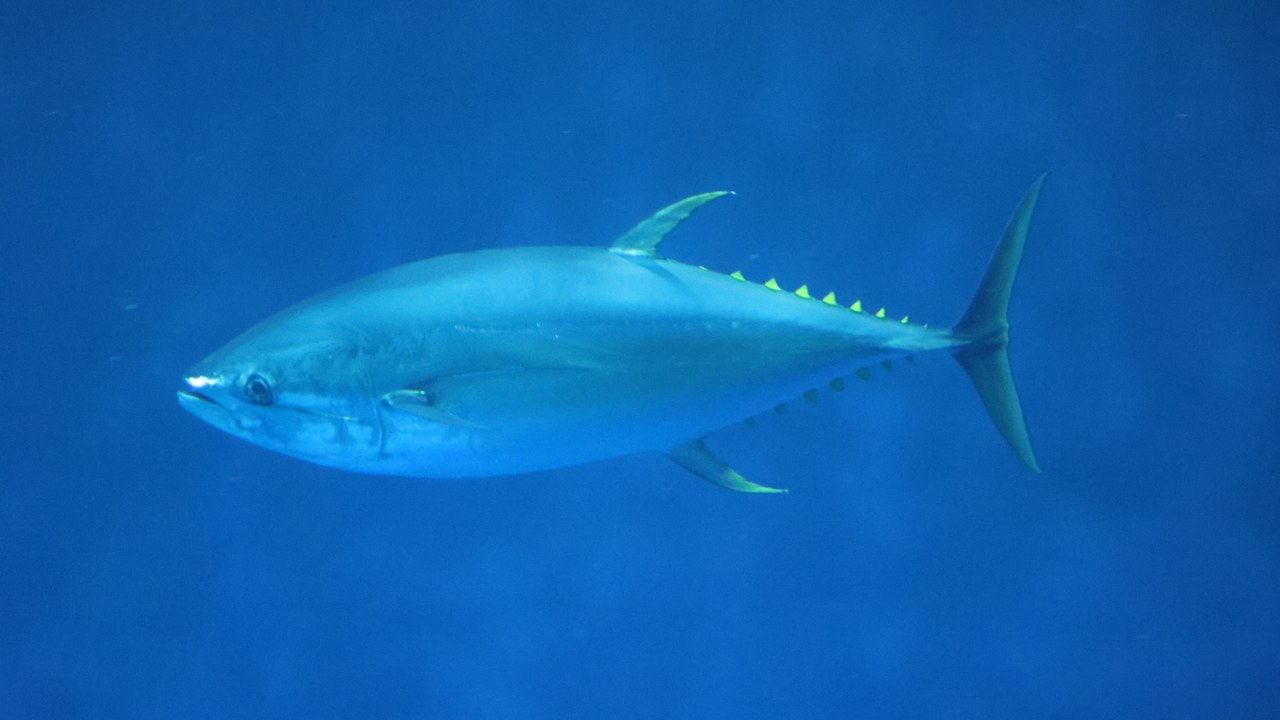
WWF says Atlantic and Pacific bluefin tuna are recovering, a claim made in WWF’s 2026 statement. Bluefin sit alongside tigers, green turtles and southern African elephants on the list of species the group highlights as signs of hope.
Bluefin are a rare case of a heavily fished ocean species described as recovering. Even so, the statement is a trend, not a finish line, and it appears beside a report that still records a 73% average decline across monitored wildlife.
5. Humpback whale: Most Populations Cleared The Bar
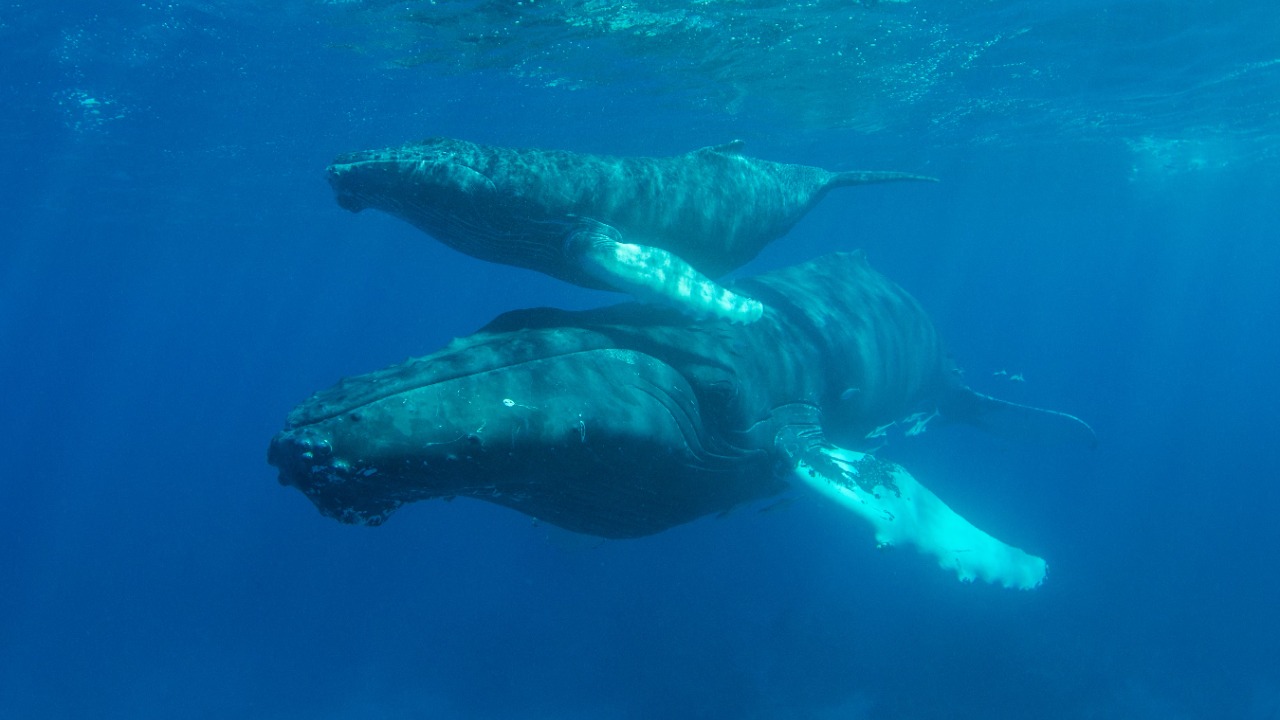
A NOAA review found that nine of 14 humpback populations had recovered enough that they do not warrant listing. That conclusion came in a 2016 revision of the species’ status.
The finding means five populations were treated differently, so the recovery is partial rather than universal. Humpbacks are nonetheless among the clearest examples of a large whale where legal protection coincided with a rebound, which makes the nine recovered populations the headline of the finding.
6. Gray whale: Delisted After Decades
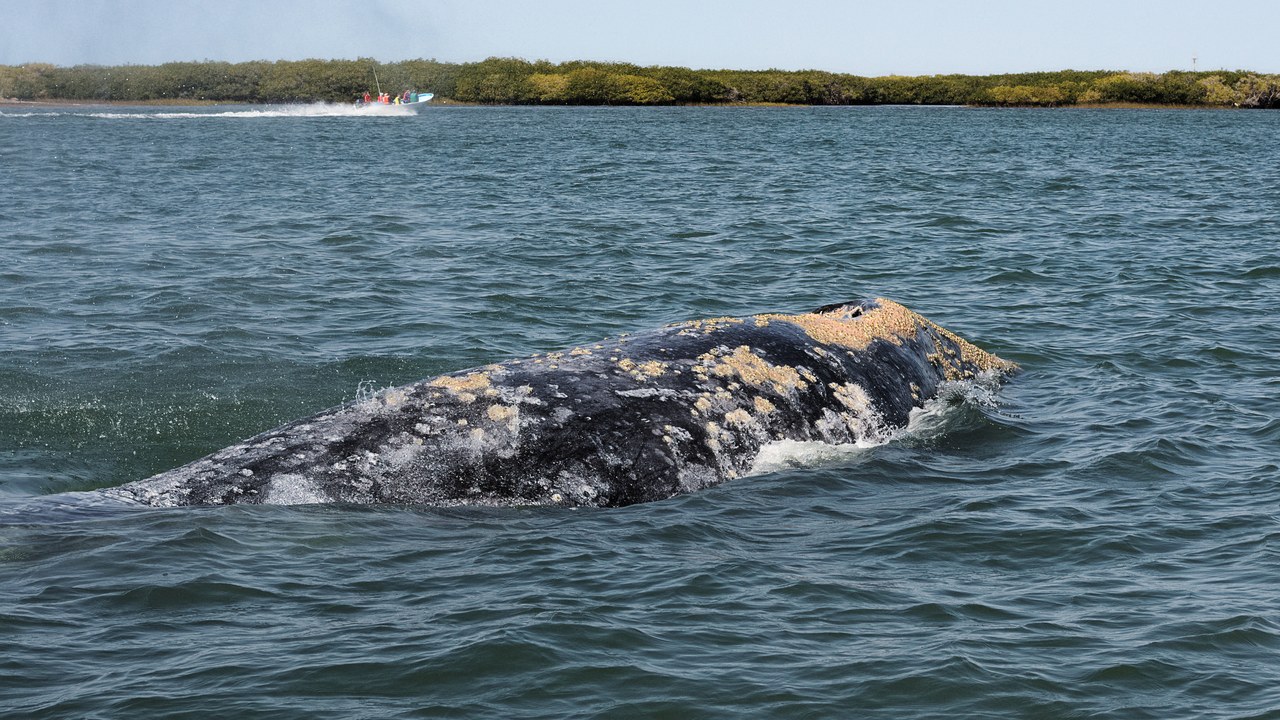
The eastern North Pacific gray whale was once listed as endangered, and NOAA’s gray whale profile records that it was delisted in 1994. Removal from the list marks a clear conservation outcome for a great whale.
The delisting applies to the eastern North Pacific population specifically, so it should not be read as covering every gray whale. Its value lies in showing that a once-endangered whale can be moved off the list.
7. Steller sea lion: Thirty Years Of Growth
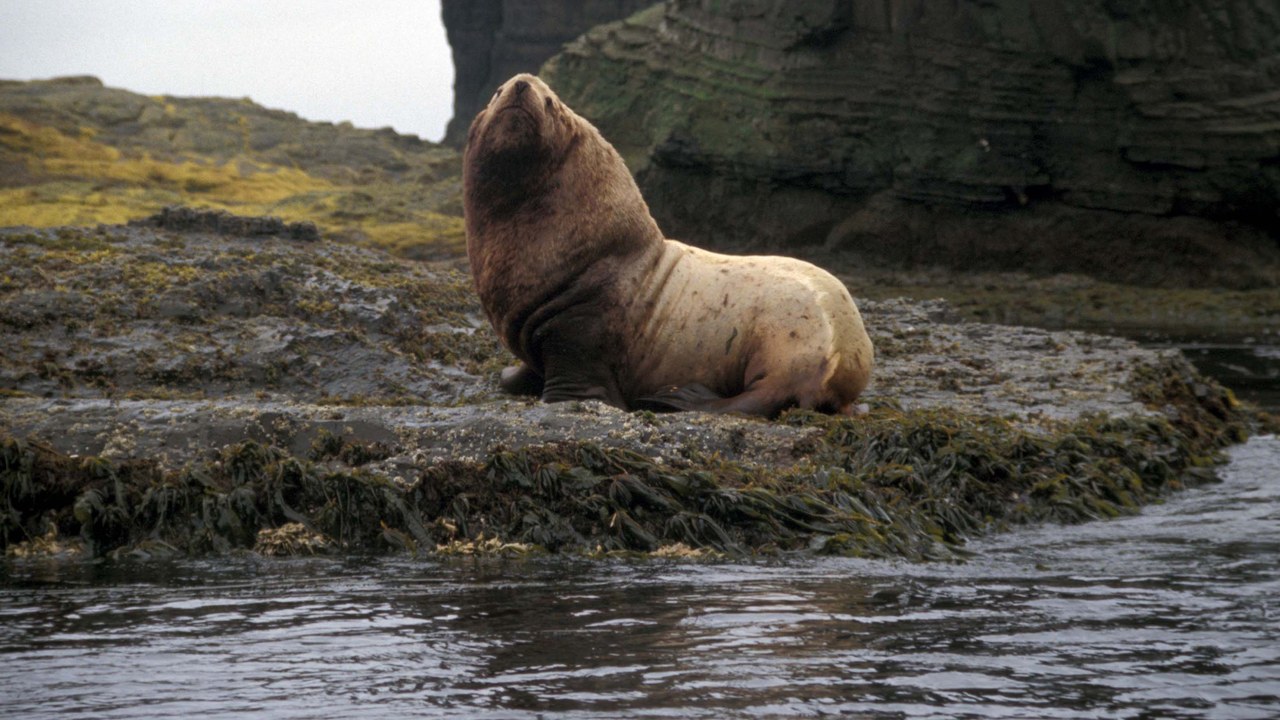
The eastern population of Steller sea lions was delisted in late 2013 after 30 years of recovery, according to NOAA Fisheries data. Over 1987 to 2017 the population grew 4.25% a year.
Steady annual growth compounds over three decades, which is how a modest-sounding rate turned into a delisting. The result applies to the eastern population only, a distinction worth keeping in mind when the species comes up in conservation debates.
8. American bison: From Two Dozen To Thousands
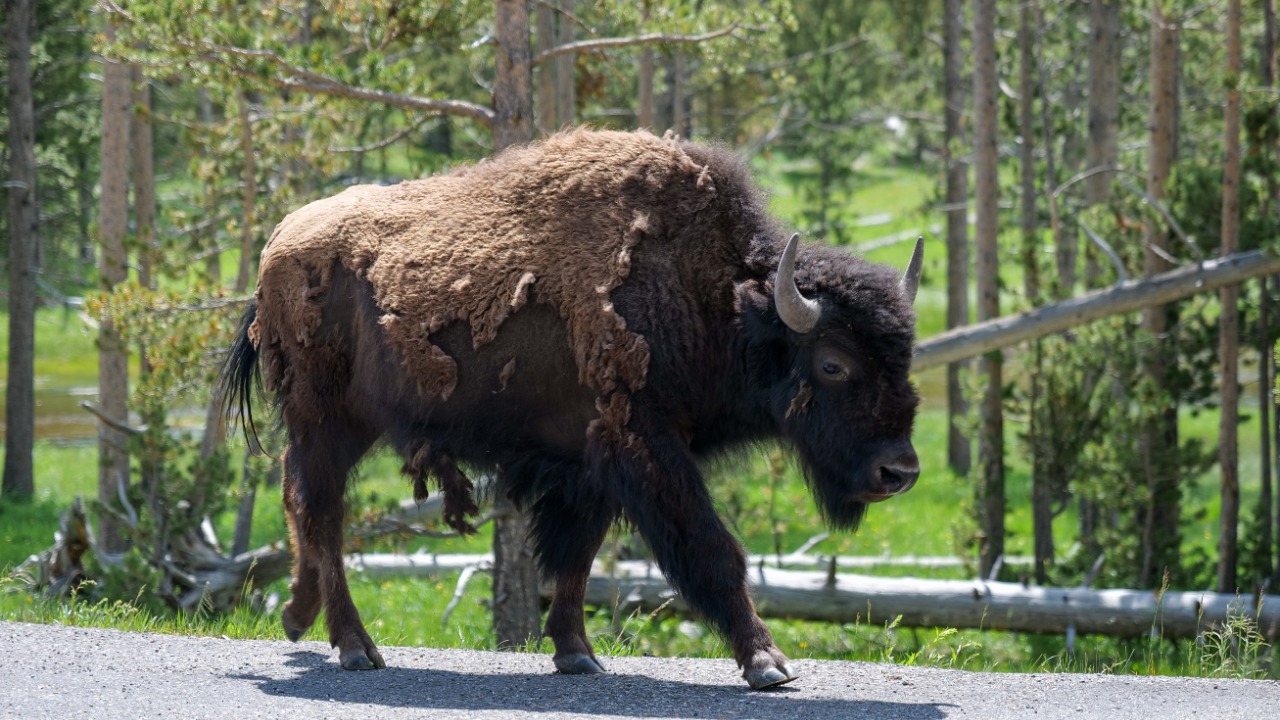
Poachers cut Yellowstone’s bison herd to about two dozen animals by 1902, as the National Park Service figures describes. By 2025 the estimate had climbed to nearly 5,300.
That is a rebound from a few dozen animals to thousands within the same park. The figures show how fragile a herd can become when poaching goes unchecked, and how far it can come back afterward, with the park herd as the evidence.
9. Bald eagle: Symbol Of A Recovery
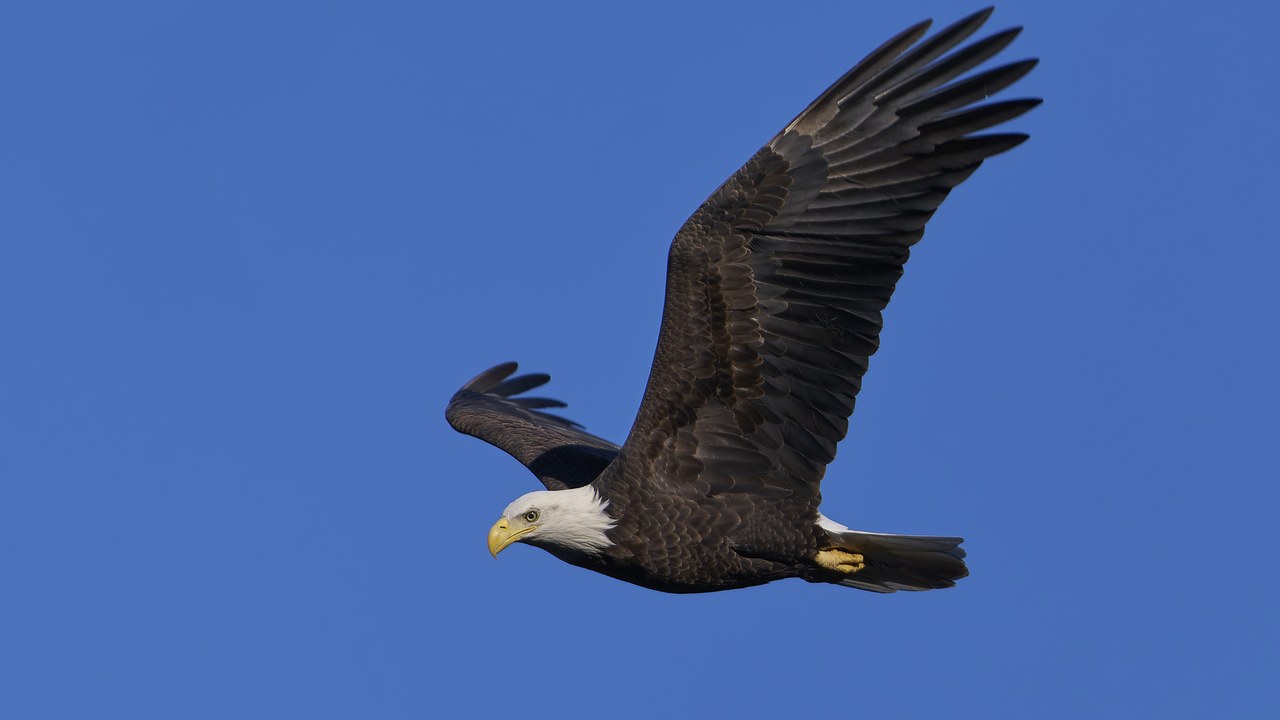
The bald eagle fell to only 417 known nesting pairs in 1963, then rebounded to 71,400 breeding pairs in the US by 2020, according to Yahoo’s wildlife roundup. The species was delisted by 2007.
A rise from 417 pairs to 71,400 shows how large a rebound can be once a species is protected and left to recover, which is why the eagle makes such a clear example for the list.
10. Florida manatee: Counting Back Up
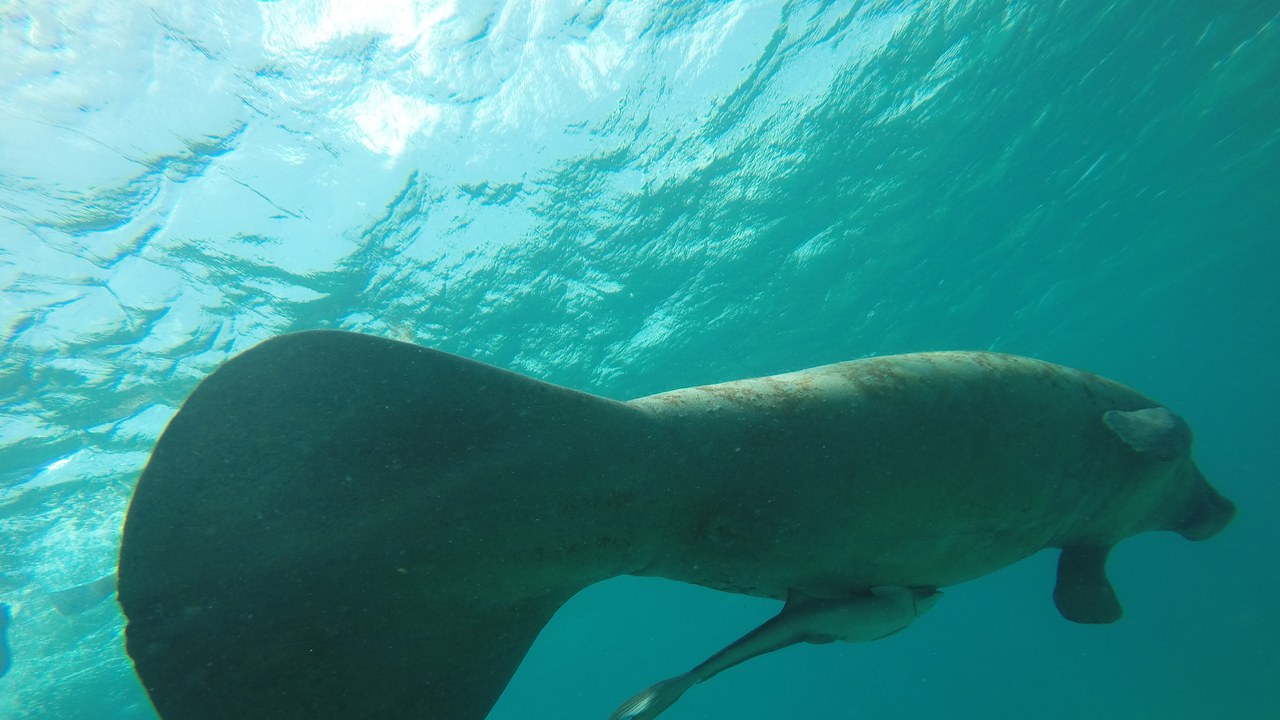
In 1991 there were as few as 1,267 Florida manatees in the state, while recent estimates now put the count at more than 6,300. The species was downlisted to threatened in 2017.
A fivefold rise is real progress, yet downlisting to threatened is not the same as full removal from protection. The manatee remains a species whose recovery is measured in counts that are still modest by comparison with other rebounds.
11. Whooping crane: Rising From Twenty-One
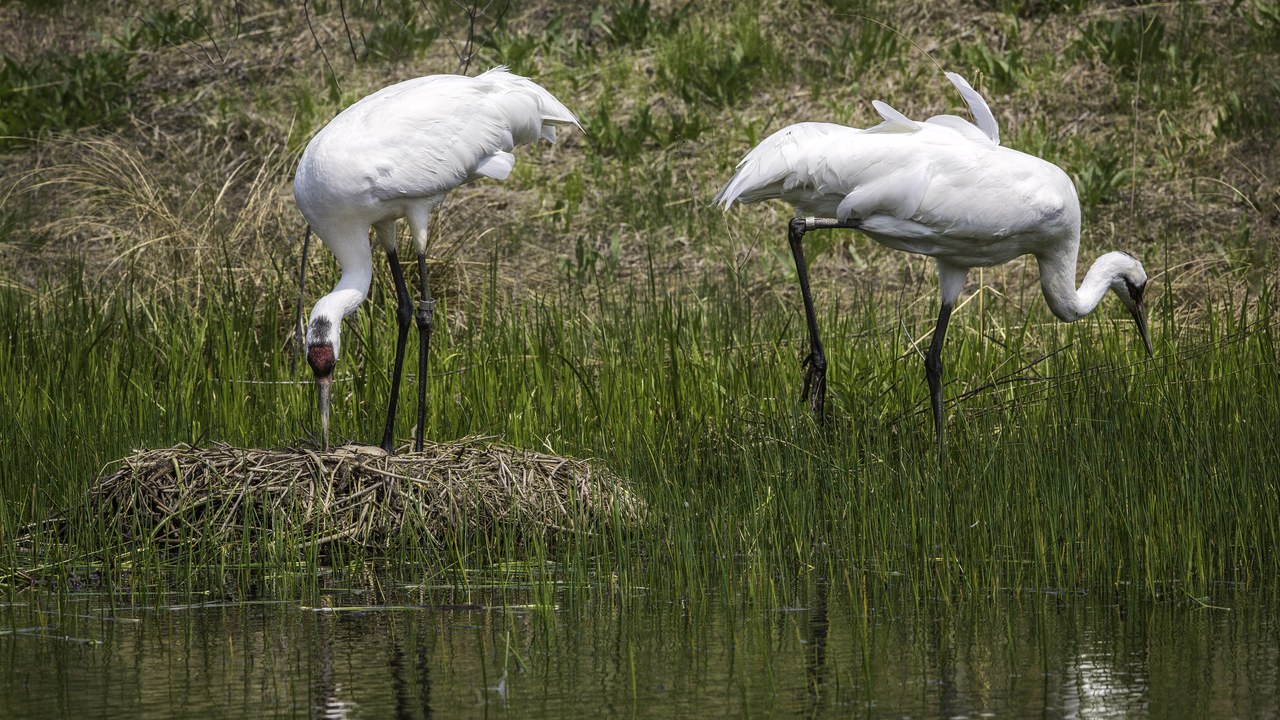
An estimated 21 whooping cranes were left in the wild in 1941, and the same roundup put the figure above 500 today. That is a rise from a very small base.
The numbers show what a species can regain from a very small base, though 500 is still a small population. The crane remains a symbol of how narrow the margin can be, and of how much a rebound can still depend on protection.
12. Grizzly bear: Two Thousand And Counting
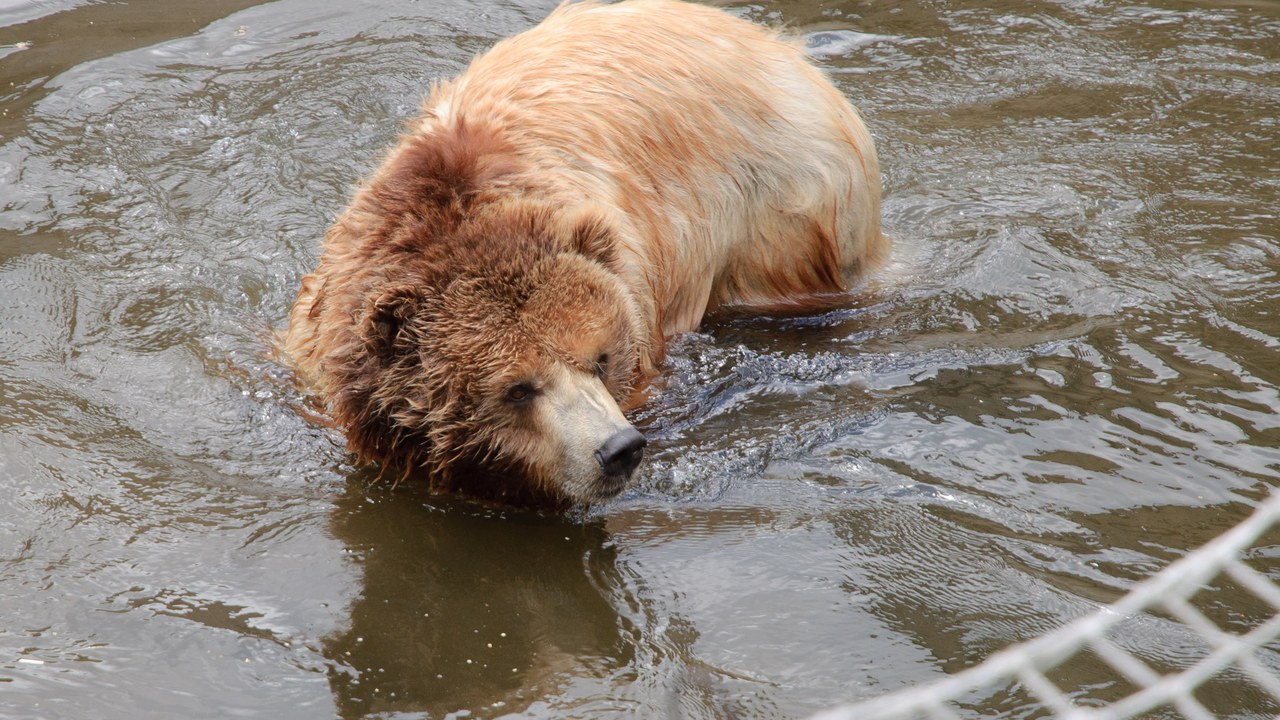
Grizzly bears numbered as few as 600 in the lower 48 when they were protected in 1975, and wildlife roundups estimate roughly 2,100 now. That is more than a threefold rise.
The estimate is a lower-48 figure, so it leaves out grizzlies elsewhere. Even so, a gain from about 600 to about 2,100 is a large step for a bear that needed protection in 1975, and it earns grizzlies a place among the recoveries on this list.
More from Morning Overview
- NOAA now gives this winter a 75% chance of the strongest El Nino since 1950
- Doctors warn a silent liver disease now affects one in three American adults
- The FBI told the rest of ShinyHunters to surrender after a 24-year-old was arrested
- Two passengers died at an Ohio toll plaza, and the NTSB now wants the cash lanes shut
