
Parts content shows how much of a vehicle’s value comes from North American suppliers, which can differ sharply from where a badge is headquartered or a final assembly line sits. The entries below draw on Kogod’s index, federal-data parts figures and the Cars.com ranking. Here are twelve vehicles that stand out for how much of their content stays on the continent.
1. Tesla Model 3: Top of the Index
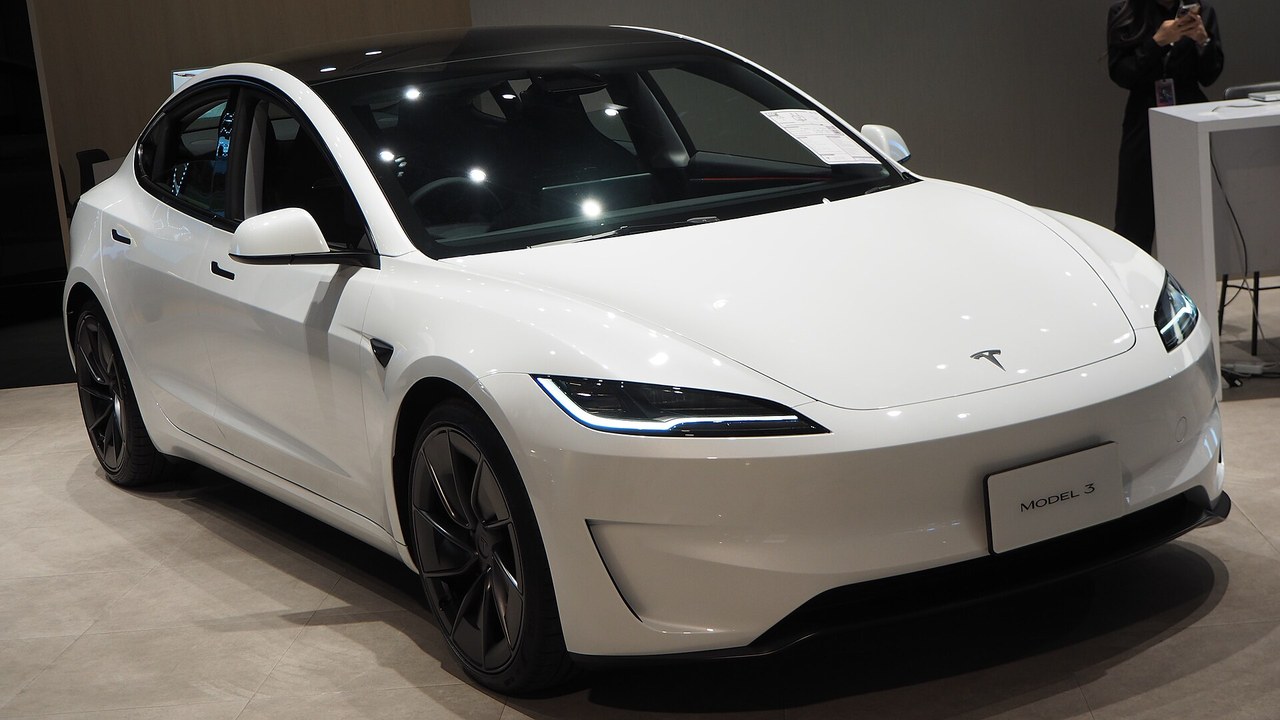
Kogod’s 2026 index ranks the non-Performance Model 3 as the most American car of all, crediting it with 75% North American parts content. That percentage describes how much of the car’s parts value comes from the continent, which is a different question from where final assembly happens or where the company is headquartered. Parts content gives a fuller picture of supplier work staying close to home than a single factory location can.
Shoppers weighing domestic credentials should note that the ranking applies to the non-Performance trim specifically. Checking the exact variant matters before treating the headline figure as a promise about every Model 3 on a lot.
2. Tesla Cybertruck: Third on the List
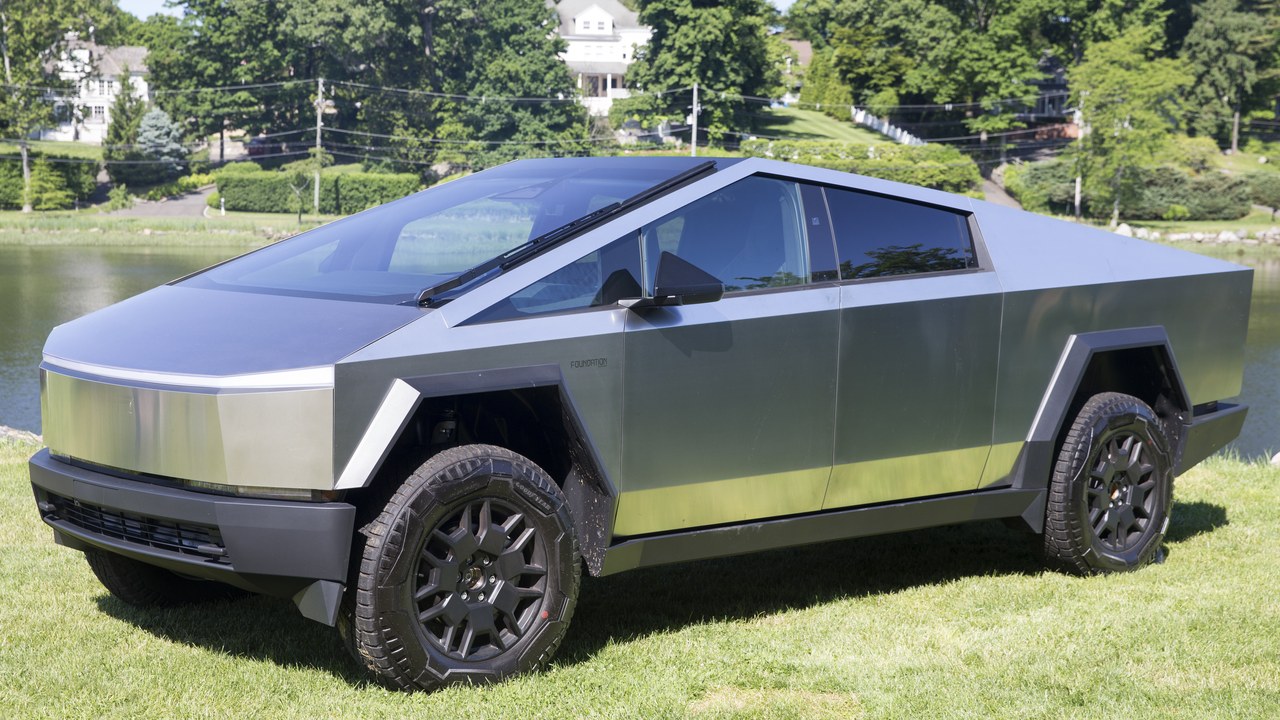
The Cybertruck placed third in Kogod’s 2026 ranking, carrying 65% North American parts content. Landing behind the leading Model 3 means the same automaker holds two of the highest spots, which says more about a supply chain built close to its factories than about any one design. A pickup finishing this high also shows that domestic content is not limited to small, simple vehicles.
For buyers who care where the money goes, a score of 65% means roughly two-thirds of the parts value originates in North America. The remaining content still arrives from elsewhere, so the truck is highly domestic rather than entirely so.
3. Jeep Gladiator: Second Among Trucks

Domestic parts content of 74% puts the Gladiator second among trucks in the model-year 2026 data, according to AALA parts-content figures set against a 20% industry average. That gap is the real story: the typical vehicle sold in America is only about a fifth domestic by parts value, so a figure near three-quarters is an outlier by a wide margin. Only one truck in the comparison ranks higher.
Anyone shopping for a pickup with strong domestic sourcing can treat the Gladiator as a leading option on this measure. As with every figure here, it reflects the specific model year in the data rather than all earlier trucks.
4. Jeep Grand Cherokee: Domestic Parts Leader
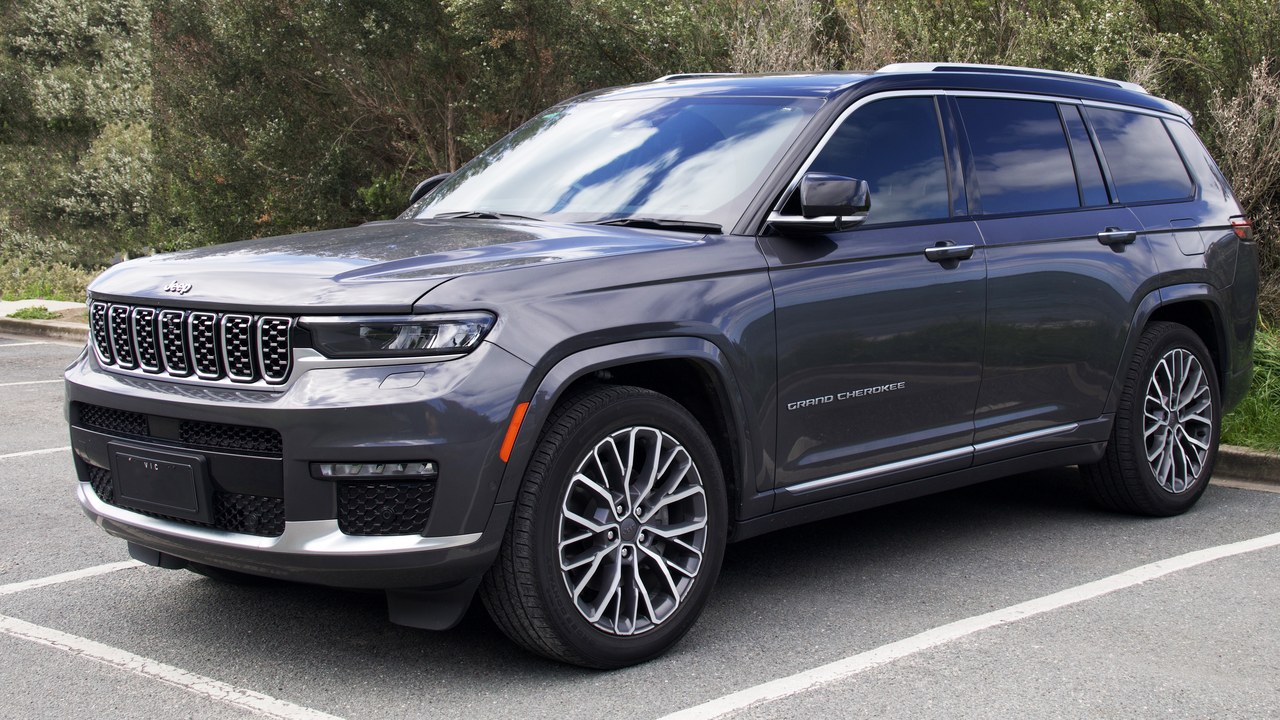
The Grand Cherokee records 73% domestic parts content for model year 2026, placing a mainstream SUV among the most locally sourced vehicles of any type. Within Jeep’s lineup it sits just under the Gladiator, so the brand claims several of the highest figures in the entire survey. That clustering hints at shared suppliers and sourcing patterns across models rather than a one-off result for a single nameplate.
Parts content is only one yardstick, and assembly location or profit flow can tell different stories. Even so, a 73% figure gives owners a concrete number to cite when comparing the SUV with imports.
5. Jeep Wrangler: Off-Road Icon, Local Parts

The Wrangler shows 68% domestic parts content for model year 2026, according to the AALA tally, making it the third Jeep on this list. Its inclusion extends the brand’s pattern: three of its models appear here with figures from 68% to 74%, all far above the 20% industry average cited alongside the data.
Shoppers comparing a Wrangler against foreign-built rivals can use the number as a quick check on domestic sourcing. The percentage covers the model year reported, so a used example from another year may differ.
6. Chevrolet Silverado EV: Electric and Domestic
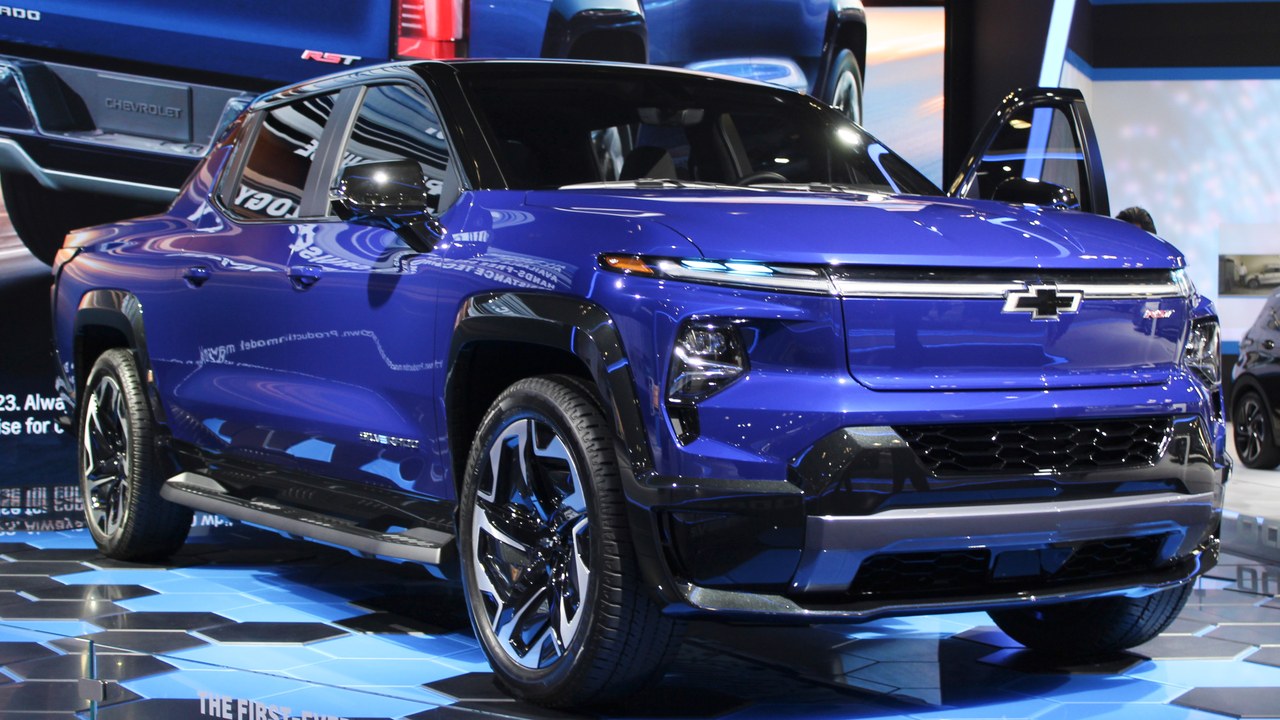
Parts content of 56% for the electric Silverado compares with 38% for the gas Silverado and Sierra, a gap of 18 percentage points in AmericanTrucks’ parts-content roundup. That difference shows that going electric need not push sourcing overseas, even though battery components are often assumed to come from abroad. On this data, the electric version is the more domestic of the two paths.
Buyers choosing between powertrains on domestic-content grounds would find the electric truck ahead of the gas versions. Neither figure reaches the levels posted by the Jeep models, however.
7. Ford Ranger: Sixth on the Index
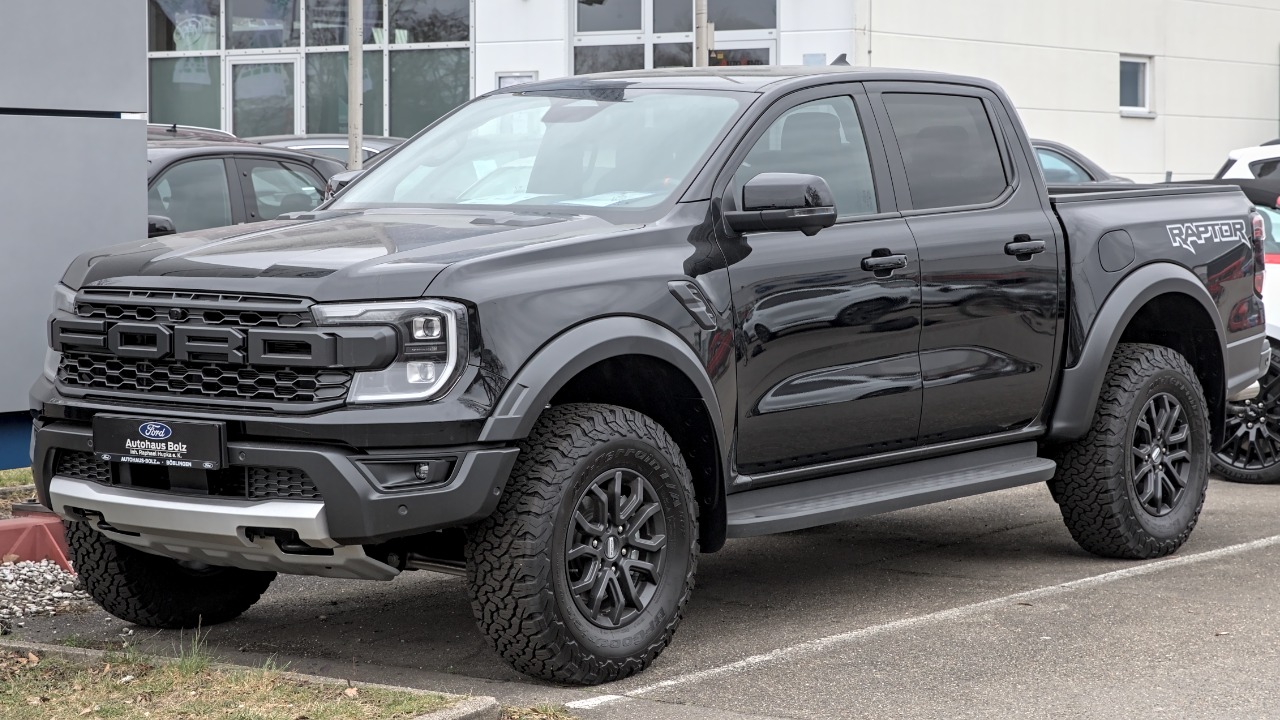
The Ranger holds the No. 6 spot on Kogod’s 2026 auto index, the Made in America ranking covering the American market. A top-ten placement is a meaningful result for a pickup and keeps a Ford truck among the most American-built choices available.
For shoppers, the rank is a convenient shorthand: only five vehicles placed higher in Kogod’s analysis. Because the entry rests on a ranking position rather than a parts percentage, it should be read as an overall verdict, not a single sourcing figure.
8. Cadillac Escalade IQ: Seventh-Place Electric
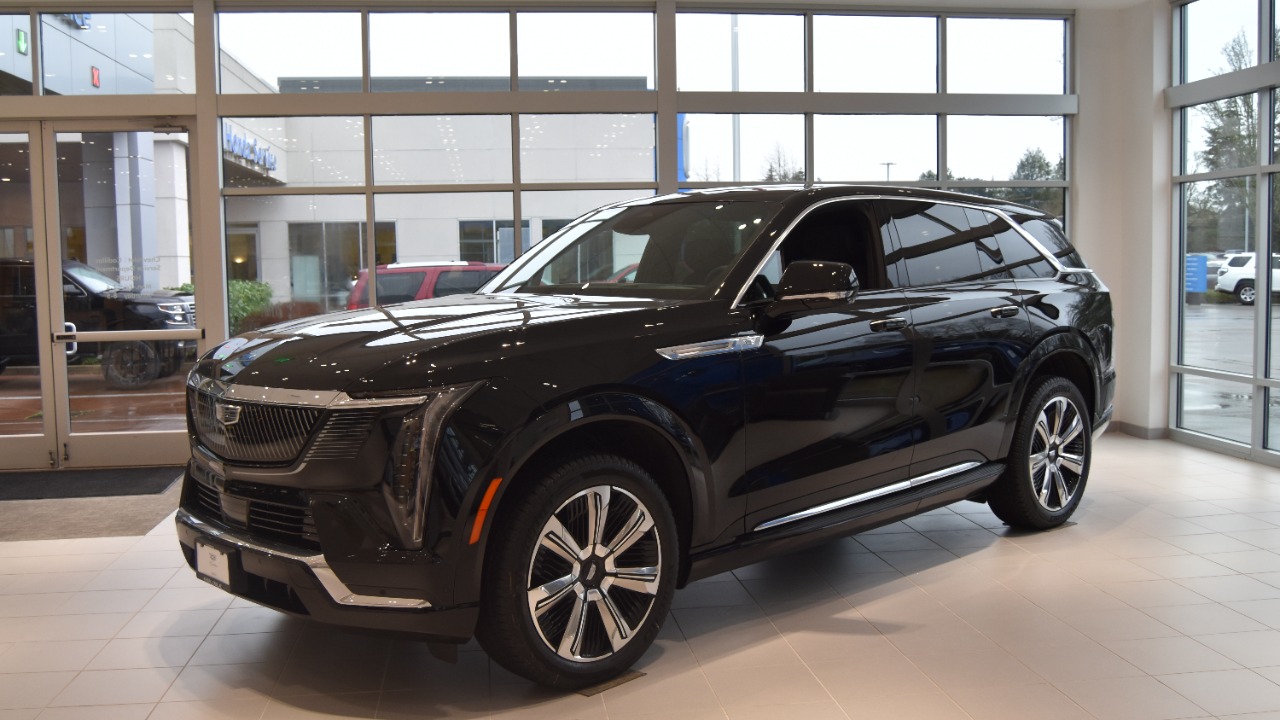
Kogod’s 2026 rank for the Escalade EV is No. 7, which places a large luxury electric SUV inside the index’s top ten. Luxury electric vehicles are often assumed to lean on imported parts, so a position this high runs against that assumption. The result gives General Motors another entry near the top, alongside the trucks and vans elsewhere in the ranking.
Prospective buyers who want an electric flagship with strong domestic credentials can point to the seventh-place finish. The ranking is an overall position, so a precise parts-content share is not part of this entry.
9. Chevrolet Express: Tied at Ninth
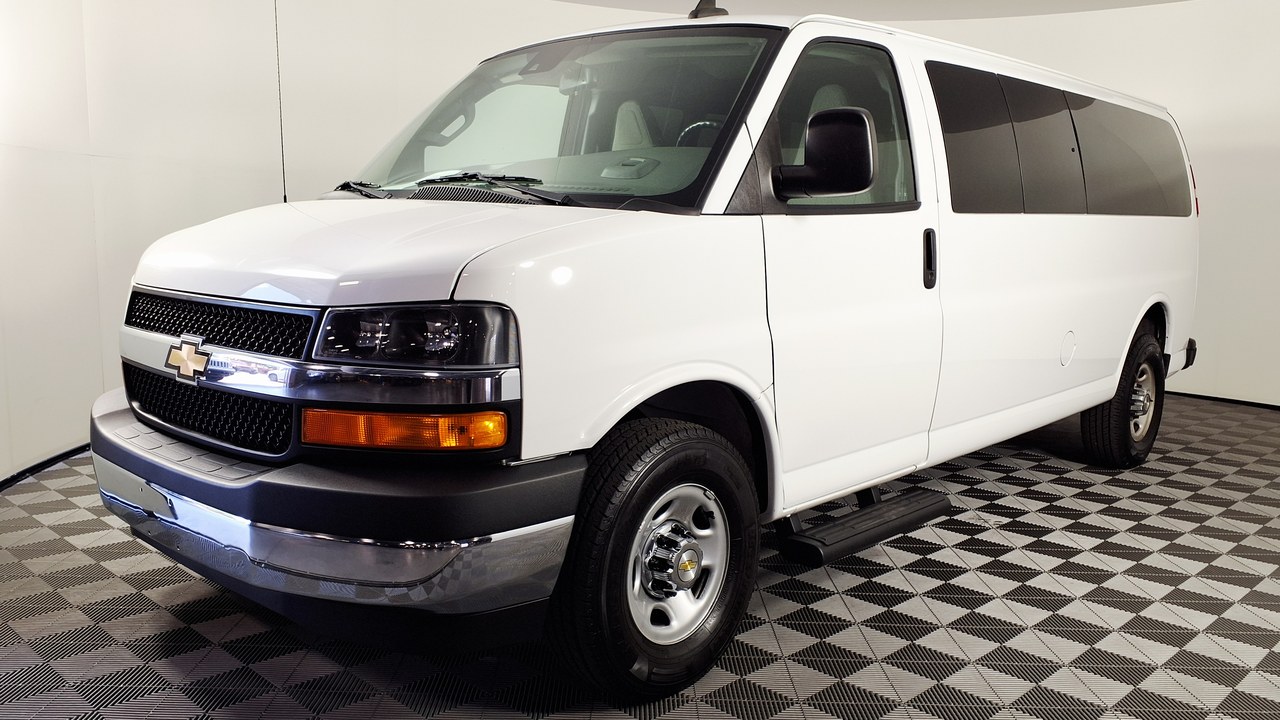
Kogod’s 2026 index places the Express at No. 9, tied with the GMC Savana. The two full-size vans are twins in all but badge, so a matching score is unsurprising. Their presence is a reminder that the most American vehicles are not always the flashiest ones, since work vehicles can outrank far newer and more fashionable models.
Fleet managers and shuttle operators who value domestic sourcing can treat either van as an equal choice on this measure. The tie means neither badge holds an advantage in the ranking.
10. Volkswagen ID.4: Big Jump to Tenth
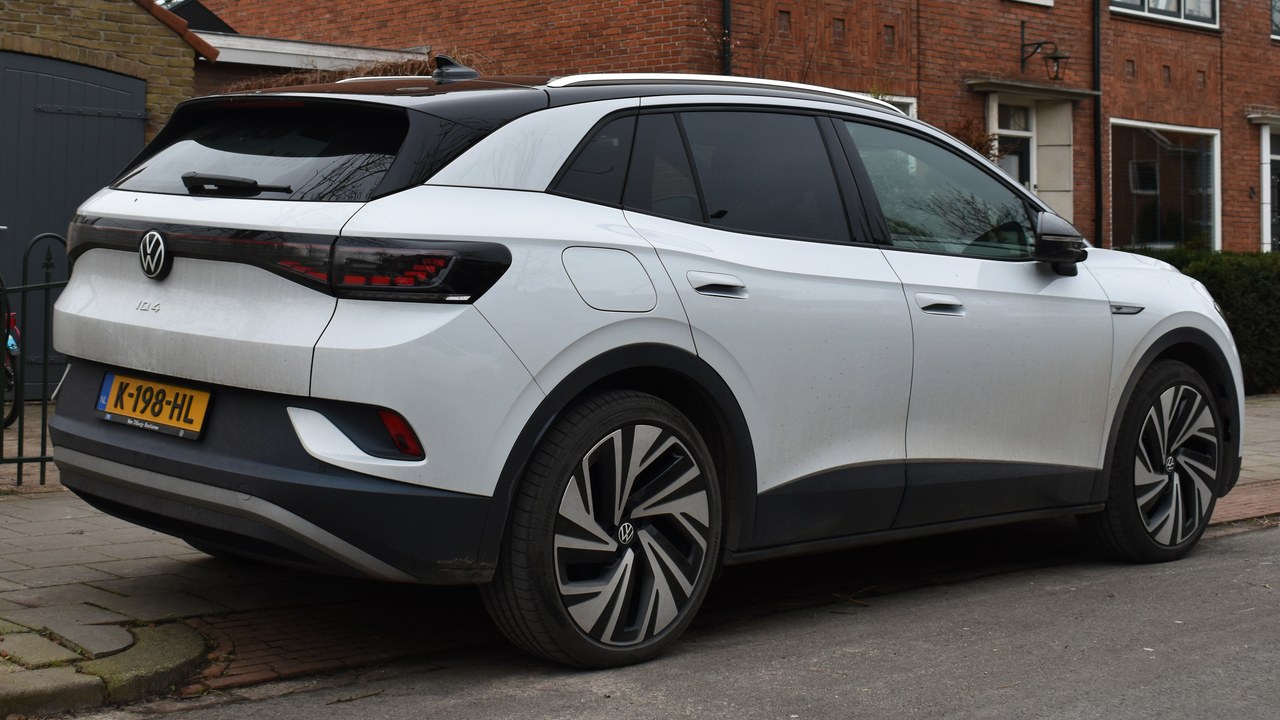
The ID.4 climbed to No. 10 in Kogod’s latest index from No. 33 in 2025, a leap of 23 places in a single year. The electric crossover is built in Tennessee, which helps explain a Volkswagen appearing among the most American vehicles in the country. Few entries moved as far, so the result stands out as the biggest turnaround on this list.
Shoppers who assumed a European nameplate meant imported content may need to revisit that view. Rankings can swing quickly from one year to the next, so a recent score is worth checking before purchase.
11. Lincoln Navigator: Climbing the Charts
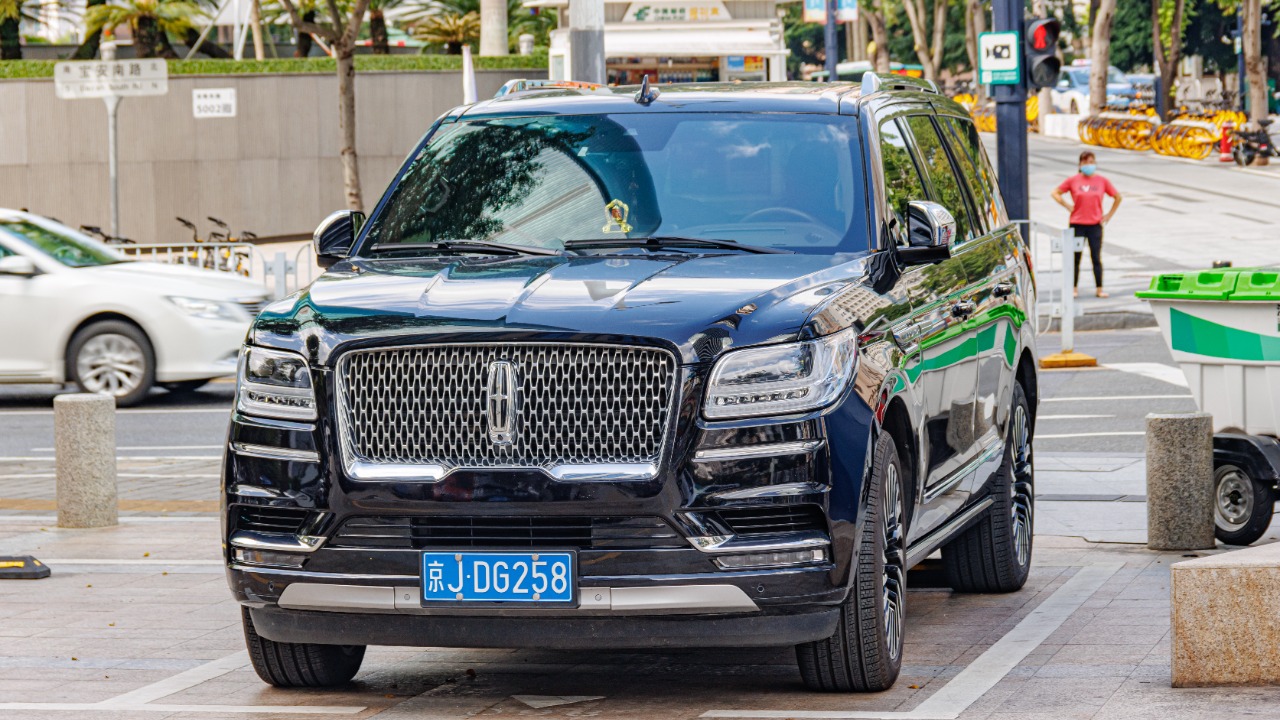
Cars.com’s 2026 index ranks the Navigator No. 12 on its American-Made list, up from 69 the year before. A rise of 57 places is among the steepest in the data and moves a full-size luxury SUV from the back of the pack into the top dozen. Such a swing usually reflects changes in sourcing or assembly rather than any change in the vehicle’s appearance.
Luxury shoppers who want a domestic flagship now have a ranking to cite in the Navigator’s favor. Because the Cars.com index uses its own methodology, the position will not match Kogod’s list exactly.
12. Lincoln Aviator: Another Lincoln Riser
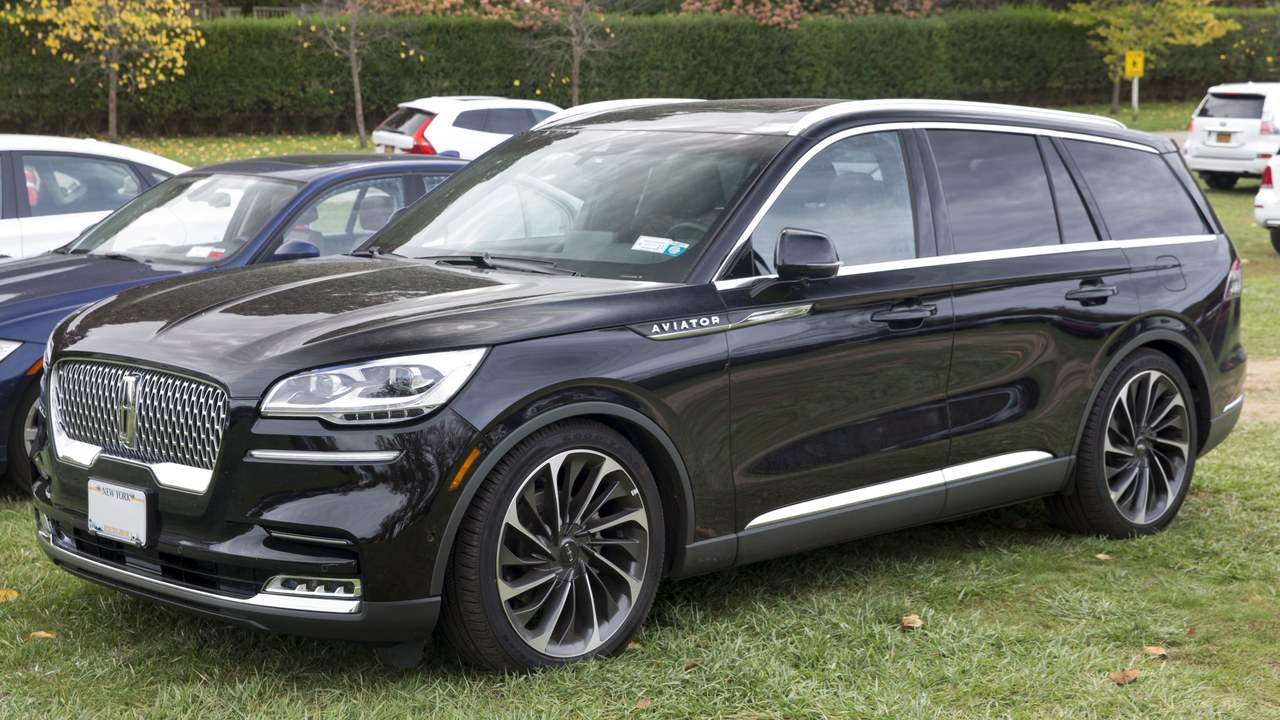
The Aviator takes No. 14 on the Cars.com American-Made ranking for 2026, improving from No. 28 the previous year. That gain of 14 places is smaller than the Navigator’s, yet it still means Lincoln has two vehicles in the top fifteen. A luxury crossover reaching this tier suggests the brand’s sourcing shift covers more than a single model.
Buyers comparing luxury SUVs can use the fourteenth-place finish as one data point on domestic content. As with the Navigator, the Cars.com methodology differs from other published indexes.
More from Morning Overview
- Doctors warn a silent liver disease now affects one in three American adults
- The FBI told the rest of ShinyHunters to surrender after a 24-year-old was arrested
- Two passengers died at an Ohio toll plaza, and the NTSB now wants the cash lanes shut
- Long use of a common prostate pill is tied to a higher chance of glaucoma
