
The 1950s gave American drivers chrome, tailfins and a fast-growing taste for horsepower. The cars that defined the decade ranged from two-seat sports cars to luxury coupes priced beyond most households, and each had a number that explains its fame. Here are eleven machines whose power, price or rarity still sets them apart.
1. Ford Thunderbird (1955): Two Seats, One V8
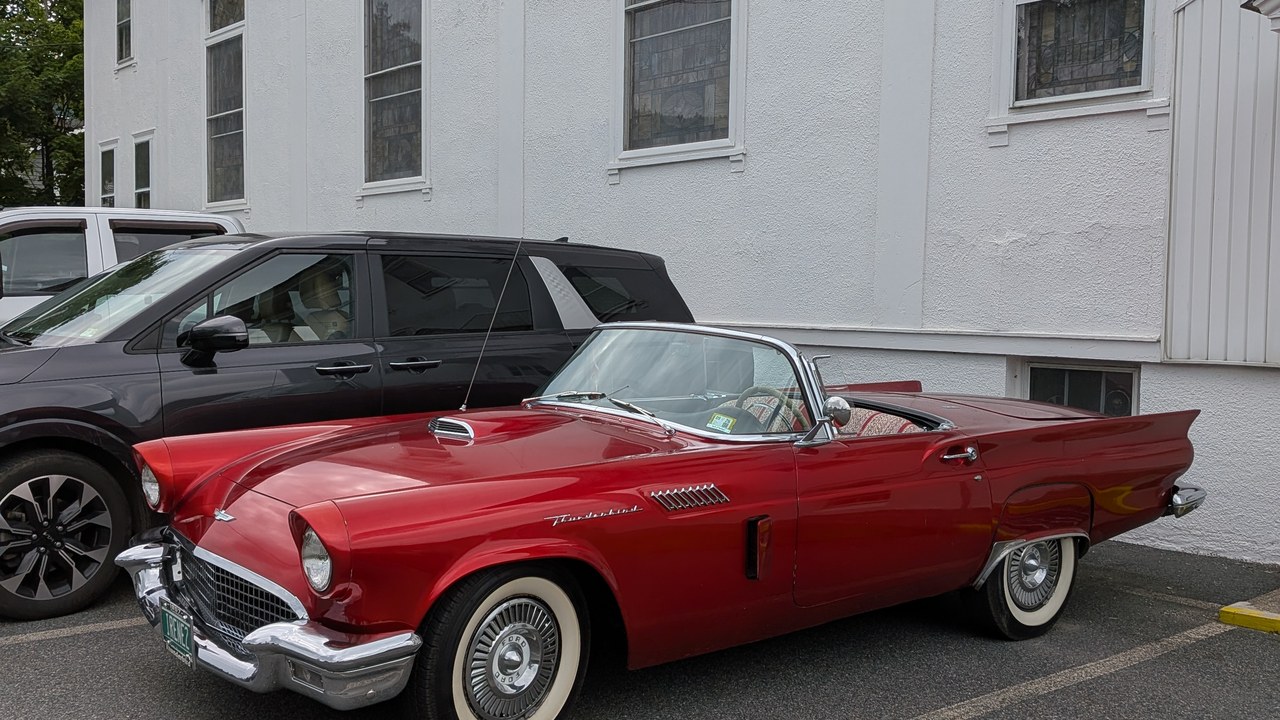
The decade’s original two-seat Thunderbird carried a 292-cubic-inch V8 that delivered 193 horsepower, as an AOL classics roundup notes. That pairing of a compact open body with a V8 of that size gave the debut model its sporting reputation and helped define what a personal car could be.
For a buyer or admirer, the figures are the quickest way to understand the original’s appeal. The two-seat layout and the 193-horsepower rating are the details that mark the first-year model apart in any conversation about the decade’s landmark cars.
2. Chevrolet Corvette (1953): Polo White and Rare
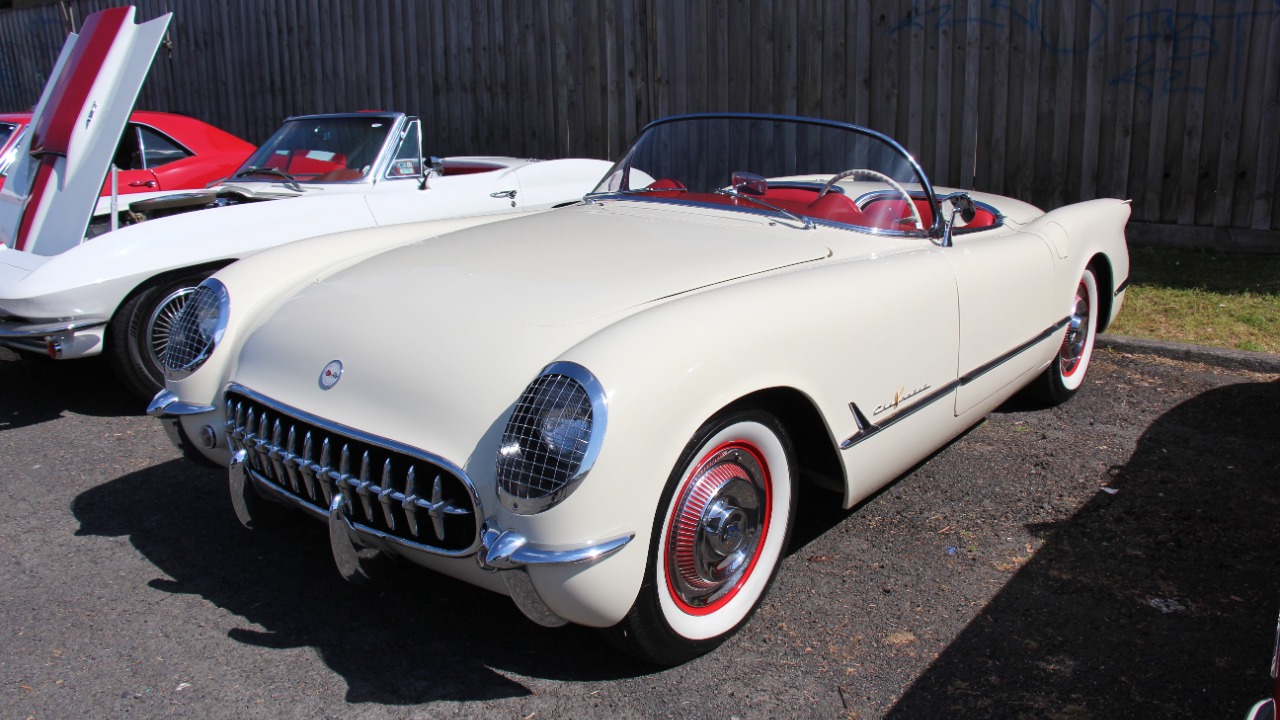
Only 300 were built in that first year, all of them Polo White and powered by a 150-hp six, according to the AOL tour of icons. A run that small and a single paint color make the debut car a very different object from the Corvettes that came afterward.
The modest six-cylinder output shows how far the nameplate had still to travel. For a collector, the scarcity and the one-color rule are what matter, because they give any claim of a first-year car clear facts to check against.
3. Continental Mark II (1956): Priced Above Two Cadillacs
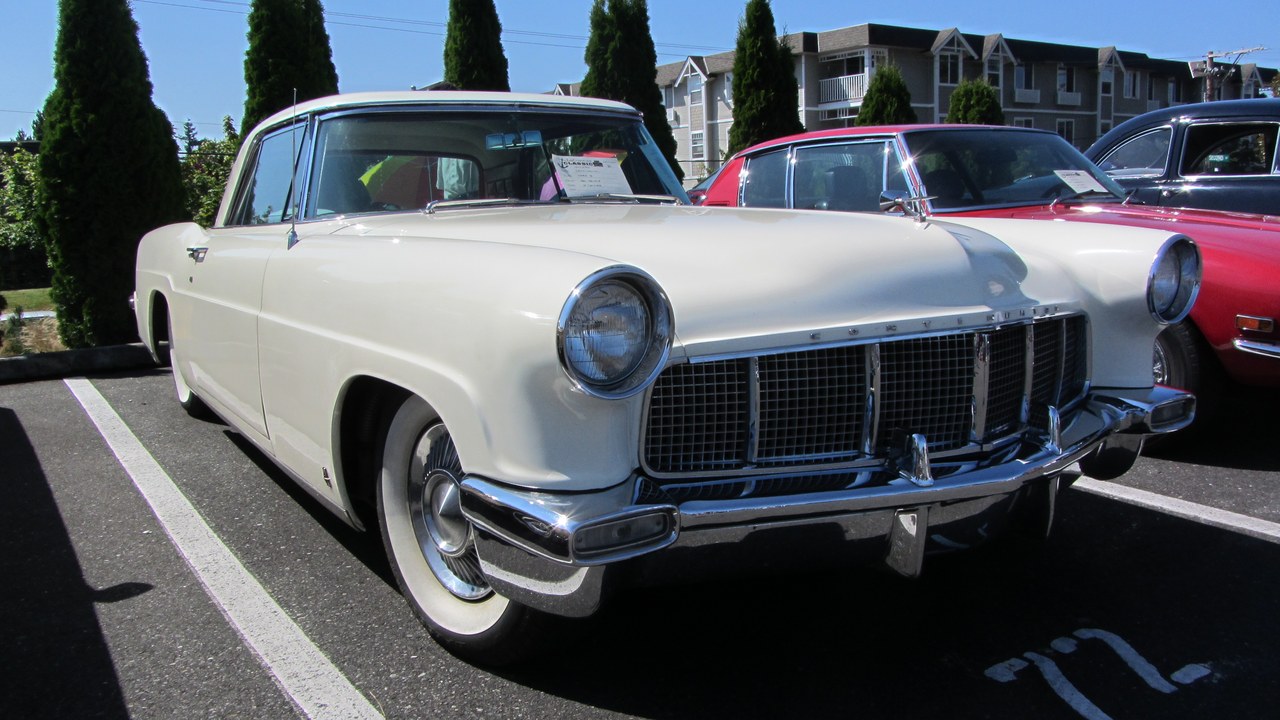
Priced at $9,966 in 1956, it cost more than two Cadillacs, and only 3,005 were built, an AOL feature on classics explains. That mix of sticker shock and small production made the car a deliberate statement of prestige rather than a volume seller.
The price grabs the attention, but the low build count is what keeps the model scarce today. Anyone weighing one should read both numbers as evidence of how exclusive the original offering was meant to be.
4. Pontiac Bonneville (1957): Injected and Scarce
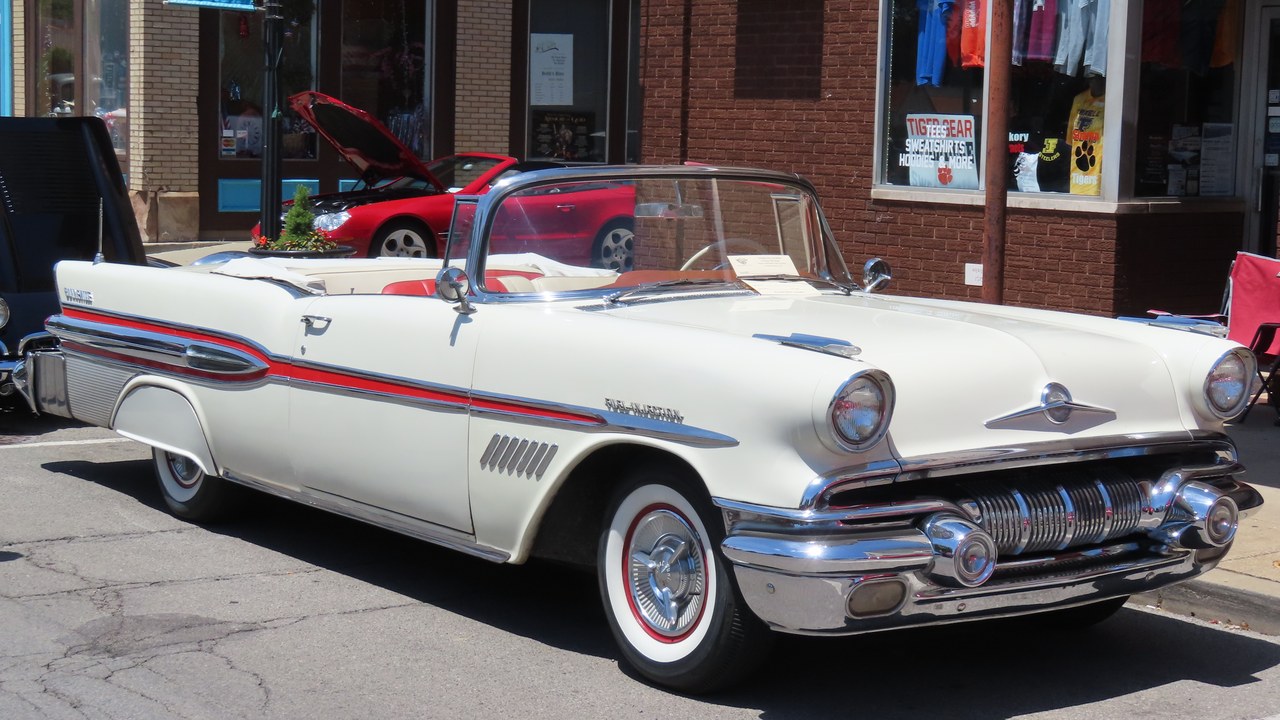
Only 630 were built in its debut year, and each carried 310 fuel-injected horsepower, per the AOL classics report. Fuel injection together with such a small production count makes this one of the more unusual entries on any list of the era’s cars.
For an owner or buyer, that count means finding an original is a hunt rather than a purchase. The injected 310-horsepower engine is the detail that sets this rare debut apart from the many cars that later wore the Bonneville name.
5. Studebaker Golden Hawk (1957): Packard Power in a Hawk
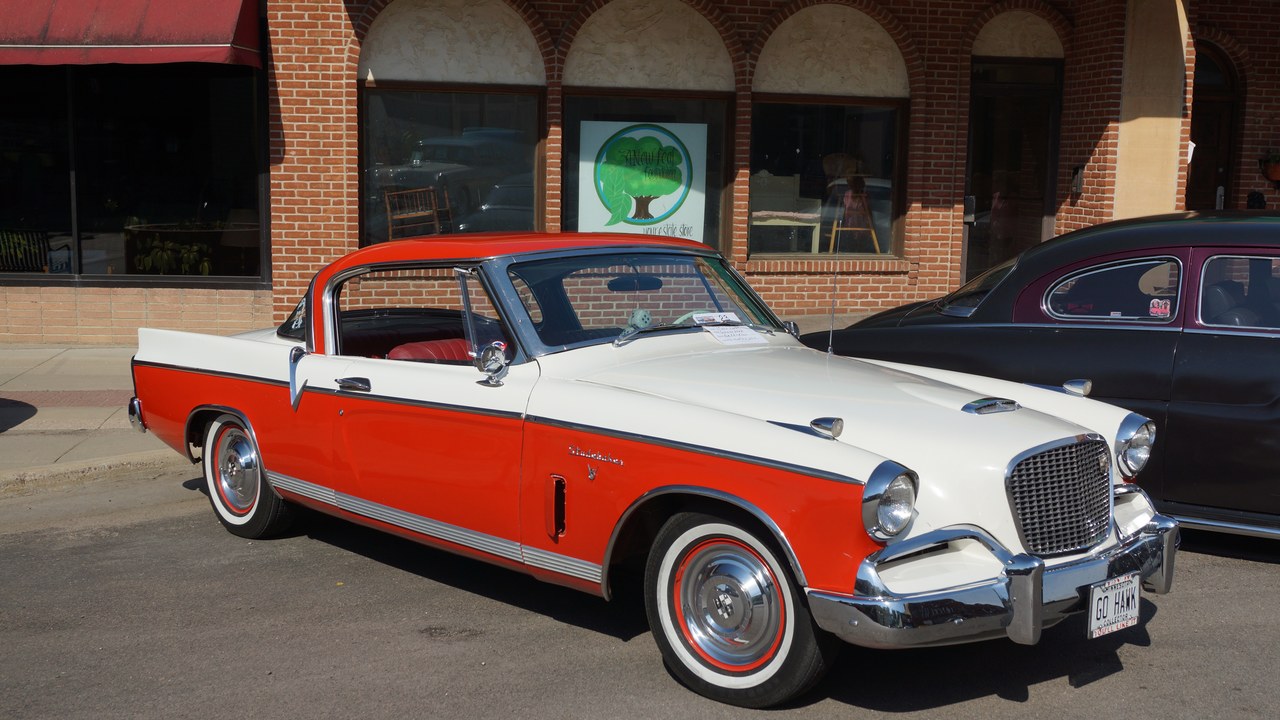
Its Packard-derived 352 V8 offered 275 horsepower, a figure highlighted in Jalopnik’s Hagerty collector list. The engine gave the Studebaker a power rating that stands out among collectible American cars from the 1950s.
That output helps explain the car’s place among collectible machines of the decade. Buyers drawn to it should note that the power comes from a Packard-derived design, a heritage that is part of the Golden Hawk’s story.
6. DeSoto Adventurer: Hemi Muscle, Few Made
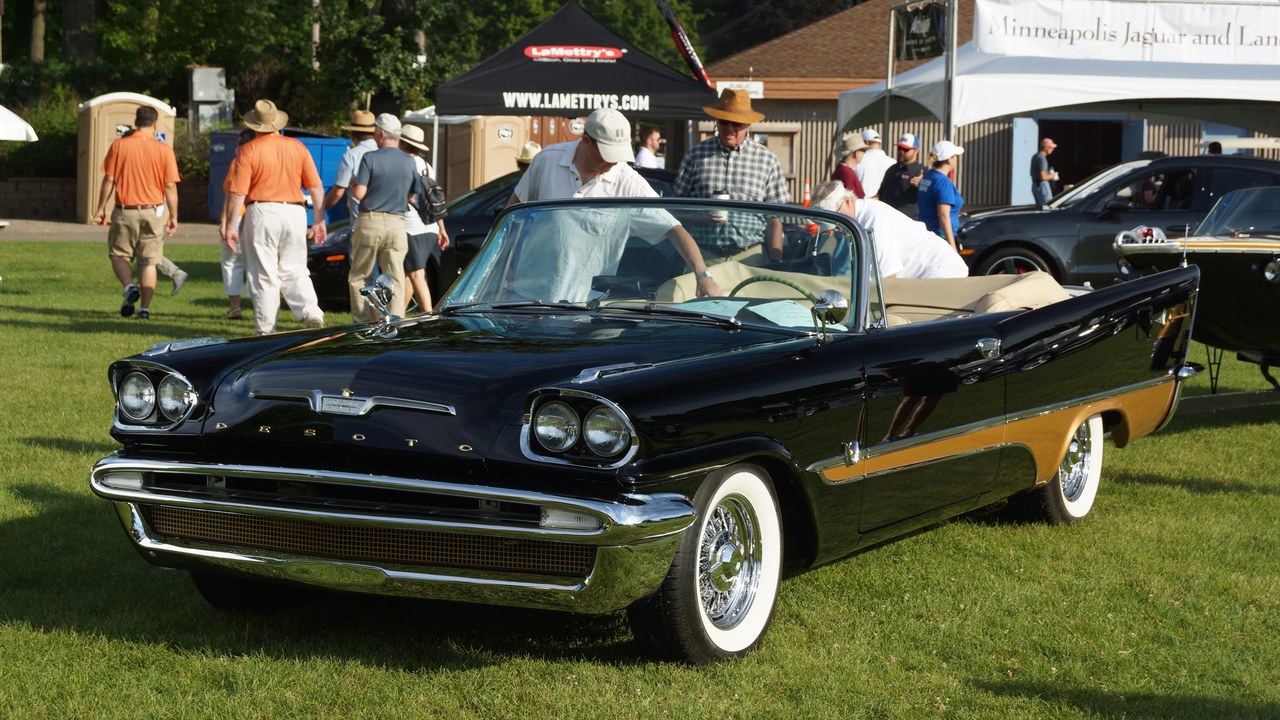
Its Hemi V8 pushed out 320 horsepower, and just 497 convertibles were made, based on the Jalopnik valuation rundown. The pairing of a large output with such a short convertible run gives the model a place on any list of defining cars from the decade.
For a collector, the low convertible count is the main attraction, since it sets that body style apart from more common cars of the period. The 320-horsepower figure is the other number worth remembering when comparing it with its contemporaries.
7. Chrysler 300B (1956): Hemi Up to 355
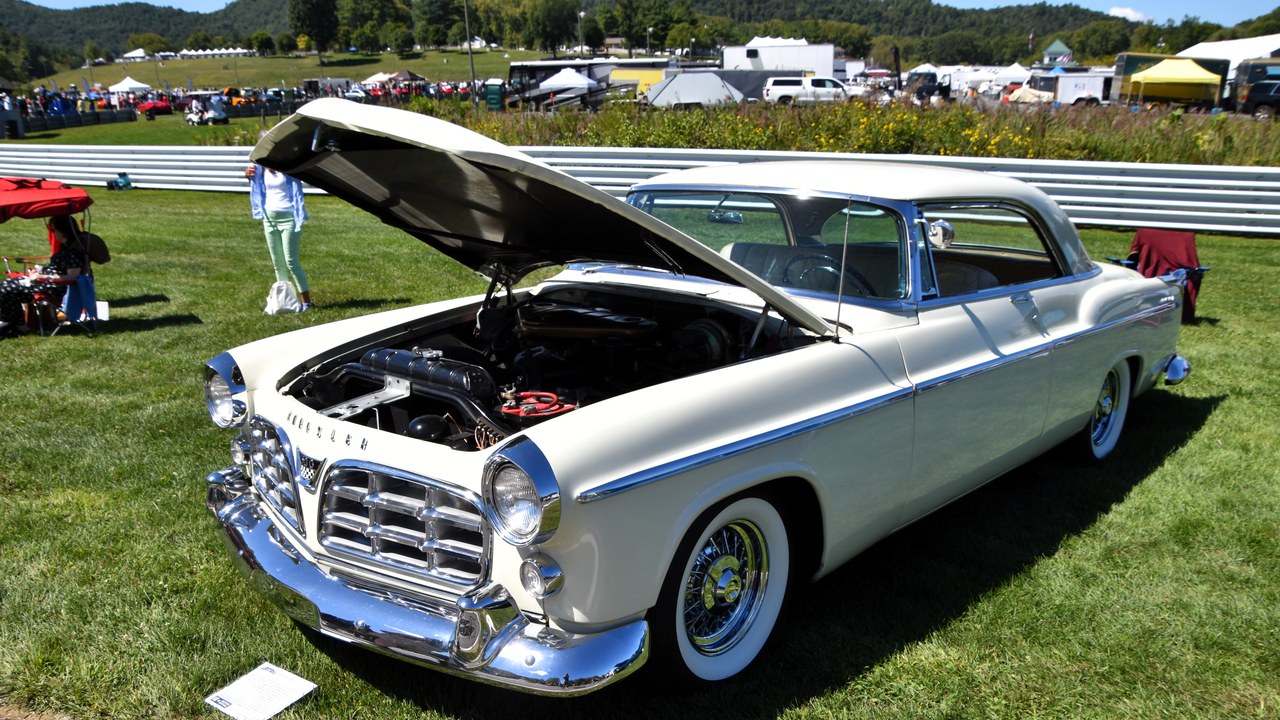
Its Hemi V8 made up to 355 horsepower, the number cited by Jalopnik’s collector-car list for the 300B. That rating put real performance credentials behind a car that already carried a premium reputation among the decade’s landmark models.
The phrase up to is a reminder that output depended on the engine setup chosen. For an owner or shopper, the 355 figure is the headline spec, and it is the number that anchors the car’s standing among the decade’s strongest performers.
8. Chevrolet Bel Air (1955): Horsepower War Begins
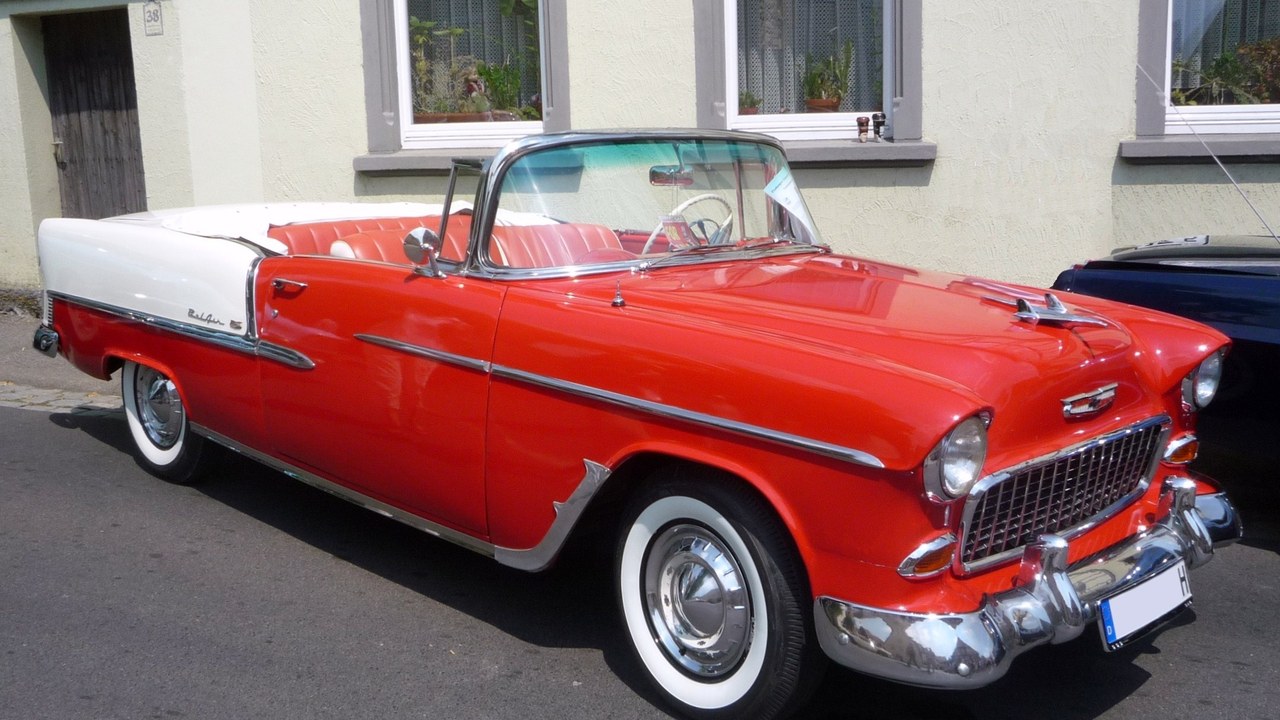
The 1955 Bel Air fired the first shots of the horsepower war when the Corvette’s 265 V8 was dropped into it, as a KXAN muscle-car guide recounts. A family-oriented model suddenly carried an engine shared with the sports car.
That move showed what a mainstream Chevrolet could become. For an enthusiast, the 265 V8 is the detail to look for, because it connects a popular body style to the start of a performance rivalry that shaped the rest of the decade.
9. Edsel (1958): Half the Forecast
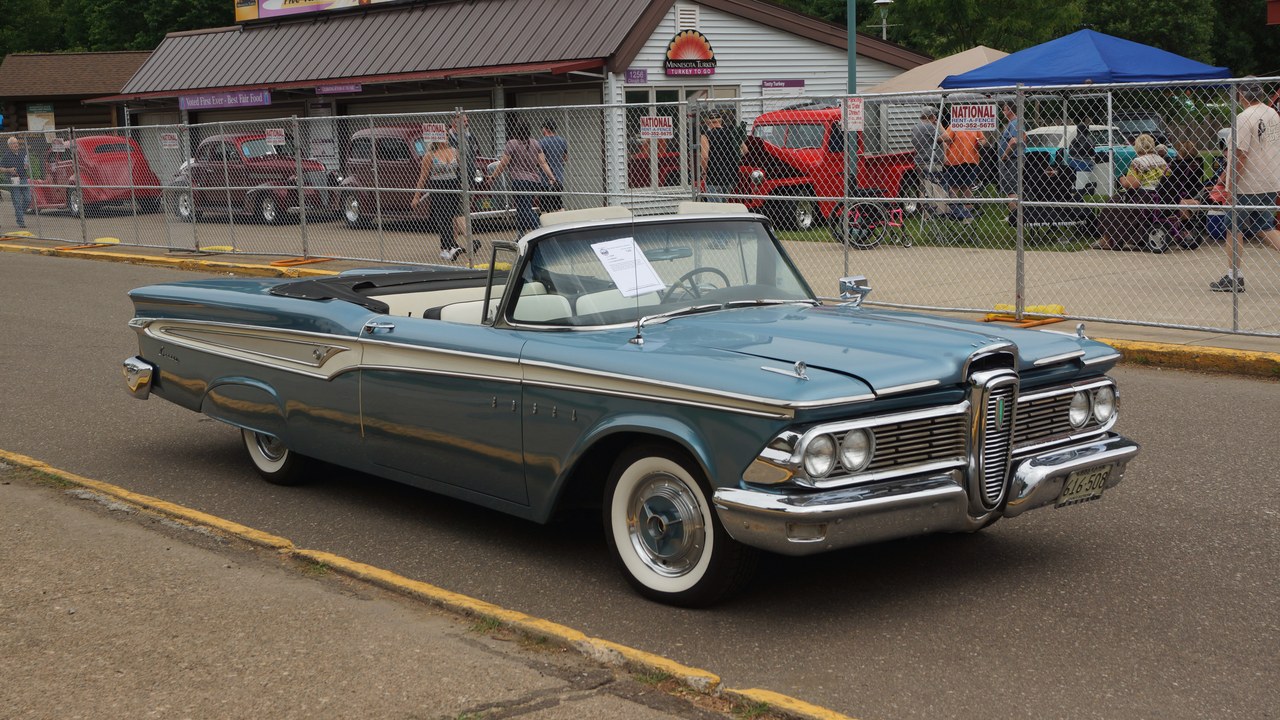
Ford’s 1958 newcomer sold just 84,000 cars, about half of projections, according to an NBC News retrospective. The distance between the forecast and the actual result became the defining fact of the car’s story.
The shortfall is why the name still serves as shorthand for a market misjudgment. Collectors who enjoy a good cautionary tale often prize it for exactly that reason, and the sales figure shows the first-year production was not tiny, just short of the plan.
10. Ford Fairlane (1955-1957): Ford’s Best Year Since 1923
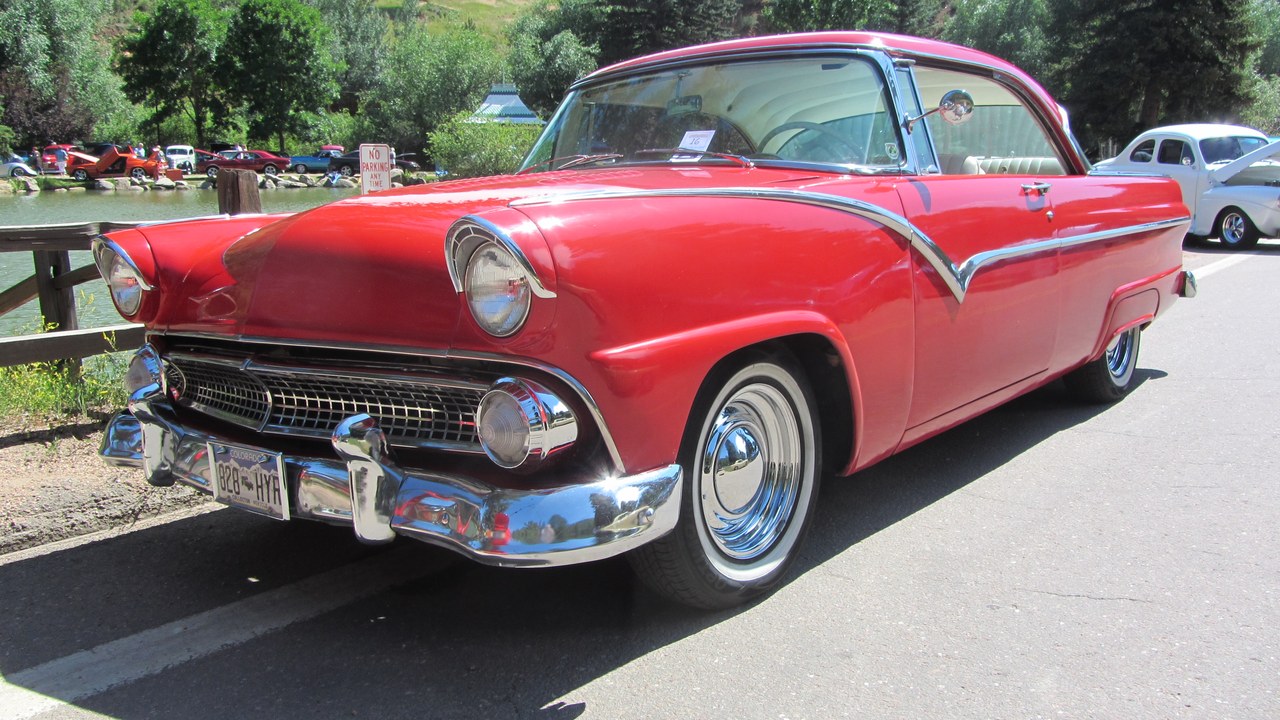
The Fairlane helped Ford record its best sales year since 1923, and the 1957 Ford outsold Chevrolet for the model year, as Hagerty’s Fairlane valuation page records. Beating its biggest rival for a model year was a notable result for the company.
That success makes the nameplate a symbol of Ford’s sales strength rather than a niche collectible. For buyers, the 1955 to 1957 span covers three model years of the same line, so the sales record is the best context for judging where it fits among the decade’s cars.
11. Cadillac Eldorado (1953): An Astronomical Price
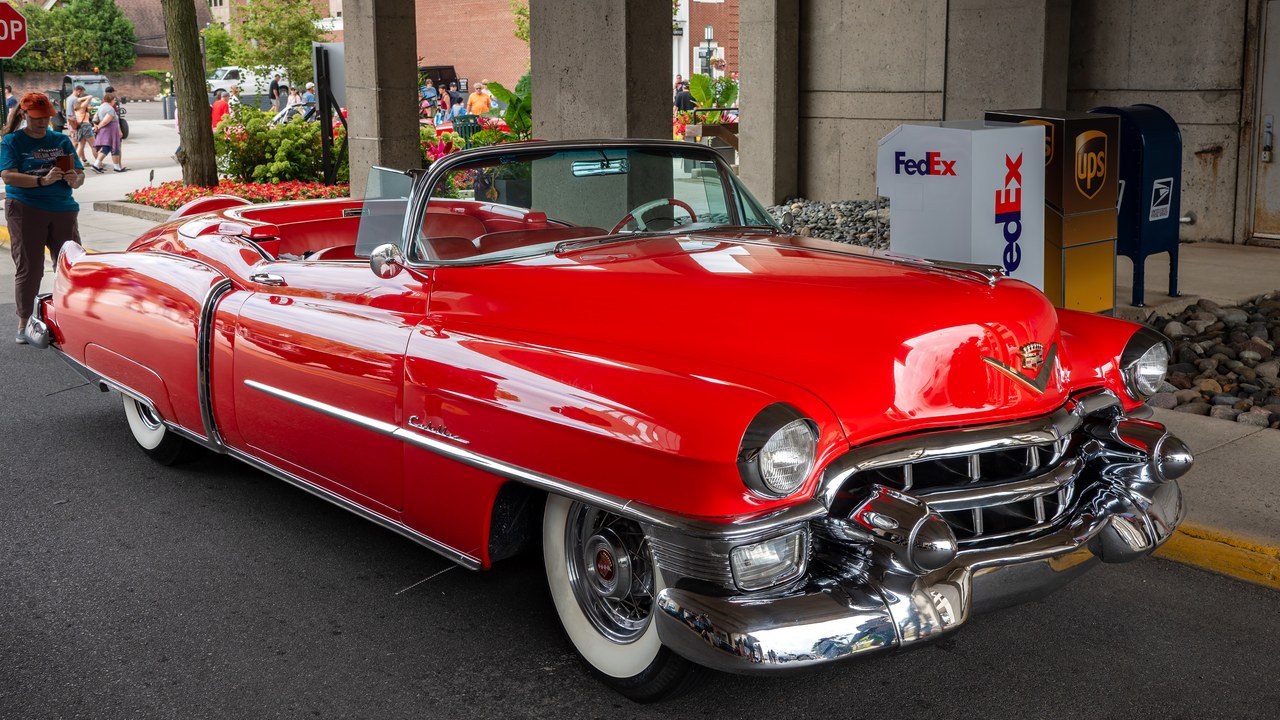
At $7,750, it was an astronomical price in 1953, and just 532 buyers chose one that year, as Hagerty’s Eldorado valuation entry notes. A sticker like that limited the audience to a small circle of customers willing to pay for exclusivity.
The low count is why the debut Eldorado remains a prized find. Anyone interested should treat the 532 figure as a hint at how exclusive the car was when new, and the price as the reason so few buyers signed up.
More from Morning Overview
- Hurricane Hunter radar shows four warning signs that a tropical cyclone is about to strengthen, a University of Miami study found
- Tropical Storm Rachel is dumping up to 12 inches on four Mexican states on its way to major hurricane strength
- The FTC says Lens.com doubled the price shoppers saw in Google ads
- Common allergy, bladder and sleep pills tied to sharply higher dementia odds
