
Some cars are remembered less for how they drove than for the scandals that followed them into courtrooms and congressional hearings. The cases span six decades and cover rollovers, fires, runaway throttles, rust, faulty ignitions and exploding air bags. Here are twelve vehicles at the center of the biggest safety controversies, starting with the Corvair and ending with a Tesla recall.
Stay ahead on AI: Join 600,000+ professionals who read The Deep View, the daily newsletter that keeps you up to date with artificial intelligence.
We may earn a commission if you sign up.
1. Chevrolet Corvair: Nader Takes Aim
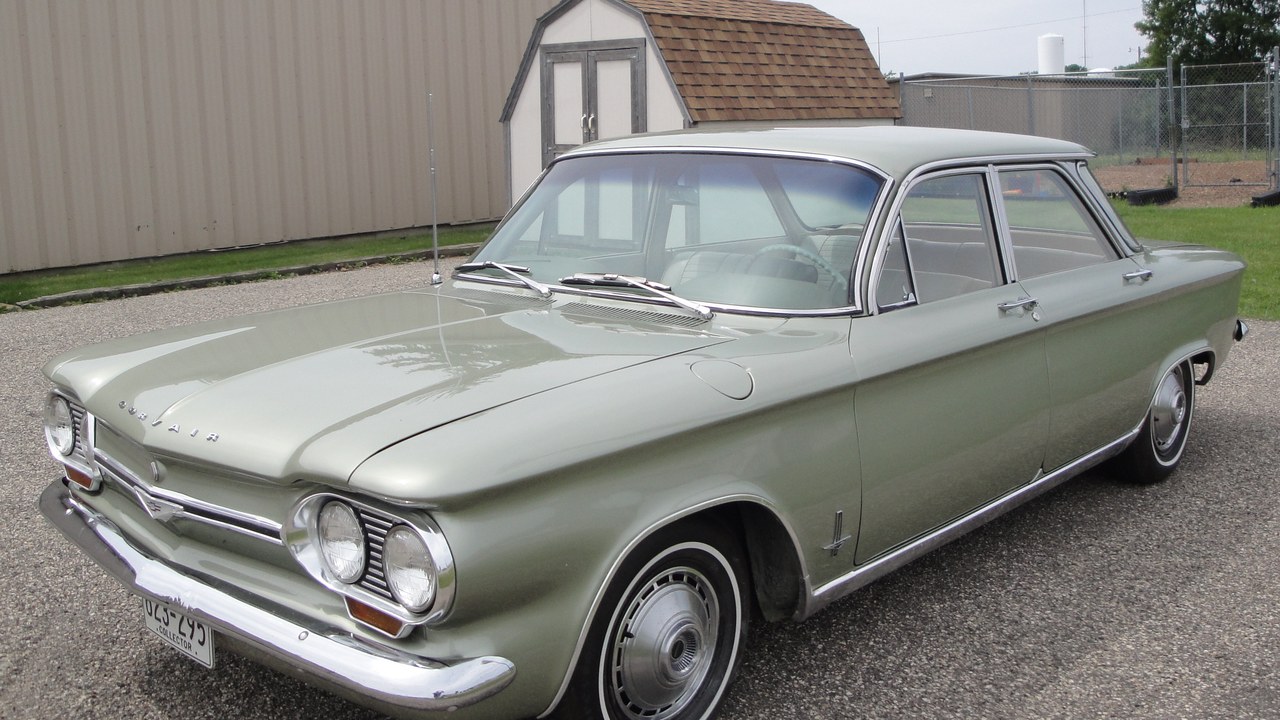
Ralph Nader’s 1965 book Unsafe at Any Speed singled out the 1960-63 Corvair for the ‘tuck under’ tendency of its swing-axle rear suspension. Congressional hearings that followed helped lead to the creation of the Department of Transportation in 1966.
The Corvair became the emblem of a new era of vehicle safety regulation in the United States. Its story is a reminder that a single book and a single model can reshape how an entire industry is regulated, long after production ended.
2. Ford Pinto: Pinto Fires
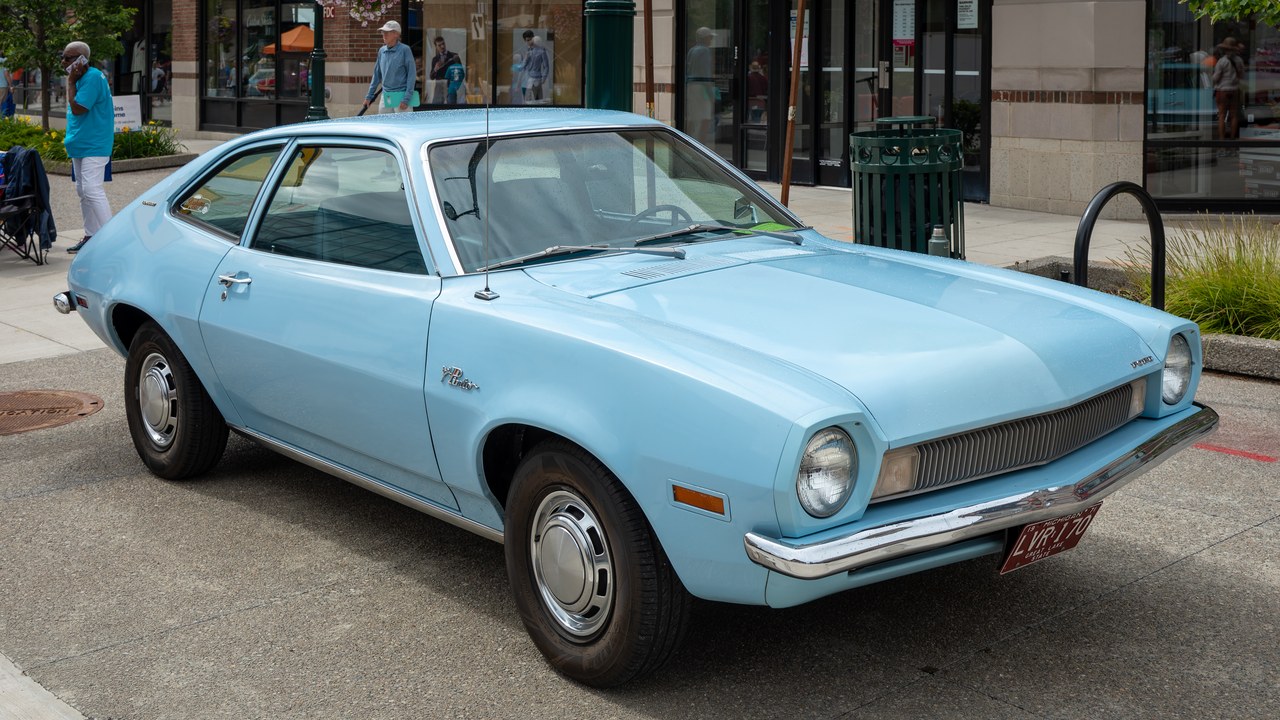
Ford recalled about 1.5 million Pintos and Bobcats in 1978 over fuel-tank fires, then the largest recall in automotive history. The small car’s name has been tied to corporate cost-benefit debates ever since.
The Pinto is still cited in business and engineering classrooms as a warning about weighing design fixes against cost. For used-car shoppers, it stands as a symbol of how much attitudes toward safety recalls have changed since the 1970s.
3. Audi 5000: Audi 5000 Accelerates
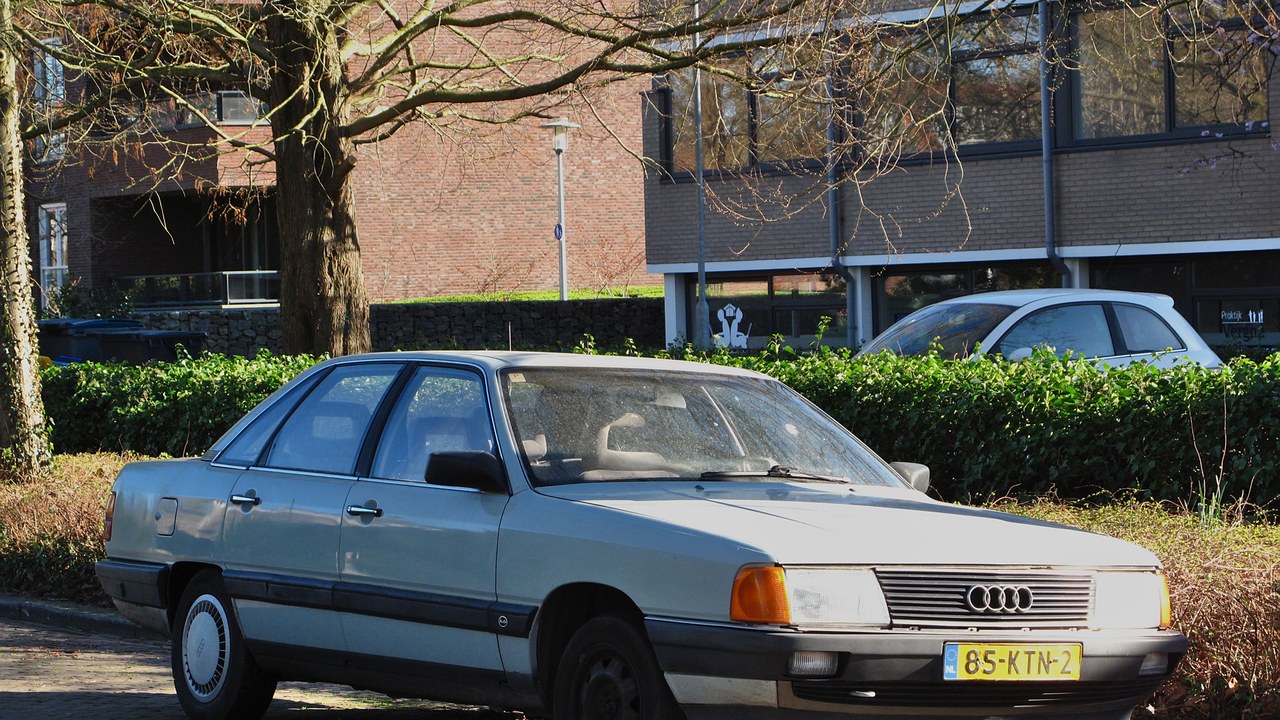
Recalls linked to six deaths and 700 accidents, plus a 60 Minutes segment, helped sink Audi’s U.S. sales from 74,061 in 1985 to 12,283 in 1991, as recounted in sudden unintended acceleration coverage. The Audi 5000 was the car at the center of that storm.
The episode showed how quickly a media-driven safety story can erase a brand’s momentum. Audi needed years to rebuild its American reputation, and the case is still studied by marketers and regulators alike.
4. Suzuki Samurai: Samurai Rollover Fight
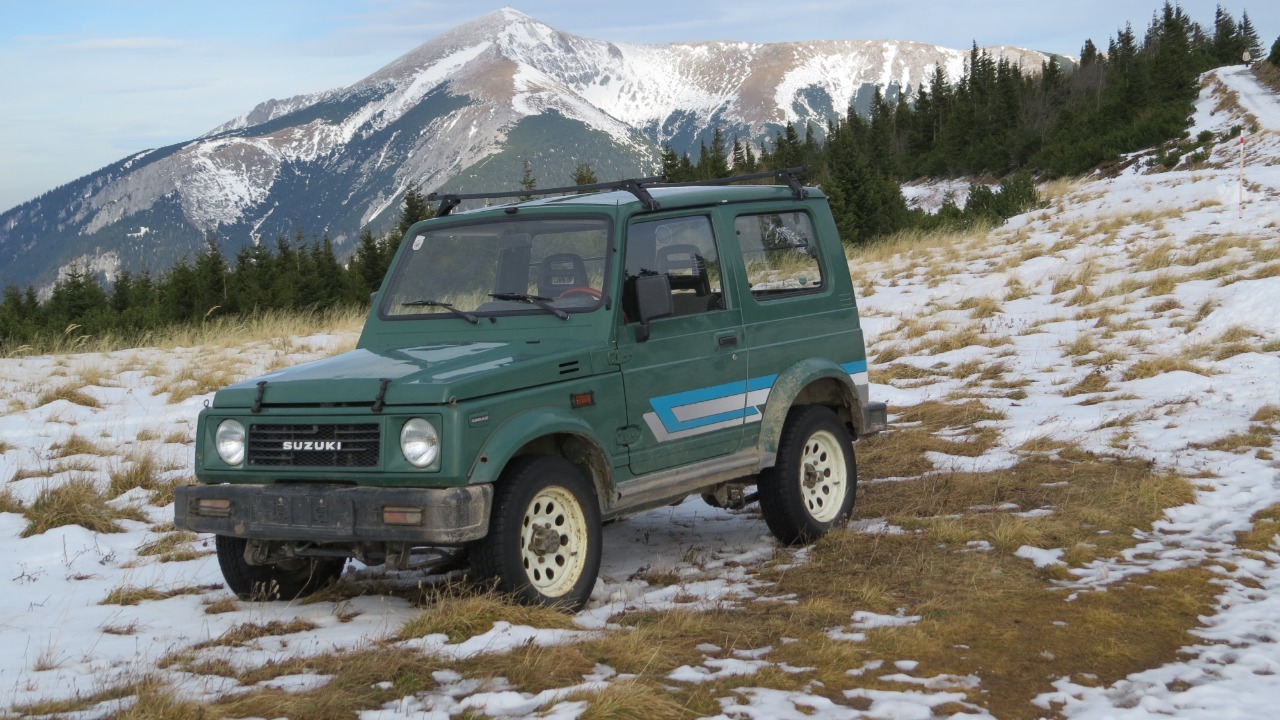
A 1988 Consumer Reports review called the $6,200 Samurai unsafe and prone to rollovers, setting off a libel fight. The compact Suzuki SUV was a bargain-priced off-roader at the time.
The dispute turned a small utility vehicle into a case study on how consumer publications and manufacturers handle safety claims. Buyers of classic Samurais today often cite the original controversy as part of the vehicle’s lore. It remains one of the more memorable examples of a product review becoming a legal and regulatory flashpoint.
5. Jeep Grand Cherokee: Cruise Control Surge
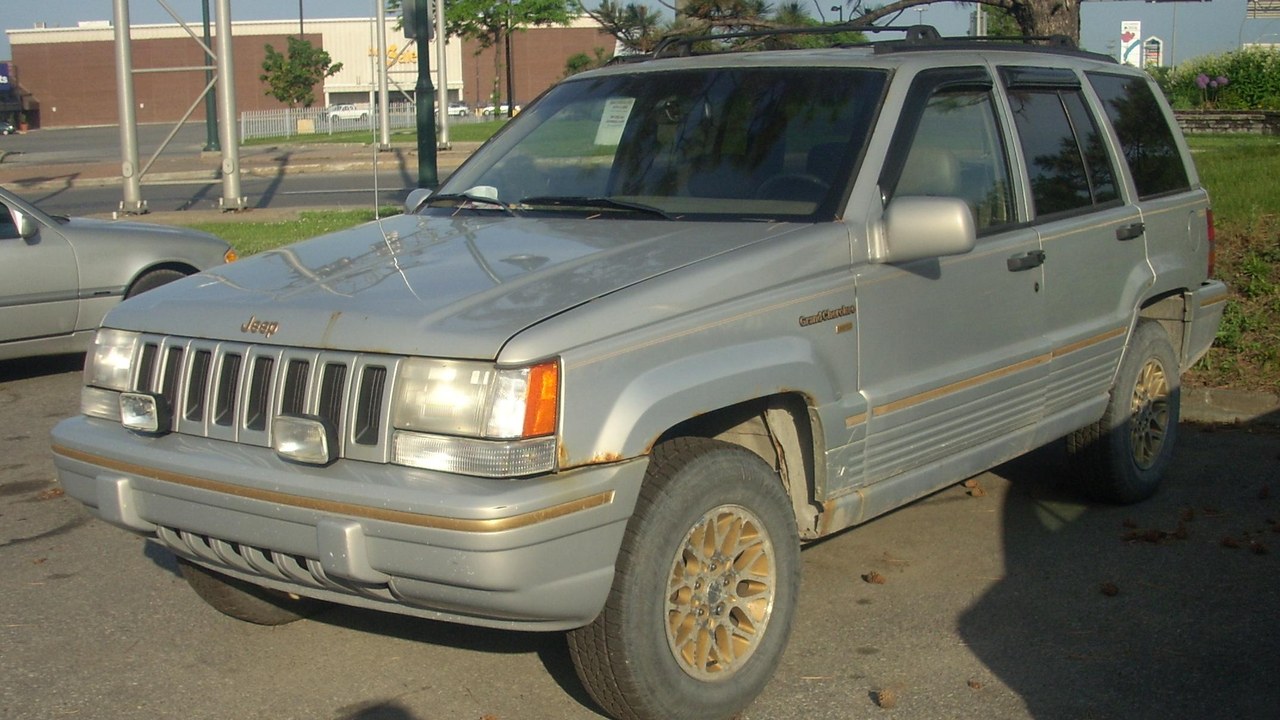
Hundreds of sudden-acceleration reports on 1990s Jeeps were traced to a current leak that could trigger the cruise-control servo. The Grand Cherokee was among the models involved in those complaints.
The finding turned a vague worry about runaway throttles into a specific electrical fault. The story is another reminder that complaints about sudden acceleration often had more than one possible cause across different brands. Shoppers looking at a 1990s Jeep today can treat the history as context rather than a reason to avoid the model outright.
6. Ford Explorer: Explorer on Firestones
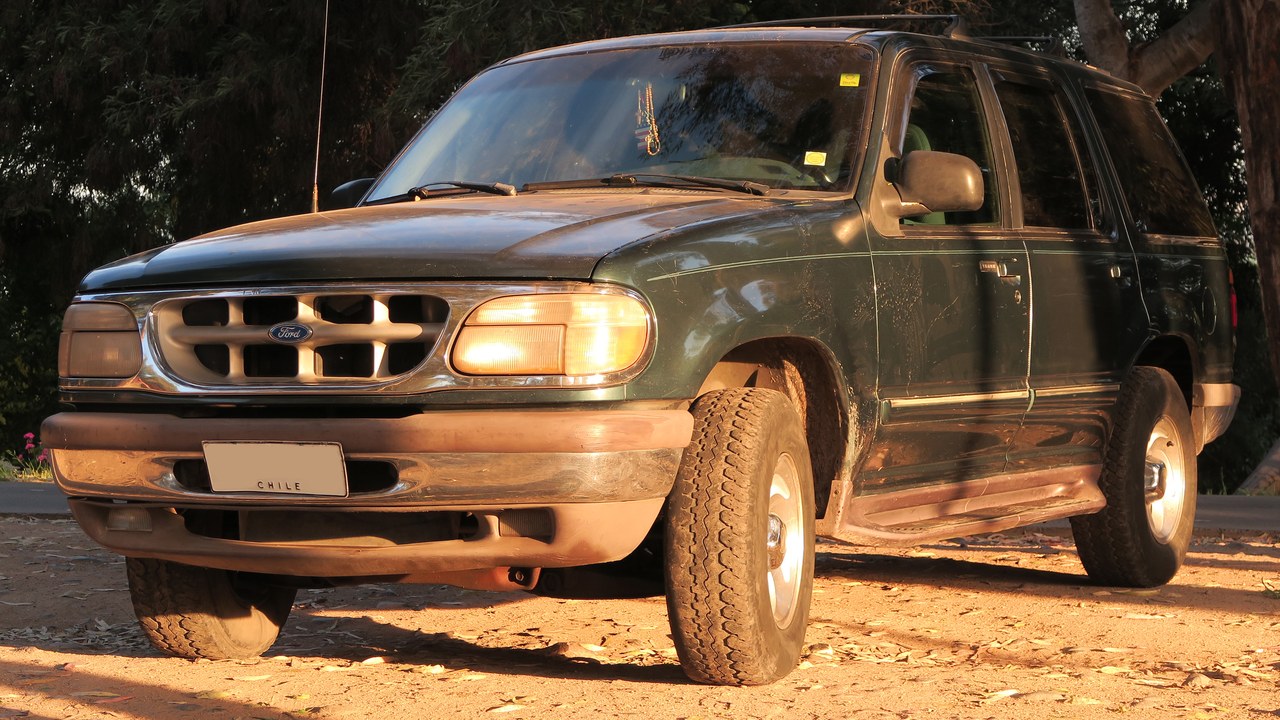
Firestone tire failures on Explorers killed 271 people in the U.S., led to recalls of 6.5 million and then 13 million tires and the TREAD Act. The Explorer was Ford’s best-known SUV at the time.
The case blurred the line between a tire defect and a vehicle design question, as both companies pointed at each other. It also led to new federal rules on tire pressure reporting and safety tracking.
7. Toyota Tacoma: Tacoma Frame Rust
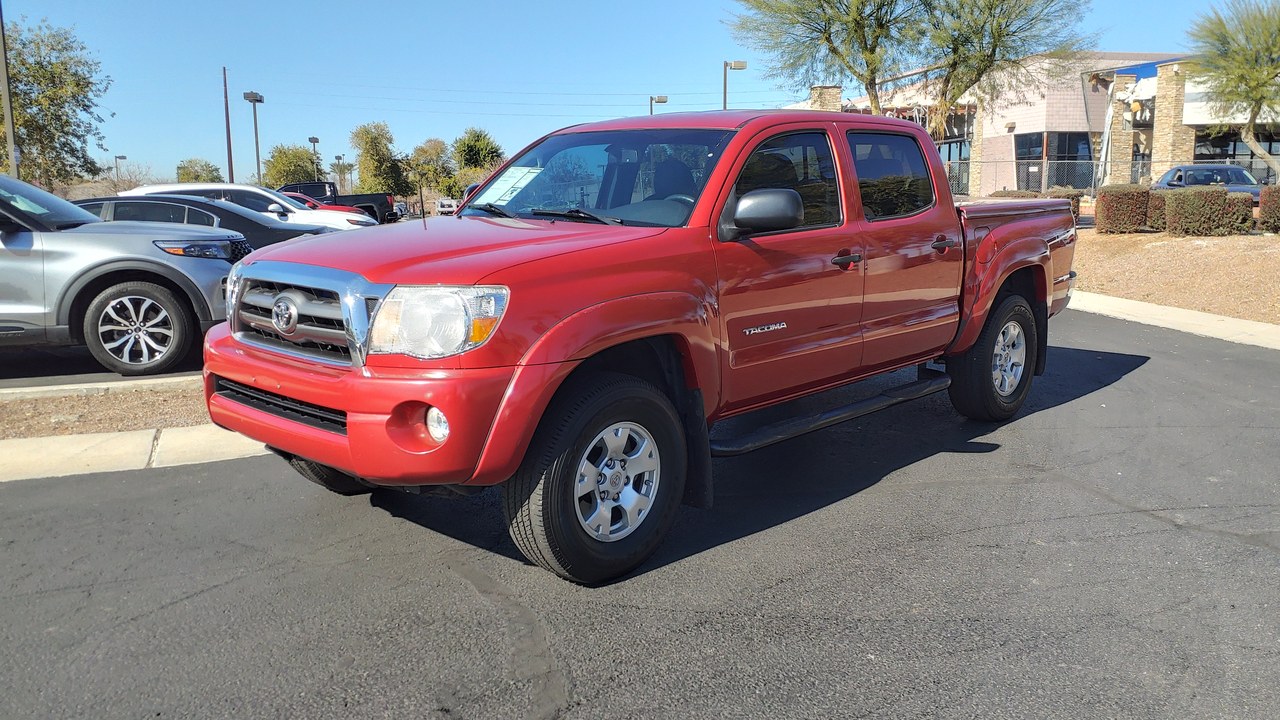
Frame rust hit over 800,000 Tacomas, and Toyota offered to buy back badly rusted trucks at 1.5 times their KBB value. The Tacoma is Toyota’s long-running midsize pickup.
For owners, the story underlines why underbody inspection matters on any older truck. Buyers considering a used Tacoma from the affected years should check the frame carefully and look at the recall history. Rust is a slow problem, which is why the trouble surfaced years after many of these trucks left dealer lots.
8. Lexus ES 350: Toyota’s Billion-Dollar Fine
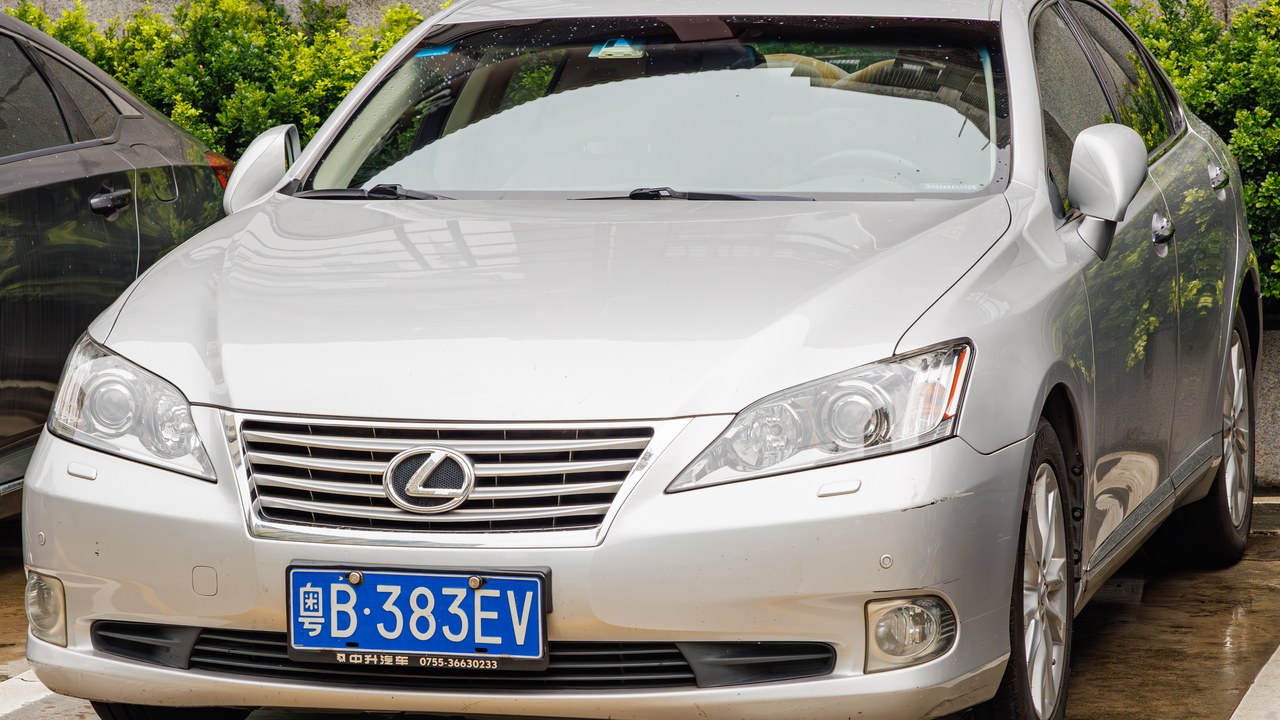
A 2009 San Diego crash that killed a family of four in an ES 350 led to Toyota’s $1.2 billion penalty, the largest penalty of its kind ever imposed on an automaker. The deal was announced in March 2014.
The crash became a defining moment in the unintended-acceleration saga for Toyota. It showed that a single tragic accident can change how a company is judged by regulators and the public for years afterward.
9. Chevrolet Cobalt: Cobalt Ignition Switches
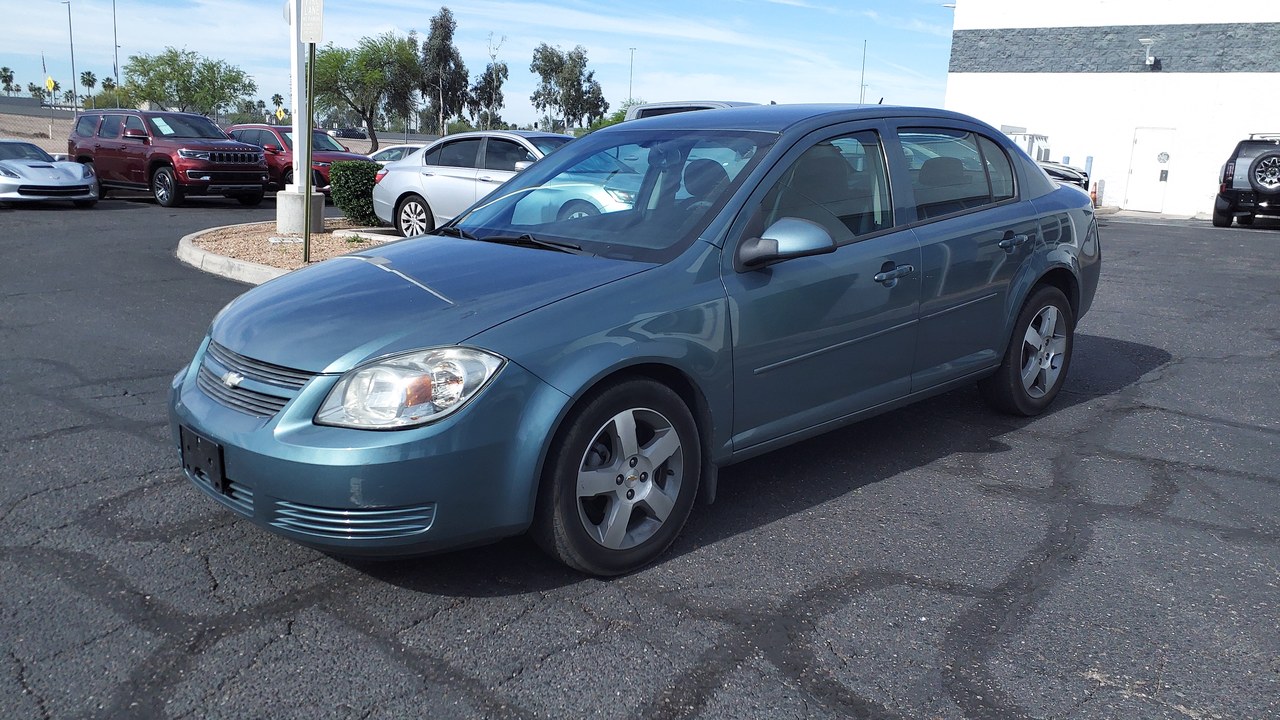
GM’s faulty ignition switches in cars like the Cobalt were linked to at least 124 deaths and a roughly $900 million fine. The compact Chevrolet was one of the best-known vehicles caught up in the case.
The scandal showed how a small component can cause a large-scale safety crisis. Owners of older compacts from that period should confirm that any open recall work has been completed. Used-car shoppers should look up open recalls on any older Cobalt or similar GM compact before buying one.
10. Honda Accord: Takata Air Bags
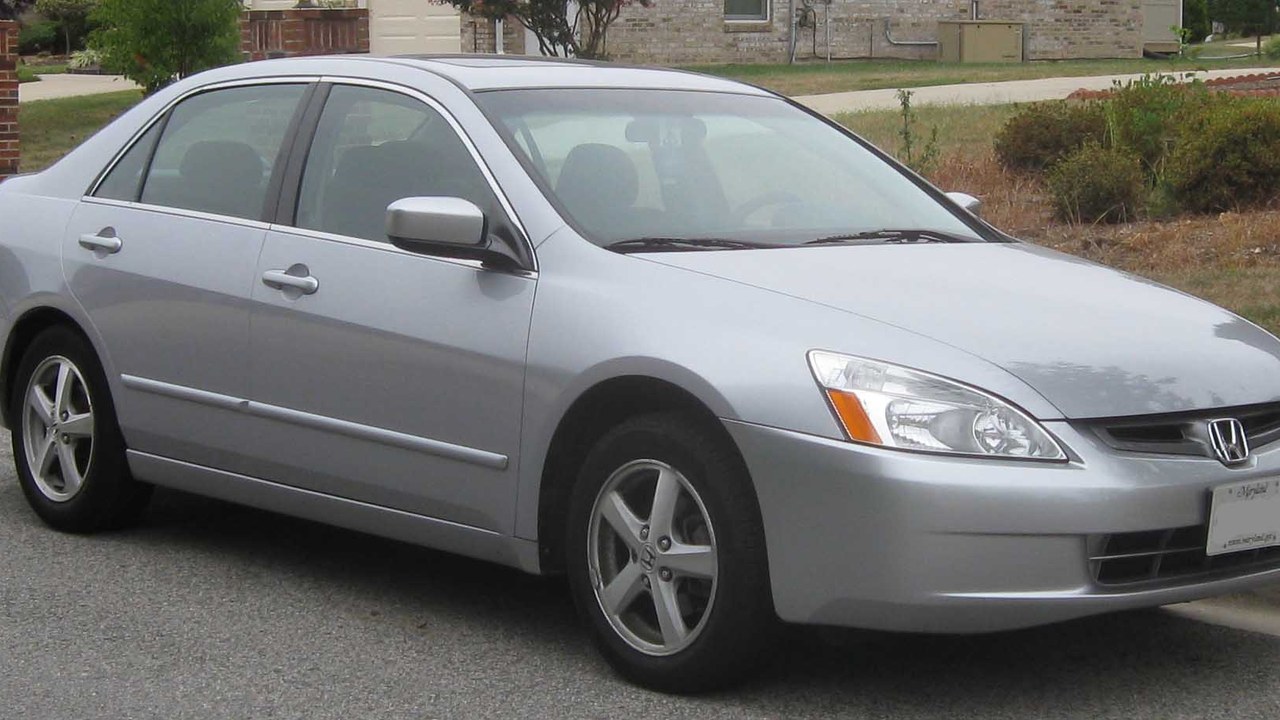
The 2001-2012 Accord is on NHTSA’s Takata list, a recall of about 67 million air bags tied to 28 U.S. deaths. The Honda sedan is one of many vehicles that carried the defective inflators.
The Takata recall is among the largest in automotive history, and it affected multiple brands. Used-car shoppers should always run a VIN check to confirm that any needed air bag work has been completed. Owners of the affected years can check their vehicle identification number with NHTSA to see whether the inflator has been replaced.
11. Hyundai Sonata: Theta II Penalties
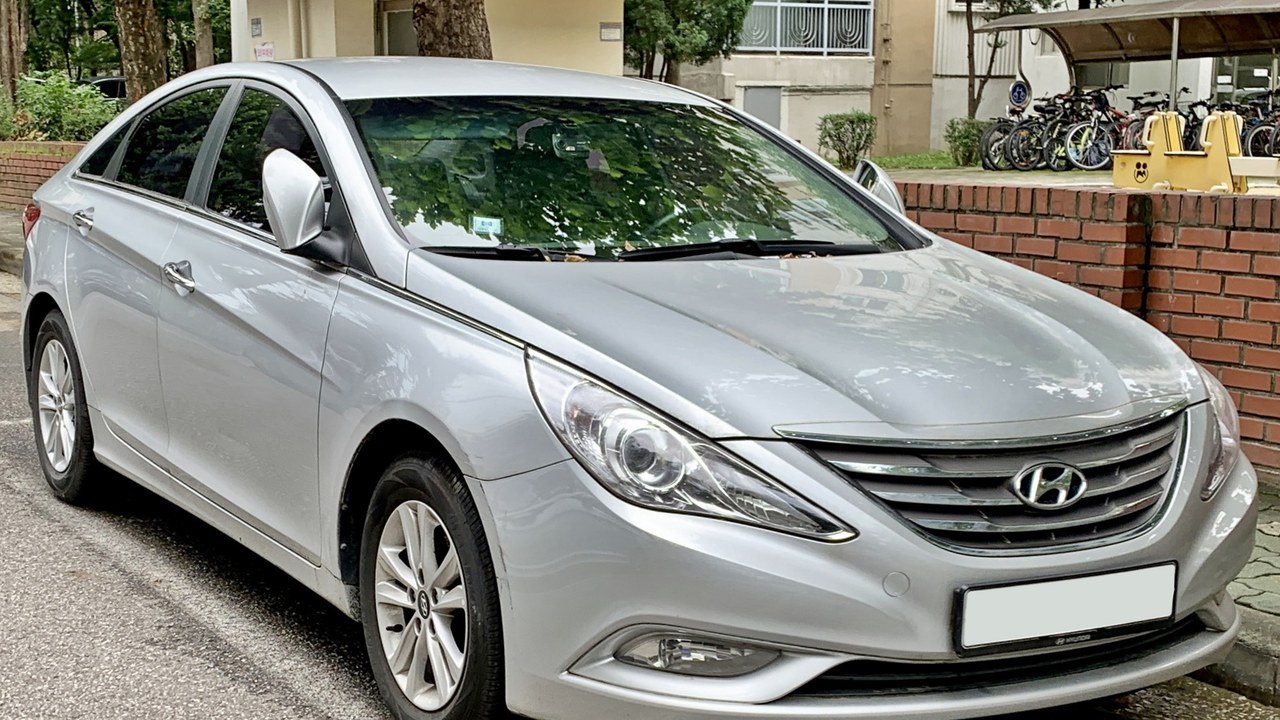
Hyundai and Kia paid $210 million in penalties over late recalls of more than 1.6 million Theta II-engine vehicles. The Sonata was among the models affected by the engine problem.
The case centered on how quickly manufacturers must act once they find a safety risk. It put automakers on notice that delays in reporting problems can be as costly as the defects themselves. Owners of affected Hyundai and Kia models should check their VIN for recall status and keep service records handy.
12. Tesla Model 3: Autosteer Recall
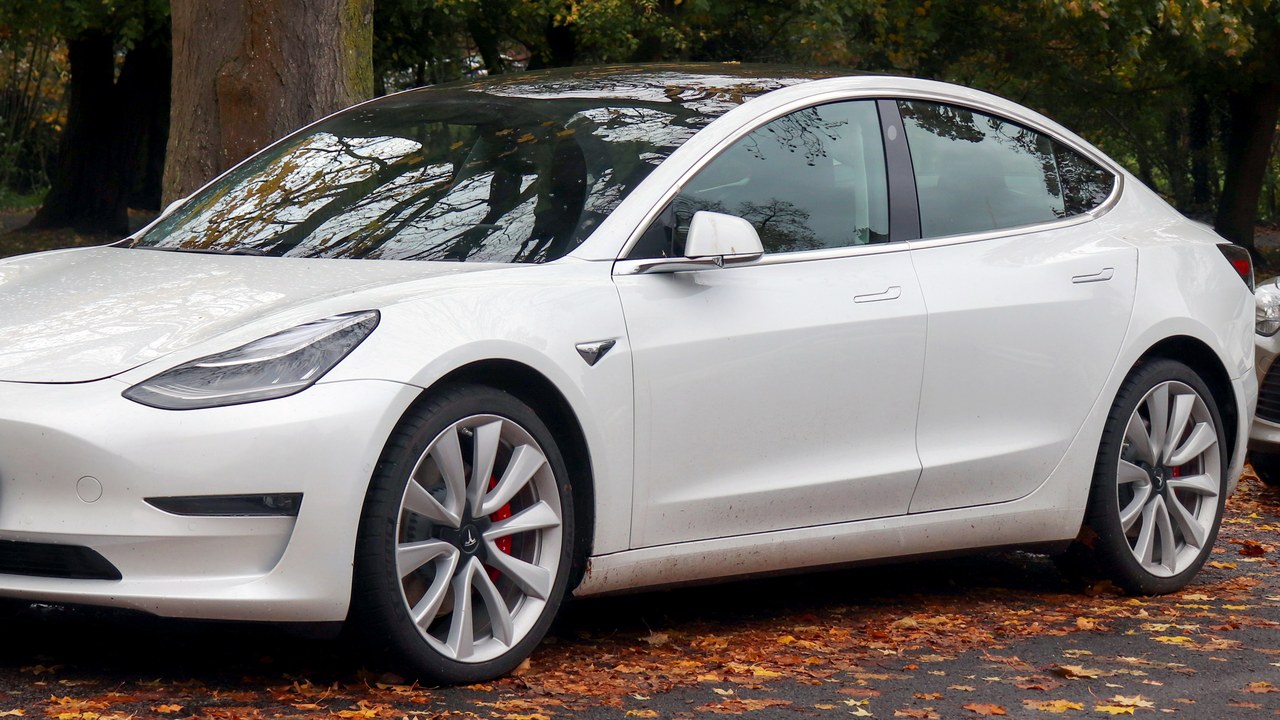
The Model 3 was part of Tesla’s December 2023 Autosteer recall covering 2,031,220 vehicles. It is the newest case on this list and the only one built around driver-assistance software.
The recall showed that software, and not only hardware, can be the subject of a safety campaign. It also raised new questions about how regulators should oversee driver-assistance features. Owners of the affected years should confirm that the recall remedy has been applied to their particular car.
Stay ahead on AI: Subscribe to The Deep View →
We may earn a commission if you sign up.
More from Morning Overview
- Long use of a common prostate pill is tied to a higher chance of glaucoma
- Ford is recalling 223,472 F-150 pickups because the fuel tank can leak or detach
- Hybrids have 15% fewer problems than gas cars, while EVs and plug-in hybrids have about 80% more, Consumer Reports finds
- Regulators cleared the first U.S. small modular reactor, 4 months early
