
Some SUVs arrived with big promises and then watched buyers walk straight past them. This list covers misfires from the strangely styled to the oddly conceived, including a few that sold only a handful of units in a single year. Here are twelve SUVs that buyers rejected.
The tech news worth your time: 400,000+ professionals from Google, Apple and OpenAI read Techpresso, a daily email with the most interesting tech news and insights.
We may earn a commission if you sign up.
1. Pontiac Aztek: Bold Styling, Modest Sales
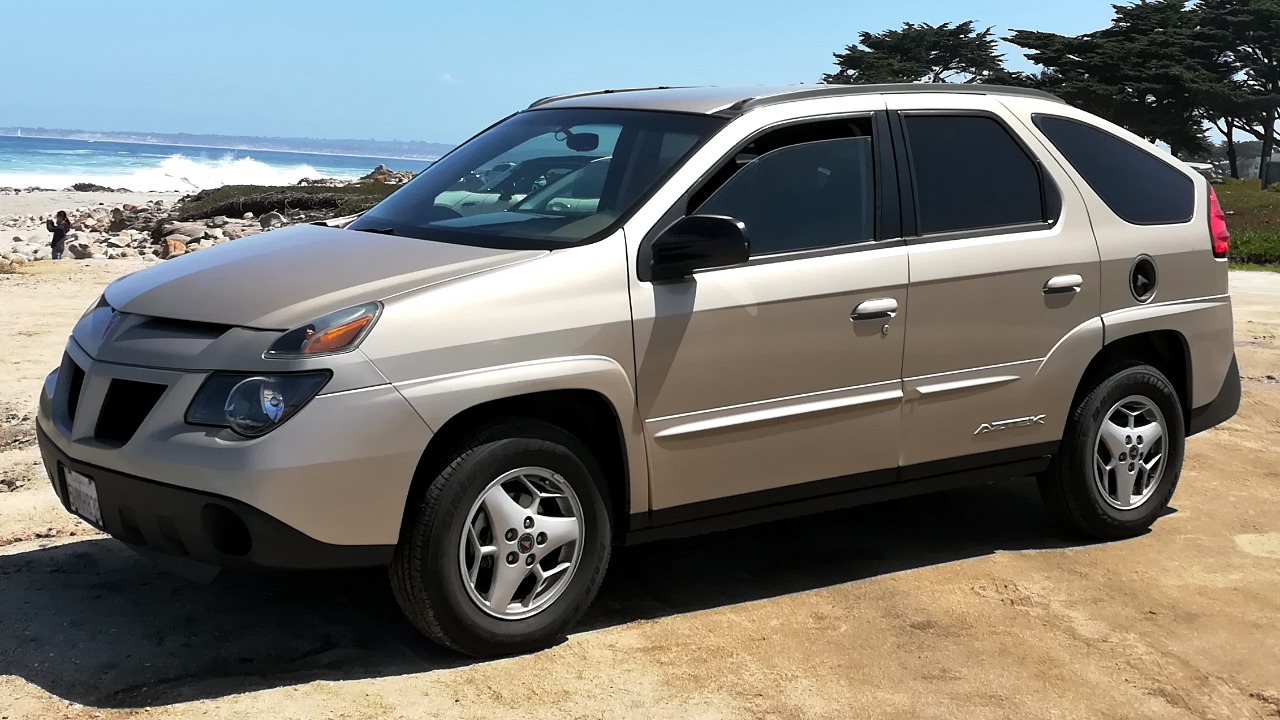
Pontiac launched the Aztek as a crossover aimed at active buyers, with a polarizing shape that quickly became a talking point. According to MotorBiscuit’s flop list, only 119,692 were sold over its five-year production run, which fell below GM’s expectations.
A crossover meant to anchor a younger, outdoorsy image for the brand ended up better known for its looks than its numbers. For Pontiac, that gap between ambition and showroom traffic made the Aztek a lasting cautionary tale about how styling can outrun what buyers are willing to park in a driveway.
2. Mazda Navajo: Explorer in Disguise
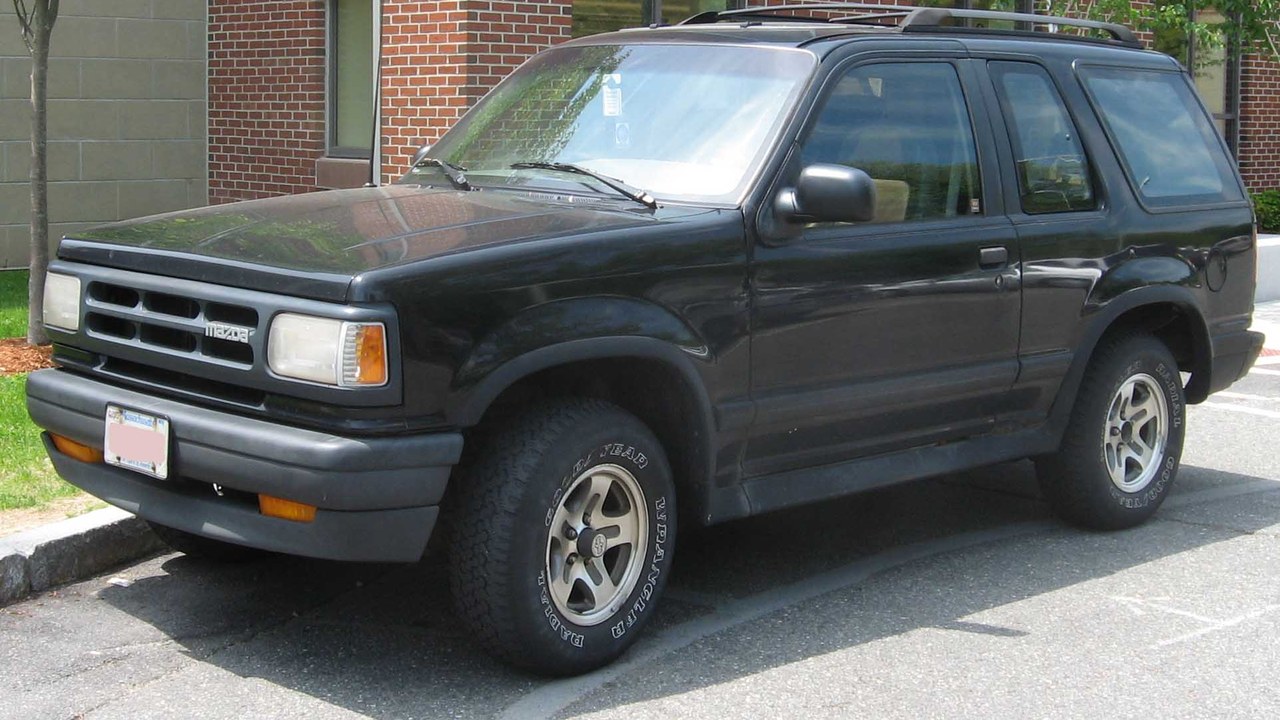
The Navajo was Mazda’s version of the two-door Ford Explorer, sold in North America in the early 1990s. MotorBiscuit’s rundown notes that fewer than 45,000 units were sold over its three-year production span.
Badge engineering of this kind rarely gave shoppers a reason to choose the lesser-known marque, and the Navajo arrived when the Explorer itself was drawing the crowds. Mazda had little brand presence in the truck segment, so a rebadged Ford with fewer doors than most family buyers wanted never found a real audience.
3. Toyota Land Cruiser: Gone, Then Back
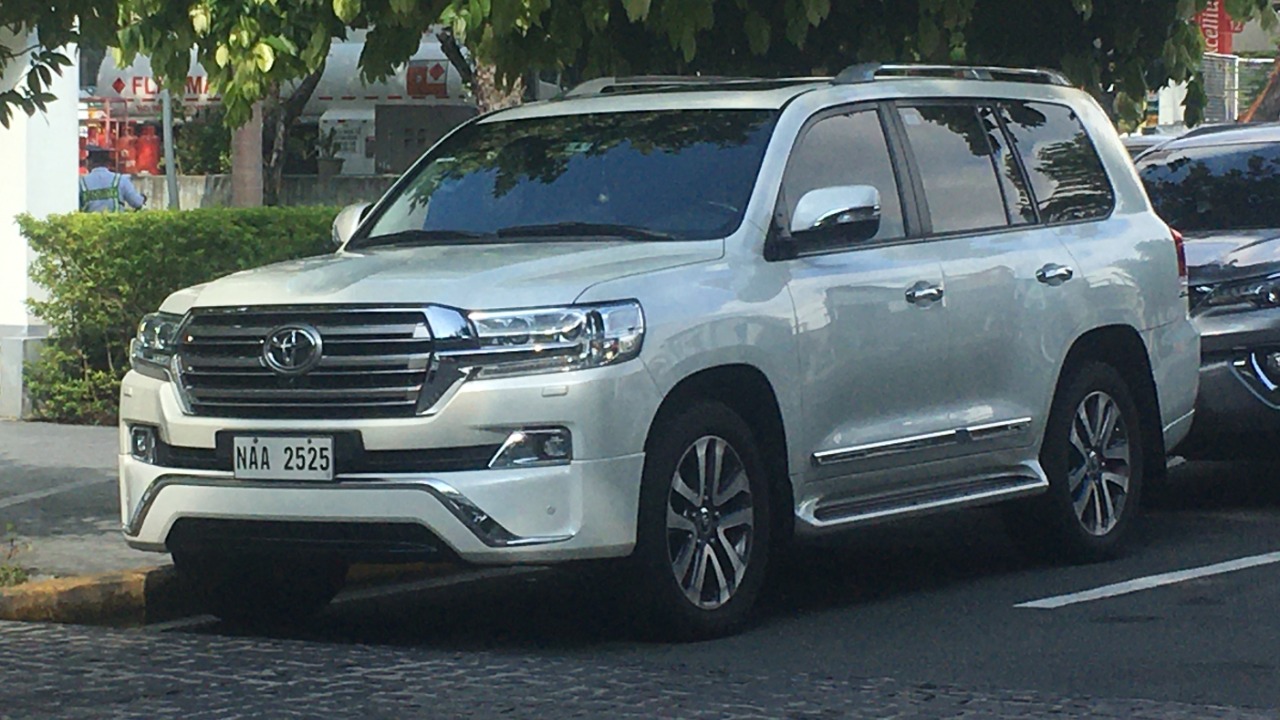
Toyota’s flagship off-roader has a long reputation abroad, yet the U.S. numbers tell a stranger story. MotorBiscuit’s sales figures show that only 48 Land Cruisers were sold in the United States in 2022, after the model was discontinued for 2021.
The tiny total reflects leftover stock rather than demand for a fresh product. Sales later exceeded 29,000 after the model returned in 2024, a swing that shows how much the nameplate mattered once a new version arrived. The episode stands as a rare case of an SUV that vanished from showrooms and then came back stronger.
4. Dodge Journey: Down to Leftovers

The Journey was a seven-passenger crossover built on a compact platform, and it stayed in Dodge’s lineup for years with few major changes. One sales tally reports that only 194 units were sold in 2022.
Those buyers were purchasing remaining stock, since the model was discontinued in 2020. A figure that small for a mainstream nameplate shows how thoroughly the Journey had faded once newer, more refined rivals took over the family-crossover segment. Dodge had positioned it as a value pick, but shoppers increasingly wanted fresher design and better interiors.
5. Jeep Commander: Boxy, Brawny, Overlooked
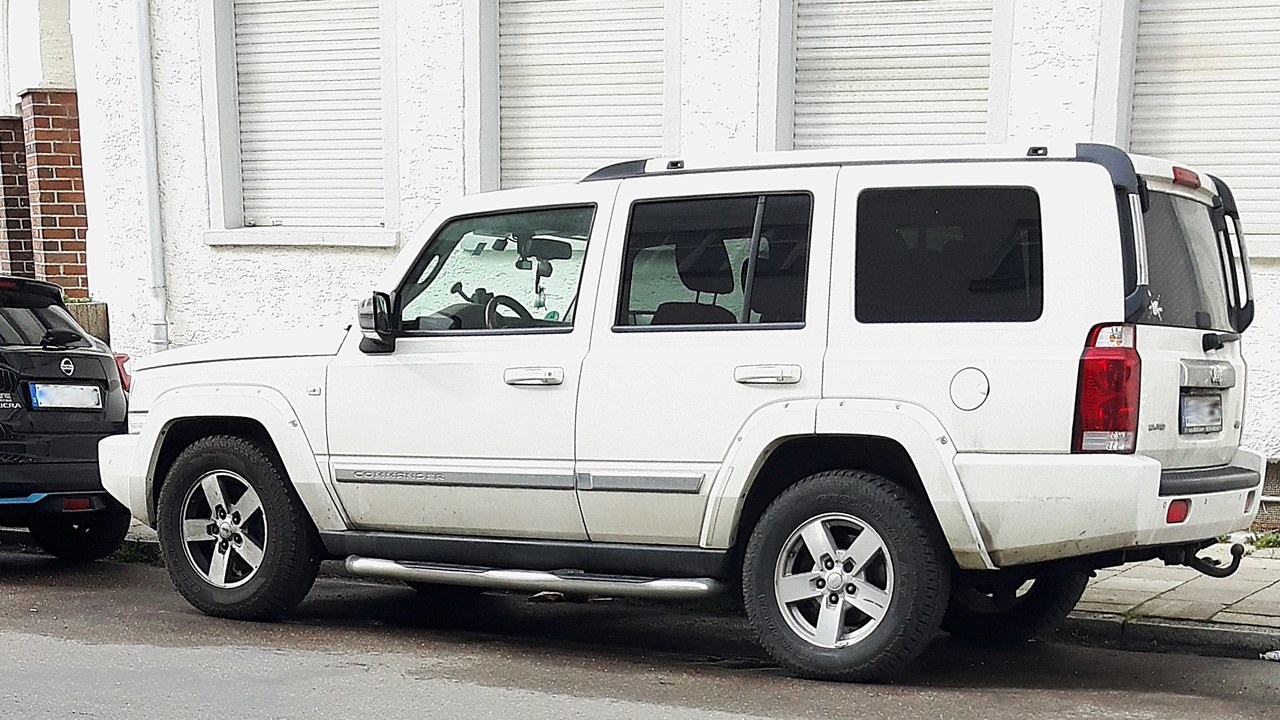
Jeep brought back a squared-off look with the Commander, a three-row SUV sold from 2005 to 2010. Guide Auto’s failed-SUV list blames its inefficient powertrains, shoddy build quality and small cockpit for its weak reception.
The upright styling echoed classic Jeep design, and the nameplate promised off-road capability alongside room for a larger family. Buyers evidently weighed those strengths against the criticisms and looked elsewhere. As a result, the Commander is remembered less as a flagship Jeep than as a product that never matched the reputation of the brand wearing its badge.
6. Hyundai Veracruz: Quiet on the Charts
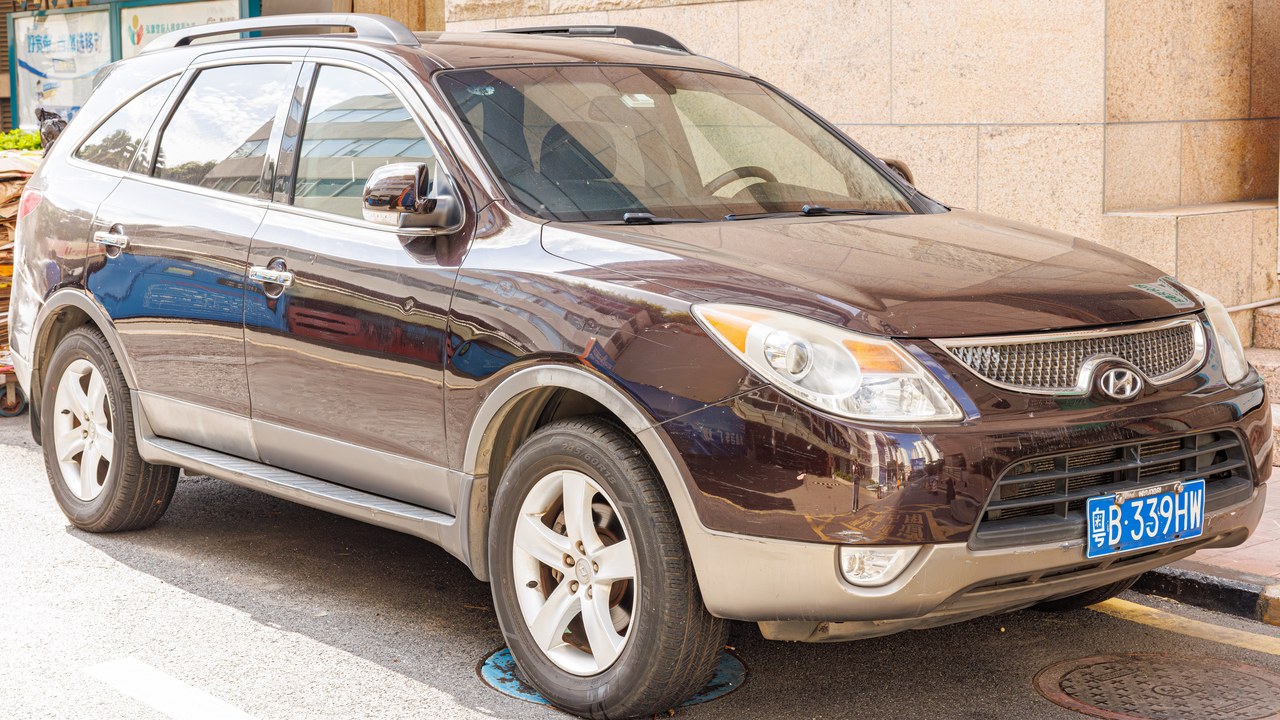
Hyundai pitched the Veracruz as a three-row crossover above the Santa Fe, offering a comfortable family hauler from a brand then known for value. Guide Auto’s assessment says the 2007-2012 model never really lit up on the sales charts.
Its successor was the Santa Fe XL, which took over the larger-crossover role and ended the Veracruz story. The Veracruz arrived in a crowded field of established competitors, and a newcomer from a value-minded manufacturer had to fight for attention against names that families already trusted. The result was a solid but forgettable presence in dealerships.
7. Acura ZDX: Oddball by Design
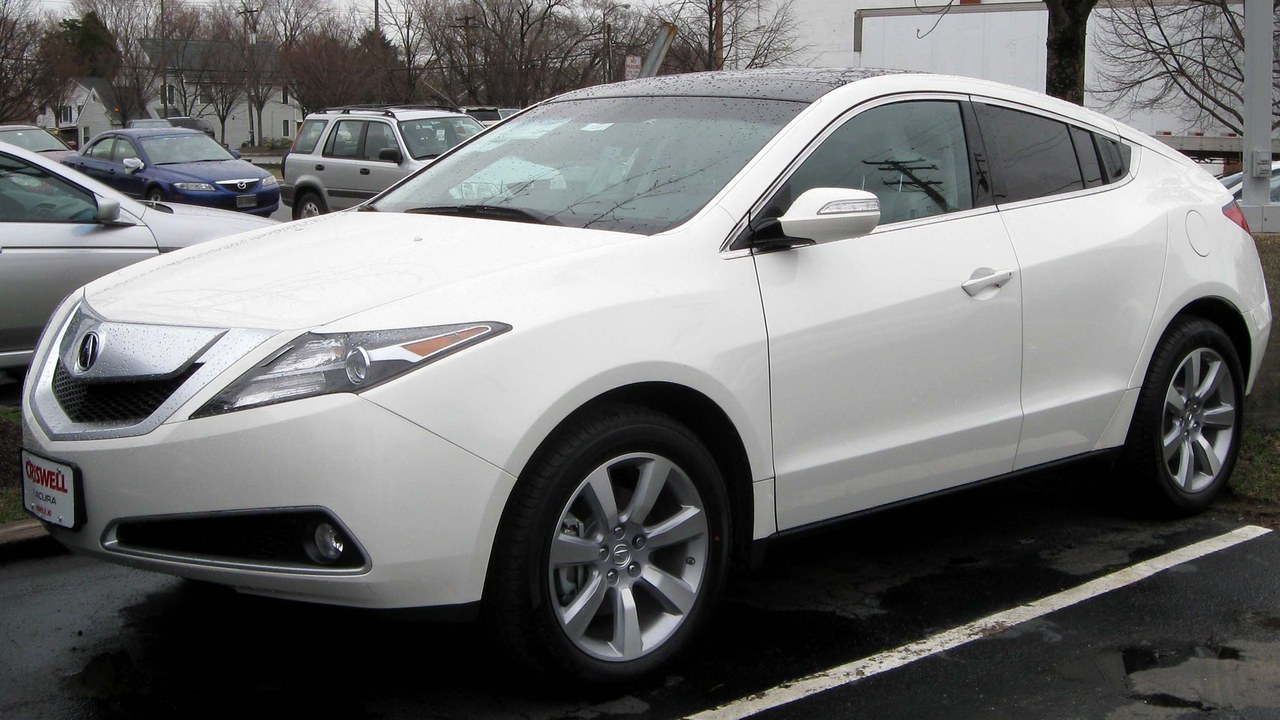
Acura’s ZDX blended a coupe-like roofline with a raised crossover body, and it was sold for the 2010 to 2013 model years. Guide Auto’s verdict cites oddball styling, a cramped cockpit and generally low versatility.
Those three complaints cut against what crossover shoppers usually want, which is flexible cargo space and easy rear-seat access. Honda’s luxury division was betting that style alone would carry the car, but the sloping rear body limited practicality. The ZDX remains an example of a premium experiment that asked buyers to give up too much for a distinctive profile.
8. Lincoln Aviator (2003-2005): Navigator’s Little Sibling
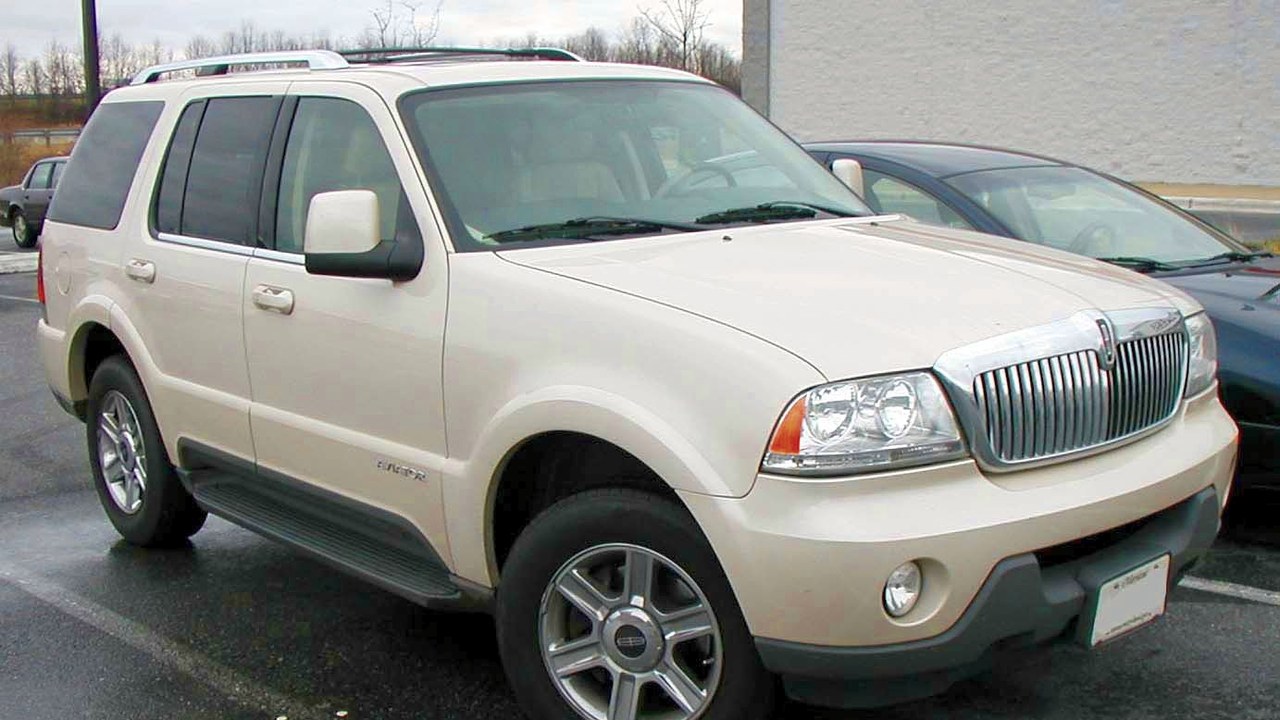
Lincoln’s first Aviator was a mid-size SUV that shared its underpinnings with the Ford Explorer, and it was sold only for a few years in the early 2000s. Guide Auto’s retrospective says that despite the Navigator’s success, the Aviator gathered dust in showrooms.
That contrast is striking, because the large Navigator had already given the brand a strong foothold in luxury trucks. A smaller, Explorer-based sibling could not draw the same excitement. The Aviator name was revived years later on a very different vehicle, but the original is remembered as the weaker partner in Lincoln’s early SUV lineup.
9. Nissan Juke: Quirky Looks, Fading Appeal
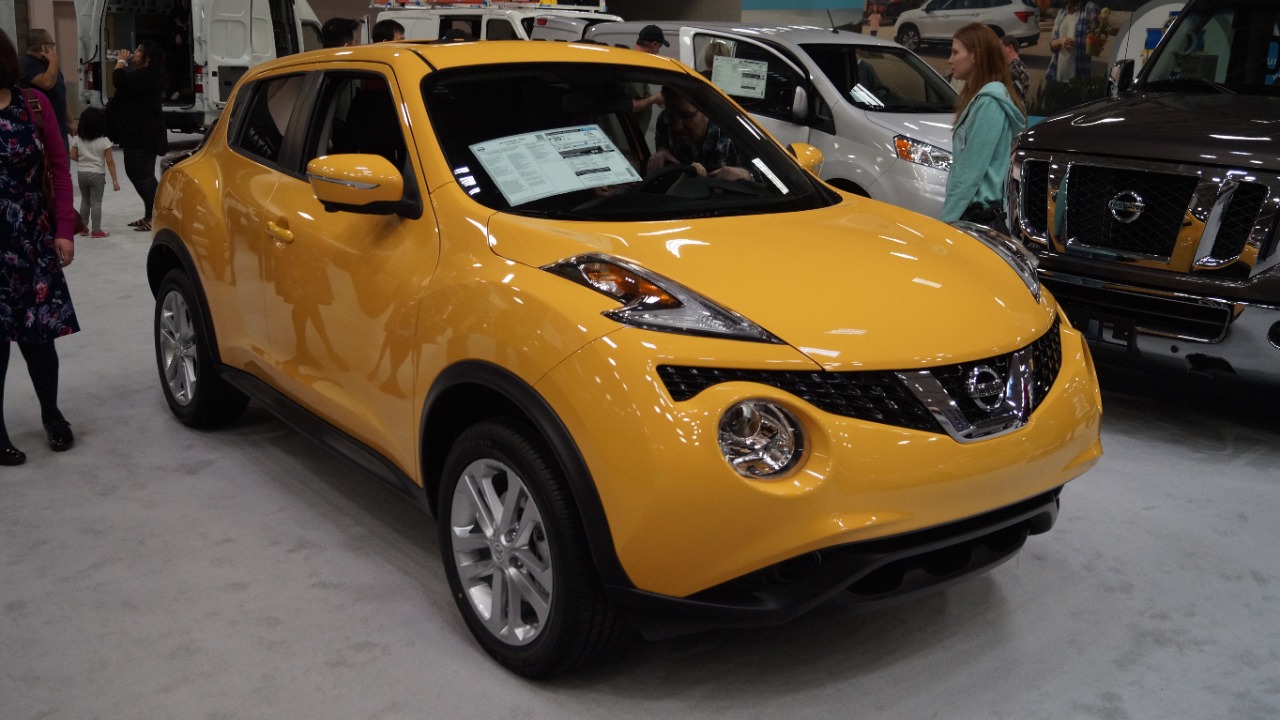
The Juke arrived as a tiny crossover with bug-eyed styling that deliberately set it apart from every other small utility vehicle. Jalopnik’s tour of odd SUVs reports that sales peaked at roughly 35,000 to 39,000 a year, then fell to just over 10,000 in 2017 before U.S. sales ended.
Jalopnik suggests that familiarity bred contempt, as the novelty wore off and the design stopped turning heads. Nissan built a car that polarized people at first glance, which helped early interest but made repeat customers harder to win. The sharp drop in annual sales shows how fast a gimmick can age in a competitive segment.
10. Nissan Murano CrossCabriolet: The Convertible Nobody Needed
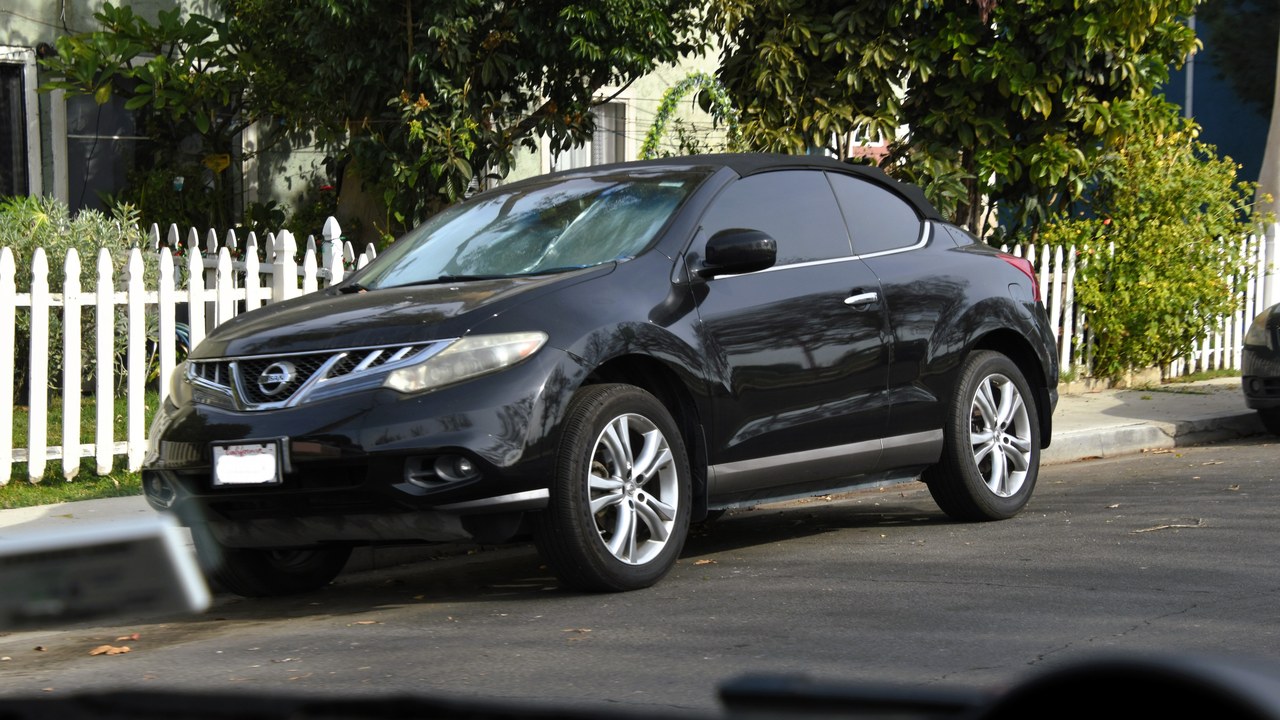
Nissan took its Murano crossover and removed the roof, producing the CrossCabriolet for the 2011 to 2014 model years with a 265-hp V6. Jalopnik’s verdict says it failed because it should have never happened.
The idea of a soft-top version of a family-oriented crossover had little precedent, and it asked buyers to accept compromises in rear space and visibility for open-air driving. Few shoppers could justify the trade, and the car became a curiosity rather than a trendsetter. It is often cited as one of the stranger body-style experiments from a mainstream manufacturer.
11. GMC Envoy XUV: Swiss Army Knife Gone Wrong
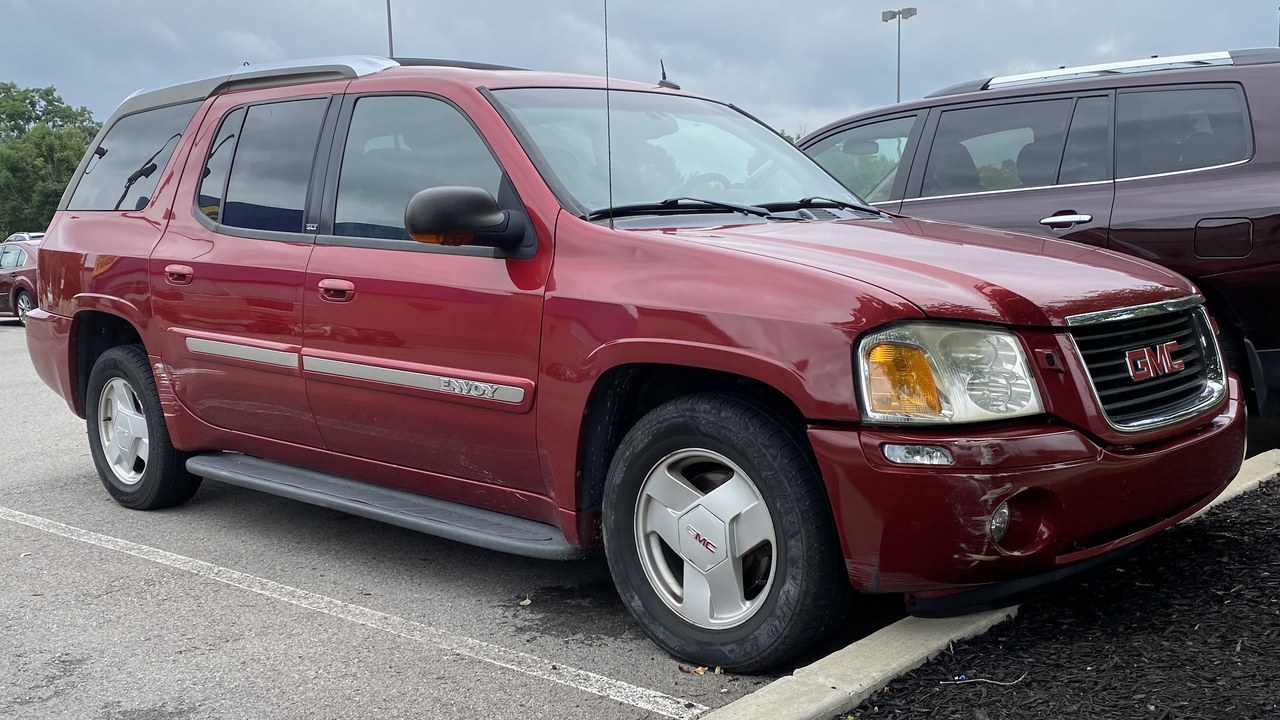
GMC dressed up the Envoy with a retractable roof panel and a midgate, creating the XUV for the 2004 and 2005 model years. Jalopnik’s description calls it the Swiss Army knife of vehicles, though buyers were confused by it and it lasted just two model years.
The concept let owners open up the cargo area to carry long items while keeping an enclosed passenger cabin, a clever idea on paper. In practice the added mechanisms made the vehicle hard to explain at a dealership. Midgate designs had appeared on trucks before, but the combination of both features in one SUV left shoppers unsure what they were getting.
12. Suzuki X-90: Two Seats, Very Little Room
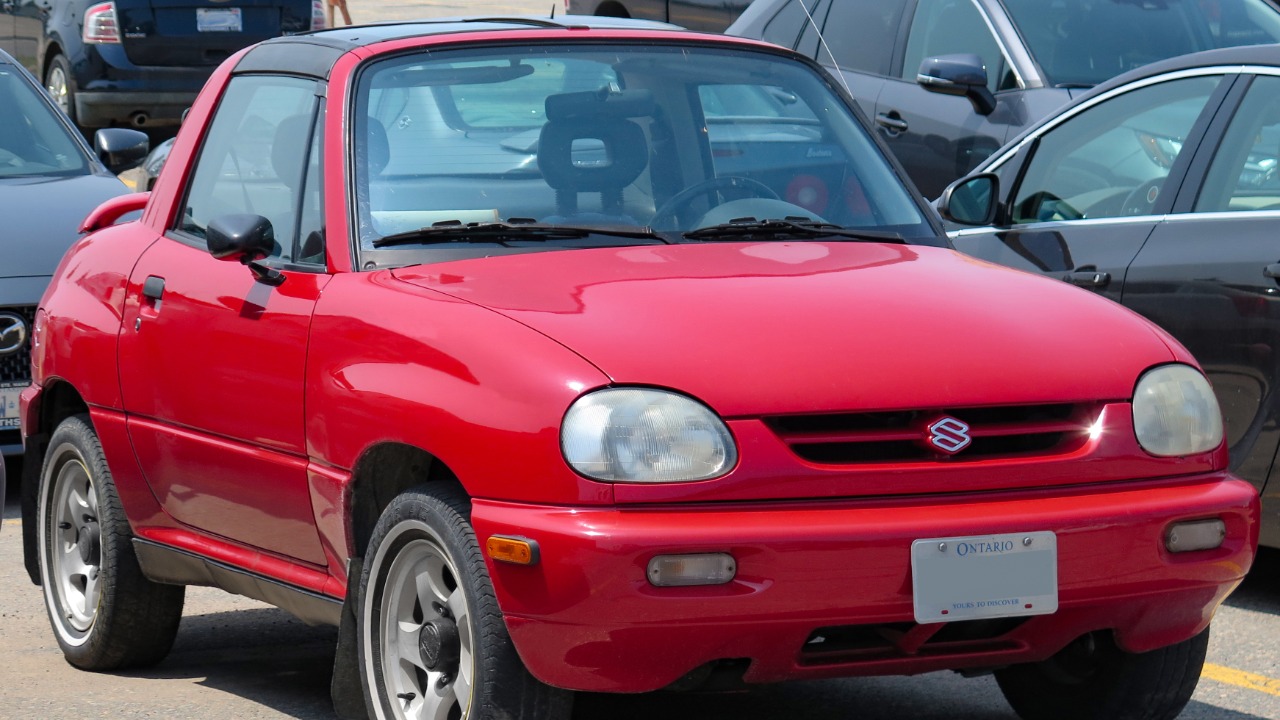
Suzuki marketed the X-90 as the world’s first two-seater SUV coupe, a compact machine with removable roof panels and a playful profile. Jalopnik’s odd-SUV list notes its 95-hp engine and harsh ride.
Those traits made it a poor fit for buyers who wanted either sporty performance or everyday practicality. With only two seats and little cargo space, the X-90 asked owners to give up the main benefits of a utility vehicle while delivering modest power in return. It stays in memory as one of the most unconventional vehicles Suzuki ever sold in North America.
The tech news worth your time: Subscribe to Techpresso →
We may earn a commission if you sign up.
More from Morning Overview
