
Some pickups arrive with big promises and then quietly disappear from showrooms. These twelve trucks stumbled because of odd designs, confused positioning or buyers who simply wanted something else. Here are twelve of the most notable flops, ranging from luxury haulers and retro roadsters to tiny car-based experiments.
Stay ahead on AI: Join 600,000+ professionals who read The Deep View, the daily newsletter that keeps you up to date with artificial intelligence.
We may earn a commission if you sign up.
1. Jeep Comanche: Overlap Trouble

The Jeep Comanche was a compact pickup built on the same basis as the Cherokee, and that closeness was the root of its problems. Reporting on flopped American trucks notes that the model was discontinued in 1992 with fewer than 200,000 sold, partly because it overlapped the Cherokee.
Buyers who liked the Jeep look could get a Cherokee wagon with similar hardware, which blurred the pickup’s reason to exist. A truck that competes with its own showroom sibling tends to struggle, and the Comanche remains a textbook case of a product that confused the market it was meant to serve.
2. Cadillac Escalade EXT: Luxury Bed Blues
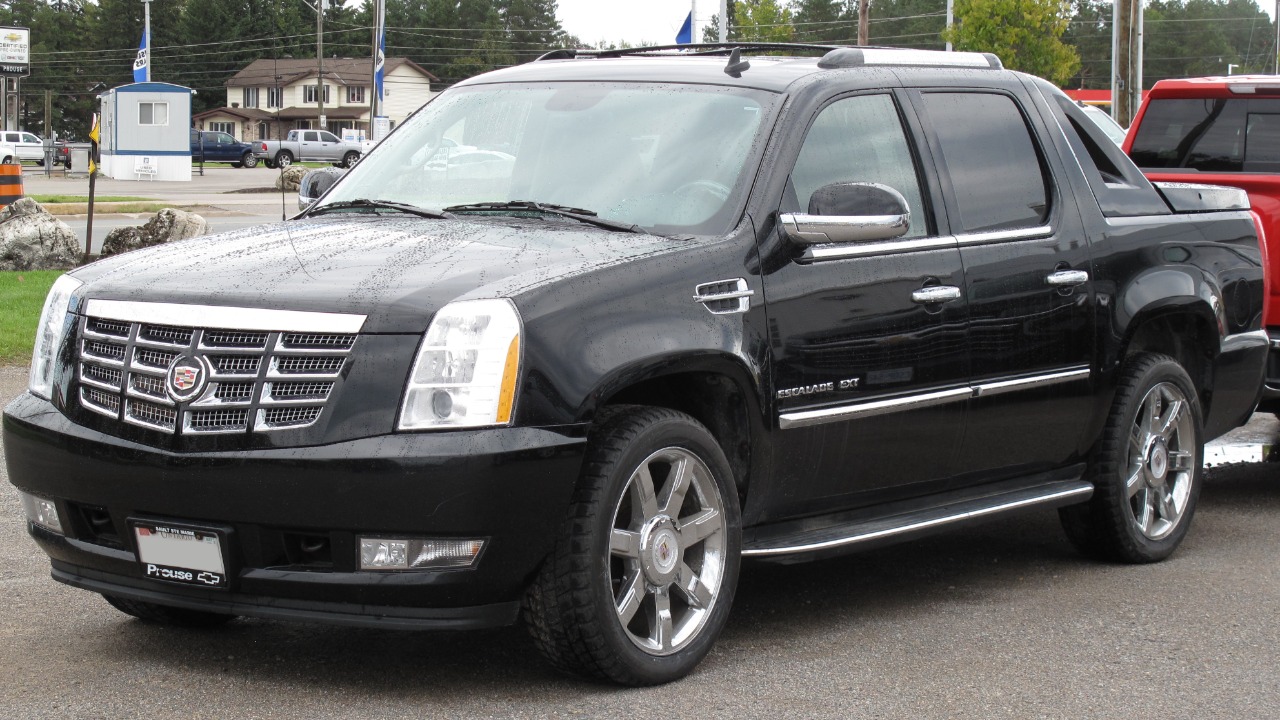
The Escalade EXT paired Cadillac’s flagship luxury styling with a short pickup bed, an unusual mix for a vehicle meant to haul. According to this truck roundup, its luxury branding limited broad appeal, and fewer than 14,000 were sold annually.
Shoppers who wanted a work truck looked elsewhere because of the price and badge, while luxury buyers usually preferred the enclosed cargo space of a regular SUV. The EXT sat between two audiences and fully satisfied neither, which is a common way for a niche vehicle to fade.
3. Hummer H3T: Short-Lived Open Bed
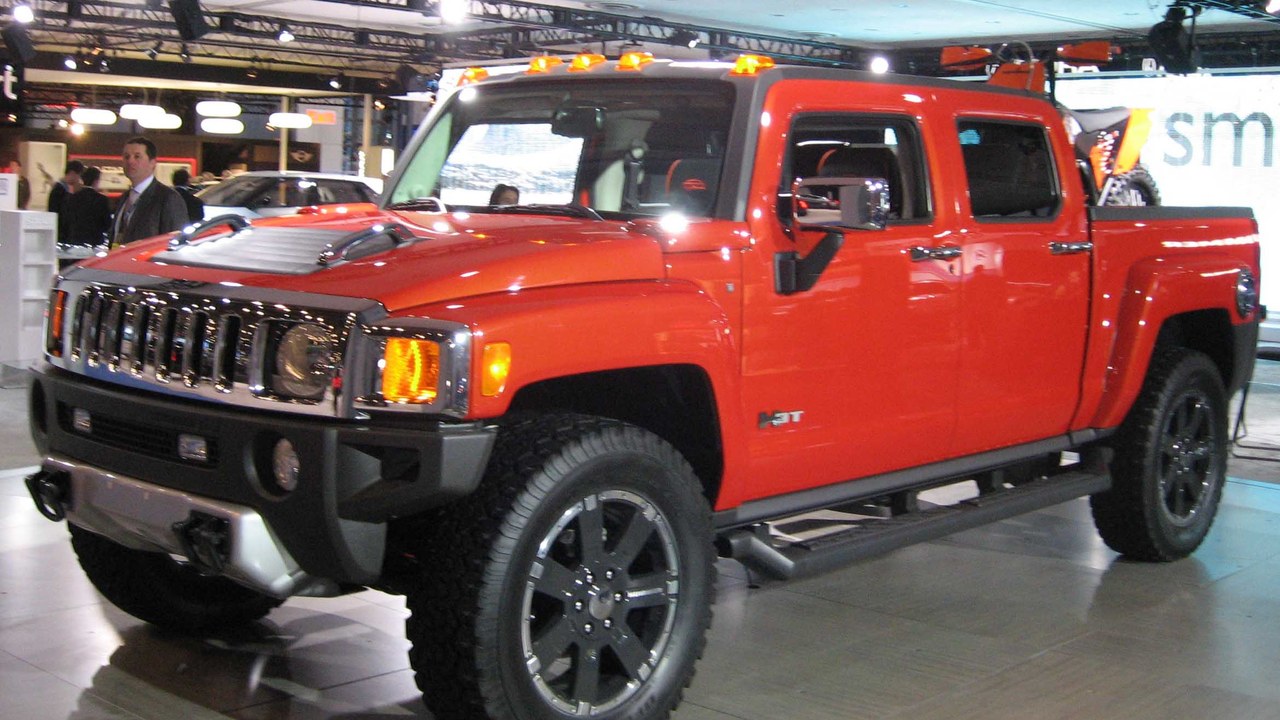
The Hummer H3T took the compact H3 off-roader and added a small pickup bed behind the cab. A list of forgotten pickups reports that it was canceled after three years, with fewer than 2,700 sold in the first year.
The H3T arrived as the Hummer brand was heading into trouble, and its blocky styling and modest cargo area did little to widen its audience. Rugged looks alone were not enough to carry a pickup that had to justify itself as a working vehicle as well.
4. Volkswagen Rabbit Pickup: Front-Drive Hauler

Volkswagen built a small pickup from its Rabbit hatchback and sold it in North America as the Rabbit pickup. Coverage of American truck flops says the 1979-1984 model failed to win buyers who rejected its front-wheel-drive layout.
Pickup shoppers of that period generally expected rear-wheel drive and a tough, traditional feel. The Rabbit offered car-like economy and handling instead, a different promise that did not resonate with the traditional truck crowd, so the little hauler stayed a curiosity.
5. Lincoln Blackwood: Trunk Instead of Bed
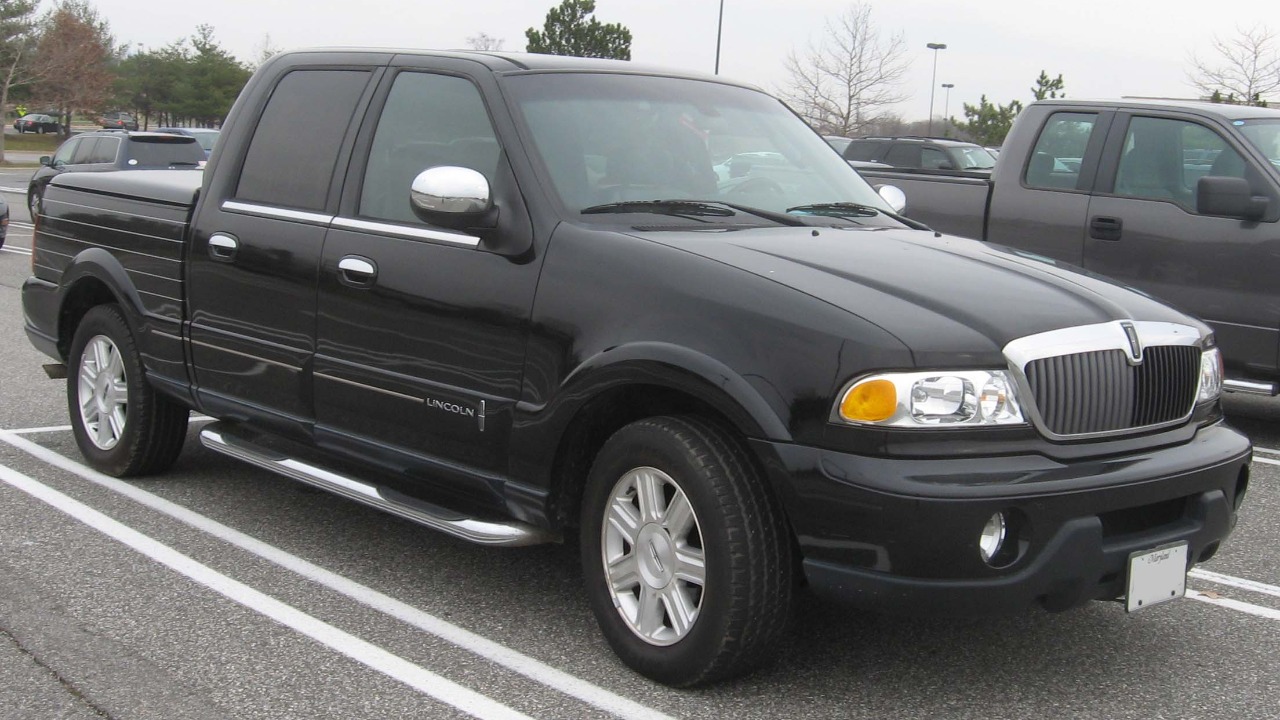
The Lincoln Blackwood was a luxury crew-cab pickup with a premium Lincoln grille up front. As HotCars reports, only 3,356 were sold, and its trunk-style bed made it unsuitable for long hauls.
Instead of an open bed, the Blackwood had an enclosed, carpeted cargo area with a power-operated cover, which kept loads tidy but could not carry anything tall or long. A truck that cannot do the basic job of a truck was a hard sell, even with a Lincoln badge.
6. Dodge Dakota Sport Convertible: Vinyl Top Experiment
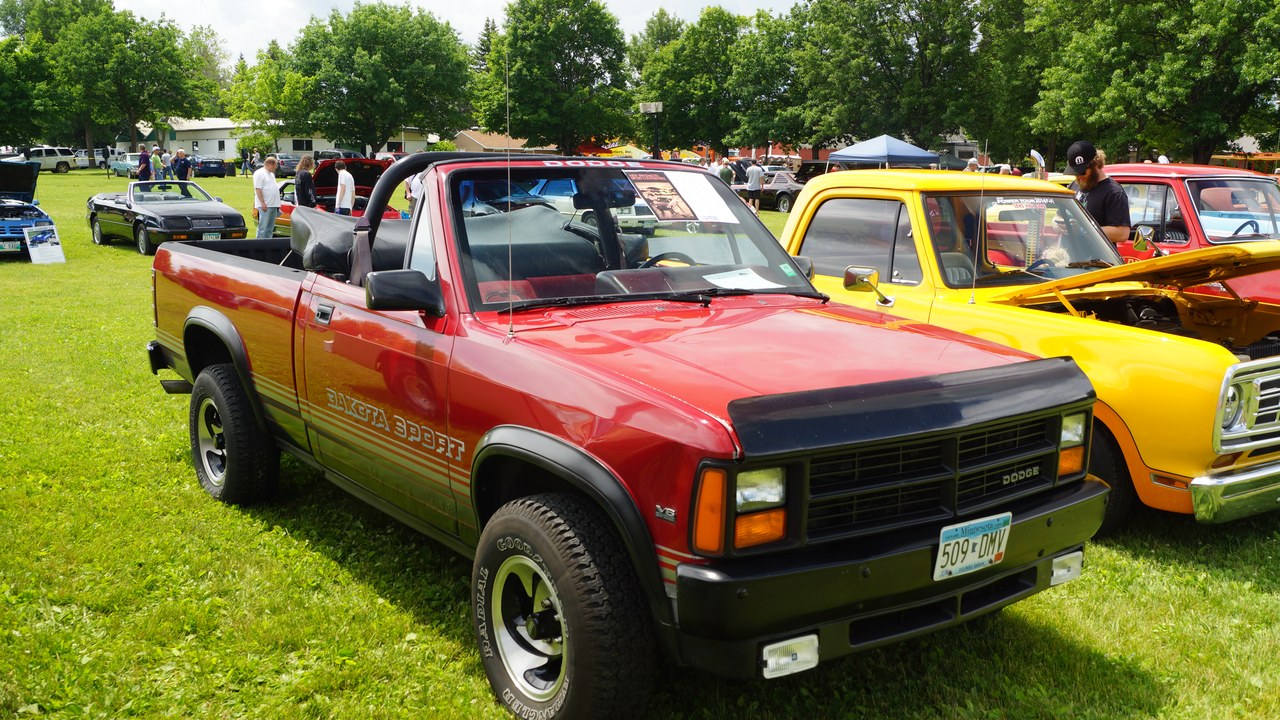
Dodge briefly offered a Dakota Sport Convertible, a compact pickup with a folding top meant to bring open-air fun to a work truck. HotCars notes it was sold from 1989 to 1991, with a roof that was “basically a vinyl covering” and fewer than 4,000 built over two years.
The idea of a convertible pickup was novel, but a flimsy top offered little of the security or weather protection that truck owners expected. Production stayed small, and the model is remembered mostly as an oddity in the long history of the Dakota nameplate.
7. Dodge Rampage: Car-Based Oddball
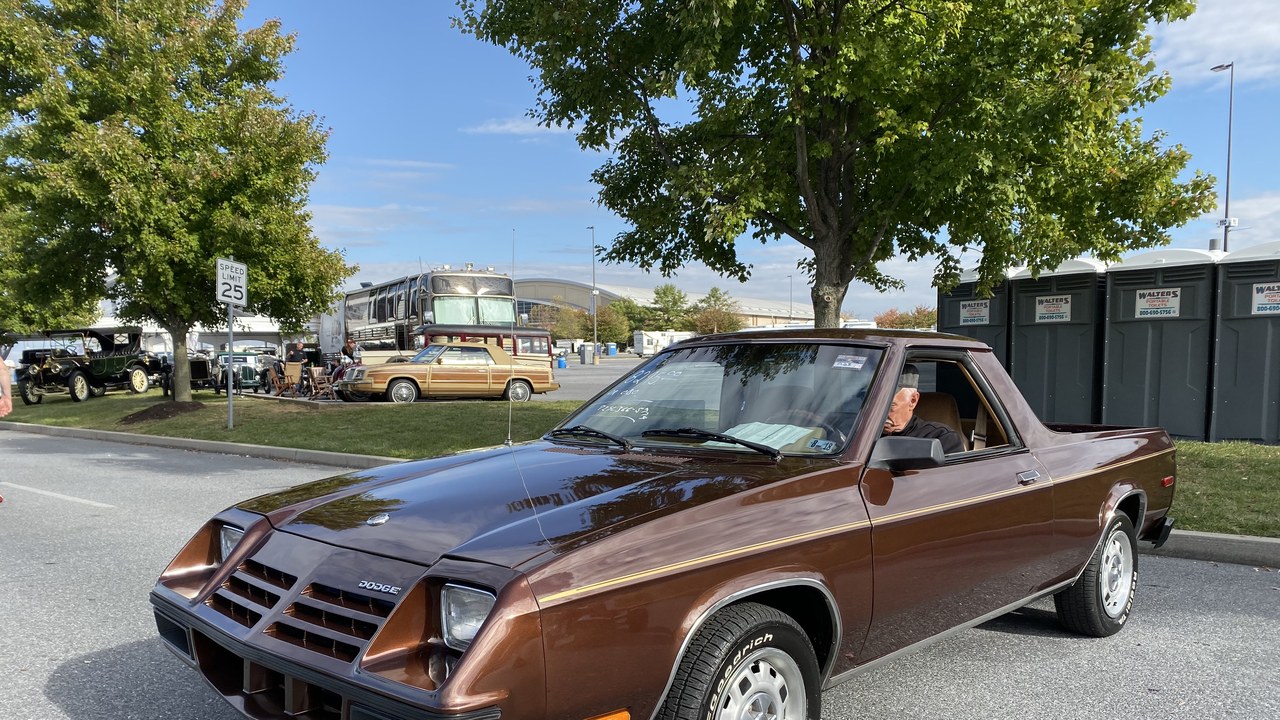
The Dodge Rampage was a compact car-based pickup in the mold of the Chevrolet El Camino, built on a front-drive platform. According to one flop list, the 1982-1984 Rampage “barely moved over 37,000” units.
Front-drive cars-with-beds were a small niche, and the Rampage offered far less capability than a conventional truck while still looking distinctly like a truck. Its short run reflects how hard it was for the car-pickup format to find a lasting audience in America.
8. Chevrolet S-10 Electric: Slow Electric Truck
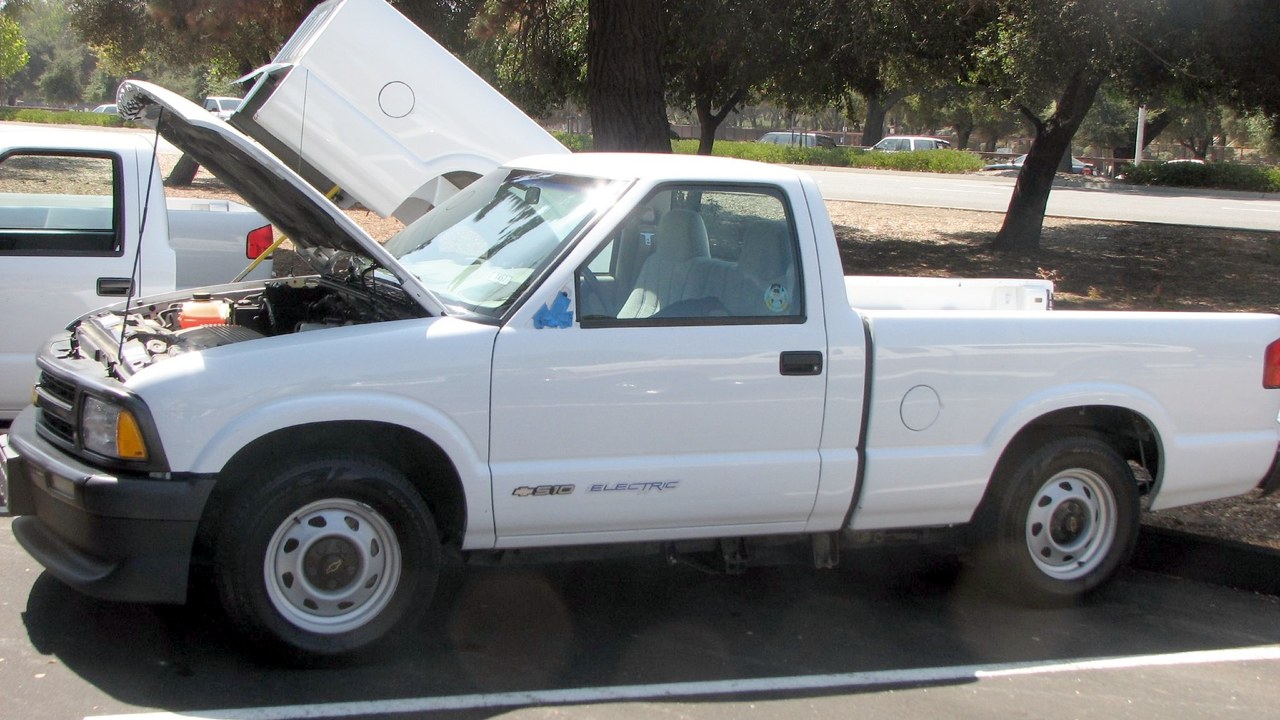
The Chevrolet S-10 Electric was an early attempt at a battery-powered pickup, based on the compact S-10. HotCars reports that only 60 were sold in 1997, mostly to fleet customers.
The numbers explain why: a 114-hp motor, a 0-60 time of 14 seconds and a 70 mph top speed left it well short of what drivers expected from a truck. It served as a limited fleet experiment rather than a mainstream product, and showed how far battery technology still had to go.
9. Chevrolet SSR: Retro Roadster Truck
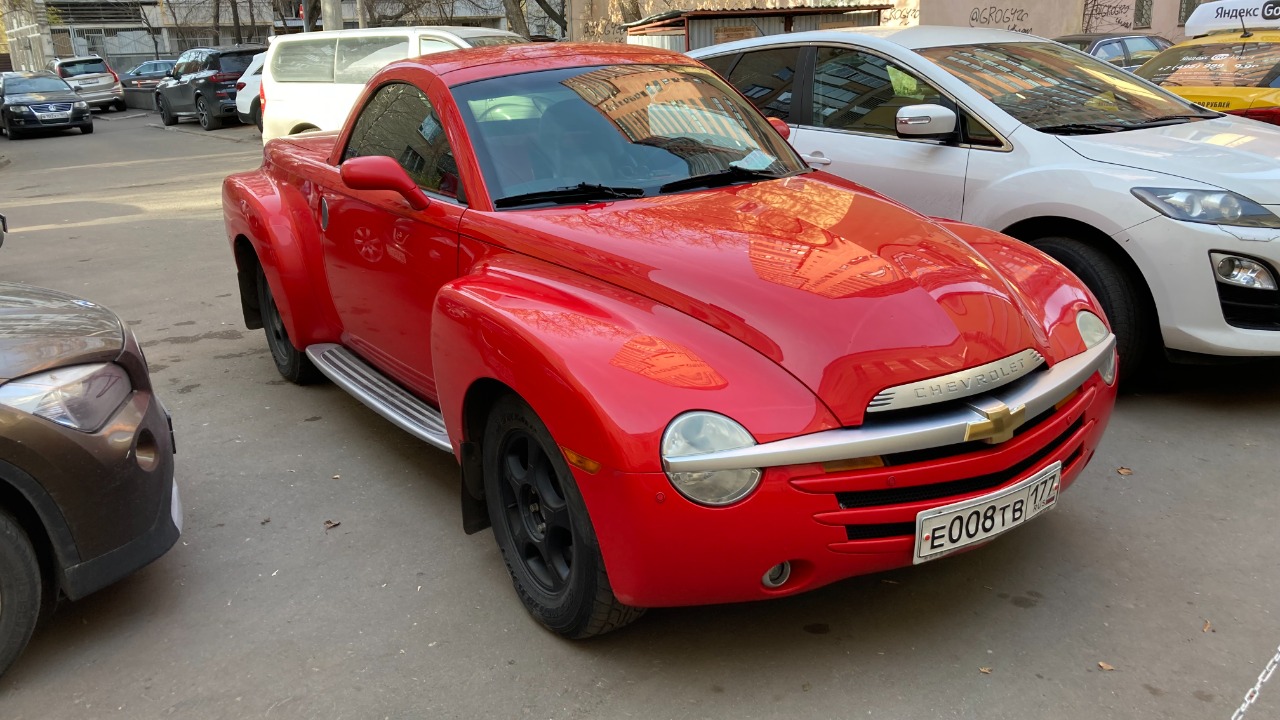
The Chevrolet SSR combined retro styling with a power-folding hardtop and a short pickup bed. The Truth About Cars says its limited cargo space made it less useful as a truck, and about 24,000 were sold in four years.
Admirers loved the fender shapes borrowed from 1940s Chevrolet trucks, but the practical case was weak, since a two-seat roadster with a small bed neither hauled like a pickup nor handled like a sports car. As a styling exercise it was memorable, and as a volume seller it fell short.
10. Subaru Baja: Crossover With a Bed
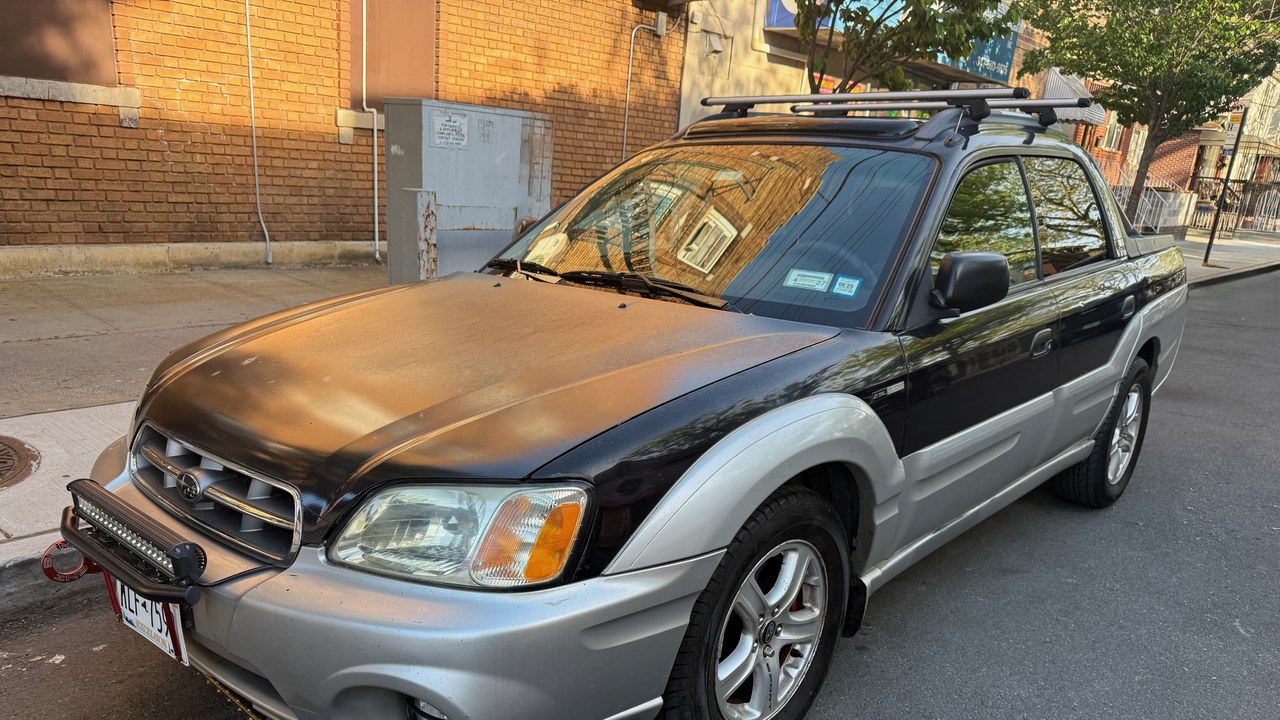
The Subaru Baja blended a Legacy-based all-wheel-drive car platform with a small pickup bed, a concept that was quite different from anything else on sale. This worst-trucks list says it offered limited cargo space and a lack of the power expected from a true pickup.
Sales reached about 30,000 versus a projected 24,000 a year, according to HotCars, so it fell short of the target pace. Even so, the Baja has since gained a small cult following among enthusiasts who appreciate its unusual character and all-weather capability.
11. Hummer H2 SUT: Lousiest Bed Award
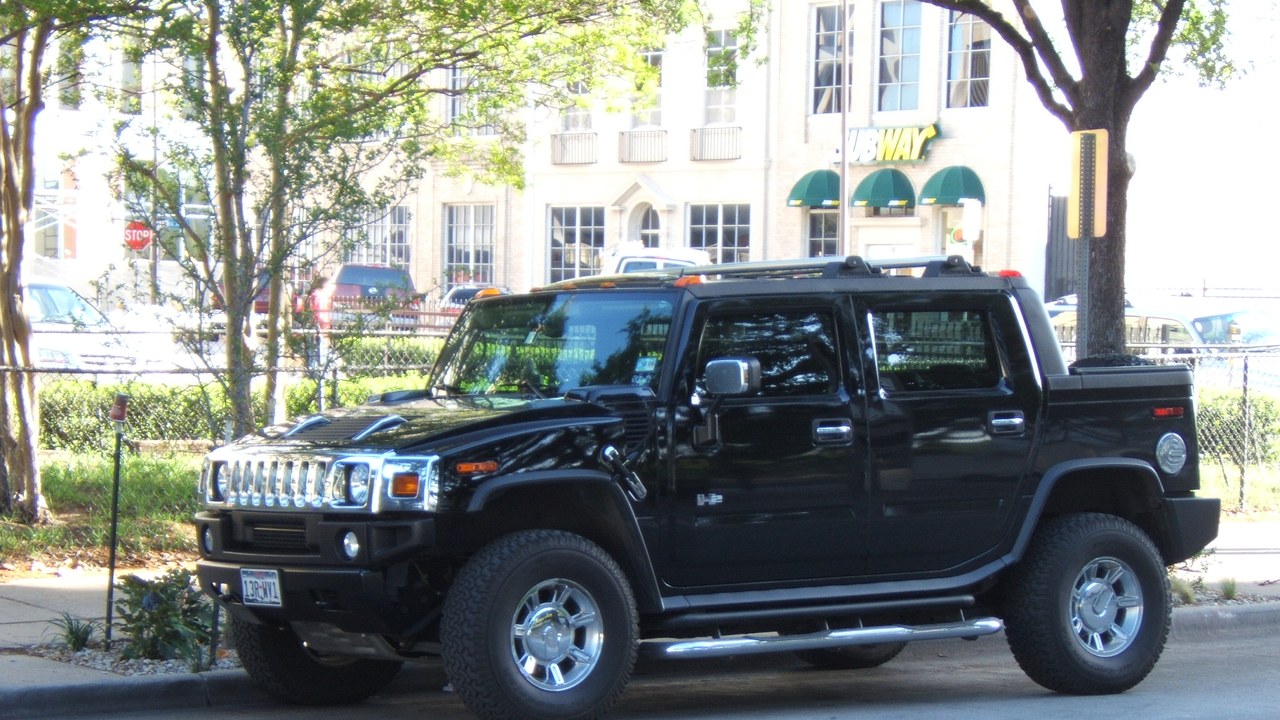
The Hummer H2 SUT converted the big H2 sport utility into a pickup with a short open bed behind the cab. A Jalopnik reader poll named it the “world’s lousiest pickup” for its bed.
The H2 was already known for its enormous size and appetite for fuel, and turning it into a truck gave up much of the usable space that a pickup bed is supposed to provide. Style ranked well above function, which suits the brand’s image but not the buyer who wanted real utility.
12. Chevrolet Colorado (first generation): Weak Engine Choices

The first-generation Chevrolet Colorado, together with its GMC Canyon twin, was meant to be a modern compact pickup for a new decade. In a Jalopnik reader survey, readers panned its engines, calling them “lousy 4 cyl, even worse 5cyl”.
Engine choice defines much of a truck’s character, and the four- and five-cylinder options drew criticism for lacking the refinement and strength that shoppers wanted. The comments show that even a mainstream model from a major maker can attract harsh judgement when its powertrains feel behind the times.
Stay ahead on AI: Subscribe to The Deep View →
We may earn a commission if you sign up.
More from Morning Overview
- Tropical Storm Rachel is dumping up to 12 inches on four Mexican states on its way to major hurricane strength
- The FTC says Lens.com doubled the price shoppers saw in Google ads
- Common allergy, bladder and sleep pills tied to sharply higher dementia odds
- NOAA now gives this winter a 75% chance of the strongest El Nino since 1950
