
The Chevrolet Suburban has been on sale since 1935, and Chevrolet describes it as the industry’s longest-running nameplate. Over that time the wagon has changed shape, doors, engines and safety gear many times while keeping its job as a big family and cargo hauler. Here are twelve Suburbans, one for each generation, that explain how the name lasted so long.
The tech news worth your time: 400,000+ professionals from Google, Apple and OpenAI read Techpresso, a daily email with the most interesting tech news and insights.
We may earn a commission if you sign up.
1. Chevrolet Suburban (first generation): Carryall Origins
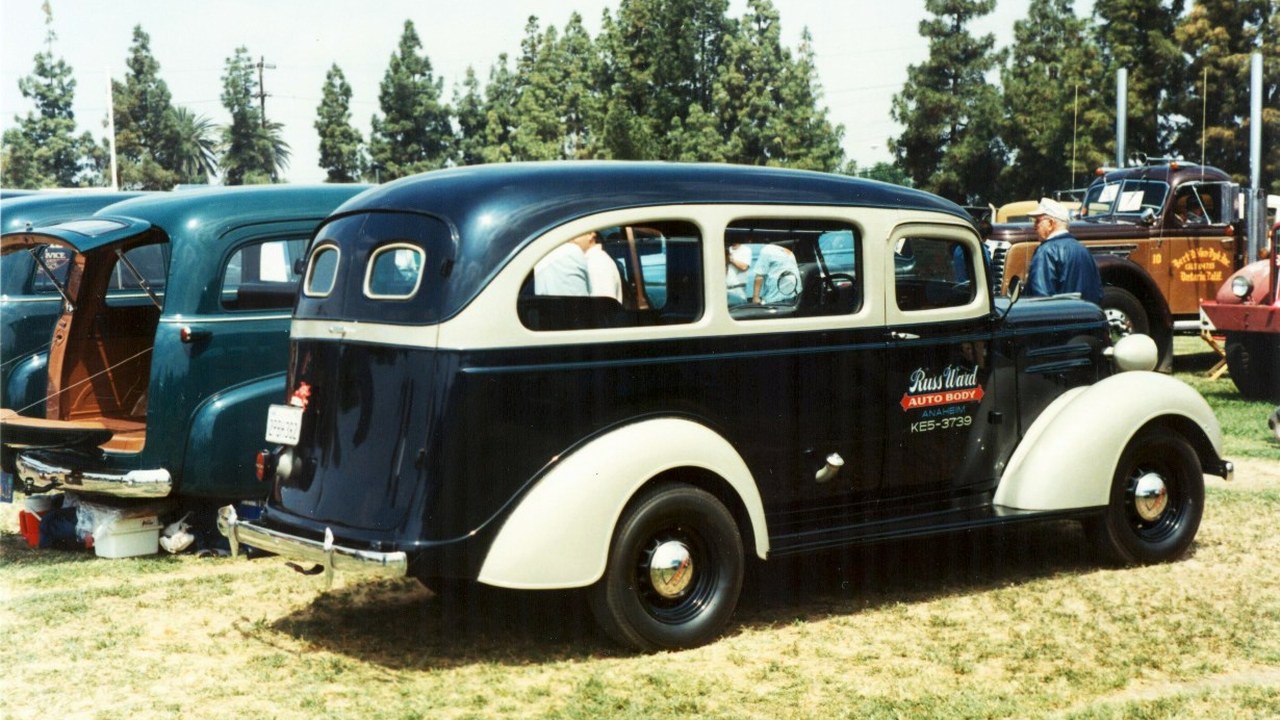
The 1935 Suburban Carryall seated eight, ran a 60-hp Stovebolt six and held 115.1 cubic feet of cargo with the rear seats out. Chevrolet’s own anniversary release treats that first wagon-bodied hauler as the start of an unbroken run that no other nameplate has matched.
Anyone tracing the family tree starts here. The eight-passenger layout and big, open load floor define what the name has meant ever since, and every later generation on this list is an answer to the same job: moving a crowd and its gear in one vehicle.
2. Chevrolet Suburban (second generation): Wartime Workhorse
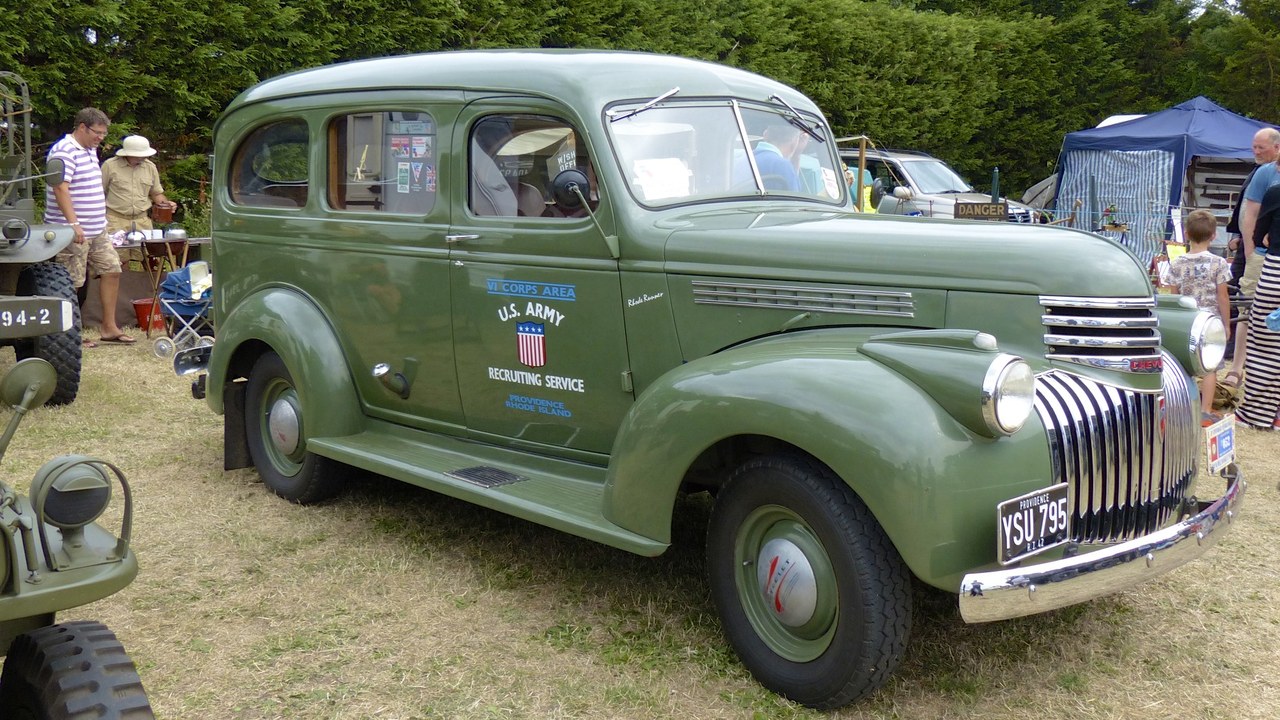
The 1941-1946 Suburban arrived as World War II began, and its production was geared toward military duty rather than family trips. Civilian buyers found little to choose from while the factories served the war effort.
That interruption is why this generation is the rarest-feeling chapter of the story. Surviving examples are prized by restorers as a snapshot of a transition period, when the nameplate stayed alive while the market around it was effectively on hold.
3. Chevrolet Suburban (third generation): Advance Design Era
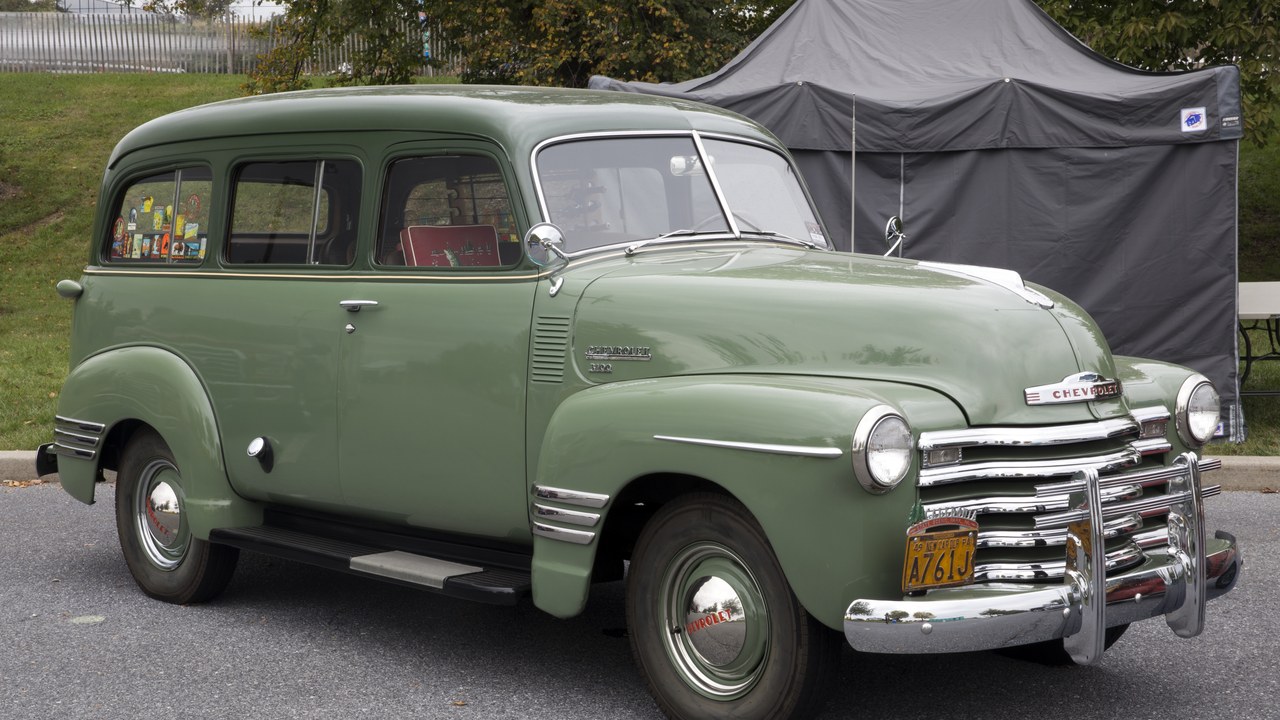
The 1947-1955 Suburban’s six made 174 lb-ft at 1,200 rpm, and a HydraMatic four-speed automatic arrived in 1954. The low-rpm torque figure shows how these postwar wagons were tuned for hauling rather than speed.
For a buyer today, the 1954 automatic is the milestone to look for, since it made a large family hauler easier to drive in town. Rounded postwar styling also gives these trucks a friendly look that has made them favorites at car shows.
4. Chevrolet Suburban (fourth generation): First V8 Arrives
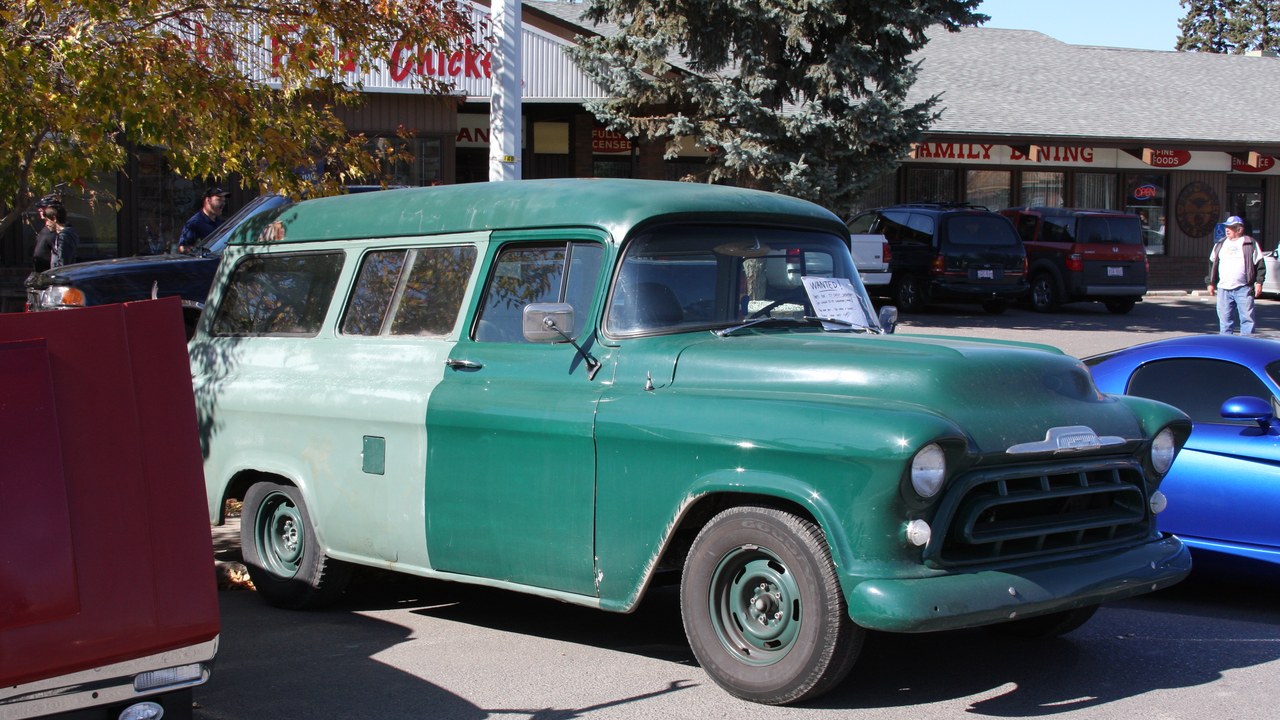
The 1955-1959 Suburban got Chevy’s first V8, the Small Block, and in 1957 factory four-wheel drive for the first time. Both changes pushed the wagon well beyond its original delivery-truck roots.
Four-wheel drive in particular opened the door to rural, ranch and snow-country use that earlier two-wheel-drive models could not handle as well. Collectors who want a period V8 and a capable drivetrain usually zero in on the later years of this generation.
5. Chevrolet Suburban (fifth generation): Air Conditioning Debut
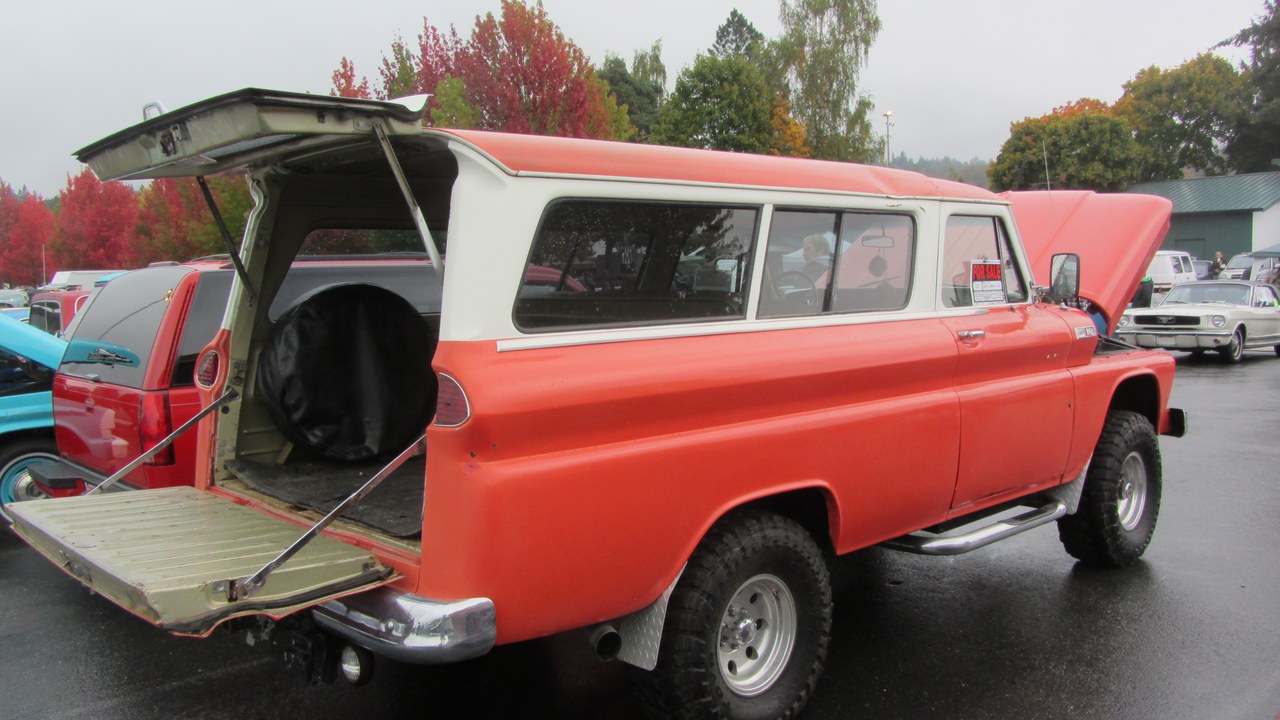
The 1960-1966 Suburban took the C/K names and in 1965 offered factory air conditioning for the first time. Those letters signaled two-wheel-drive and four-wheel-drive versions of the same wagon.
Cool air matters more than it sounds in a vehicle meant for long family hauls. Buyers browsing classifieds should note that a 1965 or 1966 model with the original system is a notable find, because comfort options of this kind were still new on trucks.
6. Chevrolet Suburban (sixth generation): Three-Door Layout
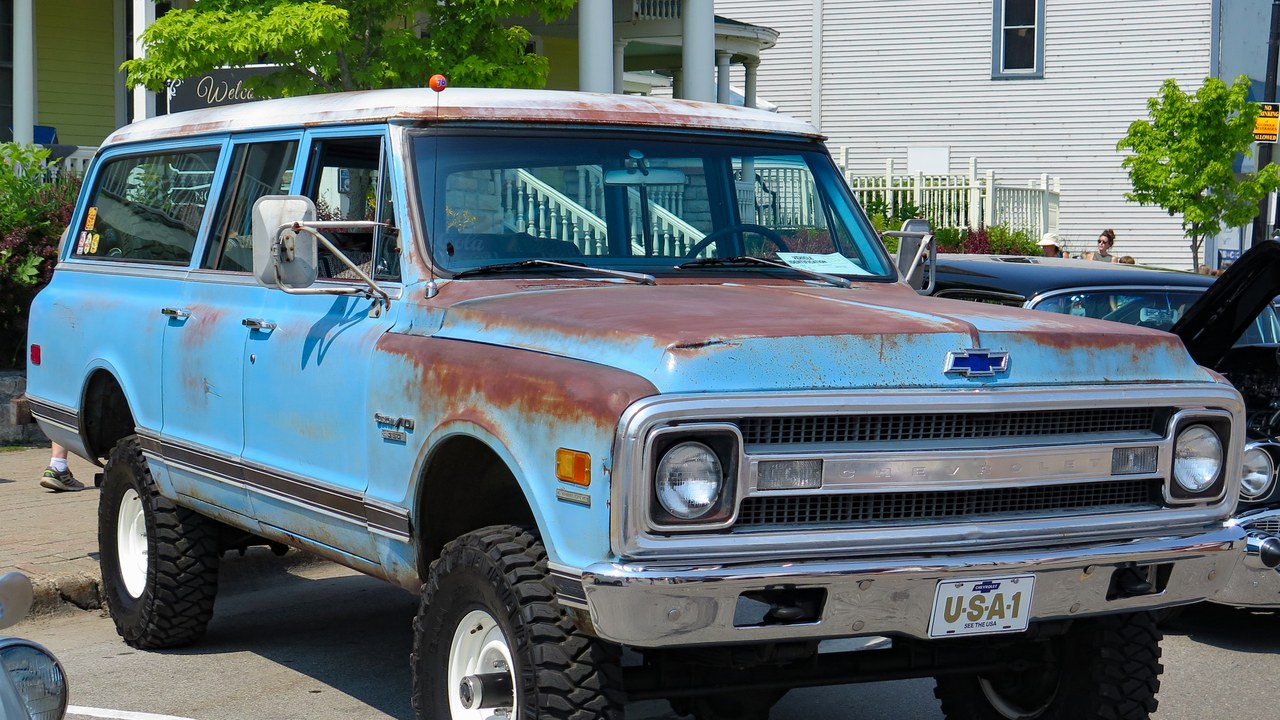
The 1967-1972 Suburban added a single rear passenger door for three doors total and became a popular ambulance. The extra opening on one side eased loading of passengers and stretchers.
The ambulance connection explains why so many of these trucks served as emergency vehicles before ending up with private owners. For a restorer, the asymmetric door arrangement is the quick way to tell this generation from the ones before and after it.
7. Chevrolet Suburban (seventh generation): Four-Door Breakthrough
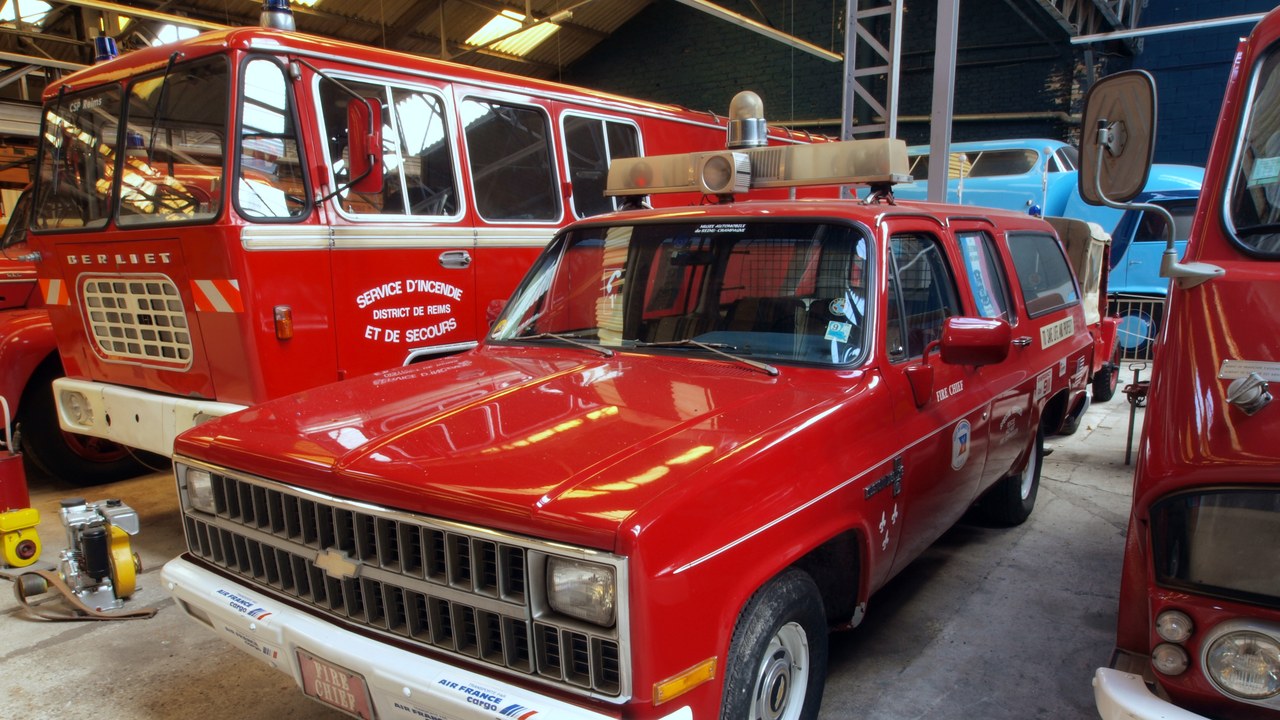
The 1973-1991 Suburban was the first with four doors and stretched its wheelbase to 129.5 inches. It also remained in production for an unusually long stretch, covering nearly two decades of model years under one basic design.
That longevity means used examples are plentiful, though condition varies widely. Four doors finally gave rear-seat riders the same easy access as the front, a convenience that set the pattern the Suburban has followed since.
8. Chevrolet Suburban (eighth generation): Safety Tech Debut
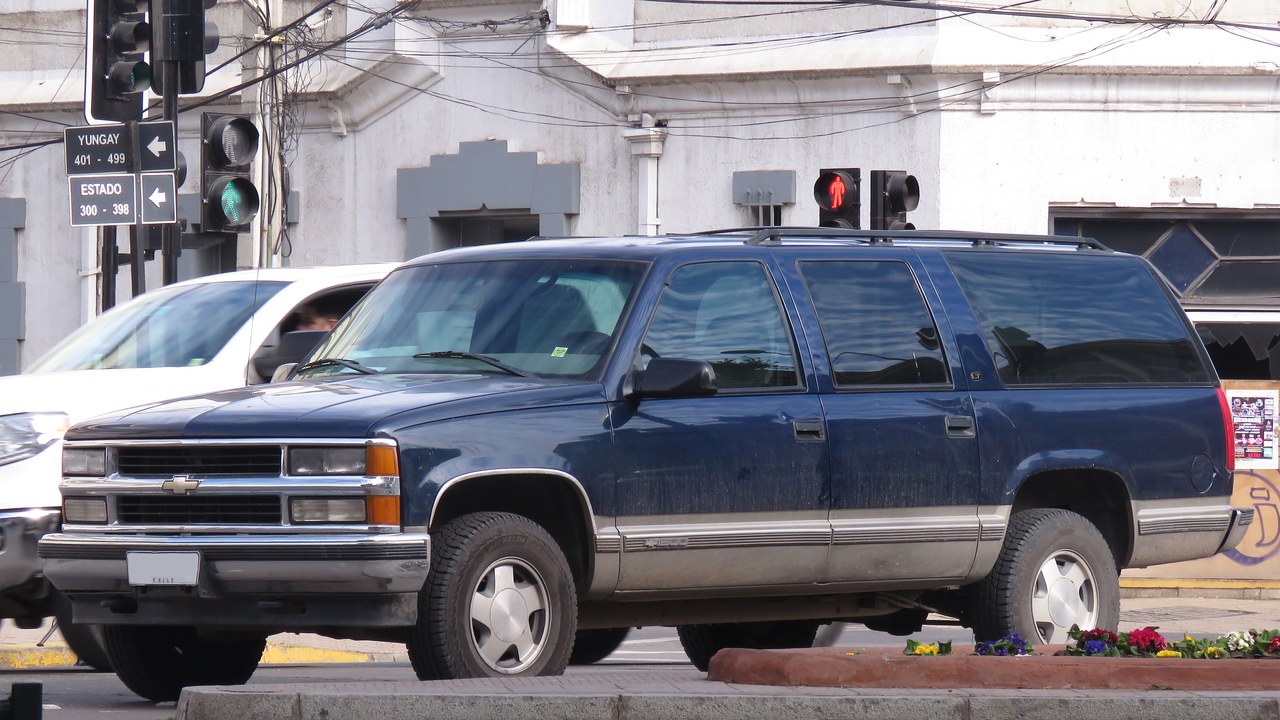
The 1992-1999 Suburban added four-wheel anti-lock brakes and, in 1998, OnStar and full-time AutoTrac four-wheel drive. These features moved the big wagon toward the technology expected of family vehicles.
Shoppers eyeing a 1990s example should check which year it is, since the 1998 additions only appear late in the run. Even so, the generation shows how the Suburban shifted from a plain workhorse to a vehicle that competed on safety and convenience.
9. Chevrolet Suburban (ninth generation): Vortec Power
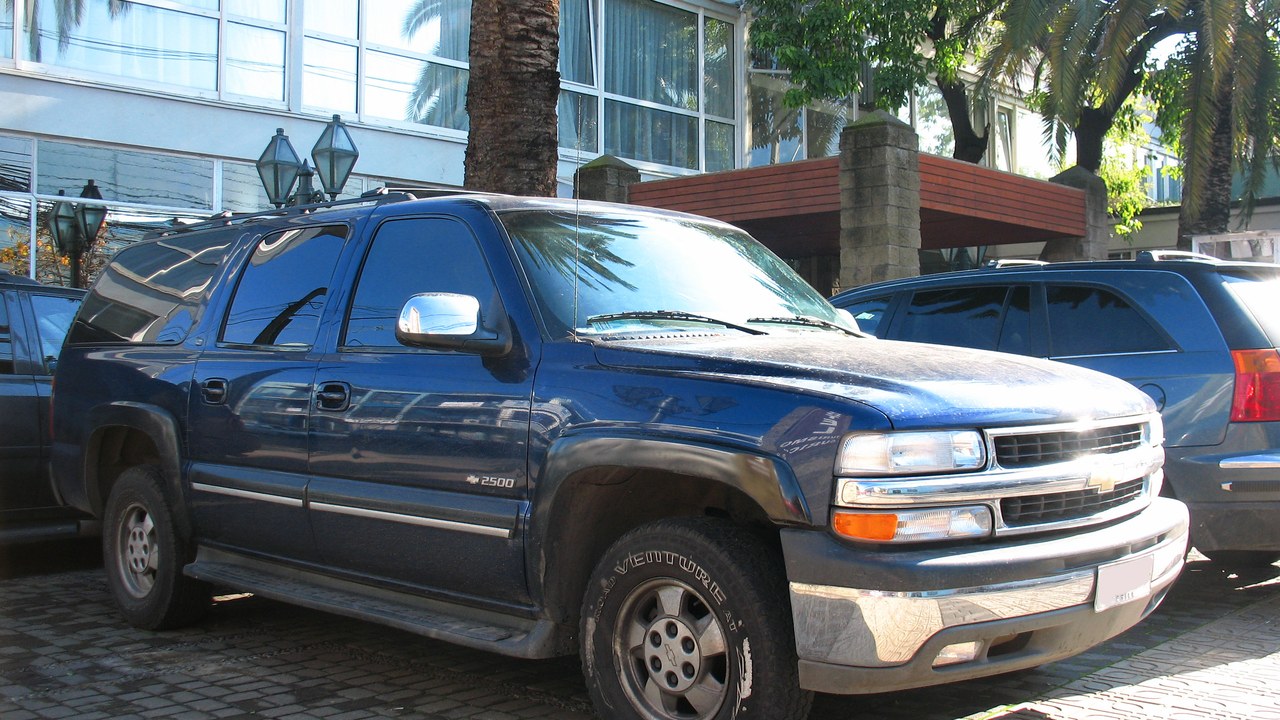
The 2000-2006 Suburban brought Vortec 5.3- and 6.0-liter V8s and StabiliTrak stability control. The two engine sizes gave buyers a choice between everyday towing and heavier-duty work, a split that has stayed familiar in the full-size segment.
Stability control was the headline safety upgrade, aimed at keeping a tall, heavy vehicle composed in sudden maneuvers. Used-market shoppers still see these trucks often, and the V8 choices are a big part of why the generation has a loyal following.
10. Chevrolet Suburban (10th generation): Trailer Sway Control
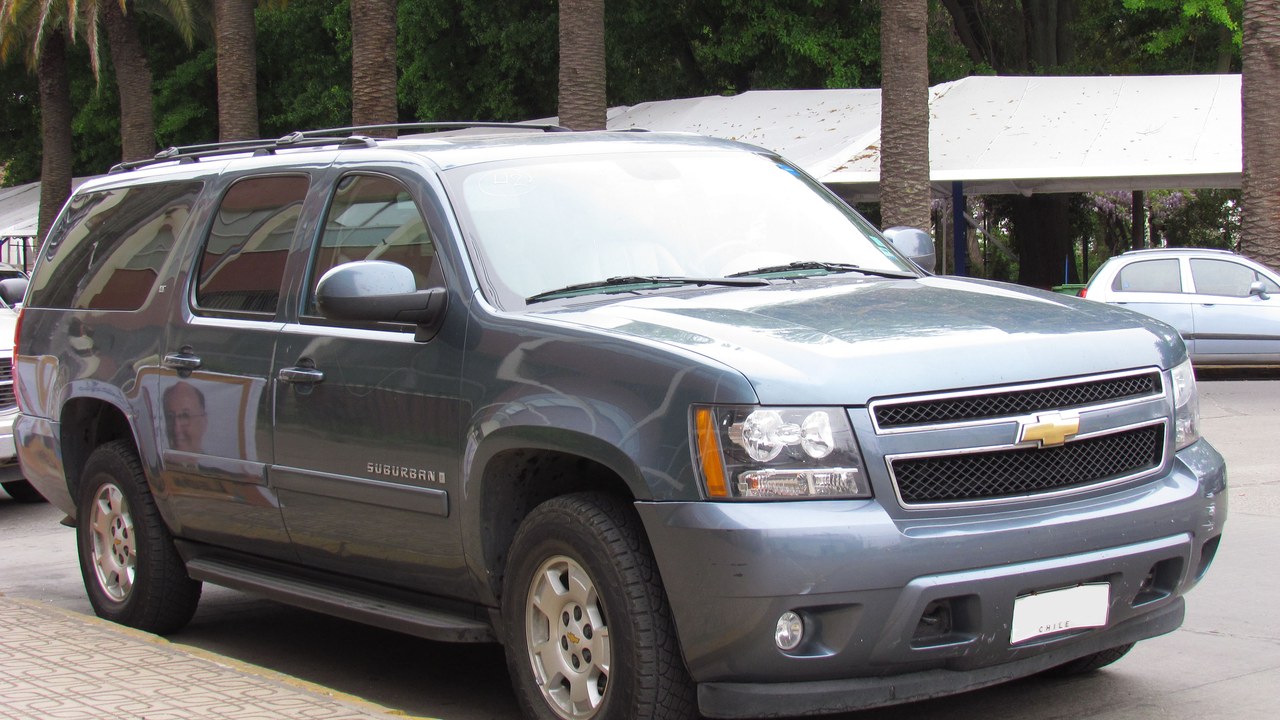
The 2007-2014 Suburban added electronic trailer sway control, Hill Start Assist and Side Blind Zone Alert. Each feature targeted the situations in which a large vehicle is hardest to manage, from steep driveways to long trailers on the highway.
For owners who tow boats or campers, the sway control is the most relevant addition. Hill Start Assist and blind-zone alerts, meanwhile, show the nameplate absorbing driver-assistance ideas that were spreading across the industry at the time.
11. Chevrolet Suburban (11th generation): Nine-Seat Capacity
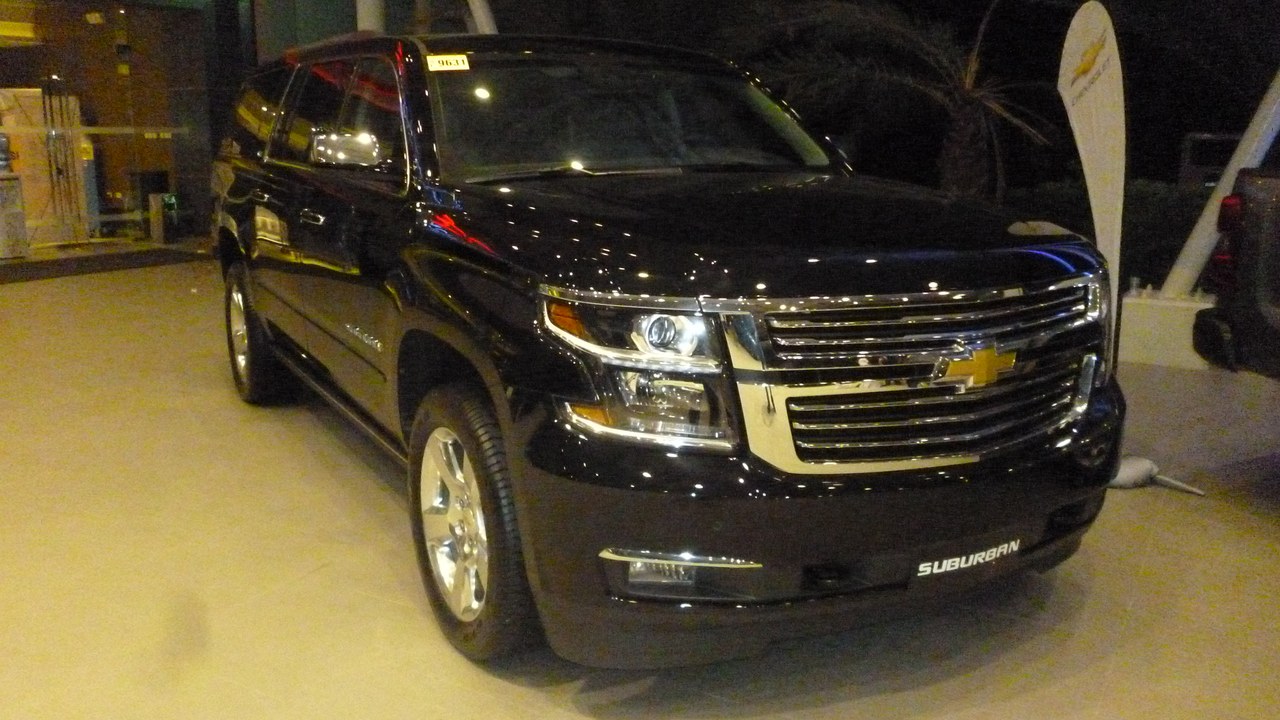
The 2015-2020 Suburban seated up to nine with as much as 121.7 cubic feet of cargo space. That total beat the 115.1 cubic feet quoted for the 1935 original, which was the cargo figure of the first wagon with its rear seats out.
Comparing the two numbers makes a neat point about the nameplate’s consistency: after 80-plus years the formula is still maximum people and maximum cargo. Families weighing a three-row purchase will find this generation a bridge between older and current designs.
12. Chevrolet Suburban (12th generation): Duramax Diesel Returns
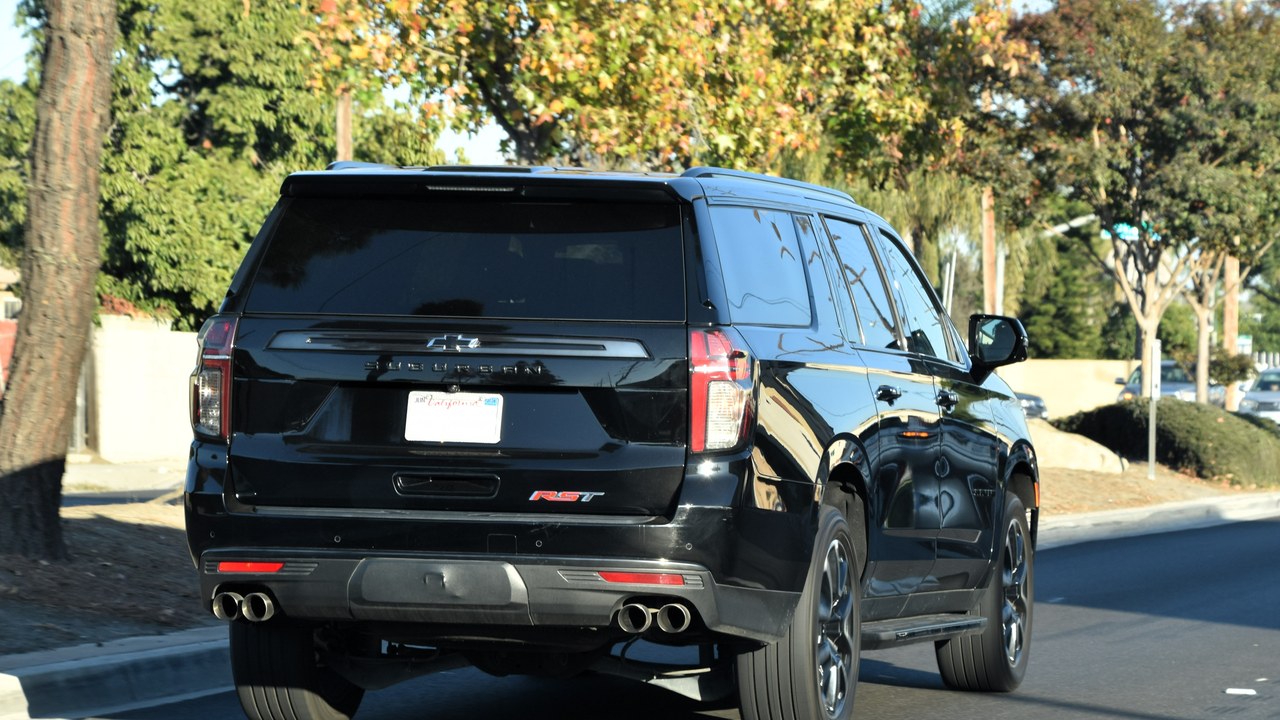
The refreshed 2025 Suburban added a standard 17.7-inch screen and a second-generation 3.0L Duramax diesel rated 305 hp and 495 lb-ft. Chevrolet announced the changes in a November 2023 release.
The large display modernizes the cabin, while the inline-six diesel gives buyers a torque-rich alternative for towing and highway range. It is the latest chapter in a story that began with a 60-hp six nearly ninety years earlier, and it keeps the nameplate relevant for buyers shopping new today.
The tech news worth your time: Subscribe to Techpresso →
We may earn a commission if you sign up.
More from Morning Overview
- Hybrids have 15% fewer problems than gas cars, while EVs and plug-in hybrids have about 80% more, Consumer Reports finds
- Regulators cleared the first U.S. small modular reactor, 4 months early
- Lake Powell sank to a record 3,517 feet, nearing the level that stops Glen Canyon Dam’s turbines
- Seven of Earth’s nine planetary boundaries are breached, and all seven are worsening
