
Nissan has sold pickups in the United States for more than six decades, first under the Datsun name and later under its own. Over that time the trucks grew from small four-cylinder haulers into full-size models with V8 power. Here are ten Datsun and Nissan pickups, from the first compact to a Cummins-powered Titan.
Stay ahead on AI: Join 600,000+ professionals who read The Deep View, the daily newsletter that keeps you up to date with artificial intelligence.
We may earn a commission if you sign up.
1. Datsun 220: First True Compact
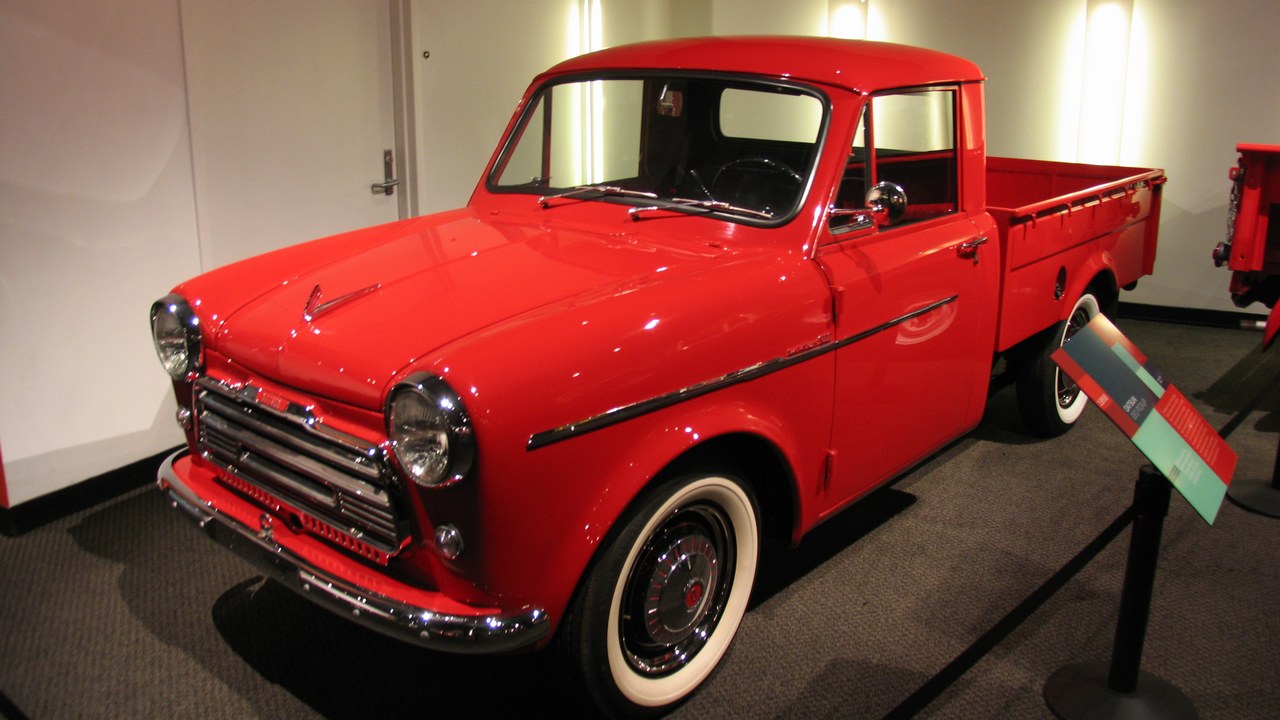
The 1959 Datsun 220 was the first true compact pickup sold in the United States, according to Autoblog’s history of Nissan pickups. It introduced American buyers to a smaller, cheaper kind of truck, a different proposition from the larger pickups American buyers already knew.
That early entry laid the groundwork for everything the company sold afterward. Few examples survive today, so the 220 is more a historical landmark than a practical used purchase for most shoppers, and anyone hunting for one should expect a long search and a careful look at the paperwork.
2. Datsun 520: Small Four Hauler
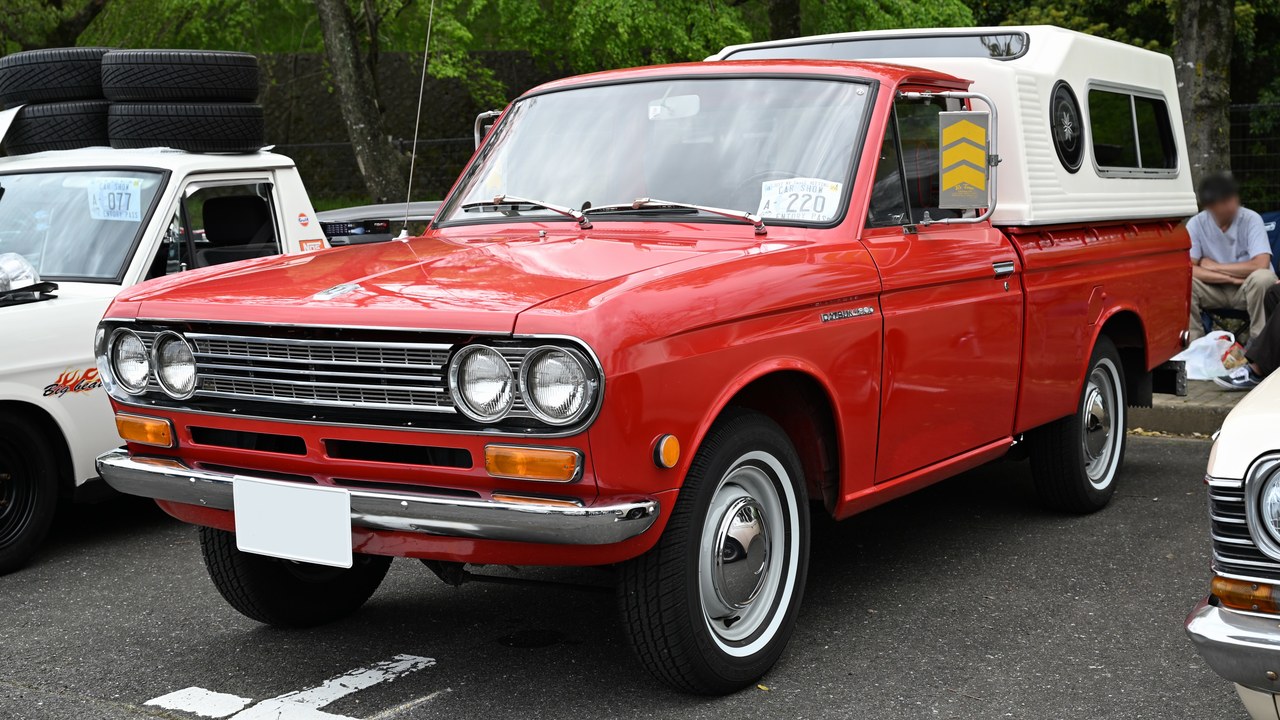
The 1965-1972 Datsun 520 ran a 1.3-liter 67-hp four with double-wishbone front suspension, as RealTruck’s overview of Nissan trucks describes. The independent front suspension was an uncommon feature for a small work truck of its era.
The 520 shows how Datsun kept refining a simple formula. Its modest output suited light hauling, and enthusiasts who restore these trucks tend to value the original, uncomplicated mechanical layout. Replacement parts can take effort to track down, which is worth remembering before buying a project truck.
3. Datsun 620: Long-Bed Breakthrough
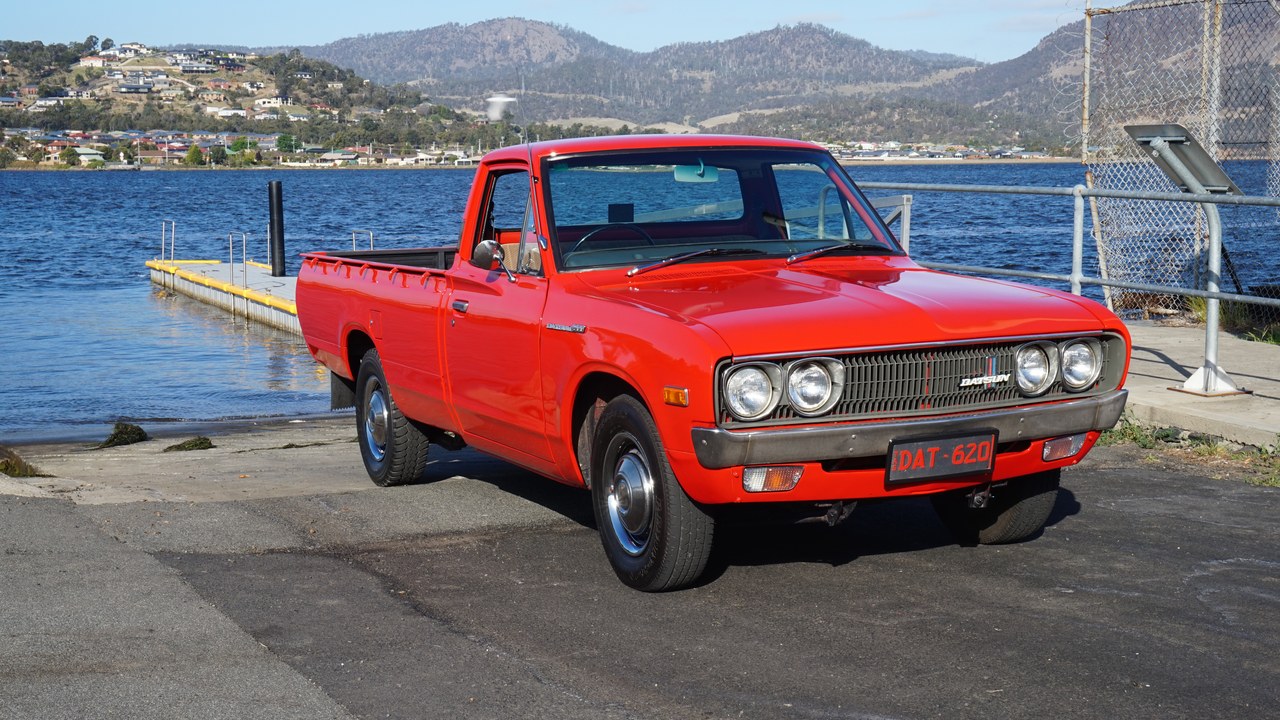
The Datsun 620 brought Nissan’s first long-bed compact truck and the first King Cab, according to the Autoblog retrospective. Those two changes gave small-truck buyers more cargo room and a little extra space behind the seats.
The King Cab idea proved lasting, and extended cabs became a common feature across the segment. Collectors looking at a 620 should check carefully for rust, since the trucks are now decades old. A clean, original example is the one worth paying extra for, because the long-bed layout is what sets this model apart in its family.
4. Datsun 720: American-Built Milestone
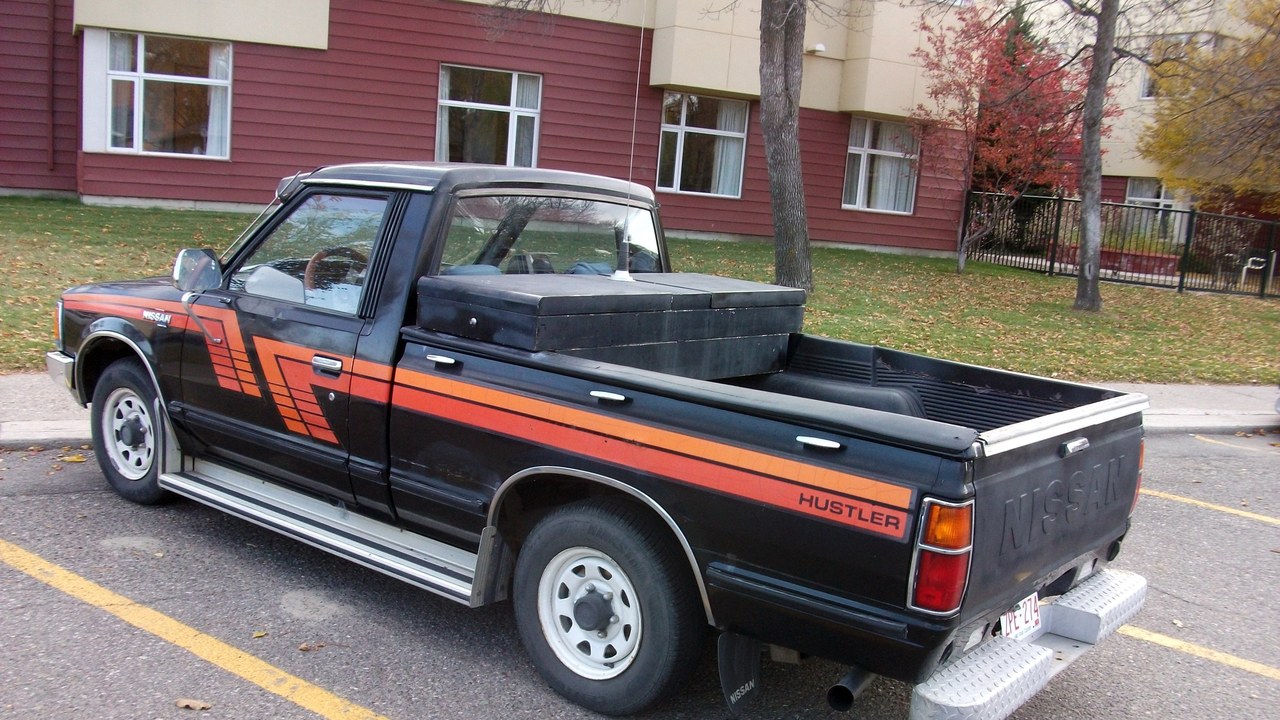
In 1983 Nissan became the first importer to build a truck in the U.S., starting with the 720, according to Wikipedia’s Datsun 720 article. The move put Japanese pickup production on American soil years before the practice became routine.
The 720 marks the point when a Japanese brand committed to local manufacturing. That decision shaped how Nissan sold and built trucks for the decades that followed. Buyers of the 720 were also among the first to own a Japanese-brand pickup assembled in America.
5. Nissan Hardbody: Hardbody Era
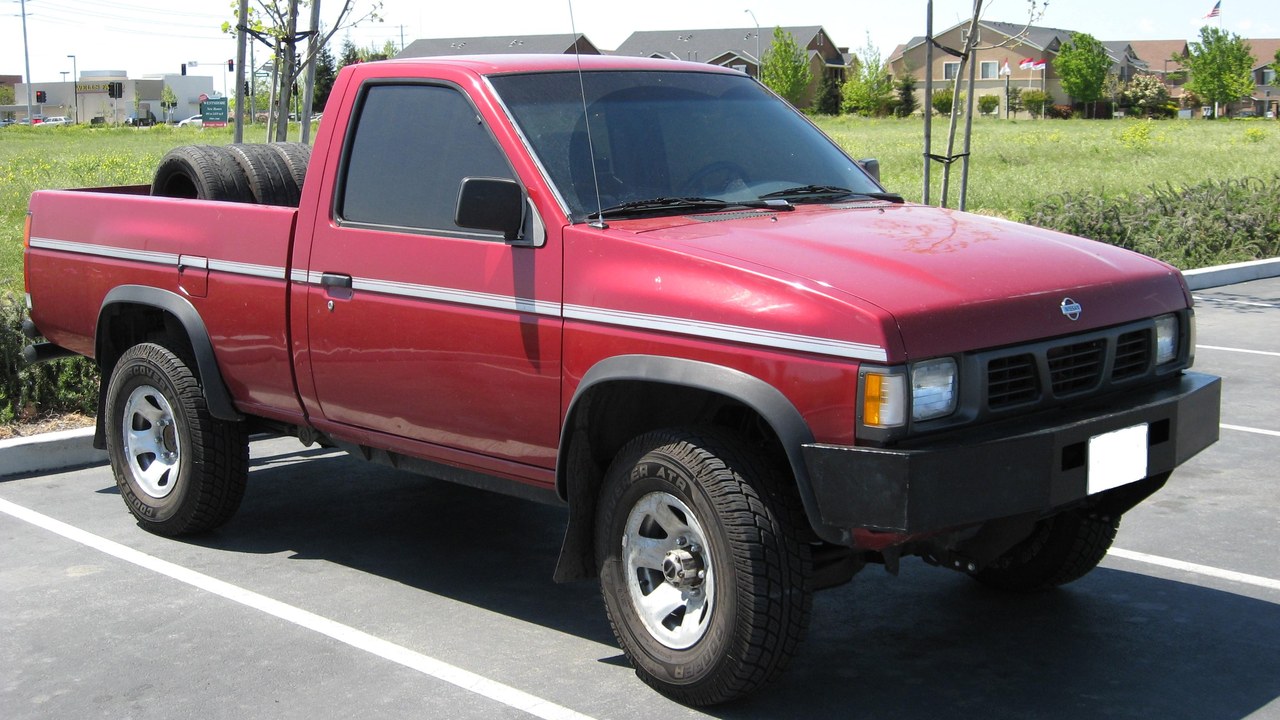
The D21 Hardbody offered a 106-hp 2.4-liter four with twin spark plugs per cylinder, or a 140-hp 3.0-liter V6, according to RealTruck’s Nissan history. The two engines gave buyers a choice between economy and extra power.
The Hardbody remains popular with people who want a simple, affordable truck. Parts are still easy to find, though shoppers should expect age-related wear on any example that has covered many miles. A well-kept truck with documented service is a better bet than a cheap one with an unknown past.
6. Nissan Frontier (first generation): Crew Cab Pioneer
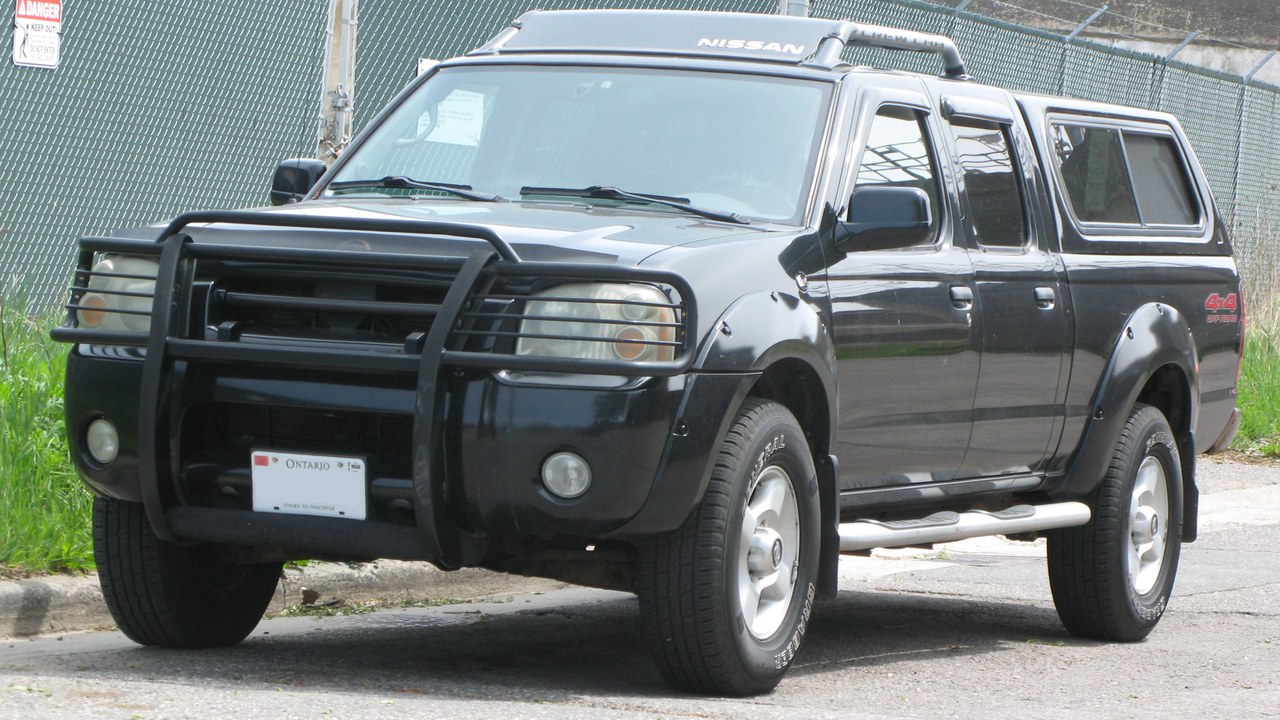
The first Frontier of 1997-2004 offered a 170-hp 3.3-liter V6 and was among the first compact trucks with a crew cab, as Wikipedia’s Nissan Frontier article explains. The new name replaced the Hardbody badge on the small Nissan pickup.
A crew cab let a compact truck double as a family vehicle. That flexibility helped the Frontier compete against rivals and set a pattern the segment would follow for years. Anyone shopping used should look for a crew-cab version if rear seating matters, since regular and extended cabs were the more common choices.
7. Nissan Frontier (second generation): Midsize Move
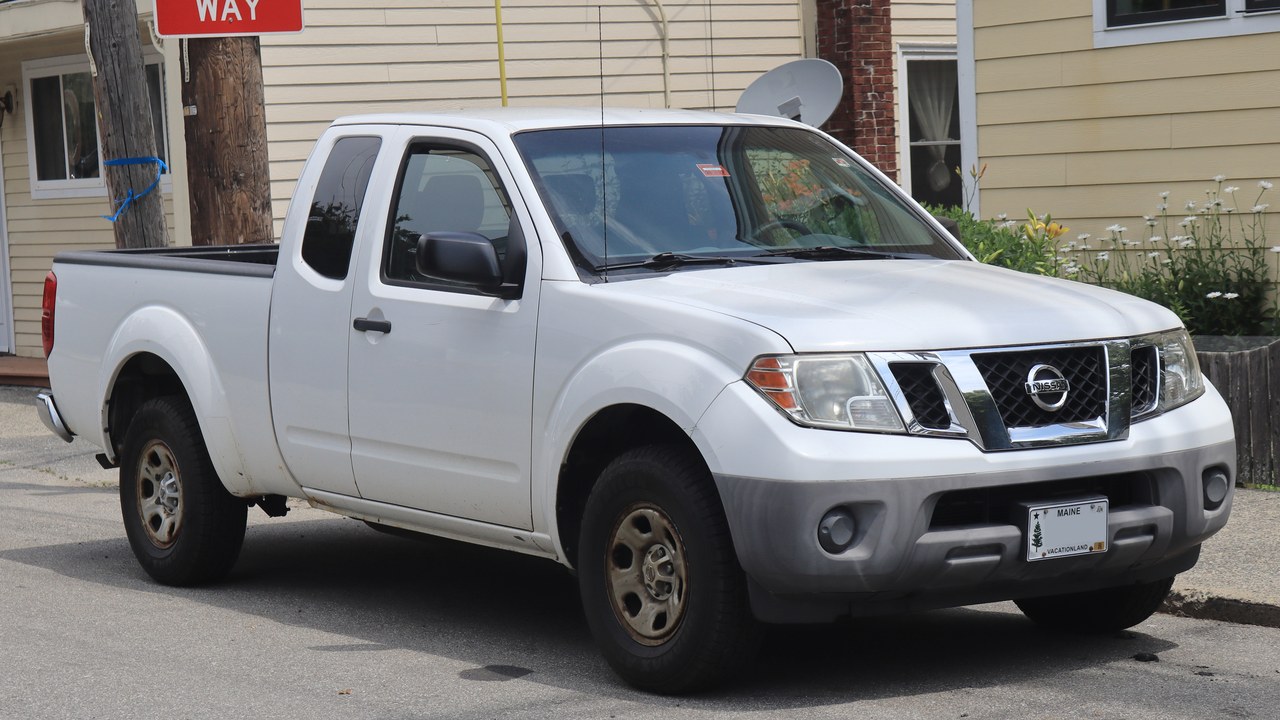
The 2005 Frontier “ceased to be a true compact,” adding a 261-hp 4.0-liter V6 and running with little interior change through 2020, according to the Wikipedia Frontier entry. The larger body and engine marked a clear step up in size and power.
Owners got a more capable truck, but the long run without major updates meant the interior aged. Used buyers can find these trucks at modest prices, which keeps them attractive for work duty. The tradeoff is a cabin that feels dated next to newer trucks, so test drives matter before any purchase.
8. Nissan Frontier (third generation): Long-Awaited Redesign
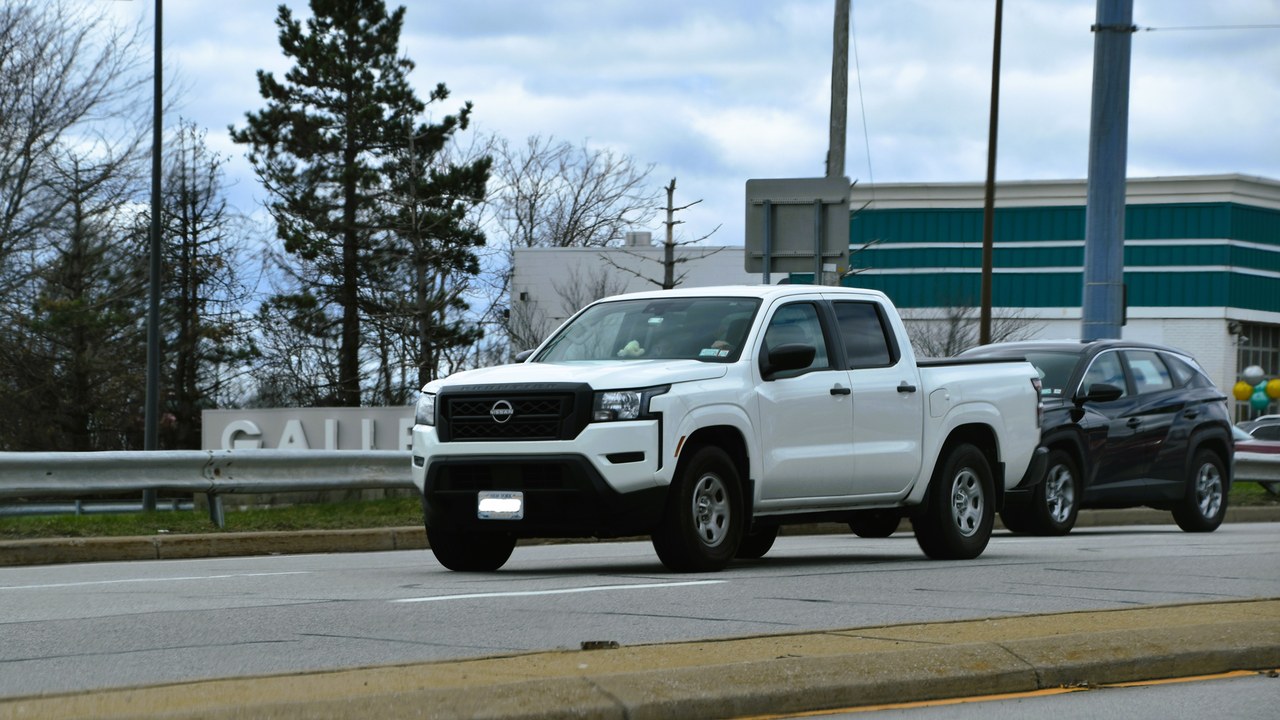
The 2022 Frontier was the truck’s first comprehensive overhaul in a decade and a half, with a 310-hp 3.8-liter V6, according to Autoblog’s Nissan pickup timeline. The update brought a fresh design after many years with the same basic truck.
The new engine delivered a sizable jump in output over the earlier V6. Shoppers who skipped the previous generation because of its age found a much more current midsize option. Anyone comparing it with the previous generation will notice the larger engine most, and the fresh design helps with resale as well as day-to-day use.
9. Nissan Titan: Full-Size Arrival
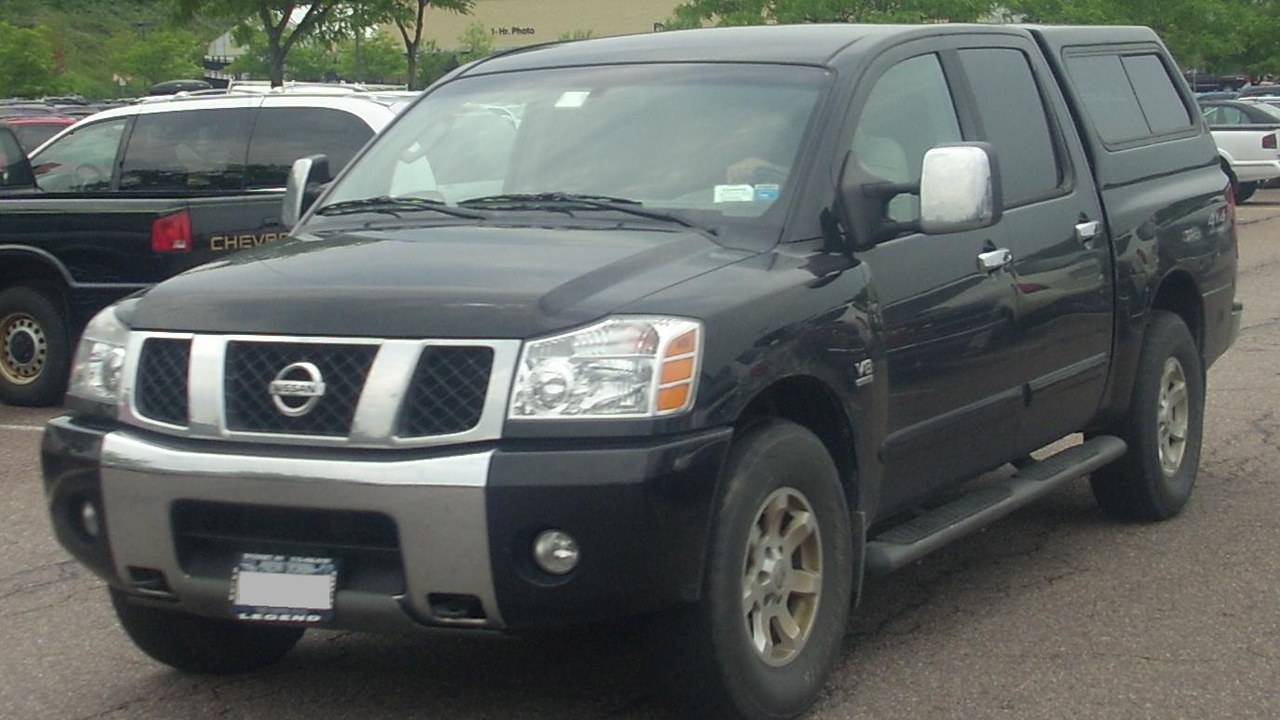
The 2004 Titan arrived with an all-new 5.6-liter Endurance V8 making 305 hp and 379 lb-ft, built in Canton, Mississippi, as Nissan’s own press kit states. It was Nissan’s first serious entry into the full-size pickup class.
Building the Titan in Mississippi tied it to American production. The V8 gave the truck towing and hauling ability that the smaller Frontier could not match. Buyers weighing the two should consider how much towing capacity they need, since the Titan’s size and fuel use come with that extra capability.
10. Nissan Titan XD: Diesel Titan
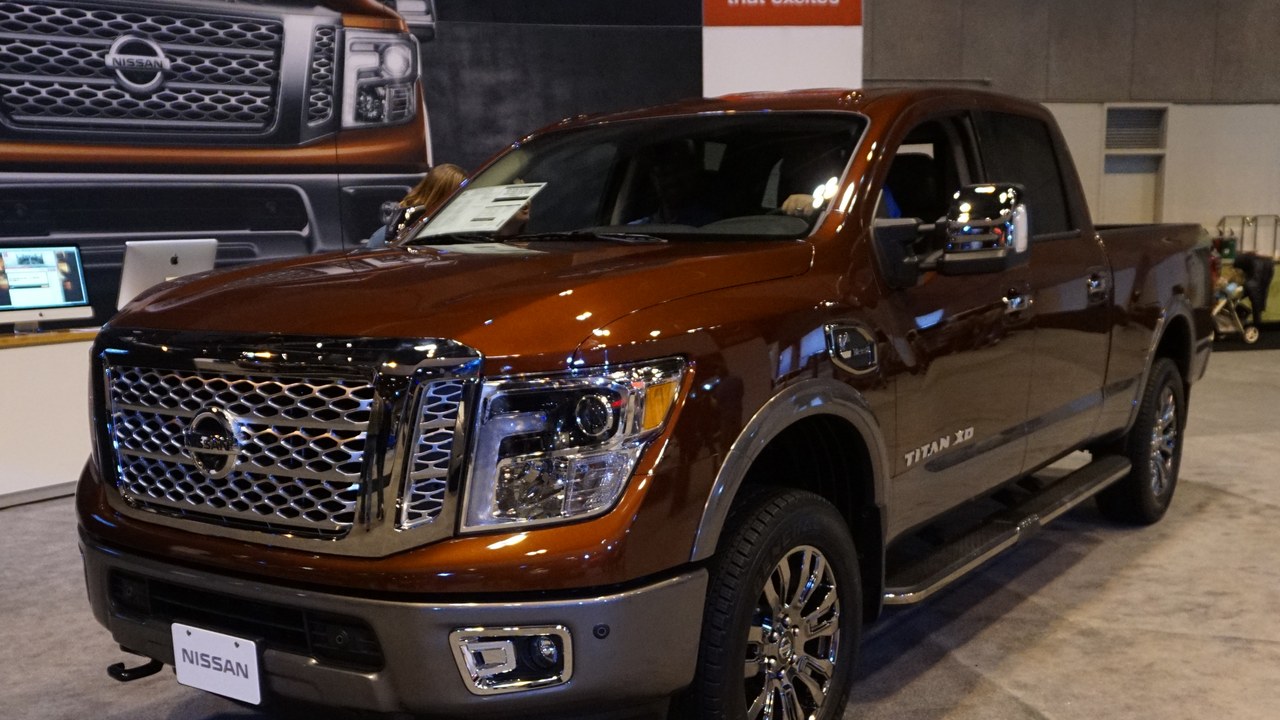
The Titan XD carried a Cummins 5.0-liter V8 diesel rated at 310 hp and 555 lb-ft, according to RealTruck’s overview. The diesel put the largest torque figure of any Nissan pickup on this list in a single package. The pairing of a large V8 diesel with a full-size body gave the truck a distinct identity in a crowded field.
The XD aimed at buyers who needed heavier towing capability than a gasoline V8 offered. For anyone considering one, the strong torque rating is the central selling point of the truck, though diesel ownership also brings its own fuel and maintenance considerations.
Stay ahead on AI: Subscribe to The Deep View →
We may earn a commission if you sign up.
More from Morning Overview
- Ford is recalling 223,472 F-150 pickups because the fuel tank can leak or detach
- Hybrids have 15% fewer problems than gas cars, while EVs and plug-in hybrids have about 80% more, Consumer Reports finds
- Regulators cleared the first U.S. small modular reactor, 4 months early
- Lake Powell sank to a record 3,517 feet, nearing the level that stops Glen Canyon Dam’s turbines
