
Full-size luxury SUVs look like safe bets on the showroom floor, yet the used market can be unforgiving once five years have passed. An iSeeCars study of more than 950,000 five-year-old used cars sold between March 2025 and February 2026 measured how much each model gave up. Here are thirteen gas and hybrid SUVs, from the mildest loss to the steepest.
Tech news worth reading: Get Techpresso, the daily email with the most interesting tech news and insights, read by 400,000+ professionals from Google, Apple and OpenAI.
We may earn a commission if you sign up.
1. Lincoln Navigator: Big Lincoln Hauler
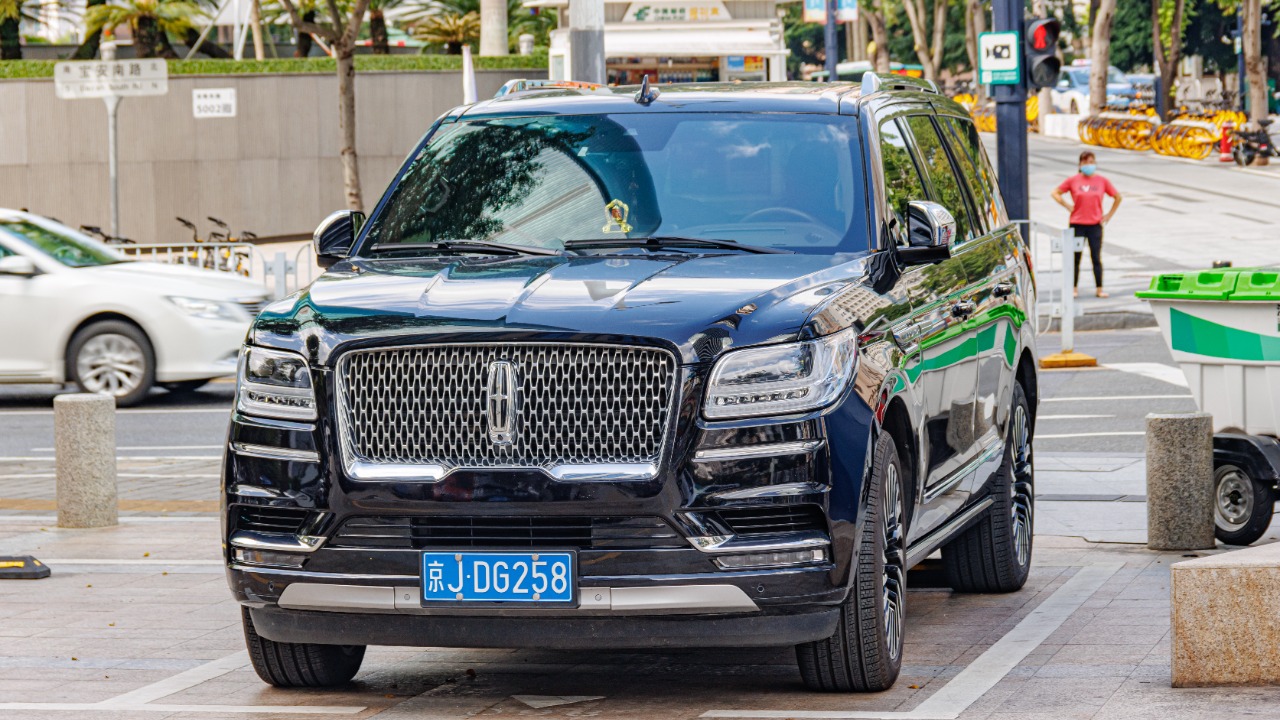
The five-year-old Lincoln Navigator has lost 56.3% of its value, a $41,264 drop, according to iSeeCars’ 2026 depreciation study. That is the mildest loss among the thirteen SUVs here, though it still means more than half the original sticker is gone.
A shopper pricing a Navigator on the used lot is the one who benefits from that slide. Buying at the five-year mark skips the steepest part of the curve, while a first owner absorbs a very large bill when it comes time to sell or trade.
2. Ford Expedition MAX: Stretched Ford Family Mover
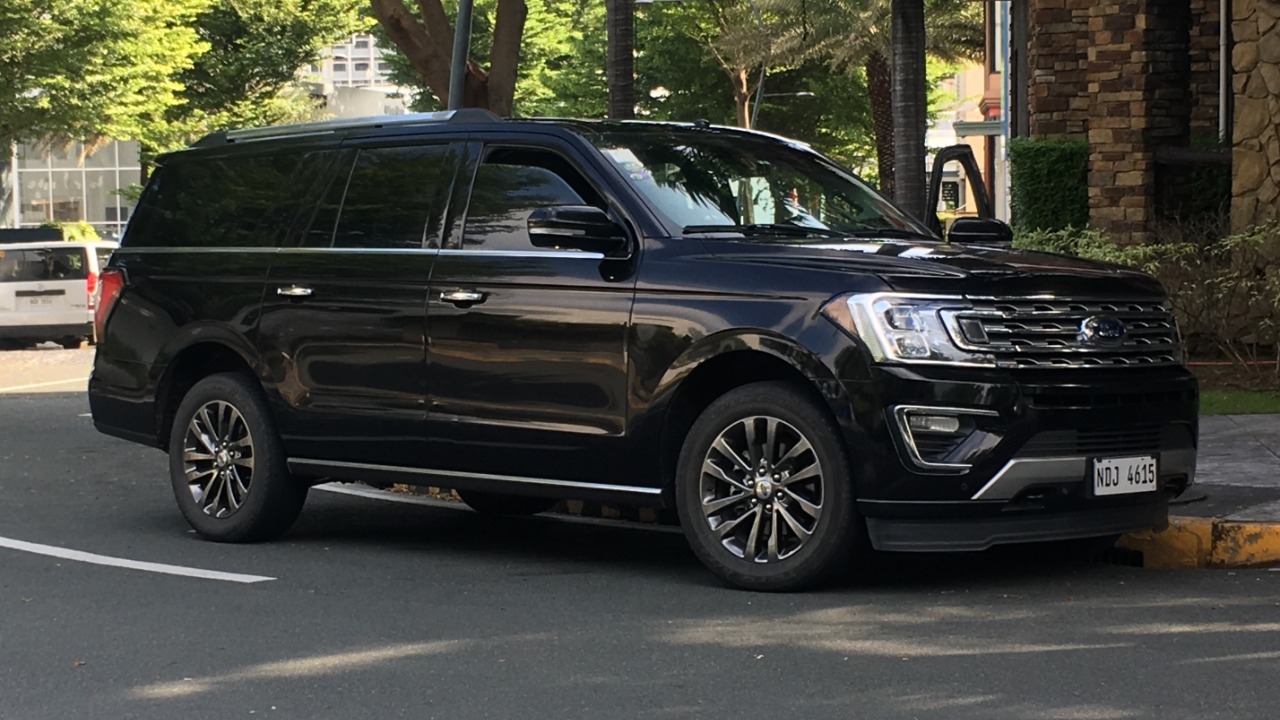
The Ford Expedition MAX sheds 56.3% of its value over five years, a $34,825 hit, as the KTLA report on the study lays out. The extended wheelbase adds cargo room, but the market does not pay extra for it later.
Families who want three rows and real luggage space get that capacity cheaply on the used market. Anyone buying new should plan for a trade-in value well under half the purchase price by year five.
3. Jaguar F-Pace: Cat With Steep Drop
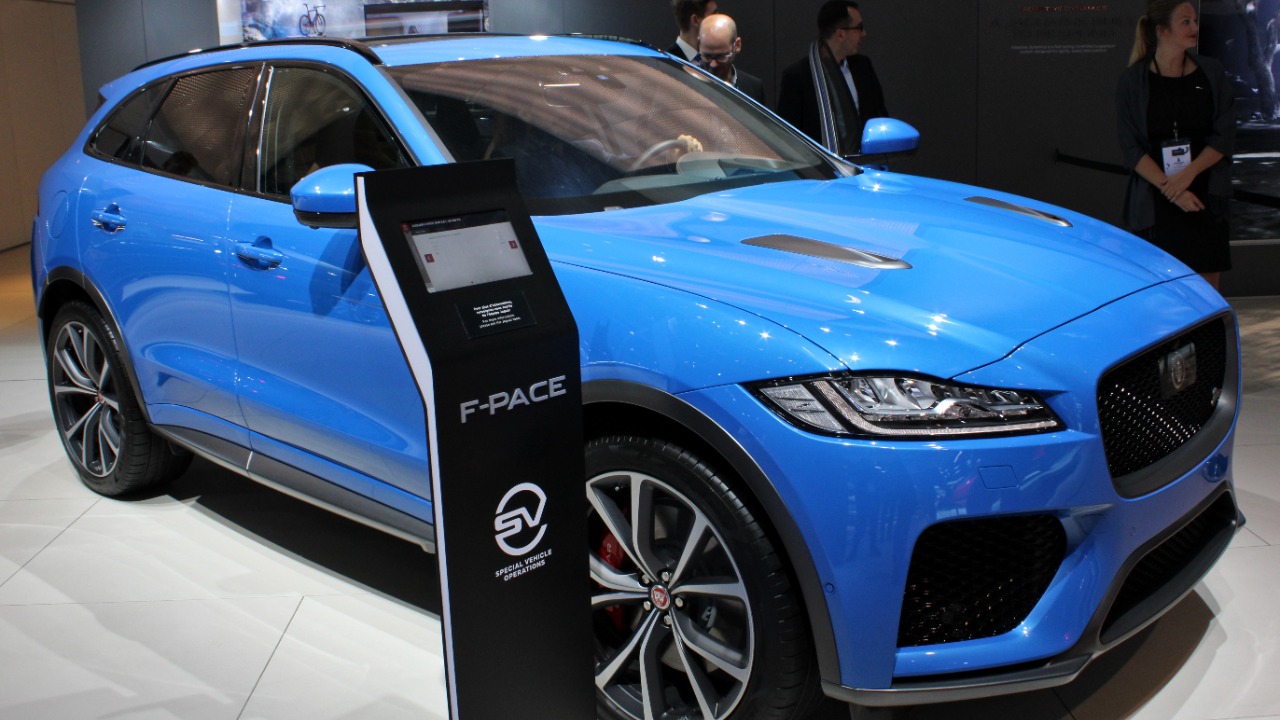
The Jaguar F-Pace loses 56.5% of its value in five years, based on the iSeeCars hold-their-value rankings. The loss is a reminder that steep depreciation is not limited to the largest SUVs.
Used buyers get a stylish crossover at a steep discount compared with its original price, but repair costs on a European luxury brand deserve a close look before signing. Original buyers who lease rather than purchase sidestep most of this exposure to the market.
4. Cadillac Escalade ESV: Long Wheelbase Loss
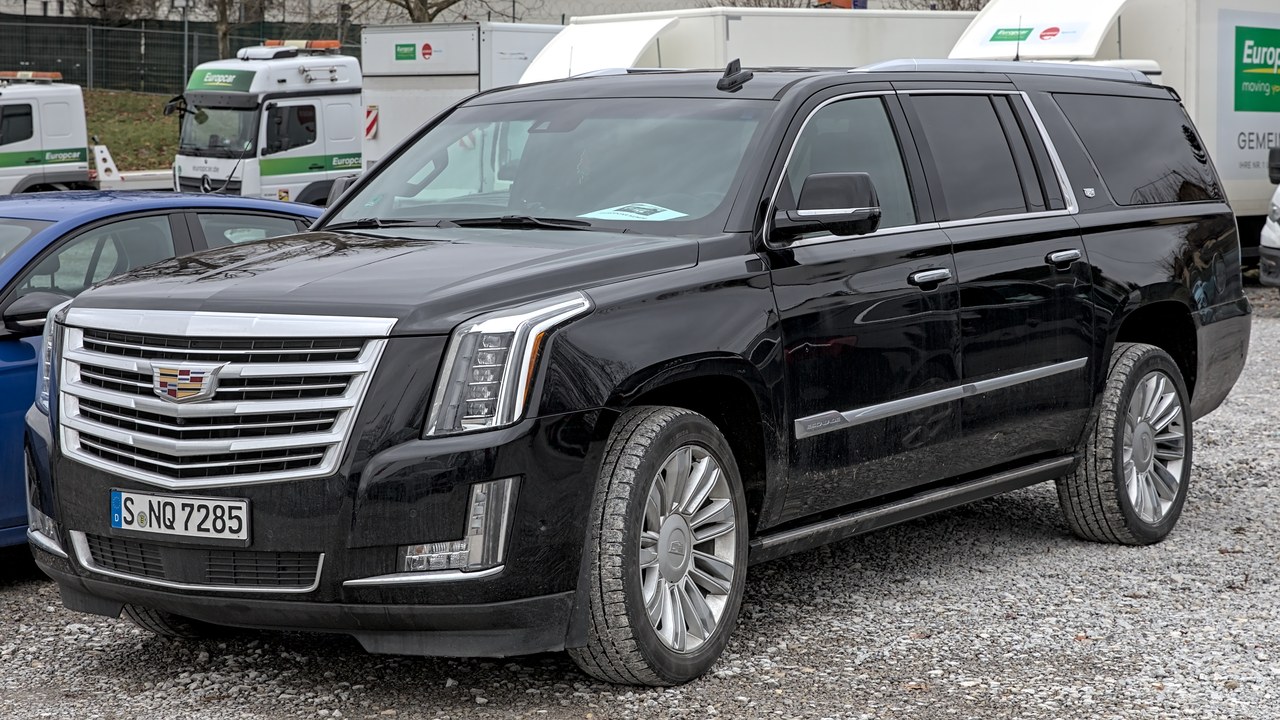
The long Cadillac Escalade ESV drops 57.0% in five years, which works out to a $53,605 loss in the iSeeCars figures republished by KTLA. Few vehicles on the list lose more actual dollars.
The ESV carries a high price when new, so even a modest percentage translates into a large check written off. Buyers weighing it against a used example should compare the dollar gap, not just the percentage, to see how much the first owner paid for the privilege.
5. Nissan Armada: Japanese Full-Size Slide
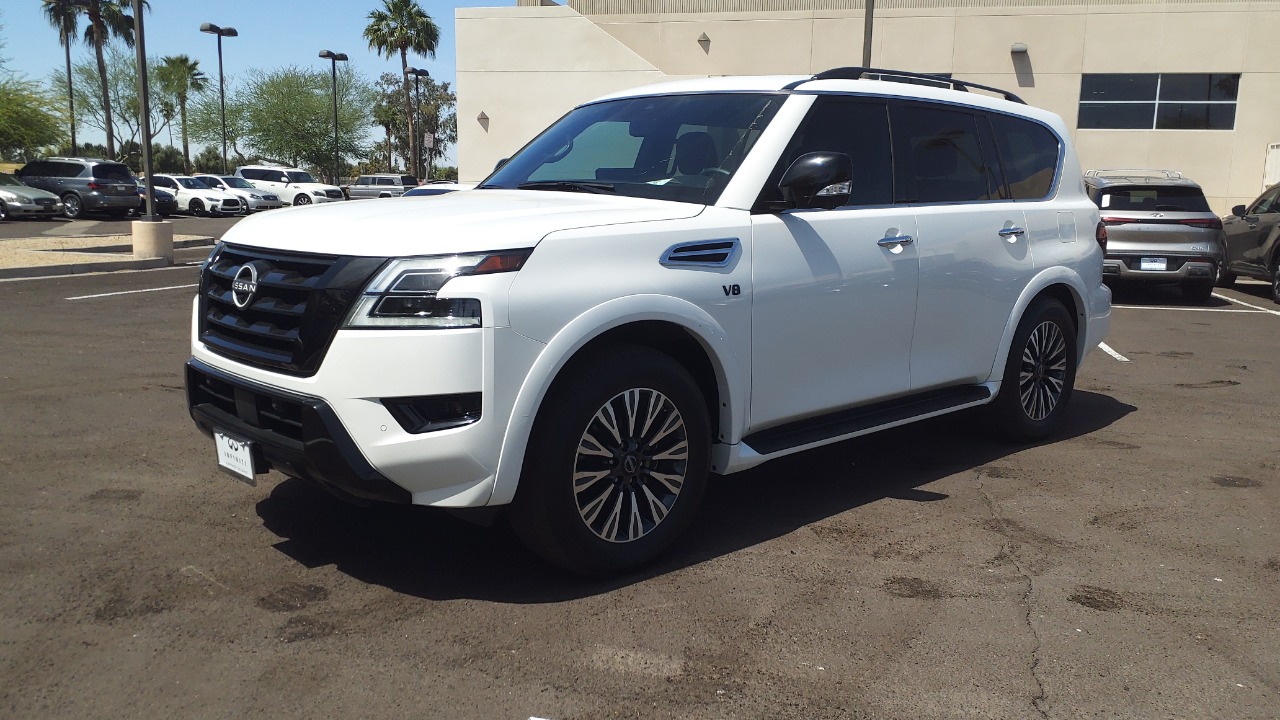
The Nissan Armada loses 57.0% of its value after five years, according to the iSeeCars study data. That is the same percentage as the Escalade ESV, ranked right beside it.
A lower sticker softens the dollar damage but not the percentage. Shoppers who want a large, towing-capable SUV on a budget will find five-year-old Armadas priced attractively, which is exactly why owners find them hard to sell at a profit.
6. BMW X5 hybrid: Plug-In Premium Penalty
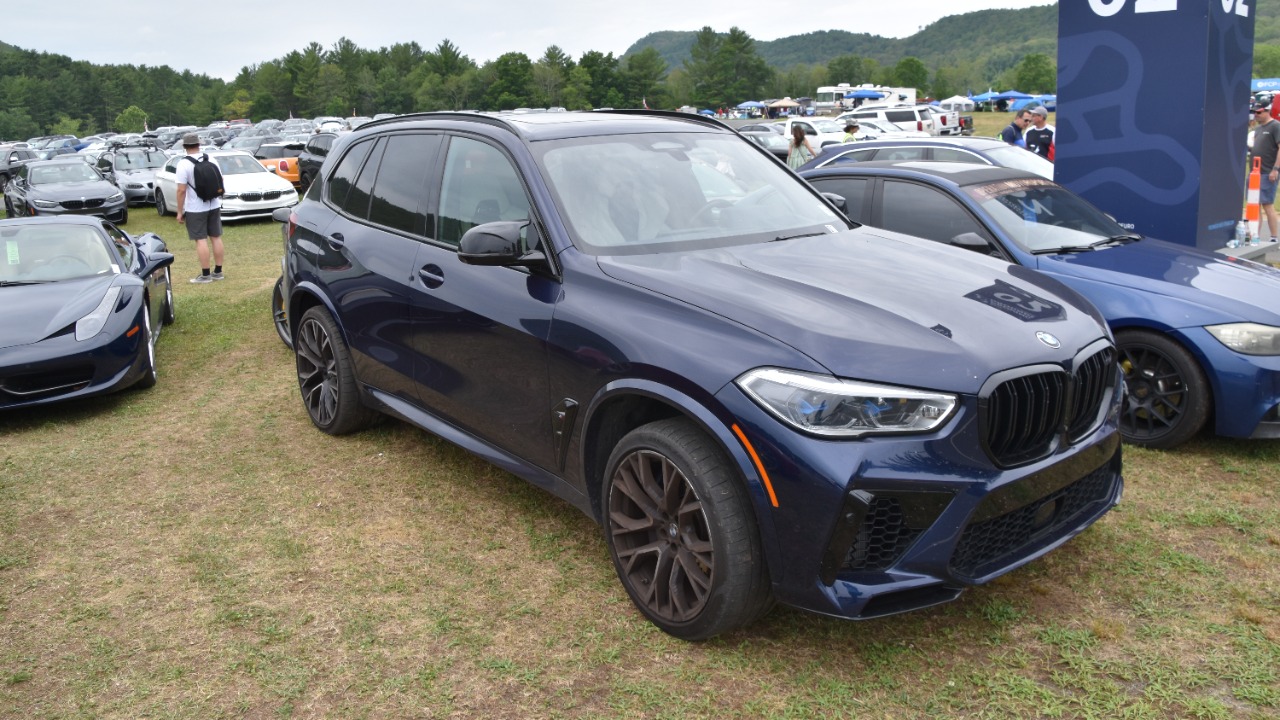
The plug-in BMW X5 hybrid sheds 57.1%, or $43,361, over five years, a figure reported in the KTLA summary of the iSeeCars list. The electrified powertrain adds cost up front that later buyers decline to pay for.
Used shoppers can pick up an X5 with electric range at a notable discount. Anyone considering buying new should weigh the extra purchase price against the likelihood that the premium evaporates at resale.
7. Audi Q7: Four-Ring Three-Row
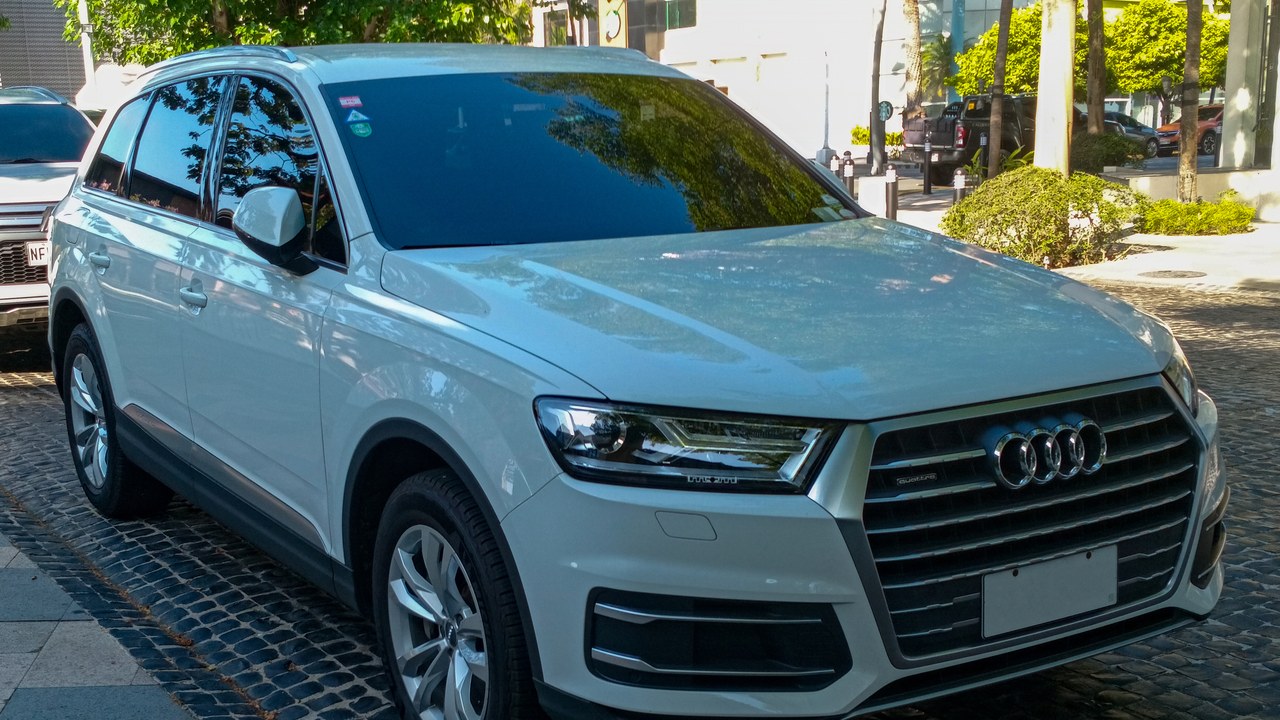
The Audi Q7 loses 57.2% in five years, a $35,486 hit that appears in the KTLA rundown of the study. The three-row Audi sits just a notch above the BMW on the depreciation curve.
The Q7 rewards the second owner more than the first. A used example offers a refined cabin and capable all-wheel drive at a price well below what the original buyer paid, though out-of-warranty service on German luxury vehicles can be costly.
8. Land Rover Discovery: Discovery Of A Pattern
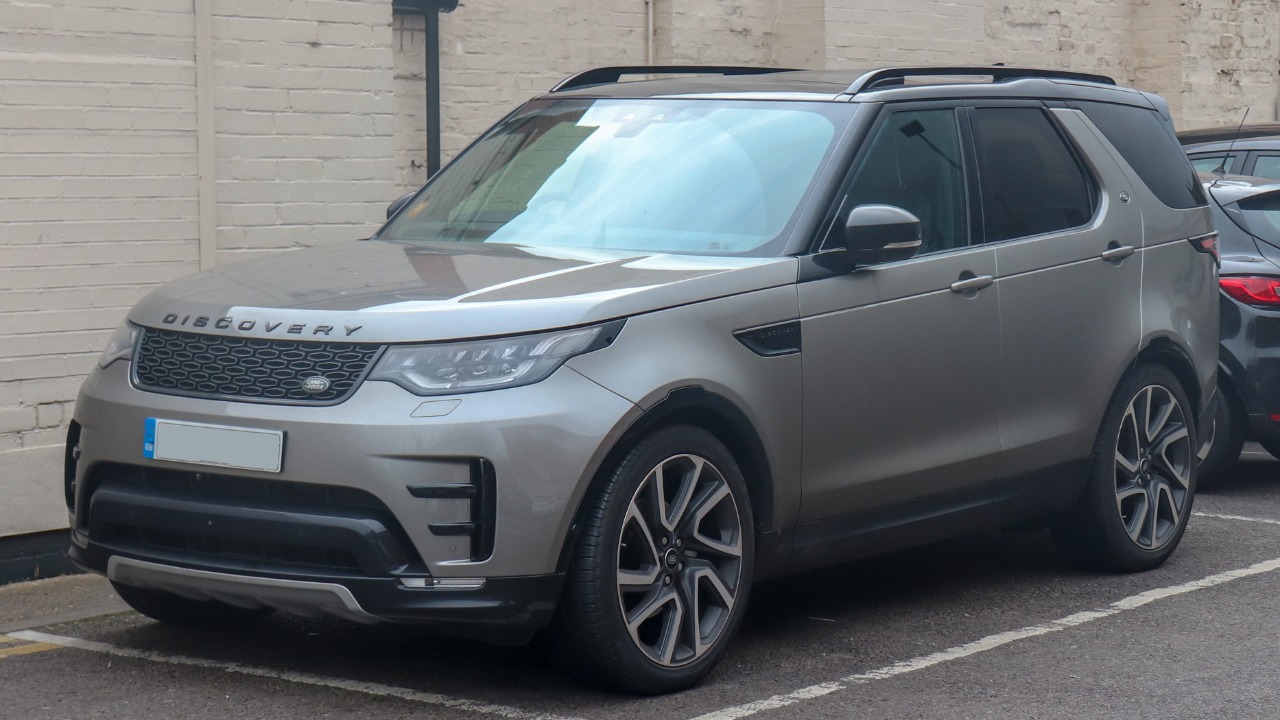
The 2021 Land Rover Discovery is down 57.9% after five years, and the writers at Jalopnik describe Land Rover’s pattern of plunging resale values as continuing here. It is the first of several Land Rover products on the list.
The brand’s reputation for costly maintenance weighs on resale, and buyers know it. Those tempted by a cheap used Discovery should budget for repairs, while those who like the vehicle can use the steep drop as negotiating leverage.
9. Audi Q5 hybrid: Plug-In Q5 Penalty
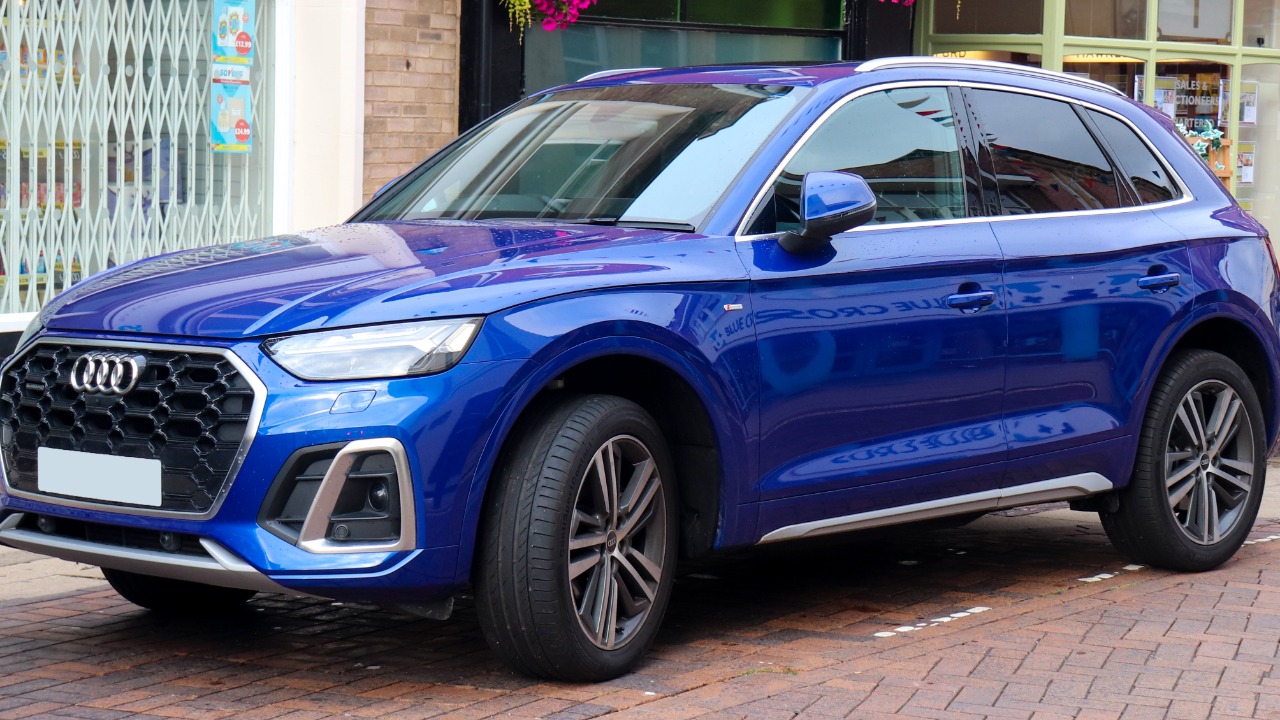
The plug-in Audi Q5 loses 58.2% in five years, compared with 55.1% for the standard Q5, according to the Jalopnik look at fast-depreciating SUVs. The three-point gap shows what the hybrid hardware costs at resale.
The comparison is useful for anyone choosing between powertrains. The conventional Q5 holds roughly three points more of its value, so the plug-in only makes sense when fuel savings or incentives clearly outweigh that difference.
10. Land Rover Range Rover Sport: Sporty Range Rover Sibling
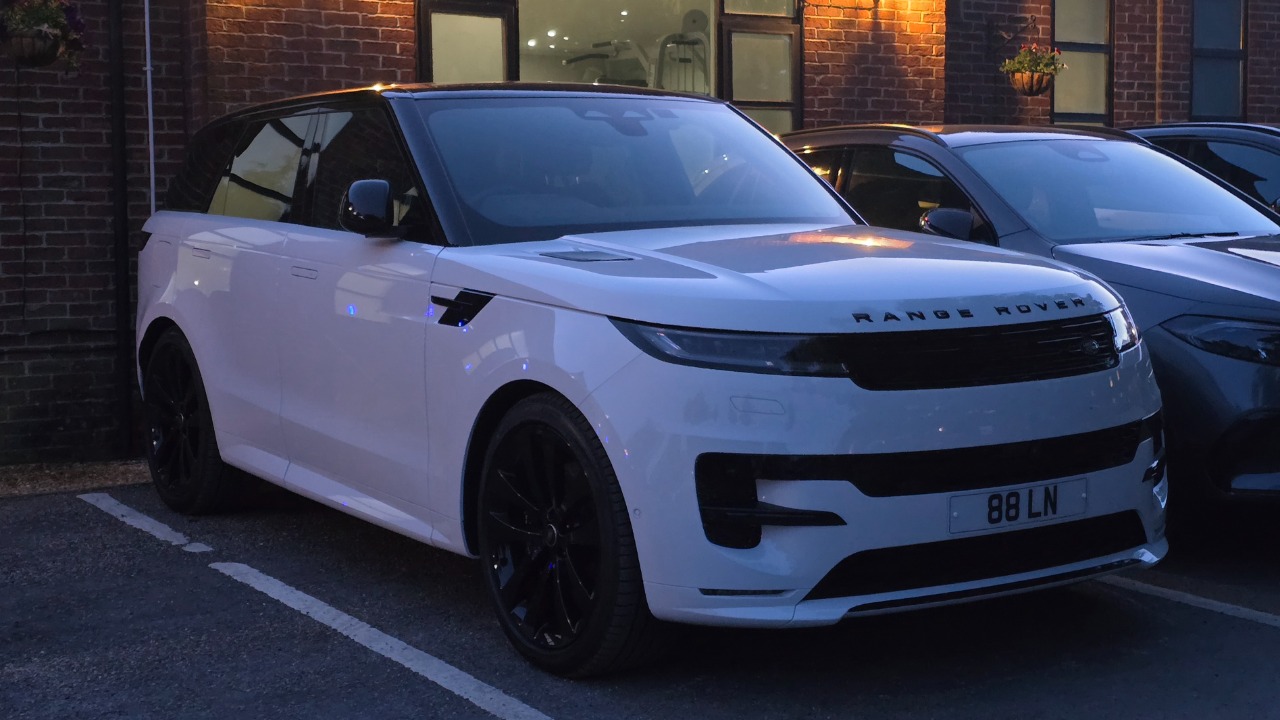
The Range Rover Sport sheds 58.3% after five years per the iSeeCars data cited by Jalopnik. It is a smaller, sportier relative of the flagship, yet it follows the same downward path.
A used Sport brings Range Rover styling at a far lower price than the original buyer paid, which suits shoppers willing to accept the ownership risks that come with the brand. Leasing remains the safer route for anyone who wants the badge without bearing the depreciation personally.
11. Infiniti QX60: Infiniti Three-Row
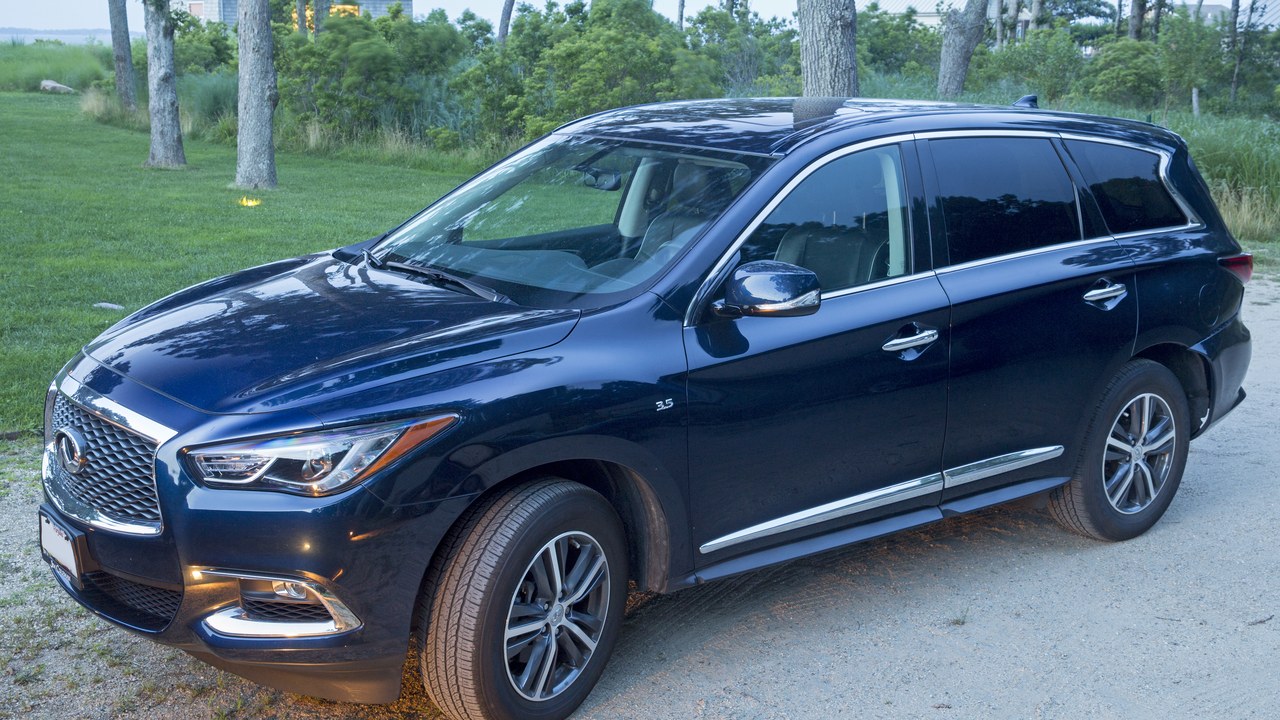
The Infiniti QX60 also loses 58.3% of its value over five years, tying the Range Rover Sport in the Jalopnik breakdown. The mid-size luxury crossover is a family favorite, but its resale numbers lag far behind mainstream rivals.
Value-minded parents can find a five-year-old QX60 for much less than the original owner paid. New-car buyers should negotiate hard on price, since the dealer discount is one of the few savings that is certain.
12. Land Rover Range Rover: Flagship Dollar Drop
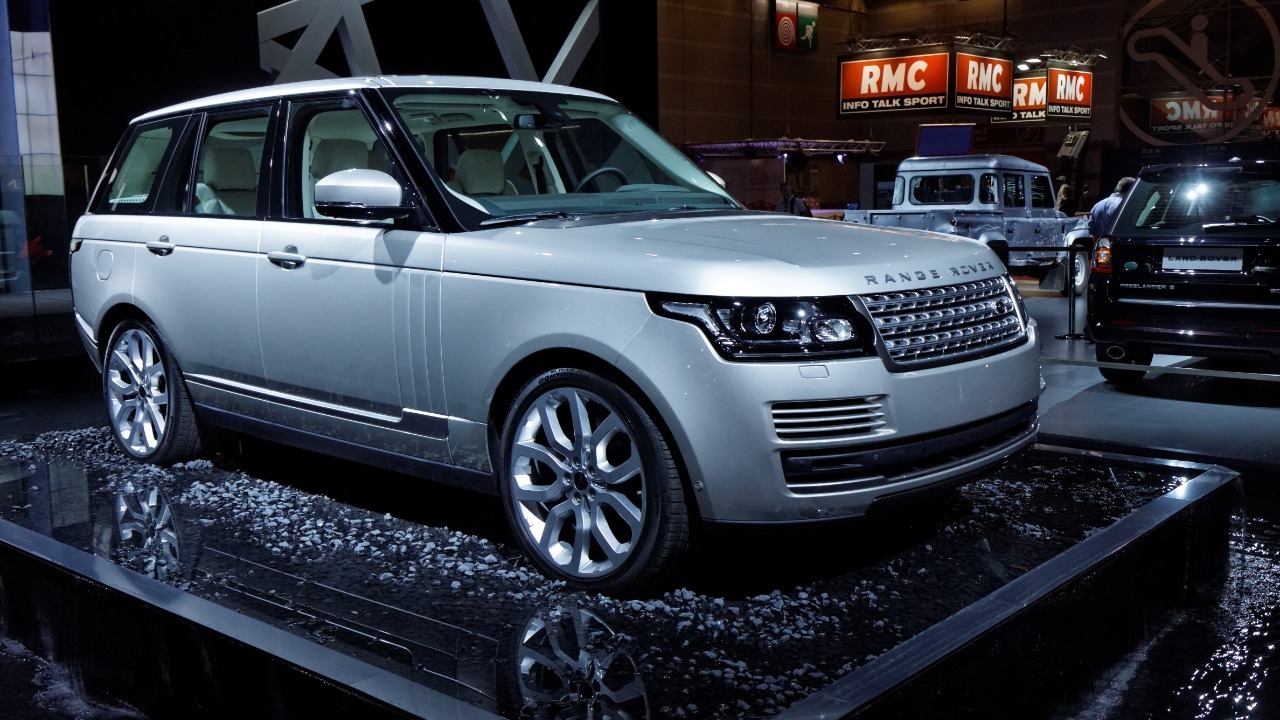
The full-size Range Rover loses 61.7% in five years, the biggest dollar drop on the list at $69,856, according to the iSeeCars study. A high starting price turns a steep percentage into a very large amount of lost money.
This is the clearest example of why a status vehicle can be the costliest to own. Used buyers get a luxury flagship at a fraction of its original price, but the savings come with higher risk of expensive repairs.
13. Infiniti QX80: Worst Of The Study
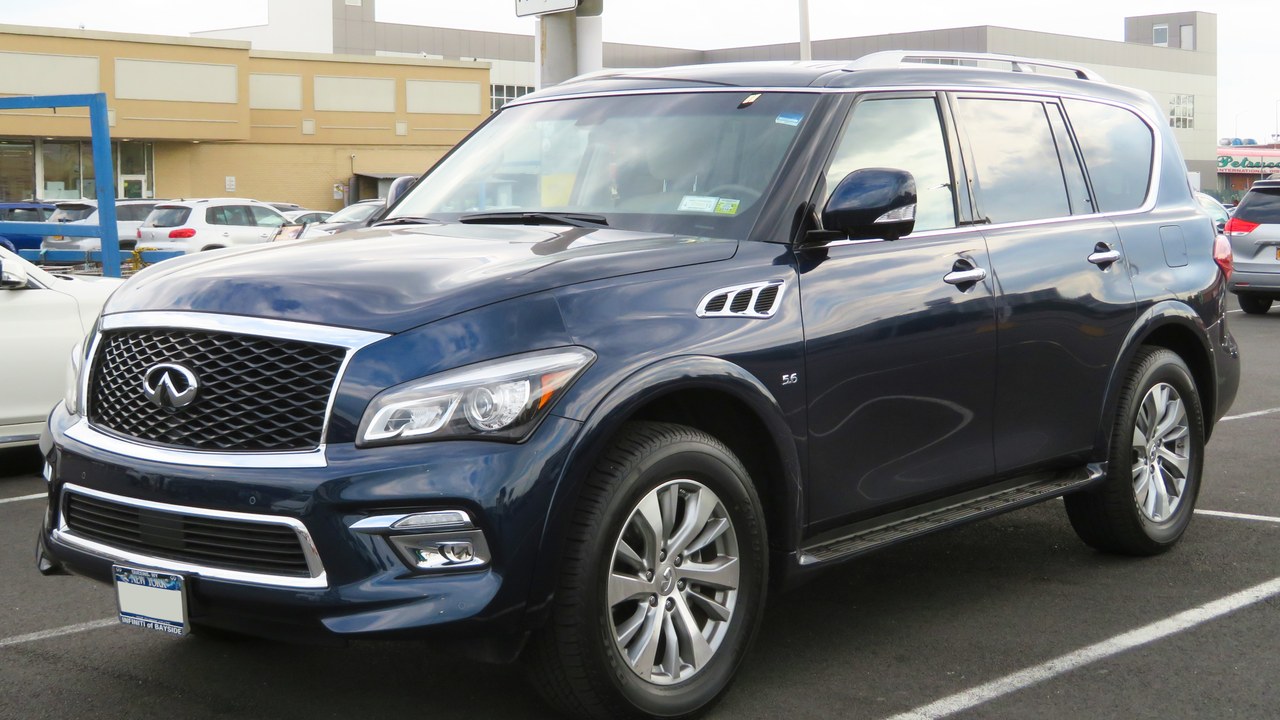
The Infiniti QX80 is the fastest-depreciating SUV in the study, losing 62.8% in five years, with the previous V8 edition among the worst for holding value, as Jalopnik’s coverage notes. The ranking puts it at the end of this list, with the steepest loss of all.
Original buyers face a painful trade-in, while used shoppers find a large, powerful SUV at a steep discount. The lesson for the whole list is simple: the sticker price is only part of what a vehicle costs over five years.
Tech news worth reading: Get Techpresso →
We may earn a commission if you sign up.
More from Morning Overview
- The FBI told the rest of ShinyHunters to surrender after a 24-year-old was arrested
- Two passengers died at an Ohio toll plaza, and the NTSB now wants the cash lanes shut
- Long use of a common prostate pill is tied to a higher chance of glaucoma
- Ford is recalling 223,472 F-150 pickups because the fuel tank can leak or detach
