
Aircraft that set famous firsts tend to look modest until the numbers are laid out. The Smithsonian’s National Air and Space Museum documents each of these machines, from a canvas-and-wood biplane to a supersonic spy plane. Here are twelve record-setting aircraft, each tied to a specific flight or milestone.
Stay ahead on AI: Join 600,000+ professionals who read The Deep View, the daily newsletter that keeps you up to date with artificial intelligence.
We may earn a commission if you sign up.
1. 1903 Wright Flyer: Twelve Seconds Aloft
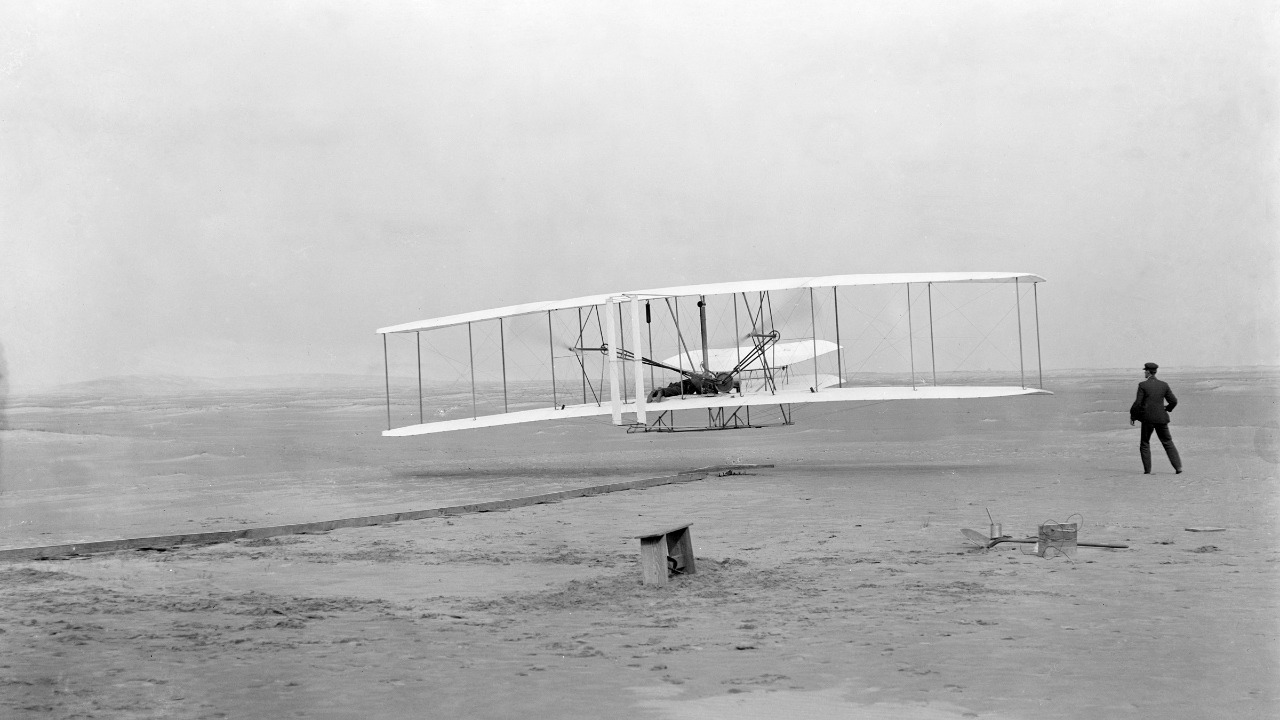
The first powered airplane flight took place on December 17, 1903, and this machine made it. The Smithsonian record for the 1903 Wright Flyer object notes a 12-second hop of 120 feet with Orville at the controls, while the fourth and longest flight of the day covered 852 feet in 59 seconds.
Those figures are tiny beside any later entry on this list, which is exactly the point. Every record that follows builds on the principle demonstrated on that cold morning: a heavier-than-air craft lifting under its own power and landing under control. The numbers are modest, but the milestone is the foundation of the others.
2. Douglas World Cruiser Chicago: Around the World
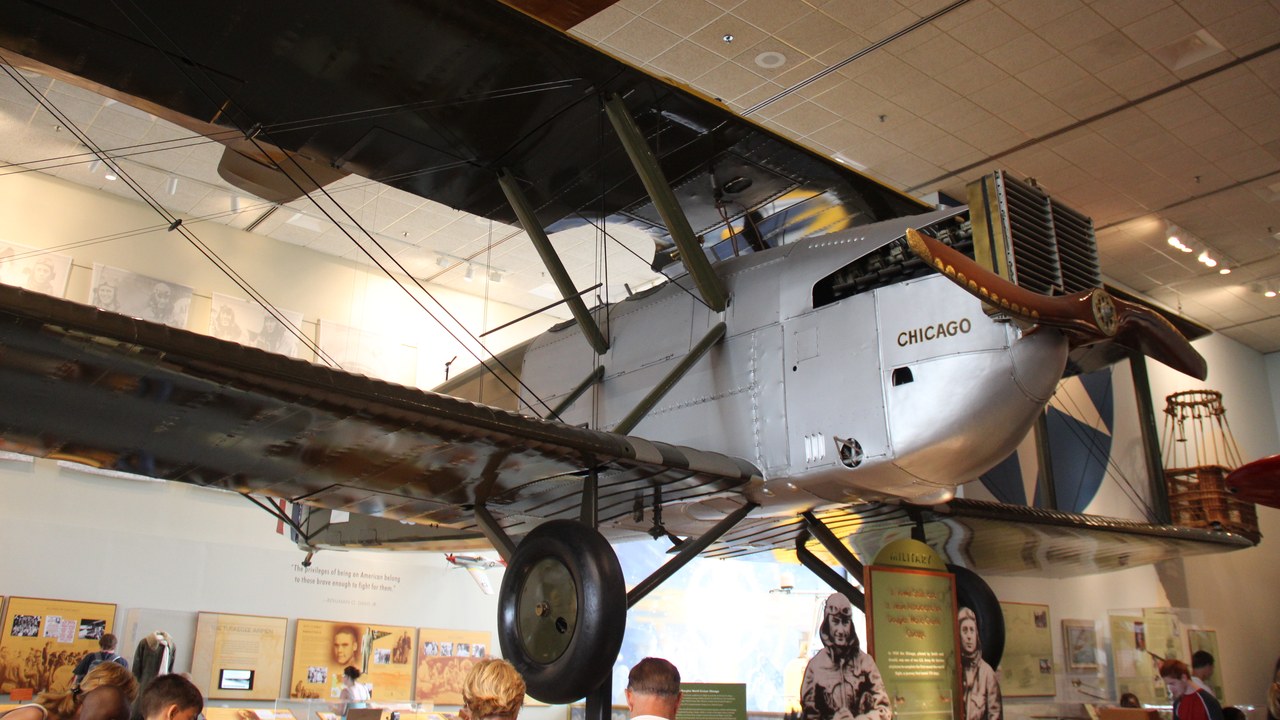
In 1924 two Douglas World Cruisers completed the first flight around the world, and Chicago was one of them. According to its Smithsonian collection entry, the journey took 175 days and covered 27,553 miles.
Finishing at all was the achievement, since only two aircraft completed the route, and that fact conveys how demanding such an undertaking was in that era. A biplane built for endurance rather than speed, the Chicago proved that a circumnavigation by air could be done. Later solo and nonstop attempts on this list are descendants of that expedition.
3. Hughes H-1 Racer: Streamlined for Speed
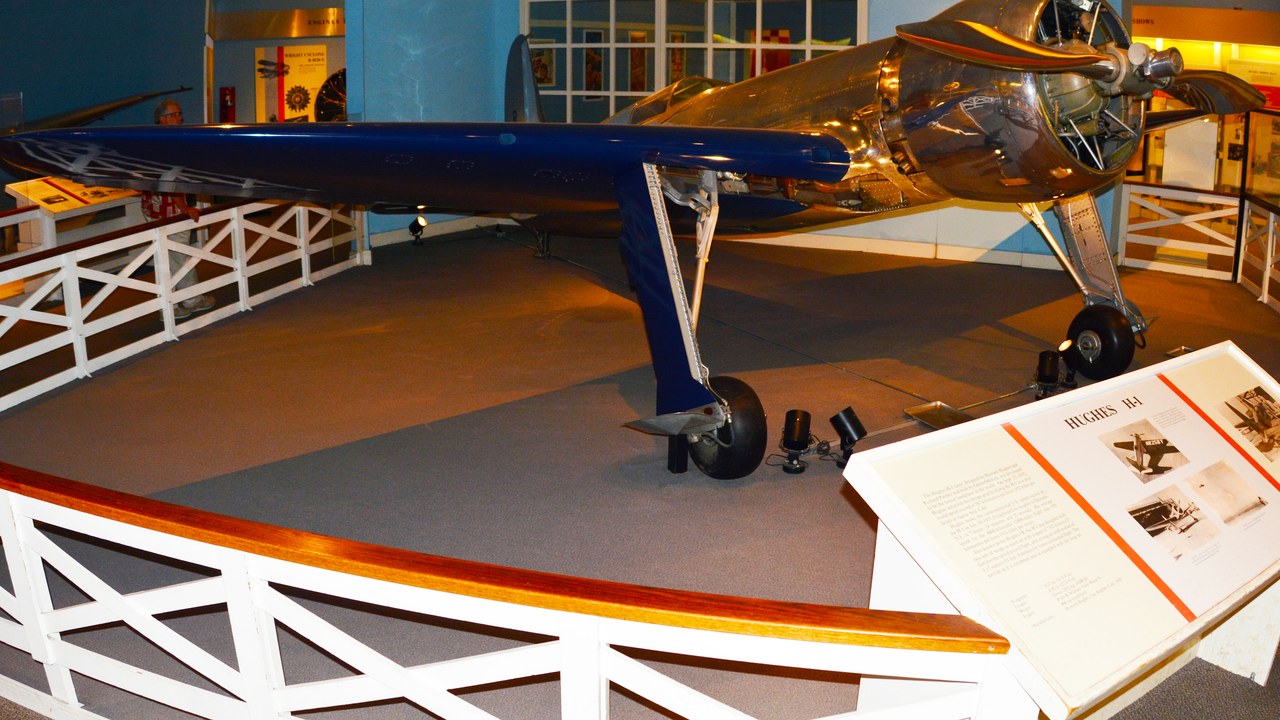
Howard Hughes flew the H-1 to a world landplane speed record on September 13, 1935. The Smithsonian’s H-1 Racer record gives the mark as 567 kilometers, or 352 miles, per hour.
The H-1 was a compact, polished single-seat racer, built purely to go fast rather than to carry anything useful. Its smooth lines and small frame reflect a design driven by a single measurement of performance. Few aircraft on this list were so single-minded about one number, and the 1935 mark shows how quickly speed was advancing between the wars.
4. Spirit of St. Louis: Solo to Paris
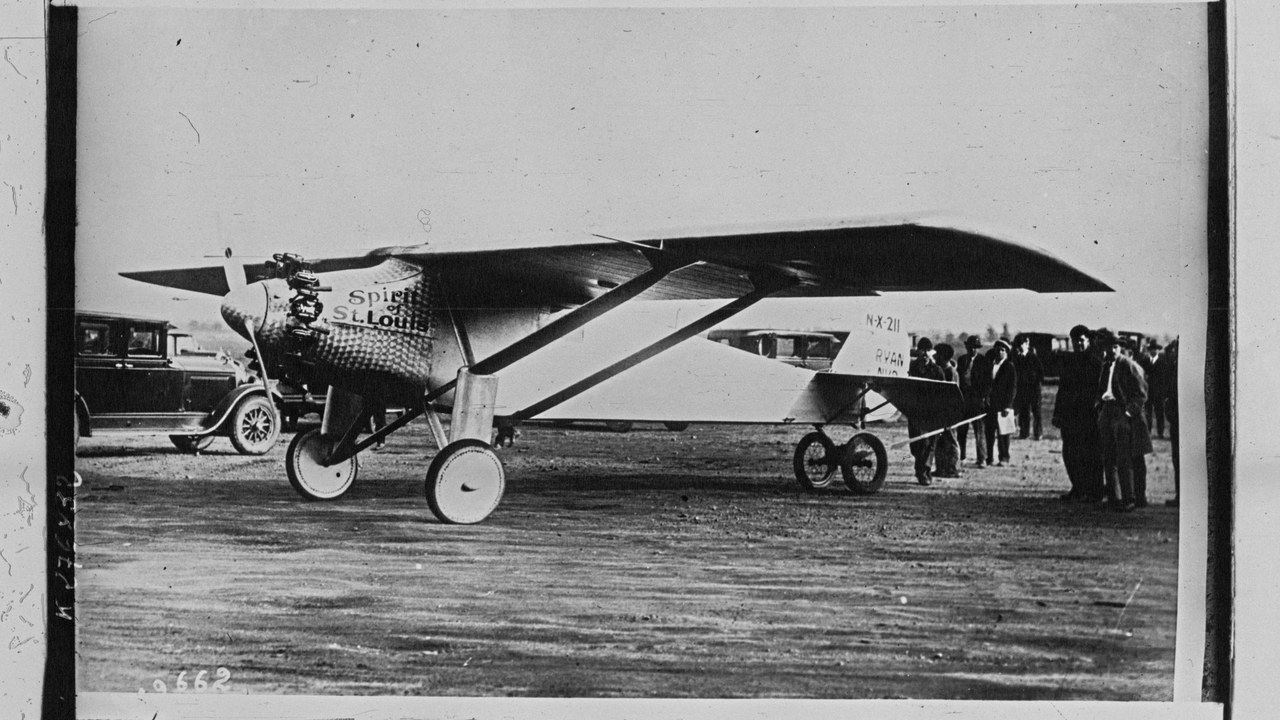
Charles Lindbergh’s 1927 flight from New York to Paris is the reason this single-engine monoplane is famous. The Spirit of St. Louis page says that thirty-three hours, 30 minutes, and 3,610 miles after takeoff he landed safely at Le Bourget Field.
He made the crossing alone, which turned a long-distance feat into a worldwide sensation. The aircraft itself is a plain, utilitarian Ryan monoplane, modified for fuel capacity rather than comfort. Its place in the national collection reflects how strongly that single flight shaped public enthusiasm for aviation.
5. Lockheed Vega 5B (Amelia Earhart): Earhart Crosses Alone
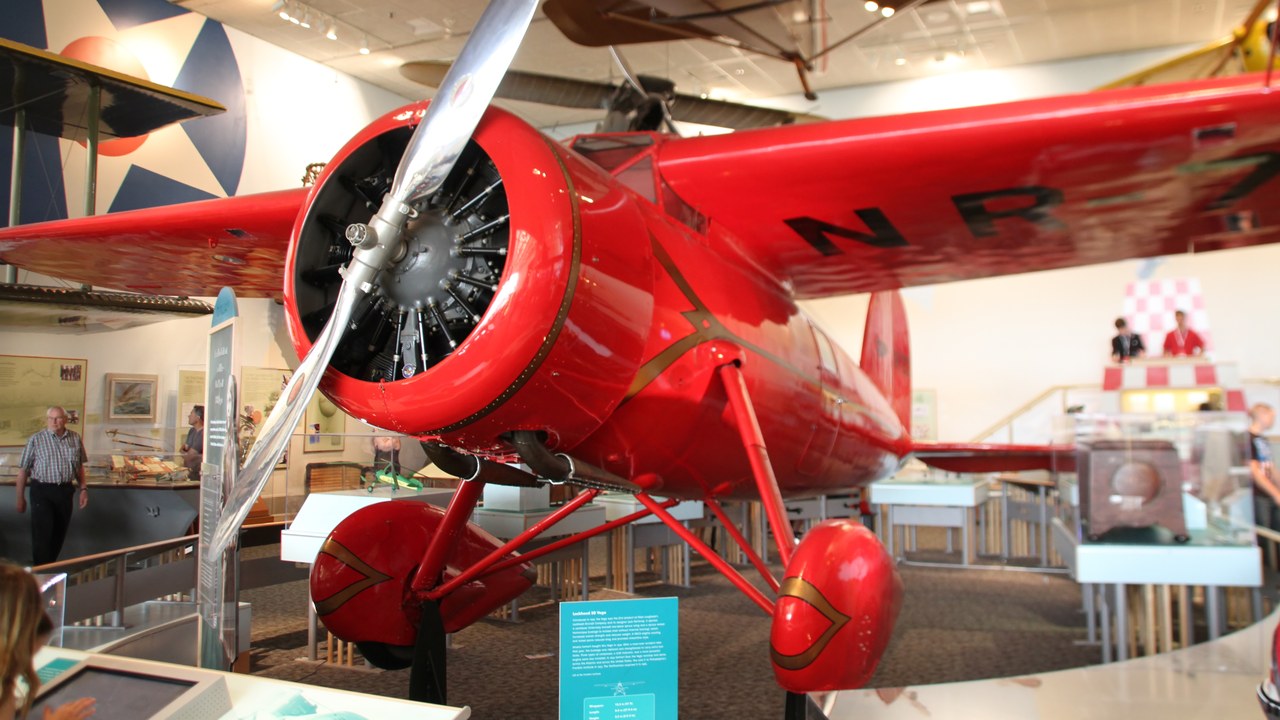
Amelia Earhart flew this red Vega solo across the Atlantic on May 20 and 21, 1932, covering about 2,026 miles. The Lockheed Vega 5B entry describes her as the first woman to fly nonstop and alone across the Atlantic Ocean.
The Vega was a single-engine monoplane of the sort favored by long-distance fliers of the early 1930s. Earhart’s crossing placed her in direct comparison with Lindbergh’s earlier feat, five years before. The airplane stands as the physical record of that achievement.
6. Lockheed Vega Winnie Mae: Post Circles the Globe
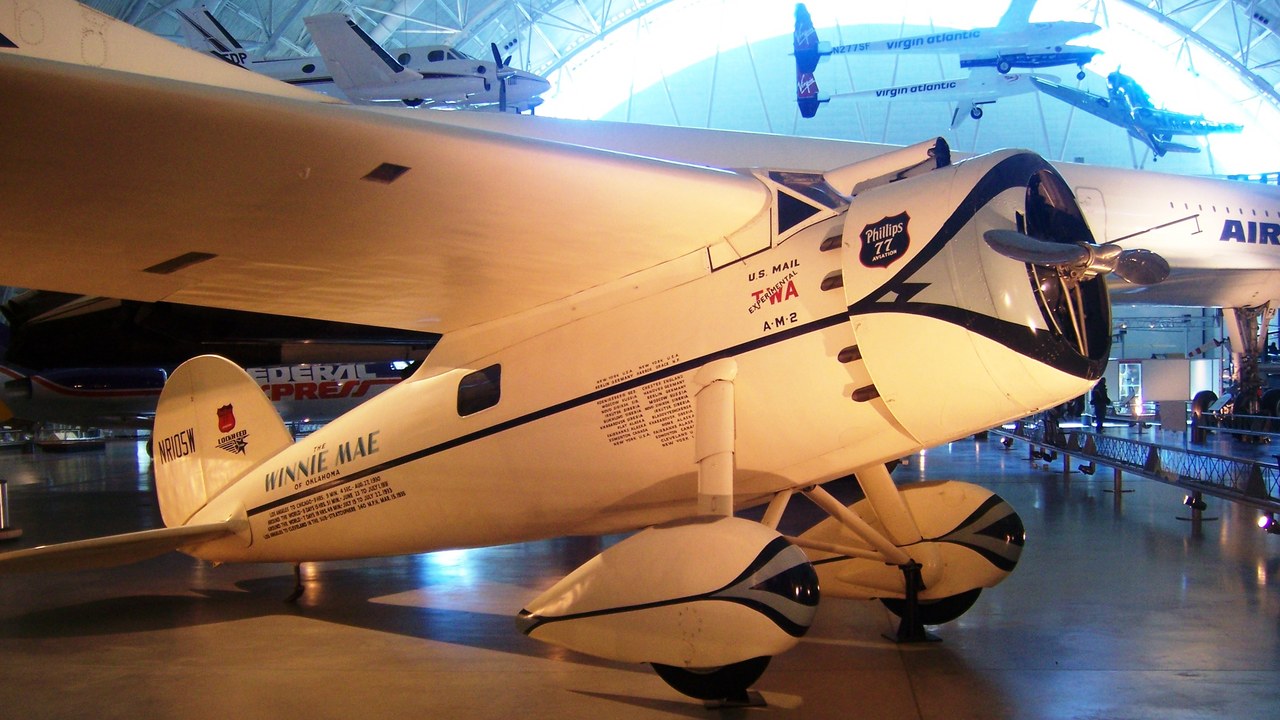
Wiley Post made the first solo flight around the world in 1933, and the Winnie Mae carried him. The Winnie Mae object page lists the circuit at 15,596 miles in 7 days 18 hours 49 minutes, with the flight concluding on July 15, 1933.
Going alone made the trip a far heavier burden on one person than any crewed attempt. Like the Earhart Vega, the airplane is a single-engine Lockheed Vega, which shows how much range and reliability that design gave pilots of the period. The page notes it is not currently on view.
7. Bell X-1 Glamorous Glennis: Mach One Arrives
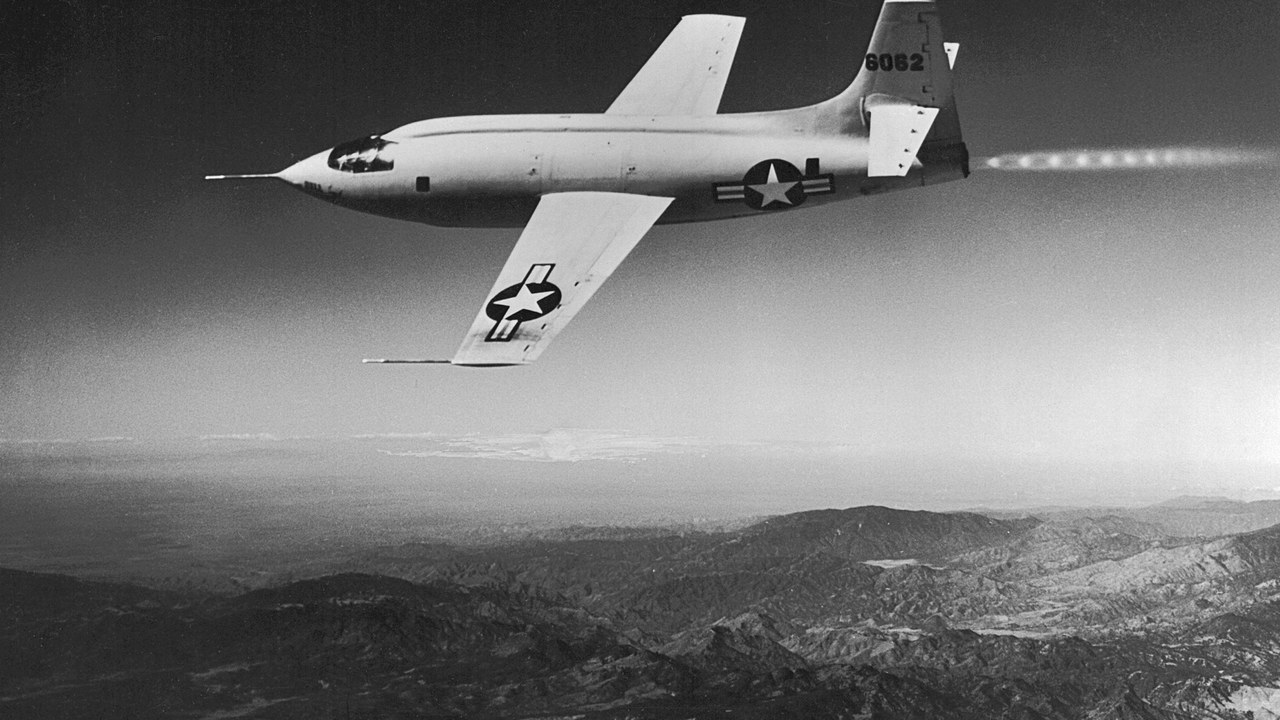
The Bell X-1 made the first supersonic flight on October 14, 1947. As the Glamorous Glennis record puts it, the aircraft reached Mach 1.06, about 700 mph, at an altitude of 43,000 feet.
This rocket-powered research airplane was designed to answer whether a piloted aircraft could pass the speed of sound and remain controllable. Its answer opened the way for every faster aircraft that followed, including others in this gallery. The bullet-like fuselage and thin wings made it look unlike conventional airplanes of its time.
8. North American X-15: Edge of Space
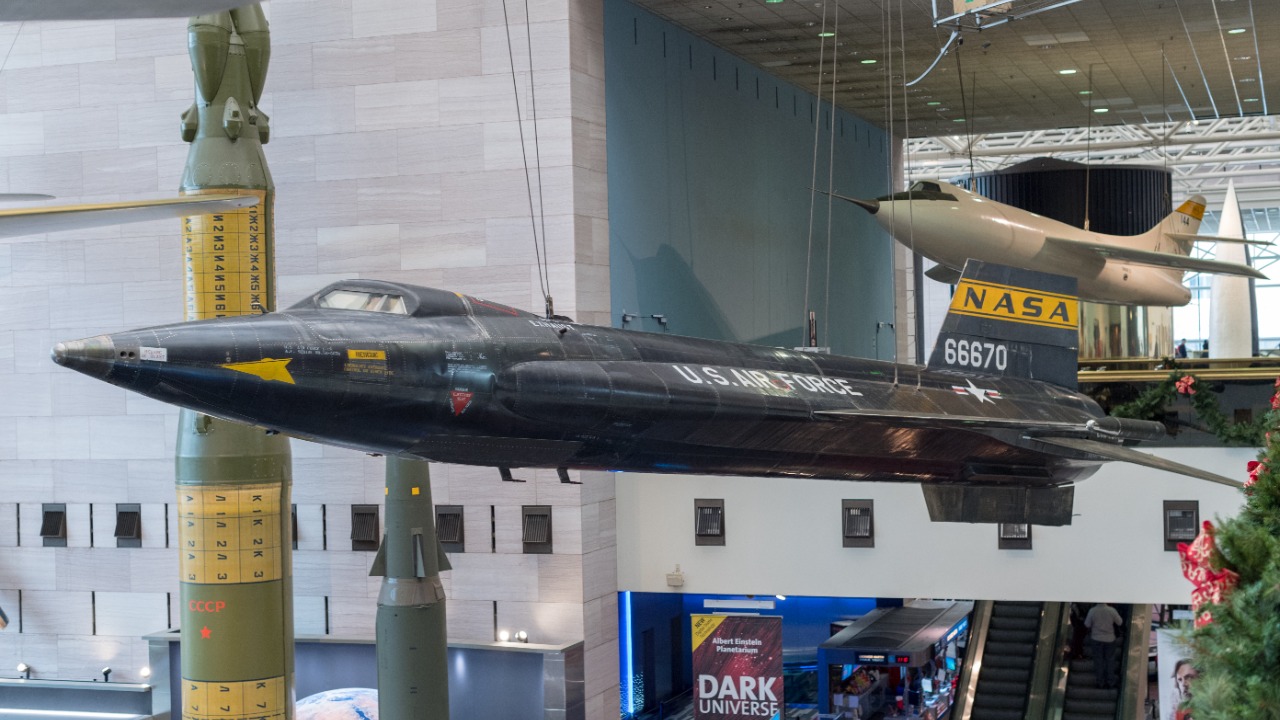
The X-15 was the first winged aircraft to fly Mach 4, 5 and 6. According to the North American X-15 entry, the program reached a peak altitude of 354,200 feet across 199 research flights.
The rocket-propelled X-15 was a research tool rather than a service aircraft, built to gather data on flight at extreme speed and height. The altitude figure marks the highest point the program recorded. Its record of firsts continues the supersonic story begun by the Bell X-1 a decade earlier.
9. Lockheed SR-71 Blackbird: Coast to Coast Fast
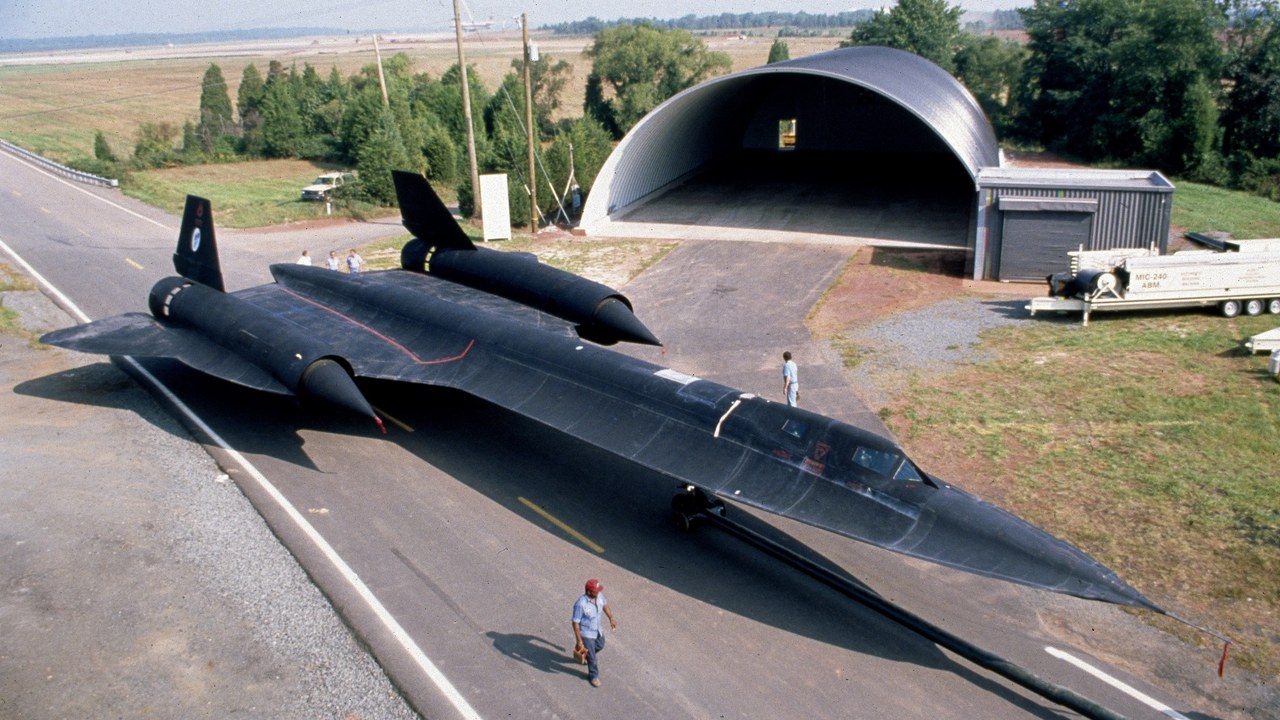
This particular Blackbird flew from Los Angeles to Washington in 1 hour 4 minutes 20 seconds on March 6, 1990. The SR-71 Blackbird page records an average of 3,418 kph, or 2,124 mph, for the trip.
That figure gives the headline of this gallery its upper bound. The speed is the result of the aircraft’s design for sustained flight at very high velocity. A trip that takes most airliners several hours was finished in barely more than an hour.
10. Concorde (Air France Fox Alpha): Twice the Speed of Sound
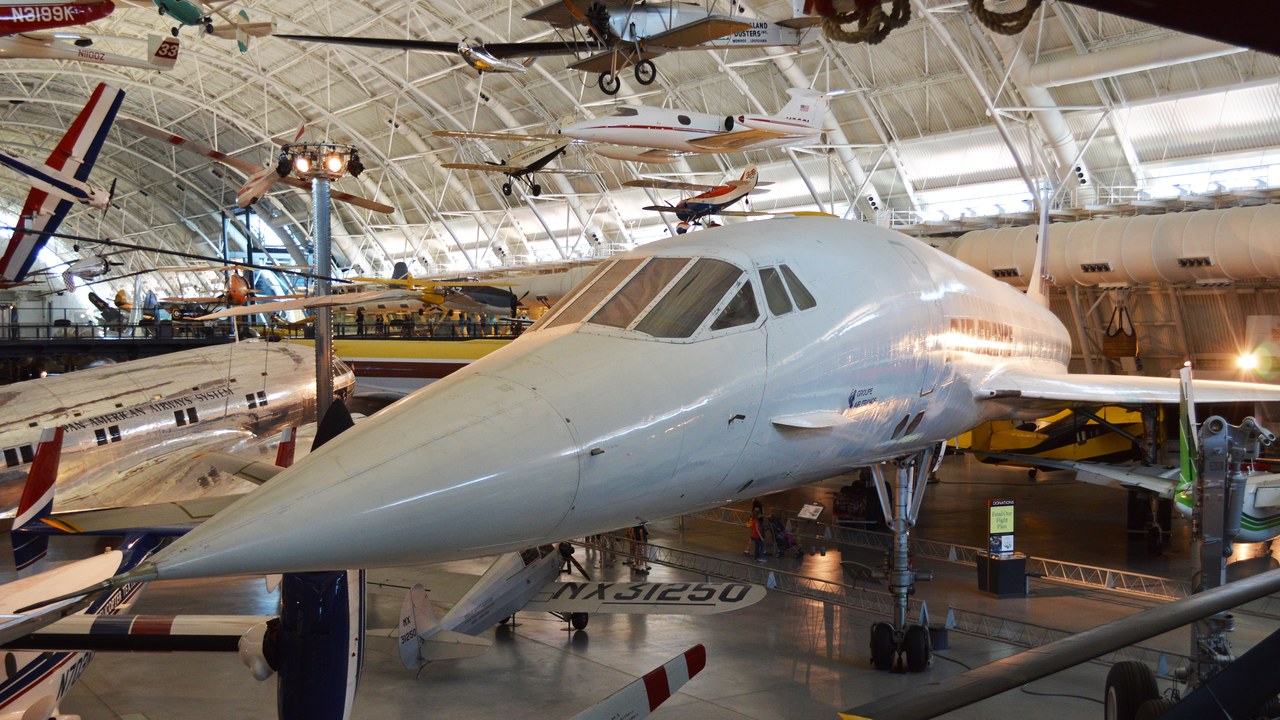
Concorde cruised at twice the speed of sound for paying passengers. Its Fox Alpha collection entry says it could cross the Atlantic in fewer than four hours.
Unlike most other aircraft here, this one flew scheduled service in airline colors, carrying travelers rather than test pilots. The delta-wing airliner with its pointed nose is among the most recognizable shapes in aviation. The Air France example held by the Smithsonian shows how a supersonic design could become routine transport for a time.
11. Rutan Voyager: Nonstop Around the World
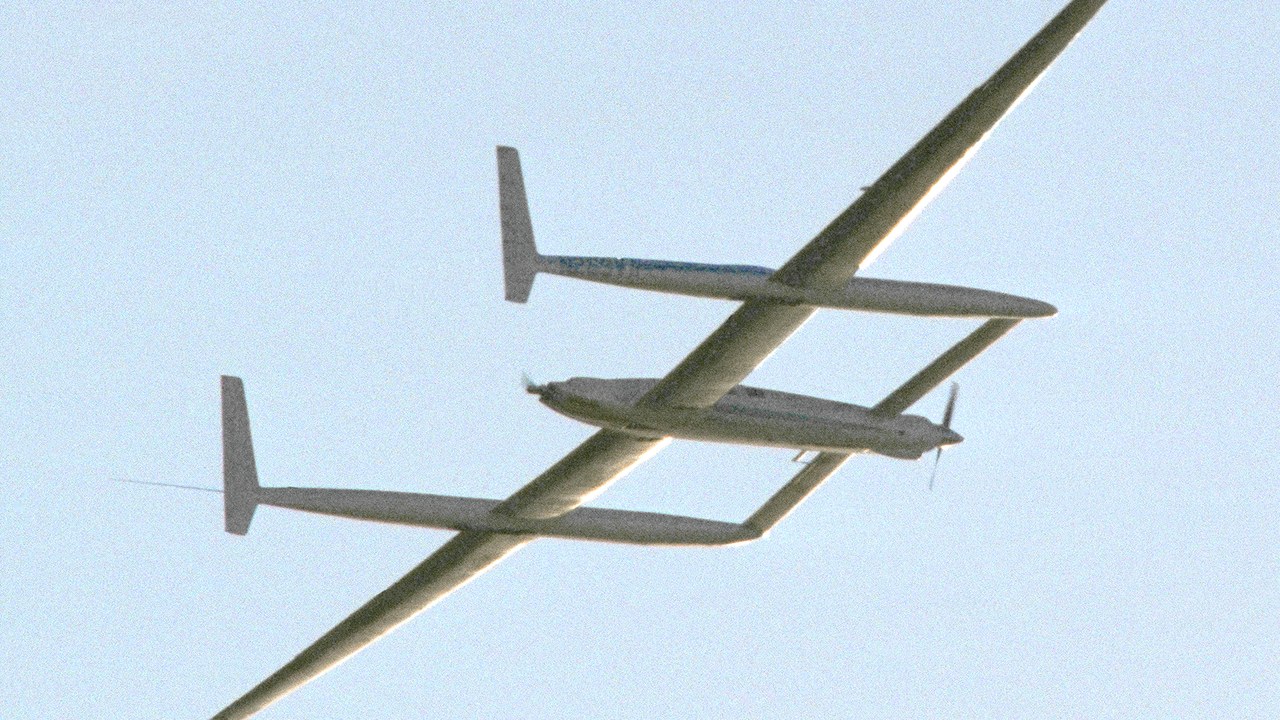
Voyager flew around the world without stopping in December 1986. The Rutan Voyager record gives the official distance as 42,212 kilometers, or 24,986 miles, flown in 216 hours.
Where the Douglas cruisers and the Winnie Mae relied on stops, this lightweight craft carried everything it needed from the start. Its long, slender wings and twin-boom layout look almost fragile next to the other entries. The page notes that the airplane is not currently on display.
12. Virgin Atlantic GlobalFlyer: Fossett Goes Solo
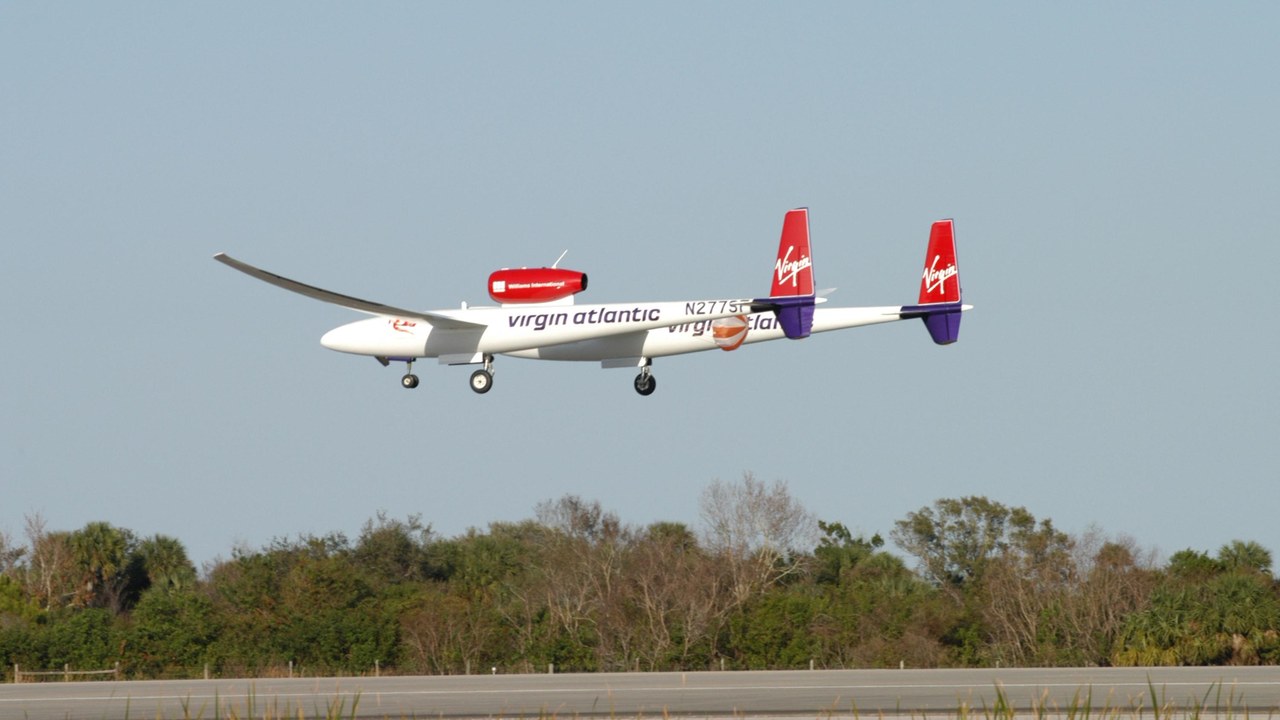
Steve Fossett flew the GlobalFlyer nonstop and solo around the world in just over 67 hours in 2005. According to the Virgin Atlantic GlobalFlyer record, he then set the absolute distance record in 2006.
The single-engine jet picked up where Voyager left off, completing a circumnavigation alone and in far less time. Its long, narrow wings and tip-mounted fuel pods are built around carrying as much fuel as possible. As the most recent entry on this list, it shows how the same ambition kept producing new records.
Stay ahead on AI: Subscribe to The Deep View →
We may earn a commission if you sign up.
More from Morning Overview
