
Some aircraft are so large that their wings alone change how an airport ramp looks. This lineup mixes a record-setting launch carrier, a wooden flying boat, space shuttle haulers, and cargo and passenger jets famous for sheer scale. Here are nine giants that Americans can see or have seen up close.
Save more, waste less: The Cool Down’s newsletter sends smart, simple changes that help you and the planet in your everyday life.
We may earn a commission if you sign up.
1. Stratolaunch Roc: The Widest Wing Aloft
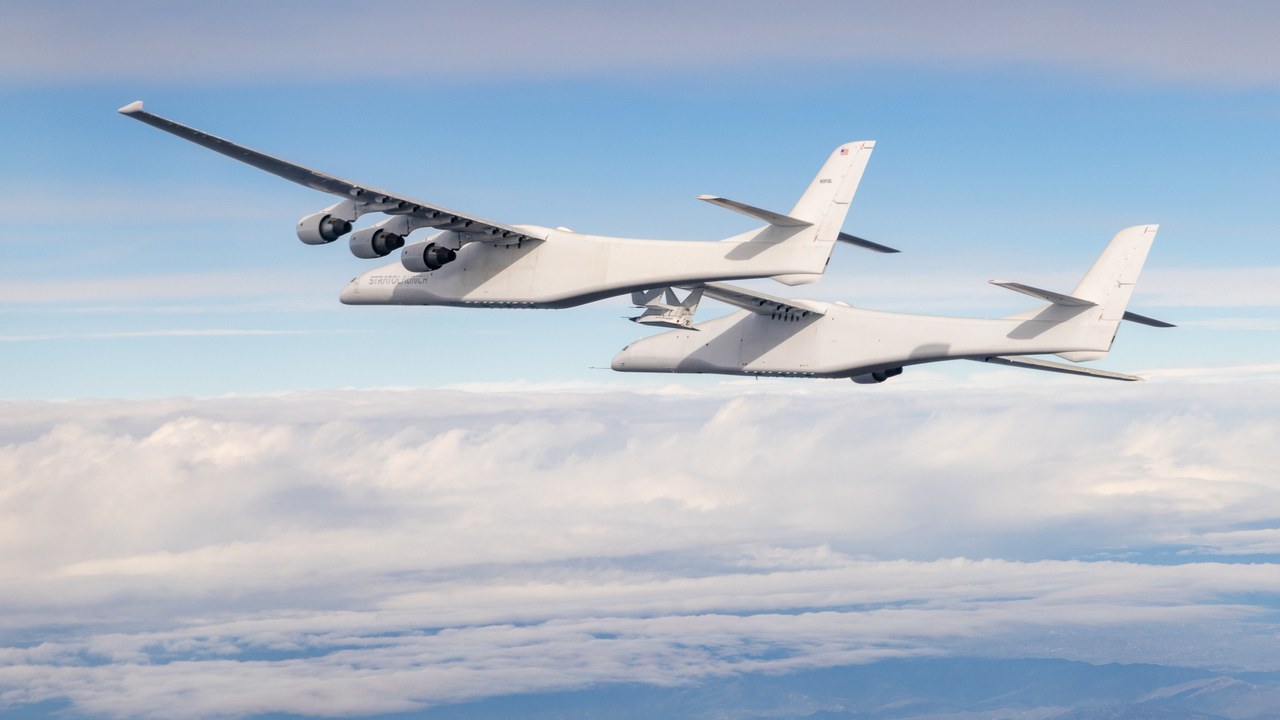
The Stratolaunch Roc carries a record-breaking 385-foot wingspan, longer than an NFL field, and that makes it the widest of any aircraft flying today. It defines the machine’s character: a twin-fuselage carrier built to lift large payloads to altitude.
Propulsion comes from six engines taken from retired 747-400s, a recycling choice that borrows proven airliner hardware for an unconventional design. Stratolaunch developed the aircraft as an air-launch platform. Among giants that Americans can see or have seen, the Roc holds the span record, a title resting on the width of its wing rather than its weight.
2. Hughes H-4 Hercules (Spruce Goose): A Wooden Giant That Flew Once

Howard Hughes built the H-4 Hercules, better known as the Spruce Goose, as an enormous flying boat, and its 319-foot-11-inch wingspan remains astonishing for a machine made mostly of wood. More than 90 percent of the airframe is timber, and the whole aircraft weighs about 200 tons.
The Hercules flew exactly once, in 1947, and never entered service. Decades later the aircraft changed hands for a symbolic price, with Evergreen paying just $1 to buy it, and it now rests in McMinnville, Oregon. Visitors there can stand beneath a wing that stretches nearly the length of a football field, a reminder of how ambitious wartime-era designers could be when materials were scarce.
3. Shuttle Carrier Aircraft: Piggyback Ride to Orbit’s Runway
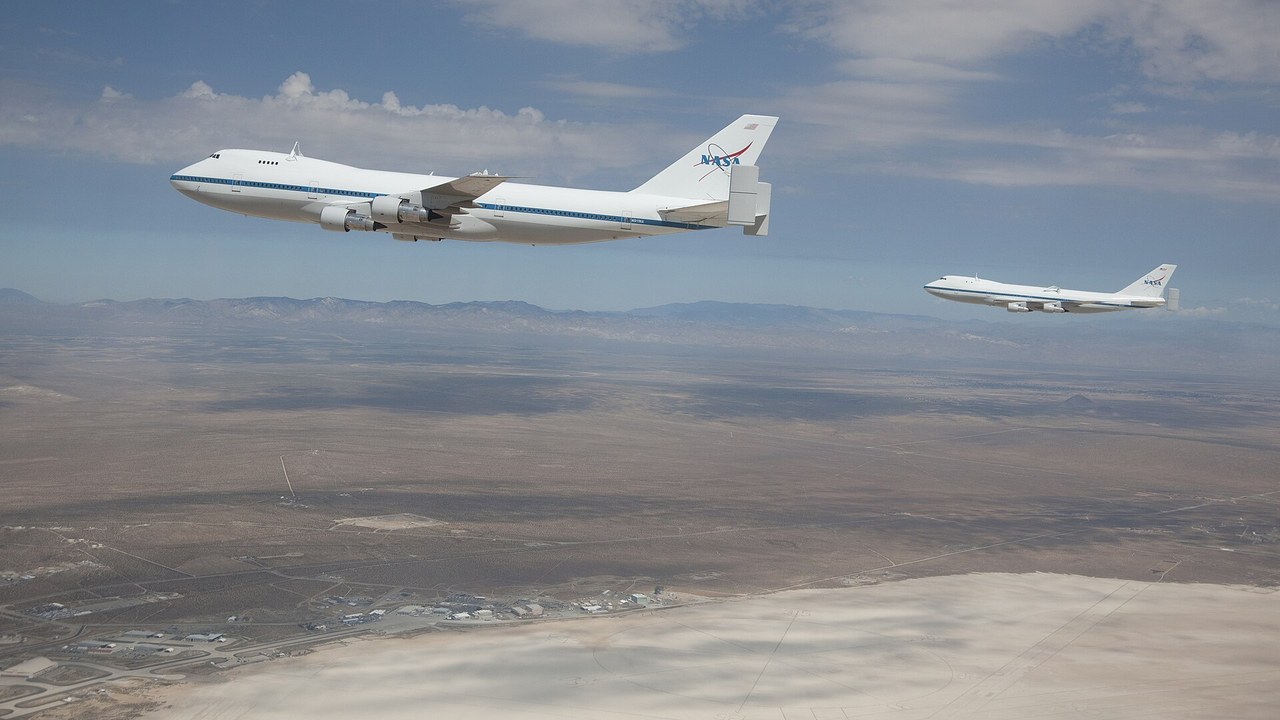
NASA converted Boeing 747s so that space shuttle orbiters could ride on their backs between landing sites and launch pads. The carrier measures 195 feet 8 inches across, and it handled 70 of the 87 shuttle ferry missions, according to the NASA Armstrong fact sheet.
Orbiters could not fly cross-country on their own once they landed, so the modified jumbo jet became the essential taxi of the shuttle era. NASA 911 is now on public display at the Joe Davies Heritage Airpark in Palmdale, California, where visitors can walk around a genuine piece of spaceflight logistics. Seeing a 747 with stabilizing fins on its tail gives a vivid sense of how unusual the job once was.
4. Airbus BelugaXL: The Whale-Faced Freighter
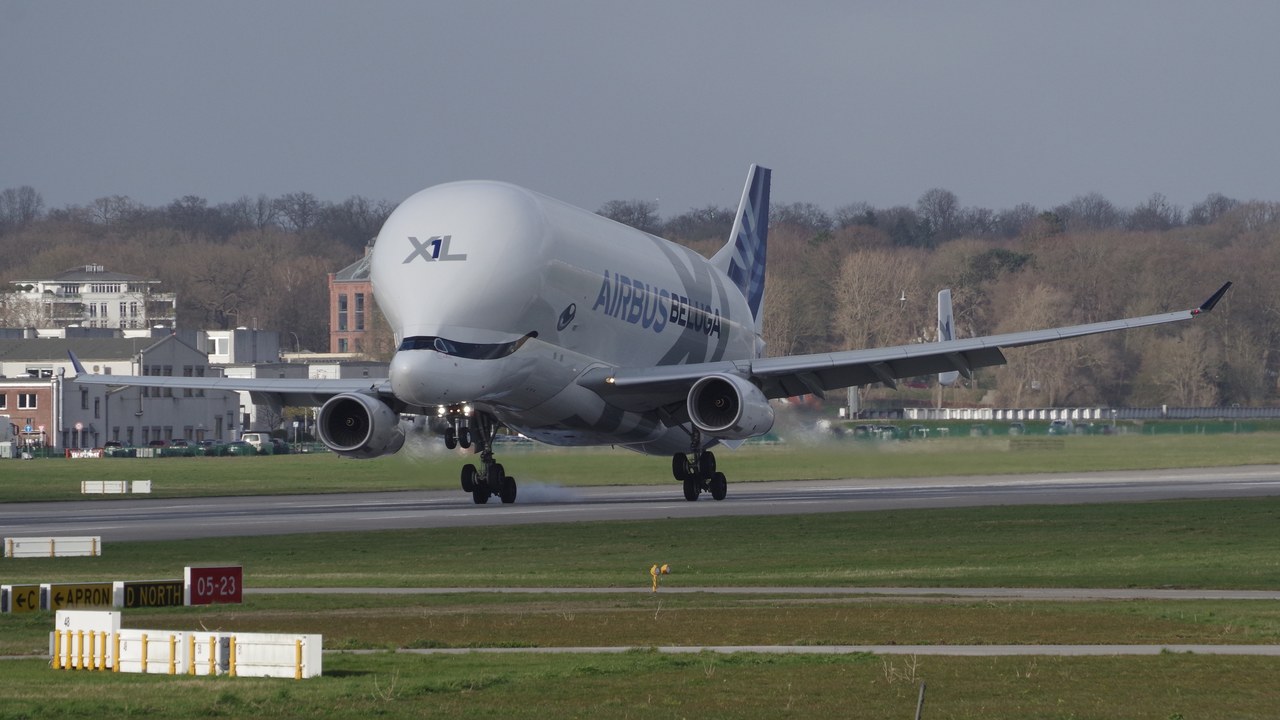
Airbus built the BelugaXL on its A330 airliner to haul oversized aircraft sections, and the type carries 30 percent more cargo volume than the Beluga it replaced. Its bulbous upper fuselage and painted smile give it a cartoonish look that has made it a favorite among spotters.
The aircraft flies a range of 2,200 nautical miles, enough to shuttle wings and fuselage pieces among European production sites. Moving such bulky components by road or sea would take far longer, which is why Airbus keeps a dedicated fleet of these oversized transports. The BelugaXL entered service in early 2020 and shows how a purpose-built shape can matter more than raw length.
5. Boeing 747-8: The Last Stretch of the Jumbo
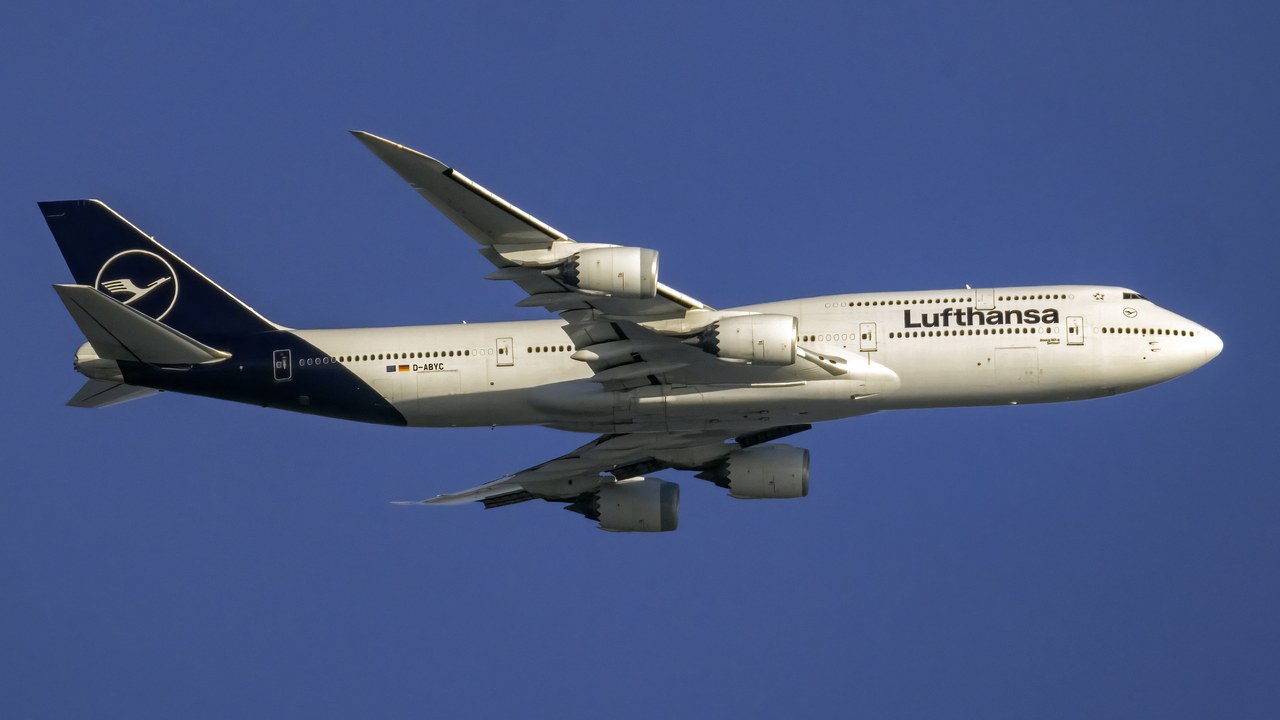
The 747-8 is the stretched final chapter of the jumbo jet story, and Boeing built 155 of them: 107 freighters and 48 passenger jets. The program closed with a delivery to Atlas Air on January 31, 2023, which also ended the long run of new 747 production.
Freighters outnumbered passenger versions by a wide margin, a sign of how cargo operators valued the nose-loading door and the huge main deck. The passenger model, known as the Intercontinental, kept the classic hump and upper deck that made the family recognizable from any runway viewpoint. Although production has ended, many examples remain at work, so spotters can still see this large four-engine design in the air.
6. Boeing 747 Dreamlifter: The Bulging Parts Hauler
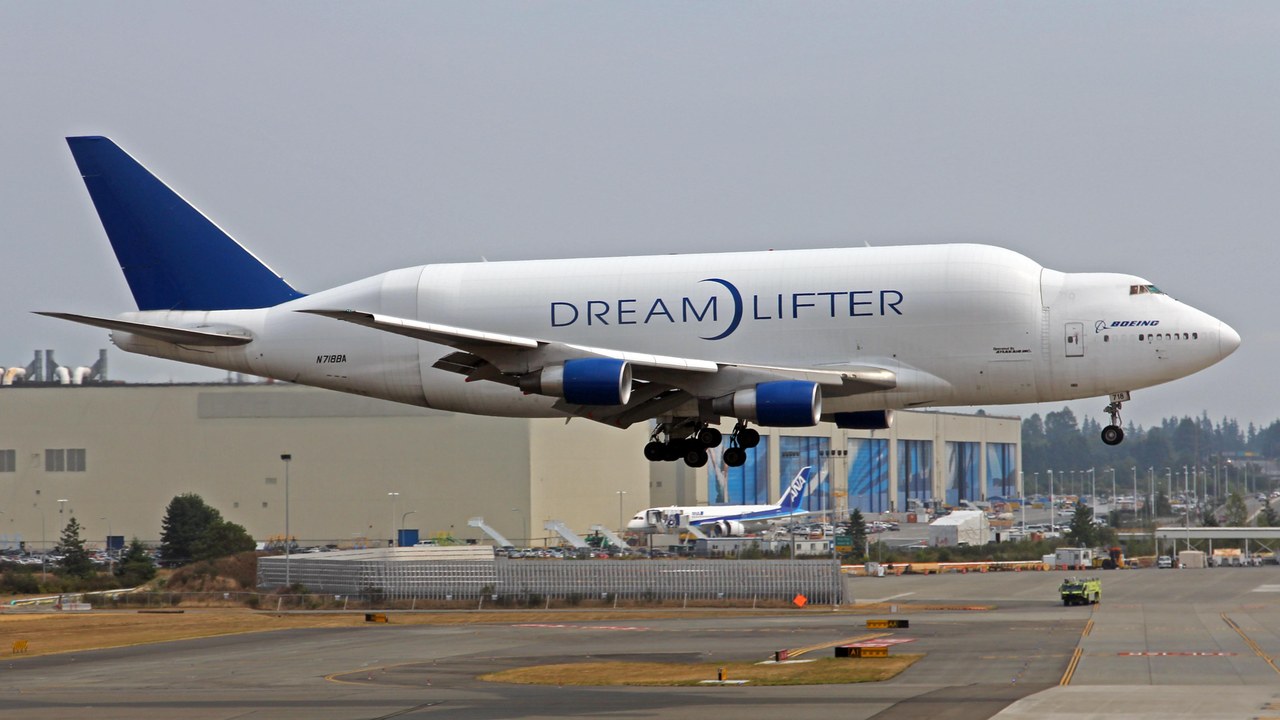
Boeing rebuilt used 747-400 airliners into the Dreamlifter, a swollen-bodied freighter that offers three times the cargo volume of a standard 747-400 freighter. The conversion is easy to spot because the fuselage balloons upward and outward behind the cockpit.
The aircraft exists to move large components for the 787 Dreamliner between manufacturing partners and final assembly lines. Because the fuselage is so wide, the whole tail section swings open to load cargo, an unusual arrangement for a jet of this size. Also called the 747 Large Cargo Freighter, the type is a working giant rather than a showpiece, and it turns up regularly at airfields tied to Boeing’s supply chain.
7. Airbus A380: The Double-Decker Wingspan
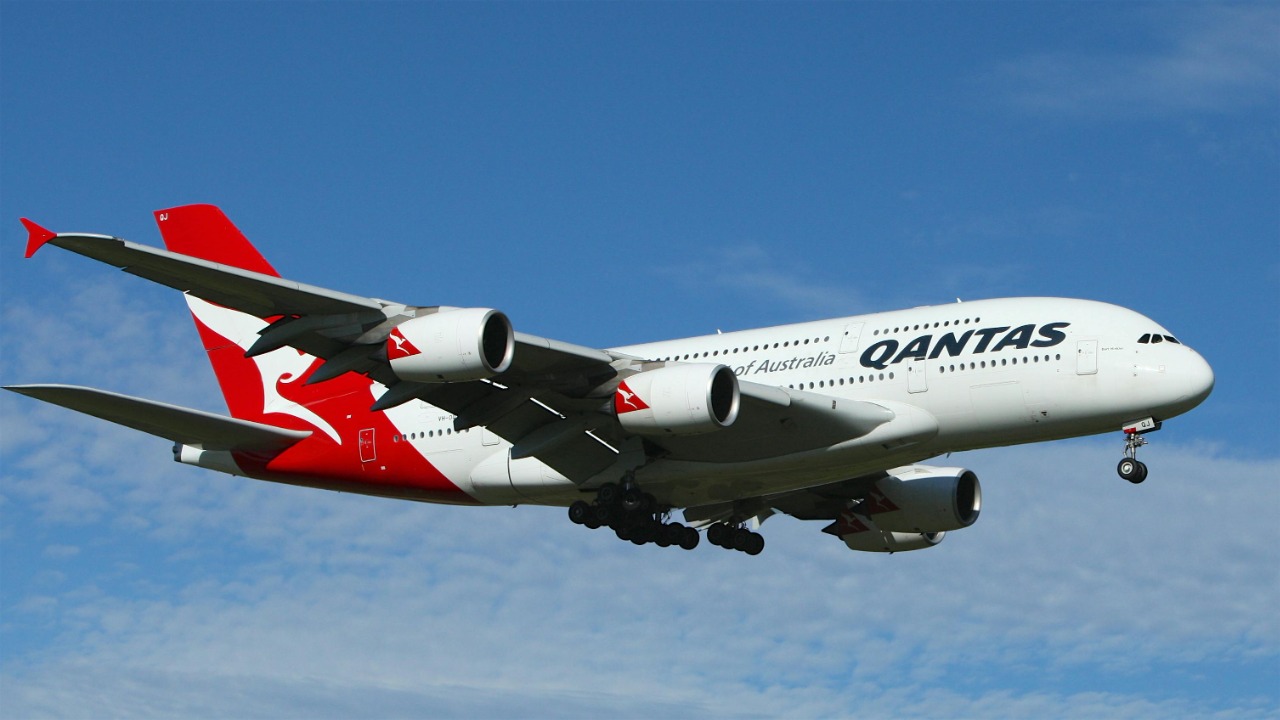
The Airbus A380 is the largest passenger airliner ever put into service, and its 79.80-meter wingspan works out to 87.27 yards. At full load the double-decker is cleared for a maximum takeoff weight of about 566 tonnes.
Its two full-length passenger decks and four engines set it apart from every other airliner on the departures board. Airlines used the type on long, busy routes where a single flight could replace several smaller ones. Airports had to adapt gates, jet bridges and taxiways to handle a wing of that width, which is part of why the A380 remains a standout in any list of giant aircraft.
8. Antonov An-225 Mriya: The Dream That Was Destroyed
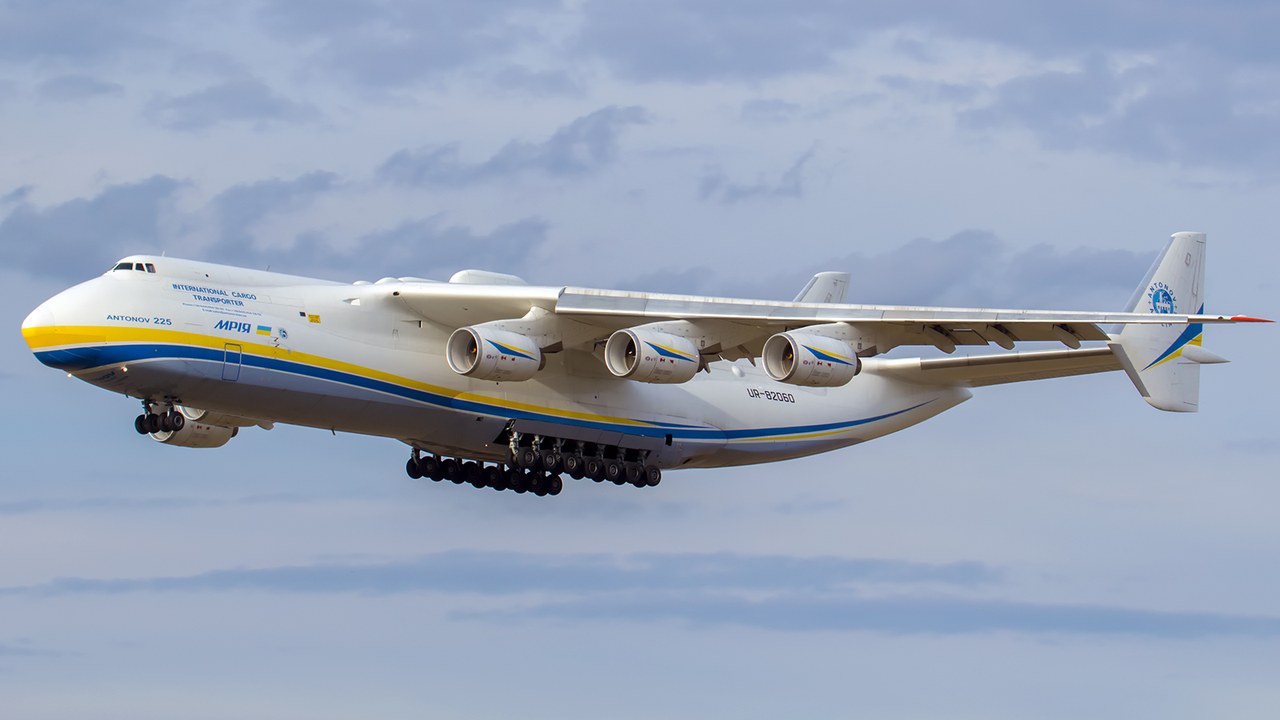
The Antonov An-225 Mriya, whose name means dream in Ukrainian, spanned 88.4 meters, according to the list of large aircraft. It could weigh up to 629.89 tonnes at takeoff, a figure that set it apart.
Designed in the Soviet era to carry the Buran space shuttle, the six-engine giant later hauled enormous commercial and humanitarian loads around the world. It was destroyed in 2022, so the airframe that once drew crowds wherever it landed can now be seen only in photographs and memories. For many enthusiasts it remains the benchmark for what an enormous cargo aircraft can be.
9. Lockheed C-5 Galaxy: The Air Force’s Heavy Lifter
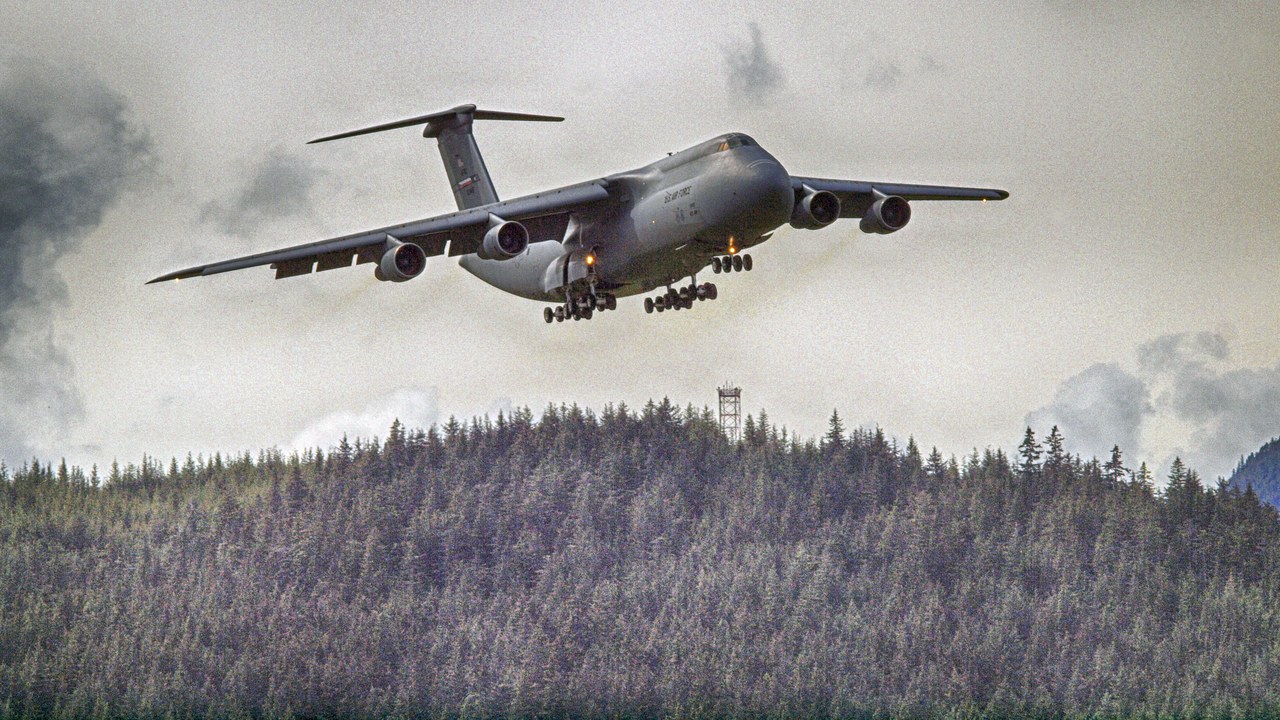
The Lockheed C-5 Galaxy is a strategic airlifter of the United States Air Force, and its wings span 67.9 meters, or 74.26 yards, as listed in the large aircraft table. That is about 11 meters more than a B-52 bomber, an aircraft already known for its reach.
A nose that lifts up and a rear ramp let crews drive vehicles straight through the fuselage, which makes loading and unloading far quicker for oversized equipment. The Galaxy has long carried military cargo that no smaller transport could accept, including large vehicles and helicopters. Its hulking profile on the ramp at a base or airshow remains one of the most recognizable sights in American aviation.
Save more, waste less: Subscribe to The Cool Down →
We may earn a commission if you sign up.
More from Morning Overview
- NOAA now gives this winter a 75% chance of the strongest El Nino since 1950
- Doctors warn a silent liver disease now affects one in three American adults
- The FBI told the rest of ShinyHunters to surrender after a 24-year-old was arrested
- Two passengers died at an Ohio toll plaza, and the NTSB now wants the cash lanes shut
