
Wildfires rarely announce where they will spread, so the aircraft working them range from retardant haulers to spotters and crew shuttles. Each has a distinct job in getting people and suppressant to flames that ground crews cannot easily reach. Here are twelve aircraft that help firefighters reach and contain wildfires.
1. Grumman S-2T airtanker: Veteran Tanker Workhorse
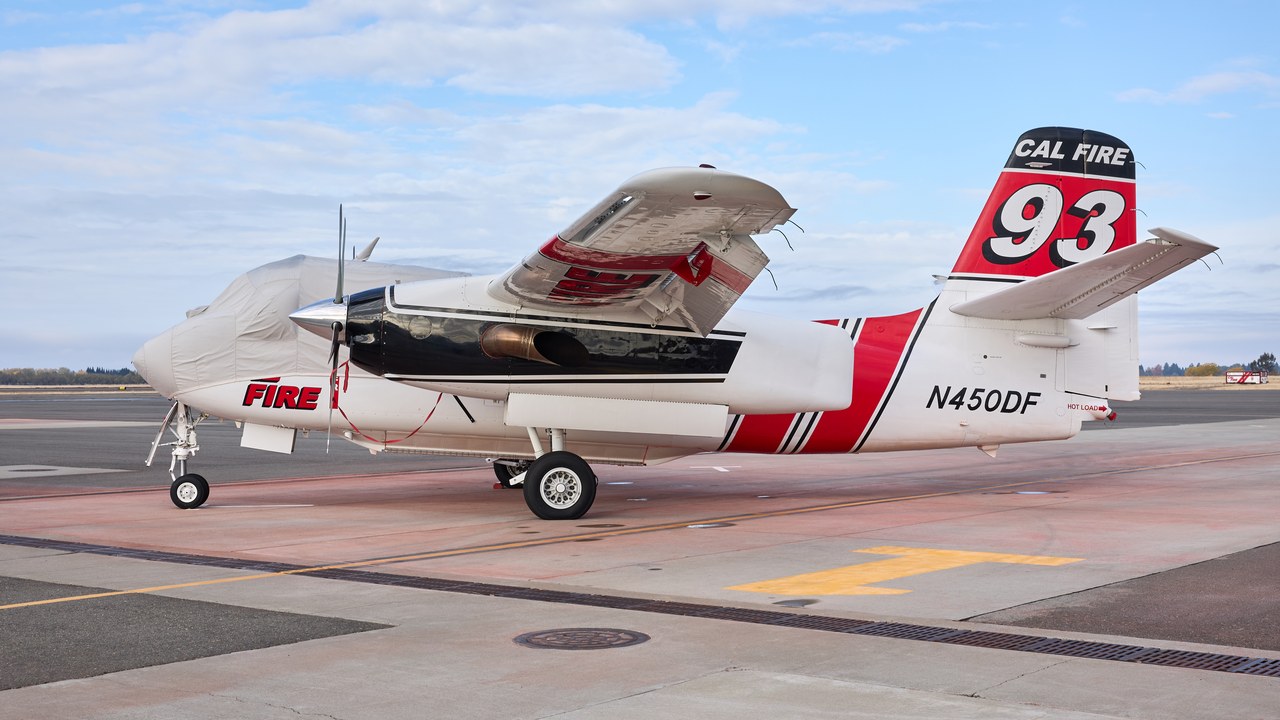
CAL FIRE’s June 2026 fleet sheet gives the Grumman S-2T a 1,200-gallon retardant capacity, which puts a meaningful aerial drop in the hands of crews fighting a wildfire on the ground.
The S-2T is a converted Navy-era tracker, suited to quick turnarounds on initial attack, when a fast drop can keep a small fire from growing. The figure describes CAL FIRE’s own configuration, not every flight, and not every operator that flies the type.
2. Lockheed C-130H airtanker: Heavy Hauler Hercules
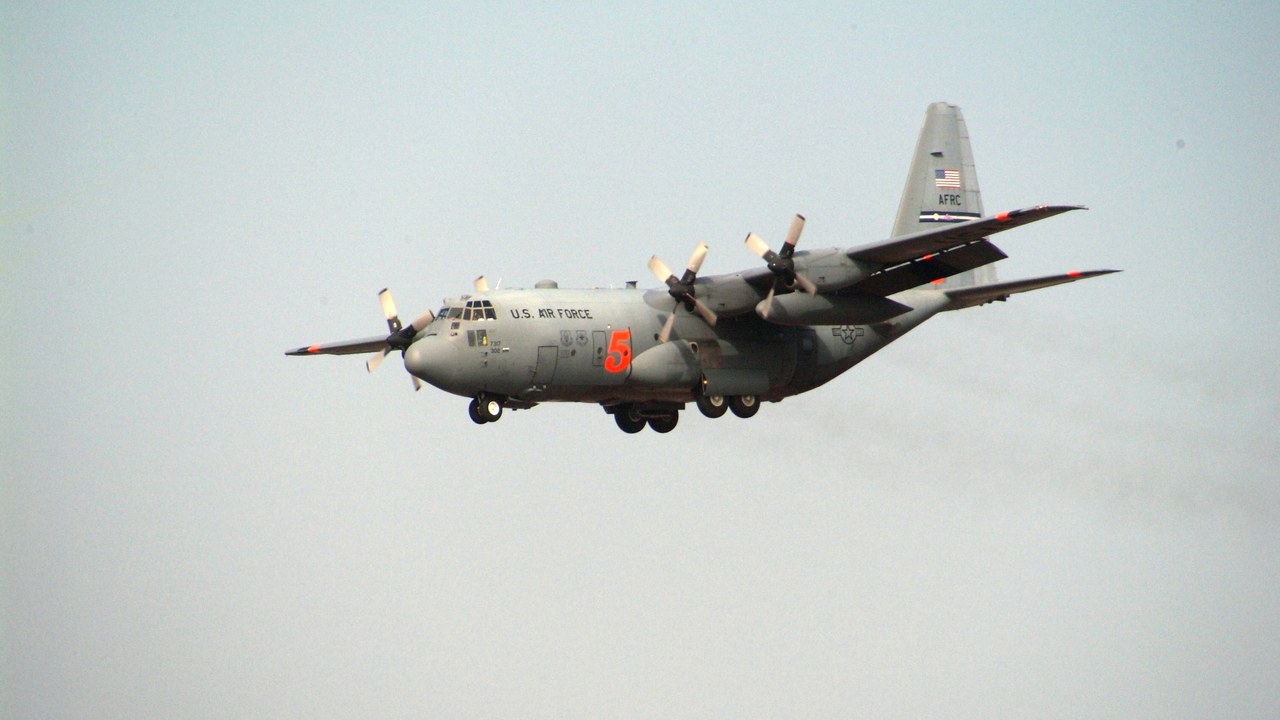
The Lockheed C-130H is listed in CAL FIRE’s aviation overview as carrying up to 4,000 gallons of retardant in the department’s configuration, a big load for a single pass over a fire.
That makes the four-engine military transport one of the larger loads in the state fleet, useful where a long line of retardant is needed. The number is a ceiling for that setup, and an actual drop depends on operating conditions and mission needs.
3. Rockwell OV-10 Bronco air tactical aircraft: Eyes Above the Fire
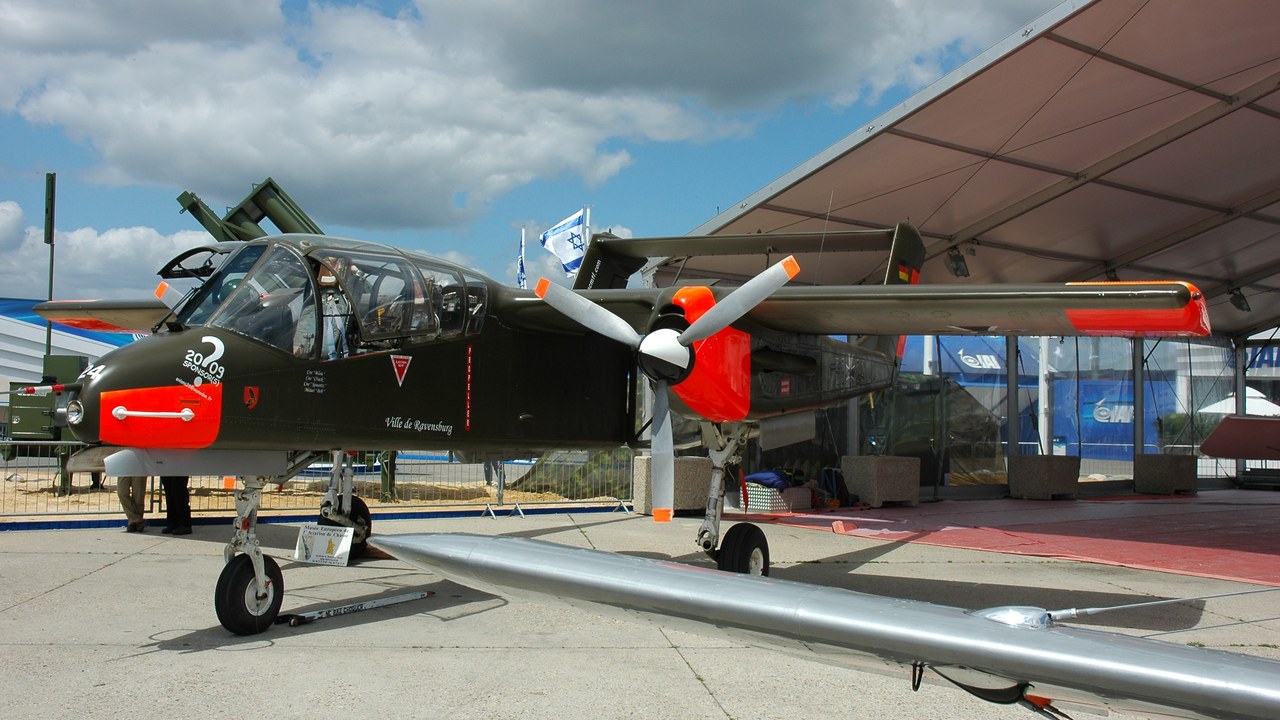
Rather than carrying retardant, the Rockwell OV-10 Bronco serves the air-tactical operation described by CAL FIRE, helping coordinate the other aircraft fighting a wildfire from overhead.
The twin-boom Bronco is a reminder that containment depends on traffic control as much as tank size, since many aircraft may share the same smoky airspace. No tank capacity applies here, so it belongs on this list for its role rather than any payload.
4. Beechcraft King Air A200: Training and Intelligence Support
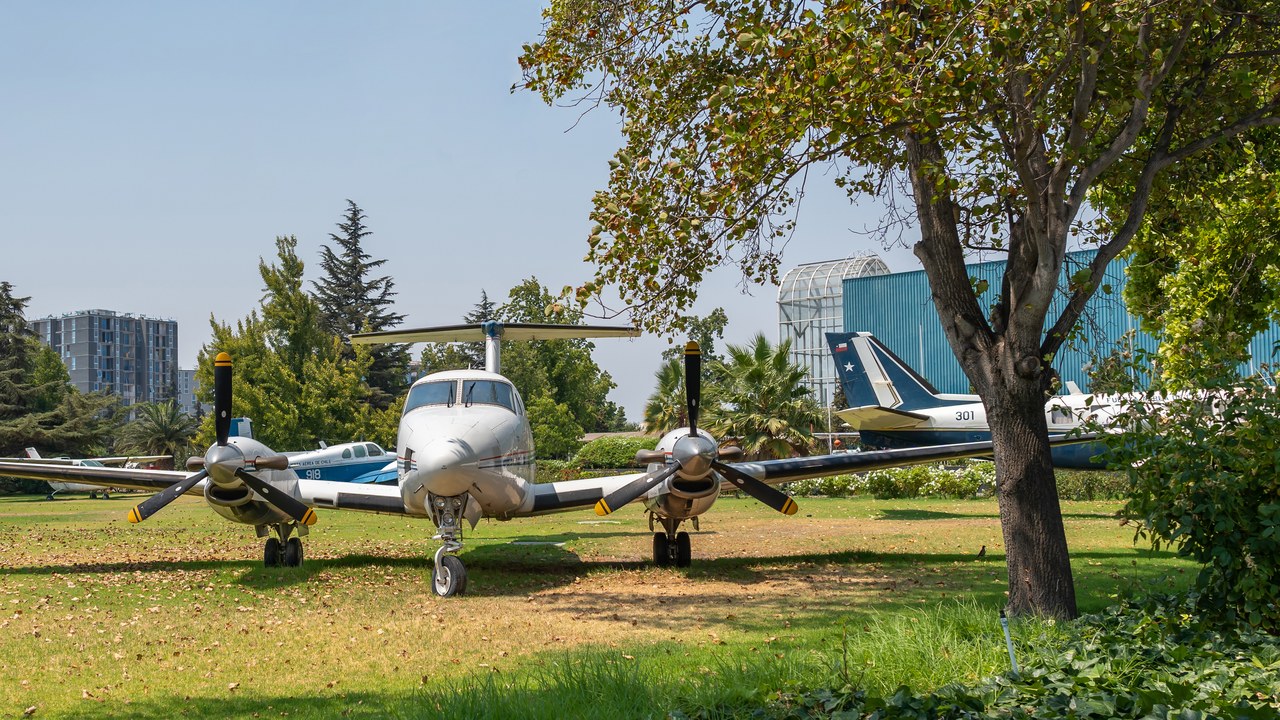
CAL FIRE assigns its Beechcraft King Air A200 aircraft to training and intelligence work that supports wildfire aviation, rounding out a fleet that is more than tankers alone.
The twin turboprop does not drop anything on a fire. Its value sits behind the scenes, preparing crews and gathering information so that the aircraft carrying suppressant can work effectively once they are called to a blaze. Ground crews and pilots benefit indirectly from that preparation, even though the aircraft never appears in a drop photo.
5. McDonnell Douglas DC-10 airtanker: Biggest Tank on the List
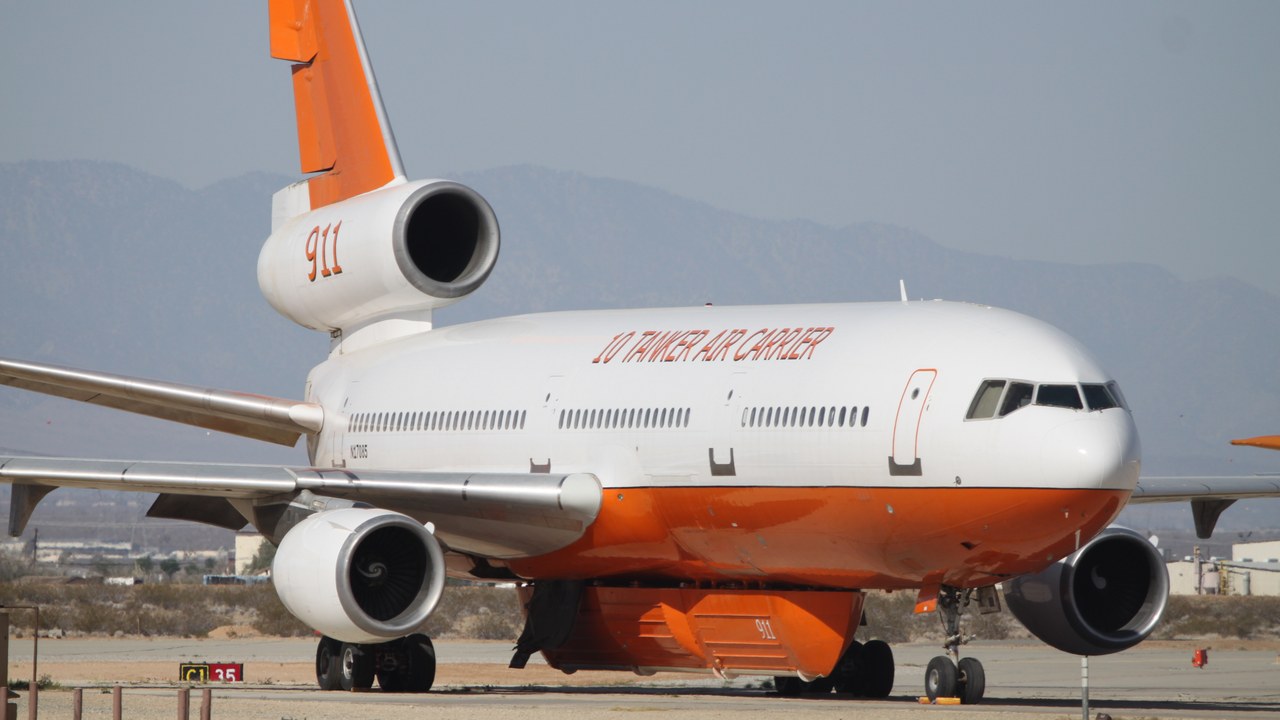
NWCG’s December 2023 classification credits the McDonnell Douglas DC-10 conversion with a 9,400-gallon maximum and three constant-flow tanks, the largest listed capacity in this group.
The widebody jet shows how far converted airliners can scale up retardant delivery on a major fire. Because the classification lists a maximum, actual loads depend on operating limits, and the figure should not be read as a standard drop. For anyone judging relative scale, it is the clear outlier here, with a listed capacity well above every other entry.
6. Boeing 737 airtanker: Airliner Turned Tanker
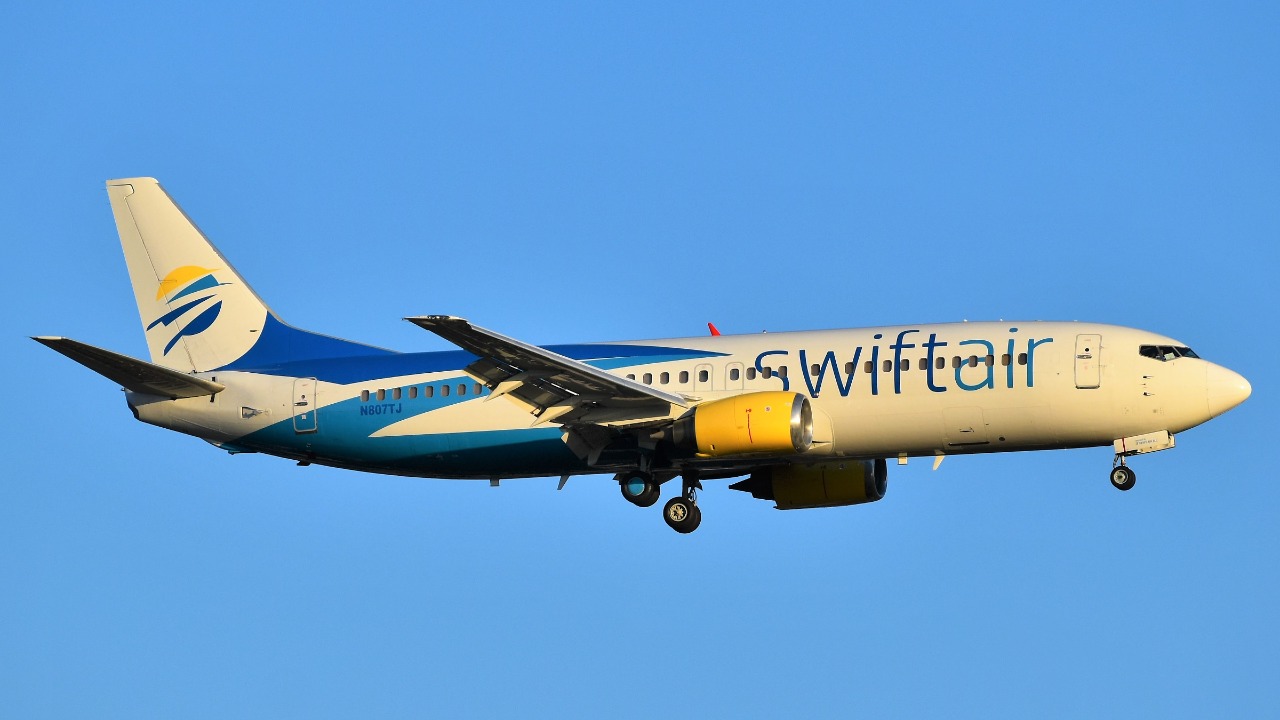
The converted Boeing 737 appears in NWCG’s large-airtanker listing with a 4,000-gallon maximum and a constant-flow delivery system for laying retardant along the edge of a fire.
A familiar narrow-body airliner shows how transport airframes can take on a second career fighting wildfire. The capacity is a classification maximum rather than a promise for every sortie, so real loads can vary with conditions. Its appeal is practical: a well-known airframe, a modern delivery system and a listing that agencies already use for large tankers.
7. BAe 146 airtanker: Quiet Four-Engine Option
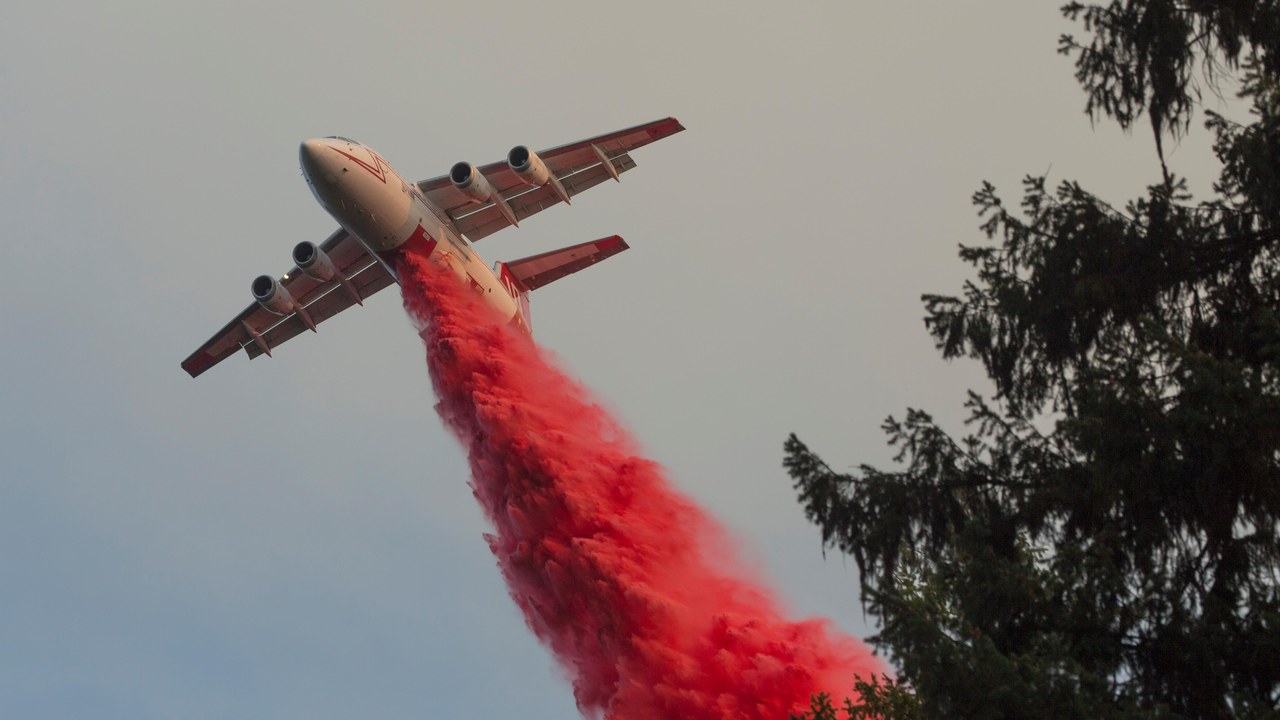
The BAe 146 conversion shows up in NWCG’s large-airtanker table with a 3,000-gallon maximum and five-valve constant-flow equipment, giving agencies a mid-sized jet option.
The high-wing regional jet adds a different airframe to the tanker pool, and its four engines are a distinctive trait. Its listed figure is a maximum, so real loads can be lower, and the classification is best read as a ceiling. Compared with the heavier jets above, it represents a smaller step down in capacity, yet it still sits in the large-airtanker class.
8. McDonnell Douglas MD-87 airtanker: Jet Tanker With a T-Tail
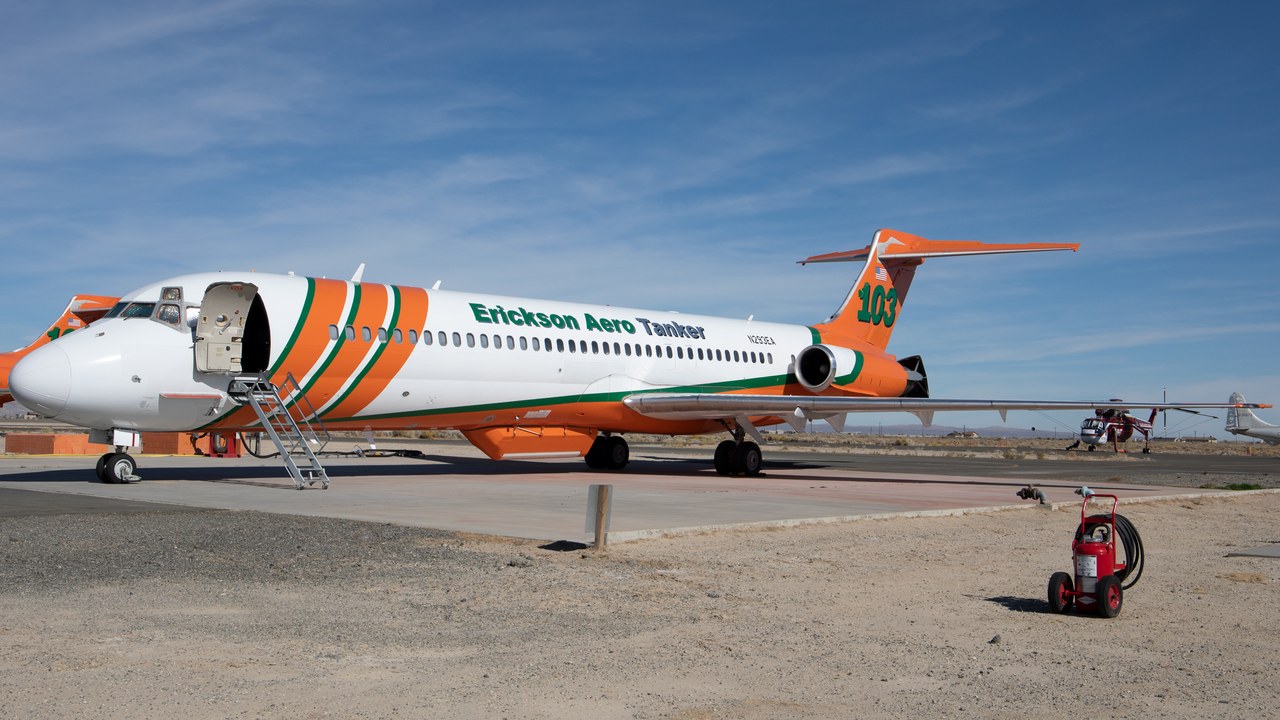
NWCG lists the McDonnell Douglas MD-87 conversion with a 3,000-gallon maximum and a constant-flow system for applying retardant, placing it among the large airtankers.
The rear-engine jet matches the BAe 146 on listed capacity. As with the others, the number is a classification ceiling, not a guaranteed load, and it says nothing about how many such aircraft are flying today. Readers comparing the converted jets will find it in the same capacity tier as the BAe 146, with a different shape and engine layout.
9. De Havilland Canada DHC-6 Twin Otter smokejumper aircraft: Gateway to Remote Fires
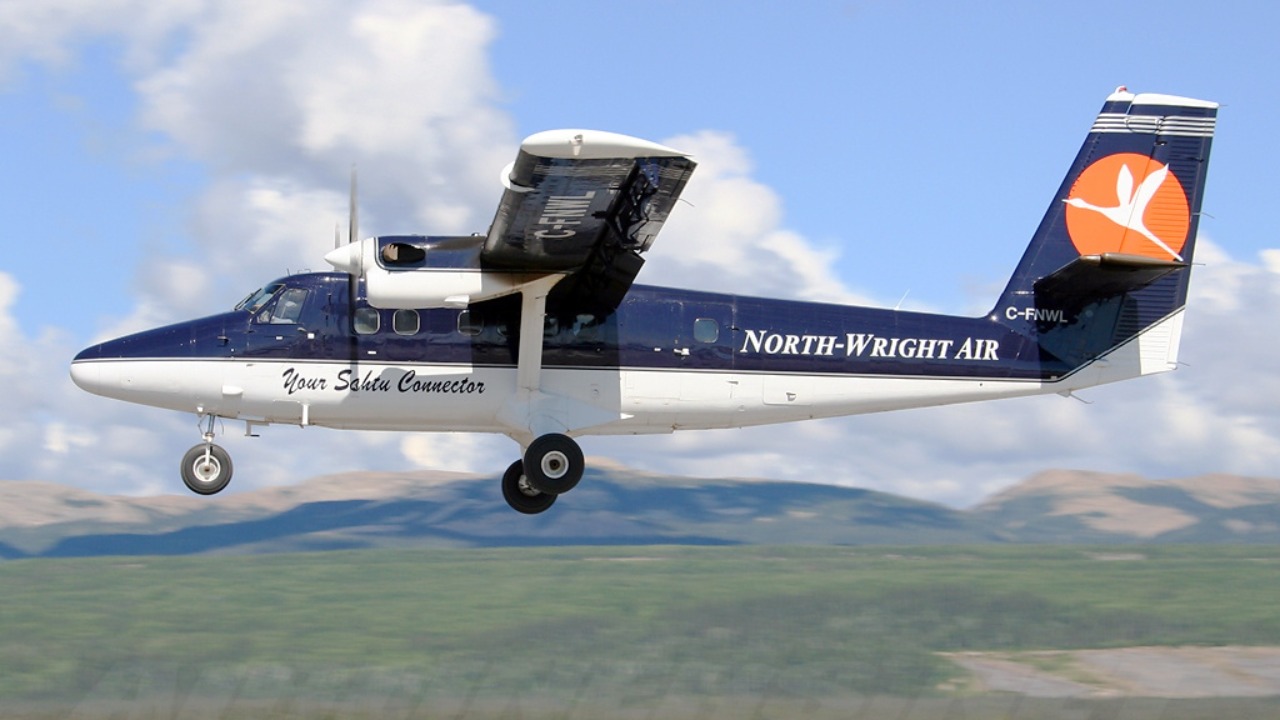
WFCA identifies the De Havilland Canada DHC-6 Twin Otter as a smokejumper aircraft, delivering trained firefighters and equipment to fires that may be hard to reach by road.
The rugged utility twin suits short, rough airstrips and remote terrain, where speed in reaching a new start counts. Its entry describes a transport role for crews and gear, so no retardant figure applies to it. Readers should treat it as a picture of how crews get to the fireline, not as a measure of firefighting strength in the air.
10. Short C-23 Sherpa smokejumper aircraft: Sherpa Drops In
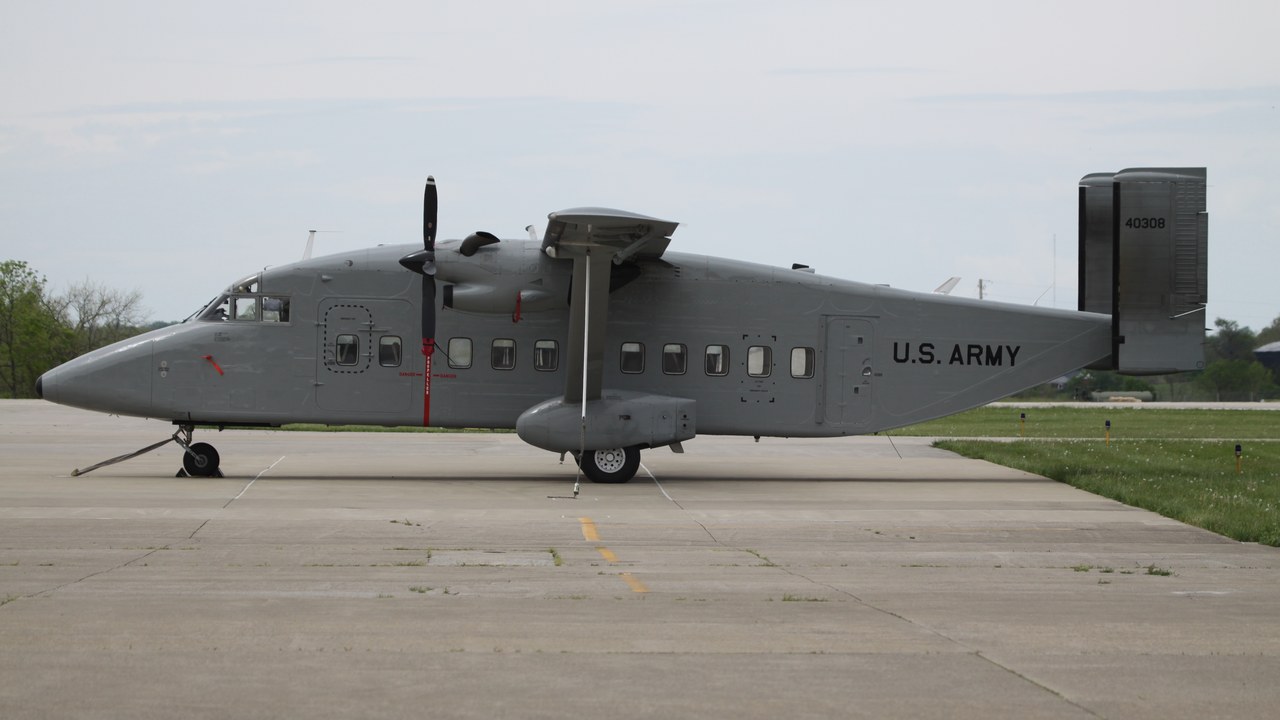
The Short C-23 Sherpa is among the aircraft WFCA names for smokejumpers, providing access for firefighters when roads cannot reach the incident and a fast first response matters.
The boxy, high-wing cargo hauler is built for utility work and heavy gear. The listing describes its role and does not claim that every example is currently in service or that it carries any retardant. Its inclusion shows that getting people to a blaze quickly is part of containment, alongside the work of the tanker fleet.
11. Dornier 228 smokejumper aircraft: Commuter Turned Jumper Ship
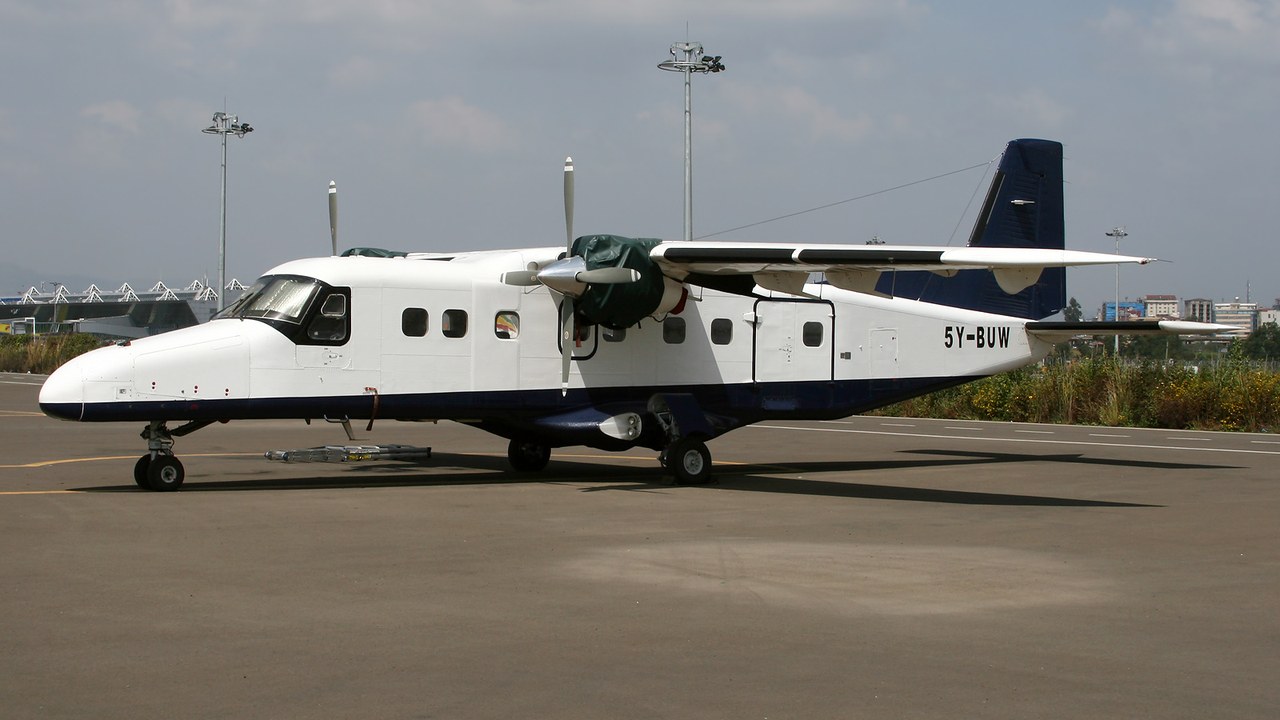
WFCA names the Dornier 228 as a platform for delivering smokejumpers and cargo near remote wildfires, extending the reach of initial-attack crews well beyond the road network.
The twin turboprop is a reminder that small commuter designs can do crucial wildfire work when adapted to the task. The claim concerns its transport role only, not any tank or capacity, and not any particular aircraft. That makes it a useful counterpoint to the tankers, since its contribution is people on the ground rather than liquid from above.
12. CASA C-212 smokejumper aircraft: Spanish-Built Jump Platform
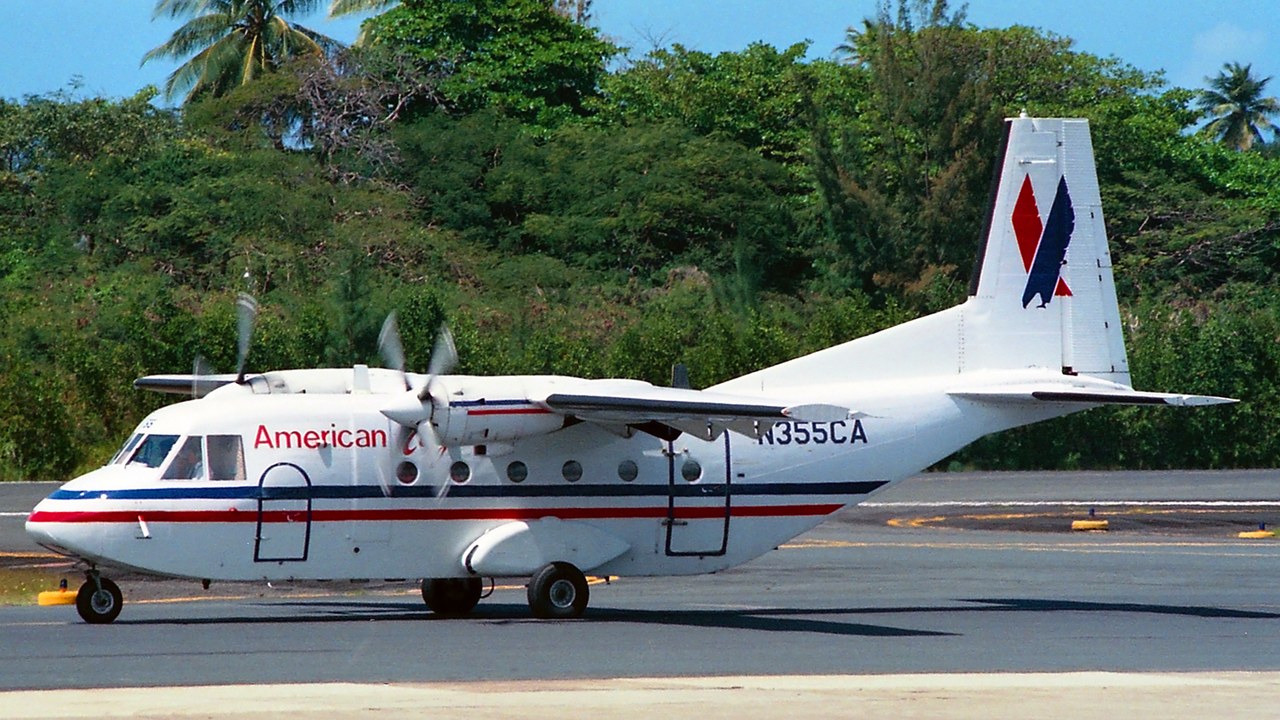
The CASA 212 is another aircraft that WFCA identifies for inserting smokejumpers and supplies near a wildfire, rounding out the jump-ship roster alongside the Twin Otter, Sherpa and Dornier.
With its rear loading ramp, the CASA design suits both jump and cargo work in remote country. The source describes the transport role only and does not claim that all examples are active today. Together with the other jump ships, it shows that reaching a fire is often the first and hardest step in containing one.
More from Morning Overview
- The FBI told the rest of ShinyHunters to surrender after a 24-year-old was arrested
- Two passengers died at an Ohio toll plaza, and the NTSB now wants the cash lanes shut
- Long use of a common prostate pill is tied to a higher chance of glaucoma
- Ford is recalling 223,472 F-150 pickups because the fuel tank can leak or detach
