
Touchscreens have quietly become a headline spec in new-vehicle shopping, with automakers racing to outsize rivals inch for inch across the dashboard. Some stretch a single pane of glass from pillar to pillar, while others fold a second screen into the back seat for passengers. Here are twelve vehicles that carry some of the largest dashboard displays money can buy for 2026.
1. Mercedes-Benz EQS: A Windshield-Wide Digital Dashboard
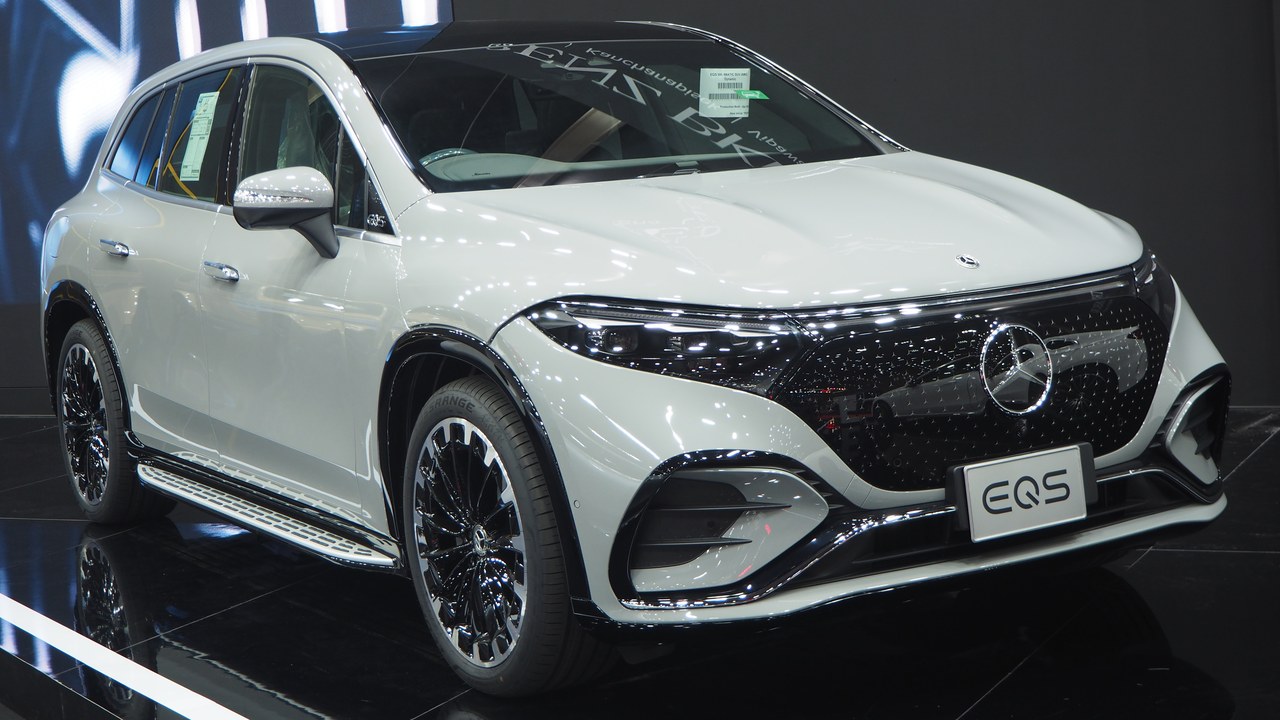
Mercedes built an optional Hyperscreen display that fuses three separate panels into 56 inches of continuous glass stretching across the entire dashboard, covering the driver instrument cluster, center infotainment stack and a dedicated passenger screen behind one seamless curved surface.
The result turns the EQS cabin into something closer to a home theater than a traditional cockpit, though the feature only ships on the priciest trims and a cracked panel means replacing the whole glass assembly at considerable expense.
2. Cadillac Escalade IQ: Two Screens Fused Into One Curve
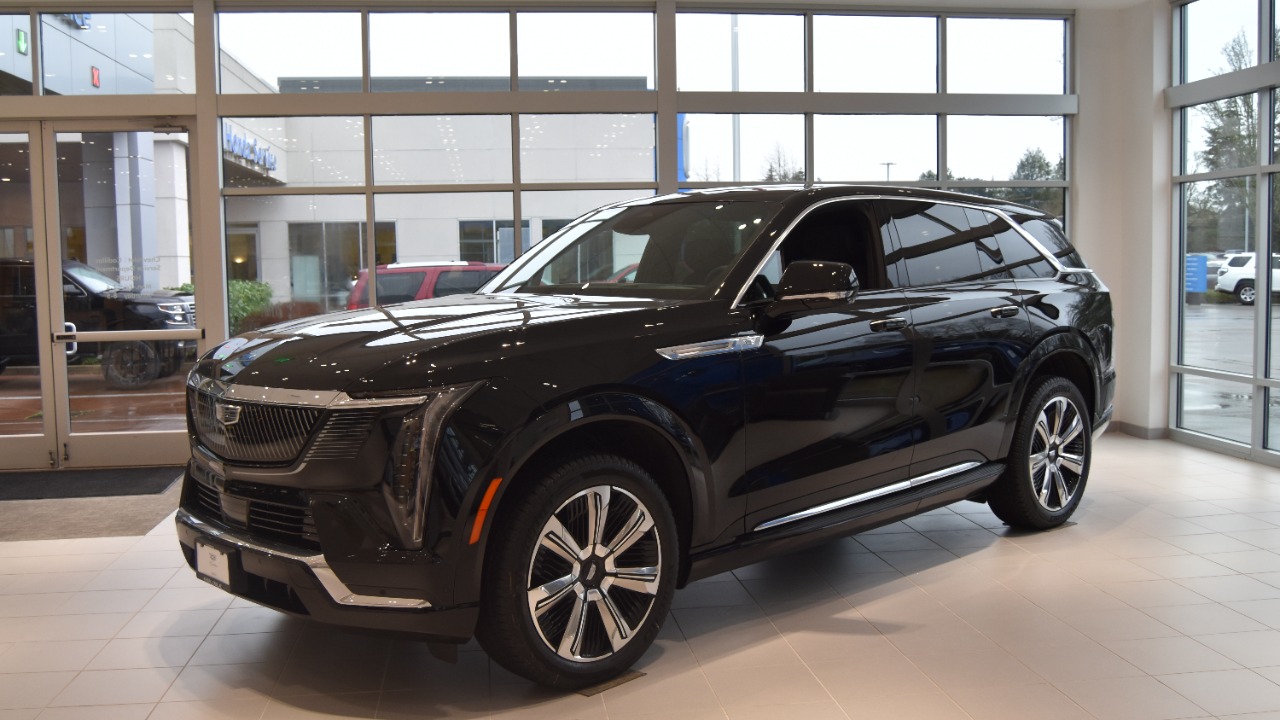
Cadillac wrapped a curved 55-inch display across the front of the cabin, combining a 35-inch screen ahead of the driver with a separate 20-inch touchscreen for the front passenger inside one continuous piece of glass.
Splitting the glass into driver and passenger zones lets a front-seat rider watch video or browse menus without the glare spilling into the driver’s line of sight, a trick borrowed from the automaker’s larger Escalade lineup.
3. Jeep Grand Wagoneer: Three Screens, Seventy-Five Inches Total
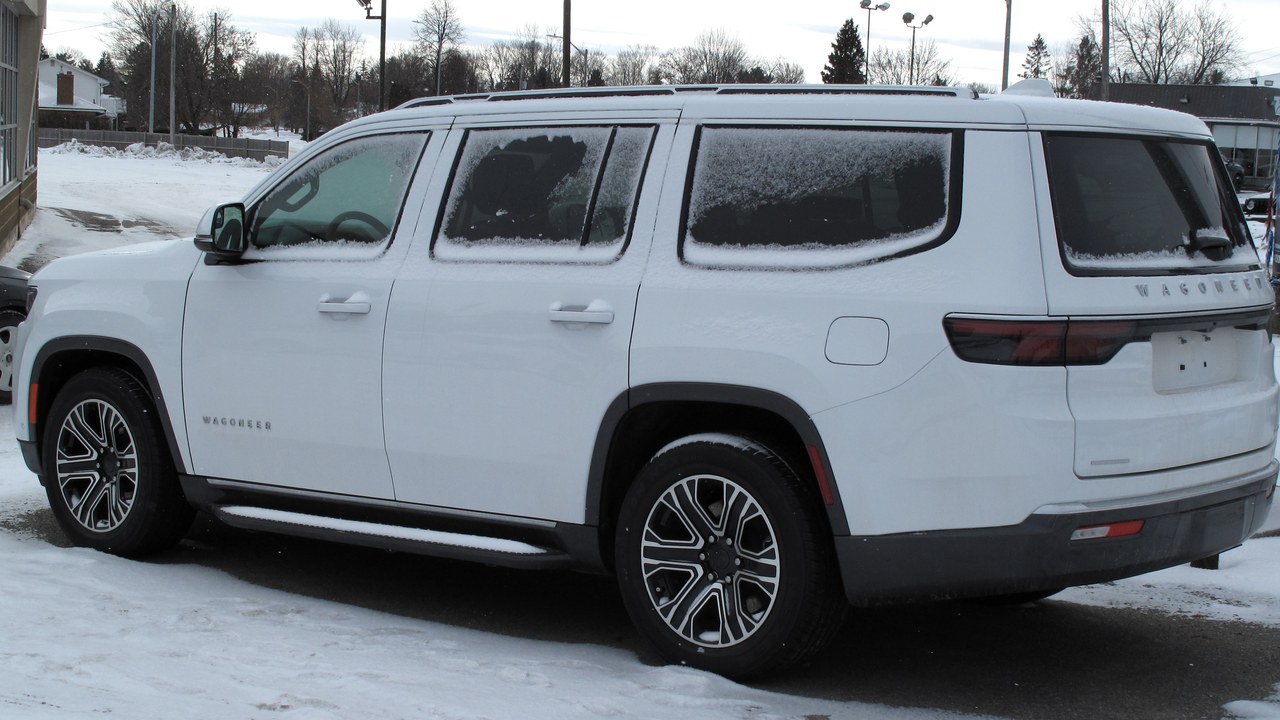
The Grand Wagoneer’s cabin packs close to 45 inches of display across the instrument panel alone, part of a broader digital layout that adds up to roughly 75 inches of combined screen area across the dashboard.
That much digital real estate spans a 12-inch cluster, a central touchscreen and a front passenger display, letting three occupants each run their own navigation, media or climate settings at once without fighting over one shared panel.
4. Lucid Air: One Curved Pane, Three Zones
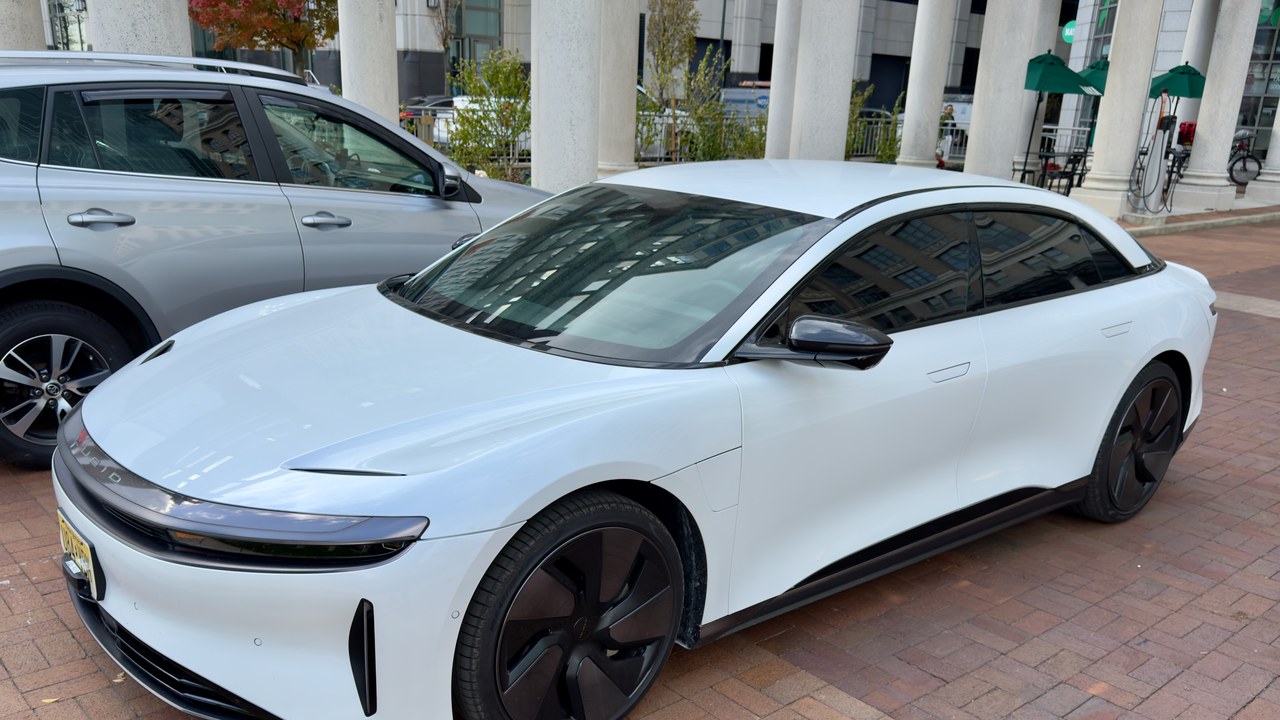
Lucid built the Air’s Glass Cockpit from a single 34-inch curved pane that arcs from pillar to pillar, splitting driving data, navigation and media controls into distinct zones without visible seams between the panels.
A retractable panel beneath the main display can slide down to reveal a secondary control screen for climate and drive settings, keeping the main glass focused on speed, range and mapping information rather than crowding it with extra buttons.
5. Cadillac Lyriq: A Dashboard-Length Curved Strip
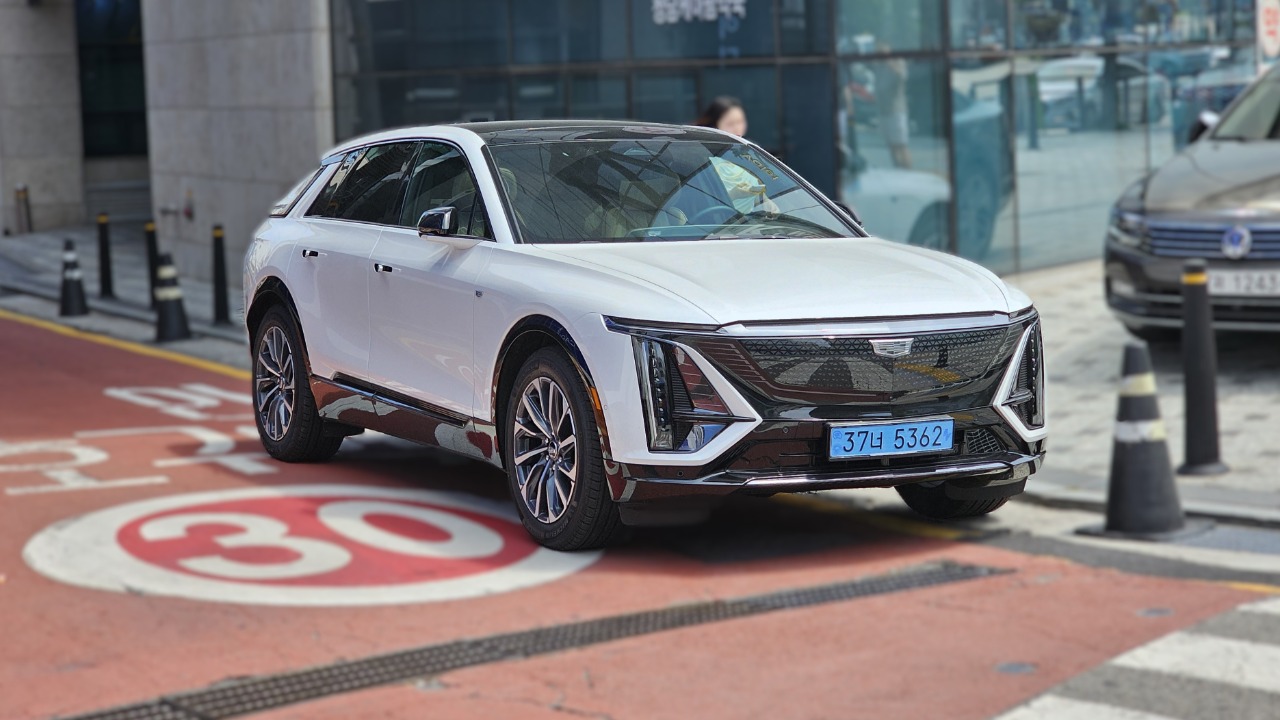
The Lyriq’s cabin is built around a 33-inch curved LED display that runs in one continuous strip from the driver’s side toward the center stack, driving Cadillac’s latest software interface across gauges and infotainment alike.
The curve wraps slightly toward the driver for easier reach and readability at speed, and the screen anchors an EV lineup that leans on software updates rather than physical buttons for most of its secondary functions.
6. BMW i7: A Theater Screen In The Back Seat
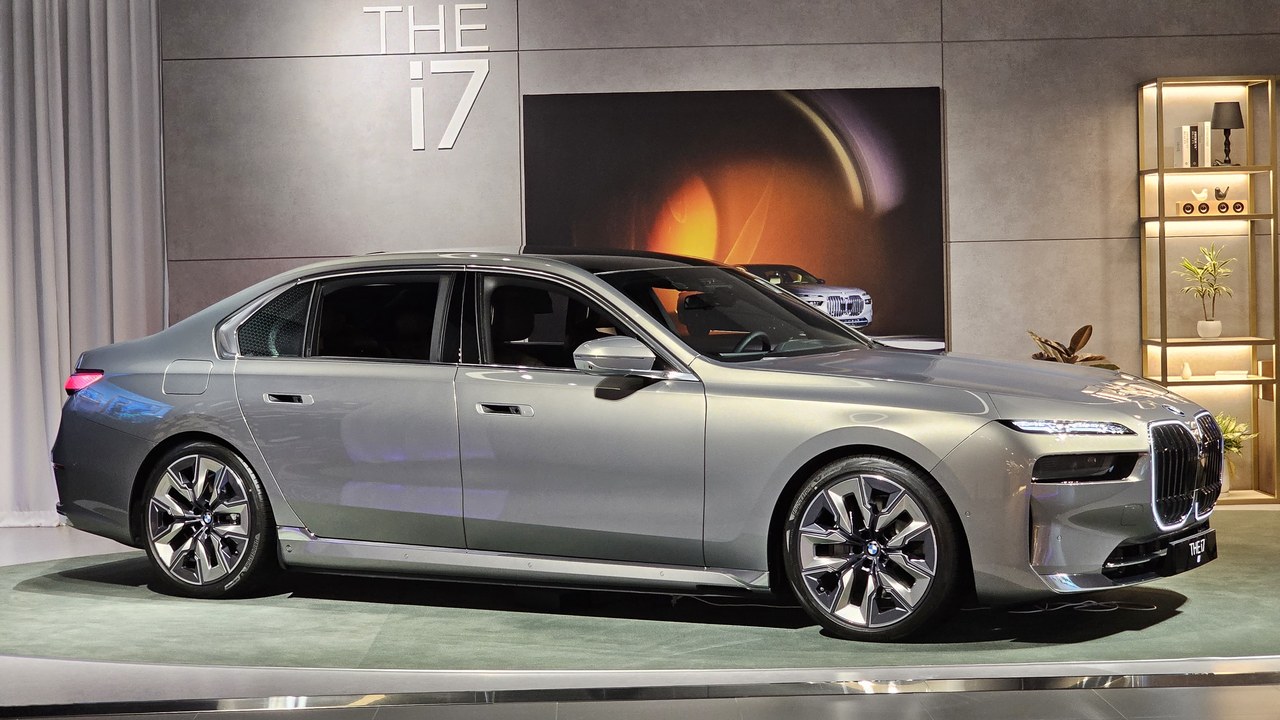
The i7’s rear cabin hides a 31.3-inch Theater Screen in the headliner that motors down on command, unfolding into a cinema-sized 32:9 display angled for back-seat passengers once the car is in park or moving slowly.
Passengers can stream video, browse the web or mirror a phone through the panel, paired with a surround-sound system and blackout shades that turn the rear bench into a private screening room for road trips.
7. Tesla Cybertruck: One Big Screen, No Gauges
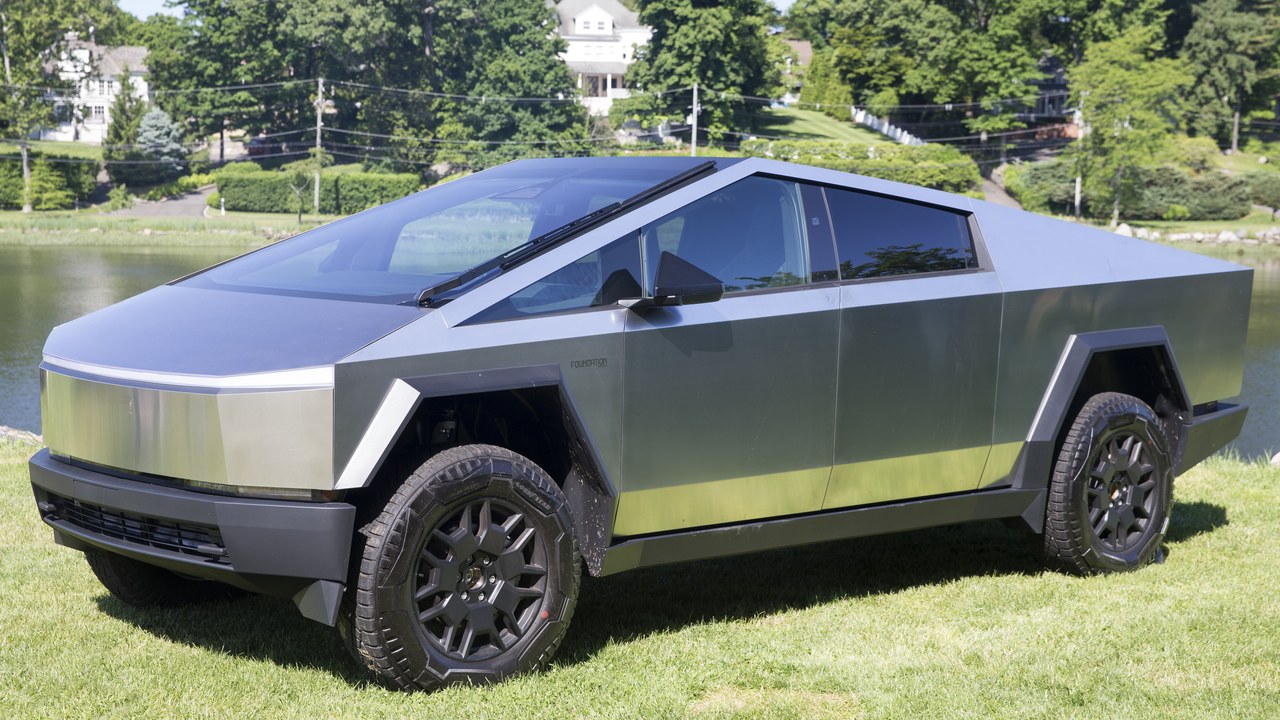
Tesla centers the Cybertruck’s cabin on an 18.5-inch landscape touchscreen mounted low on the dash, handling navigation, climate, drive settings and most vehicle functions since the stainless-steel truck skips a traditional gauge cluster entirely.
A secondary strip display sits ahead of the steering yoke for speed and basic alerts, but nearly everything else, from towing camera feeds to off-road drive modes and suspension height, routes through that single central screen.
8. Chevrolet Silverado EV: A Big Standard Screen On The Base Trim

Chevrolet makes a 17.7-inch central touchscreen standard equipment on the Silverado EV’s entry LT trim, running the Google-built infotainment system that handles navigation, charging status and trailering tools without requiring buyers to step up a trim level.
Pairing that display with an 11-inch digital driver cluster gives even the base electric pickup a fully digital dashboard, a configuration that rival automakers often reserve for their most expensive trucks and full-size SUVs rather than a work-focused base trim.
9. Tesla Model S: The Original Landscape Command Screen
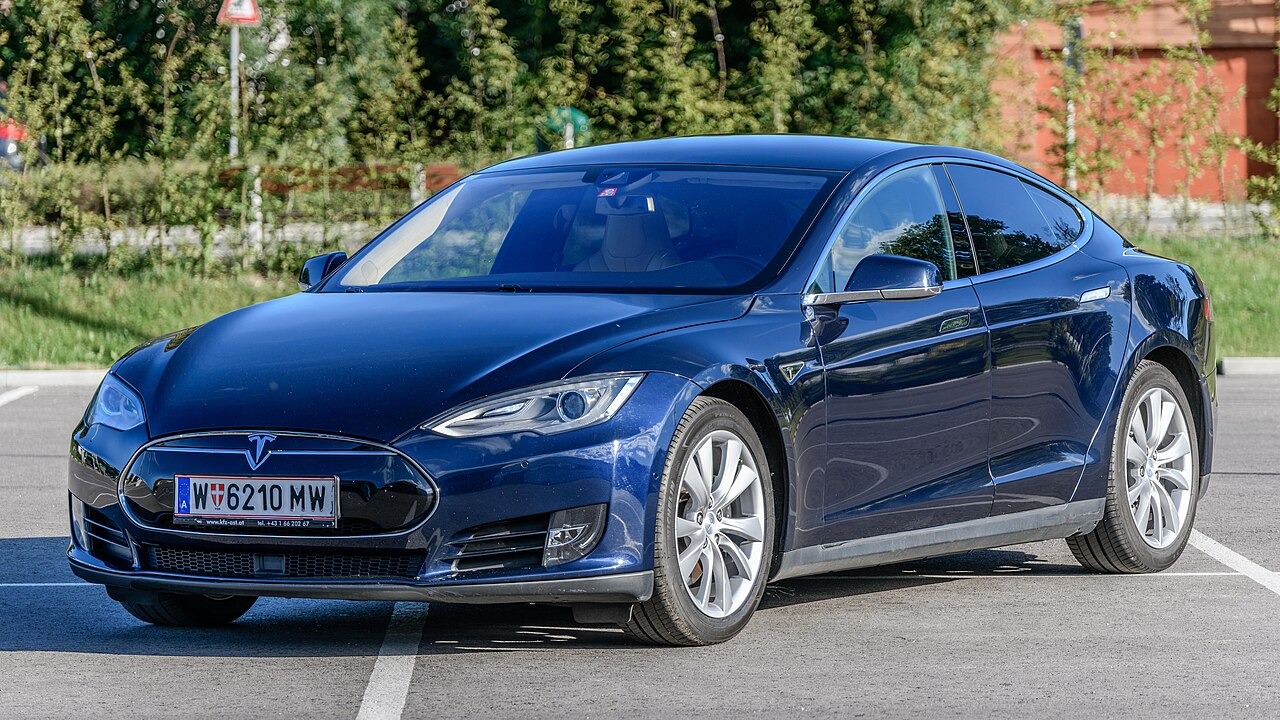
The refreshed Model S keeps a 17-inch landscape touchscreen as its command hub, the same basic layout Tesla introduced years earlier and still uses to control climate, navigation, media and most vehicle settings from one central panel.
A secondary display ahead of the passenger seat lets that rider adjust climate or media independently, while the steering yoke option on top trims removes most of the traditional stalks that once surrounded the wheel.
10. Rivian R1S: Nearly Every Control In One Panel
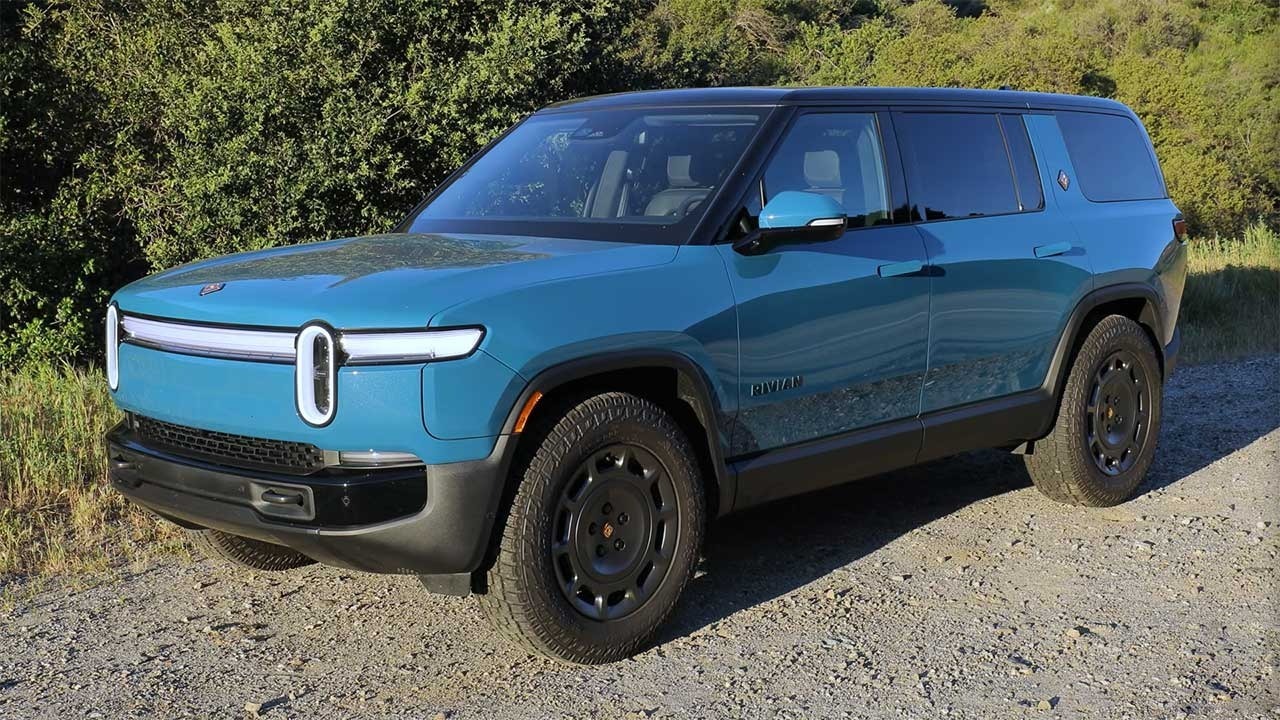
Rivian centers the R1S’s interior on a 15.6-inch central touchscreen that governs nearly all vehicle functions, from drive modes and camera views to climate and audio, alongside a separate 12.3-inch driver display for speed and range.
The electric SUV’s software also runs a full suite of off-road camera views, trailering aids and drive-mode settings through that same touchscreen, a layout Rivian carried over largely unchanged from its R1T pickup truck sibling.
11. Ford F-150 Lightning: A Portrait Screen Built For Trucks
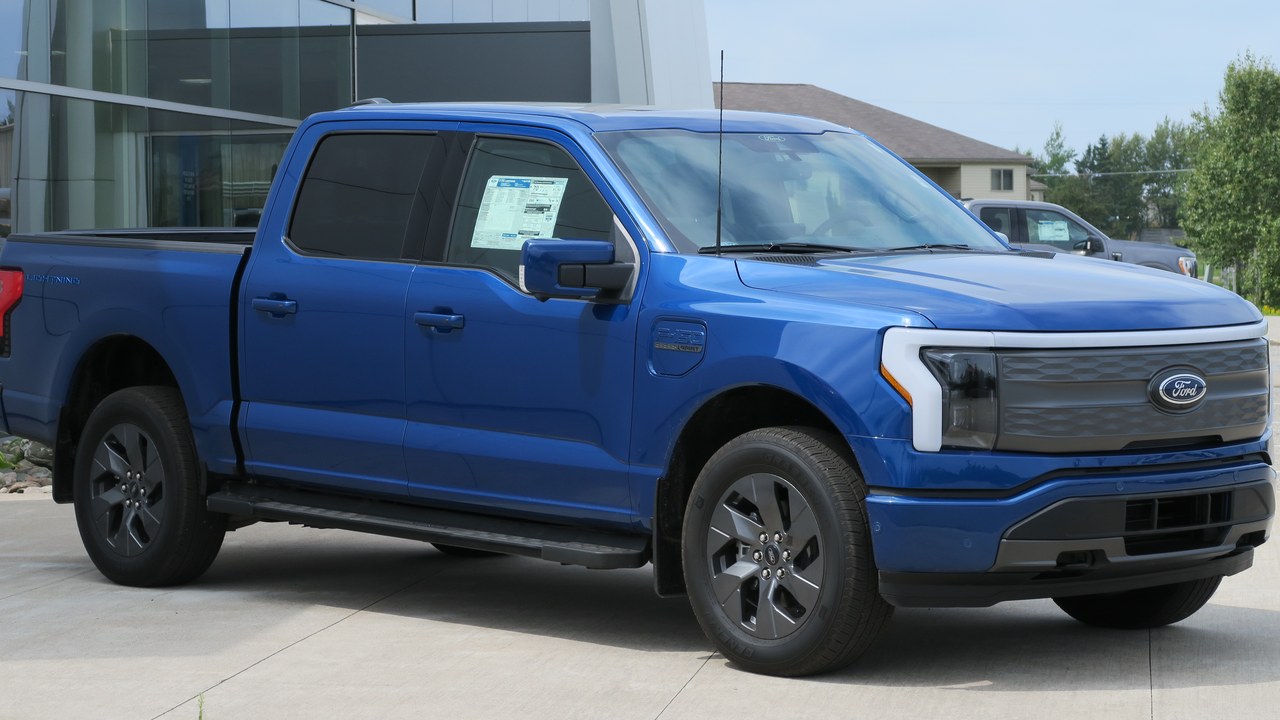
Ford offers a portrait-oriented 15.5-inch touchscreen on higher F-150 Lightning trims, a vertical layout that leaves room on screen for navigation maps, charging status and trailering tools to stack above one another rather than sit side by side.
Lower trims of the electric pickup make do with a smaller 12-inch screen, so buyers chasing the largest display need to move up the lineup toward the Lariat and Platinum trim levels.
12. Ram 1500: The Biggest Screen In Any Pickup
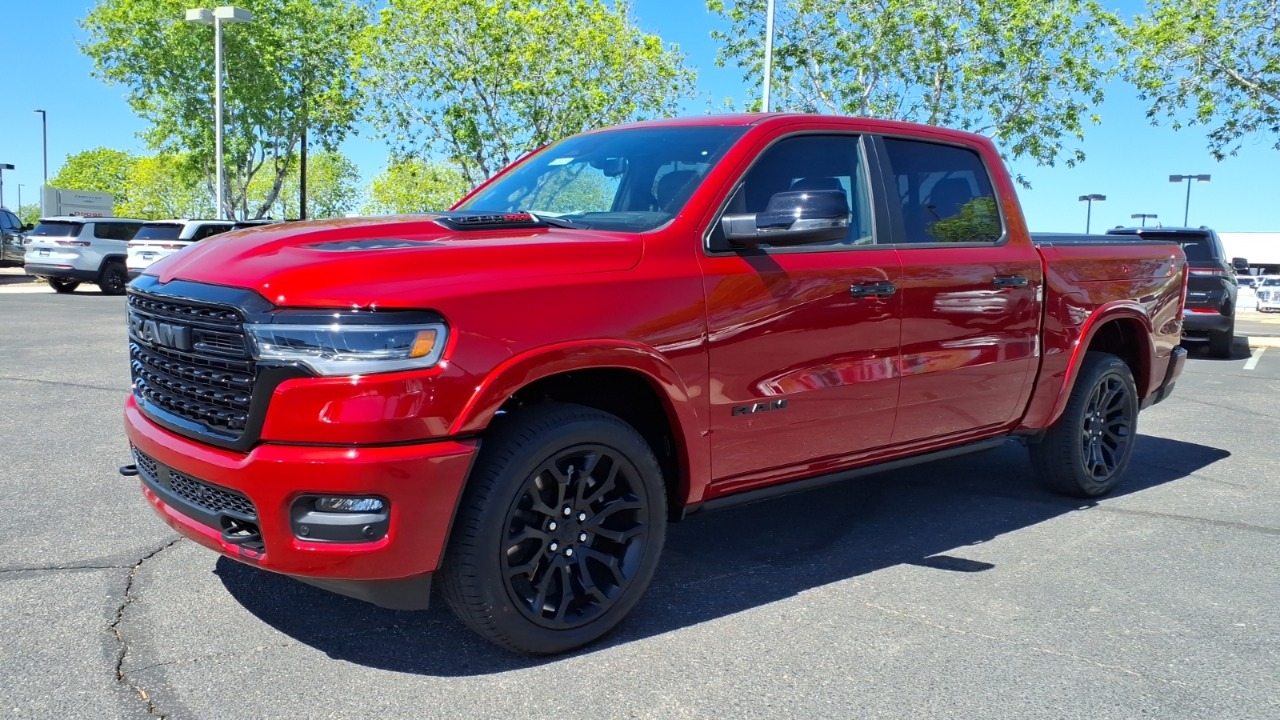
Ram fits a 14.5-inch Uconnect 5 touchscreen into the 1500’s dashboard, among the largest displays offered in any full-size pickup truck and a size Ram uses to run navigation, trailer cameras and off-road settings on a single portrait-oriented panel.
The oversized touchscreen sits above physical climate knobs that Ram kept in place even as the screen grew, a compromise aimed at drivers who still want tactile controls alongside a large digital display.
More from Morning Overview
- Supplements now rank as the fifth-leading cause of death from liver disease.
- The NSA is again telling phone owners to switch off one location setting
- Four U.S. startups fired up their first small nuclear reactors, aiming to power AI data centers on-site
- 11 engines built to run well past 200,000 miles
