
Consumer Reports builds its predicted-reliability scores from survey data, and the lowest scores give new-car shoppers a clear set of models to research before signing anything. Electric vehicles are heavily represented, alongside several familiar family haulers. Here are twelve new vehicles that landed near the bottom of the rankings.
The day in tech, in one email: TLDR is the daily newsletter with links and TLDRs of the most interesting stories in startups, tech and programming.
We may earn a commission if you sign up.
1. GMC Acadia: Rock Bottom at 14
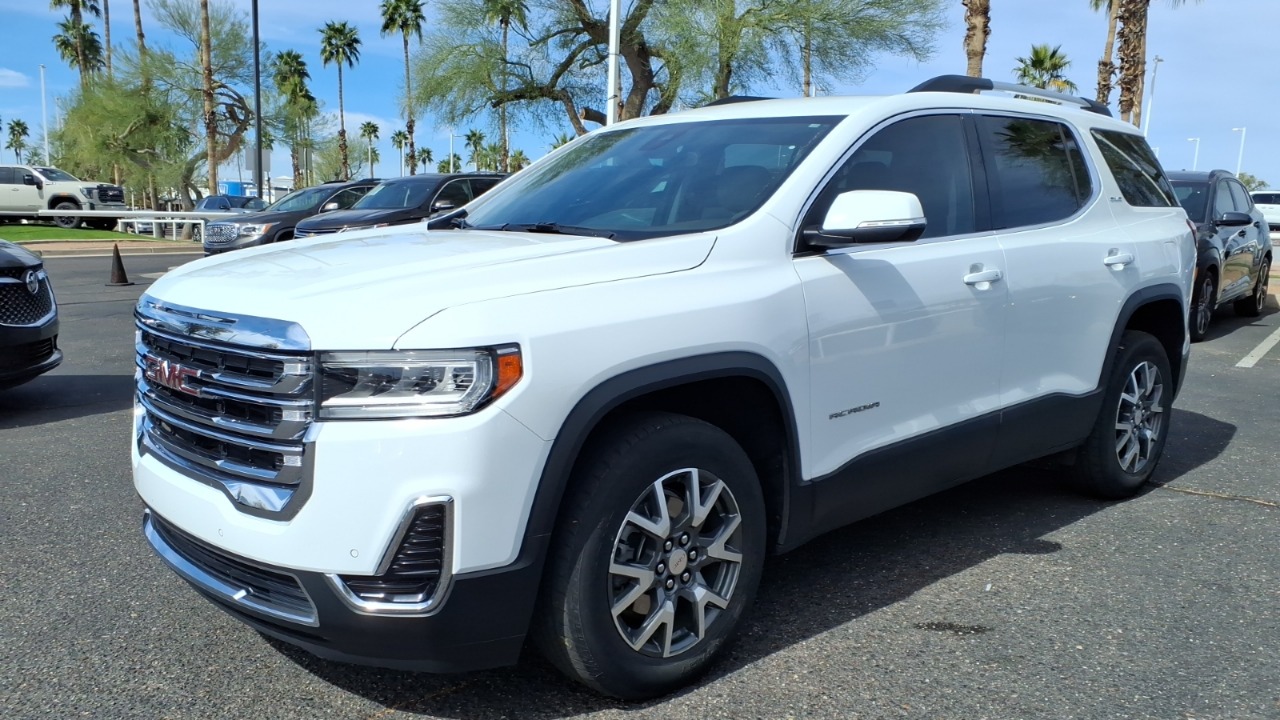
The GMC Acadia carries the lowest predicted-reliability score on Consumer Reports’ Consumer Reports’ least-reliable list of 2026, at 14 out of 100. No other vehicle on that ranking scored lower.
A score that low is a strong signal for anyone considering a new Acadia, particularly shoppers who plan to keep a vehicle for many years. Comparing it with other three-row crossovers before visiting a dealer is a sensible first step. The score reflects model-wide survey patterns, so it describes risk instead of guaranteeing any one outcome.
2. Rivian R1T: Electric Truck, Rough Marks
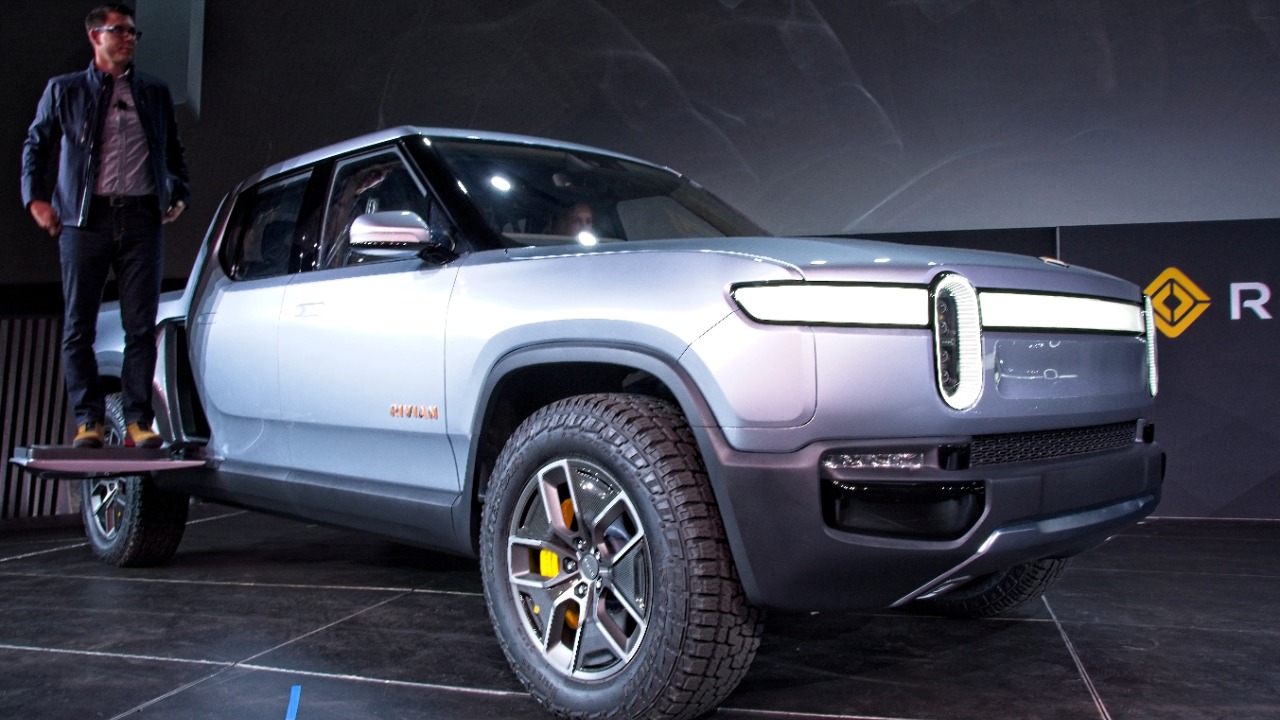
The Rivian R1T earns a predicted-reliability score of 18 out of 100 and ranks second-worst on the same Consumer Reports Consumer Reports ranking. Only the Acadia falls below it.
For a high-priced electric pickup, that placement is a notable concern. Prospective buyers drawn by the truck’s capability would be wise to ask about warranty terms and service access before committing to a purchase. The R1T’s strengths on paper do not change how the survey data reads on dependability.
3. Chevrolet Blazer EV: Twelve-Volt Trouble
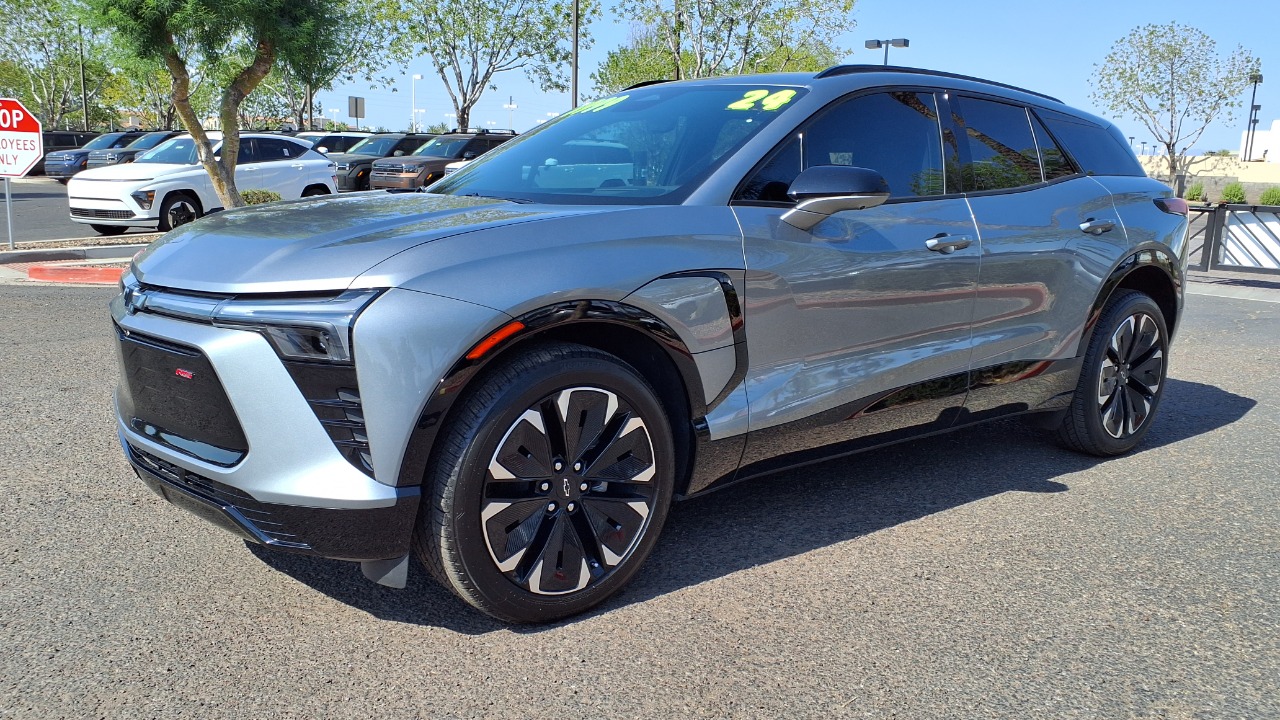
The Chevrolet Blazer EV scores 19 on the Consumer Reports list entry, with owners reporting numerous 12-volt battery failures. The small auxiliary battery is separate from the large traction pack.
A weak 12-volt battery can disable systems on a vehicle even when the main battery is healthy. Shoppers should ask about that component specifically, along with what coverage applies if it fails during the warranty period. Dealers can often say how common such failures have been on the cars they service.
4. Genesis GV60: Costly Battery Repairs
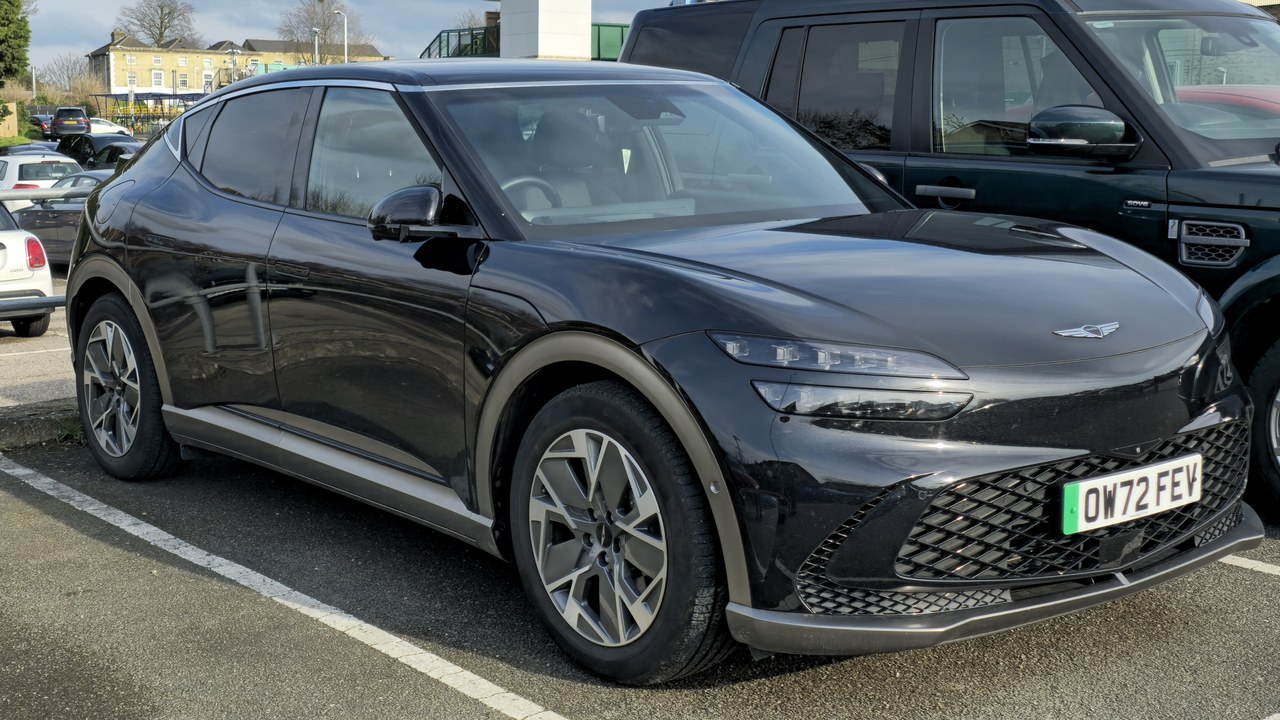
The Genesis GV60 scores 21 in the Car Guide summary of Consumer Reports results, with full battery-pack replacements and windshield trim pieces coming off cited as problems. The first is among the most expensive faults an EV can have.
The mix of a major powertrain repair and a cosmetic part that fails suggests problems at both ends of the severity scale. Buyers considering a GV60 should review the warranty terms for the battery before choosing this crossover.
5. Mazda CX-90: Timing Chain Worries
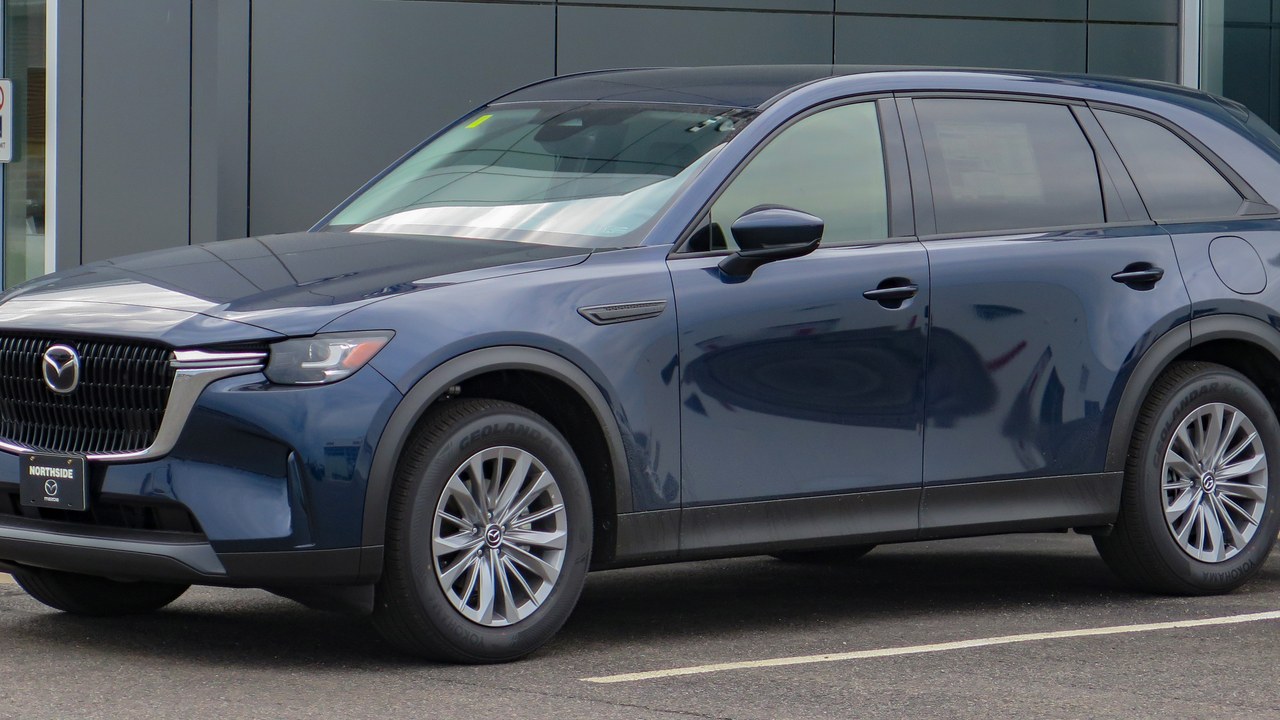
The Mazda CX-90 receives a score of 23, and premature timing chain failure is among the engine problems cited in the Car Guide report. Timing chains are normally expected to last far longer than the failures suggest.
An engine fault of that kind can lead to a costly repair, which makes the warranty especially relevant. Anyone shopping for a CX-90 should find out how the maker handled affected cars and whether the repair history appears in the vehicle’s records.
6. Kia EV9: Cells That Need Swapping
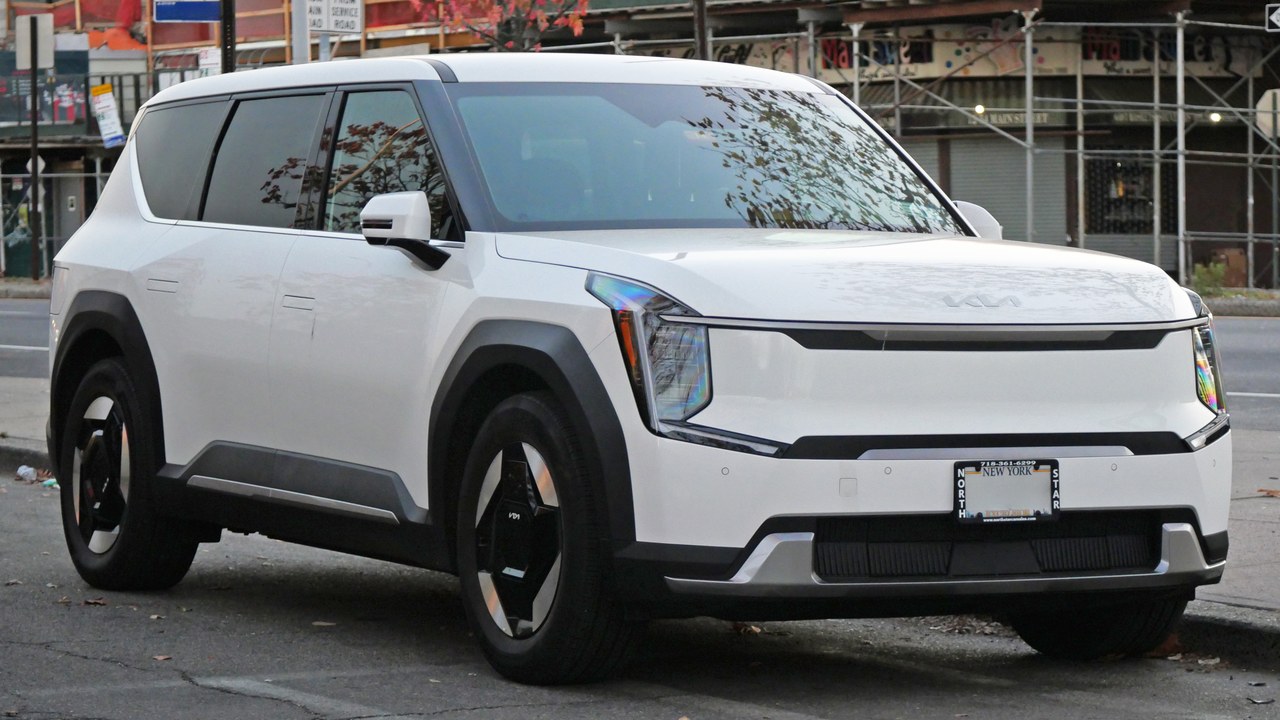
The Kia EV9 earns a score of 24 in the Car Guide ranking, with some battery pack cells requiring replacement. The three-row electric SUV is therefore listed among the weaker performers.
Replacing individual cells instead of an entire pack may limit the cost, but any battery repair on an electric SUV deserves attention. Prospective owners should confirm battery coverage and ask the dealer how such repairs have been handled. Repair costs and downtime can matter as much as the cell count itself.
7. Kia EV6: Charging Control Complaints
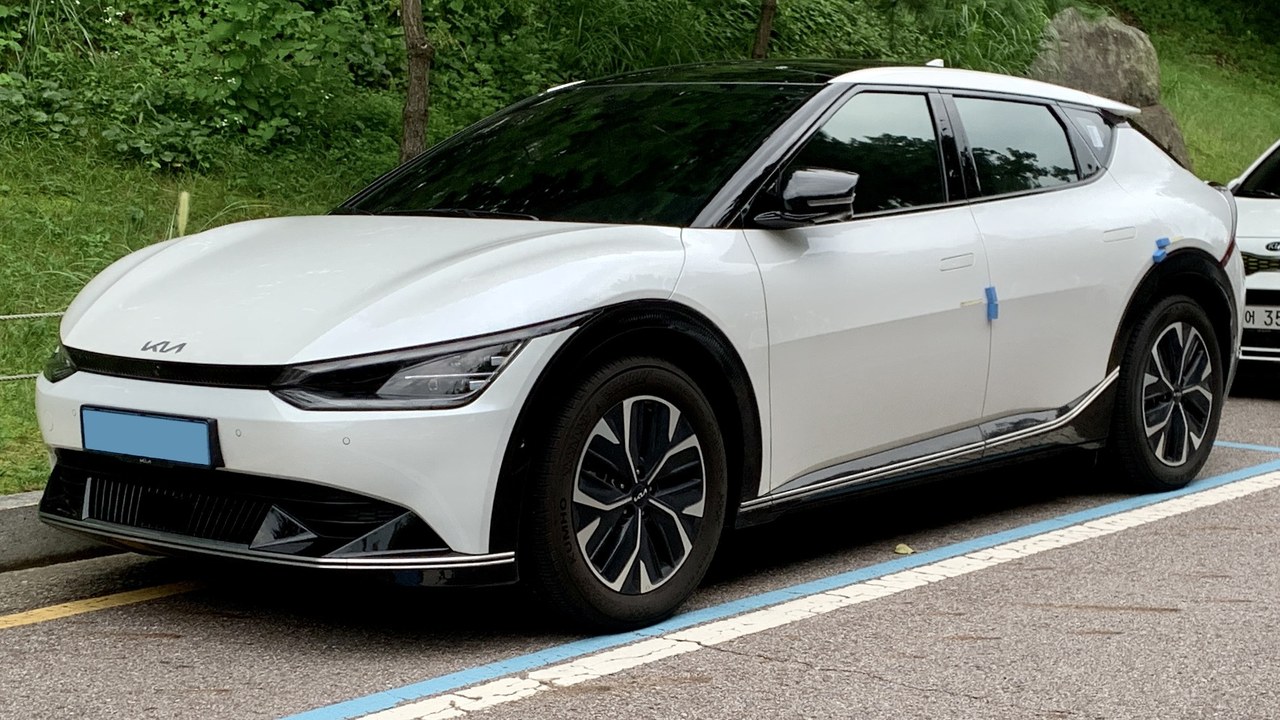
The Kia EV6 scores 25 among the lowest in Consumer Reports’ 2026 survey of about 380,000 vehicles, per Quartz coverage. Owners report charging control unit and battery problems.
Those complaints affect the core job of an electric car, which is to charge and drive reliably. Shoppers interested in the EV6 should check how charging faults are covered, and look at how the car compares with electric rivals. The score alone does not say how severe each reported problem was.
8. Honda Prologue: Battery Replacement Reports
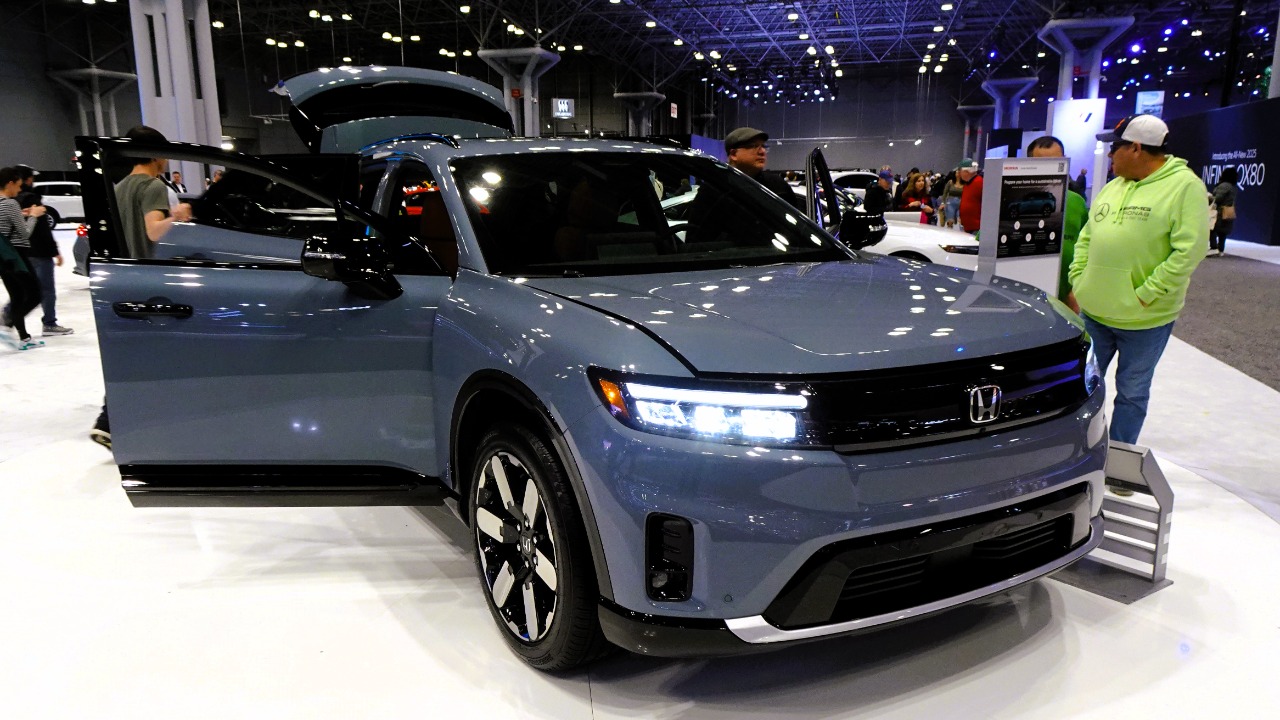
Consumer Reports flags the EV battery among the trouble spots for the Honda Prologue, noting it sometimes required full replacement, according to Quartz article. The source cited does not give a numeric score for this model.
Because no score is quoted, the finding rests on the described failure alone. Even so, a battery that sometimes needs full replacement is a serious red flag, and buyers should look closely at what the warranty covers. A written answer from the dealer on battery coverage is worth requesting.
9. Chrysler Pacifica Hybrid: Best of a Bad Group
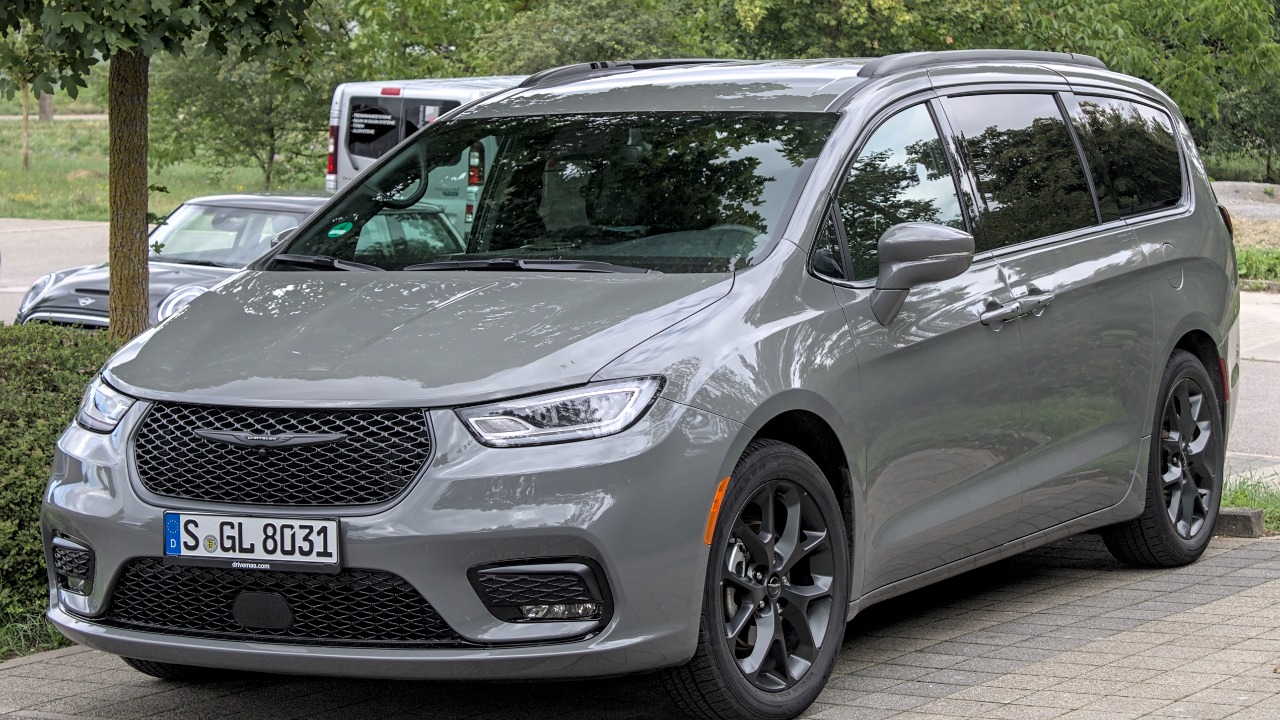
The Chrysler Pacifica Hybrid scores 26 out of 100 on the Consumer Reports least-reliable list, the best result among its 10 least-reliable cars. Transmission and engine problems are reported.
Even the top of this ranking sits at a low number, which underlines how weak the whole group is. Minivan shoppers can use the score as a prompt to compare the Pacifica Hybrid with competitors on reliability and repair history. A low score does not doom every individual vehicle, but it raises the odds of an unwelcome service visit.
10. Ford Explorer: Recommendation Withdrawn
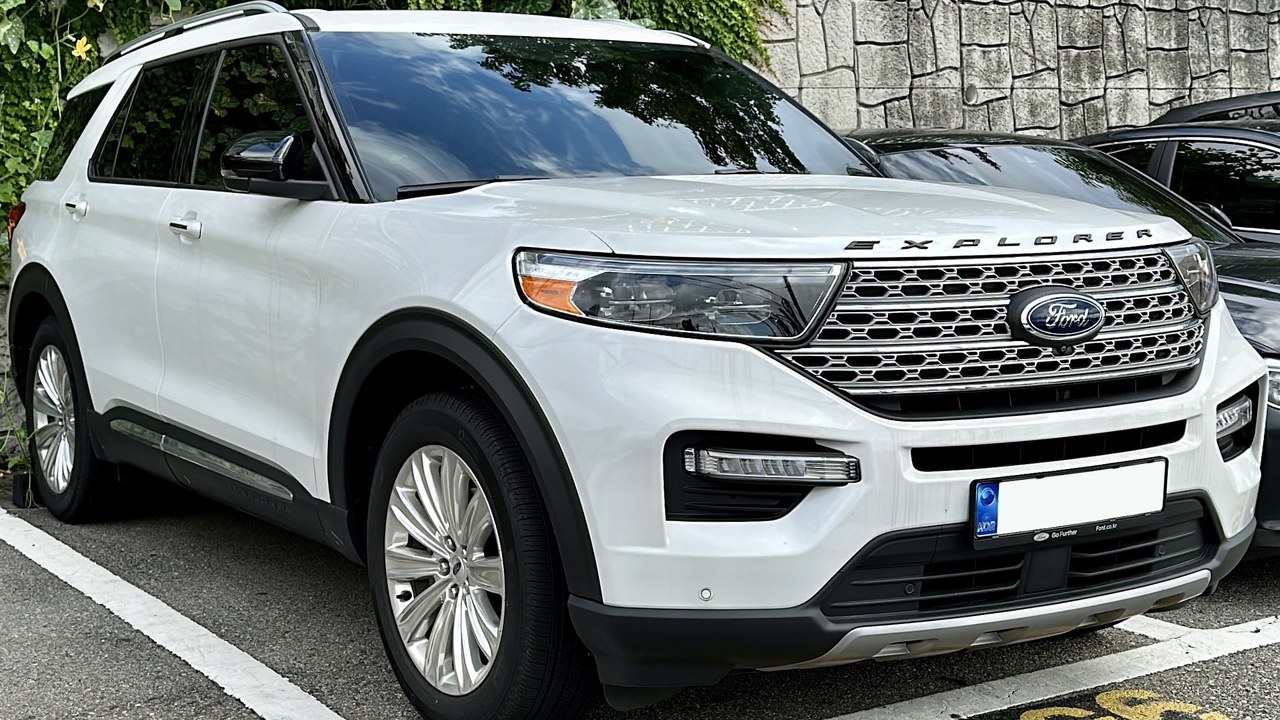
The 2026 Ford Explorer carries a predicted-reliability score of 30 out of 100, and Consumer Reports says to avoid it, according to Ford Authority report. The organization dropped its recommendation of the SUV in December 2025.
A withdrawn recommendation on a mainstream family SUV carries weight with many shoppers. Anyone still interested in an Explorer should weigh the rating alongside price, available incentives and the length of the warranty. A certified inspection before purchase would add useful detail about the specific vehicle on offer.
11. Dodge Durango: Below the Average New Car
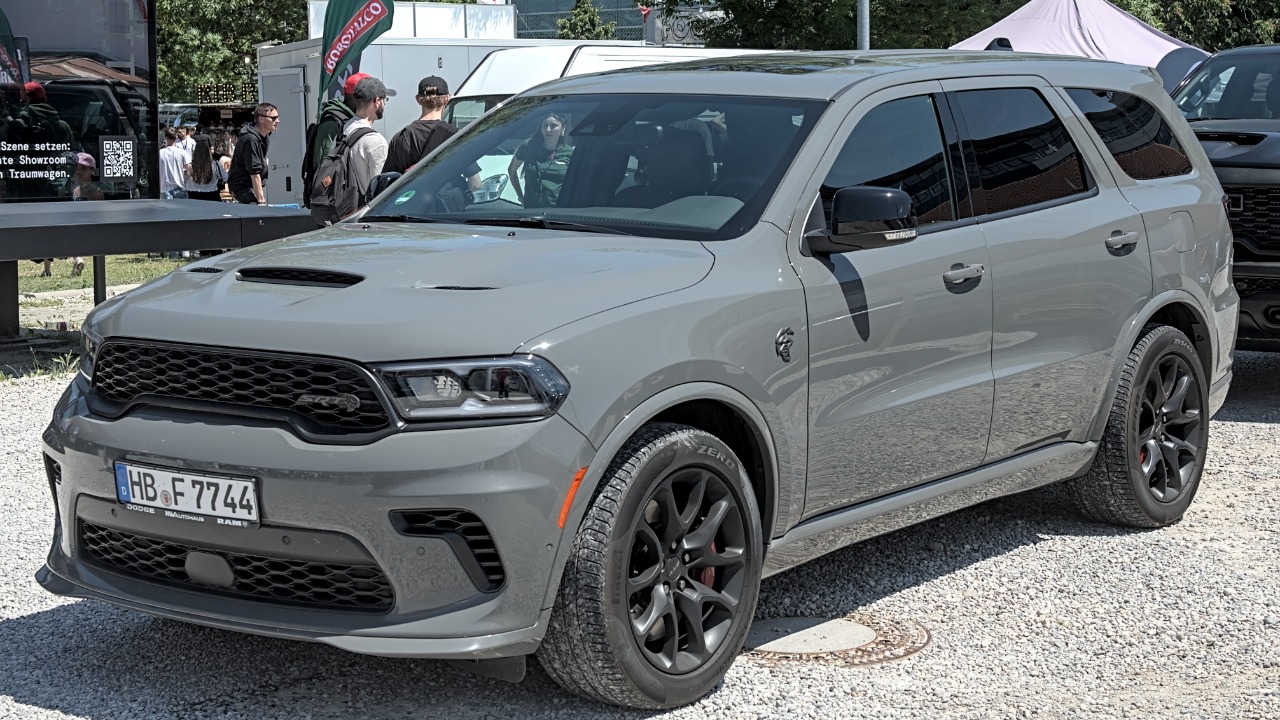
Consumer Reports expects the 2026 Durango to be less reliable than the average new car, according to its Consumer Reports Durango page. The wording is a direct forecast, not a ranking position.
The statement is plain, and it applies to a full-size SUV that attracts buyers wanting towing capacity and power. Shoppers should compare it with competing models, and consider an extended warranty only after reading its terms. The prediction is a general expectation across the model, and individual cars can turn out better or worse.
12. Jeep Grand Cherokee: Bottom of the Rankings
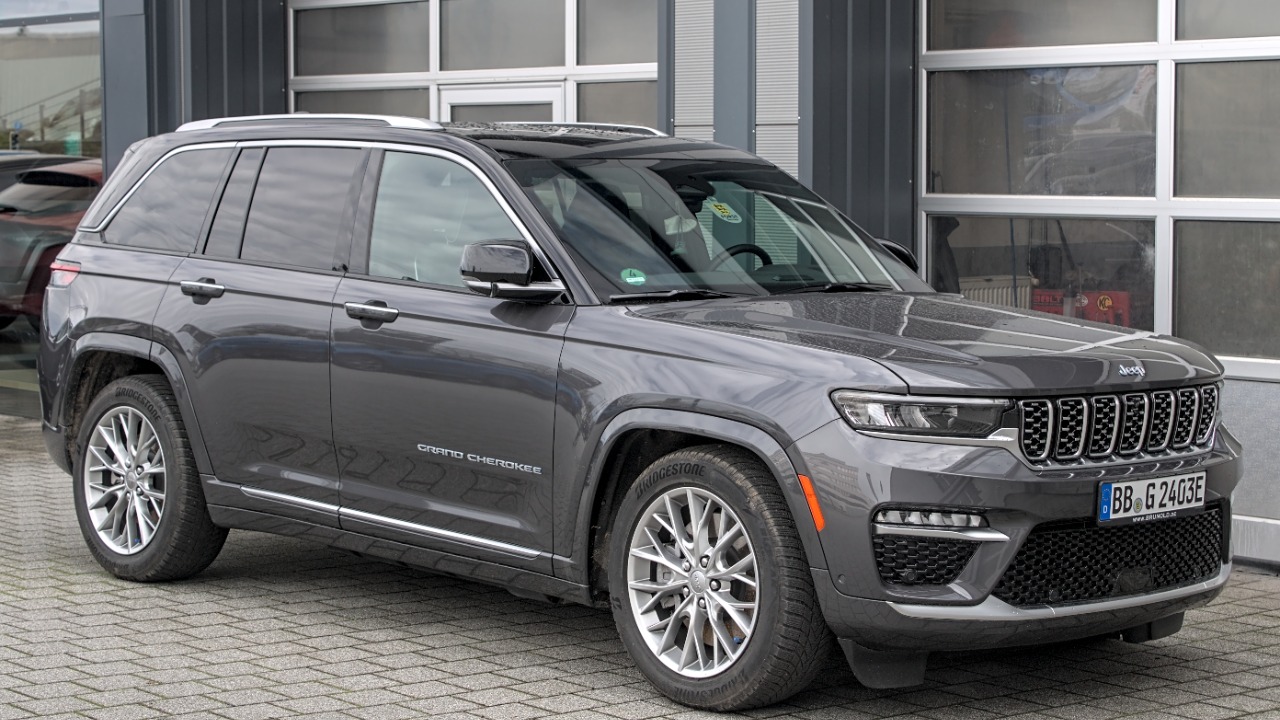
A GadgetReview roundup of Consumer Reports’ least reliable 2026 SUVs describes the Jeep Grand Cherokee as sitting at the reliability rankings’ bottom. Steering, suspension and drivetrain faults are cited.
Problems in those systems affect how a vehicle drives, not just how it looks or feels. Buyers weighing a Grand Cherokee should read the roundup’s details, then check the manufacturer’s coverage for those specific components. Test drives that include rough roads and tight parking maneuvers can help reveal early symptoms.
The day in tech, in one email: Get TLDR →
We may earn a commission if you sign up.
More from Morning Overview
- The NSA says three phone features should be off whenever you aren’t using them
- Hurricane Hunter radar shows four warning signs that a tropical cyclone is about to strengthen, a University of Miami study found
- Tropical Storm Rachel is dumping up to 12 inches on four Mexican states on its way to major hurricane strength
- The FTC says Lens.com doubled the price shoppers saw in Google ads
