
Battery wear is the biggest worry for many used-electric shoppers, and large test datasets now offer measured answers instead of guesses. Most of the figures below describe median battery health after 150,000 kilometers, with a couple drawn from other studies. Here are thirteen used EVs, running from the strongest performers down to those with the most battery trouble.
Save more, waste less: The Cool Down’s newsletter sends smart, simple changes that help you and the planet in your everyday life.
We may earn a commission if you sign up.
1. Mercedes-Benz EQA: Top of the Table
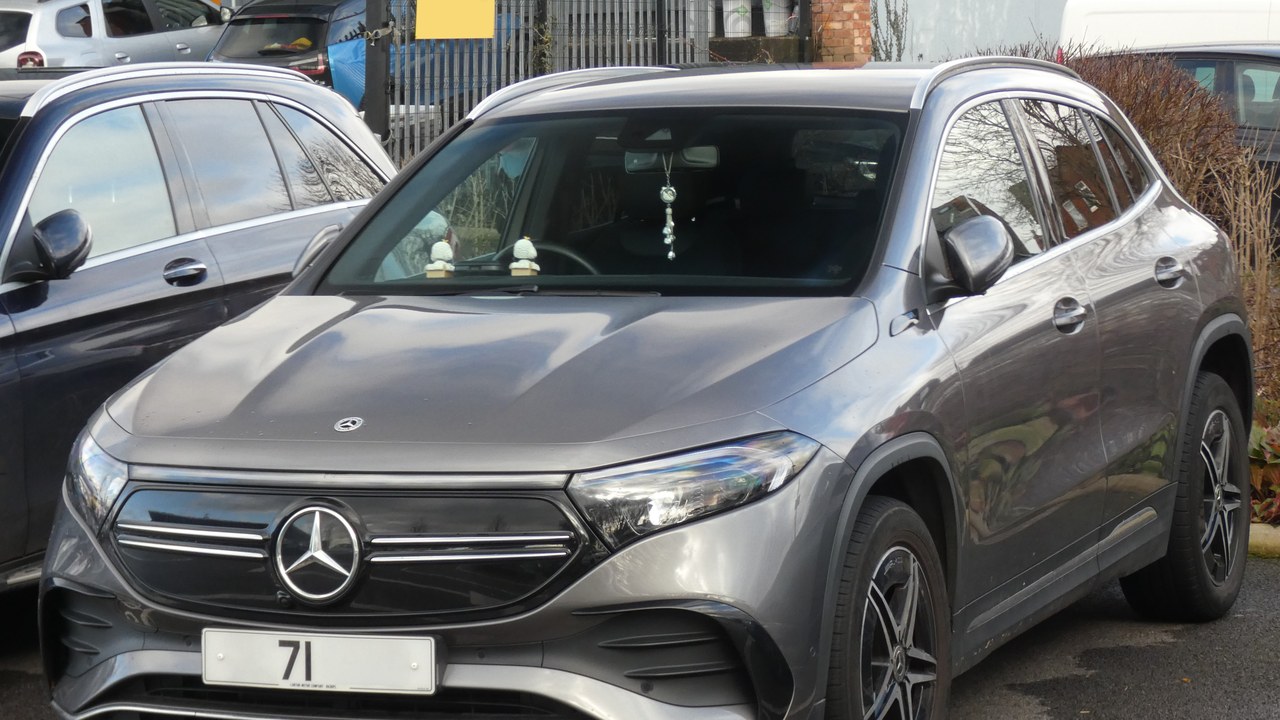
In Aviloo’s collection of 500,000 battery tests, the Mercedes-Benz EQA posts the best result, with median battery health almost 94 percent at 150,000 km, as reported by New Mobility report. A typical EQA at that mileage still holds nearly all of its original capacity.
For a used buyer, that is reassuring evidence that a high-mileage compact electric SUV need not be a gamble. The figure is a median across many cars, so an individual vehicle can land above or below it, and a battery check remains worthwhile.
2. Hyundai Ioniq 5: Close Behind the Leader

The Hyundai Ioniq 5 follows at a median battery health of 93.8 percent at 150,000 km, according to an Interesting Engineering study summary. The gap to the top spot is a fraction of a percentage point.
A result that close shows the leading group is tightly bunched, so shoppers do not need to fixate on first place. The Ioniq 5 can reasonably be treated as one of the safer used picks when it comes to long-term battery condition.
3. BMW i4: Sedan with Staying Power
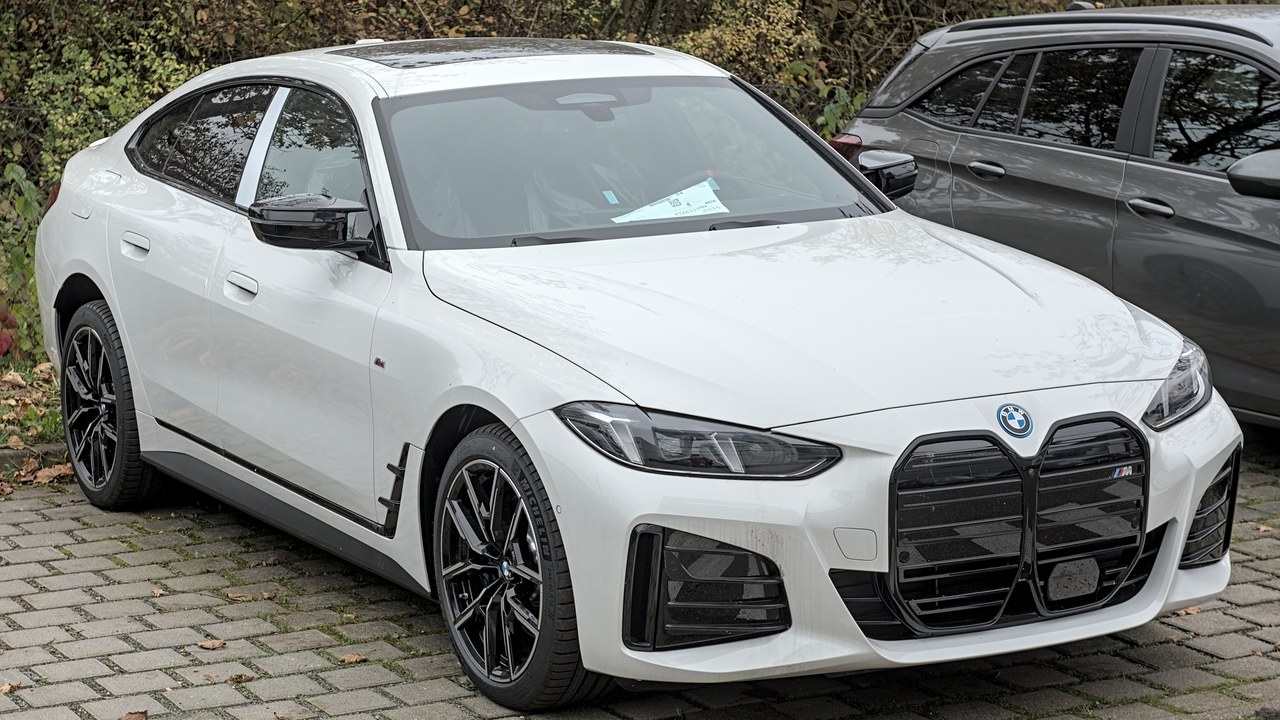
The BMW i4 reaches a median battery health of 93.6 percent at 150,000 km, as noted in the study summary. That keeps the German sedan in the top tier of the data.
Its showing suggests that a premium electric sedan can hold its battery well through the kind of mileage many used cars carry. Buyers still need to confirm charging history and warranty coverage on the particular car they have in mind.
4. Ford Mustang Mach-E: Mach-E Holds Around 92.5
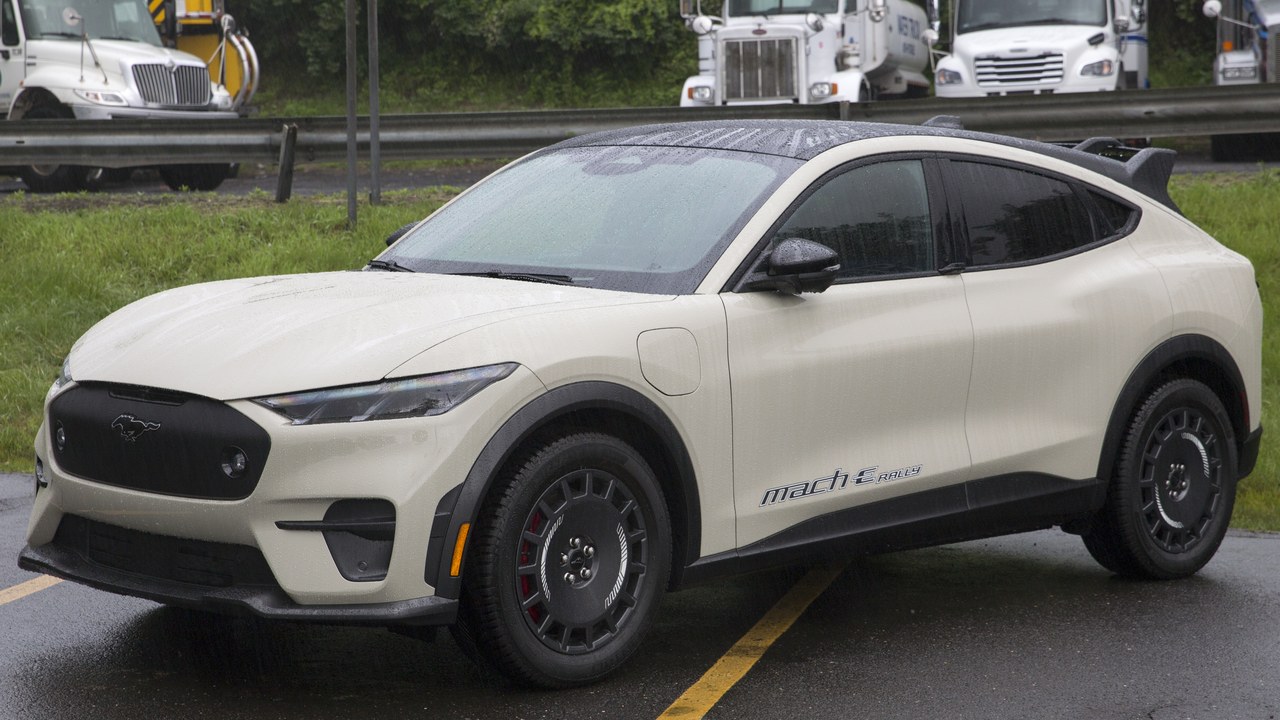
The Ford Mustang Mach-E sits around 92.5 percent median battery health after 150,000 km, according to the Interesting Engineering report. The result keeps it in the group of strong performers on this list.
A loss of roughly seven and a half points over that distance is modest for a battery that has been through years of daily use. Mach-E shoppers can treat it as a dependable sign, while also checking the vehicle’s service records before buying.
5. Volvo XC40 Recharge: Past 90 at 150,000 km
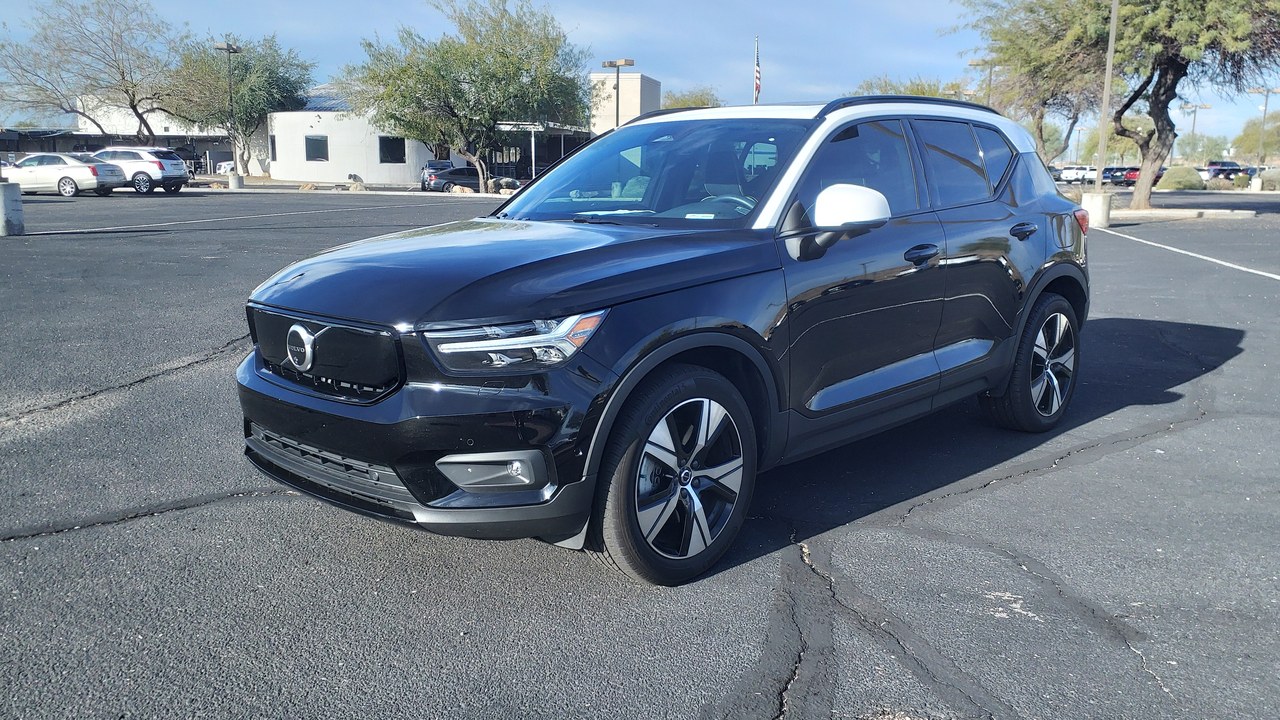
The Volvo XC40 Recharge stays above 90 percent battery health at 150,000 km, one of several models that do so, according to the New Mobility article. The source gives no exact median for it in the passage cited.
That makes the XC40 Recharge a reasonable candidate for buyers who care more about a pass-or-fail threshold than a decimal point. Anyone wanting more precision should ask for a battery health report on the specific car being considered.
6. Volkswagen ID.4: From 95.3 to 90.6
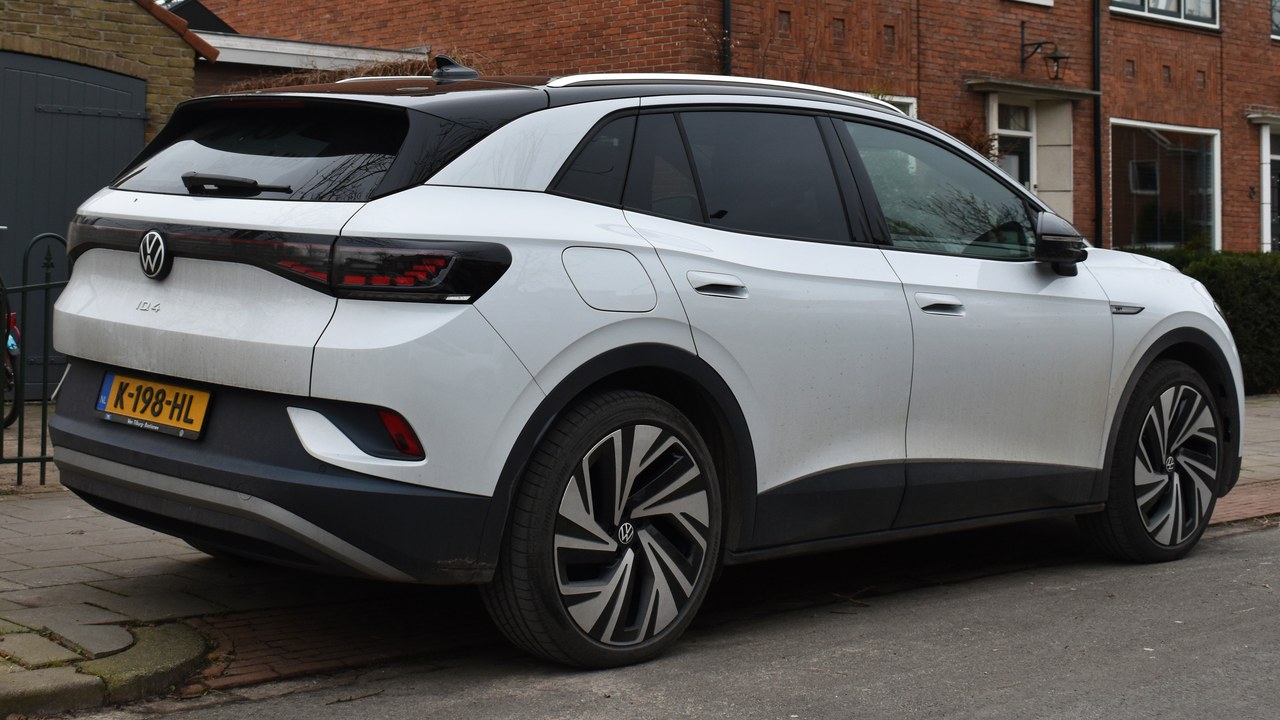
The Volkswagen ID.4 shows 90.6 percent battery health at 150,000 km, down from 95.3 percent at 50,000 km, according to Electrifying.com battery guide. The figures describe how the pack ages as mileage builds.
The change of about five points across 100,000 km is steady rather than alarming. Buyers can use the two data points to estimate where a given ID.4 should sit, and treat a much lower reading as a reason to ask questions.
7. Tesla Model Y: Popular and Holding Up
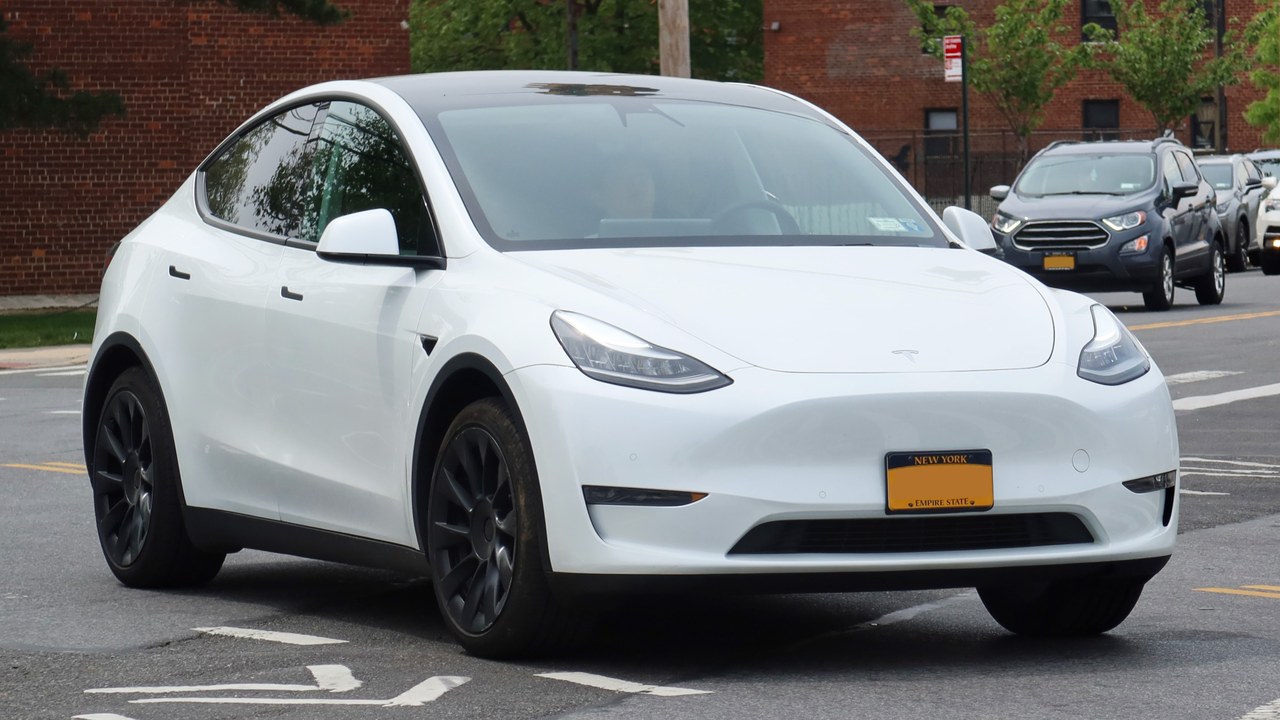
The Tesla Model Y registers 90.3 percent battery health at 150,000 km, compared with 94.5 percent at 50,000 km, per the Electrifying.com comparison.
The decline of roughly four points is in line with other models in the same range, which should settle some worries about high-mileage examples. A used Model Y buyer can find reassurance in the numbers while still examining charging and warranty details. The two readings, taken together, give a simple way to judge whether a specific car is aging normally.
8. Tesla Model 3: Lower, Yet Mostly Intact
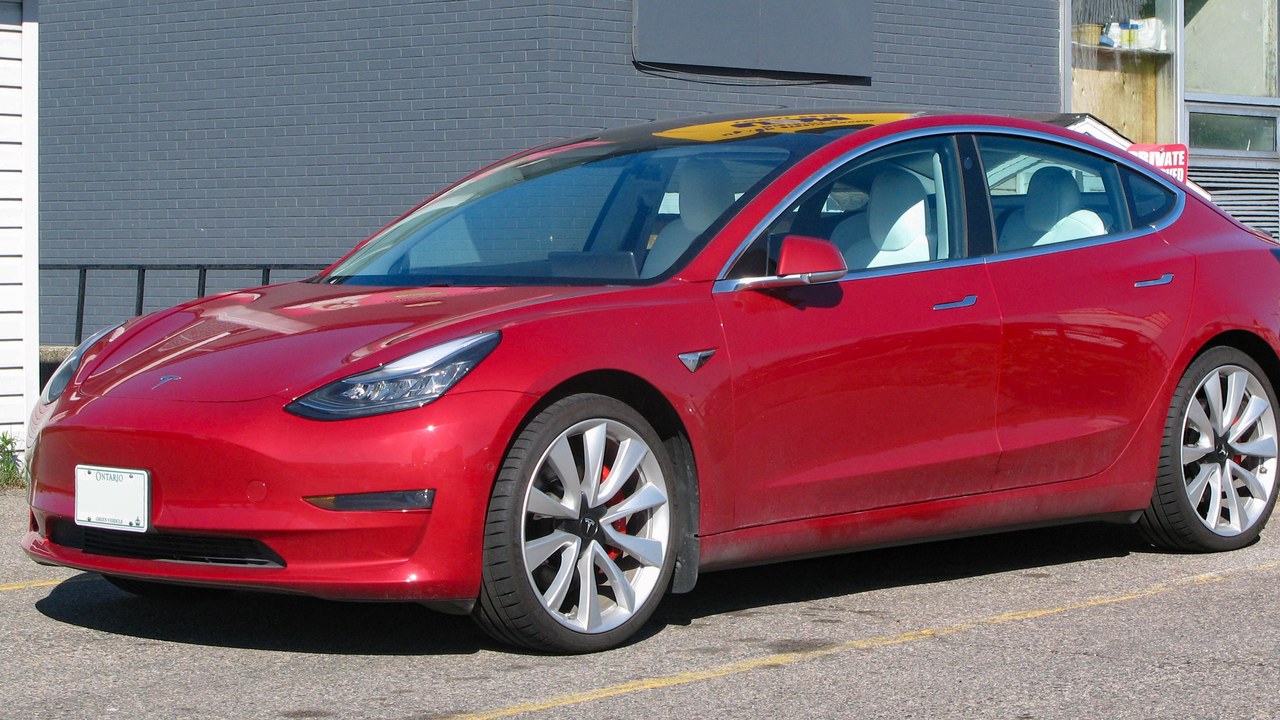
The Tesla Model 3 has a median state of health of 88.9 percent at 150,000 km, according to the Interesting Engineering ranking. That is lower than several newer rivals in the same data.
A battery at nearly 89 percent still delivers most of its original capacity. Shoppers eyeing a used Model 3 should weigh the lower figure against the typically lower purchase price of an older car. A battery health report on the specific vehicle will say more than any median can about what to expect from it.
9. Nissan Leaf: Early Leaf Shows Its Age
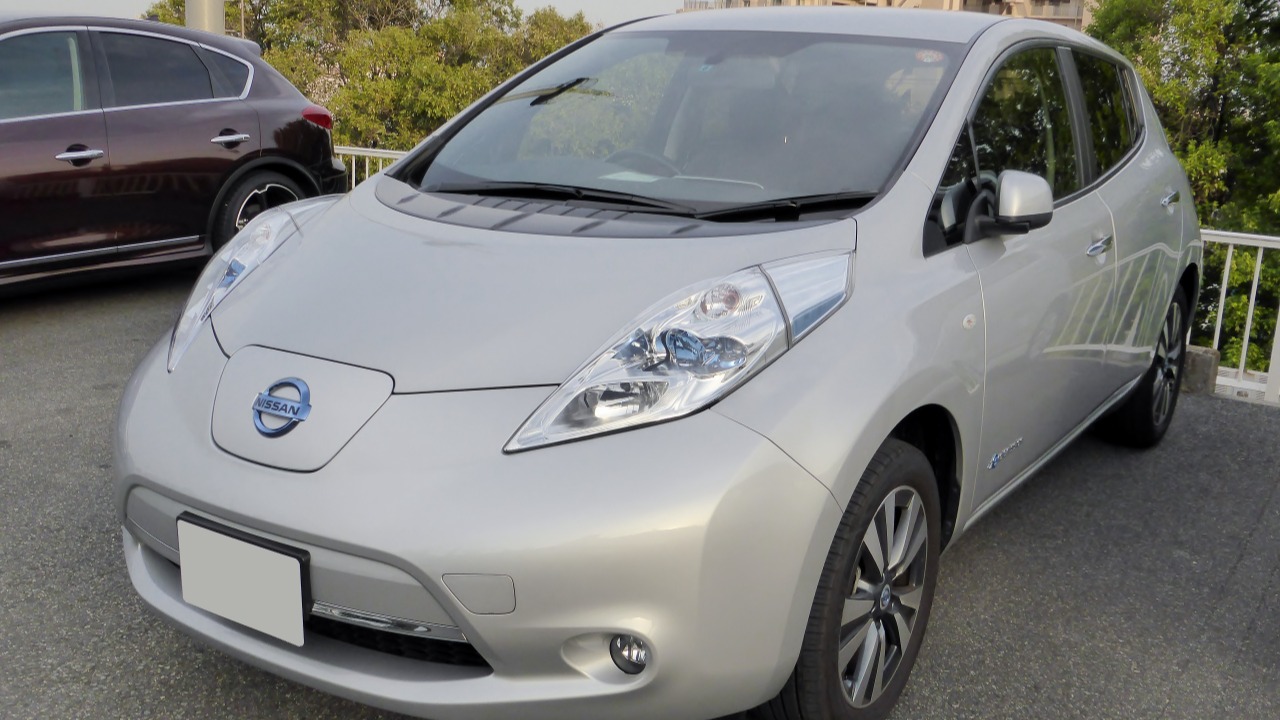
The Nissan Leaf drops to 86.3 percent battery health at 150,000 km, down from 91.1 percent at 50,000 km, as the Electrifying.com battery data reports. It is the lowest figure among the models with a published number in this gallery.
The loss is steeper than for most rivals here, which matters for a car that already sits at the bottom of the published figures. Buyers should inspect battery health closely on any used Leaf, especially one with high mileage, before agreeing on a price.
10. Mini Cooper SE: Named Among the Worst
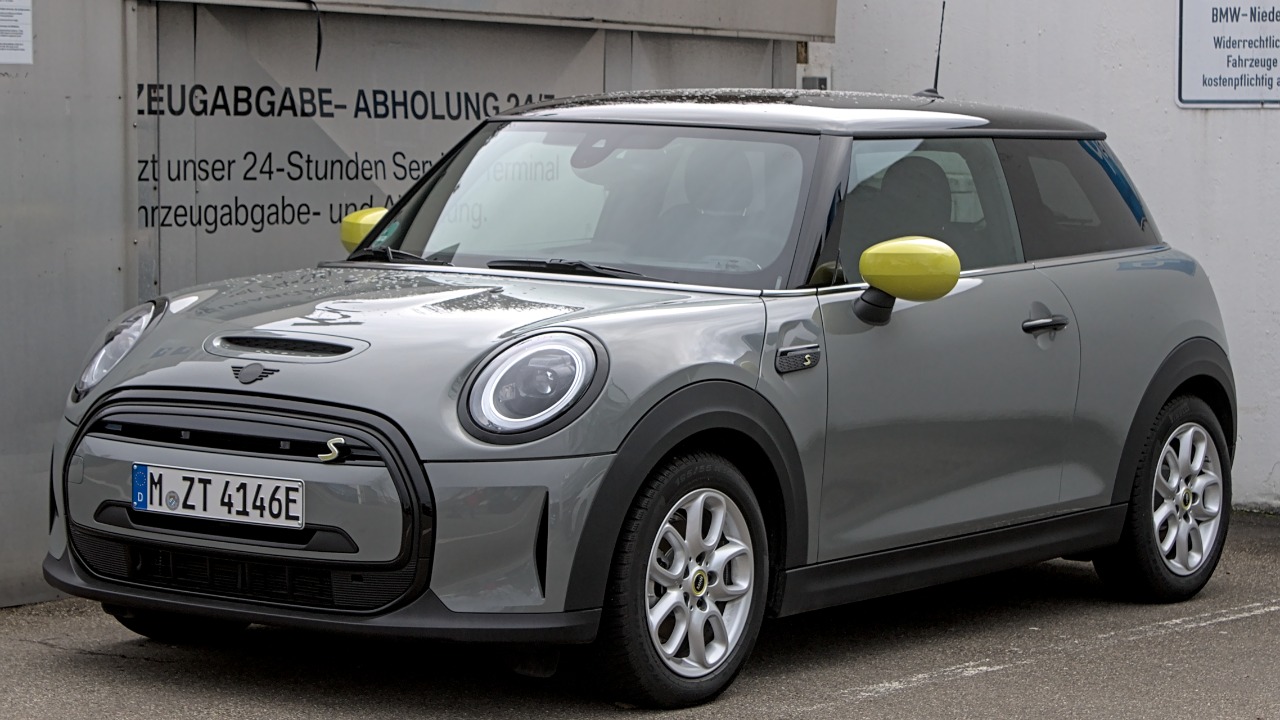
The Mini Cooper SE is named among the worst performers in the Aviloo battery data, alongside the Renault Zoe and the Nissan Leaf, according to Electrifying.com article. The passage gives no figure for the car.
Without a number, the finding amounts to a warning, not a measurement. Shoppers considering a used Mini Cooper SE should seek a battery health test before purchase, since the car appears at the weaker end of the data.
11. Hyundai Kona Electric: Kona Starts Strong
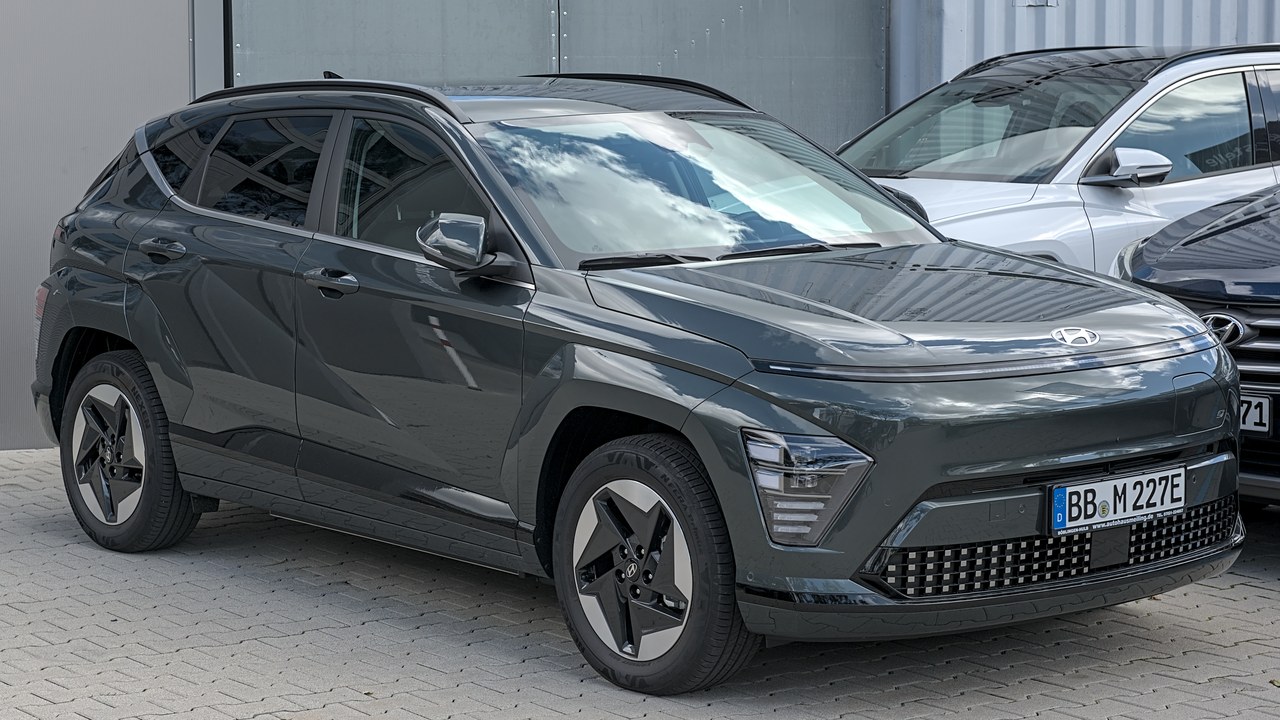
The Hyundai Kona Electric shows a median battery health of 93.0 percent at 150,000 km, after starting at 96.3 percent early on, according to the Carscoops report on Aviloo data. It ranks among the best in the 500,000-test study.
The total loss is 3.3 points, a small drop over so many kilometers. That combination of a strong start and slow decline makes it an appealing used option, provided the individual car has been checked and has not been abused.
12. Audi Q8 e-tron: A Bigger Drop for Audi
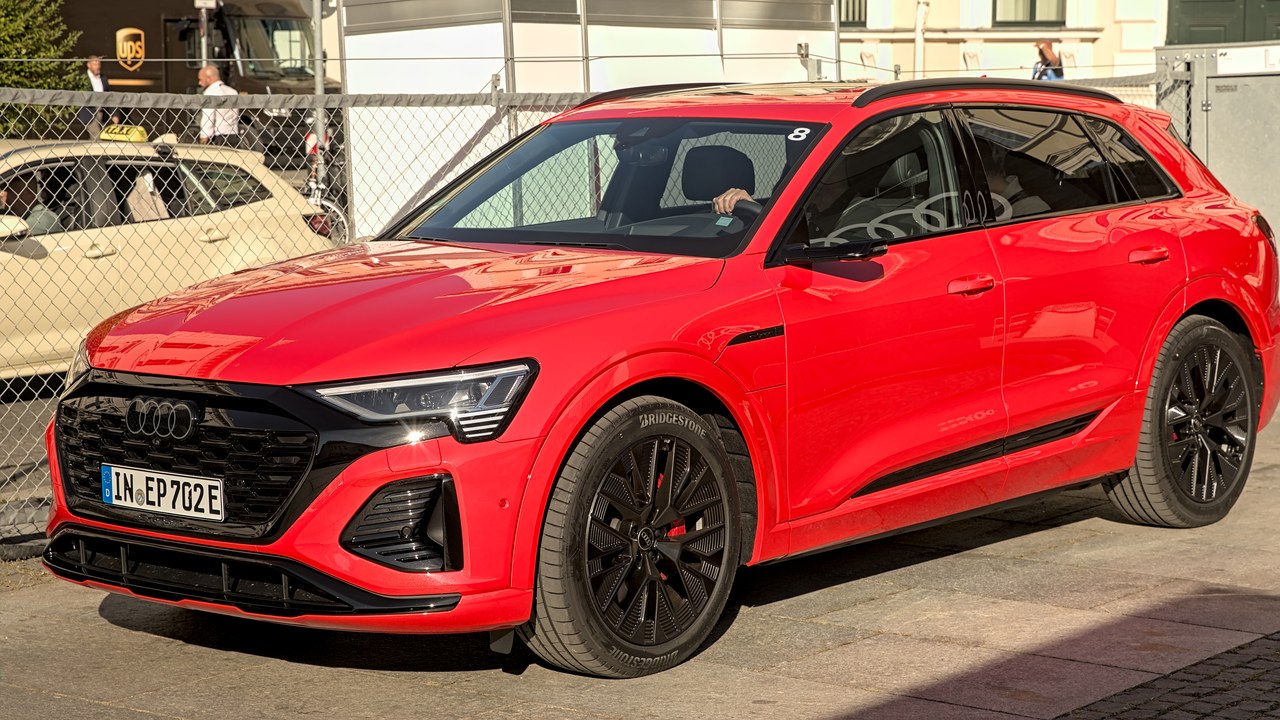
The Audi Q8 e-tron records a median battery health of 91.3 percent at 150,000 km, a drop of 4.4 points from 95.7 percent earlier in the car’s life, according to the Carscoops battery study. It still clears the 90 percent mark.
The decline is larger than the Kona’s, yet the result remains respectable for a heavy luxury SUV. Used buyers should note that the pack is aging faster than at the top of the table, though not at a level that signals trouble.
13. Chevrolet Bolt EV: Most Replacements, Not Most Health
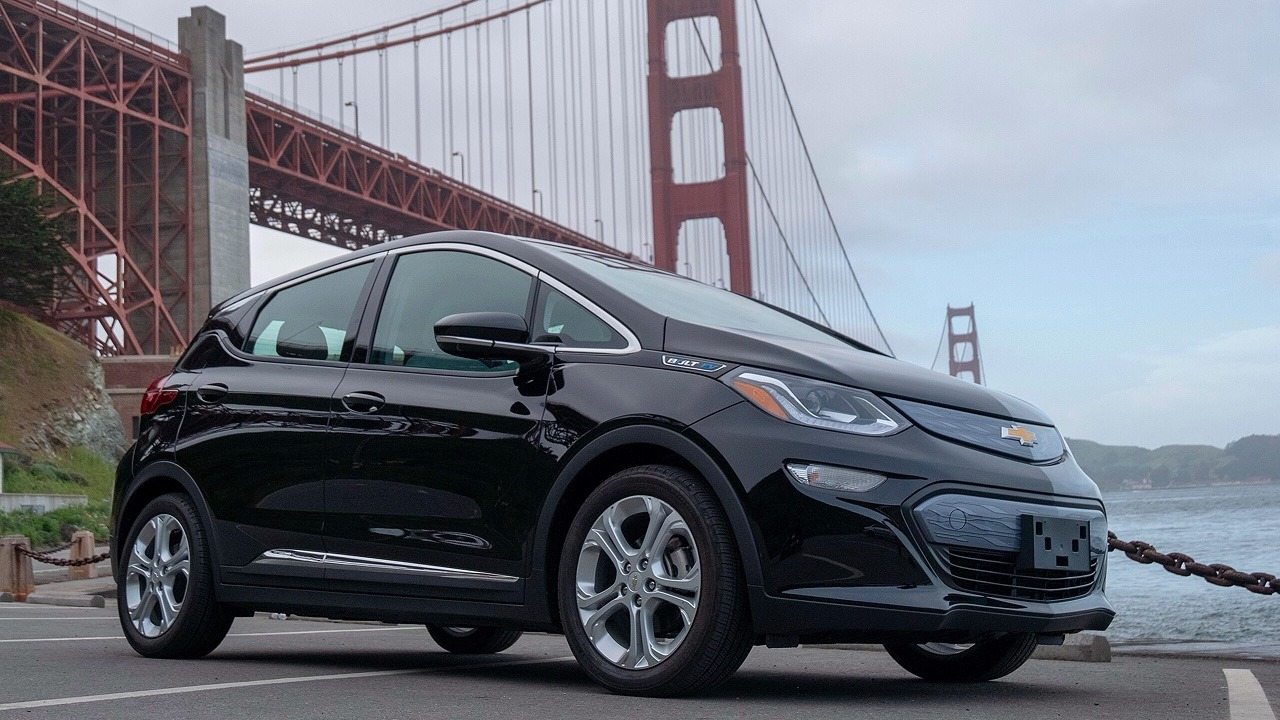
Recurrent’s study of 15,000 cars ranked the Chevrolet Bolt EV first among 11 models for batteries replaced outside recalls, as covered in a Kelley Blue Book summary. Across all the cars studied, just 1.5 percent had a battery replacement.
Being first here is a drawback, not an honor, since it points to the model most often needing a new pack. The overall low rate remains encouraging, and a Bolt buyer should still check that the car’s recall work is complete.
Save more, waste less: Subscribe to The Cool Down →
We may earn a commission if you sign up.
More from Morning Overview
- Seven of Earth’s nine planetary boundaries are breached, and all seven are worsening
- The NSA says three phone features should be off whenever you aren’t using them
- Hurricane Hunter radar shows four warning signs that a tropical cyclone is about to strengthen, a University of Miami study found
- Tropical Storm Rachel is dumping up to 12 inches on four Mexican states on its way to major hurricane strength
