
Plenty of automotive ideas that now seem obvious first reached showrooms years before the market was ready for them. Some arrived as commercial disappointments, others as influential starting points for later cars. Here are twelve cars that were early to a technology, a design or a way of building.
Help yourself and the planet: The Cool Down makes it easy to help yourself while helping the planet, with smart, simple changes to save more and waste less in your everyday life.
We may earn a commission if you sign up.
1. Cord 810: Front Drive Ahead of Its Time
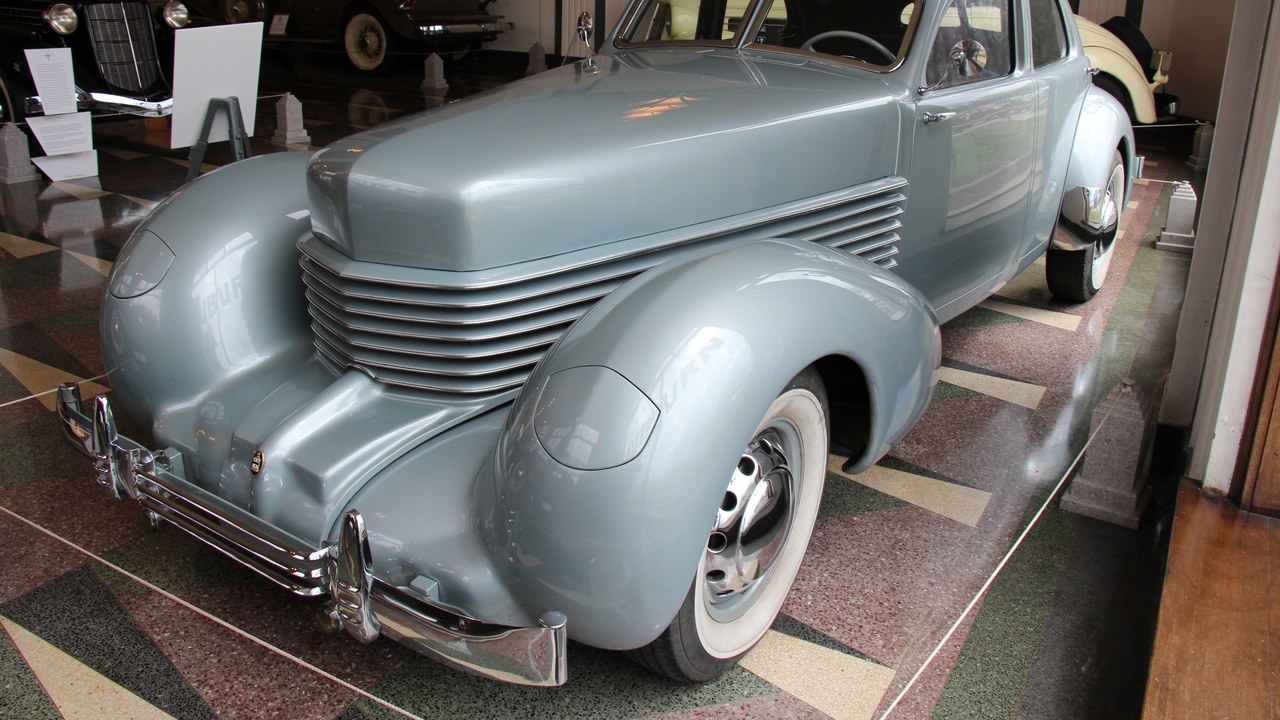
Introduced in 1936, the Cord was, in the words of Heritage Museums & Gardens, the first mass-production automobile offered with front-wheel drive. Hidden headlights rose by hand crank, and the car cost $2,245 new and made 125 horsepower.
Front-wheel drive later became standard for family cars, which puts the 810 well ahead of its era. The retractable lights and clean body show a design willing to break with convention, even though the engineering behind it was the real story.
2. Chrysler Airflow: Wind-Tunnel Shape
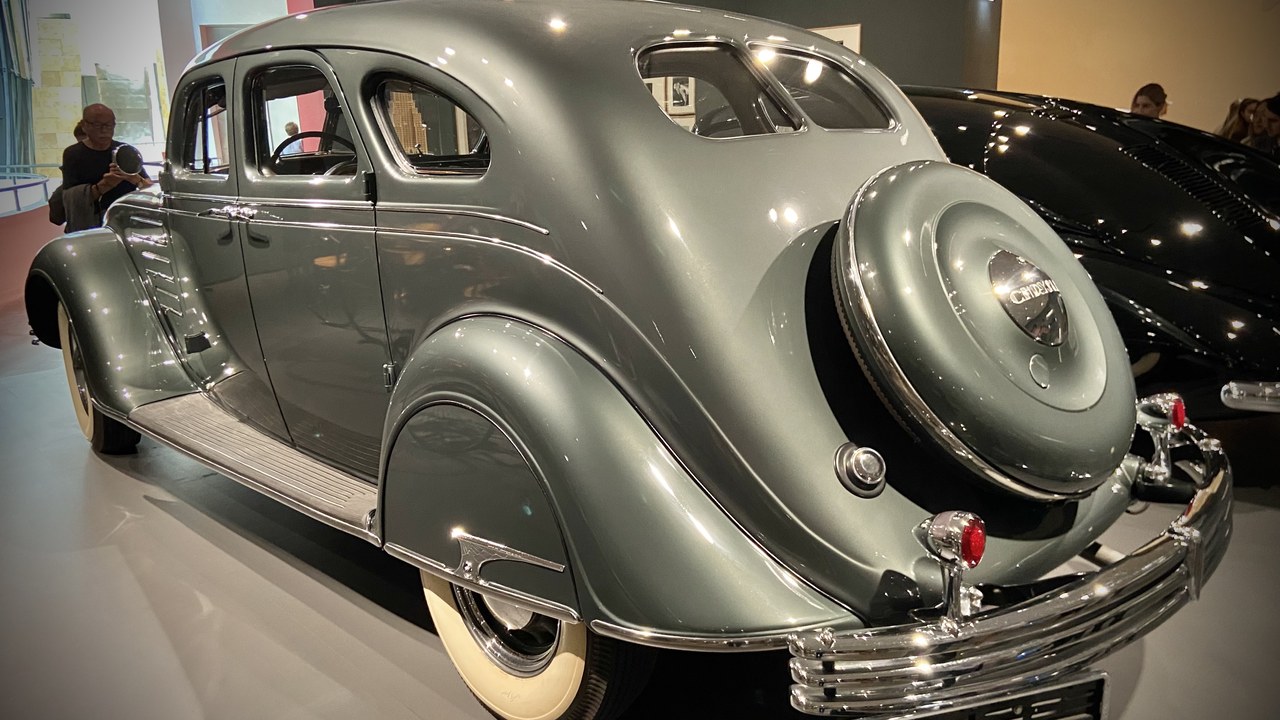
The Airflow arrived in 1934, and Chrysler’s own company history describes it as “the first production vehicle designed in a wind tunnel.” The history was published through Automotive World.
The claim places the Airflow at the start of aerodynamic thinking in mass production. Streamlining is now a routine part of car design, which shows how early the Airflow arrived relative to the market that eventually adopted its central idea. As the claim comes from the manufacturer itself, it reflects how the company frames the car’s place in its history.
3. Citroën DS: Suspension From the Future
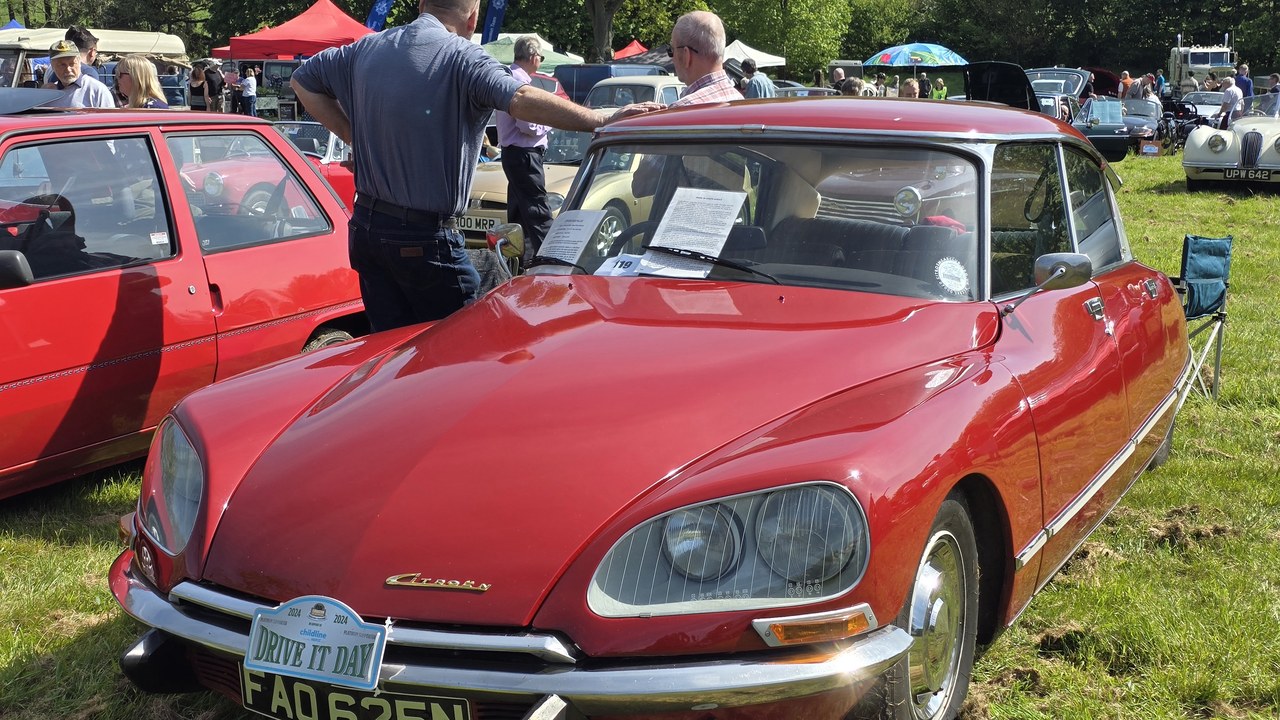
When the Citroën DS arrived in 1955, it was the first mass-production car with hydropneumatic suspension and disc brakes. Wikipedia’s Citroën DS entry says orders for the first day totalled 12,000.
Demand on that scale shows that buyers were intrigued from the start, and that the technical ambition was not hidden away. Few models have introduced two major mechanical features to the mass market at the same moment. Disc brakes now sound routine on a family car, which is exactly why the 1955 date stands out.
4. Oldsmobile Toronado: Front Drive With Muscle
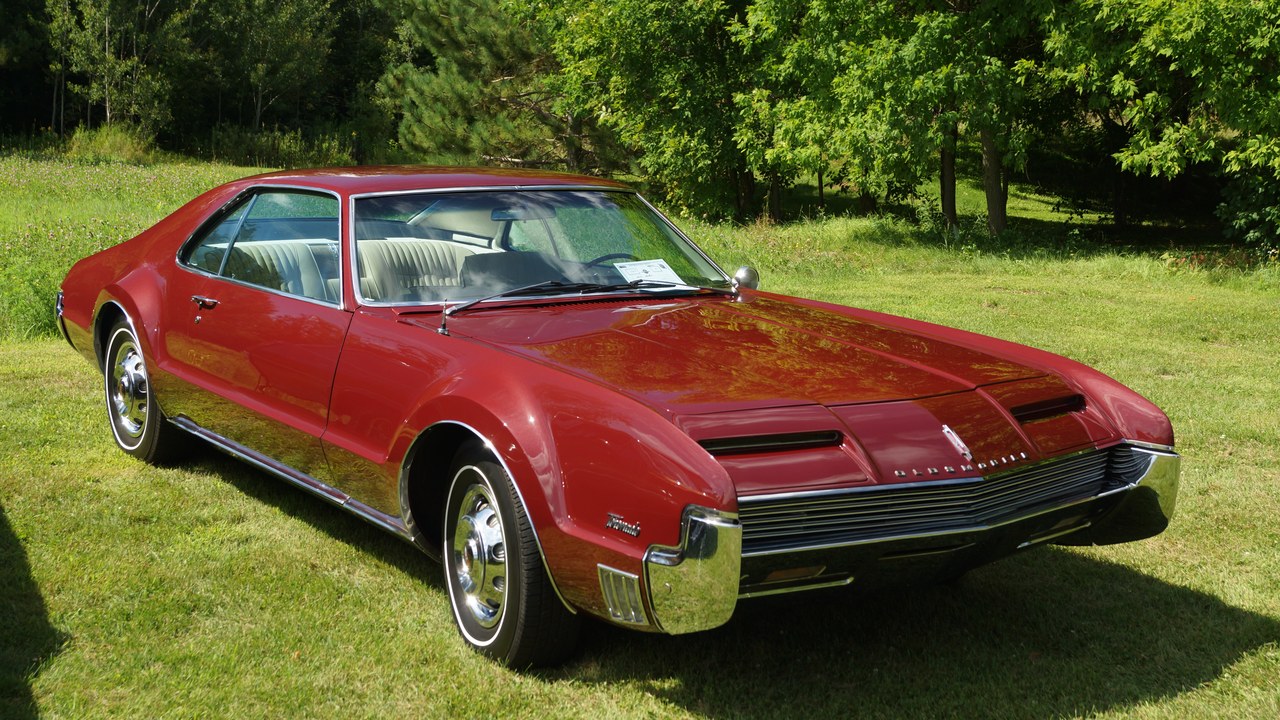
The 1966 Toronado sent a 385-horsepower, 425-cubic-inch V8 through the front wheels, a layout that demanded real engineering. Hagerty’s design history notes that it won Motor Trend Car of the Year and sold 40,963 in 1966.
The accolade and the sales number show that a front-drive flagship could succeed, and Hagerty ties the design to the earlier Cord 810. The Toronado therefore represents a revival of an old idea, delivered with far more power. Together those details mark the Toronado as both a technical statement and a commercial success.
5. Honda Civic CVCC: Clean Air Without a Converter
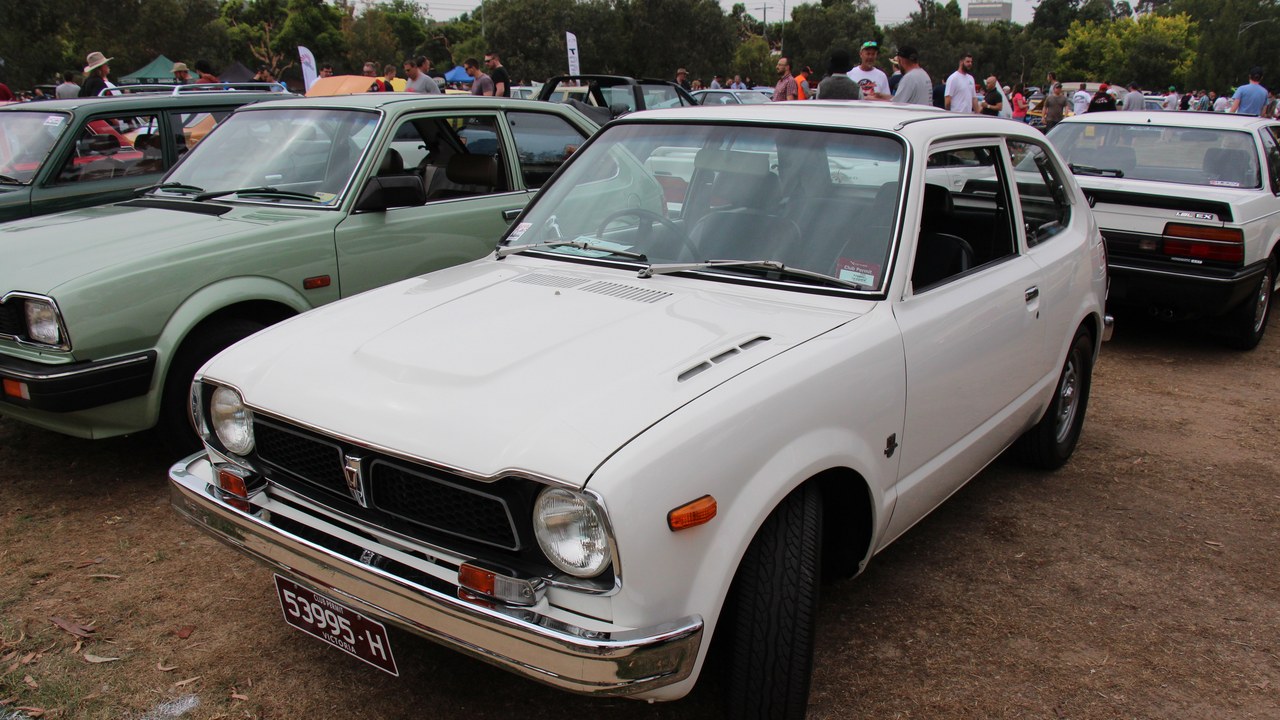
The 1975 Civic CVCC, according to Honda’s own timeline, was the first car to meet Clean Air Act standards without a catalytic converter.
That approach gave the small Honda an unusual place in emissions history, because it met the rules through engine design rather than added exhaust hardware. The claim comes from the manufacturer, and it frames the Civic as a smart answer to a regulatory challenge. The claim places the small Civic at an early point in the long story of emissions control.
6. Saab 99 Turbo: A Family Car With a Turbo
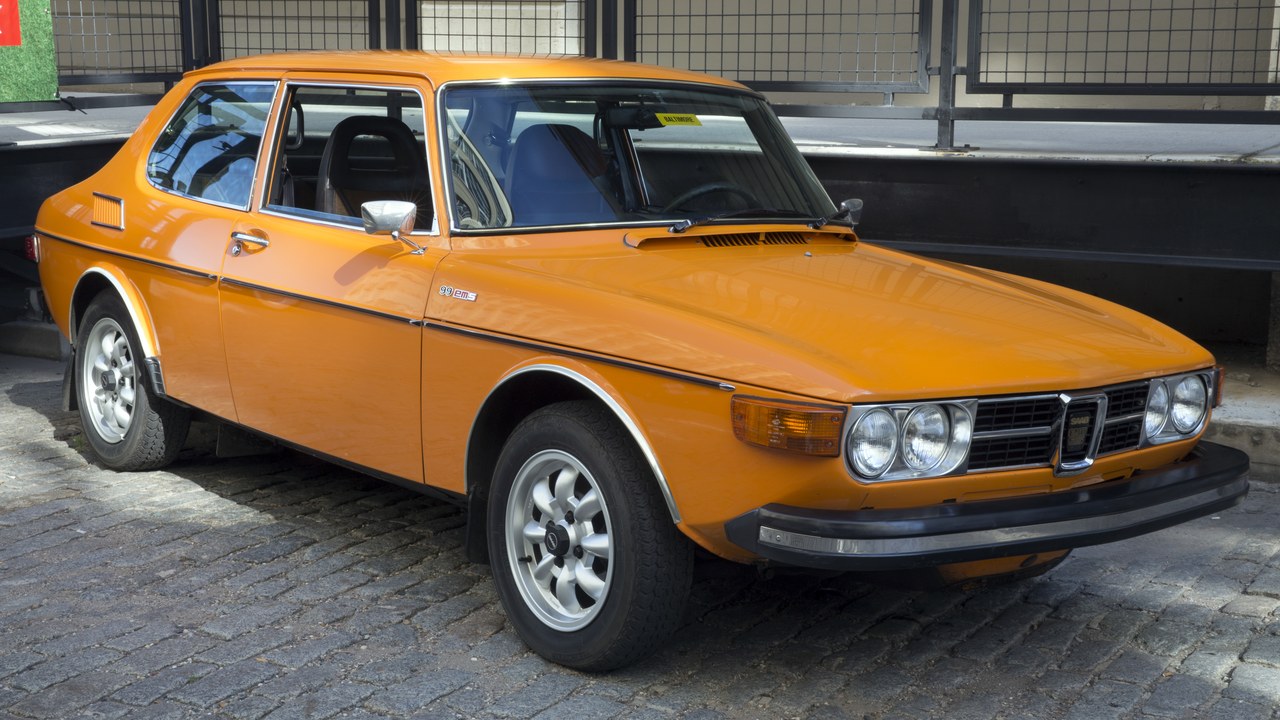
Introduced in 1978, the Saab 99 Turbo made 143 horsepower, or 135 horsepower in American trim. Wikipedia’s Saab 99 article describes it as one of the first family cars fitted with a turbo.
Turbocharging has since moved from rare to routine in ordinary passenger cars, and the Saab shows where that road began. The power figure was moderate by later standards, but the idea of boost in a practical car was the point. The Turbo version made a practical Swedish car a showcase for forced induction.
7. Lexus LS 400: The Luxury Import Arrives
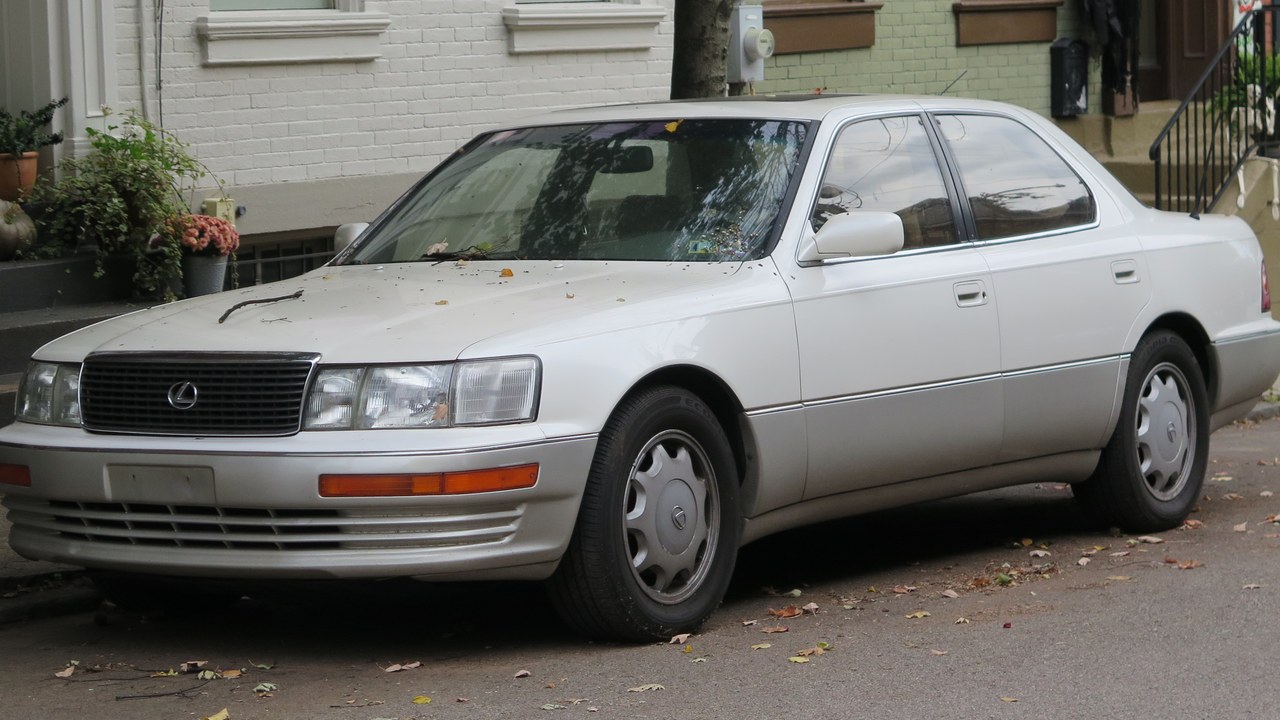
The LS 400 and ES 250 debuted in 1989, and Lexus’ own history records that by 1991 Lexus was the No. 1 luxury import in the United States.
The timeline is short: two cars launched, and within two model years a new brand led its segment of imports. The LS 400 therefore marks a turning point, with a Japanese maker entering a prestige category and claiming first place among foreign luxury brands. Those two dates frame a launch that moved quickly from debut to leadership among imports.
8. Honda Insight (first generation): An Early Hybrid on Sale
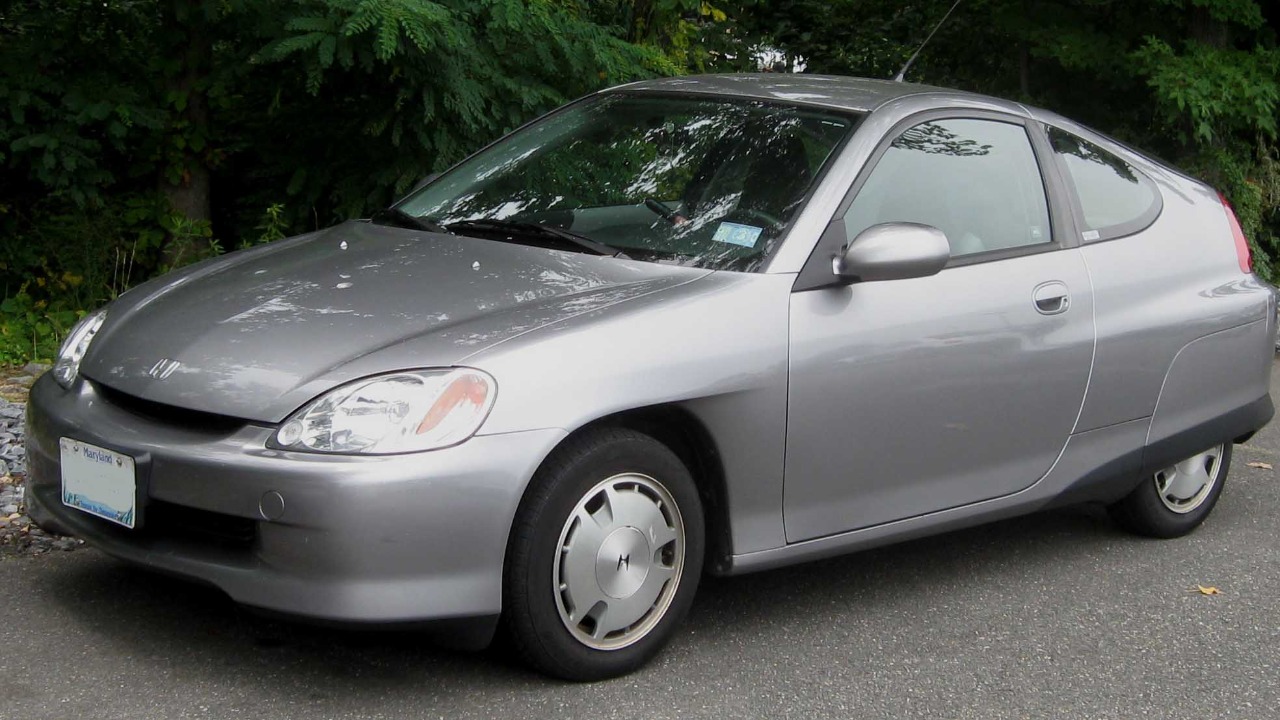
In Jalopnik’s fuel-economy ranking, the 2000 Insight “wasn’t just the first hybrid sold in America,” and it was also rated at 53 mpg.
A figure like 53 mpg is still impressive among gas-powered cars, so the first-generation Insight stands as a marker for efficiency as well as for hybrid technology. It arrived years before hybrids became a familiar sight on American roads, and the ranking treats the car as a benchmark rather than a footnote. The efficiency rating alone would make the Insight notable among cars sold in any era.
9. Toyota Prius (first generation): The Mass-Produced Hybrid
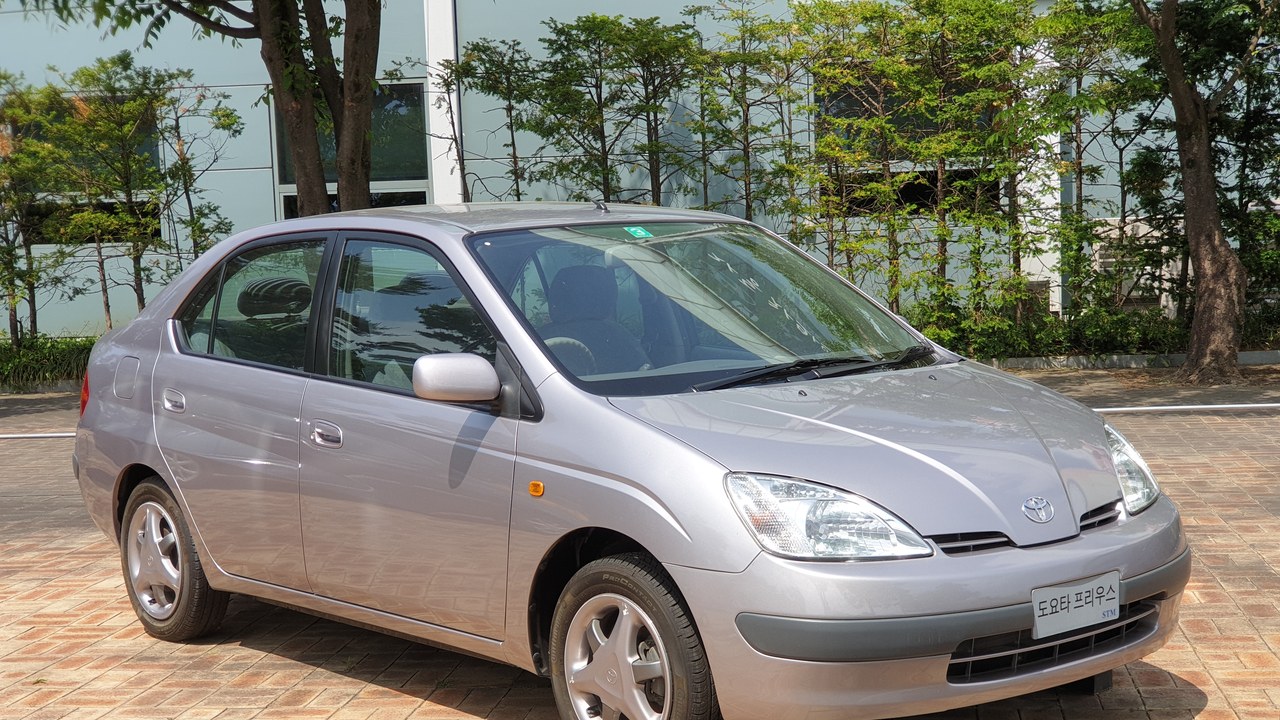
Toyota calls the Prius the first mass-produced hybrid, per its UK magazine’s history of Toyota cars. The Department of Energy dates it to 1997 in Japan and 2000 worldwide.
The two dates show how the car rolled out in stages, first at home and then abroad. That gradual launch set up a nameplate that went on to become the best-known name in hybrids, though the story began as a bold bet on a new powertrain. Both dates matter, because they separate a domestic launch from the wider rollout that followed.
10. GM EV1: Leased Electric Pioneer
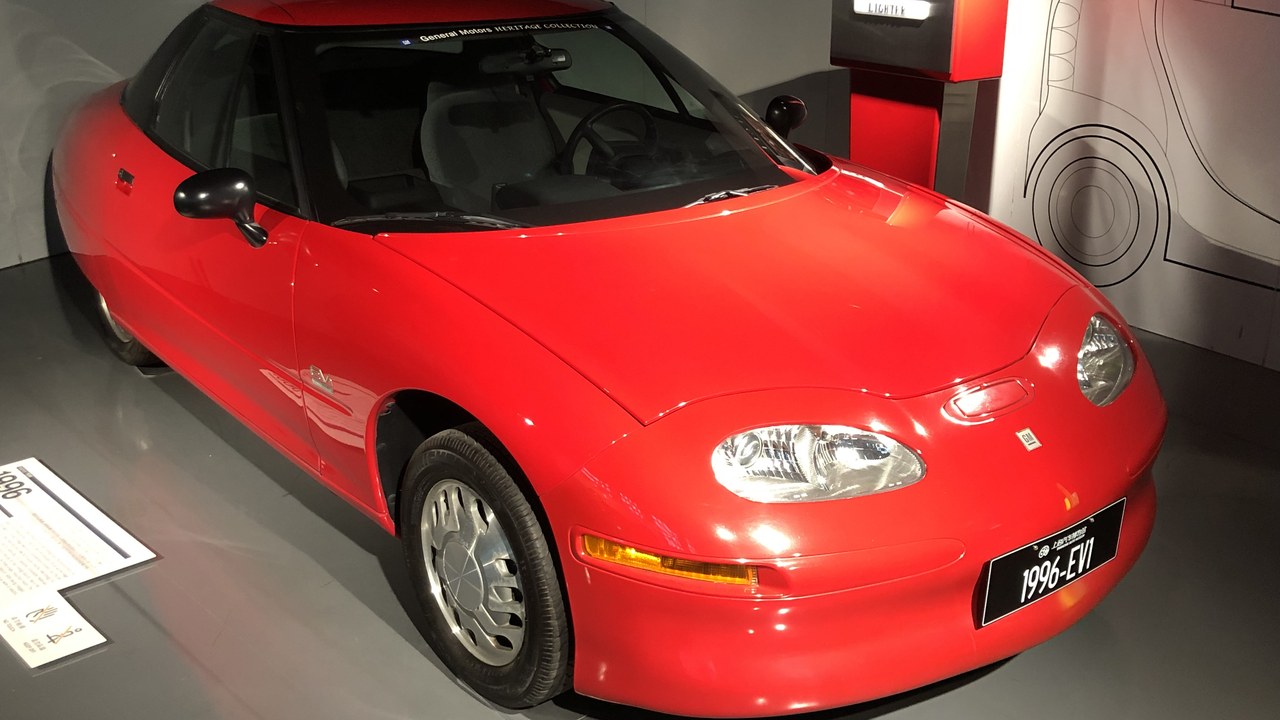
As the Smithsonian’s EV1 record explains, General Motors began leasing a new generation of electric cars to consumers in 1996. The museum’s 1997 EV1 was leased in California from 1998 to 2000.
The EV1 was offered on lease rather than sold, which shaped how the public met it. The museum example shows a documented life on California roads, and the car stands as an early attempt at a modern electric vehicle. Its place on a list of ideas that came early rests on that leasing program of the 1990s.
11. Tesla Roadster (2008): Lithium-Ion Roadster
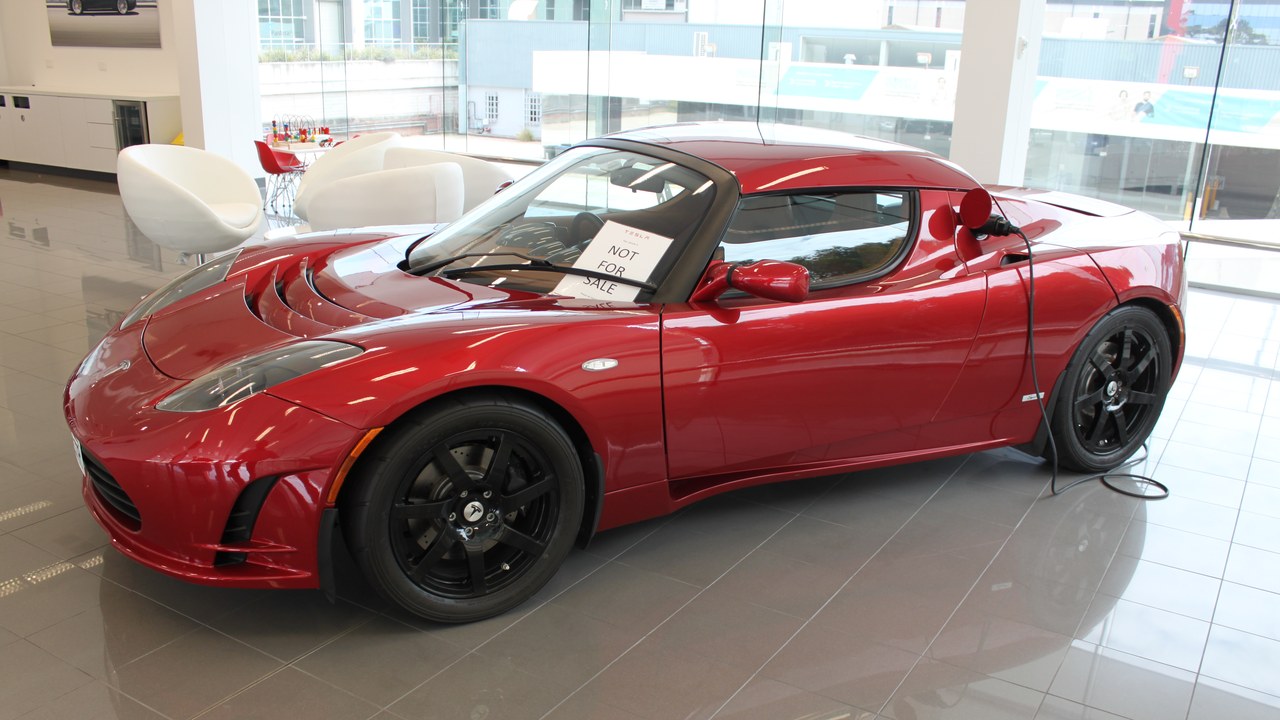
The 2008 Roadster, according to Wikipedia’s first-generation entry, was the first highway-legal, serial-production, all-electric car to use lithium-ion battery cells. It offered over 200 miles of range, rated at 244 miles by the EPA.
Range at that level showed that an electric sports car could do more than short trips. The Roadster set the stage for later electric models by proving the lithium-ion approach in a production vehicle. The EPA figure of 244 miles gave the claim of long range an official number behind it.
12. Tucker 48: Fifty-One and Done
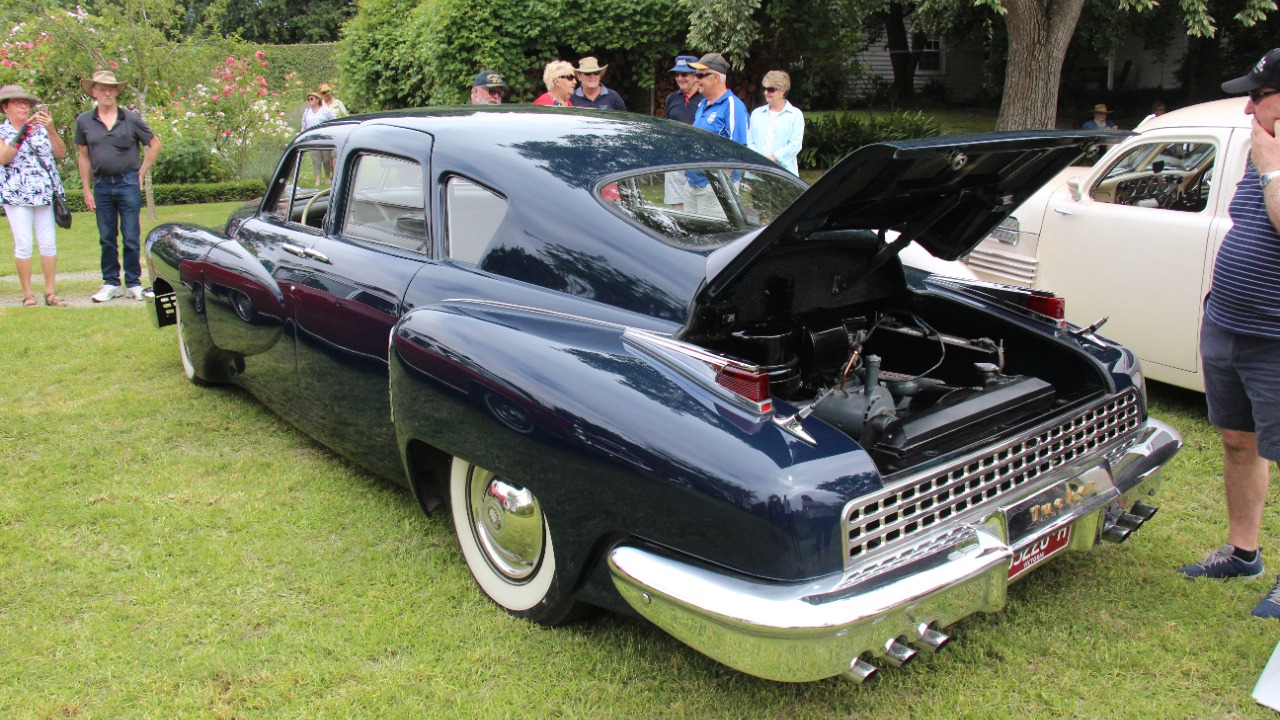
Only 51 Tuckers were ever built, the Drivers Foundation registry says, before a federal investigation ended the company.
With such a small total, each Tucker is a major artifact of postwar ambition. The cars are remembered for their advanced ideas, and the short production run keeps the story tied to what the company might have achieved had it continued. Fifty-one cars is a small enough number that the whole production run could be counted, and the federal investigation is the event that stopped it.
Help yourself and the planet: Get The Cool Down →
We may earn a commission if you sign up.
More from Morning Overview
- Two passengers died at an Ohio toll plaza, and the NTSB now wants the cash lanes shut
- Long use of a common prostate pill is tied to a higher chance of glaucoma
- Ford is recalling 223,472 F-150 pickups because the fuel tank can leak or detach
- Hybrids have 15% fewer problems than gas cars, while EVs and plug-in hybrids have about 80% more, Consumer Reports finds
