
Every automaker has at least one showroom disappointment it would prefer to leave out of the corporate history. Some failed on styling, some on price, and some on quality problems that buyers noticed quickly. Here are twelve cars whose sales or reputations fell well short of what their makers expected.
The day in tech, in one email: TLDR is the daily newsletter with links and TLDRs of the most interesting stories in startups, tech and programming.
We may earn a commission if you sign up.
1. Edsel: Three Years and Out
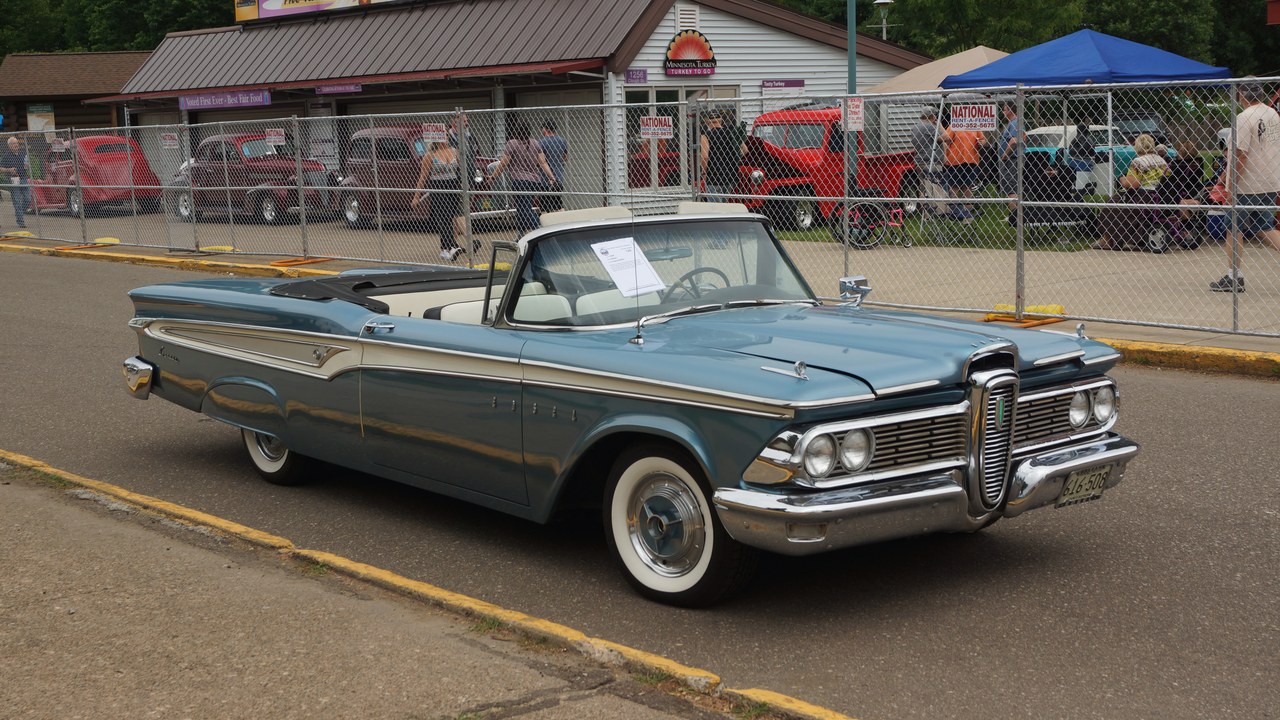
Ford launched Edsel as a brand of its own, and the experiment was short. The Henry Ford’s collection record states that the Edsel was not a success and that Ford discontinued the whole brand after the 1960 model year, only three model years after launch.
Few automotive launches were reversed so quickly, and the name has since become shorthand for a product that failed in the marketplace. A museum preserving the car for its collection treats it as a documented chapter of Detroit history, not a footnote.
2. Pontiac Aztek: Short of Break-Even
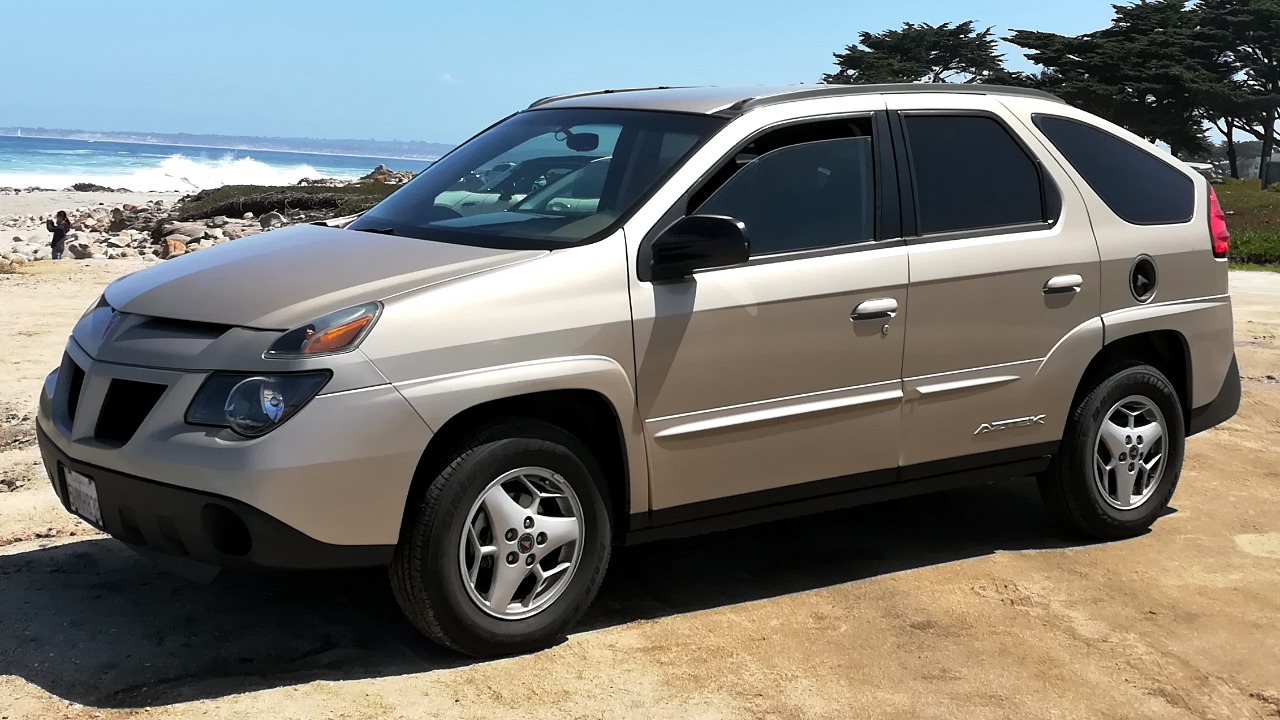
Pontiac set a clear sales bar for its crossover: 30,000 sales a year were needed to break even on the Aztek. The model never reached that mark, peaking just under 28,000, according to Wikipedia.
Missing the target every single year turned the Aztek into a case study in how a distinctive design can still fall short commercially. The gap between the break-even number and the best actual result shows the shortfall was structural, not a one-year stumble.
3. Cadillac Cimarron: Six Years, Then Gone
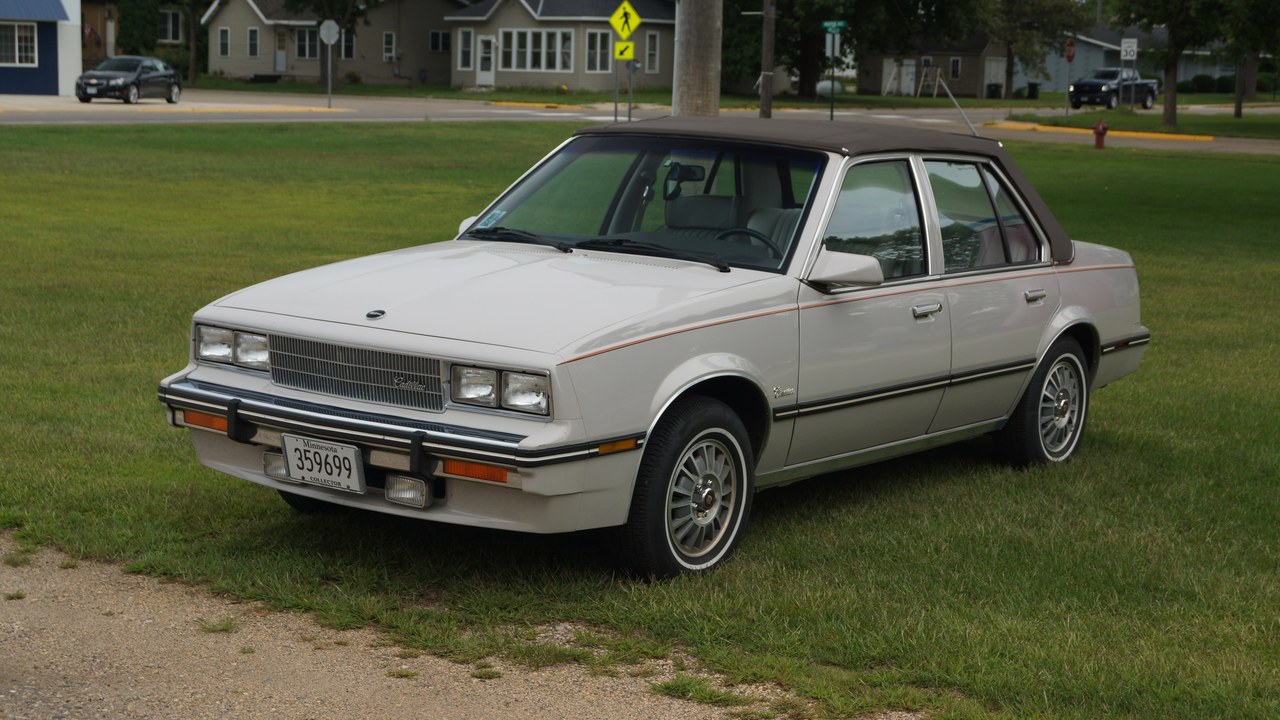
Cadillac’s compact did not last. An NBC News report notes that the Cimarron was discontinued after just six years of production.
For a luxury marque, six years is a brief run, and the Cimarron is frequently cited in discussions of the brand’s weaker moments. The short production span says that buyers and the company reached the same verdict faster than usual, and the badge on a compact car could not change that outcome. The short life of the compact left little time for the model to build a following.
4. DeLorean DMC-12: Price Met Performance
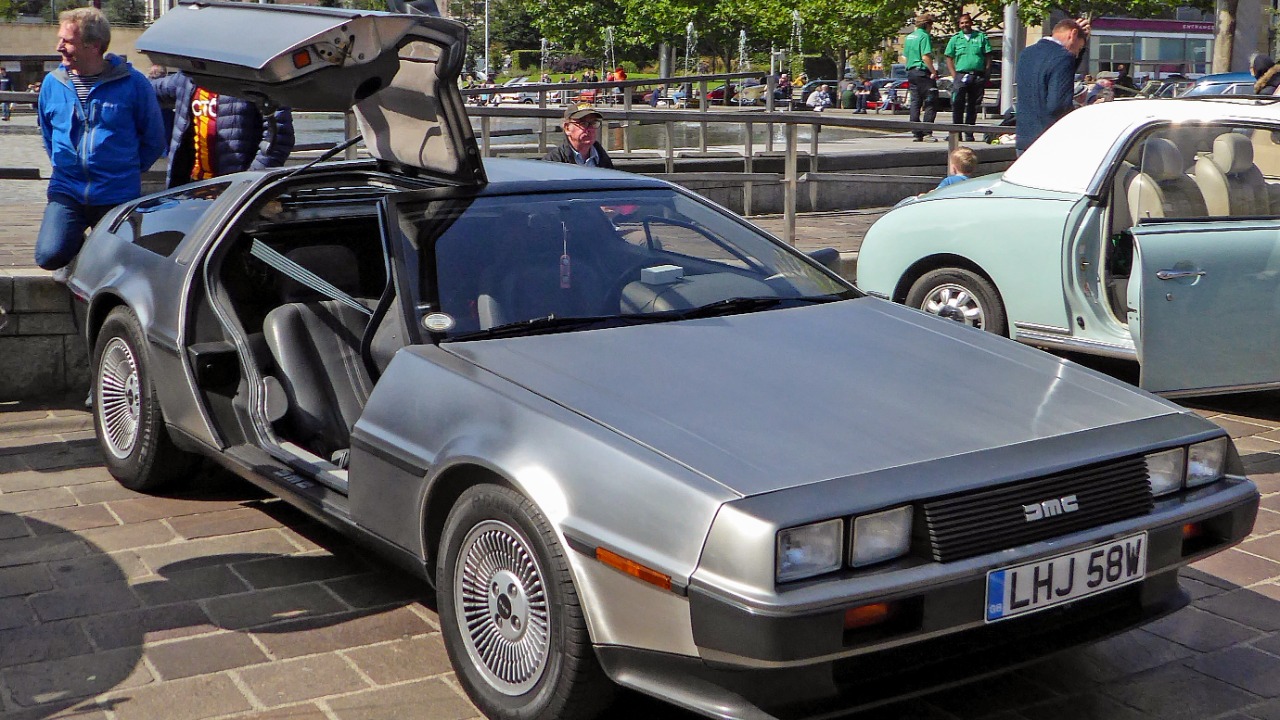
About 8,975 cars were built before the company filed for bankruptcy on October 26, 1982, according to Wikipedia’s DeLorean entry. The car sold for $25,000 yet produced only 130 horsepower.
That gap between a high sticker and modest output left the DMC-12 with an image of promise that its performance could not match. The bankruptcy date closed the story of the company, and the car lives on mainly through the reputation that followed. The October 1982 bankruptcy filing marks the end of the company behind the DeLorean.
5. Chevrolet SSR: A Pickup With a Folding Roof
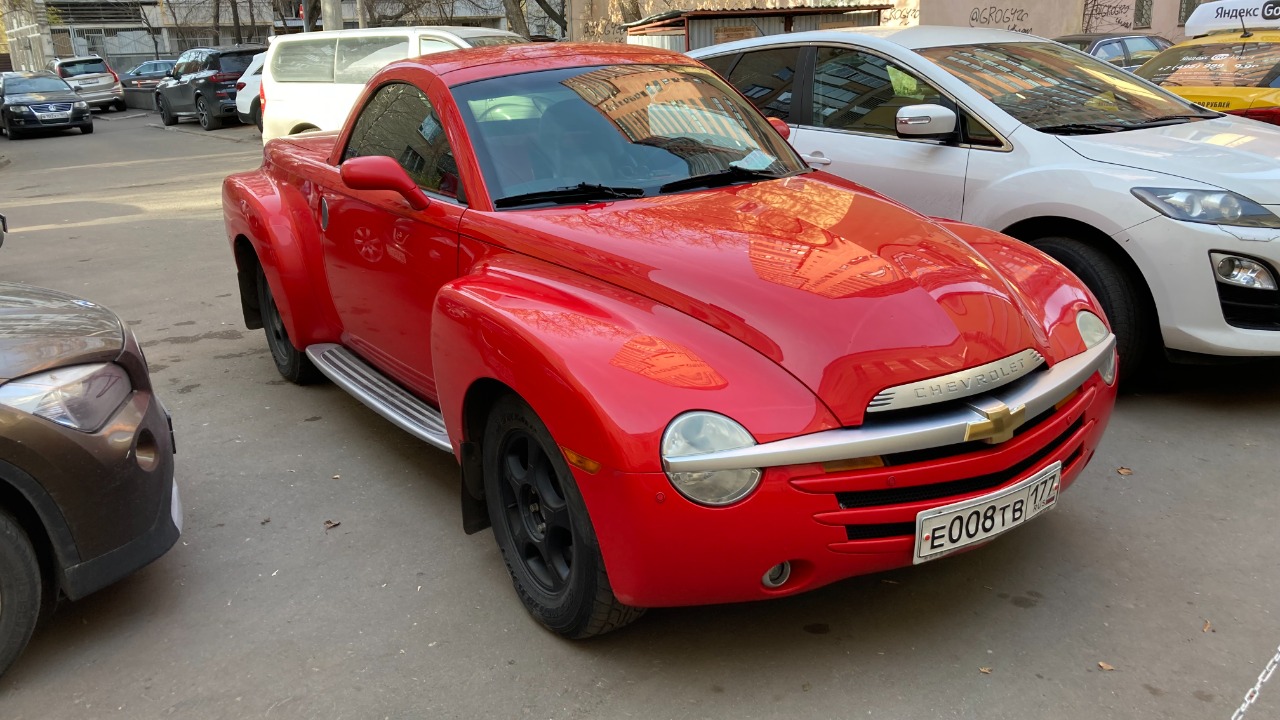
Chevrolet’s retractable-hardtop pickup built a following of curiosity rather than a crowd of buyers. SlashGear’s tally of Chevy flops lists 24,112 units built from 2003 to 2006.
Four model years and a production total in the tens of thousands made the SSR a niche item for a brand that normally measures pickups in far larger numbers. Its blend of roadster and truck remains a talking point more than a sales success. The relatively low total, spread over four model years, kept the SSR a novelty on the road.
6. Yugo GV: The $3,990 Import
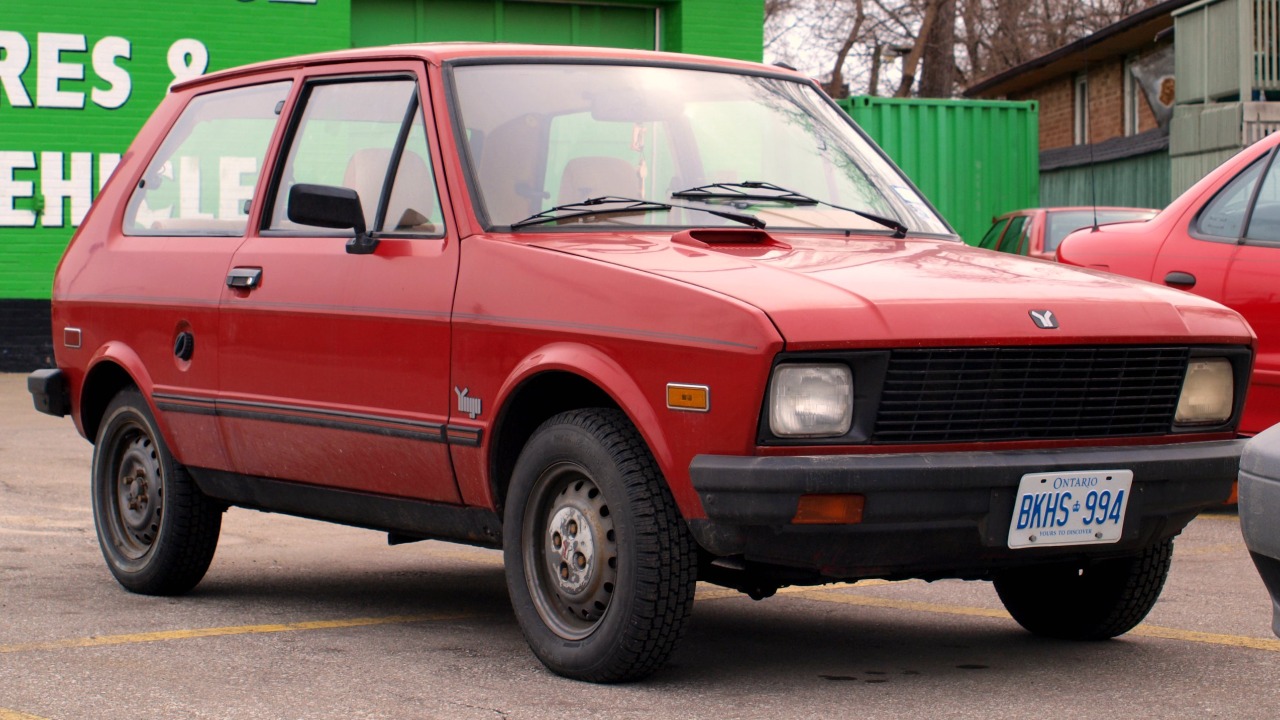
Yugo marketed a bargain car in America from 1985 to 1992, starting at $3,990. Wikipedia’s Yugo article reports 141,651 cars sold there, peaking at 48,812 in 1987, before importation ended in April 1992.
The low entry price brought real volume, which makes the Yugo less a sales failure than a reputation failure. The decline after 1987 shows how quickly interest faded once the novelty of a cheap new car wore off. Those figures show real demand at the start, followed by a steady retreat until imports stopped.
7. Chrysler TC by Maserati: Contract Minimum Only
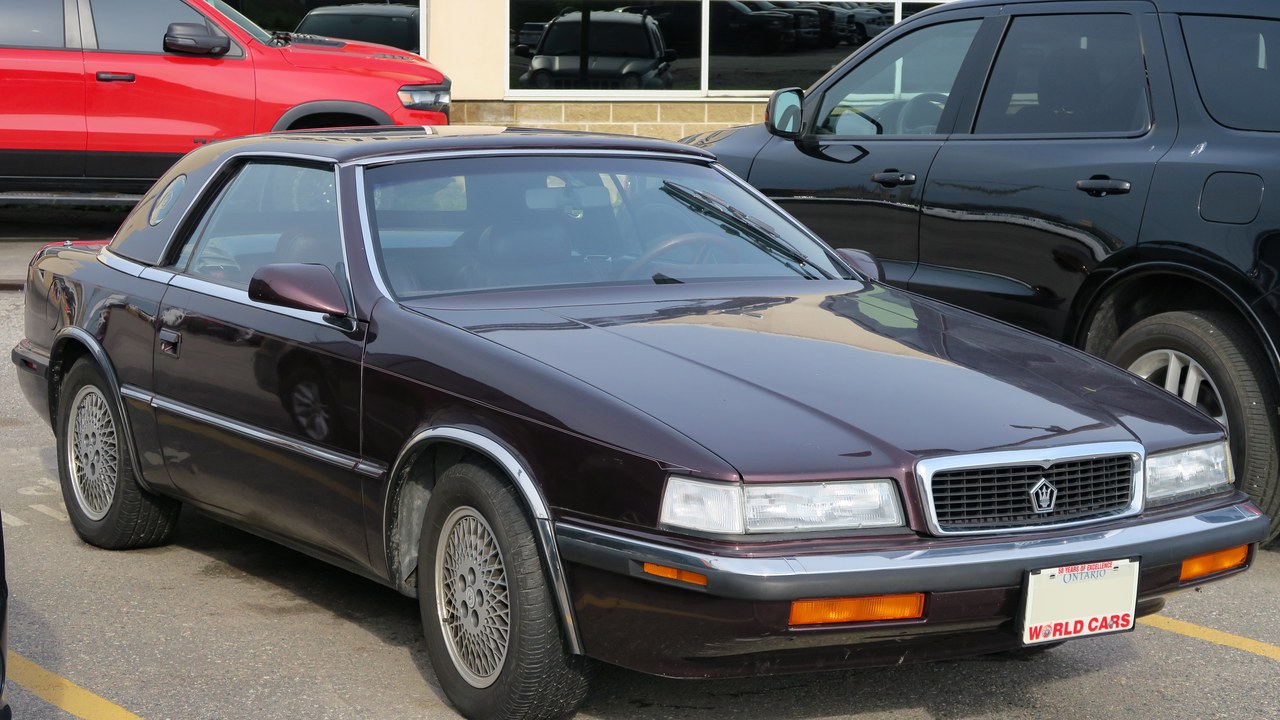
Chrysler’s Maserati-built convertible sold very poorly because of its high price. Wikipedia’s account of the TC says only 7,300 were built, the contract minimum, against hopes of 5,000 to 10,000 a year, at a $33,000 starting price.
The numbers reveal a car that barely met its obligation rather than exceeding it. A price of $33,000 narrowed the audience, and the result was a short run that left the TC as a curiosity from a joint venture. Its place in this gallery rests on that gap between ambition and the sales the maker had hoped to see.
8. Plymouth Prowler: Retro Rod, Tiny Run
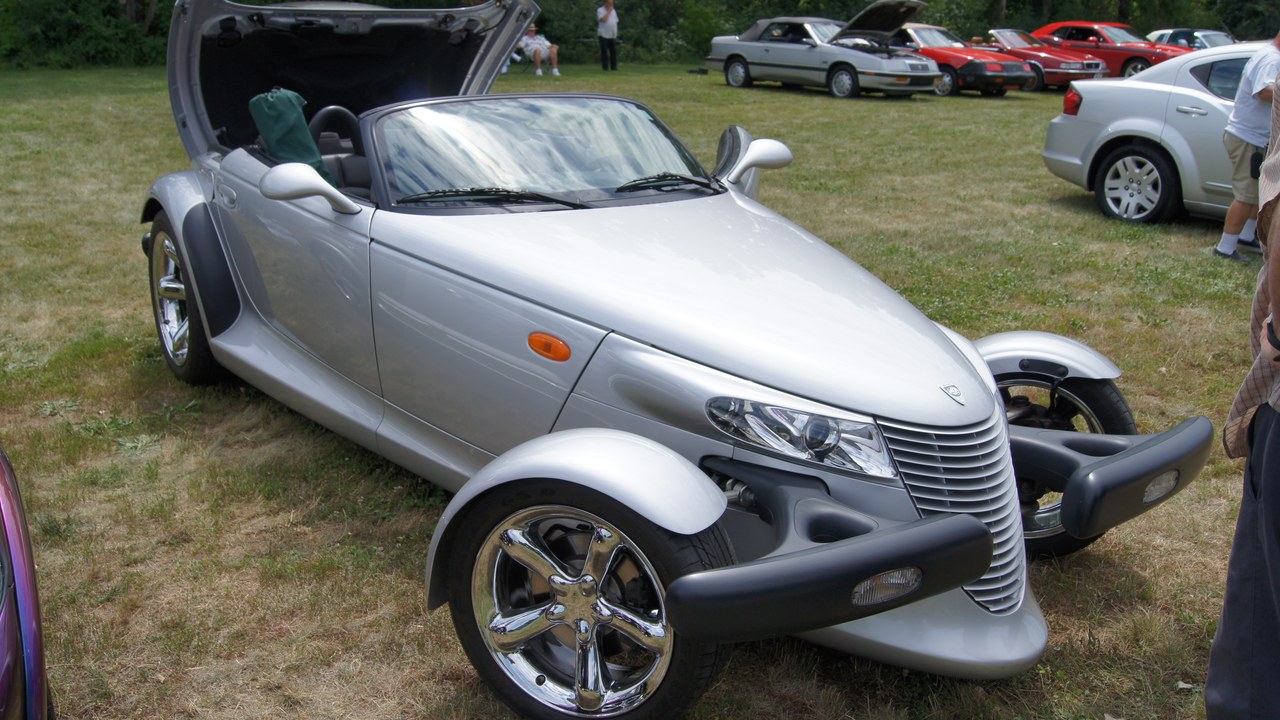
Plymouth built its retro hot rod in small numbers. The Prowler’s production history on Wikipedia counts 11,702 built across six model years, from 457 in 1997 to a last car on February 15, 2002.
A total just above 11,000 over six years underlines how limited the audience was for a styling exercise with such unusual proportions. The opening year of 457 cars shows how cautiously the project began. The final date, early in 2002, closes a story that never grew beyond a specialty product.
9. Lincoln Blackwood: Luxury Pickup, Few Takers
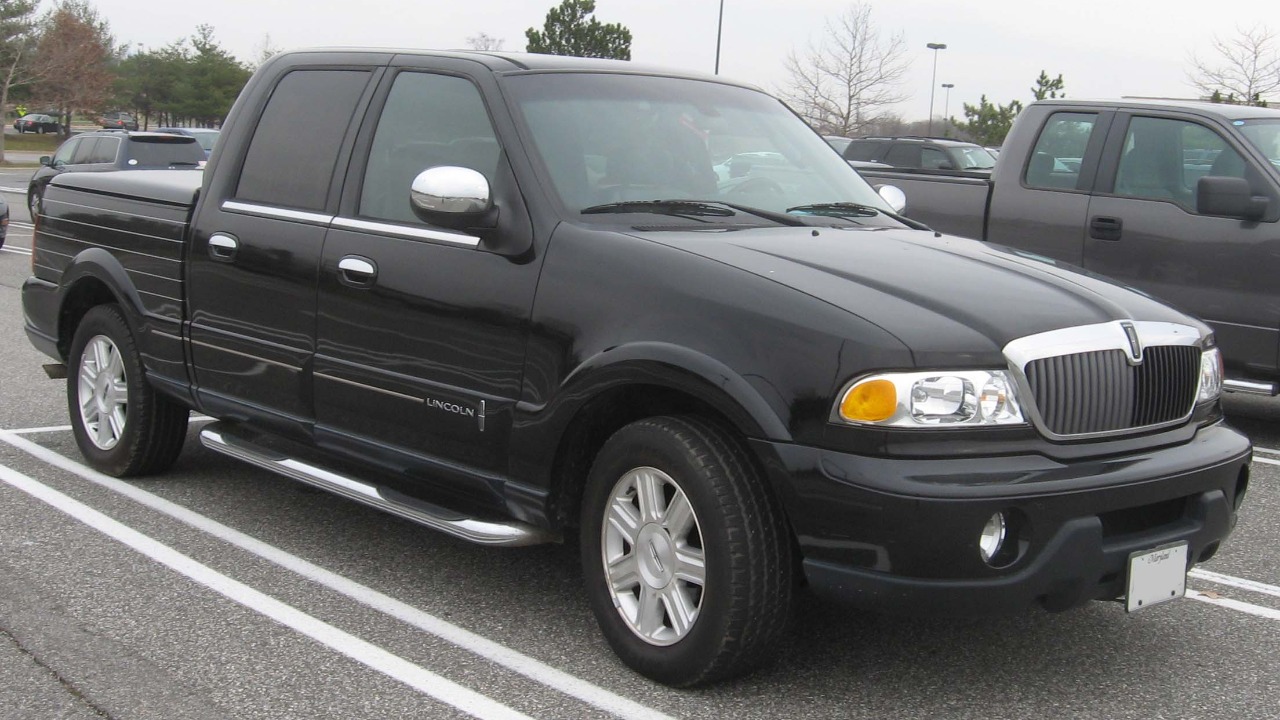
Lincoln tried to turn the pickup into a luxury item, and HotCars lists the Blackwood among American pickups that flopped, with only 3,356 sold.
That figure is small even for a niche vehicle, and it shows that a premium badge and an upscale interior could not by themselves create a market for a luxury truck. The Blackwood is now remembered as an ambitious experiment that few buyers wanted. The sales count, set beside its price class, explains why the Blackwood is remembered as a rarity rather than a mainstream luxury choice.
10. Subaru Baja: Car-Based Pickup
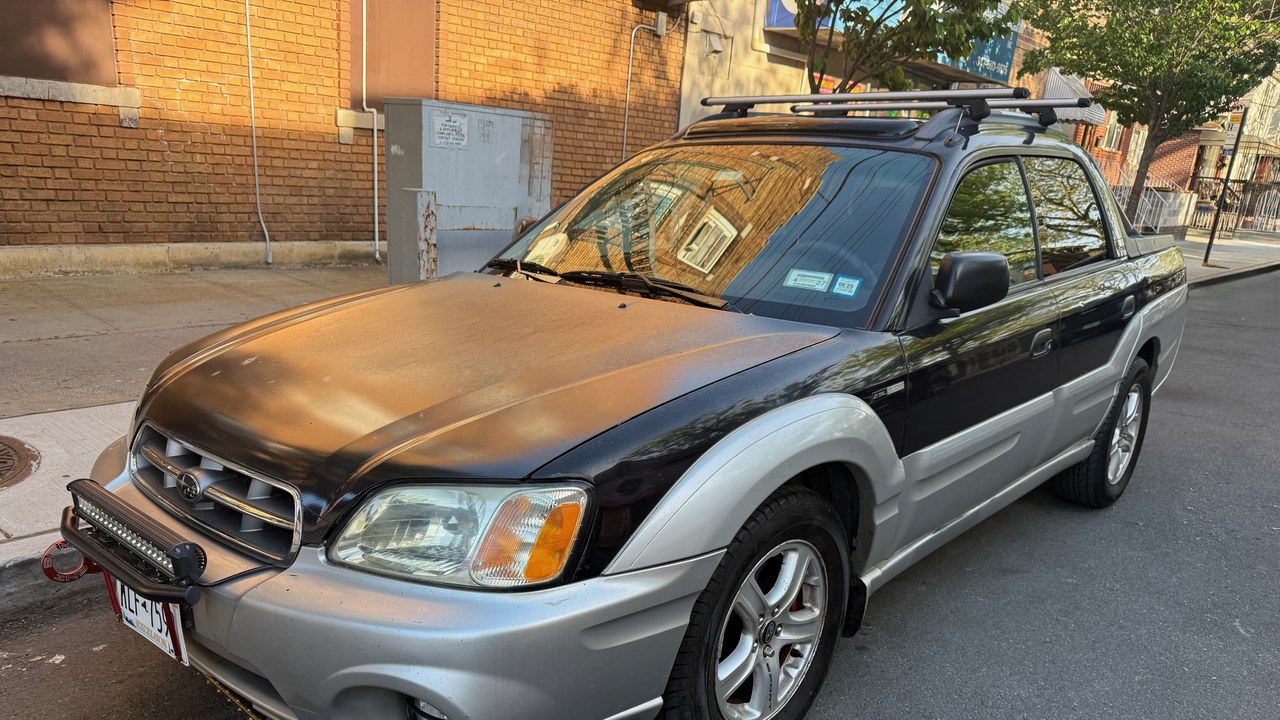
Subaru built a pickup on a car-based formula. HotCars counts about 30,000 Baja sales in its roundup of American pickups that flopped.
Thirty thousand is far from nothing, yet it was not enough for the Baja to be treated as a success. The model shows how a clever crossover of car and truck ideas can still leave buyers unsure which job it was meant to do. As a result, the car now sits among the pickups that tried something different and found a limited audience.
11. Chevrolet Vega: Car of the Year, Then Recalls
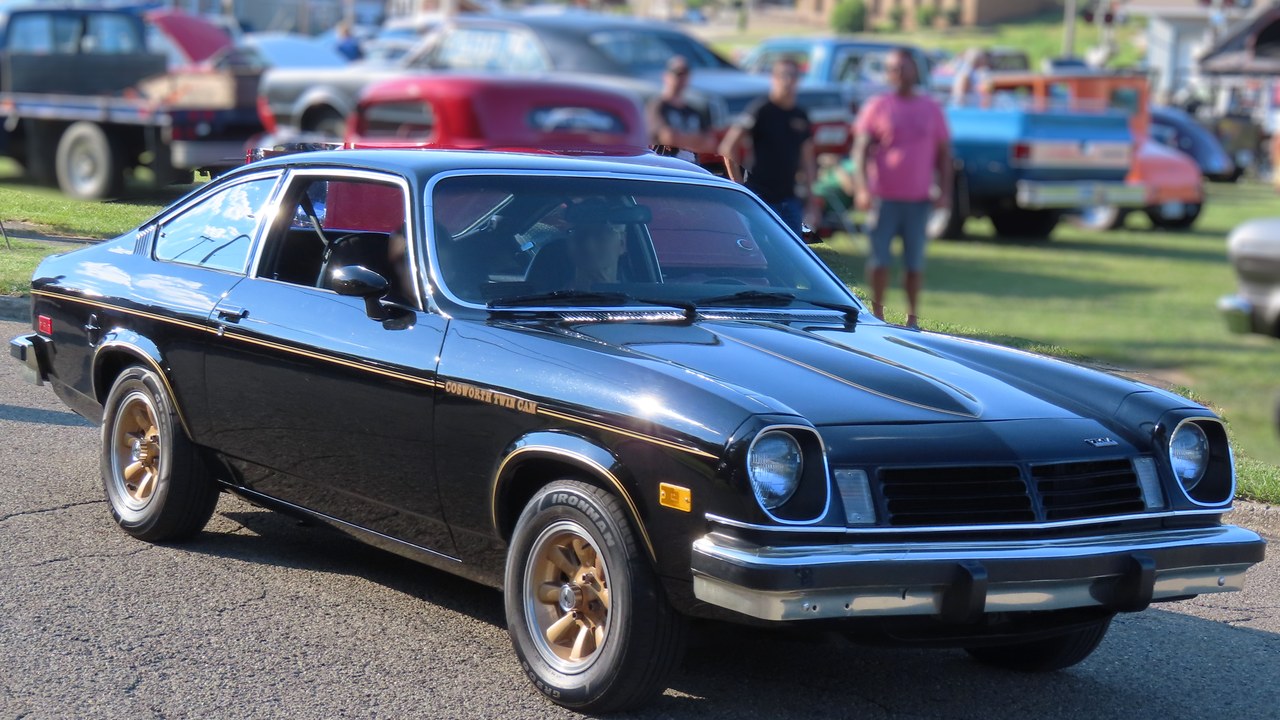
GM recalled 130,000 Vegas in April 1971 and 500,000 more in July 1972, according to SlashGear’s list of Chevy flops. That came after the compact was named 1971 Car of the Year.
Few cars have gone from an industry honor to mass recalls so fast. The sequence shows that early praise offered no protection against problems that sent hundreds of thousands of cars back to dealers. The two recall figures, 130,000 and then 500,000, show the problem growing rather than fading over fifteen months.
12. Pontiac Fiero: Fires Doomed the Fiero
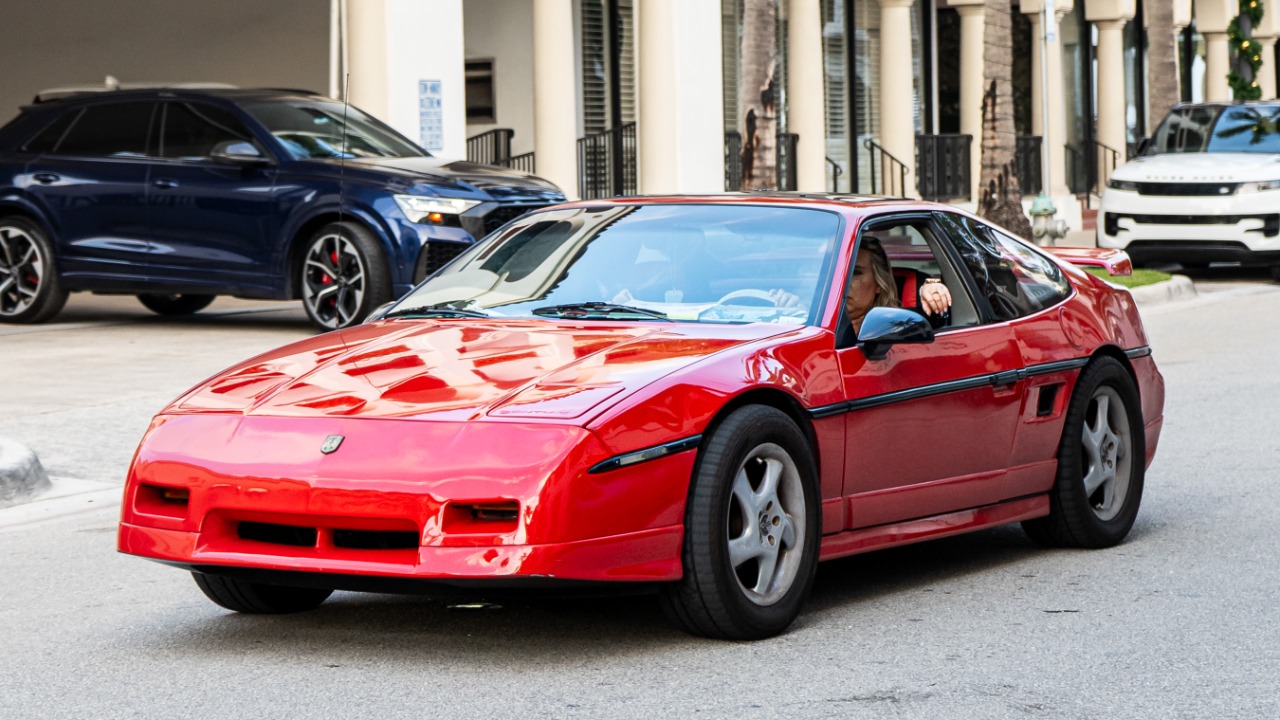
Pontiac’s mid-engine commuter carried a serious flaw: NBC News cites roughly 200 reported fires and dozens of injuries tied to the Fiero.
Safety trouble of that kind is damaging for any model, and it undercut a car that otherwise offered an unusual mid-engine layout. The Fiero is still discussed as a promising idea hurt by its record, and the reported fires remain the detail most associated with the car’s decline. The record shows how safety concerns can outweigh an interesting design in a buyer’s decision.
The day in tech, in one email: Get TLDR →
We may earn a commission if you sign up.
More from Morning Overview
- The FBI told the rest of ShinyHunters to surrender after a 24-year-old was arrested
- Two passengers died at an Ohio toll plaza, and the NTSB now wants the cash lanes shut
- Long use of a common prostate pill is tied to a higher chance of glaucoma
- Ford is recalling 223,472 F-150 pickups because the fuel tank can leak or detach
