
Postwar British roadster makers found their biggest customers across the Atlantic, and production records show how heavily some models leaned on the American market. Others earn a place for different reasons, from a Ford V8 under the hood to sheer rarity. Here are twelve British sports cars that tell that story.
Tech news in one quick read: Get the most interesting stories in startups, tech and programming, each with a short TLDR, in one daily email from TLDR.
We may earn a commission if you sign up.
1. MGB: Early Cars Crossed the Atlantic
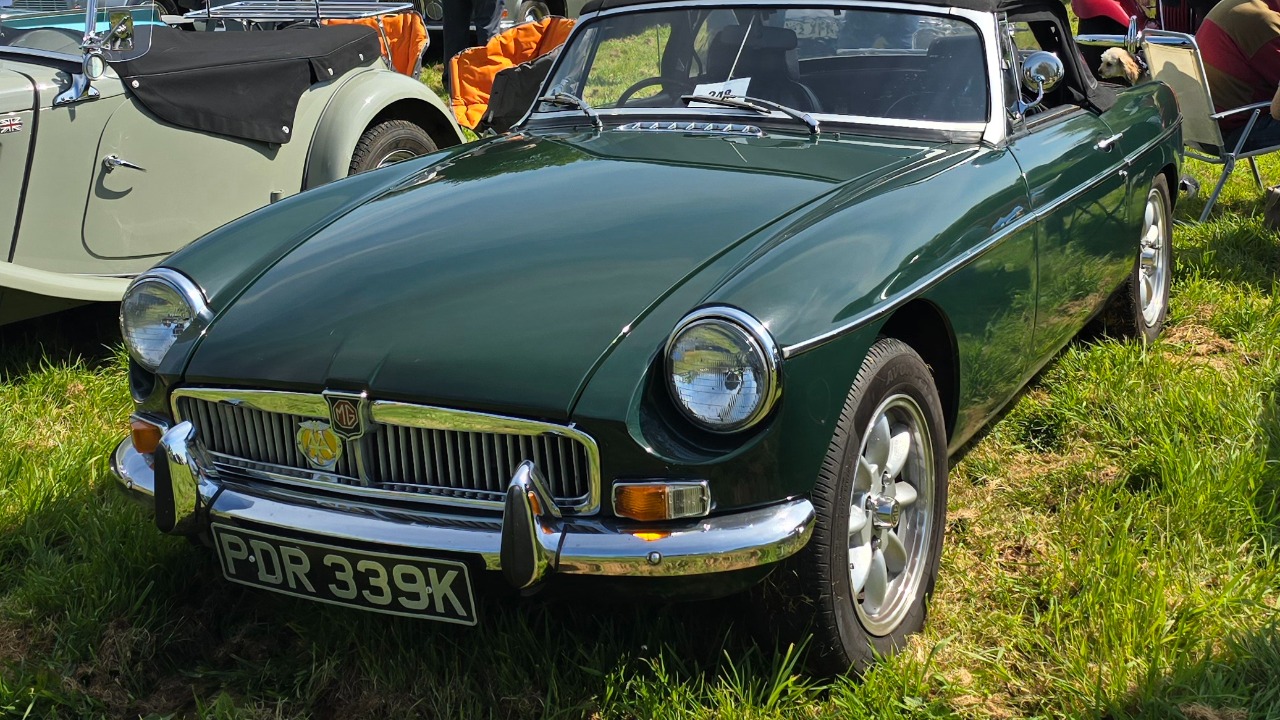
More than sixty percent of early MGBs crossed the Atlantic, according to a BMC export history covering the company’s American trade. Sales of the MGB, MGC and MGB GT V8 combined totaled 523,836 cars, the largest volume of any model in this gallery.
That export share explains why the MGB is so closely tied to American roadster culture. A buyer weighing one today should expect many cars to have begun life in the United States, which shapes original specification and the paper trail that comes with each example.
2. Triumph TR6: Almost Entirely for America
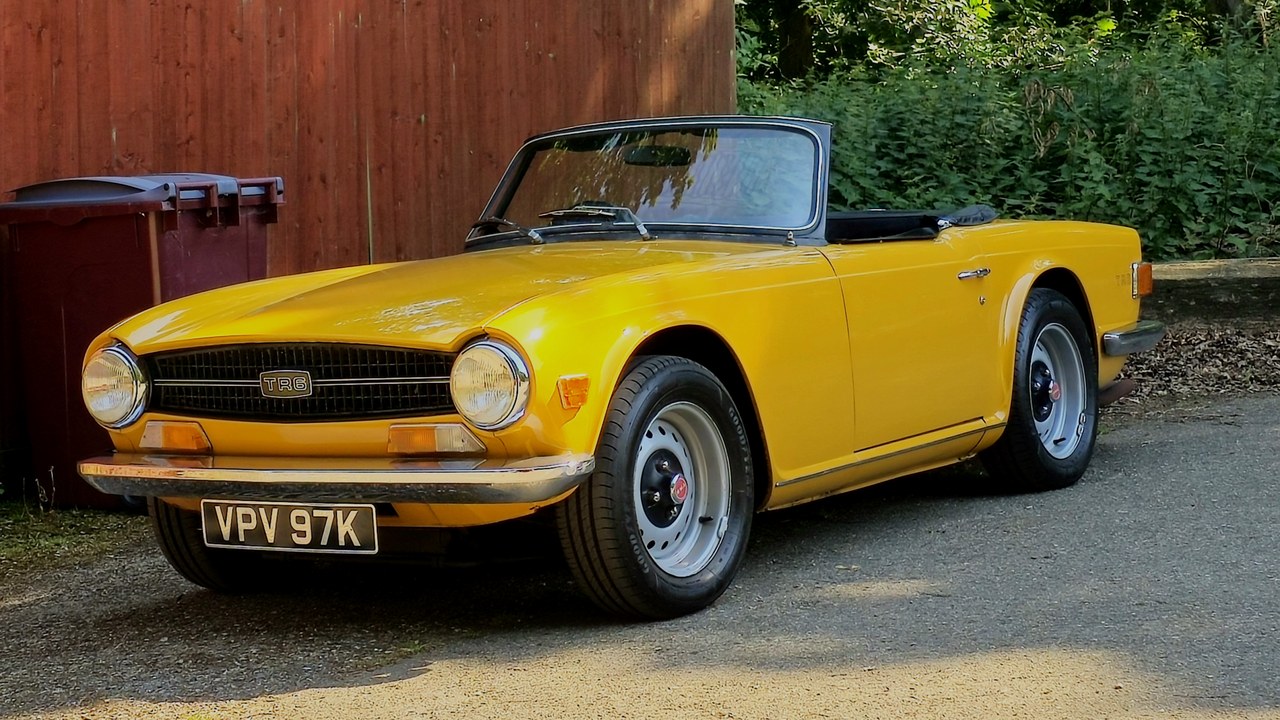
Triumph built 94,619 TR6s, and 83,480 of them went to America, as laid out in the same TR6 production figures that covers the MGB. Only a small remainder stayed in Britain or went to other markets.
The lopsided split makes the TR6 a car designed with the American buyer firmly in mind. Anyone shopping for one will find the supply concentrated in the United States, where the large majority of these straight-six roadsters were first delivered.
3. Austin-Healey 3000: Export Was the Business
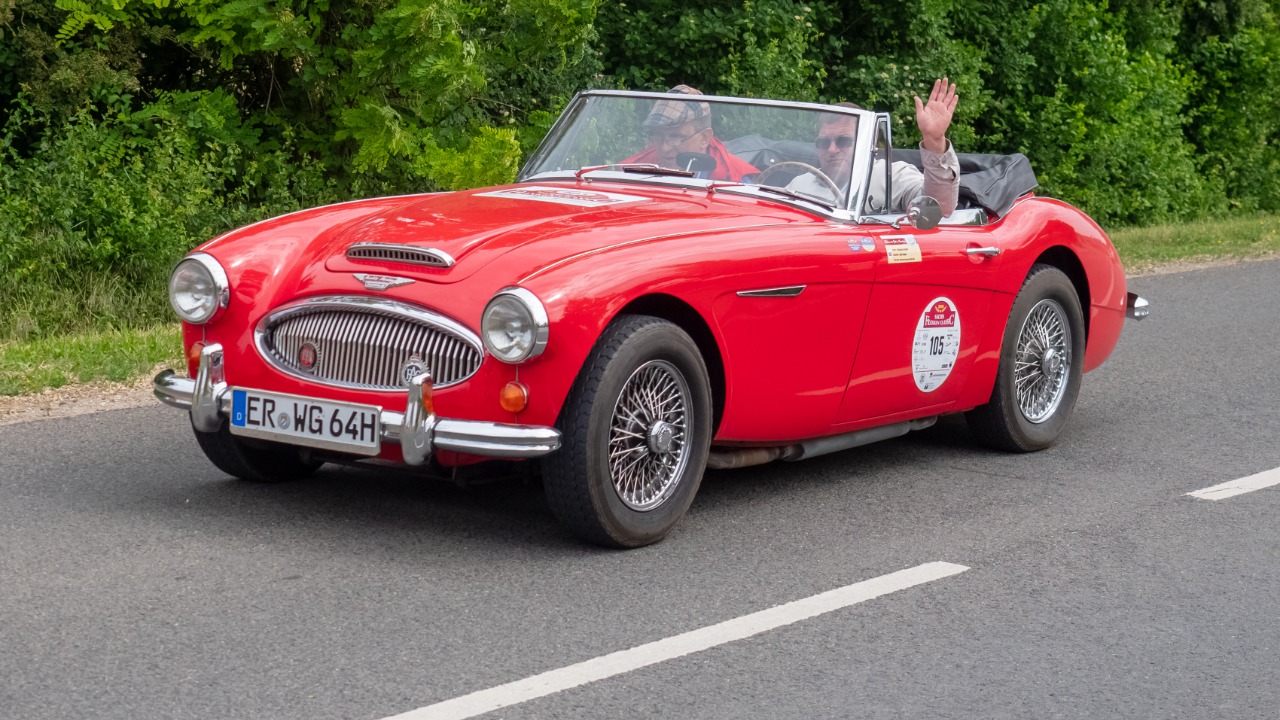
In 1963, 91.5 percent of all Austin-Healey 3000s were exported, with the majority going to North America, according to the Austin-Healey 3000 entry on the model. Across three marks, a total of 42,926 cars were built.
Those numbers show a big, powerful roadster whose home market was a secondary concern for its maker. Survivors are therefore plentiful in North America, and left-hand-drive examples are the norm for buyers there instead of an exception.
4. Triumph Spitfire: A Cheap Roadster Sold Abroad
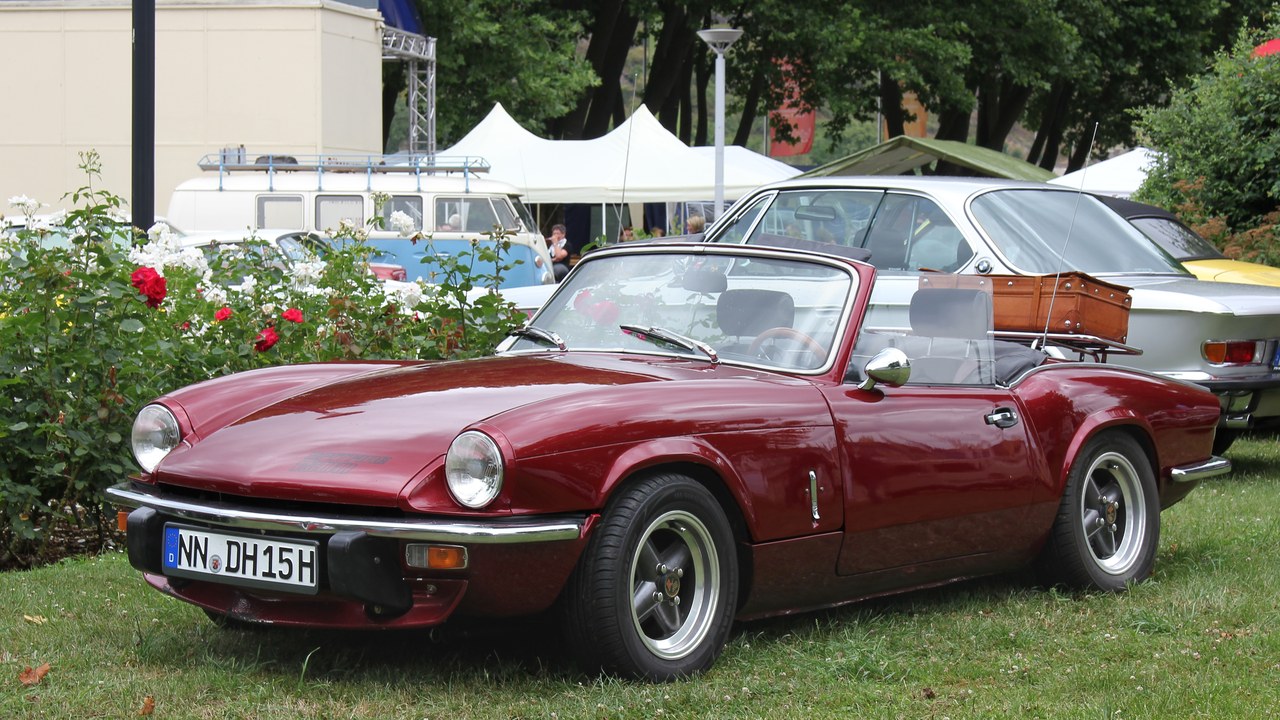
Over 317,000 Spitfires were sold, and the Supercars.net Spitfire profile reports that 75 percent were exported to the world market. The United States alone took 45 percent of production, a very large share for a single country.
Volume of that kind kept the Spitfire among the most approachable British sports cars on either side of the ocean. Plentiful numbers generally mean a deep supply of parts and club support, which matters to anyone considering a first classic.
5. Austin-Healey Sprite: Half the Run Went West
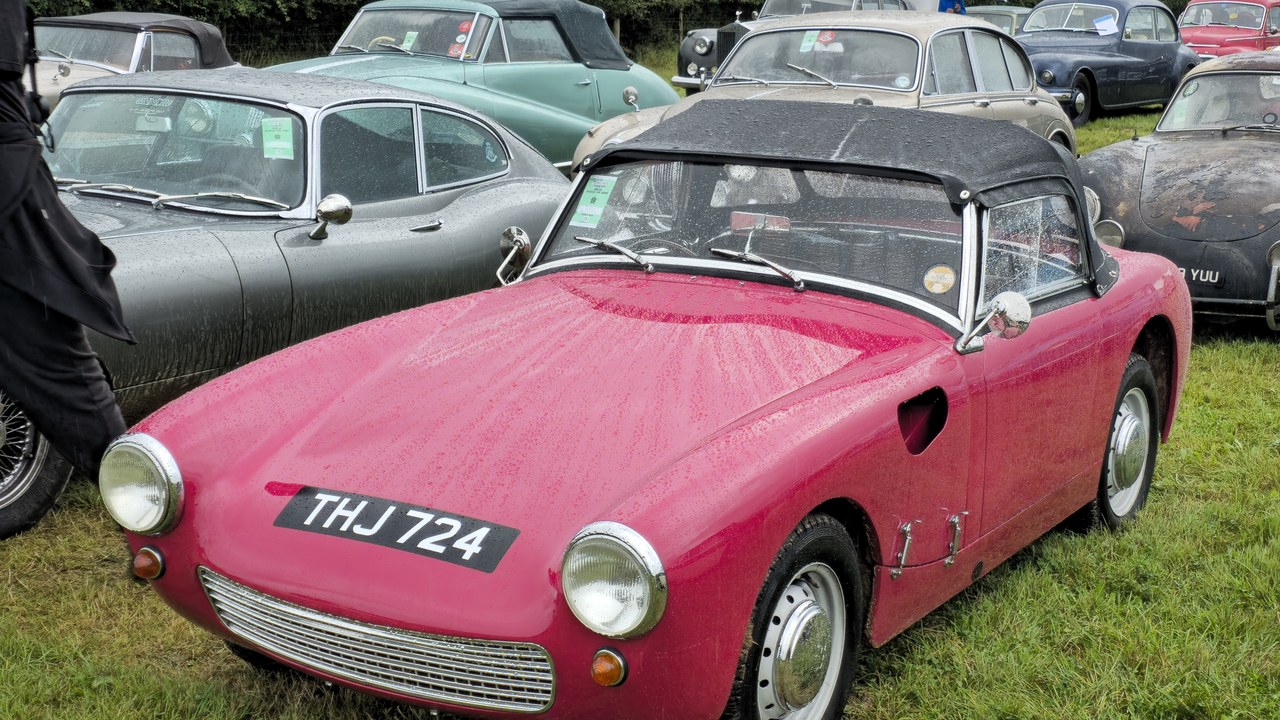
A production table in a MG Experience production table article shows 48,999 Bugeye Sprites built, with 24,148 of them imported to the United States. That is roughly half of the run landing on American roads.
The Bugeye’s compact size and open-top charm made it a natural fit for American buyers, and the numbers bear that out. Today the cars remain a popular entry point to vintage sports car ownership among hobbyists, and a surviving car often carries a story of cross-ocean shipping with it.
6. Triumph TR7: The Wedge That Divided Fans
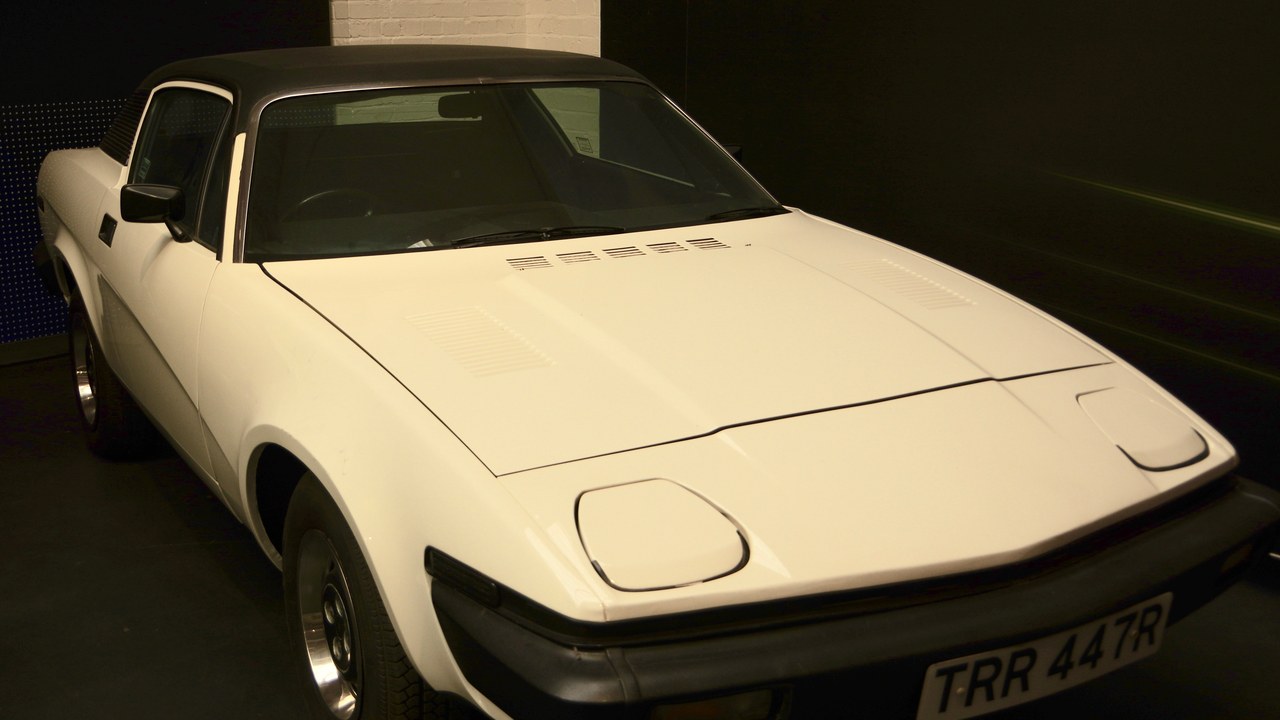
Production data in the same TR7 build totals puts TR7 output at about 111,500 cars between 1975 and 1981. That makes it one of the higher-volume Triumph sports cars of the period.
The wedge-shaped car arrived late in the era of British roadsters. The figures show it sold in meaningful numbers, even though enthusiasts have long debated its styling and build reputation. Prospective owners can weigh that mixed legacy against the car’s relative availability today.
7. Jaguar E-Type: Exported by the Thousands
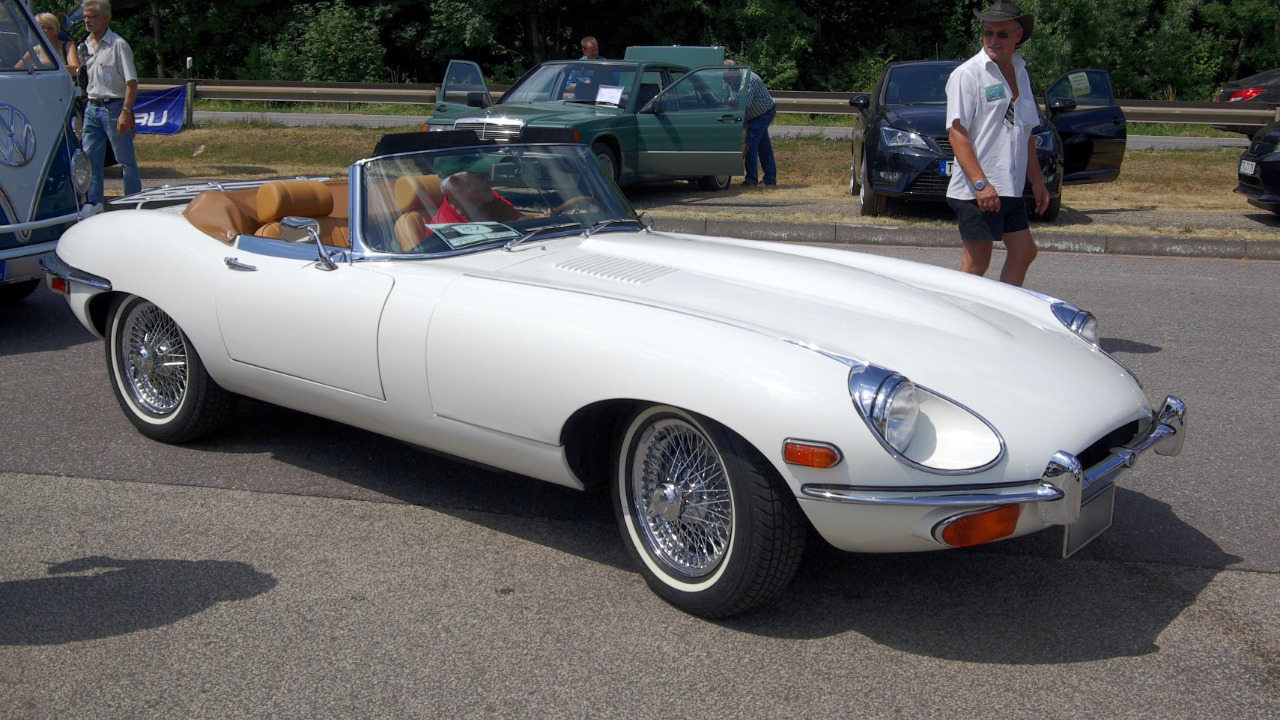
A motoring column in Torbay Weekly export column notes that the majority of E-Types built between 1961 and 1974 went overseas, mostly to the American market. Jaguar’s most celebrated sports car was thus sold more abroad than at home.
That pattern runs against the image of the E-Type as an exclusively British icon. For collectors, it means a large share of the best-known examples have spent most of their lives in the United States, with matching service histories.
8. MG TD: Postwar Export Pioneer
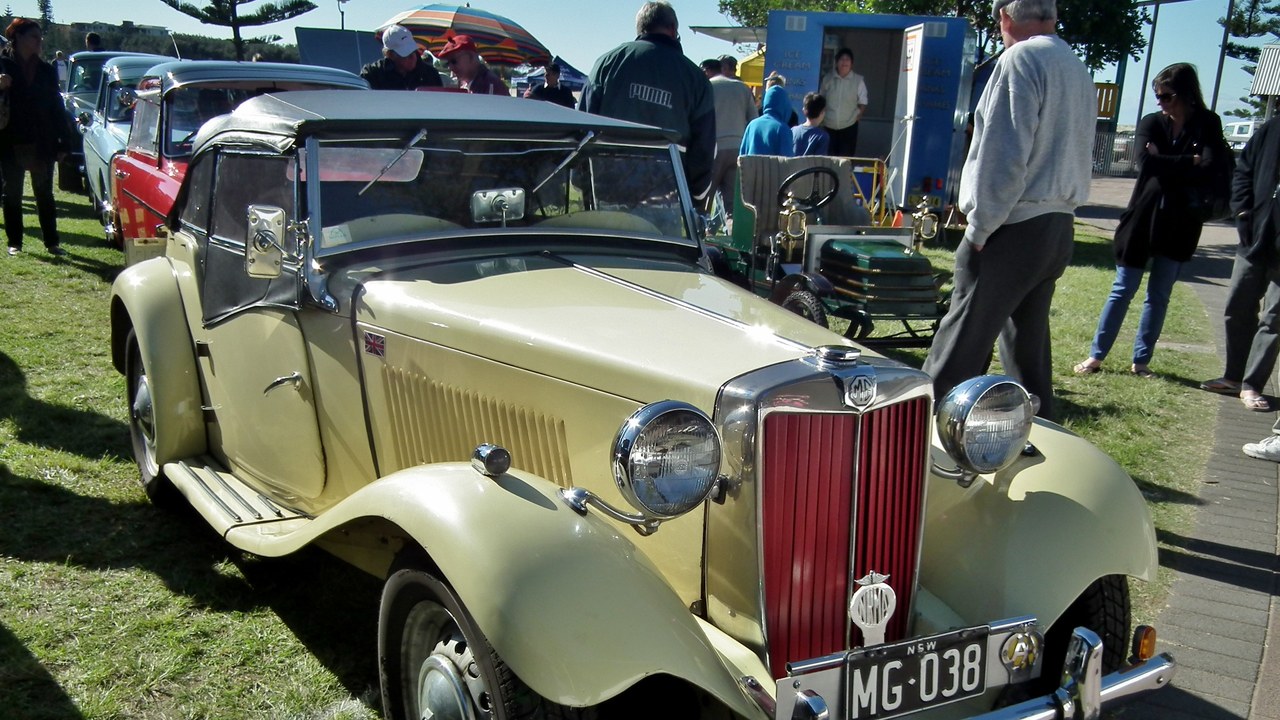
All but 1,656 MG TDs were exported, and 23,488 of those went to the United States alone, according to MG TD Wikipedia article. The traditional-looking roadster was sold overwhelmingly outside Britain.
The TD is often credited with opening the American market to small British sports cars. Its traditional styling and tiny home-market share make it a clear case of a model built mainly for buyers who lived thousands of miles from the factory.
9. MGA: Barely Sold at Home
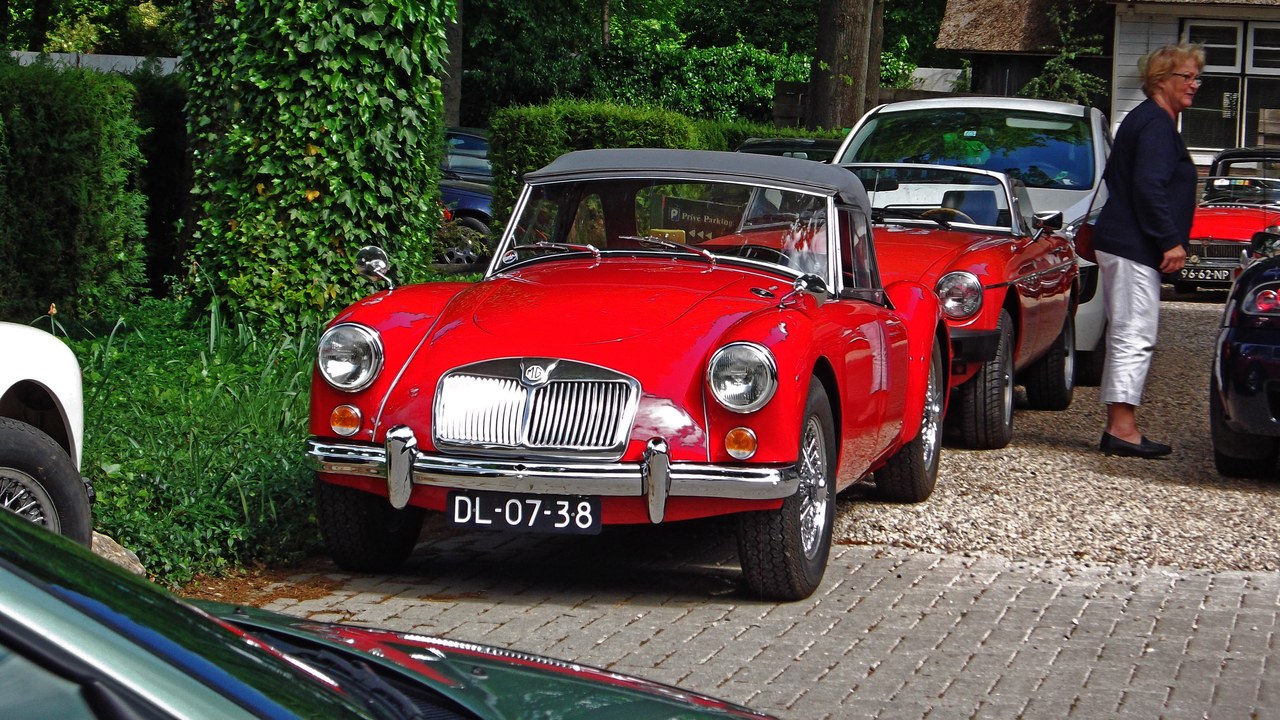
Of about 101,476 MGAs made, only 5,869 were sold on the home market, as the MGA article on the model records. Nearly every MGA left Britain.
That ratio places the MGA among the most export-dependent cars here. Anyone hunting for one in Britain faces a small domestic pool, whereas American buyers can draw on a much larger population of surviving cars. The home-market figure is strikingly small for a car with a production run above one hundred thousand.
10. Sunbeam Tiger: Ford Power in a Sunbeam
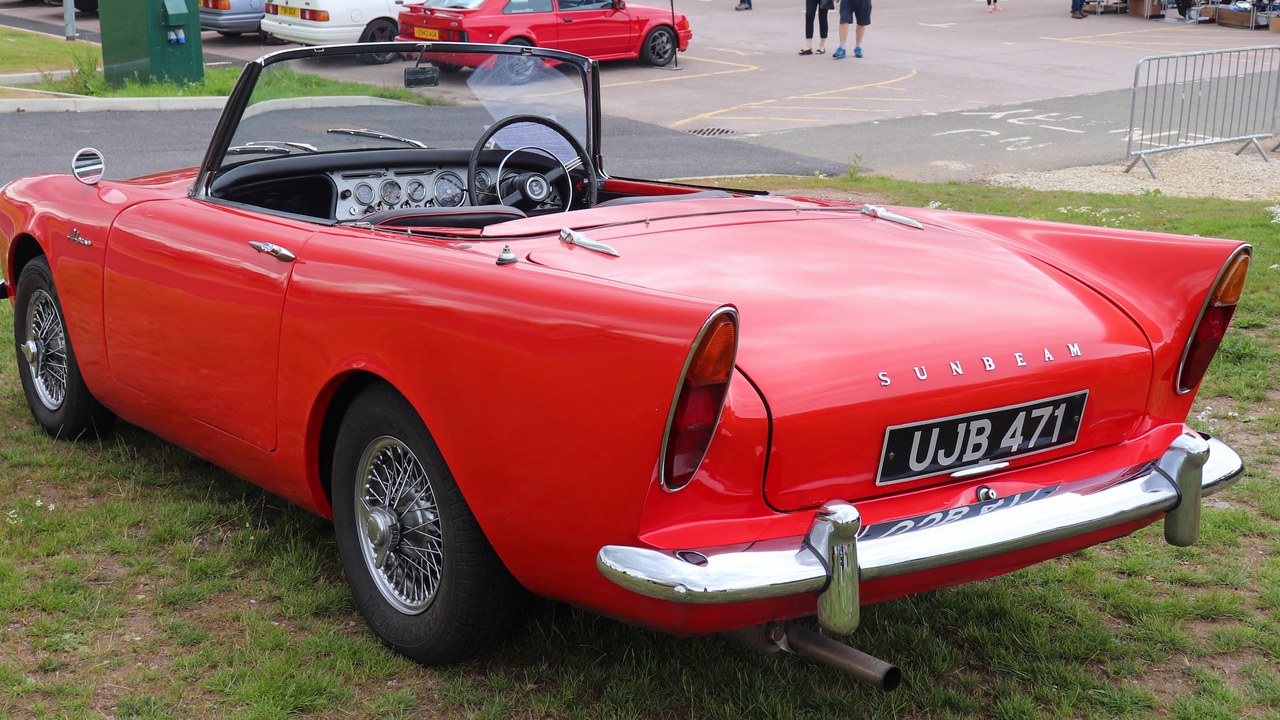
Fewer than 7,000 Sunbeam Tigers with a 260-cubic-inch Ford V8 were built through 1967, as an RM Sotheby’s catalogue entry for one car explains. That example sold for $88,000.
The small production run and the muscular V8 engine set the Tiger apart from four-cylinder British roadsters. Its rarity, set against the larger runs of its rivals, is a key reason that well-kept cars can command serious money at auction, and condition matters greatly to value. Documentation of the original engine and drivetrain is a sensible first request for any prospective buyer.
11. Triumph TR3A: Triumph’s Earlier Workhorse
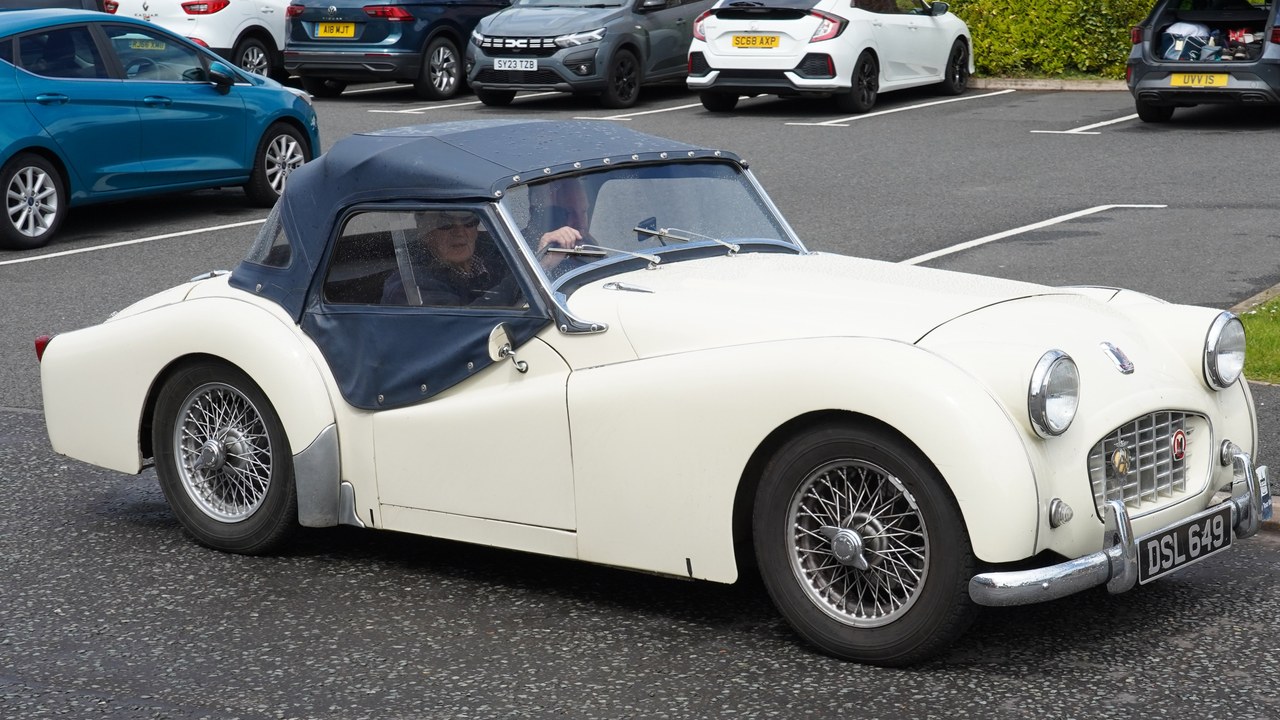
About 58,236 TR3As were built from 1957 to 1961, based on production totals in the TR3A build figures article. The car is the earliest of the Triumph roadsters featured in this gallery.
The TR3A is a simple, rugged design with a loyal following among vintage racers and weekend drivers. Its build numbers are modest next to the TR6, yet they were enough to establish it as a steady seller. Modest production also means fewer survivors, so clean examples deserve patient shopping and a close look at the paperwork.
12. Lotus Elan: Lightweight and Rare
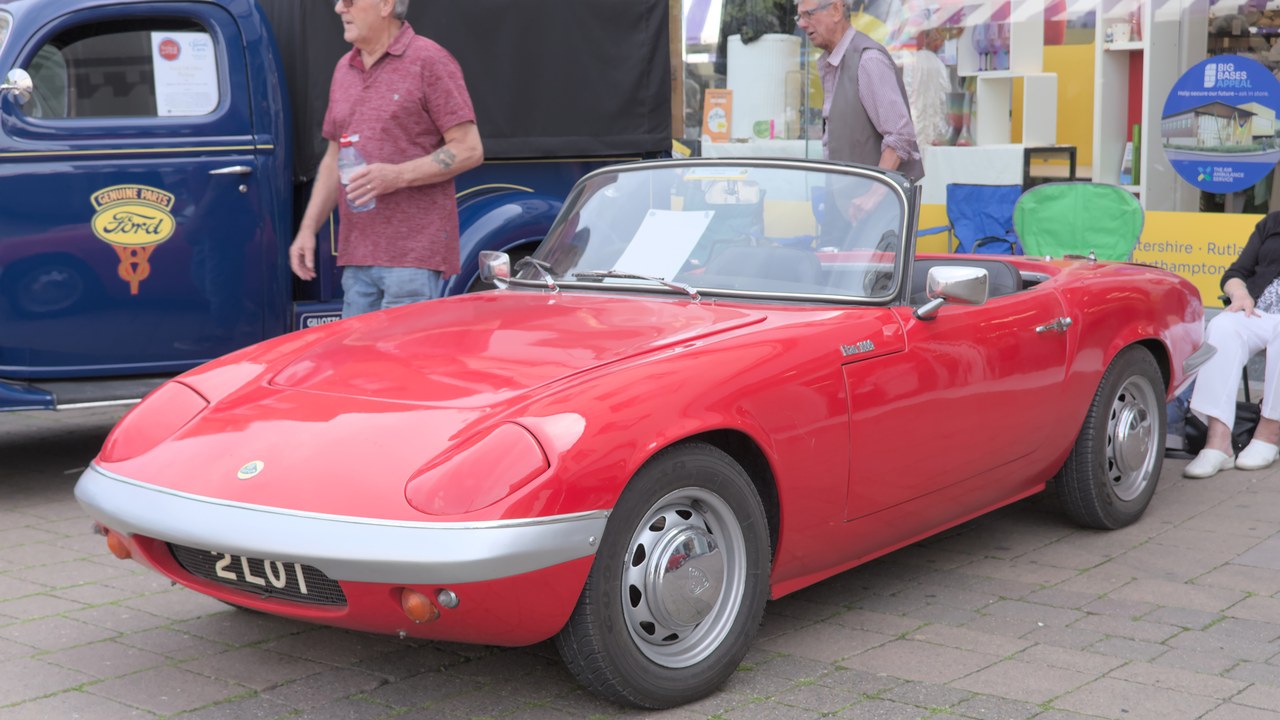
Lotus built about 9,659 Elans, a figure drawn from the production table in the Elan production count piece. That is the smallest production total of any model on this list apart from the Sunbeam Tiger.
The Elan was a lightweight, nimble departure from the heavier roadsters around it. Its low numbers mean that buyers seldom find many for sale at any one time, and patience is usually required when looking for a good example. That scarcity is part of the appeal for collectors who value lightweight design over sheer power.
Tech news in one quick read: Subscribe to TLDR →
We may earn a commission if you sign up.
More from Morning Overview
- Hybrids have 15% fewer problems than gas cars, while EVs and plug-in hybrids have about 80% more, Consumer Reports finds
- Regulators cleared the first U.S. small modular reactor, 4 months early
- Lake Powell sank to a record 3,517 feet, nearing the level that stops Glen Canyon Dam’s turbines
- Seven of Earth’s nine planetary boundaries are breached, and all seven are worsening
