
Few small cars have stretched across as many eras as the Mini, from a modest British family car to a modern battery-powered hatch. Along the way the badge picked up rally trophies, open-top variants and bigger relatives. Here are twelve milestones that show how the name changed over time.
Tech news in one quick read: Get the most interesting stories in startups, tech and programming, each with a short TLDR, in one daily email from TLDR.
We may earn a commission if you sign up.
1. Morris Mini-Minor: The Original Idea
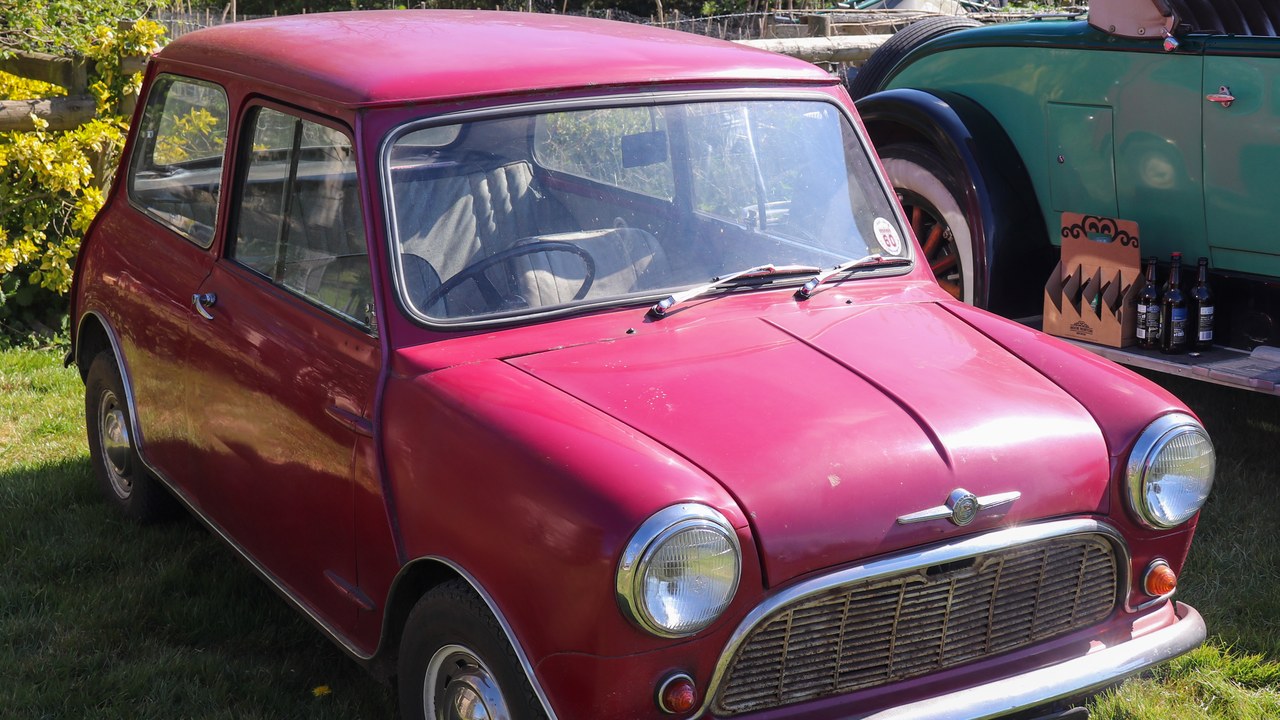
Alec Issigonis’s design was announced to the public on 26 August 1959 and sold at first under two names, the Austin Seven and the Morris Mini-Minor. Two brands shared one small car.
Selling the same compact design through different badges was common practice at the time. The twin names soon faded as the Mini became a marque in its own right, and the shape stayed recognizable for decades afterwards. Looking back, the quiet launch gave little hint that the little car would become a cultural icon of British design.
2. Mini Cooper (1961): Performance Joins the Party
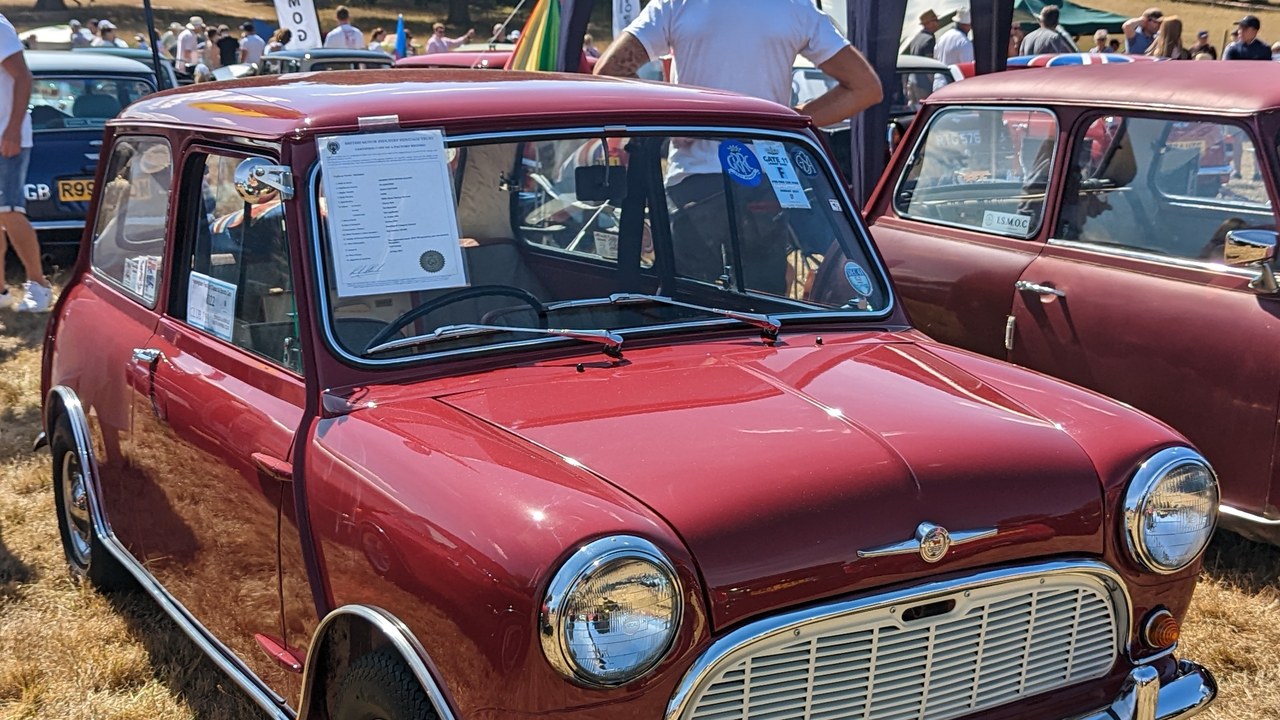
The first Mini Cooper arrived in 1961 with a 997cc, 55bhp engine at a price of £680. It turned a thrifty runabout into something noticeably quicker.
Adding sporting character to a small economy car was a clever way to widen its appeal. The Cooper name stuck, and it still sits on Mini hatchbacks today, long after the original engine and price have become historical details. Racing teams and road buyers alike noticed the difference, and the Cooper partnership became central to the story of the brand.
3. Mini Cooper S: Monte Carlo Glory
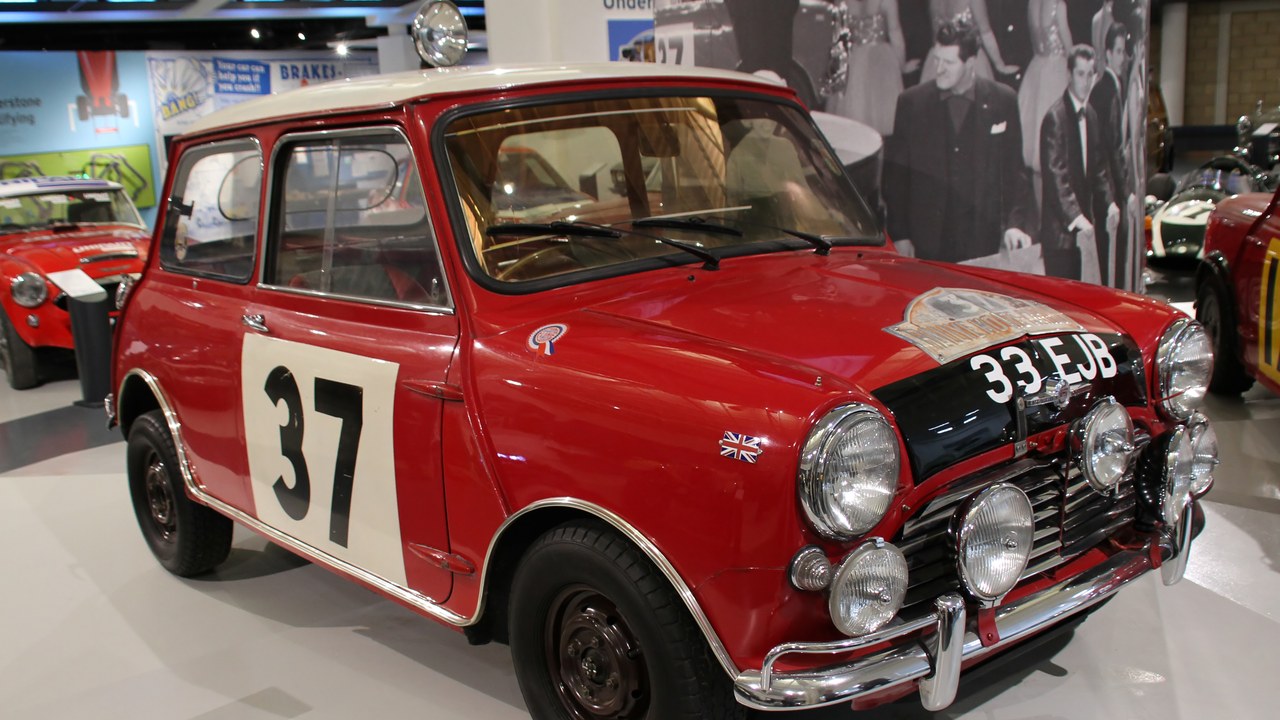
In January 1964 Paddy Hopkirk won the Monte Carlo Rally in a 1,071cc Cooper S, a car good for 100mph. The result stunned bigger and more powerful rivals.
That victory gave the tiny car lasting fame and a rally reputation that marketing could not have bought. It is the moment the headline refers to, and it still colors how the Cooper S badge is perceived. Rally wins like this one remain the best-known chapter in the classic Mini story, and fans still celebrate it regularly.
4. Mini Moke: Beach Car Spin-Off
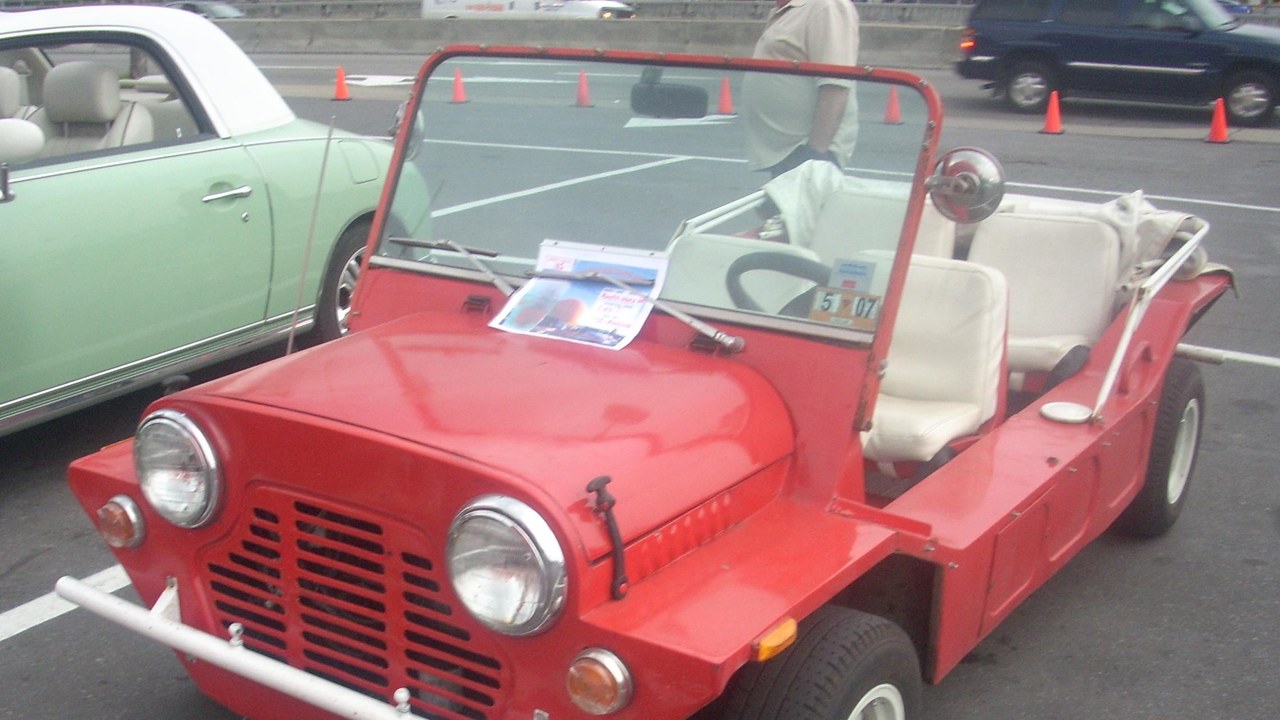
The open-sided Moke spun off the Mini, and about 50,000 were made in total across the UK, Australia and Portugal. Production spread across three countries.
A stripped-down utility vehicle on small-car running gear suited sunny climates and light-duty work. The Moke shows how flexible the underlying Mini platform proved to be, and it remains a favorite among collectors of quirky classics. Despite its modest speed, its charm has kept demand strong among collectors and holidaymakers who enjoy a sense of fun.
5. Last classic Mini (2000 Cooper Sport): The Final Red Cooper
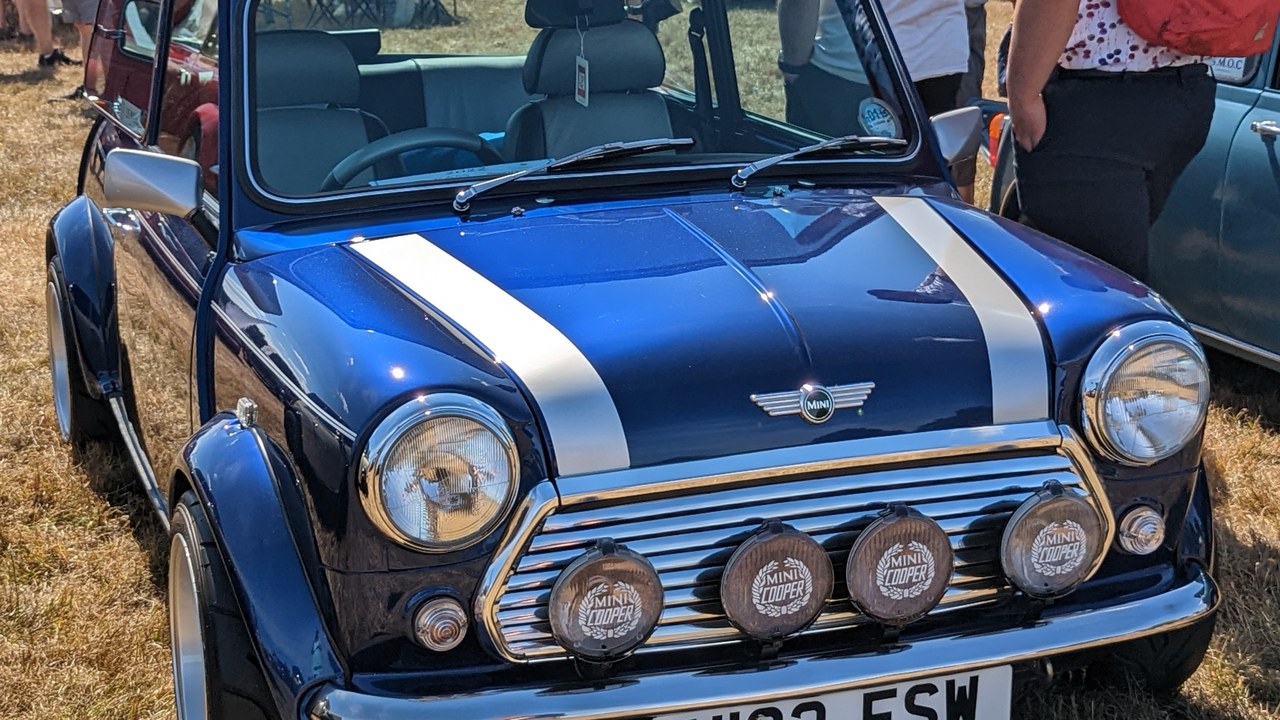
The last classic Mini, a red Cooper Sport, was built on 4 October 2000, bringing a total of 5,387,862 cars to an end. The old line closed with a very large number.
More than five million cars made it one of the great long-running designs in British motoring. The final example marked a clean break, because the next Mini would come from a different company and an entirely new engineering approach. Few cars can claim to have been made for so long, and the milestone still prompts anniversary celebrations among owners.
6. Mini Hatch (R50): BMW Takes Over
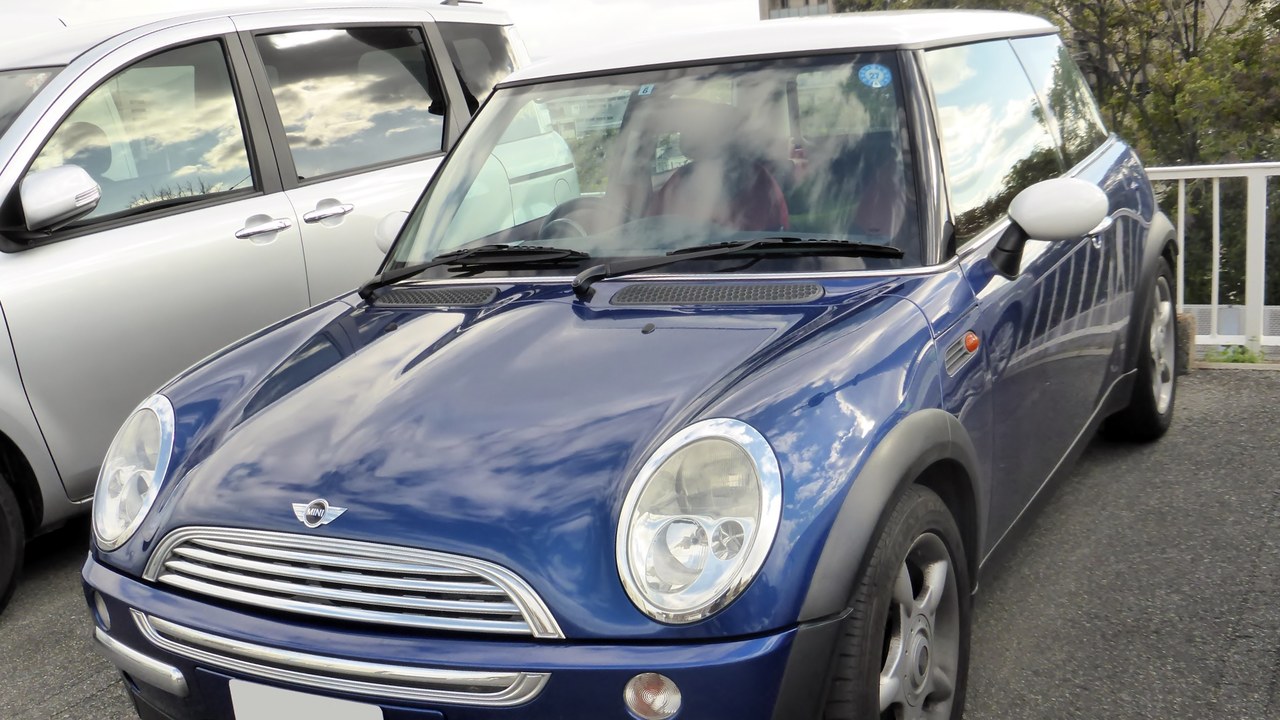
BMW’s new Mini entered production on 26 April 2001 and went on sale in July of that year. The hatchback revived the name for a fresh generation.
The new car kept the compact proportions and playful attitude while adding modern safety and refinement. It proved that the old badge could succeed again, and it laid the foundation for the wider family of models that followed. Sales began soon after production did, so buyers waited only a few months before showrooms had the modern replacement.
7. Mini Cooper S (R53): Supercharged Revival
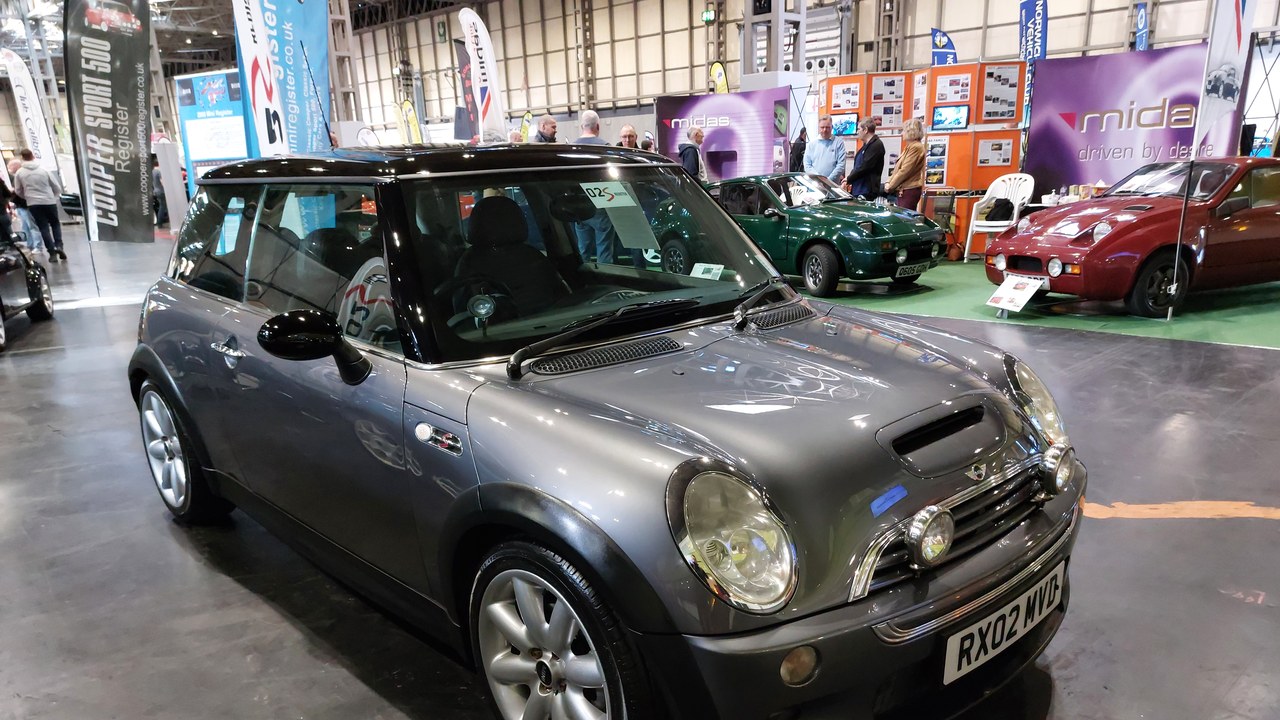
BMW’s first new-era Cooper S used a 163 hp compressor engine to revive the badge. The supercharger gave the model real urgency on the road.
Bringing back the Cooper S name with genuine performance mattered to enthusiasts who remembered the rally heroes. It connected the modern hatch with its sporting ancestry and gave the revived brand credibility beyond its fashionable image. The extra power helped the new hatchback shake off any suggestion that it was only a stylish retro design.
8. Mini Convertible: Open-Top Fun
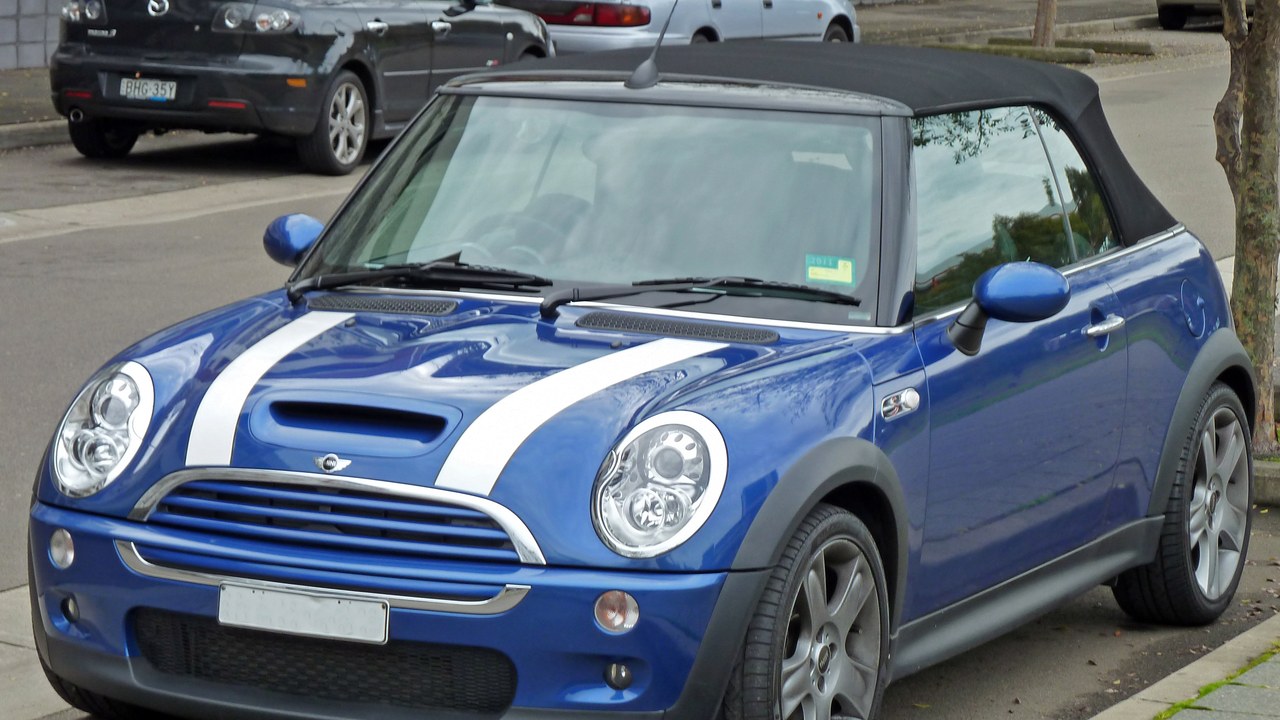
The open-top MINI Convertible made its debut in spring 2004. It added a sunny alternative to the standard hatchback in the new lineup.
Dropping the roof suited the car’s cheerful character, and it showed that the brand wanted to explore more than one body style. The Convertible became part of the standard range, giving buyers a lifestyle option rather than only a practical one. Convertible versions have remained a regular feature in later generations, which says a lot about their continued appeal.
9. Mini Clubman (R55): A Classic Detail Returns
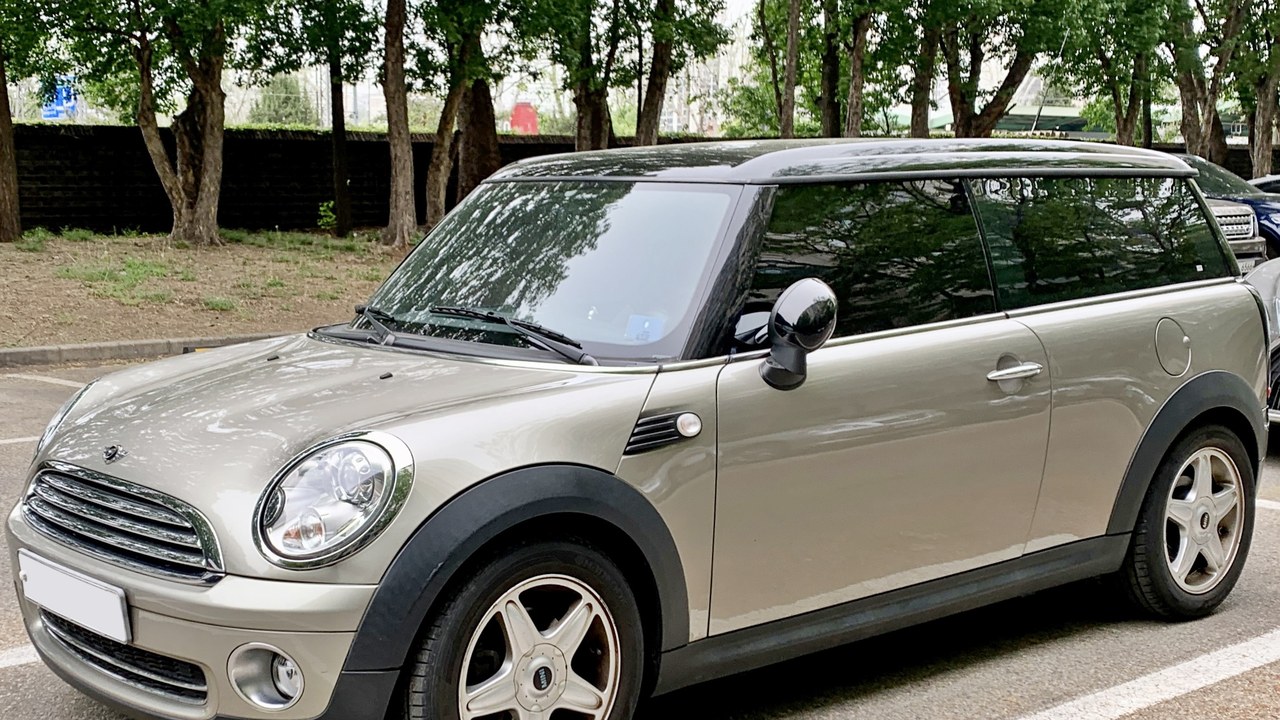
The 2007 Clubman revived a two-part rear door, an authentic detail taken from the classic Mini estates. A small touch of history appeared on a longer body.
Borrowing a feature from the old estate cars gave the model a link to the past instead of just a bigger cabin. It shows how the company mixed practical growth with nostalgic design cues, a theme running through its modern lineup. Small details like this help the modern cars feel connected to the original designs rather than merely borrowing the name.
10. Mini Countryman: Bigger Than Ever
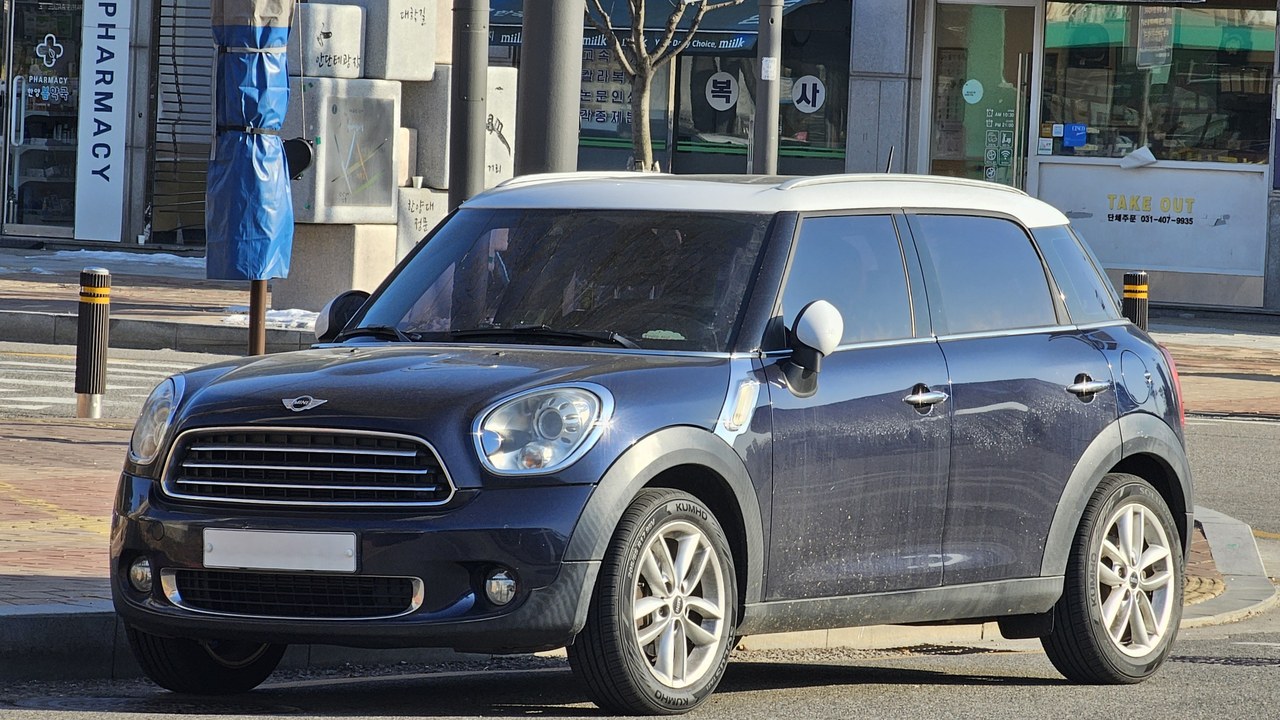
The 2010 Countryman was the first MINI longer than four metres, with five seats, four doors and optional all-wheel drive. It was a clear step up in size and ability.
The jump to a family-friendly crossover format broadened the brand’s reach well beyond its city-car roots. Purists debated whether it still counted as a Mini, but the shape of the market soon made larger models a normal part of the range. Later Mini families would add even more variety, but the Countryman was the one that first pushed the limits of size.
11. Mini Electric (Cooper SE): Plugging In
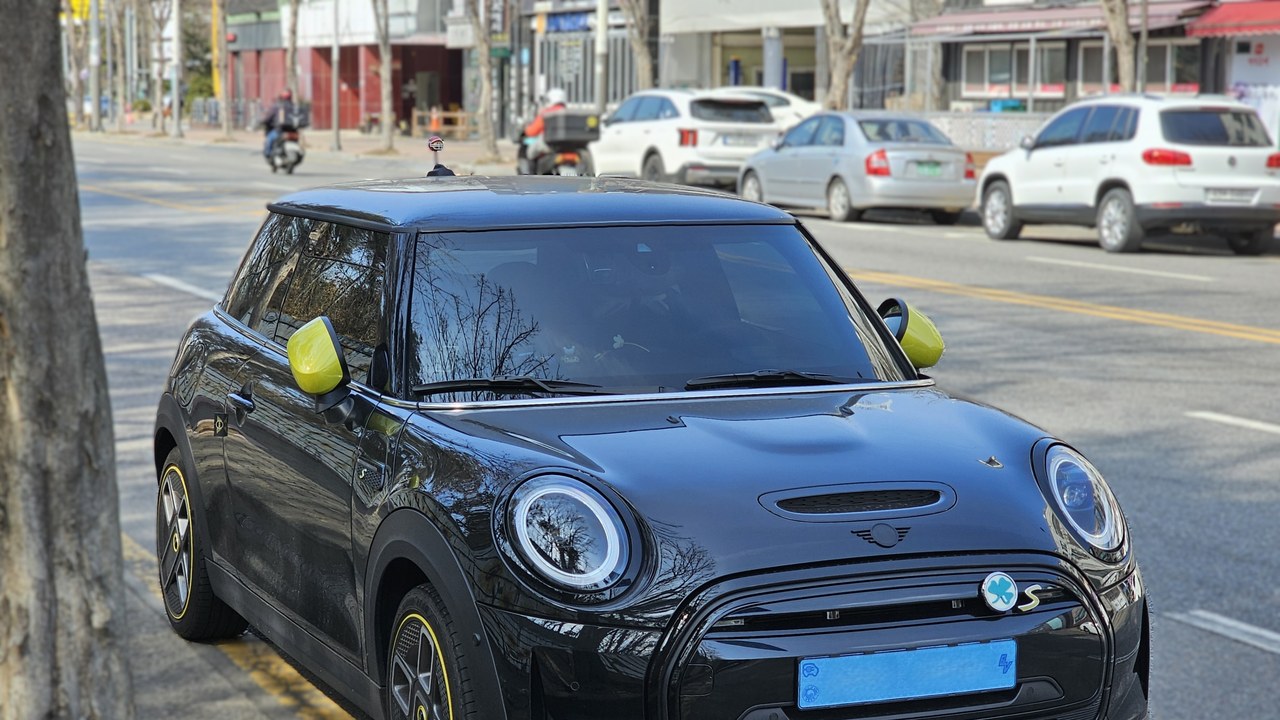
The battery-electric Mini Electric, also called the Cooper SE, launched in 2020 with a 32.6 kWh battery and 181 hp. The Mini name entered the electric age.
A small car with quick response suits electric power well, particularly for city driving. This model gave the badge a first full battery-powered hatchback and prepared the ground for the next generation that followed a few years later. Early adopters could finally choose a Mini without a petrol engine, a change that fit the growing interest in electric cars.
12. Mini Cooper SE (J01): Longer Range
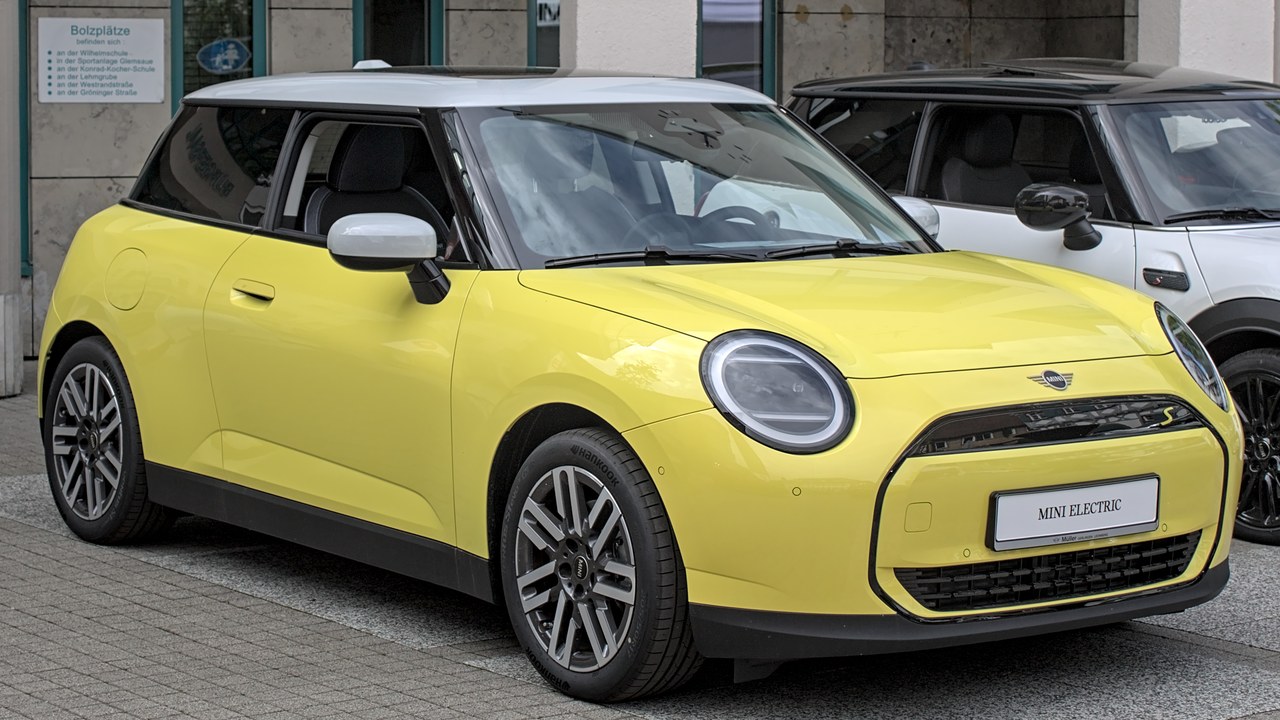
The fourth-generation electric Mini, unveiled on 1 September 2023, gives the Cooper SE a 54.2 kWh battery and 250 miles of range. The upgrade is substantial.
A larger battery answers the main complaint about the earlier electric version, which was limited range. The newer car shows how far the Mini has traveled since 1959, even while it keeps the compact, cheerful character that started the story. Drivers who once worried about distance now have far more freedom, which should make the electric Mini a more realistic everyday choice.
Tech news in one quick read: Subscribe to TLDR →
We may earn a commission if you sign up.
More from Morning Overview
- Regulators cleared the first U.S. small modular reactor, 4 months early
- Lake Powell sank to a record 3,517 feet, nearing the level that stops Glen Canyon Dam’s turbines
- Seven of Earth’s nine planetary boundaries are breached, and all seven are worsening
- The NSA says three phone features should be off whenever you aren’t using them
